




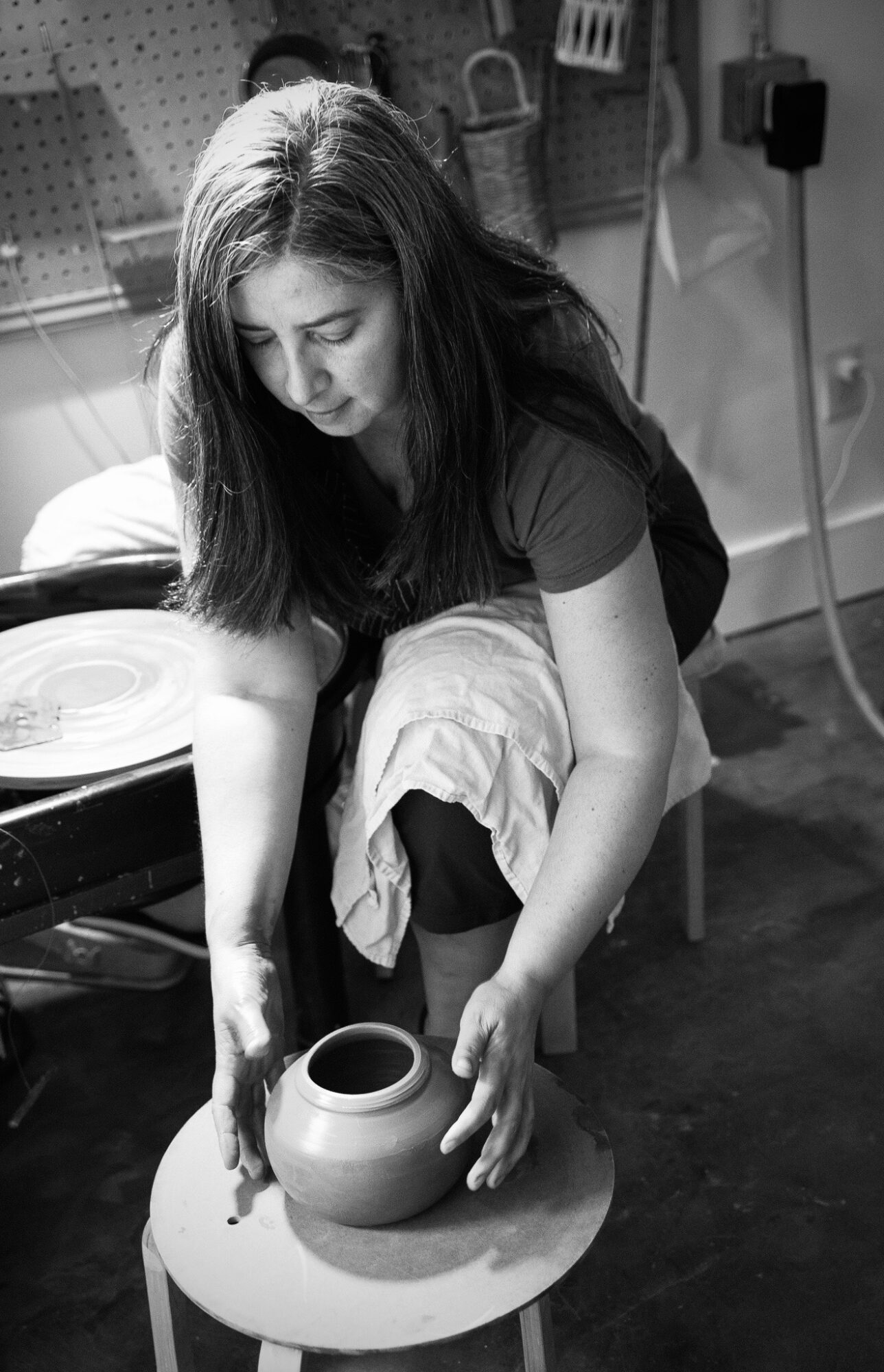
Today we’d like to introduce you to Veronica Arquilevich Guzman.
Veronica , we appreciate you taking the time to share your story with us today. Where does your story begin?
I am Veronica Arquilevich Guzmán, a ceramic artist, painter, and art instructor originally from Mexico City. My identity as an artist has been shaped by a life lived across borders — I have lived and worked in China, India, Vietnam, Malaysia, and across the United States. That cross-cultural biography is not background detail; it is the core of who I am and what I make.
EDUCATION AND EARLY CAREER
I began with a degree in Graphic Design, and then pursued Fine Arts — and it was during those fine arts studies, while living in León, Guanajuato, Mexico, that I created several public art installations in the city. That experience of art existing in public space, belonging to a community rather than a gallery wall, stayed with me.
I started giving art lessons very young, while still living in Mexico. When I arrived in the United States, I continued with private lessons, and teaching has honestly never stopped — it has run as a constant thread through every chapter of my career, in private settings, public institutions, and community organizations.
TEACHING AND COMMUNITY WORK
Over the years I have taught in many different contexts — sometimes through grants from the Regional Arts and Culture Council (RACC) in Portland, sometimes simply because I wanted to help inspire people and it was the right thing to do. I have worked with organizations like Right Brain Initiative and Arts for Learning, both of which connect artists with public schools to offer residencies and workshops — bringing creative practice directly into classrooms.
I currently teach ceramics and papier-mâché classes at my own studio, Maya Ceramics and Paintings, in Woodland Hills, and through Pierce College Extension, where I am working to form a new group of students in the San Fernando Valley. I also volunteer with the Human Library project, a community initiative where I serve as a living book — offering my personal story to listeners as a form of dialogue and connection. And as a librarian.
CHINA — EXHIBITIONS AND ART FAIRS
When I was living in China, my practice expanded into a very active exhibition life. I participated in multiple local and international art fairs, and had several gallery exhibitions. One of the most significant was an exhibition at the Guangzhou Museum of Modern Art — an experience that affirmed for me that my work could speak across very different cultural contexts.
ARTISTIC PRACTICE
My primary medium is wheel-thrown ceramics, which I alter into whimsical animal sculptures influenced by the Mexican alebrije tradition. I also produce hand-painted and hand-carved ceramic work, including Casitas and Talavera-inspired pieces that draw on the painted traditions of central Mexico. Painting and papier-mâché sculpture are also part of my practice.
I have taught alebrije workshops at the Sitka Center for Art and Ecology on the Oregon coast, and I’m coming back this summer to do it again. For five consecutive years I participated in the Oregon Potters Association Ceramic Showcase in Portland — an experience that built both my craft and my community there.
BRINGING MY COUNTRY TO THE WORLD — ART RETREATS IN MEXICO CITY
One of the projects I am most proud of is the bicultural art retreats I organized, bringing people from the United States to Mexico City to make art. I worked directly with Mexican artisans, hiring them to lead workshops so that my participants could learn from master craftspeople within their own tradition and context. These trips were not just art instruction — they were an act of love for my country. I wanted to show foreigners the Mexico I know and cherish: its artisans, its creative depth, its generosity. Organizing those retreats was my way of being a bridge.
TODAY — LOS ANGELES
I recently relocated from Portland to Woodland Hills, where I now run Maya Ceramics and Paintings from my own studio. I sell work through Artemis Studio LA and am actively building relationships with boutiques, galleries, and farmers markets across the Los Angeles area. My website is mayaceramicsandpaintings.com and my Instagram is @maya_ceramics_paintings.
THE THREAD
Whether I am throwing a pot, teaching a student, volunteering in the community, or organizing a trip to Mexico City, the thread is the same: I am someone formed by many places and cultures, who has always used art as the language for that. I am bicultural, multilingual, and permanently in motion — and my work reflects all of that.
I’m sure it wasn’t obstacle-free, but would you say the journey has been fairly smooth so far?
One of the most persistent challenges I have faced throughout my career is the way art is undervalued in everyday culture. There is a widespread assumption that making art is easy — that because it looks beautiful or playful, it must have required little effort or skill. People see a finished ceramic piece and do not see the years of training behind it, the cost of materials and kiln firings, the hours of hand work. They do not want to pay what the work is truly worth. That gap between what art costs to make — in time, in expertise, in passion — and what people are willing to pay for it is something every artist I know has had to navigate, and I am no exception. It is not just a financial frustration; it is a cultural one. Changing how people perceive and value handmade art is a quiet battle that never fully ends.
The other kind of challenge has been far more literal. When I was living and working across Asia — moving from Malaysia to India, then to Vietnam, and finally settling in China — I brought my electric kiln with me. Every time I arrived somewhere new, I was faced with the same problem: different electrical systems, different voltages, different configurations, and nobody who quite understood what I needed or why I needed it. I had to work directly with local electricians in each country, and more often than not it required a great deal of improvisation — finding workarounds, adapting equipment, explaining ceramic firing needs to people who had never heard of such a thing. It was sometimes stressful, often creative, and occasionally absurd. But I was not willing to stop making work just because the outlet was wrong. That kiln was going to fire, one way or another.
Beyond the kiln, there was another layer of difficulty: my materials and tools often took a very long time to arrive after each move. Rather than wait, I would go out and find a local studio willing to take me in temporarily. This turned out to be one of the unexpected gifts of that nomadic life — working in local studios put me in direct contact with the ceramic communities of each place, and those connections enriched my practice in ways I never anticipated. But there were also times when no studio was available and I simply had to work with whatever I had on hand. I improvised tools from kitchen spoons and whatever else I could find around the house. The work continued regardless. That stubbornness — that refusal to stop making — is probably one of the most defining things about me as an artist.
Thanks for sharing that. So, maybe next you can tell us a bit more about your work?
My work is rooted in the Mexican alebrije tradition — fantastical, richly painted spirit animals that carry a sense of magic and meaning. Over time, my pieces have evolved beyond decoration into something more personal and intentional: they are spiritual animals, each one carrying its own energy and presence. This is what people know me for, and it became especially true during the nearly ten years I lived in Portland, where my animal sculptures found a devoted following and became the signature of my practice.
Nature is not just an aesthetic choice in my work — it is a deeply personal inheritance. My father was a renowned mycologist who wrote widely respected books on the subject, recognized well beyond Mexico. He taught me from a very young age to observe the natural world with reverence and curiosity. That love of nature lives in every piece I make, and one of my quiet hopes as an artist is that the people who encounter my work leave with a little more respect for the living world around them. If a ceramic animal on someone’s shelf makes them pause and think about nature differently, I have done something right.
What makes me different from other ceramic artists? I am Mexican. And I say that not as a simple statement of origin, but as a declaration of identity and strength. I think of a Mexican friend of mine who is a tailor — she once told me that being Mexican is precisely what sets her apart from every other tailor. Guillermo del Toro, the filmmaker, says something similar and has said it throughout his entire career. What it means, in my context, is that we bring something particular to whatever we do: an unwillingness to give up, a depth of cultural roots, and a work ethic that is almost impossible to explain to someone who has not lived it.
Being Mexican is my superpower. It is in the colors I choose, the symbolism I reach for, the stories my animals carry, and the sheer stubbornness with which I have built and rebuilt my practice across countries, continents, and cultures. I did not arrive in this field easily, and I have never taken it for granted. That is the Mexican in me — and I would not trade it for anything.
Before we let you go, we’ve got to ask if you have any advice for those who are just starting out?
ADVICE FOR OTHERS WHO ARE STARTING
One of the things I find myself saying most often — and something I spoke about recently in an interview on the podcast Mexicanos sin fronteras — is that people are often frightened when they hear how many countries I have lived in. They look at me with concern and ask whether I have lost my roots. And my answer is always the same: no. Moving does not erase who you are. If anything, it shows you more clearly who you are.
So my advice, to anyone anywhere in the world who feels the pull toward something beyond where they are standing right now, is this: go. If you need to move to another city, another country, another continent to find what you are looking for — do it. Life is too short to stay in place out of fear. Your dream is worth pursuing wherever it lives, and you are allowed to go find it.
If I could go back and say something to my younger self, I would say: keep going. I would do it all again without hesitation. Every experience — the difficult ones, the disorienting ones, the ones that made no sense at the time — was worth it. All of it shaped me.
And perhaps the most important thing I have learned is this: stay curious. It does not matter whether you are living in the most extraordinary place in the world or the most ordinary one. There is always something new waiting to be discovered, if you are willing to look for it. Curiosity is what keeps an artist — and a person — truly alive.
Contact Info:
- Website: https://www.mayaceramicsandpaintings.com/
- Instagram: https://www.instagram.com/maya_ceramics_paintings/profilecard
- Facebook: https://www.facebook.com/veronica.guz.7/
- Youtube: https://youtu.be/JrgEeoVpjnw?feature=shared
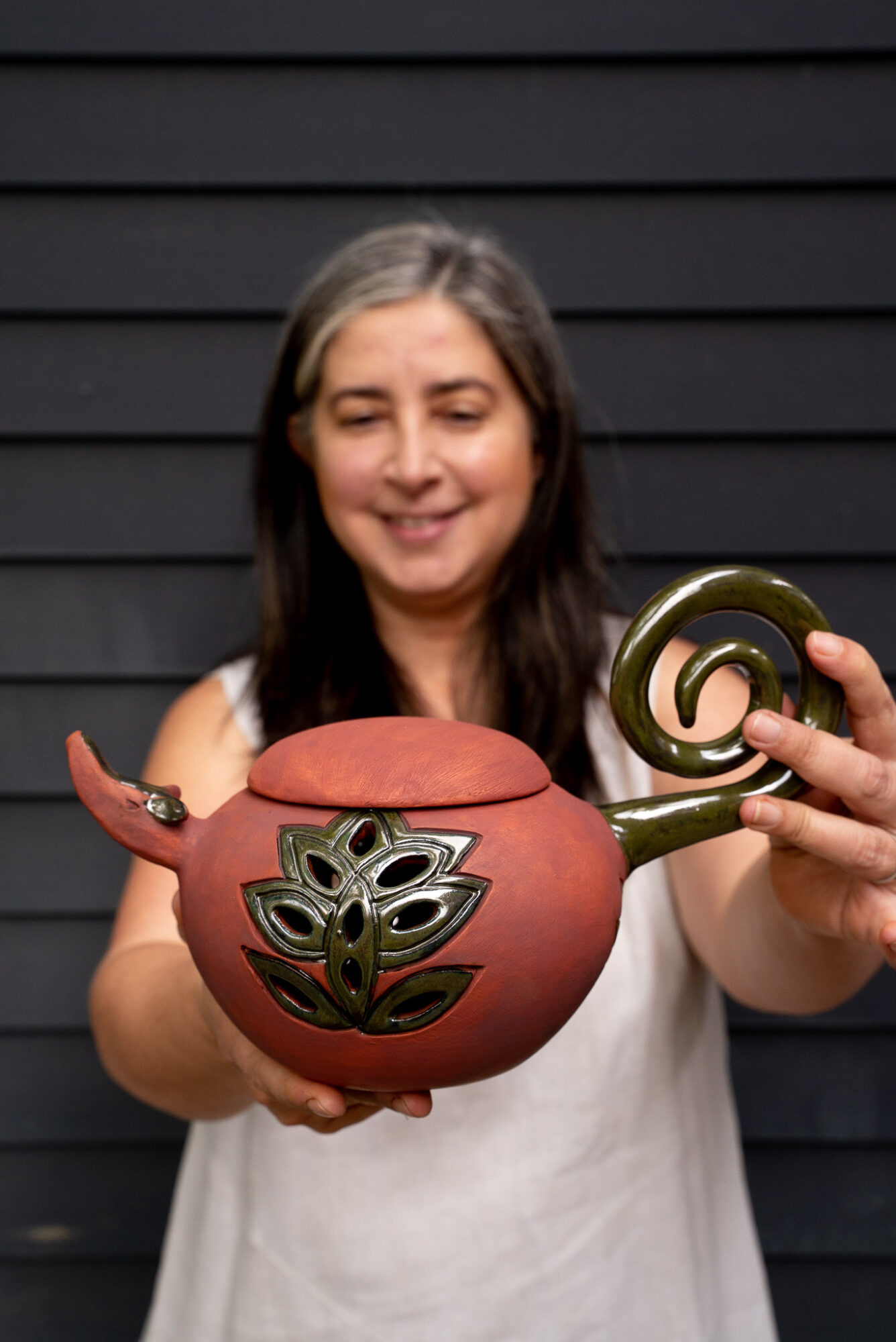
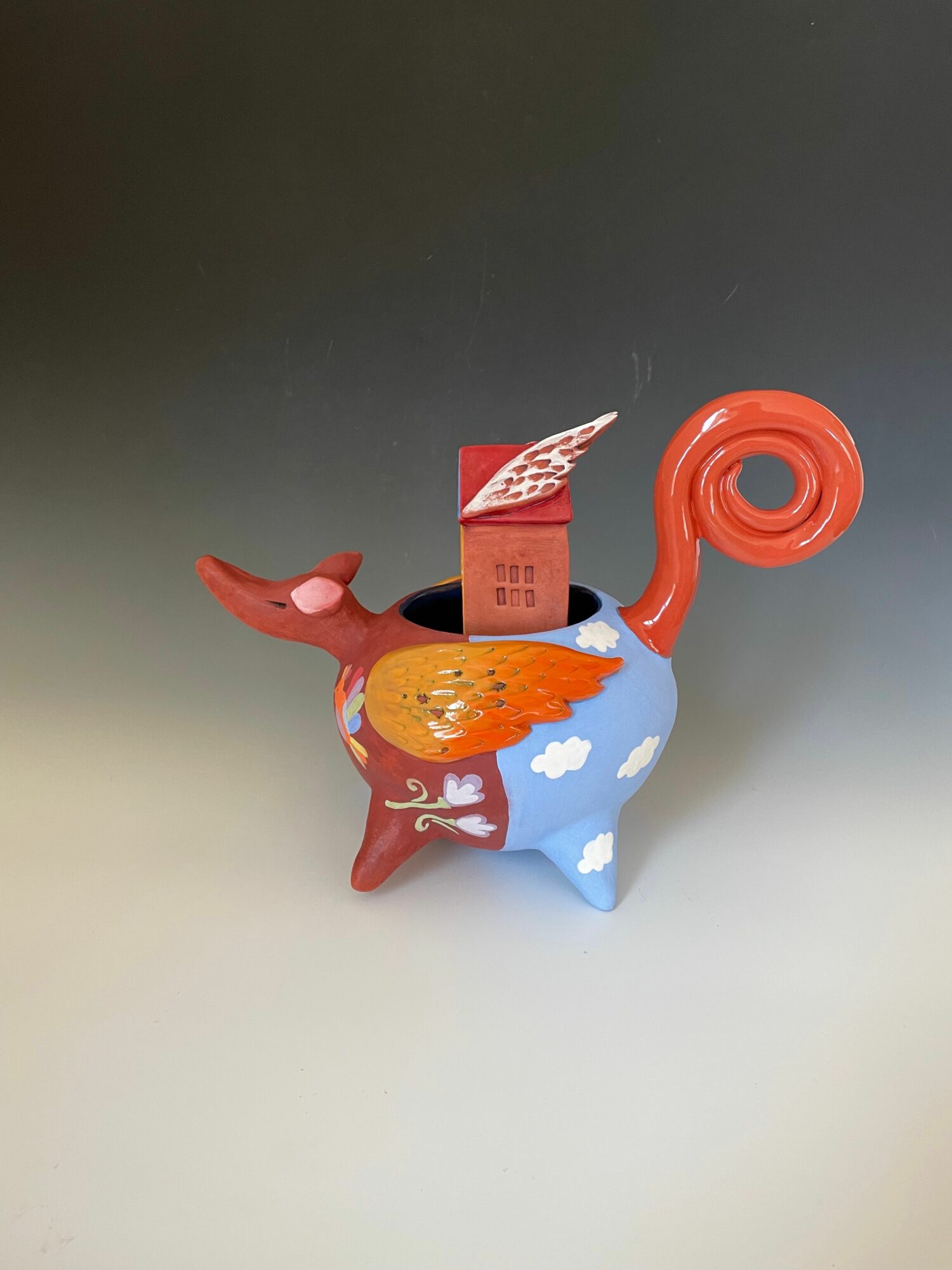
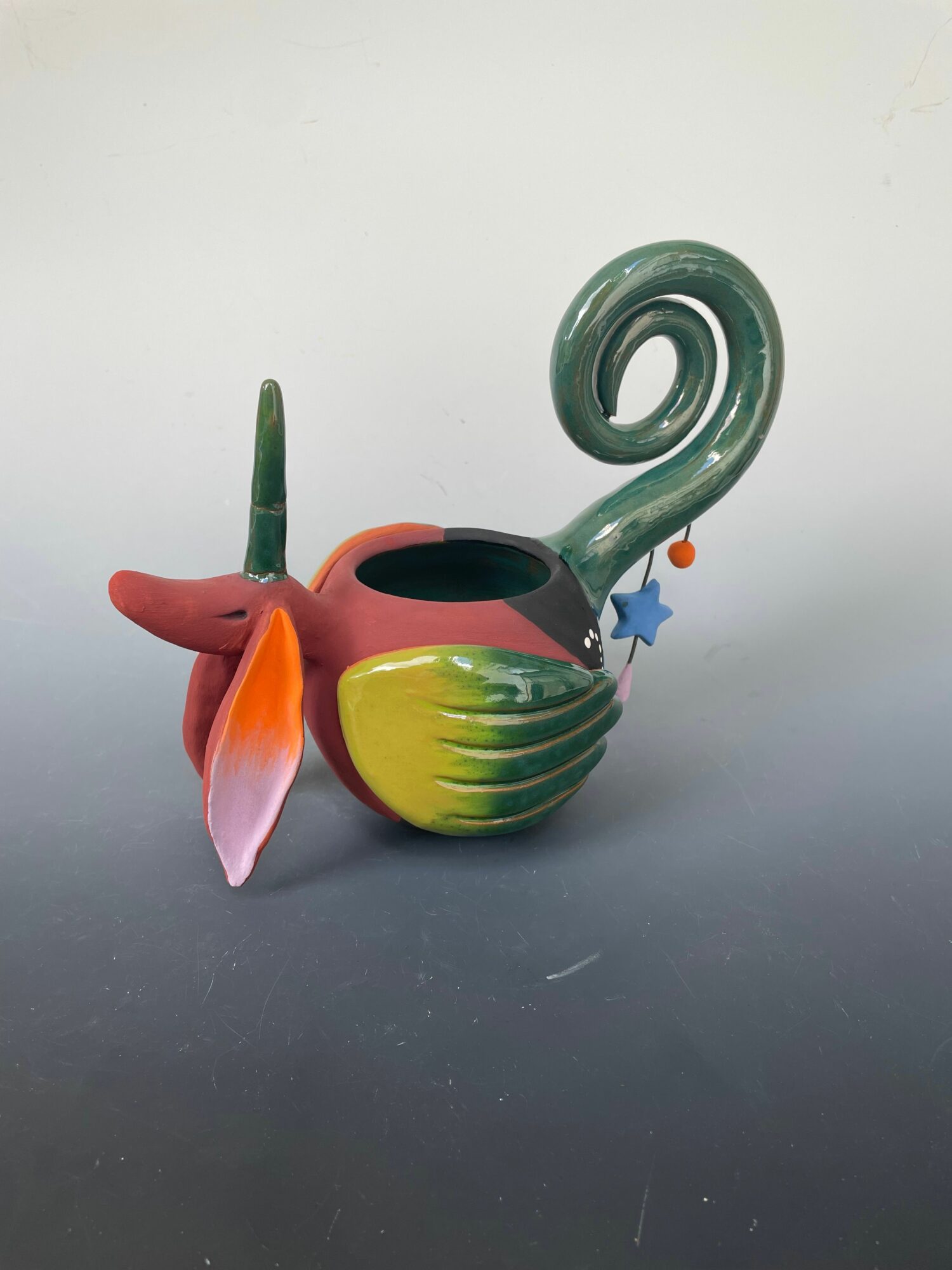
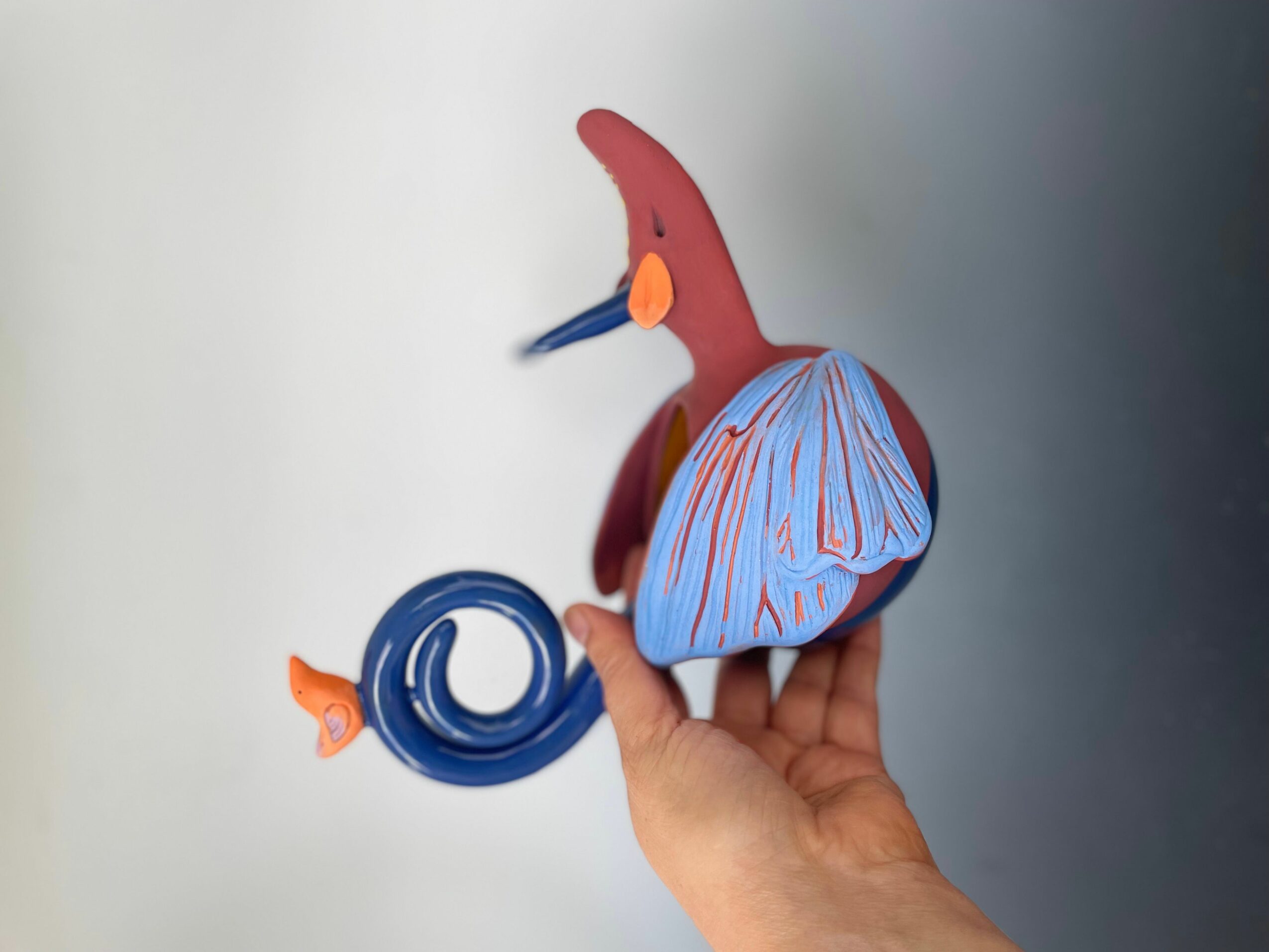
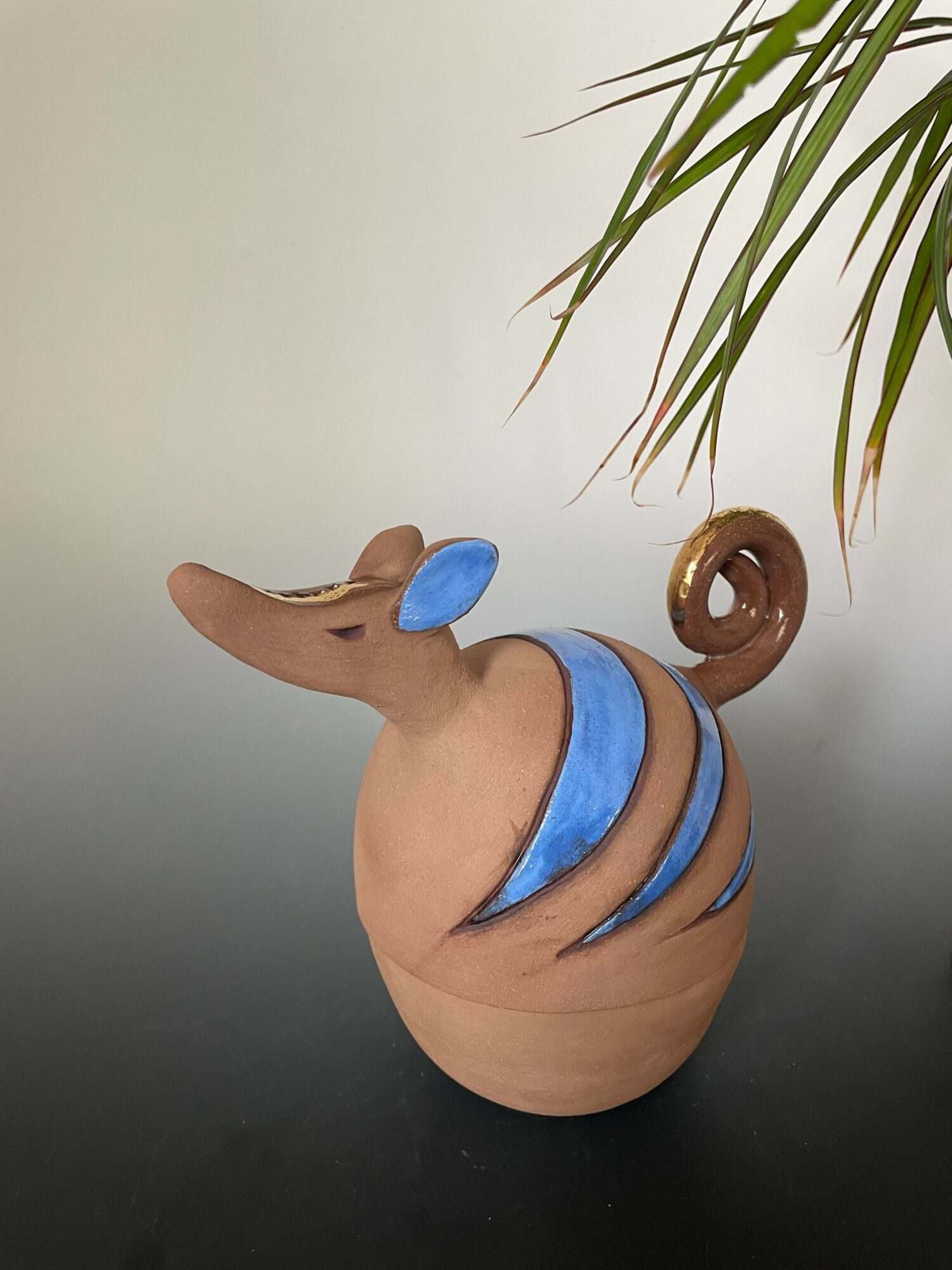
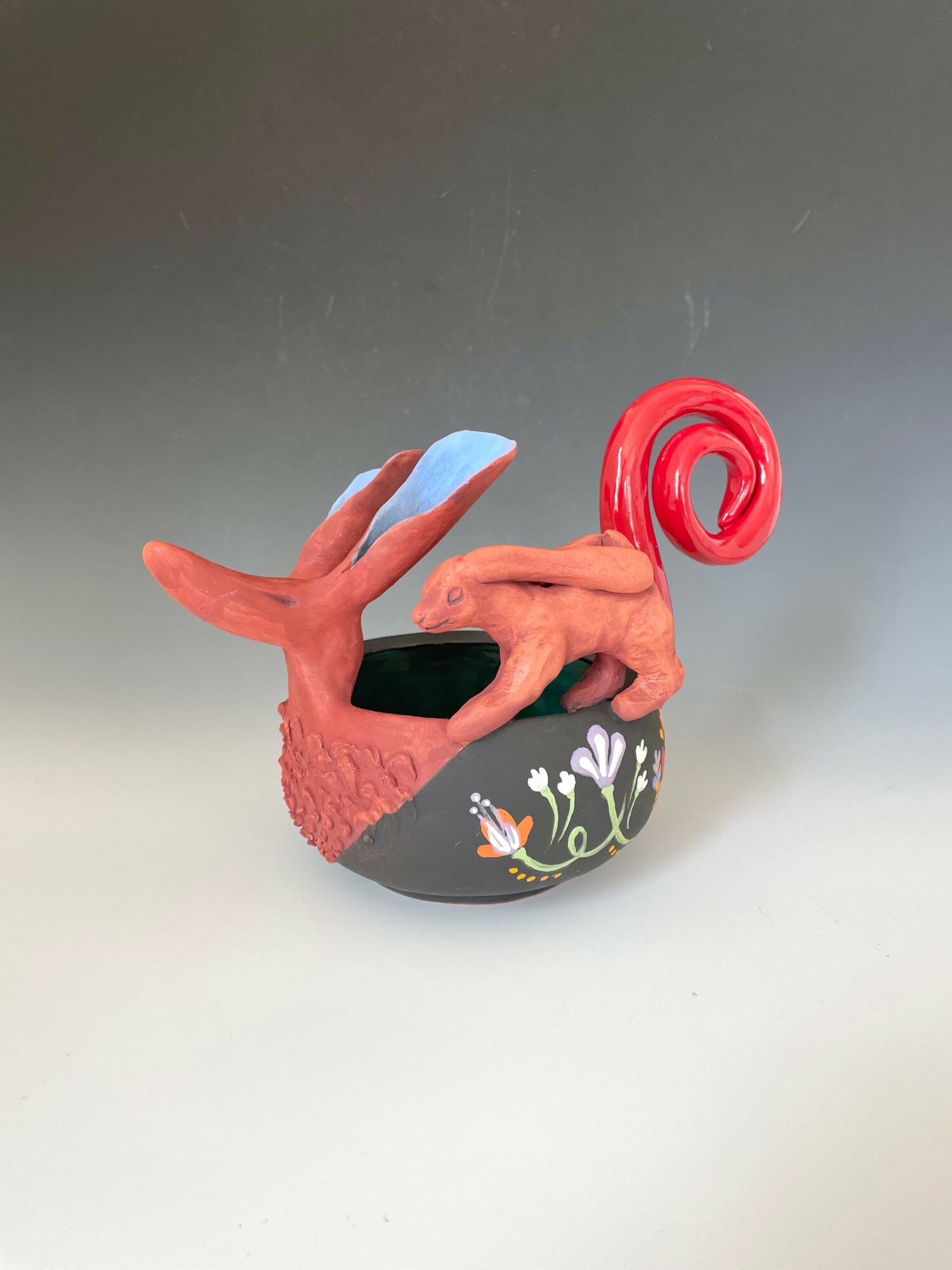
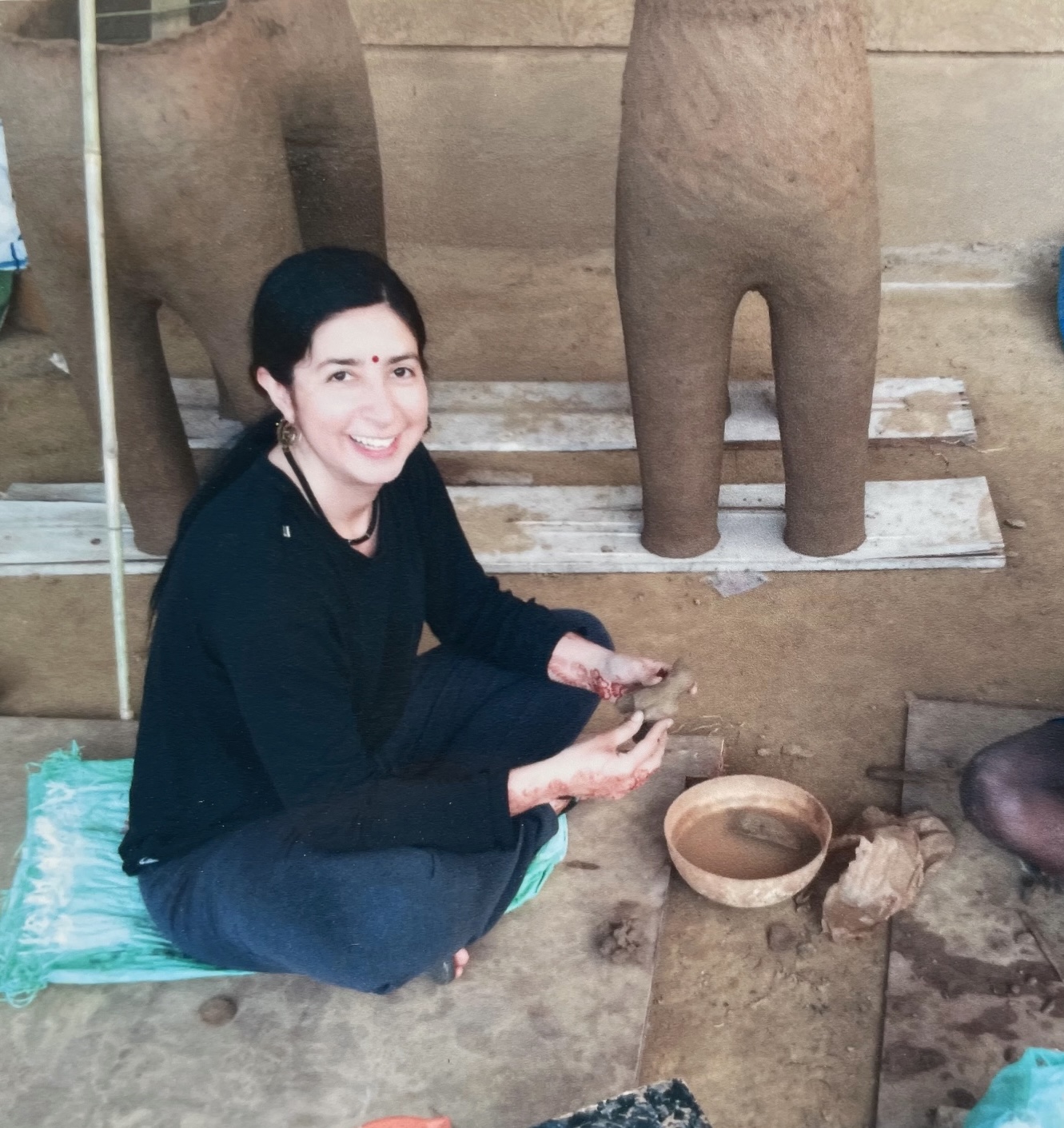
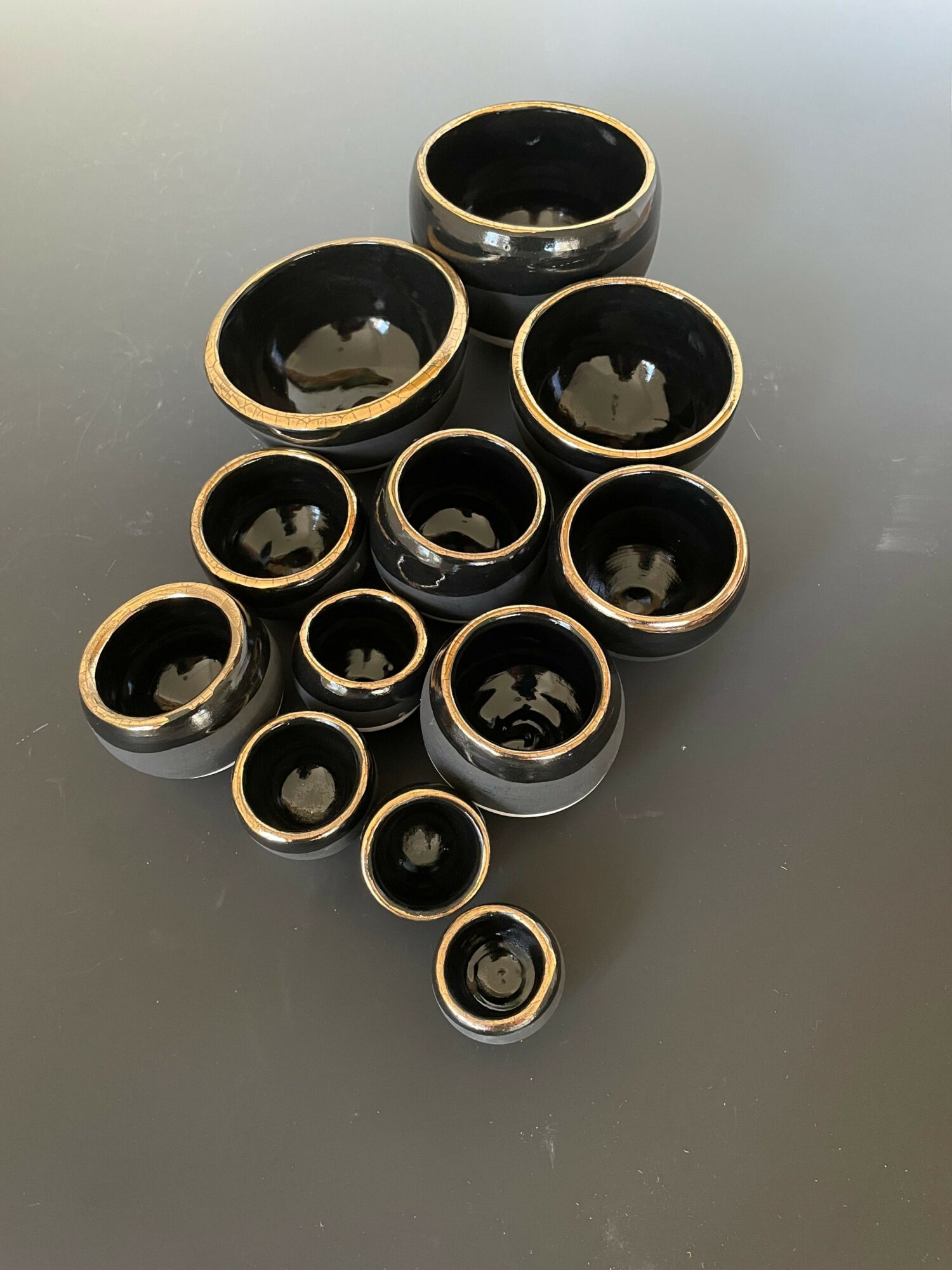
Image Credits
Anne Parker PDX Photographer
I took most of the photographs myself
Popular
-

Portraits of the Valley
-

LA’s Most Inspiring Stories
-

Que Johnson on Building Brands That Last: From Visibility to True Market Authority
-

Christina Wren Steps Into the Director’s Chair to Tell Stories That Feel Like Home
-

JordanL on ‘Breathe,’ Belief, and Building a Movement Beyond the Music
-

Megan Birney Rudert on How Access to Light Is Powering a More Sustainable and Equitable Future


