




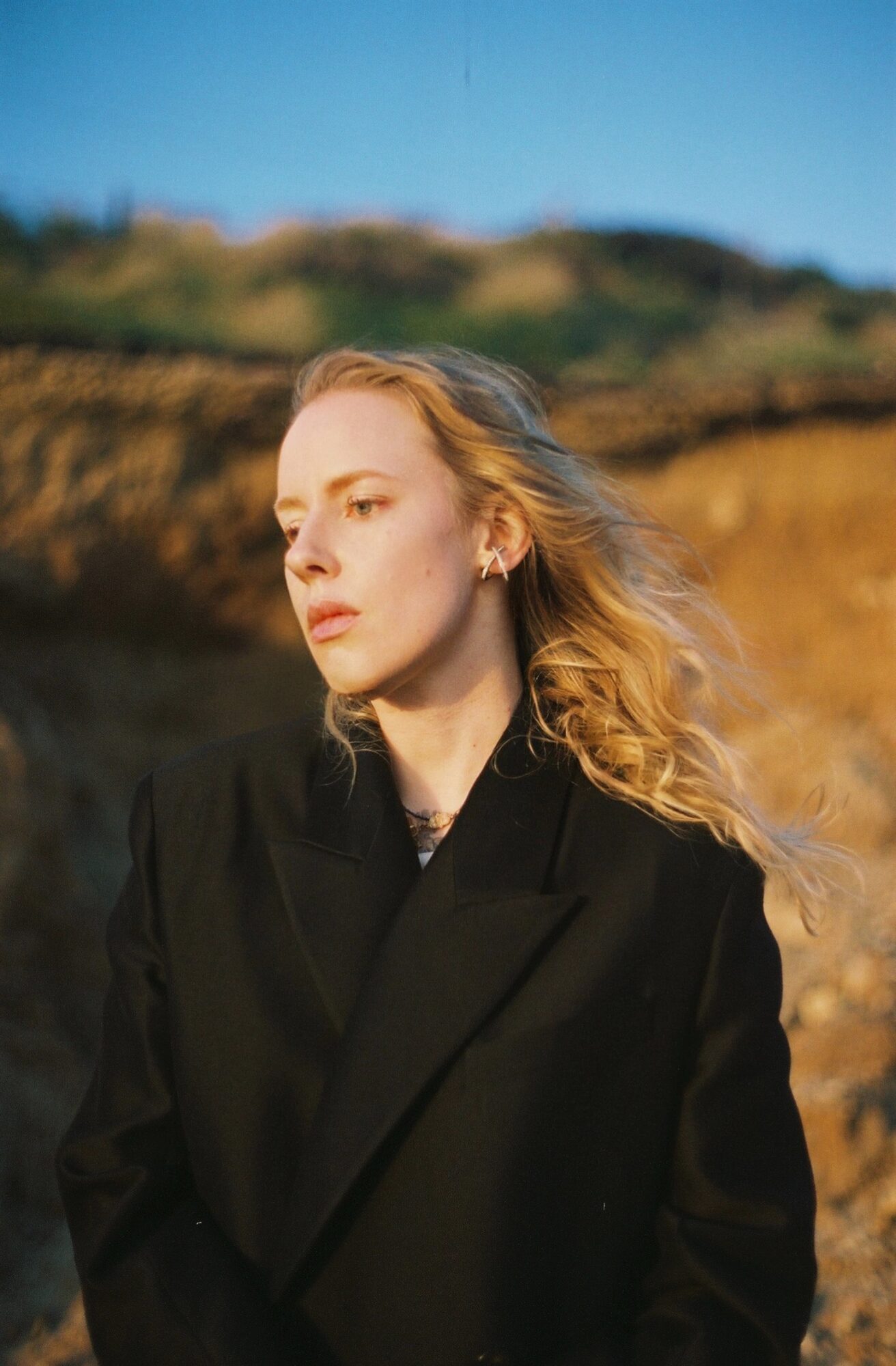
Today we’d like to introduce you to Tata Vislevskaya.
Hi Tata, we’d love for you to start by introducing yourself.
My path has been anything but linear. I began as a photographer and spent years developing that practice but eventually, I made the conscious decision to leave that trajectory behind in order to pursue filmmaking. Cinema had always been quietly present in my life, like a thread running beneath everything. The desire to make films was never absent, only repressed, delayed, postponed. It lived in me even when I pretended it didn’t.
The beginning wasn’t easy, and it wasn’t guided. I had no mentor, no roadmap. The only paths I could see were institutional: film schools, academic programs but none of them truly resonated. Looking back, I realize that these structures often mold you into someone else before helping you find yourself. Especially if your voice doesn’t fit the expected template. So I had to chart my own course, however uncertain.
And I did. I’m here because I chose to be — not because someone showed me how, or gave me permission. There were countless moments when I could have turned away, when giving up would’ve been easier. But I didn’t. And that quiet act of insistence — of refusing to disappear — is something I hold with pride.
The film I’ve just completed has lived inside me for over five years. It wasn’t simply about writing a script. It was an extended period of scientific research, of listening, of waiting for a kind of internal ripeness. I believe some subjects ask something profound of you. Not just technical skill, but emotional and spiritual readiness. You can’t approach them lightly. You have to grow into the strength required to carry them honestly. And that kind of growth takes time. It took me time.
That’s why I don’t spend much energy looking back. I’m self-made. Where I stand now is the result of an inner decision, a decision to be fully present in this work, to take authorship of my path, and to speak in my own voice.
Can you talk to us a bit about the challenges and lessons you’ve learned along the way. Looking back would you say it’s been easy or smooth in retrospect?
Not exactly. I wouldn’t describe this path as smooth but I also wouldn’t expect it to be. Choosing to make films independently, especially outside of major institutions or traditional systems, naturally comes with complexity. But I’m here because I made a conscious decision to be here. That decision, I think, is the turning point for anyone: you begin once you decide, inwardly, that this is your place — that you have something to say, and the right to say it.
I was born and raised in Russia, but I made the decision to leave because of my political convictions. I spoke out openly against the war and found it impossible to remain in a country whose actions violated everything I believe in. While I’ve lived in many places: studying film at the Łódź Film School, spending time in Berlin, traveling across Europe. It was the United States that offered an unexpected sense of belonging. America never felt foreign to me; it quietly, steadily became home. And yet, the rupture of leaving — of being cut off from one’s roots — leaves an imprint. The absence of a clear sense of “home” can be disorienting, even painful. But it also sharpens perception. For me, this displacement has become not only a personal truth, but also a creative stance, one that invites empathy, cultivates attentiveness, and strips away easy assumptions.
There have been challenges, of course, both internal and external. Financial, emotional, existential. Especially when you’re working on something long-term and deeply personal, it’s easy to feel exposed or uncertain. But I try not to focus too much on obstacles. They’re real, yes, but they’re not the whole story. What matters more is learning to stay open, to continue looking outward, to keep asking questions, to remain grounded in what brought you here in the first place.
My recent film didn’t begin with a script, it began with a question, and a long period of listening. Research became a way to stay close to the subject without rushing into it. I’ve learned that some stories don’t open up to you immediately. They require you to grow alongside them, to reach a place, emotionally and intellectually, where you can carry them with the care they deserve. That kind of readiness doesn’t follow a fixed timeline. It’s not dramatic, it’s quiet, steady, and deeply internal.
Eventually, when you reach that point of clarity, you begin to speak not just from yourself, but through yourself. Your voice aligns with something larger, something shared, collective. That’s when filmmaking becomes more than a project. It becomes a form of presence.
As you know, we’re big fans of you and your work. For our readers who might not be as familiar what can you tell them about what you do?
My work as a filmmaker exists at the intersection of fiction and reality. I’m drawn to spaces that are quiet, liminal, often overlooked, places where stories unfold slowly, or barely at all. I tend to work with real environments and non-professional actors, and I’m interested in creating a kind of poetic realism, something emotionally precise, but formally open.
What matters most to me is presence. I don’t approach filmmaking as a way to assert control, but rather as a way to listen, to observe what’s already there, and to let the film grow from that space of attention. I spend a great deal of time in research, in quiet observation, in waiting for something to shift. I think that’s what gives my work its shape, not plot, but atmosphere, rhythm, and emotional weight.
I recently completed a project that has been with me for a long time. It grew gradually, through lived experience and deep reflection. It required me to look closely at things I wasn’t always ready to face. What I’m proud of is not just the finished work, but the process itself — the way it demanded patience, rigor, and ethical sensitivity.
What sets me apart? Maybe it’s that I don’t chase visibility for its own sake. I’m not interested in trends or spectacle. I care about presence, both in form and process. I’m drawn to the spaces where life slips through the cracks, and I try to build work that listens more than it declares. For me, a film should feel like something uncovered, not manufactured.
Networking and finding a mentor can have such a positive impact on one’s life and career. Any advice?
For a long time, I believed I needed a mentor, someone to take me by the hand and show me the way. I searched for that, sometimes with urgency. But over time I came to understand that the deeper issue wasn’t the absence of a guide, it was the absence of inner cohesion. Even if you think you have something to say, if you haven’t matured inwardly, if your energy is scattered, you simply can’t make a film. Unfocused energy doesn’t become cinema.
That realization shifted everything. It made space for real encounters, the kind that don’t impose, but quietly support. One of the most meaningful for me was with Apichatpong Weerasethakul, whose approach to people and process is incredibly sensitive. He knew about my early work and responded with care and respect, encouraging without interfering. That kind of attention is rare, and it leaves a deep imprint.
Over time, I also began to recognize that mentorship can take many forms. Sometimes, it’s not about direct conversation at all, it’s about resonance. Some of my most formative mentors have been artists I never met. I’ve learned just as much from reading filmmakers’ writings and biographies as from any real-life interaction. Kieślowski is one of those for me. His reflections on cinema, doubt, and moral responsibility have stayed with me for years. We happened to study at the same film school in Łódź, which made that connection feel strangely close, even if we lived in different times.
I’ve come to think of mentorship as something deeply contextual. It depends on timing, and on your ability to protect your own voice. Because no matter how wise or generous someone is, your vision is still your responsibility.
As for networking, it’s something I’m learning. For me, it only works when it’s built on sincerity and real curiosity. I try to connect with people whose work truly interests me, and I also try to consider what I might offer in return. Not in a strategic sense, but as an act of respect. That’s the kind of exchange I find meaningful, and the only kind I want to build on.
Contact Info:
- Instagram: https://www.instagram.com/awomanundertheinfluence/
- Facebook: https://www.facebook.com/vislevskaya/
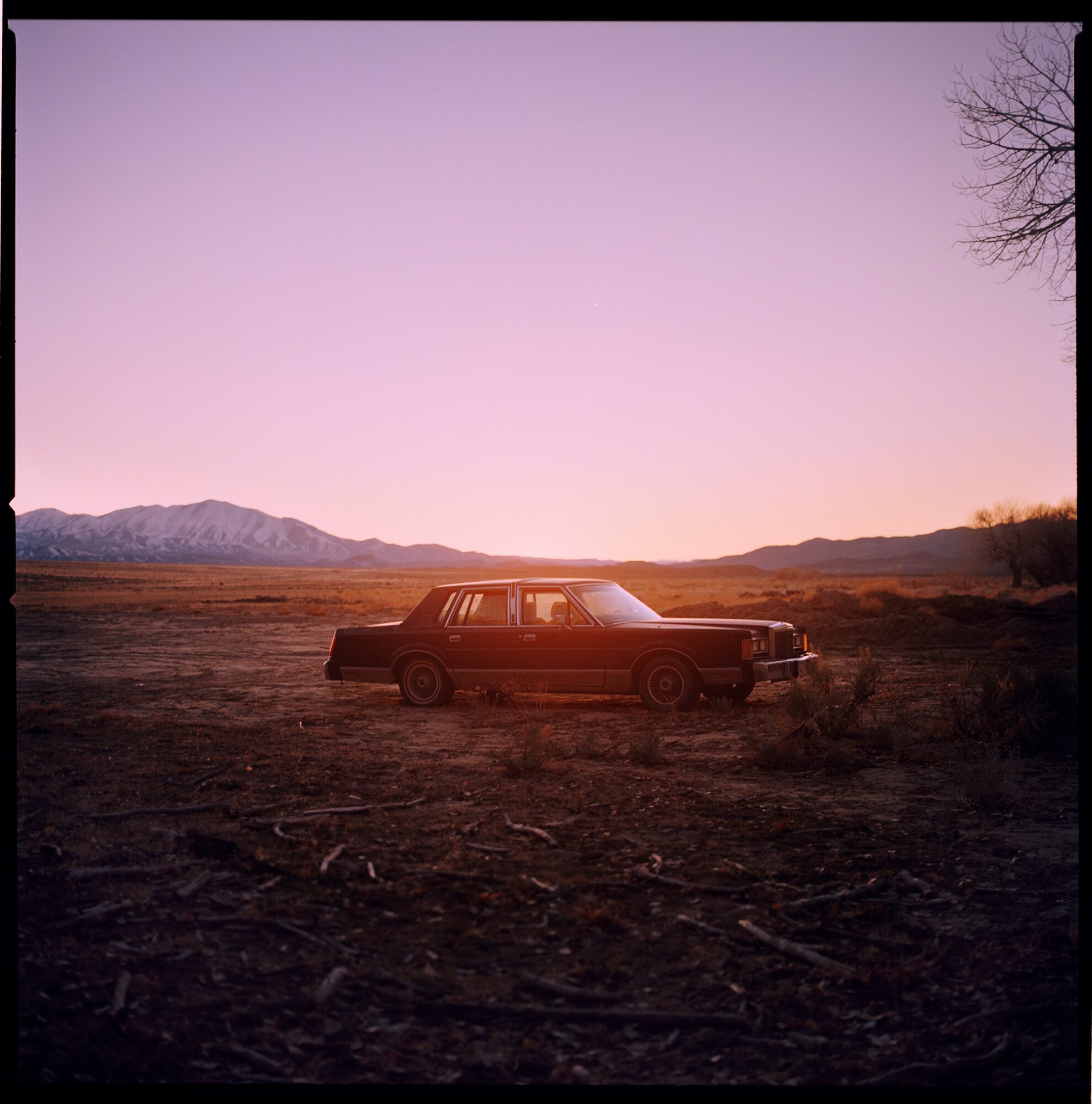
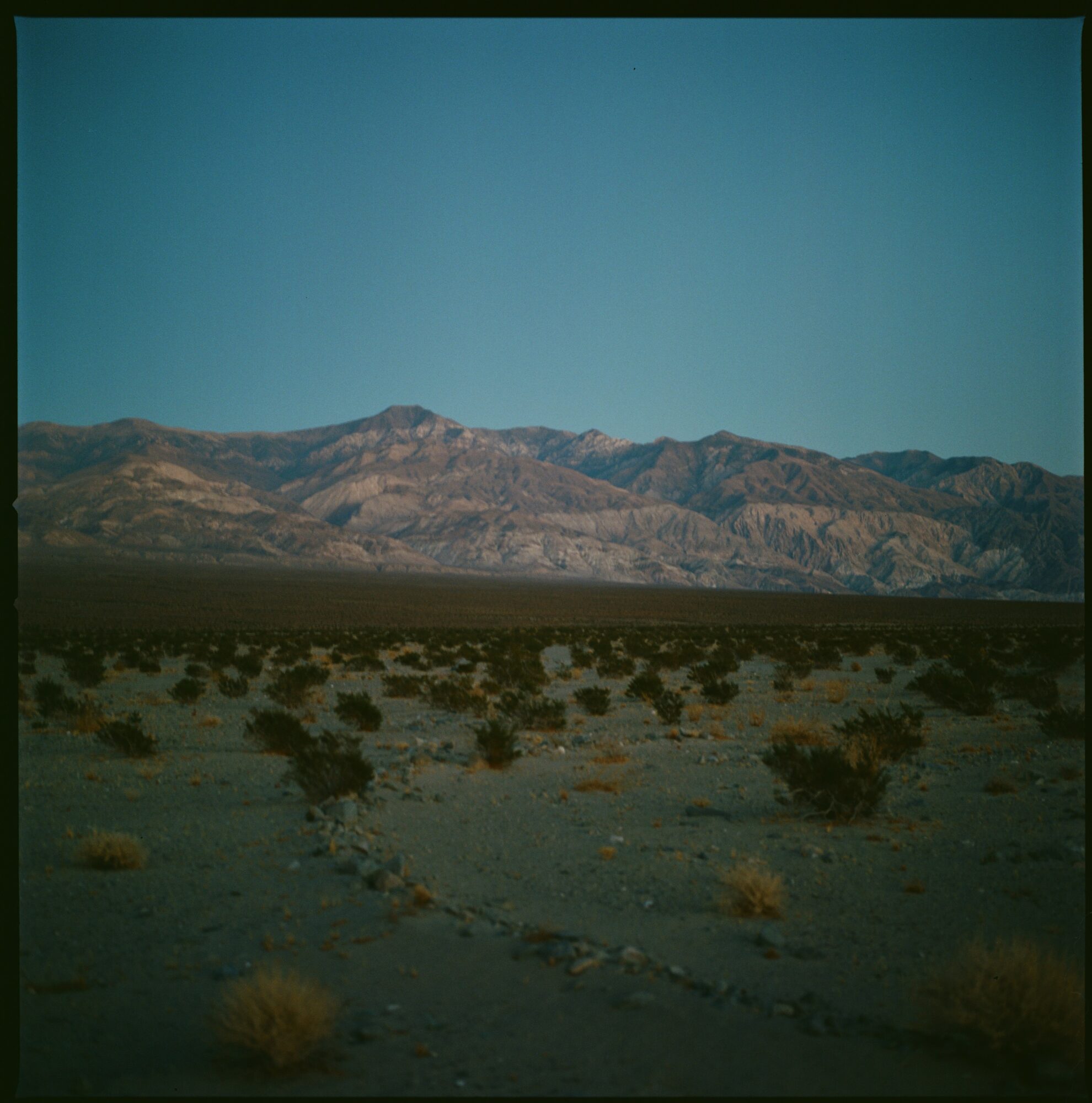
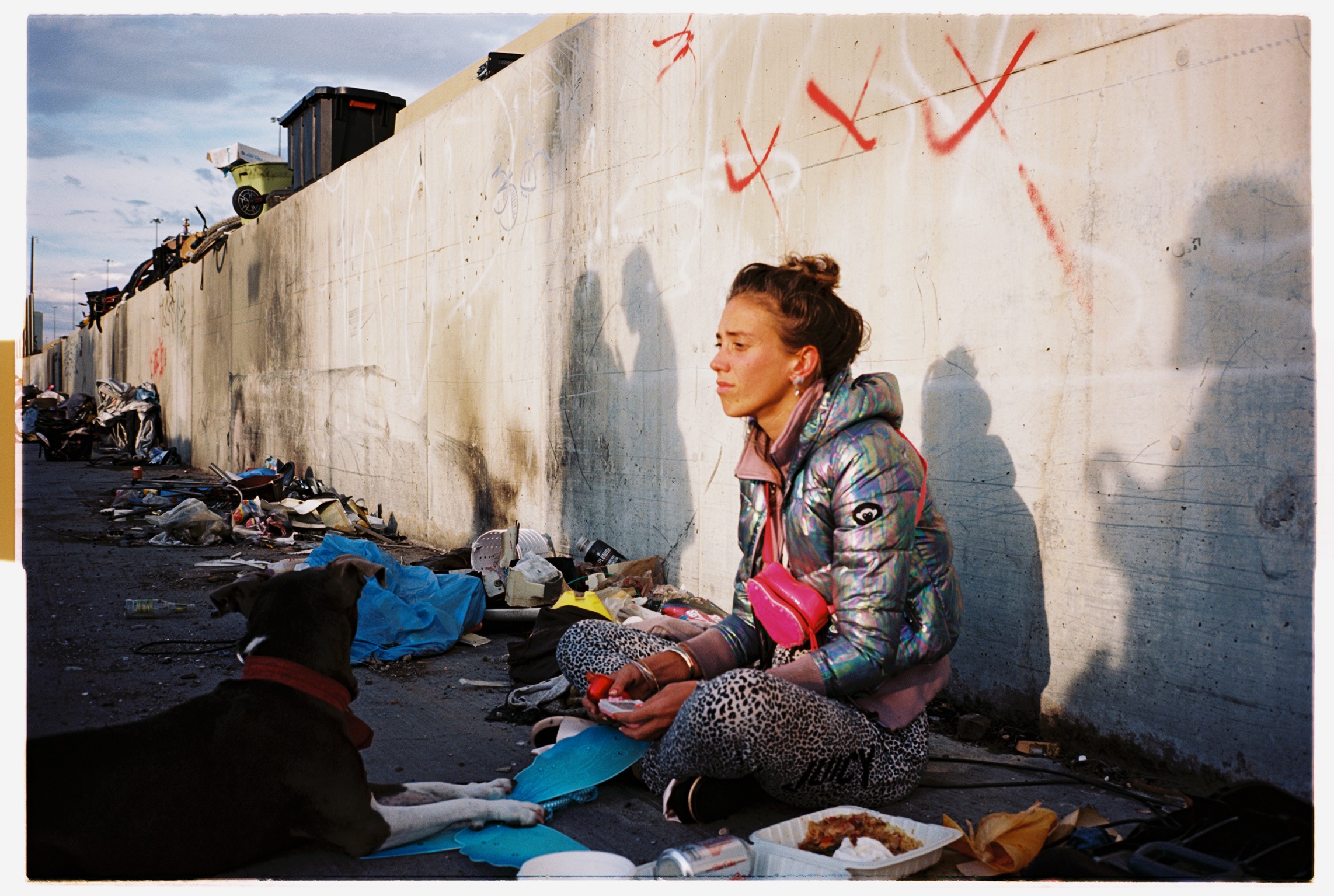
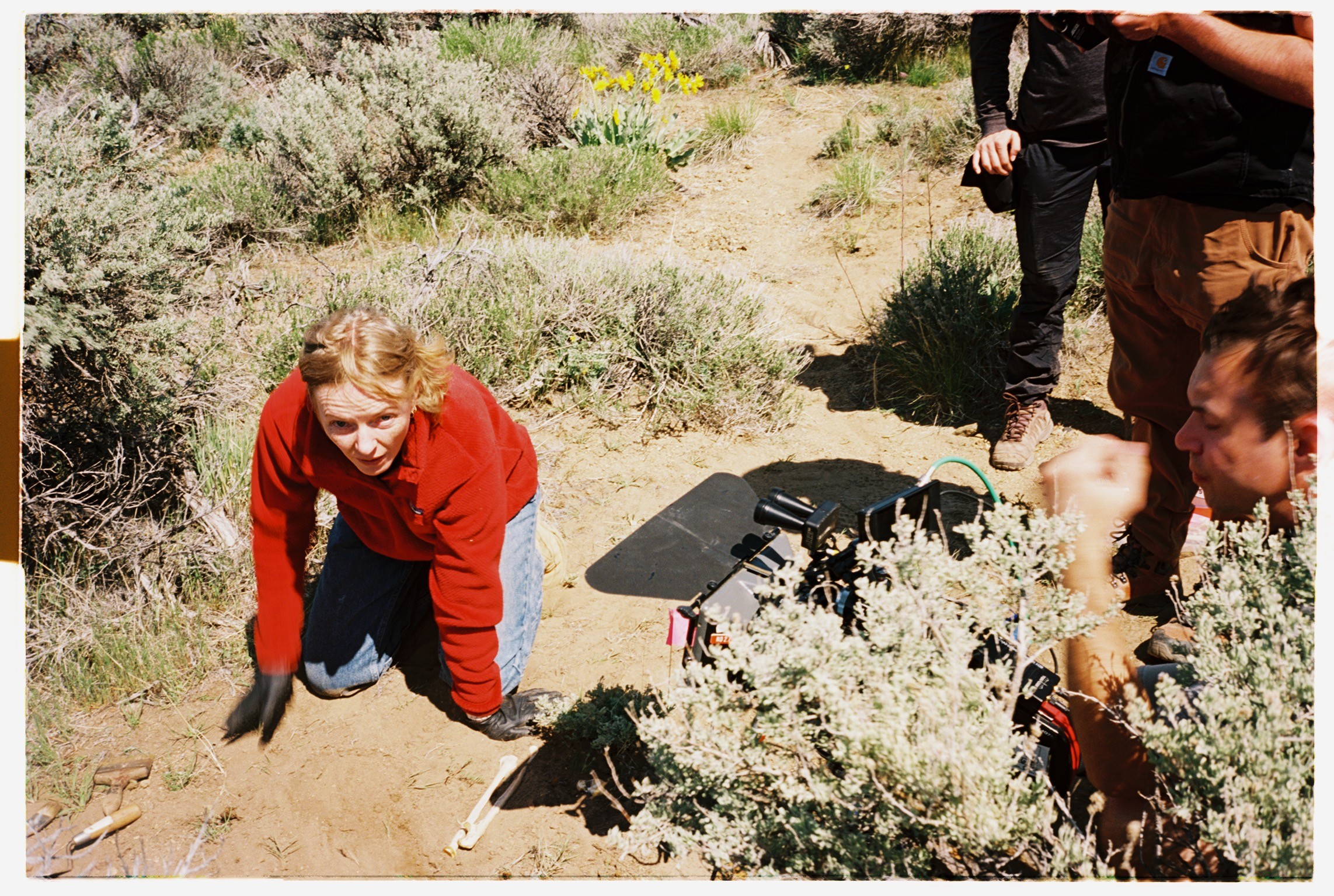
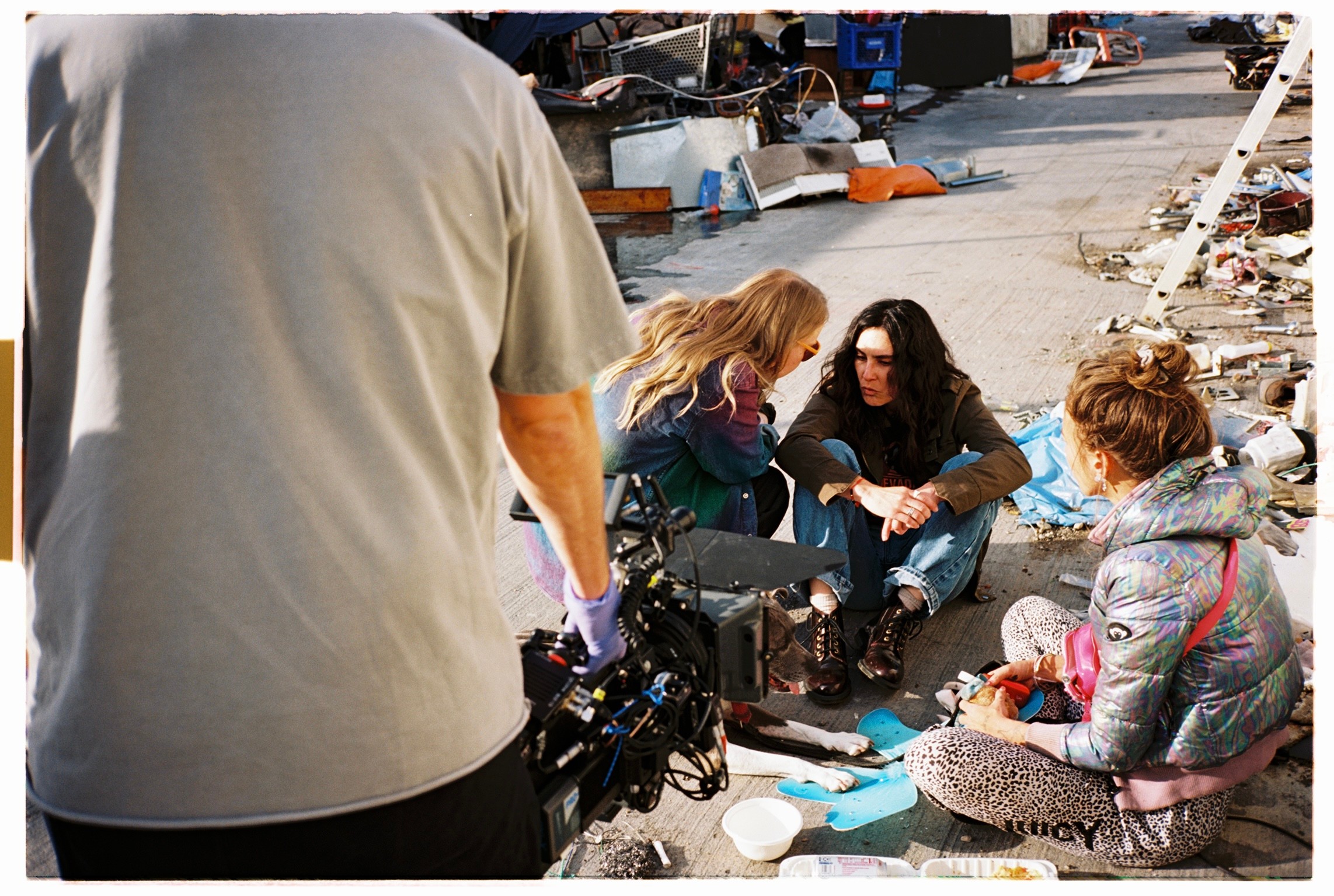
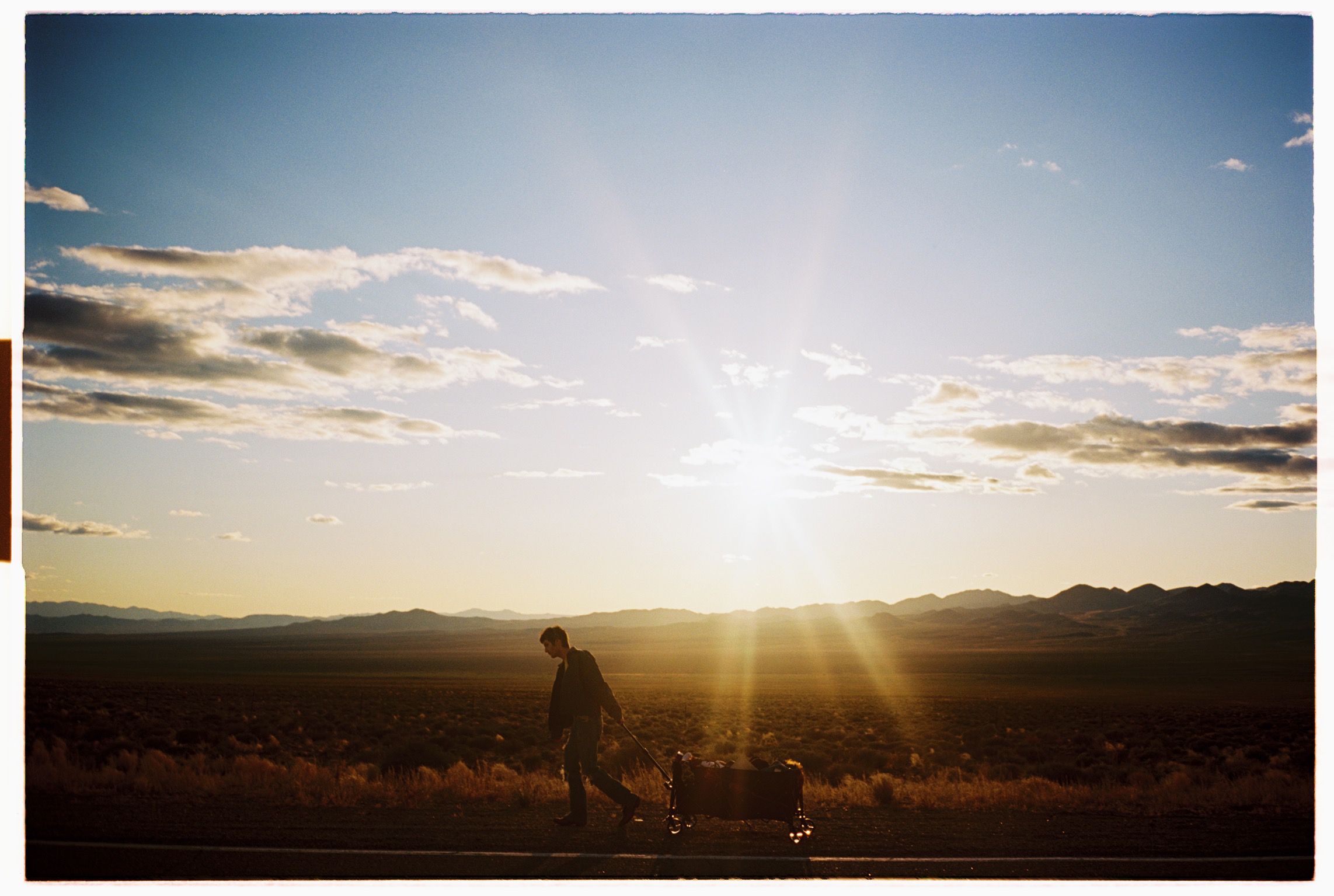
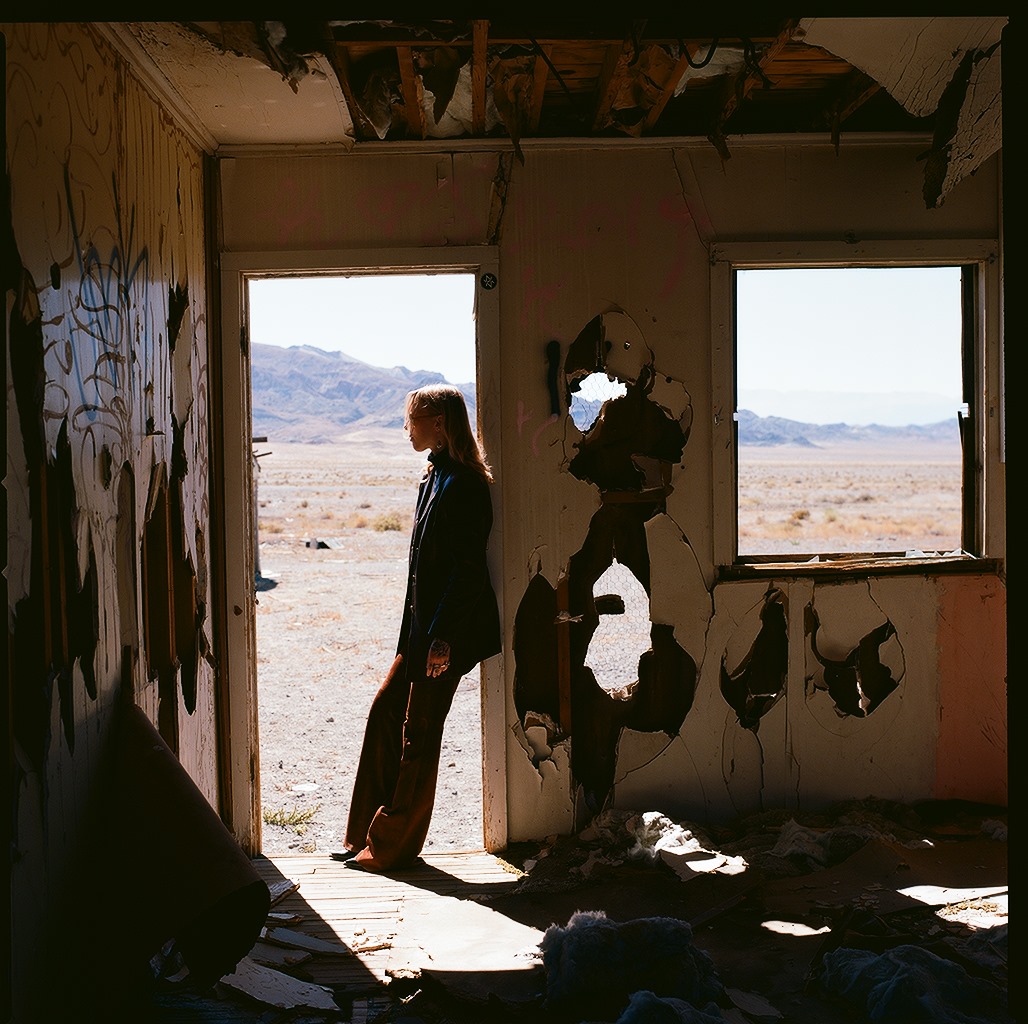
Image Credits
Tata Vislevskaya, Chayse Montoya
Popular
-

Maagic Collins on Building a Fearless Publishing Platform for Truth, Advocacy, and Underrepresented Voices
-
Los Angeles Barea on Turning Green Superheroes into a Global Movement for Youth-Led Change
-

Trisha DuVivier on Bridging the Franchisor–Franchisee Divide with Workhero and “Franulate”
-

Portraits of the Valley
-

LA’s Most Inspiring Stories
-
Cedar Boschan on Elevating Black Music Rights and Driving Urgent Conversations Around Credit, Equity, and Artist Protection


