




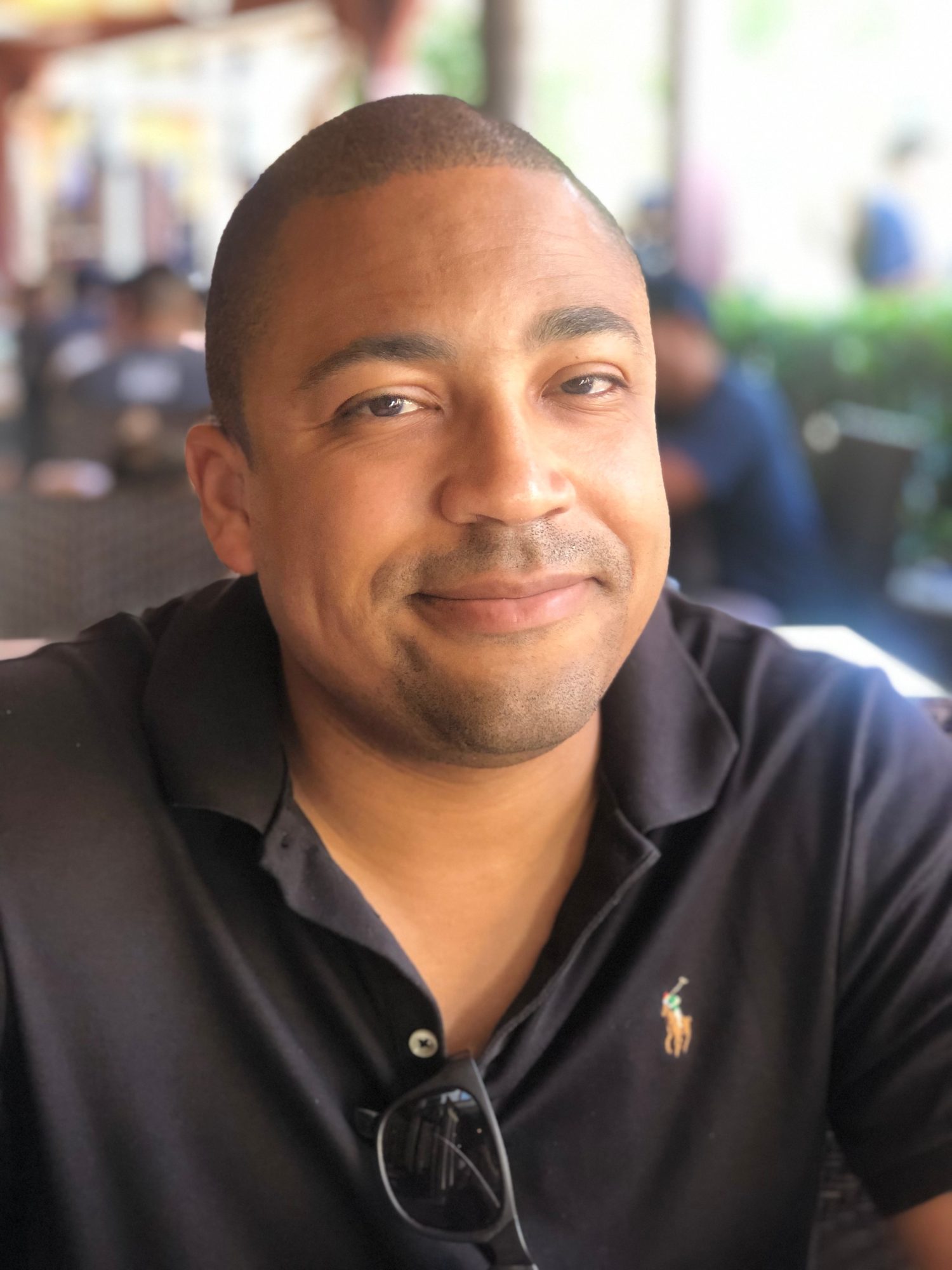
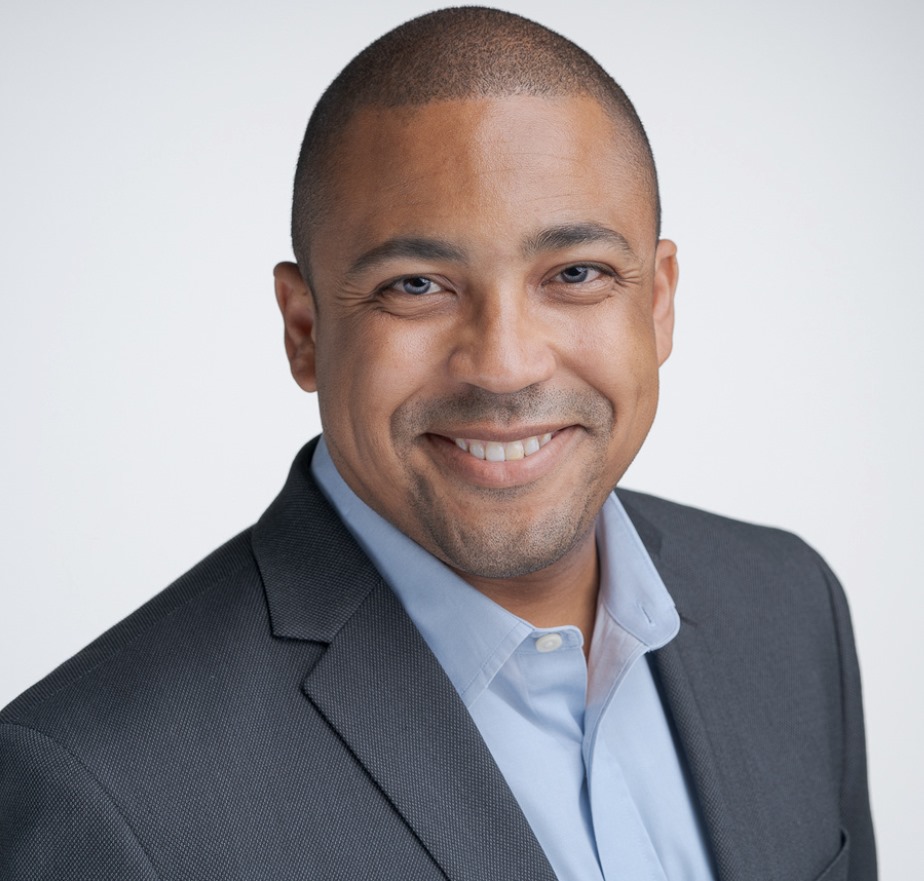
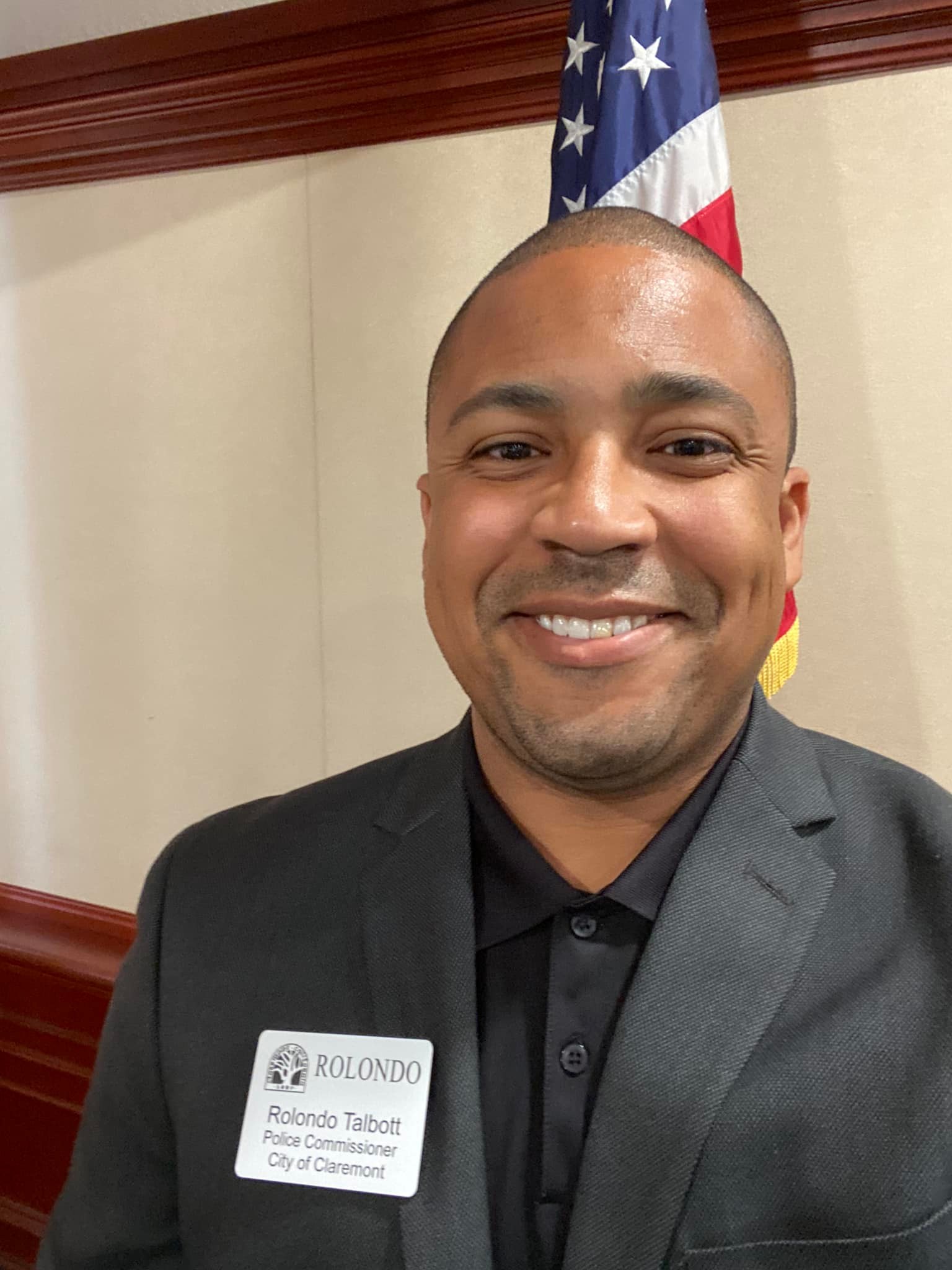
Today we’d like to introduce you to Rolondo Talbott.
Rolondo, we appreciate you taking the time to share your story with us today. Where does your story begin?
For most of my adult life, I’ve been able to answer that question by walking someone through my career. I served as an officer in the United States Air Force, worked in higher education, and eventually made my way into corporate America, where I’ve spent years working on leadership, organizational development, disability justice, and inclusion. That’s probably how most people know me, and it’s work that I genuinely enjoy.
But the funny thing is, that version of my story leaves out a pretty big part of who I am.
I’ve always had a creative side. Music was a big part of my younger years, particularly orchestral music, and I’ve been drawn to writing and storytelling for as long as I can remember. I’ve also always been someone who gets caught up in the details of things that other people might not give much thought to. I can have a perfectly ordinary conversation with someone and find myself thinking about it hours later, trying to understand why something was said a particular way or why we both seemed to walk away with completely different interpretations of what happened.
It’s a little exhausting sometimes, even for me. But it’s also where a lot of my ideas come from.
As my professional career developed, I started noticing how often those little observations connected to much bigger questions about people, identity, power, and the environments we create for one another. And while my day job gave me opportunities to address some of those things through programs, strategies, and organizational change, there were other questions I wanted to explore that didn’t necessarily have a place in that kind of work.
So I wrote.
Sometimes it was poetry, sometimes essays, and eventually books. The writing wasn’t always intended for an audience. There were times when I was simply trying to understand something that had happened or work through an experience I couldn’t quite make sense of. Other times, I’d stumble across an idea that interested me and just wanted to see where it went.
One of those creative projects became Corporatysm, a collection of poetry exploring my experiences as a Black, autistic professional. I’ve since been developing it into a one-person theatrical production, which has been an interesting experience because some of the things that were genuinely painful when I first wrote about them have also revealed a rather absurd, sometimes humorous side to corporate life.
And I guess that’s part of what I’ve enjoyed about exploring different forms of storytelling. The same experience can look very different depending on how you choose to tell it.
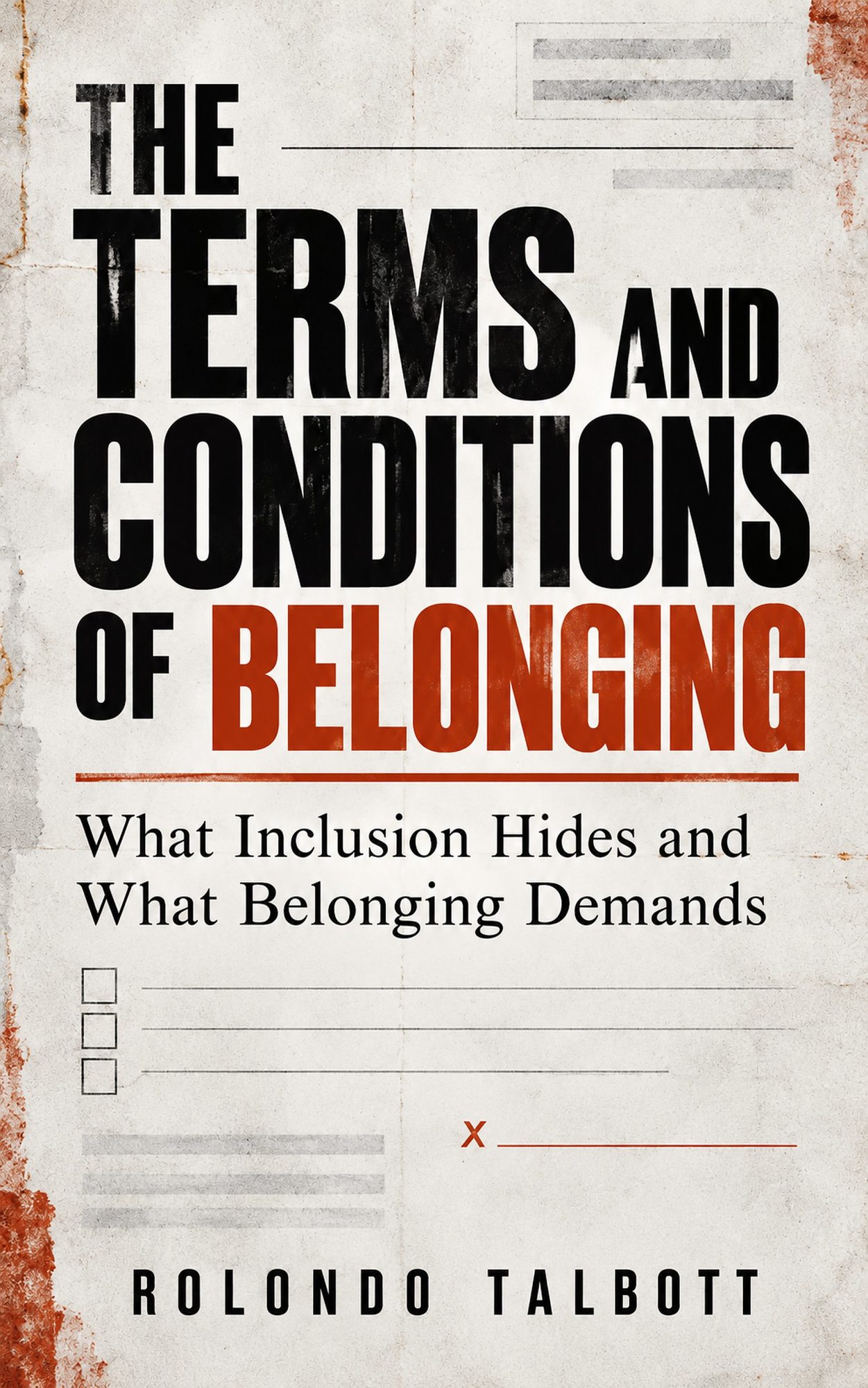
These days, I’m writing more than ever. I have a new book, The Terms and Conditions of Belonging, which explores some of the contradictions I’ve encountered throughout my professional and personal life, particularly around what we expect people to do or become in order to feel accepted. I’m also continuing my essays, developing fiction projects, and doing more public speaking, which I really enjoy because it allows me to explore these ideas with people rather than just putting them on a page.
Would you say it’s been a smooth road, and if not what are some of the biggest challenges you’ve faced along the way?
Not particularly, although I think some of the challenges have changed as I’ve gotten older.
I’ve spoken and written quite a bit about my experiences navigating professional environments as a Black, autistic, and ADHD individual. There have certainly been challenges associated with that, particularly when it comes to understanding expectations, establishing credibility, and figuring out how much of yourself you can comfortably bring into different spaces.
But something I’ve been thinking about more recently is how those experiences shaped the way I approached my own interests and ambitions.
For years, I was very comfortable identifying myself through my professional accomplishments. I knew how to explain my experience, articulate the value of my work, and demonstrate that I belonged in the rooms I occupied. There’s a certain predictability to that, even when the work itself is complicated.
Creative work is a little different.
It’s one thing to tell someone you’ve spent years developing organizational strategies and advising leaders. It’s another to tell them you’re writing poetry, developing a one-person small stage show, or working on a novel. I don’t know why, but somehow the second conversation can feel a lot more vulnerable. Maybe it’s because the professional work comes with credentials and accomplishments that people recognize, whereas creative work asks people to engage with something much more personal.
And then there’s the practical side of it. I have a demanding career, a family, and probably more ideas than I have time to pursue. It’s very easy to convince yourself that the creative project can wait until everything else is finished. Of course, everything else is never finished, so you have to decide that the writing deserves some of your time too.
I’ve also had to work through my tendency to overthink things. That’s probably not surprising to anyone who knows me. I can spend an unreasonable amount of time trying to find exactly the right way to express an idea, particularly when it’s something personal or when I know it might be misunderstood.
That can be helpful when I’m examining a complicated issue, but it can also make writing unnecessarily difficult. Sometimes I have to remind myself that I’m telling a story, not preparing to defend a dissertation.
There’s another part of this that’s been challenging, though, and that’s being willing to examine my own role in some of the things I write about.
I’ve spent years working to make organizations more inclusive, but that doesn’t mean I’ve always gotten everything right. I’ve participated in systems, supported practices, and made decisions that I might approach differently today. I don’t think there’s much value in writing about the shortcomings of institutions while pretending I was somehow standing outside of them the entire time.
So when I write about belonging, conformity, or the expectations we place on people, I’m also examining myself. Sometimes I recognize things I wish I had understood sooner. Other times, I have to sit with the possibility that I was part of a problem I was genuinely trying to solve.
I don’t think every difficult experience needs to become a lesson, either. There are things I’ve experienced that I wish hadn’t happened, regardless of what I may have learned afterward. I’m not particularly interested in trying to make those experiences sound worthwhile just because they eventually gave me something to write about.
I suppose the challenge now is learning how to create from those experiences without feeling like I have to explain, justify, or find a positive outcome in every one of them.
Appreciate you sharing that. What else should we know about what you do?
I do a little bit of everything when it comes to writing, although I tend to gravitate toward stories and ideas that make me curious about why people behave the way they do.
A lot of my essays start with something relatively ordinary. It might be a conversation I had with someone, a workplace expression I’ve heard a thousand times, or an experience that left me wondering why something that seemed perfectly reasonable to one person felt entirely different to someone else.
I’ve written about everything from how we interpret feedback to what people actually mean when they say they’re just “touching base” with someone. I realize those probably don’t sound like particularly exciting subjects, but once you start examining the assumptions behind some of these everyday interactions, you can uncover some pretty interesting things about how people experience the world.
That’s really where my curiosity tends to take me. I’m interested in the things we accept as normal without necessarily considering how differently they might be experienced by someone else.
Much of my nonfiction work explores that through the lenses of race, neurodivergence, identity, and organizational culture. I draw from my own experiences, but I also spend a lot of time exploring research and trying to understand perspectives that differ from mine. I’m not particularly interested in writing something just to confirm what I already believe. If I’m going to examine an idea, I want to understand where my own reasoning might be incomplete too.
My new book, The Terms and Conditions of Belonging, is probably the most comprehensive exploration of those interests that I’ve undertaken.
The idea actually came from something that had been bothering me for quite some time. I’ve spent a substantial part of my career helping organizations become more inclusive, and I’ve heard countless conversations about making people feel welcome, encouraging authenticity, and creating environments where everyone belongs.
Those are all things I believe in. But I started becoming increasingly interested in what happens after someone is welcomed.
What happens when the way they communicate doesn’t match what’s considered professional? What happens when they challenge an expectation that everyone else seems comfortable accepting? Or when being their authentic self becomes inconvenient for the people who invited them to show up that way?
And I had to ask myself some uncomfortable questions about my own work, because I realized that even with the best intentions, we can create programs and practices that celebrate inclusion while leaving some of those underlying expectations largely untouched.
That’s where the book came from. I wanted to examine the conditions we sometimes attach to belonging, often without acknowledging that we’re doing it, and how those conditions affect people differently depending on their identities, experiences, and relationship to power.
I didn’t write it because I believe I’ve figured out the answer to belonging. If anything, writing it made me reconsider some things I thought I understood pretty well.
That same curiosity carries over into my speaking. I speak about inclusion, neurodivergence, leadership, and the hidden expectations that shape our experiences, but I try to approach those conversations in a way that allows people to recognize themselves in the material. I enjoy sharing research and introducing frameworks, but what I really appreciate is when someone in the audience offers a perspective I hadn’t considered or challenges an assumption that changes the direction of our conversation.
Sometimes that happens in the middle of a presentation, and I actually enjoy those moments. They remind me that the people in the room bring experiences and knowledge that I don’t have, and there’s something valuable about being willing to explore that together.
My more creative projects give me a different outlet for some of those interests.
My collection of poetry, Corporatysm: Being Black and Autistic in Corporate America, is one example. It began as poetry inspired by my experiences navigating corporate environments, but as I’ve been developing it for the stage, I’ve found myself exploring the sadness and contradictions that exist alongside some genuinely difficult experiences.
There’s a lot about corporate culture that becomes pretty depressing once you remove yourself from the moment and look at it from a different perspective. We create all these elaborate systems and expectations around how people should behave, and sometimes the contradictions are so obvious that you wonder how everyone manages to carry on as though they make perfect sense.
I think drama allows people to recognize some of those contradictions without feeling as though they’re sitting through another workplace training session.
I’m also working on fiction, which has been an entirely different kind of creative experience. With fiction, I get to invent people, places, and situations, and I’m not obligated to explain every decision a character makes or turn every conflict into a lesson about inclusion. Sometimes the characters are wrong. Sometimes they misunderstand each other. Sometimes things don’t work out particularly well.
And I like having that freedom. Not everything I write has to be about workplace culture, neurodivergence, or social justice. Sometimes I have an idea for a story, and I want to tell it simply because I find it interesting.
As far as what I’m most proud of, I still get a lot of satisfaction from creating something that helps another person better understand an experience they’ve had. Every so often, someone will reach out after reading an essay or hearing me speak and share something from their own life that they hadn’t previously known how to articulate.
Those conversations mean a great deal to me, particularly because I know what it’s like to struggle to explain something you’ve experienced and wonder whether anyone else sees it the same way.
I don’t know that I can point to one thing that sets my work apart. I think I bring an interesting combination of experiences to it, having spent years working inside the kinds of institutions I often write about, while also experiencing those environments from perspectives that aren’t always represented in the conversations taking place around me.
But I also don’t want to spend so much time defining what makes my work different that I start restricting what I allow myself to create.
I’m enjoying the opportunity to experiment a little, and I’m curious to see where some of these projects lead. Some may become books, others might become performances, and a few will probably stay in a folder on my computer for a while. I have quite a few of those already.
What has been the most important lesson you’ve learned along your journey?
I think one of the bigger lessons for me has been learning to give myself permission to explore something without knowing exactly what I’m supposed to do with it.
That probably sounds pretty simple, but it’s been a real adjustment.
I’ve spent most of my professional life working in environments where you’re expected to have a purpose, a plan, and some way of demonstrating that what you’re doing is producing a meaningful result. And there’s nothing wrong with that. I’ve built a career around helping people and organizations make progress on things that matter.
The problem is that I got so accustomed to thinking that way that I started approaching almost everything in my life through the same lens.
If I wrote something, I wanted to know what readers would learn from it. If I developed an idea, I wanted to understand how it might be applied. Even when I was exploring something personal, I could find myself trying to turn it into a broader observation or something useful for someone else.
And sometimes that’s exactly what the work calls for. But sometimes it isn’t.
I’ve learned that I can write a poem because I’m feeling something I don’t quite understand. I can develop a fictional character who doesn’t represent anything beyond being an interesting person. And I can explore an idea without immediately deciding whether it needs to become a book, a keynote, or another professional framework.
That’s been surprisingly liberating.
I think it’s also helped me become a little more patient with myself and with other people. When you’re accustomed to analyzing things and looking for solutions, it can be tempting to assume that understanding a problem means you know what needs to happen next. But people don’t always need an explanation, and they certainly don’t always need me to provide one.
Sometimes they just want someone to listen. Sometimes they’re still trying to understand their own experience, and that’s perfectly reasonable.
I’m still learning how to be comfortable with that, particularly because curiosity and problem-solving are such natural parts of how I process the world.
But there’s something I’ve come to appreciate about allowing questions to remain open a little longer, both in my writing and in my life.
At this stage, I have more things I want to create than I realistically have time for, and I know some of those ideas will probably change quite a bit before they ever make it into the world. I’m okay with that. Or at least I’m getting better at being okay with it.
For a long time, I think I measured much of my life by what I could accomplish and what I could contribute. Those things still matter to me, but I’m starting to appreciate that there’s also value in pursuing something simply because it interests me.
I’m not always sure where an idea is going when I begin working on it, and I’m finding that I don’t mind that nearly as much as I used to.
Contact Info:
- Website: https://www.rolondotalbott.com
- LinkedIn: https://www.linkedin.com/in/rolondotalbott
- Other: https://a.co/d/03ekusfK
Popular
-

Portraits of the Valley
-

LA’s Most Inspiring Stories
-

Greg Hex Is Turning the Everyday Kitchen Knife Into a Modern Design Object
-

Rick Norris Learned That Building a Successful Business Means Building a Life You Actually Want to Live
-

How Olivia Rush Turned Survival Into a Mission to Help Others Keep Going
-

How Bibi Goldstein Is Helping Entrepreneurs Reclaim Their Time by Embracing the Power of Delegation


