




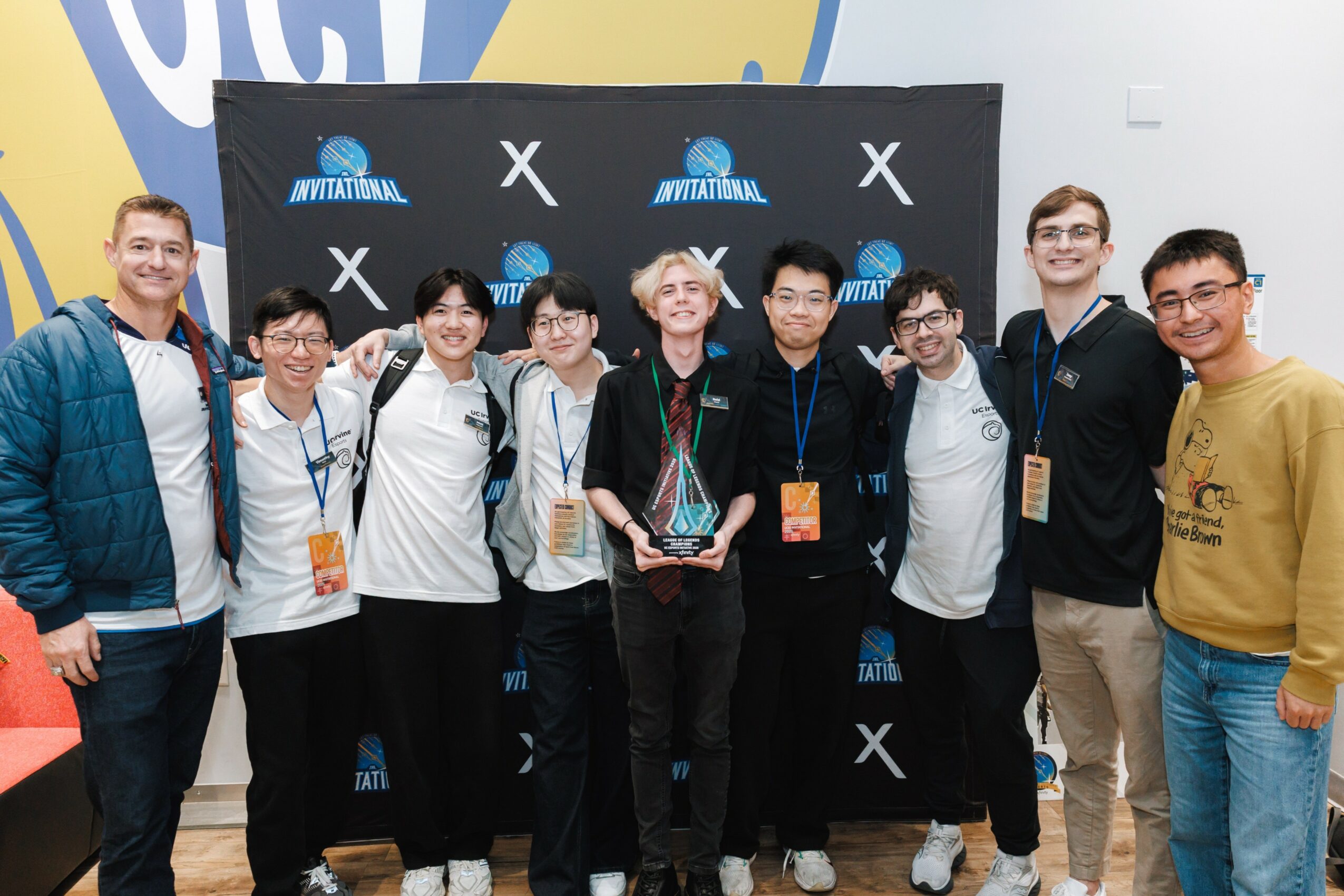
Today we’d like to introduce you to Mark Deppe.
Hi Mark, can you start by introducing yourself? We’d love to learn more about how you got to where you are today?
I joined UC Irvine in 2010 and my first role on campus involved helping elected student leaders plan major campus events like Welcome Week, concerts, festivals, and breaking Guinness World Records. In the summer of 2015, as I finished up my MBA, I wrote a strategy paper for Activision Blizzard. While researching for that paper, I stumbled across an article listing UC Irvine as the #1 School for Gamers due to our thriving gaming clubs and championship club teams. Another school on that list, Robert Morris University (Chicago), started the very first college esports program in 2014. It seemed to me that there were a lot of dots to connect: Esports was growing, our students were established leaders, we had a successful game design program, and we have several major gaming companies in Southern, CA.
After reaching out to students, campus colleagues, and industry partners, we assembled a coalition on campus to build a plan and vision. We put together a business plan, found a space we could renovate, and identified some generous corporate sponsors. By the end of 2015, we had been given the green light from campus leadership to move forward. In September of 2016, we officially opened our arena and welcomed our first esports athletes to campus.
Since then, the program has grown into one of the most recognized collegiate esports programs in the country, with elite teams, dedicated facilities, and a strong emphasis on student development.
Alright, so let’s dig a little deeper into the story – has it been an easy path overall and if not, what were the challenges you’ve had to overcome?
Definitely not a smooth road—and that’s probably true of most things worth building. In the early days, one of the biggest challenges was simply helping people understand what esports were and could be.
Resources were another hurdle. We started small, with no campus funding, so a lot of progress came from being creative, building partnerships, and relying on the energy and commitment of students who believed in the vision.
There were definitely moments of uncertainty, but those challenges helped shape the program in positive ways. They forced us to be thoughtful, collaborative, and student-centered, and they ultimately made the program stronger and more resilient.
Alright, so let’s switch gears a bit and talk business. What should we know about your work?
My work centers on building and leading the UC Irvine Esports program, with a focus on creating a high-performance environment that still feels student-first. That means overseeing competition, facilities, partnerships, and day-to-day operations, but also spending a lot of time thinking about culture—how students grow as competitors, teammates, and people while they’re here.
I like to think I specialize in program building and long-term sustainability. I’m probably best known for creating a nationally recognized esports program inside a system that isn’t always designed to move fast, and for finding ways to innovate while still working within a large, traditional institution.
What I’m most proud of is the impact on students. Seeing alumni move on to awesome careers—and hearing that the program helped open doors for them—matters more to me than trophies.
What sets us apart is that UC Irvine Esports exists at the intersection of premier academics and elite competition. If you want to compete at the highest level of college esports while earning a prestigious degree, UC Irvine is your spot.
Can you tell us more about what you were like growing up?
Growing up, I was curious, competitive, and energetic. I grew up in Apple Valley, California, as the son of two elementary school science teachers, so experimenting, doing puzzles, and solving riddles was normal at the dinner table. That environment definitely shaped how I think and how I approach problems.
I also played a lot of soccer (and several other team sports), which had a big influence on me early on. I played center mid-field on the soccer field and that made me comfortable connecting players, leading a group, and setting others up for success. Team sports taught me discipline, accountability, and how much trust and communication matter—lessons that still show up in how I how approach work and life.
Contact Info:
- Website: https://esports.uci.edu
- LinkedIn: https://www.linkedin.com/in/markdeppe/
- Twitter: https://x.com/UCIKaboom
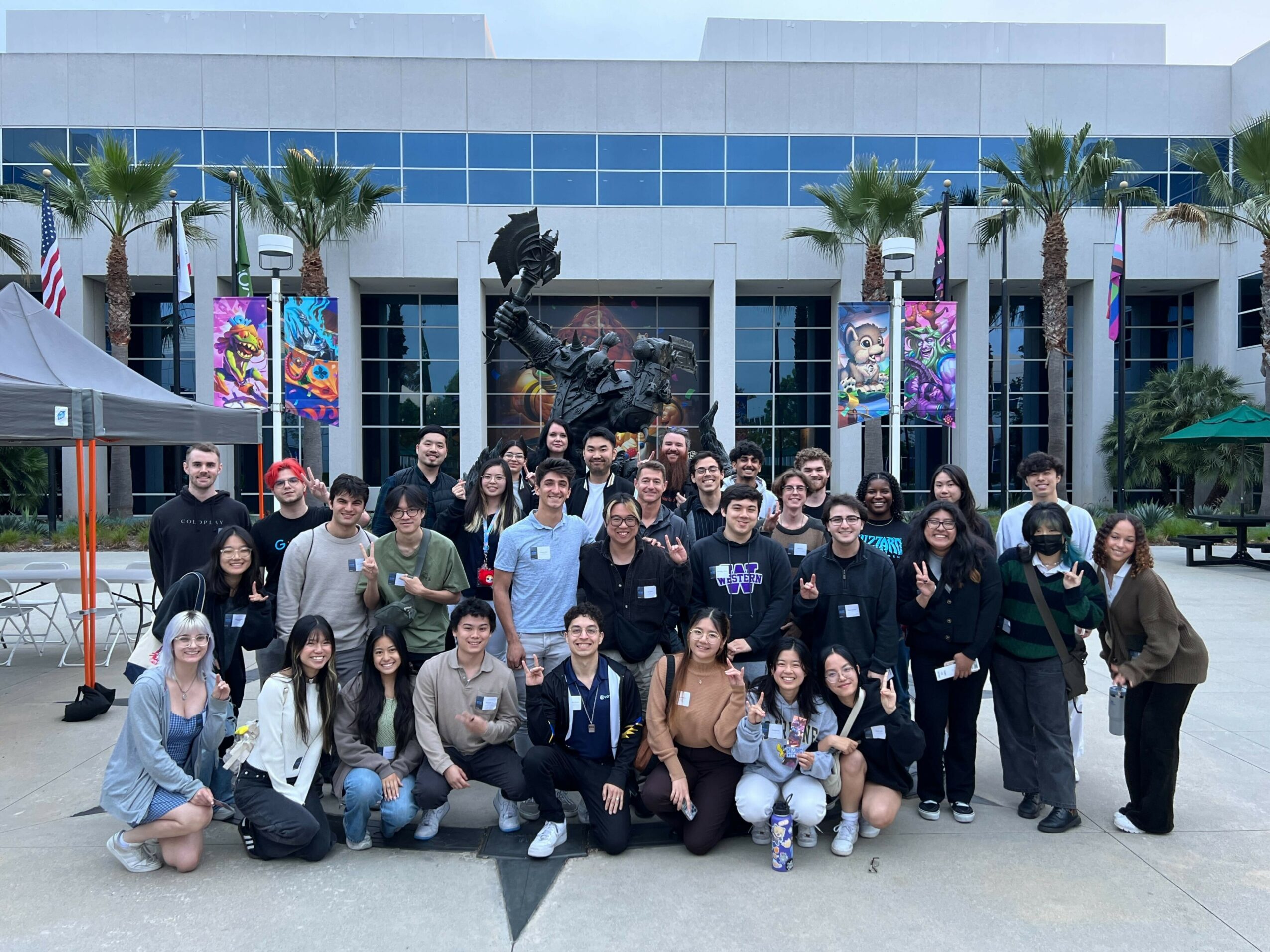
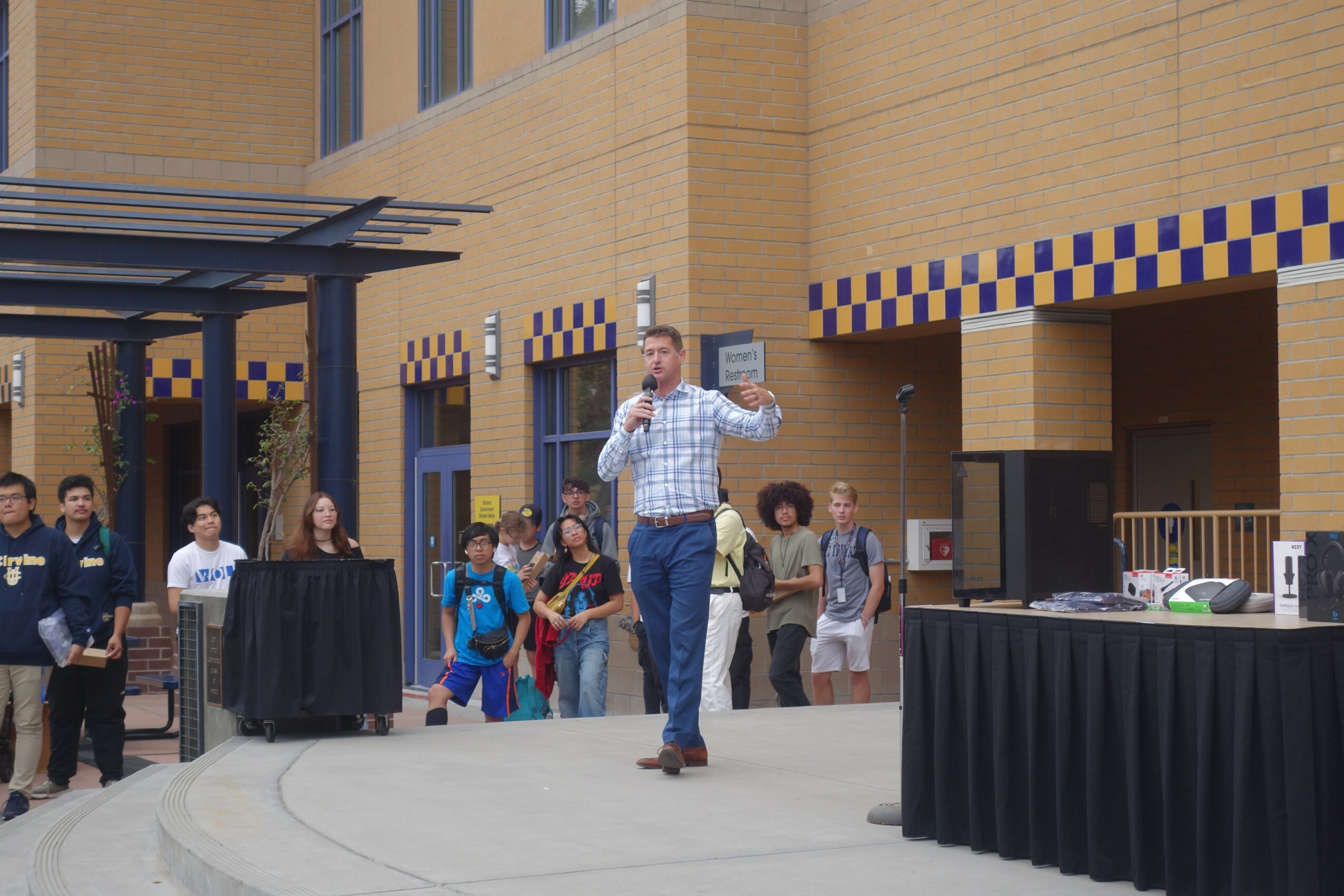
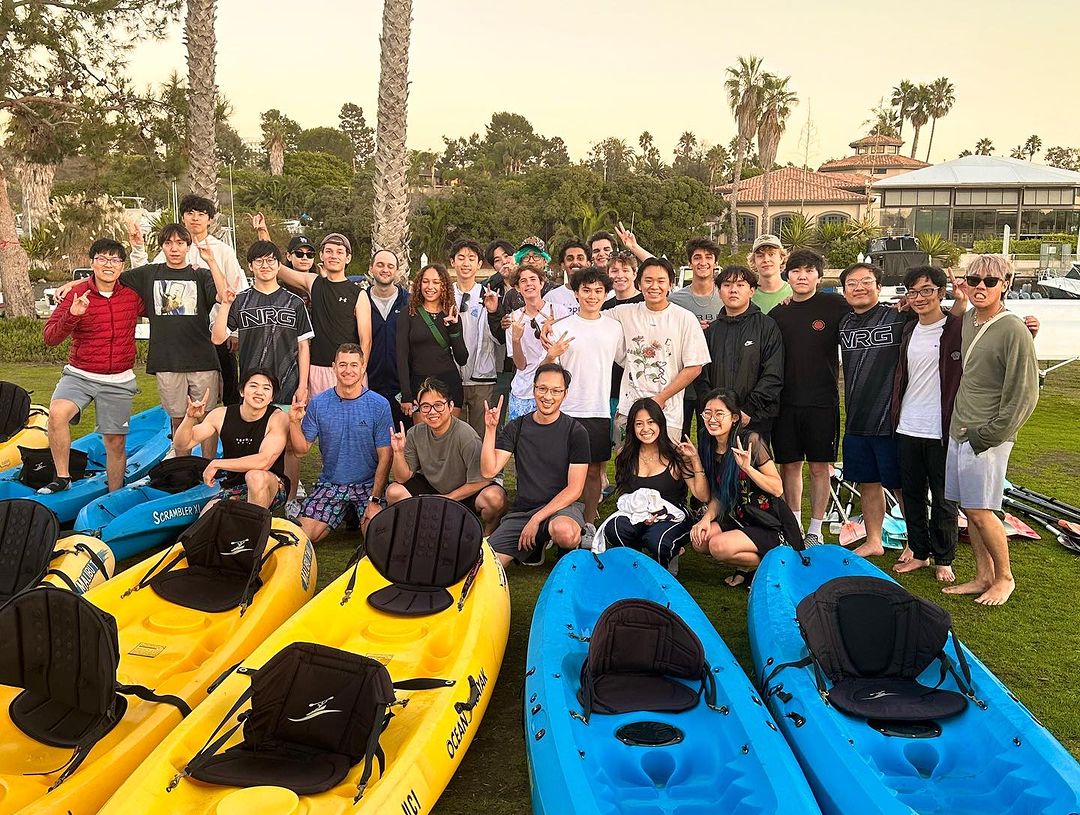
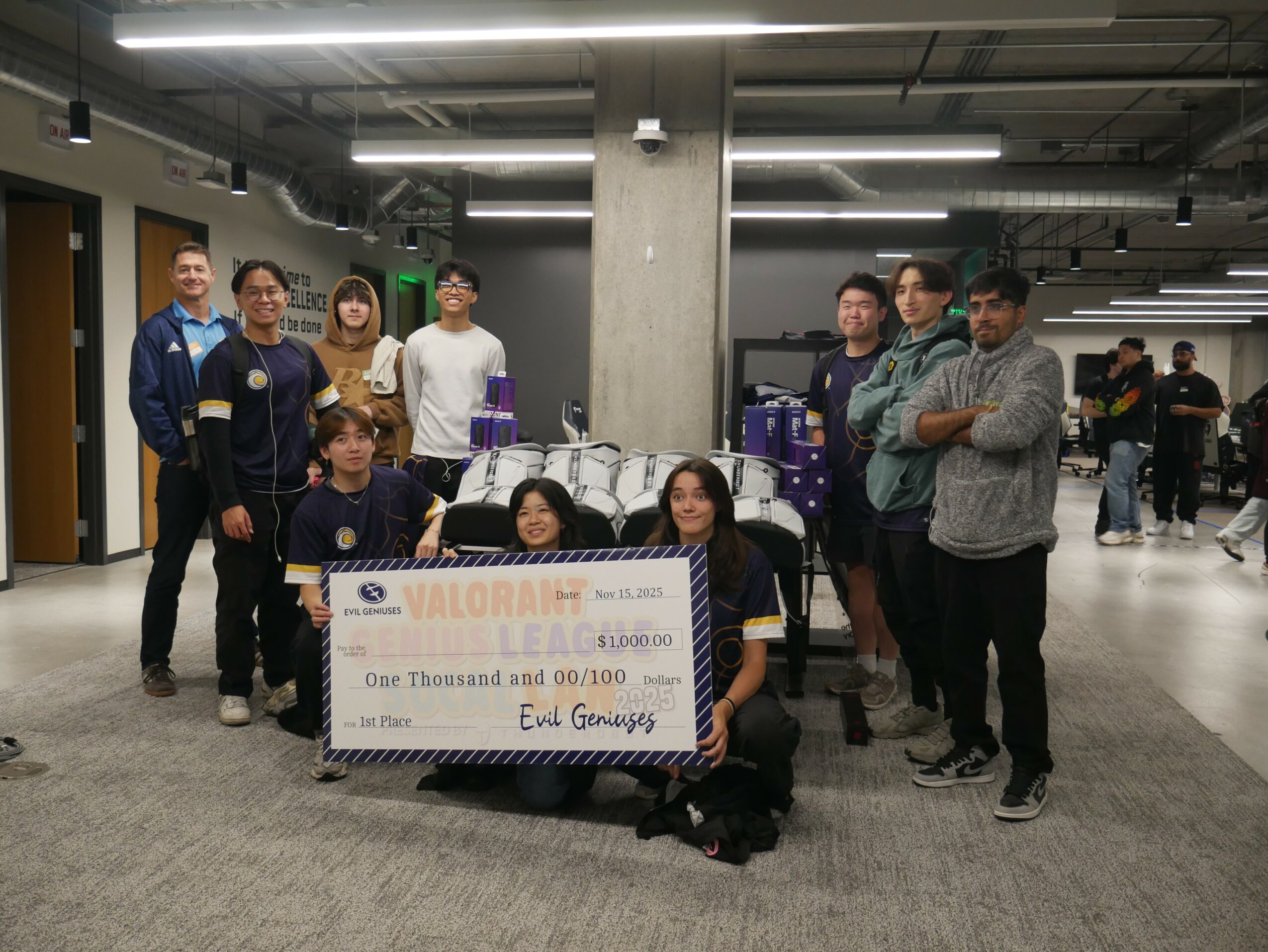
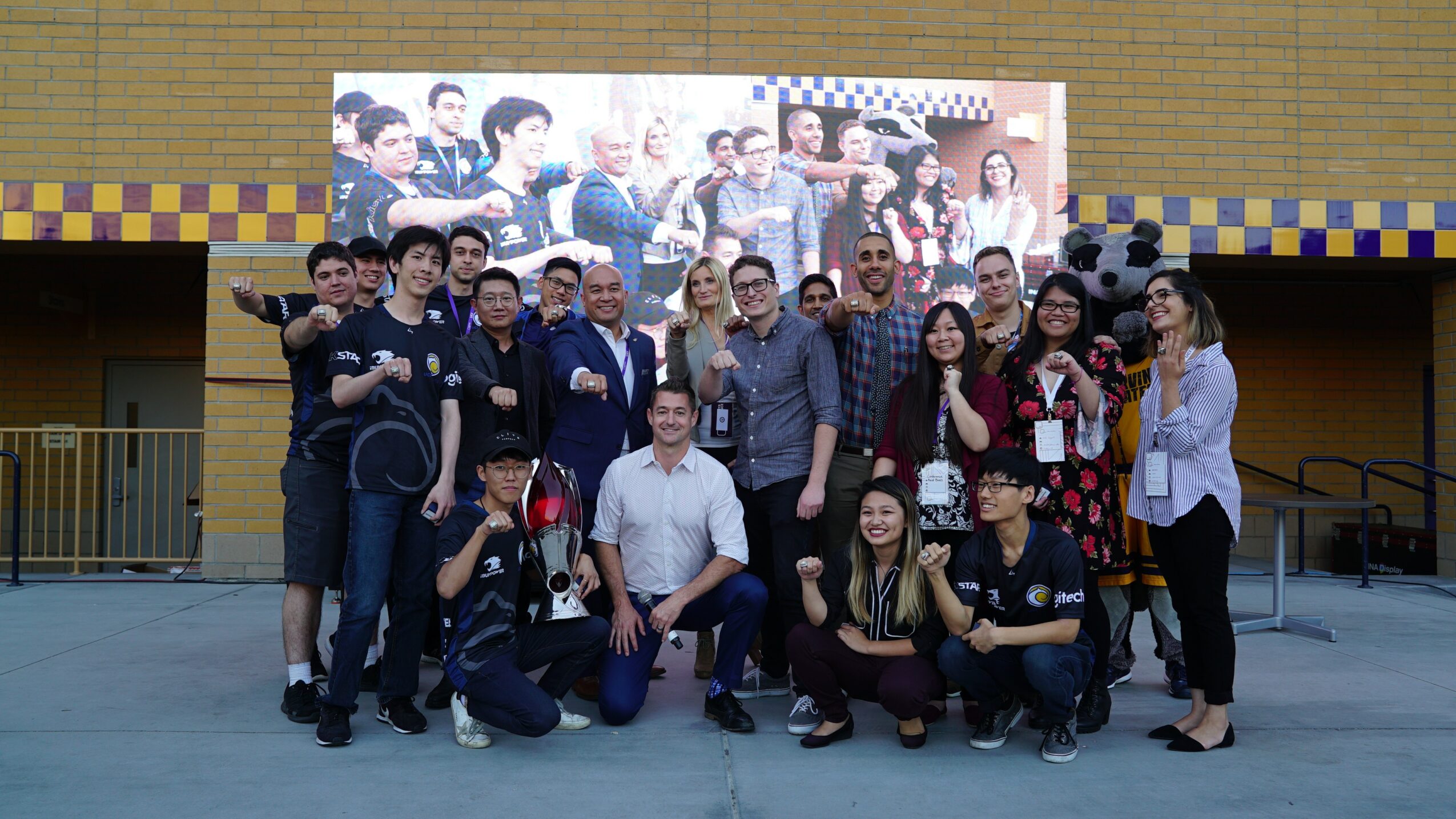
Image Credits
Personal Photo: Justin Lu – UC San Diego class of 2026
Popular
-

Cedar Boschan on Elevating Black Music Rights and Driving Urgent Conversations Around Credit, Equity, and Artist Protection
-

Portraits of the Valley
-

LA’s Most Inspiring Stories
-

Robin Olive on Building an Inclusive Performing Arts Movement and Expanding Opportunities for Every Student
-

Que Johnson on Building Brands That Last: From Visibility to True Market Authority
-

Christina Wren Steps Into the Director’s Chair to Tell Stories That Feel Like Home


