




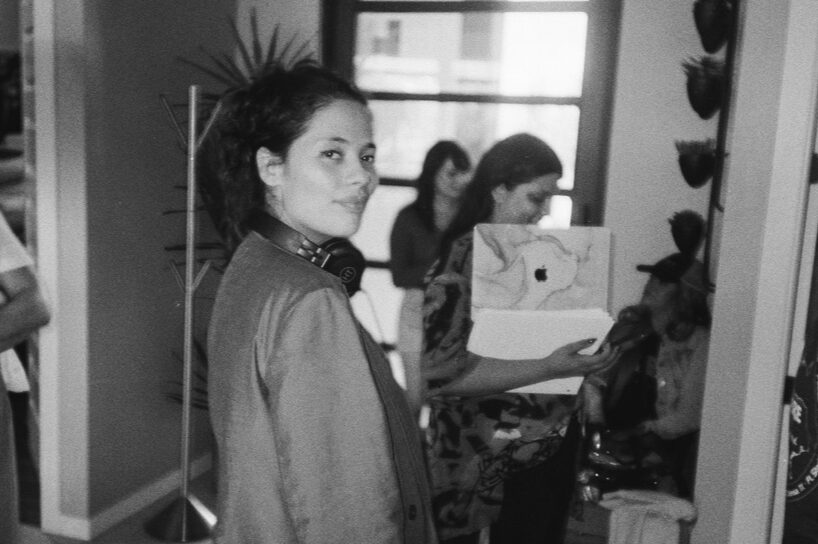
Today we’d like to introduce you to Maria Prieto.
Alright, so thank you so much for sharing your story and insight with our readers. To kick things off, can you tell us a bit about how you got started?
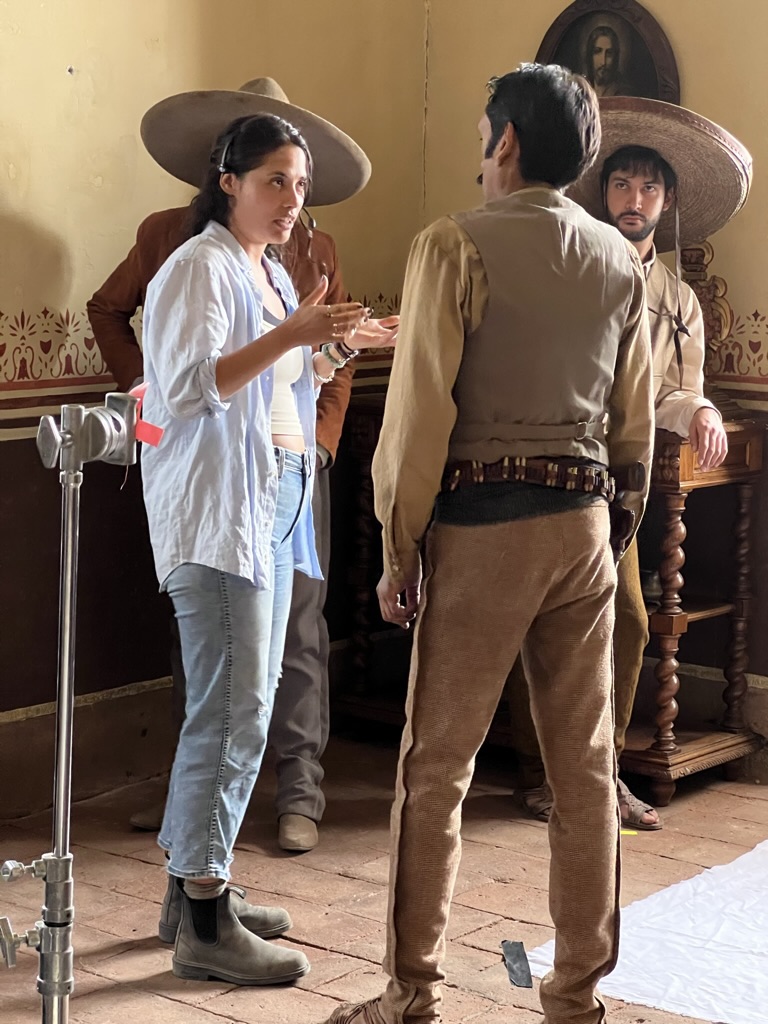
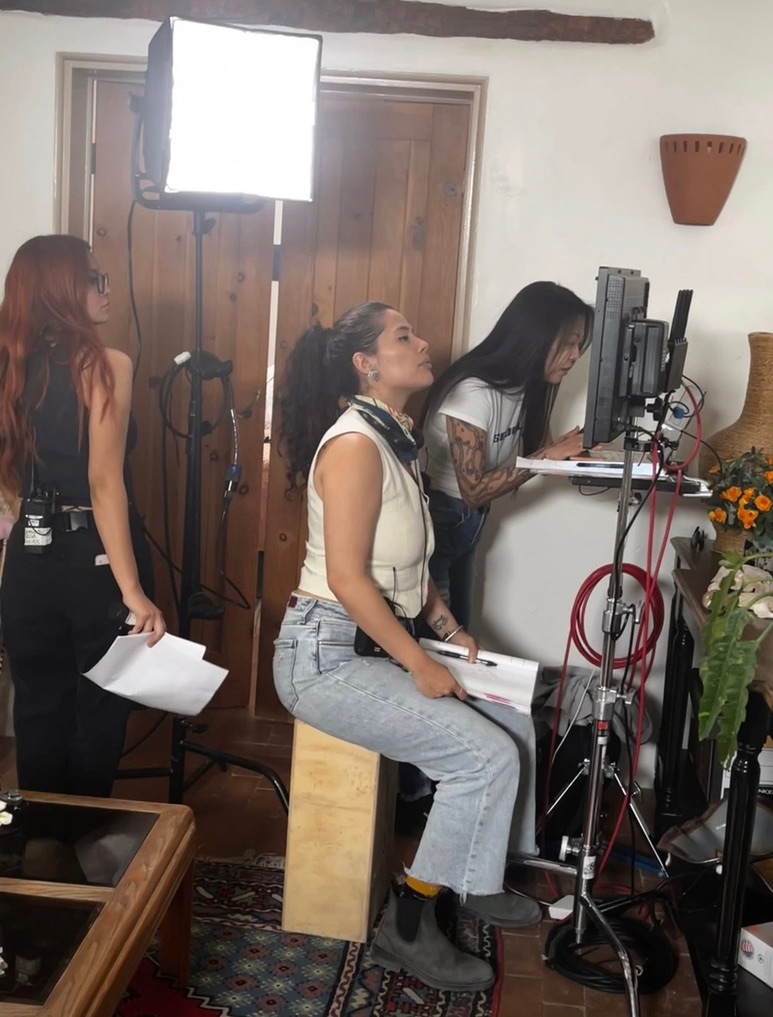
I was born in Mexico City but grew up in Los Angeles, and I think that bicultural experience really shaped the way I see the world and tell stories. I studied film in California, where I met some of my closest collaborators, and started out directing short films that explored identity, family, and memory. My early work, like ¿Qué Somos? and Recognition, screened at festivals and helped me build a visual style rooted in intimacy, strong atmosphere, and a bit of surrealism.
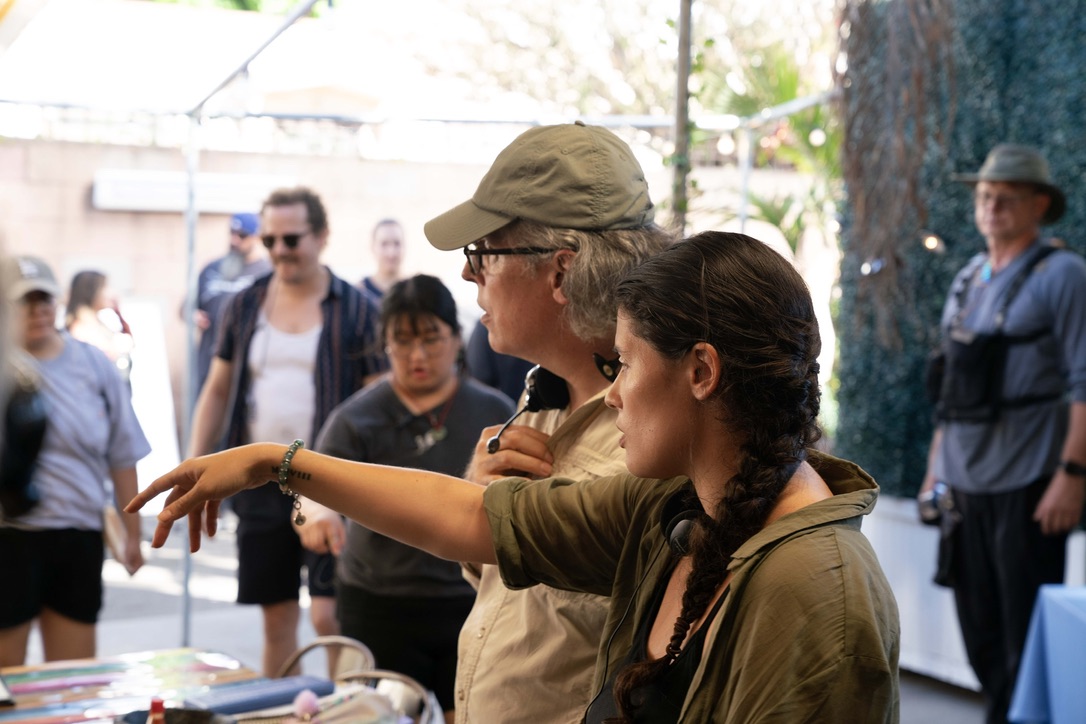
Along the way, I also directed narrative projects in the US and internationally, and had the opportunity to work as 2nd Unit Director on Netflix’s Pedro Páramo, which deepened my love for ambitious, visually rich storytelling. In 2021, I co-founded Purple Cactus Productions, which has been a home for both personal projects and collaborations.
Now, I’m developing my first feature film, Te Quiero Ver Arder, with Woo Films, set to shoot in Mexico City. It’s a thriller about a journalist uncovering a conspiracy, but at its core it’s about resilience and finding truth in a distorted reality. I’ve always been drawn to stories that blend the personal, the intimate, and the societal, and I feel like every project has been a step toward telling this next one.
Alright, so let’s dig a little deeper into the story – has it been an easy path overall and if not, what were the challenges you’ve had to overcome?
It hasn’t always felt like a smooth road. In the early days, one of the biggest challenges was finding funding and the right champions for my work. I remember writing ¿Qué Somos? at the encouragement of producers who later completely ghosted me, which, at the time, felt like such a blow. But that experience ended up leading me to one of the most important relationships in my career: finding my producing partner, Sara Eklund, who believed in me from the very start.
Sara not only helped me get that project off the ground, but also showed me how transformative it is to work with people who push you to be better, who inspire confidence, and who find ways to make things happen against the odds. I’ve learned that the most important thing you can do as a filmmaker is build that circle of people who truly see your vision and won’t let you forget it when things get tough. That experience has shaped how I choose collaborators today. I look for people with not just talent, but trust, generosity, and the kind of grit it takes to make a film a reality.
As you know, we’re big fans of you and your work. For our readers who might not be as familiar what can you tell them about what you do?
I’m a director and writer, and my work often lives at the intersection of the personal, the intimate, and the societal. I’m drawn to stories about resilience, especially from a female perspective, and I like to blur the lines between realism and surrealism to reflect how memory, trauma, and desire actually feel.
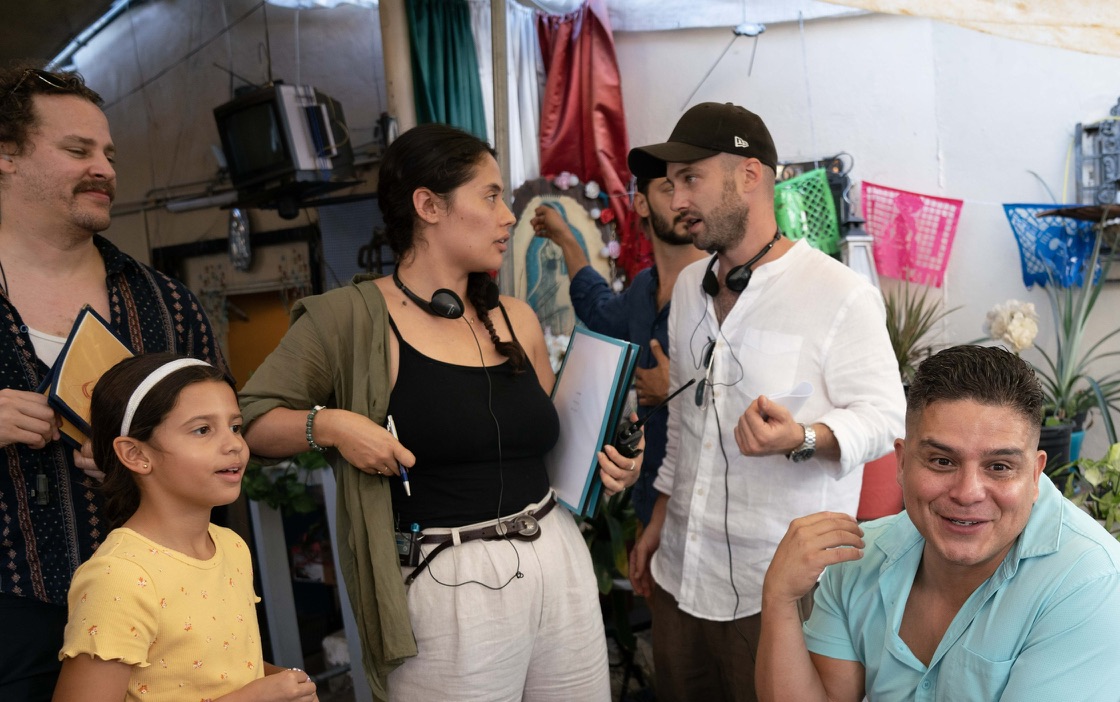
What I’m most proud of is El Sarape, because it was made in such a pure way. It was inspired by a single visit to a family-run restaurant in Boyle Heights and it became a love letter to immigrant stories. That film reminded me that even small-scale, personal projects can have real emotional impact. It is set to premiere this fall at the Morelia Film Festival. Collaboration is at the core of my process, and I’ve been fortunate to have incredible partners along the way. My partner, Ben Narich, produced El Sarape and has been a champion of mine since the moment we met. As soon as he read the first draft, he laid the groundwork that allowed me to bring the film to life. Having someone like that in my life has given me the courage to take on projects that feel challenging and ambitious.
I think what sets me apart is my ability to combine visual ambition with intimacy, to craft cinematic worlds that feel layered and immersive, while still keeping the camera close enough to catch a fleeting glance or a shift in breath. I approach every project with that balance in mind.
Do you any memories from childhood that you can share with us?
One of my favorite childhood memories is of the deep and intricate games my sister, Ximena, and I would play at our home in Mexico. In our backyard, there was a massive stone we called “the magic rock.” We’d climb on top of it and suddenly it could take us anywhere in our imagination, far-off lands, secret worlds, adventures only we could see. I think about that often, how connected we were to our imagination, how easy it was to access play and creativity. That’s a big reason why I’ve explored films with children as protagonists in a lot of my work, the way they view the world, with curiosity and wonder, is something that really speaks to me.
I also have vivid memories of dinner parties at home or in restaurants with my family. There was always that moment late in the evening when sleep would overcome us as children, and our parents would make a makeshift bed using the restaurant chairs. That simple, tender gesture stayed with me, and it actually inspired the final moment of El Sarape.
Contact Info:
- Website: https://www.marprieto.com/
- Instagram: https://www.instagram.com/mar__prieto/
Popular
-
Los Angeles Barea on Turning Green Superheroes into a Global Movement for Youth-Led Change
-

Trisha DuVivier on Bridging the Franchisor–Franchisee Divide with Workhero and “Franulate”
-

Portraits of the Valley
-

LA’s Most Inspiring Stories
-

Cedar Boschan on Elevating Black Music Rights and Driving Urgent Conversations Around Credit, Equity, and Artist Protection
-

Robin Olive on Building an Inclusive Performing Arts Movement and Expanding Opportunities for Every Student


