




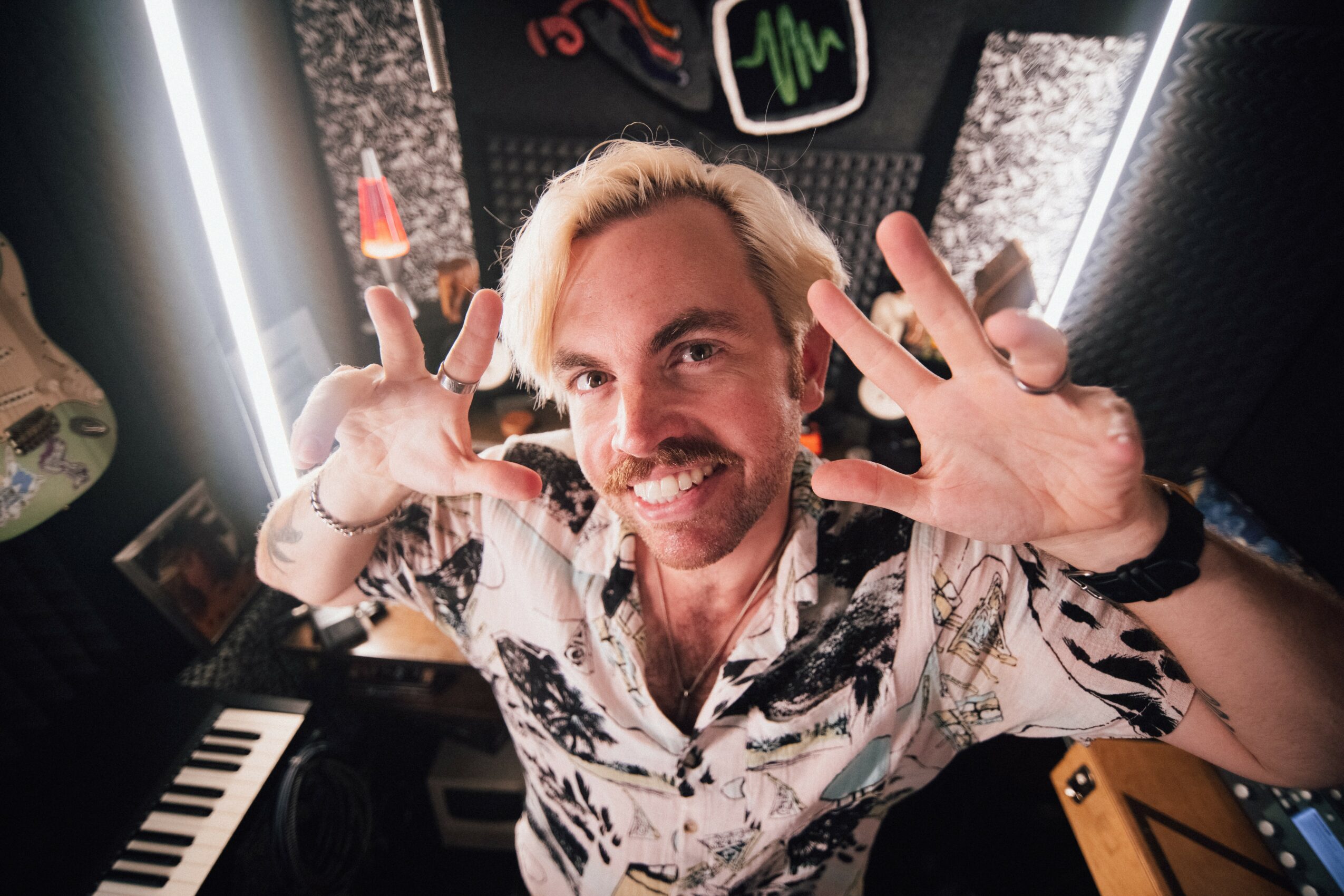
Today we’d like to introduce you to Logan Grimé
Hi Logan, can you start by introducing yourself? We’d love to learn more about how you got to where you are today?
I grew up surrounded by music. My dad was the singer of a rock band in the ’80s called The Kynd, and music was his passion. He was writing songs before I was born and when I was very young, but after he had kids, he stopped making music. His songs were never released, and that became his unfulfilled dream—he wanted his music to be heard, but the timing and lack of resources didn’t allow for it.
Music was always present in our home. My dad would play beautiful songs on the piano, and his love for melody deeply shaped my understanding of how music could move people. He often wrote these underlying melodies—what I later came to call Underlicks—in his songs. In 7th grade, he even taught me and my friends how to play one of these Underlicks, and it became a key part of how I approached music, with the idea that these melodies could glue listeners to a song.
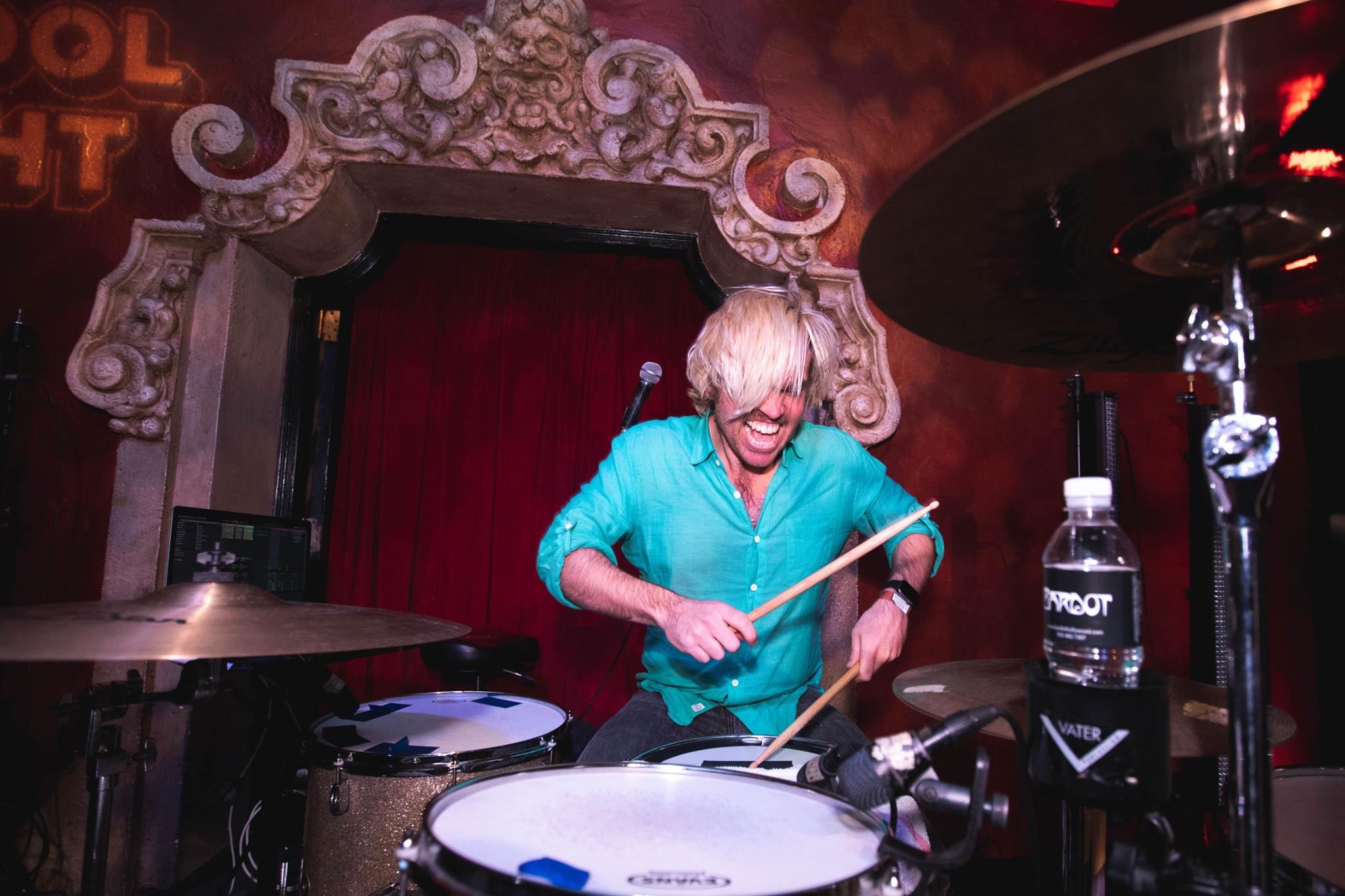
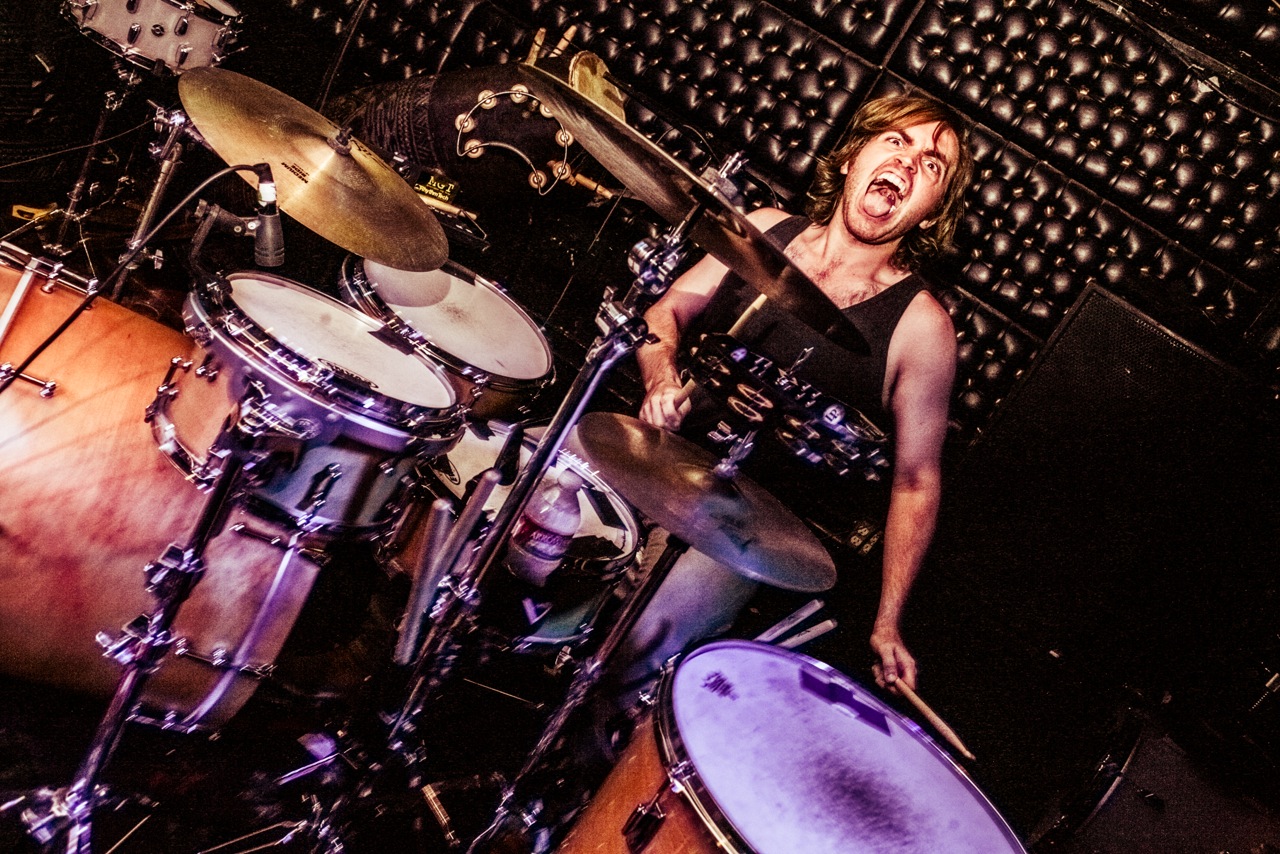
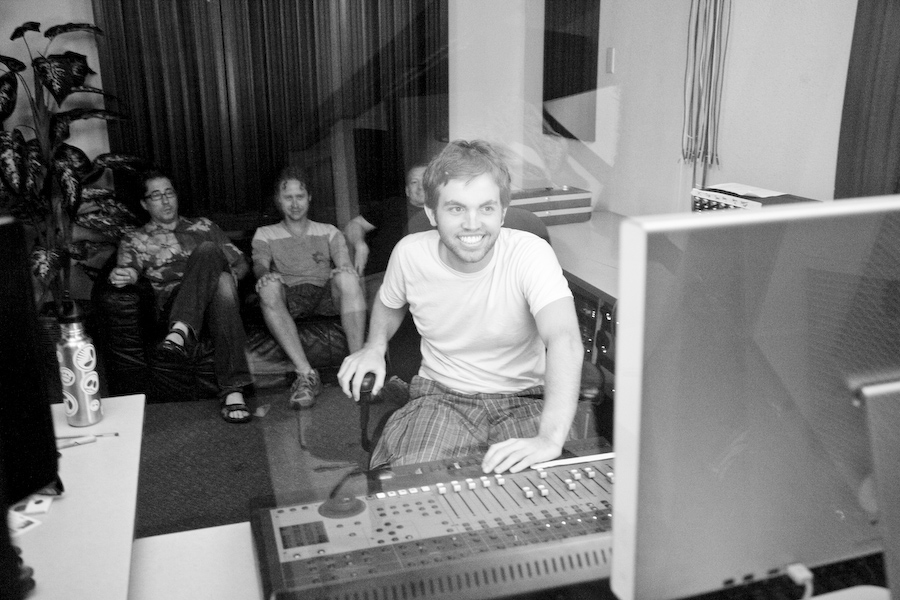
I started playing drums when I was about 11, using my dad’s old gear. A pivotal moment for me came around 1999, when my dad brought home Blink-182’s Enema of the State. Hearing “All the Small Things” before it became a single, I knew it was going to be a hit, and that’s when I became obsessed with music. I began covering Blink-182 songs with my friends, recording and producing our music in my garage, and that eventually led me to study audio engineering in college.
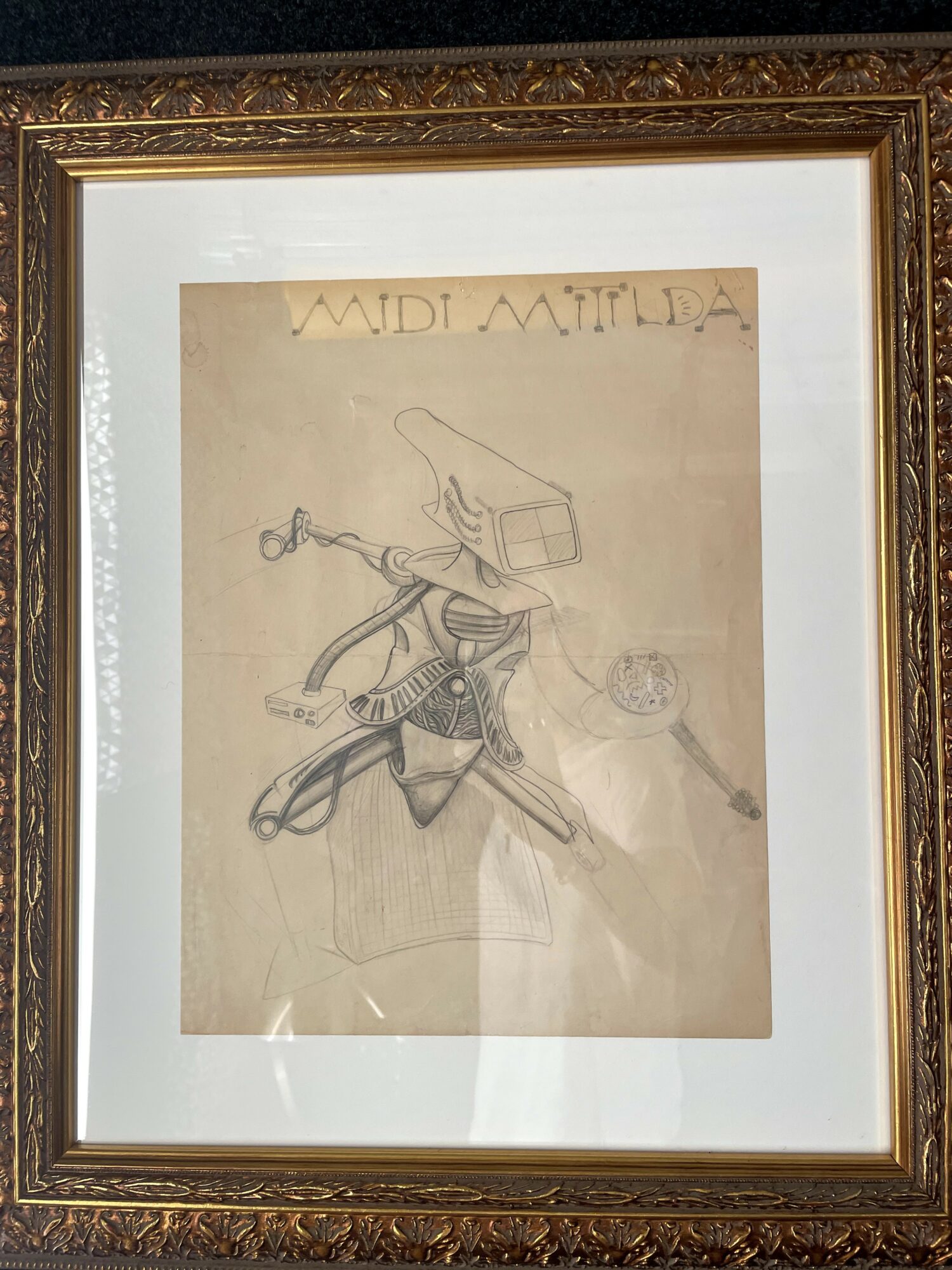
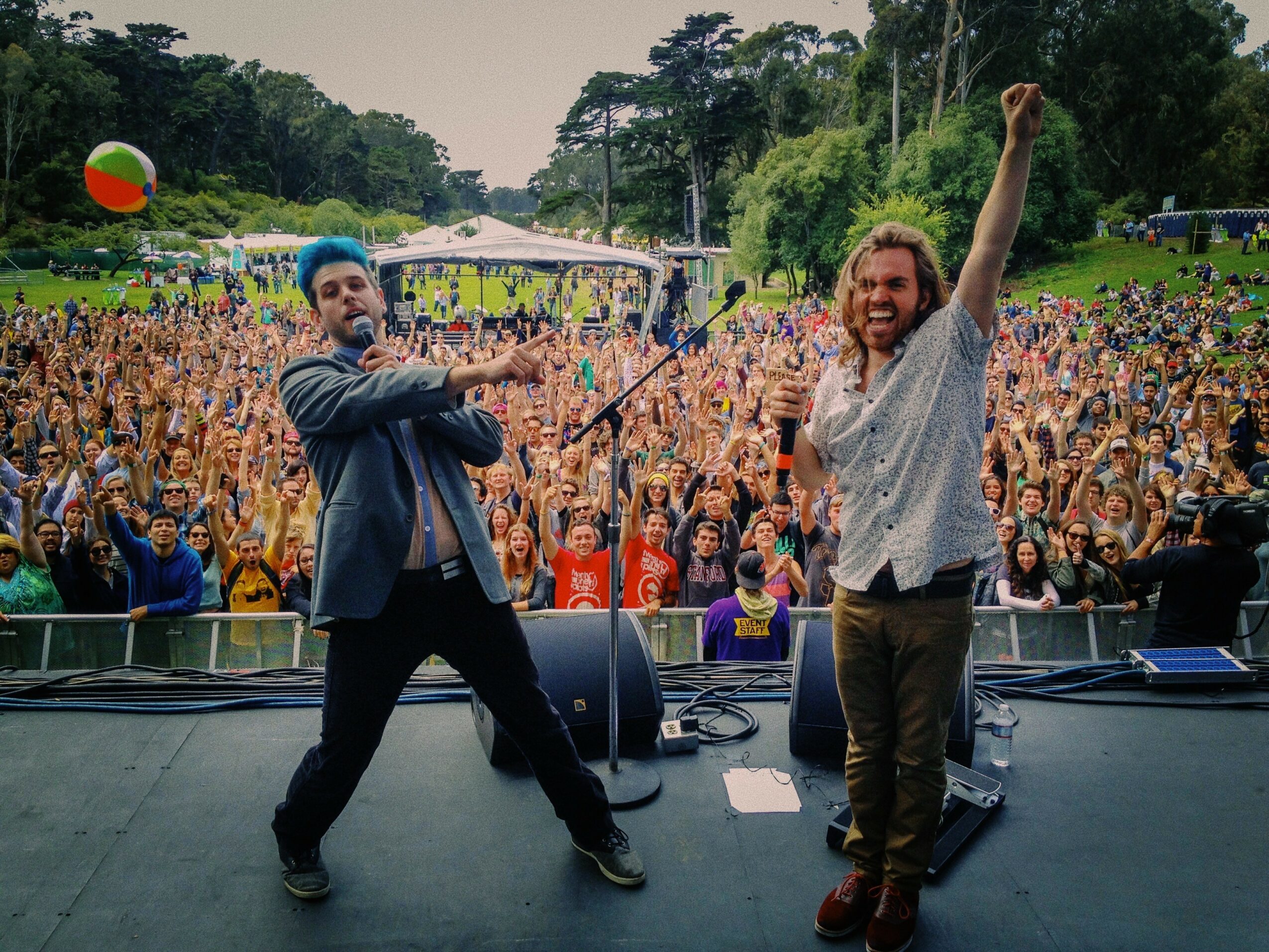
When I was 16, my dad tragically passed away. His music had never been released, which gave me an even deeper connection to his work and melodies. This loss fueled my passion to carry his musical legacy forward. In college, I met Skyler, a singer-songwriter, and we formed a band called Midi Matilda, inspired by an idea my dad had for a robot that would help him create music. Although the robot concept never became a reality, it represented his desire to see his music through. Our band’s music gained traction online, and we signed with a label, opening for artists like Paul McCartney. We reached millions of streams, but after our manager passed away and our label shelved us, we struggled to continue. During the pandemic, Skyler and I decided to put Midi Matilda on hold.
After the band paused, I returned to my dad’s unreleased music, feeling a deep responsibility to see his songs through. I began producing and preparing his music for release, making sure his songs would finally be heard.
Throughout this time, I had been working as a freelance video director and editor, which helped support my band. I worked on projects for HBO, Skywalker Ranch, and Dolby, blending creativity with technical skills to bring stories to life. This background in video production, combined with my love for music, eventually led me to merge these skills. I started to realize that I could take my understanding of music, video, and storytelling and use them together to help other people with their music. This became a way for me to support others while also continuing my own journey as a musician.
In late 2019, I had a manic episode, sparked by the idea of bringing all of my creative skills together. This was when I decided to take the robot concept my dad had drawn and make it real in a new way. I redesigned the head of the robot, put a VM on its face, and it became the logo for ViB3 MACHiNE. This project represents the culmination of my skills in music, video, and creativity. Through it, I’m helping people write and produce their own songs while continuing to create my own music.
Two years ago, I started making videos on TikTok, merging my video production skills with my passion for music. Although I had always been behind the camera, I decided to step in front of it, helping others by sharing what I know and building a platform that connects music and creativity.
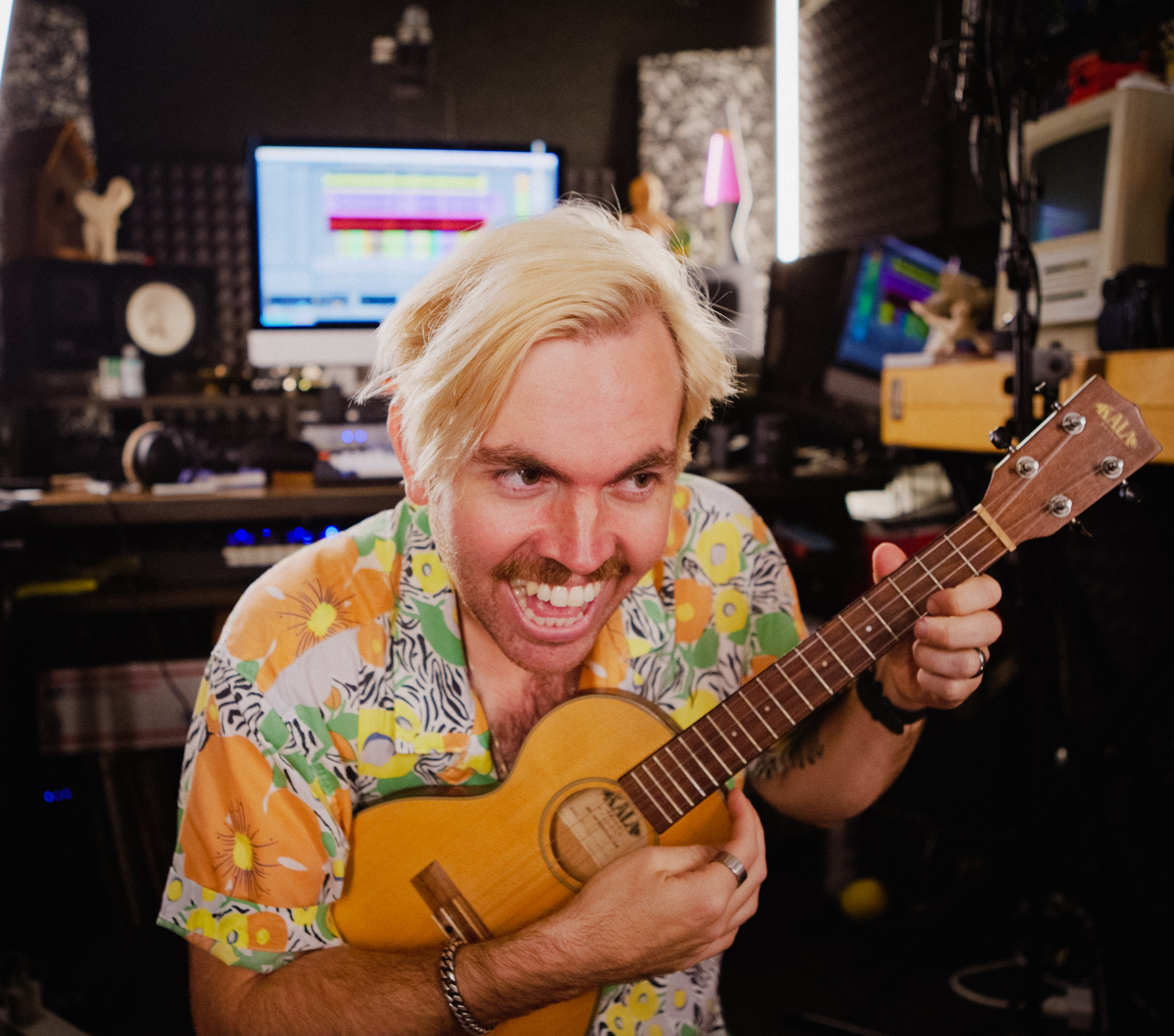
Today, I’m continuing to work on my dad’s music, and I’ve built a home studio where I create music and videos. My wife, who I met in 2010, and I have two kids—my three-and-a-half-year-old daughter and one-year-old son. I’ve set up the studio at home because I want my kids to be surrounded by music, just like I was, and to see me creating every day.
ViB3 MACHiNE is my way of continuing my dad’s legacy. He dreamed of having his music heard, and now I’m using all of my skills to help others do just that. My goal is to bring together my passion for music and video to amplify human creativity and ensure that music, like my dad’s, can be heard by the universe.
I’m sure it wasn’t obstacle-free, but would you say the journey has been fairly smooth so far?
It hasn’t been a smooth road, and there have been several significant challenges along the way. One of the biggest struggles was my dad passing away when I was 16. He went out one night and was involved in a police brutality incident where he was beaten badly. There was a settlement that followed, but he passed away as a result. It was a traumatic experience, and processing that loss was incredibly hard.
School was always difficult for me. I spent most of my time creating music and making movies, and I struggled with focusing on things that didn’t feel meaningful to me. I’ve always thrived when I’m doing what I love, and traditional school didn’t fit that mold.
Another major challenge was when our band, Midi Matilda, lost our manager, Steve, to leukemia. Steve was our champion, and when he passed, it was like we lost the person who really believed in us and was helping us move forward. We had just started to take off, and losing him made it harder for us to navigate the music industry. For years, we kept trying to satisfy our label and get our music out, but we were constantly met with setbacks.
The hardest part was the emotional rollercoaster of thinking the band was going to “make it” over and over again. We had millions of streams and great shows, but we never quite broke through in the way we expected. That constant push, only to hit roadblocks, was tough.
Finally, my manic episode in 2019 was a personal and family challenge. It was sparked by my excitement over what would eventually become ViB3 MACHiNE, but it created a lot of strain at the time. While it was a difficult moment for me and my family, it was also the beginning of something new and important—ViB3 MACHiNE.
Appreciate you sharing that. What else should we know about what you do?
I’m a producer, drummer, and expert in melodies, but more than anything, I’m a music lover. What sets me apart is that I love music in the same way most of the world does—especially pop music. My dad introduced me to that love early on, and I’ve always been drawn to music that resonates with people on a broad, emotional level. While I’ve often felt on the outside for loving pop music, it’s become my superpower. My taste aligns with what connects with most people, and I can explain it, create it, and break it down for others.
A lot of songwriters focus heavily on lyrics and what they’re saying, but I come at it from a different angle. I understand the power of lyrics, but I focus even more on melody—something I believe is far more universal and transcends language. Melodies can connect with anyone, anywhere, regardless of the words being sung. Many songwriters underestimate the importance of melody, but I see it as the key to making a song stick in people’s minds and hearts. That’s where my drumming background and rhythmic understanding come into play, helping me break melodies down to their simplest and most effective form.
I’ve developed a skill for detecting exactly what makes a song work—or why it doesn’t. Just like I can watch a video and immediately see why people might swipe away, I can listen to a song and understand why listeners might lose interest. It’s all about recognizing those subtle shifts in energy that either draw people in or push them away.
In addition to music, I’m highly skilled in video production and storytelling. I’ve directed and produced music videos for chart-topping bands and worked on documentaries. Bringing together these creative elements, I can help others refine their work in ways that go beyond just sound—using visuals and storytelling to create a full experience.
I’ve always been comfortable on the outside of the traditional music industry. I’m not trying to fit into a specific mold, and I’m not interested in playing the industry’s game. I’m here to be honest, to create, and to help others do the same. I’m an artist, a director, and someone who understands every part of the creative process. From music to video, I can handle it all, and I’m proud of that versatility.
Are there any important lessons you’ve learned that you can share with us?
The most important lesson I’ve learned on my journey is that what most people call “failure” is actually opportunity. The word “failure” is pretty useless—what it really means is learning. Every so-called failure is a chance to grow, to gain knowledge, and once you have that knowledge, you become unstoppable. The key is to be consistent. The more you keep doing something, the more you develop, and eventually, it becomes a habit, a part of who you are.
A lot of creatives spend too much time fantasizing about what could happen, but action is what moves things forward. Action destroys fantasy. You need to follow the things you love doing and turn them into habits that fuel your progress. And whatever you do that helps others, people are always going to want more of it. That’s why it’s so important to find the crossroads between what you love and what people are telling you they want from you. If you can figure out how to provide value with something you already love, you’ll tap into a deeper connection with others. But if you think that doing something now will eventually lead to something else down the road, you’re mistaken. You need to be doing right now what you want to be doing in the future—figure out how to make that valuable to others in the present.
Also, it’s freeing to realize that no one cares about you as much as you think. That sounds harsh, but it means you can focus on finding your unique value without worrying about judgment. What makes you unique is your humanity, and that’s something no one else can replicate. As the world changes, especially with AI, being comfortable with yourself and tapping into your humanity will be even more important.
Ultimately, the journey is about using what you’ve learned to help others—whether that’s through your music, your ideas, or your skills. By embracing that and staying true to yourself, you can create real impact.
Contact Info:
- Website: https://www.vib3machine.com
- Instagram: https://www.instagram.com/vib3.machine
- Youtube: https://www.youtube.com/@vib3machine
- Other: FREE Songwriting Checklist vib3machine.co/checklist
Popular
-

Portraits of the Valley
-

LA’s Most Inspiring Stories
-

Robin Olive on Building an Inclusive Performing Arts Movement and Expanding Opportunities for Every Student
-

Que Johnson on Building Brands That Last: From Visibility to True Market Authority
-

Christina Wren Steps Into the Director’s Chair to Tell Stories That Feel Like Home
-
JordanL on ‘Breathe,’ Belief, and Building a Movement Beyond the Music


