



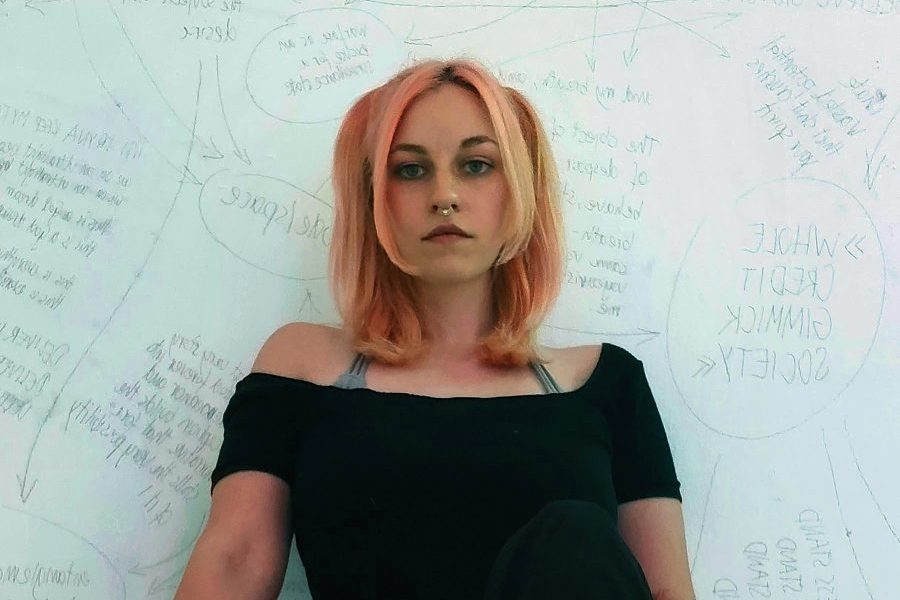
Today we’d like to introduce you to Kathi Schulz.
Hi Kathi, so excited to have you on the platform. So before we get into questions about your work-life, maybe you can bring our readers up to speed on your story and how you got to where you are today?
I am an interdisciplinary artist and researcher from Berlin. After finishing my Fine Arts degree in Germany, I moved to LA. Currently, I am an MFA candidate for Art and Technology and Integrated Media at CalArts. Before I moved to LA I have never actually been here, but within my first week here I totally fell in love with the city, the art scene, the energy and endless possibilities and narratives LA encapsulates.
We all face challenges, but looking back would you describe it as a relatively smooth road?
Moving to a different country was a difficult experience. It takes a lot of mental energy, time, commitment and unfortunately money to go through that process. Even though I moved here almost 2 years ago, I still struggle a lot, especially because LA is so expensive. Something else that I noticed when I moved here is that I learned a lot about myself, which sounds very cliché. Once you have such a radical change in environment, you have to confront your issues and anxieties in a very raw way, since you cannot blame them on the circumstances that used to surround you. However, there is also a positive side to this. I realized that a lot of the things I have achieved and done so far are purely because of my own mindset, drive, and commitment and are not as circumstantial, arbitrary or just being lucky, as I used to think. Realizing this helped me to get over some of my insecurities and gave me a lot of confidence.
Can you tell our readers more about what you do and what you think sets you apart from others?
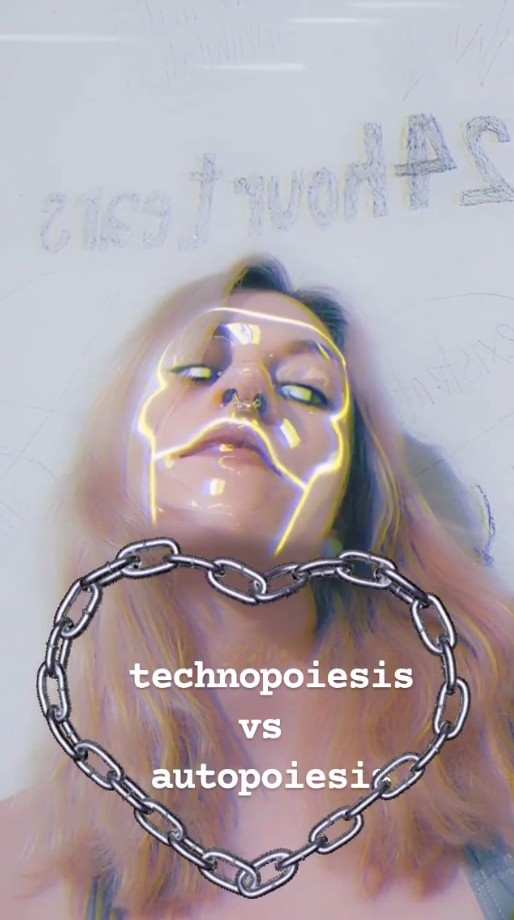
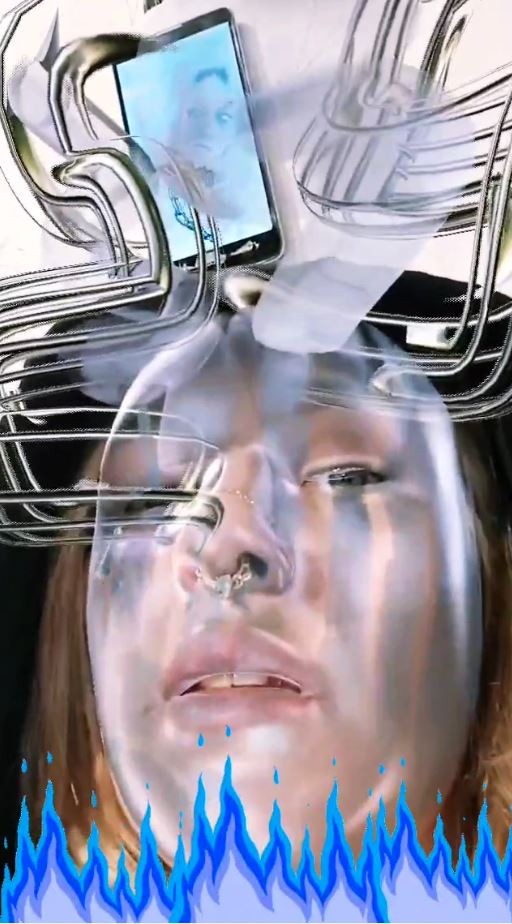
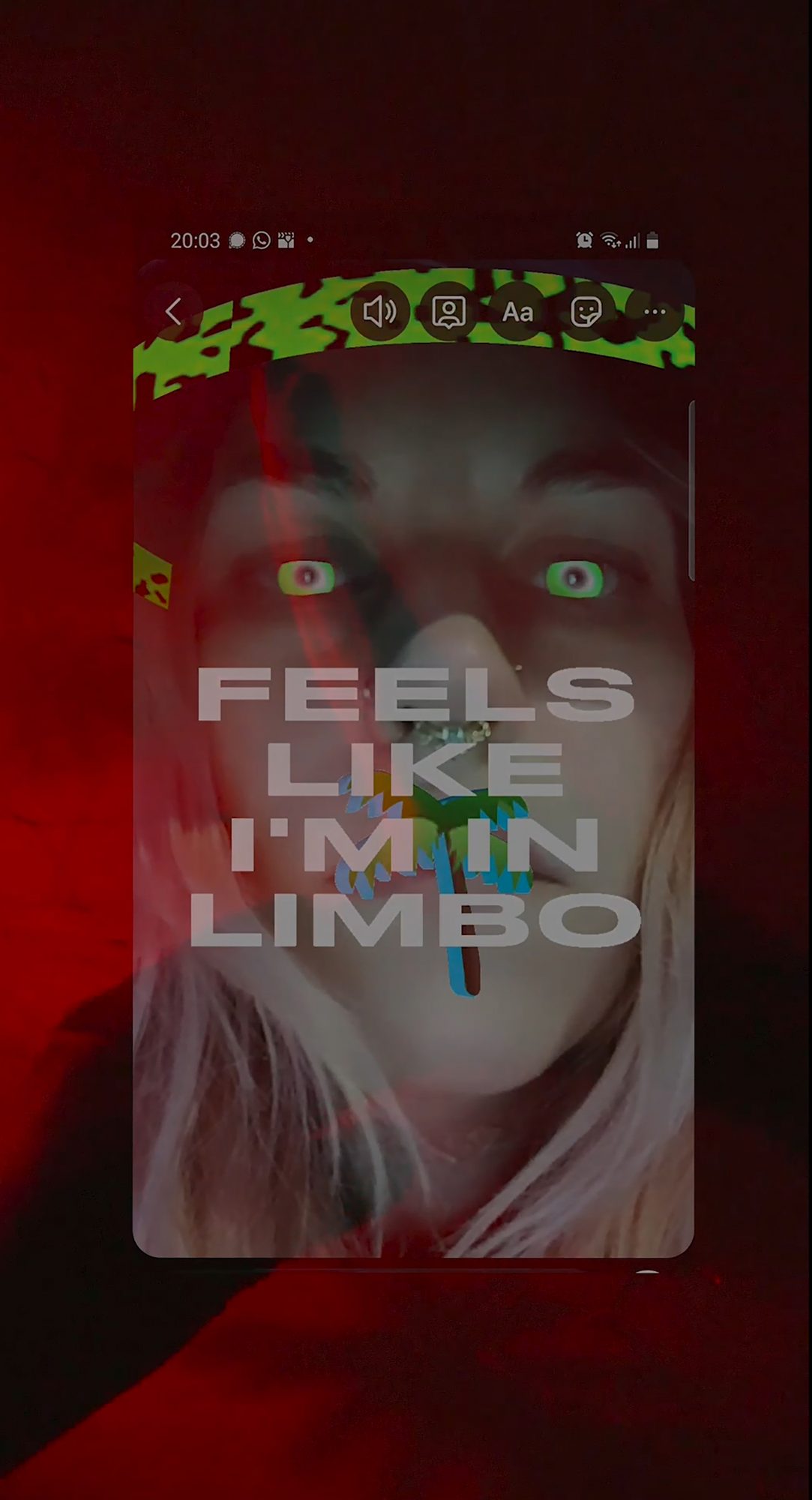
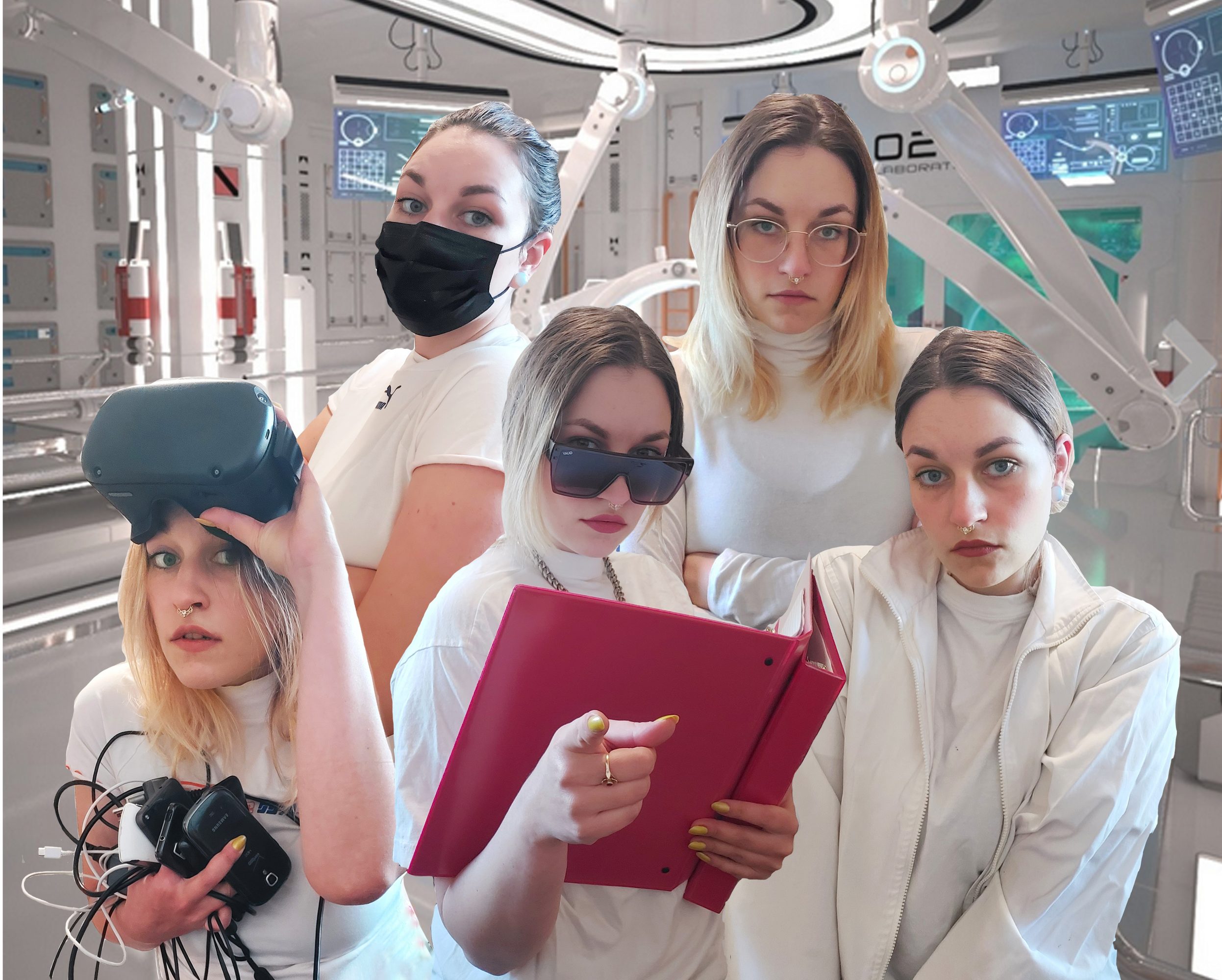
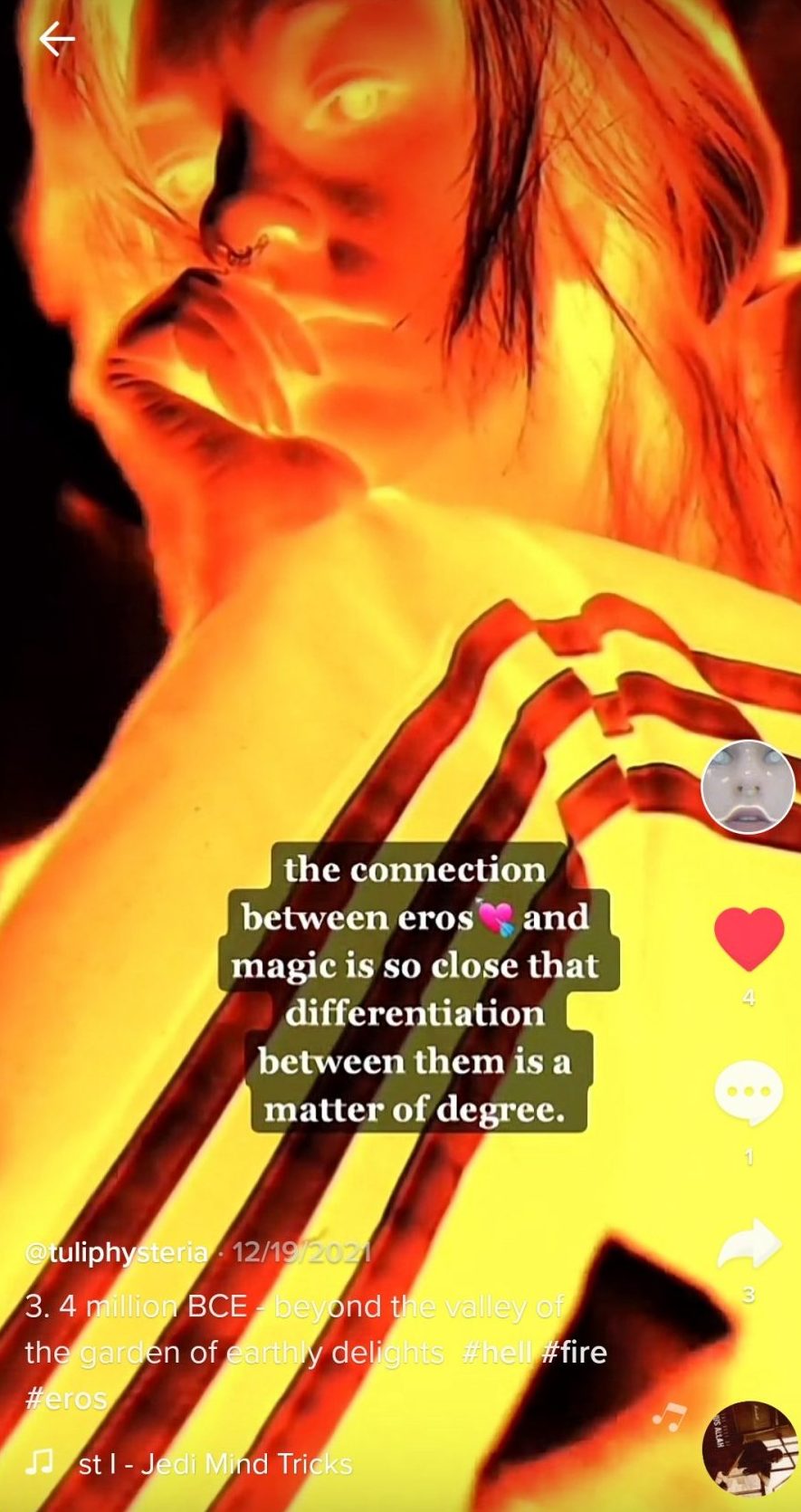
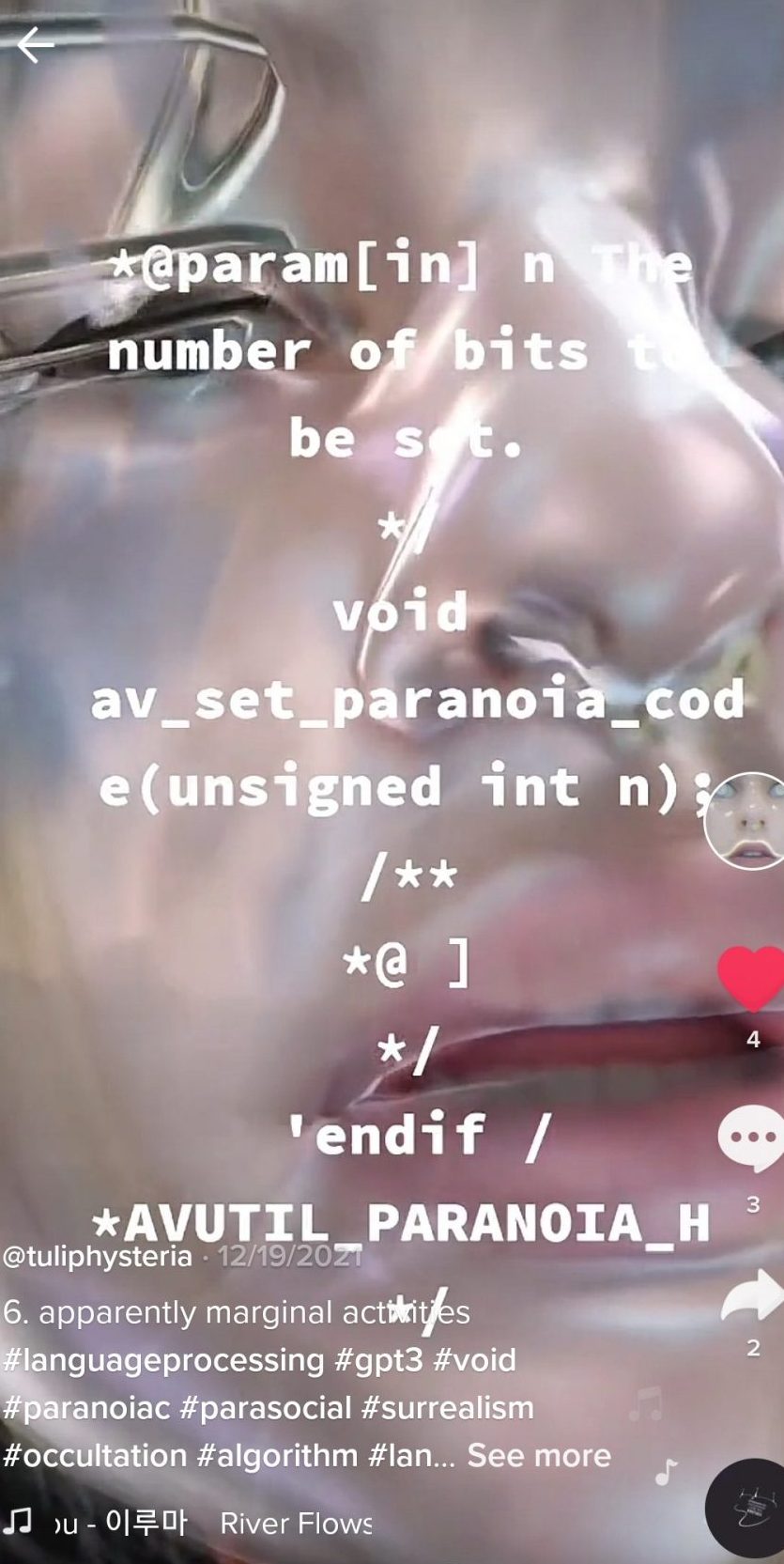
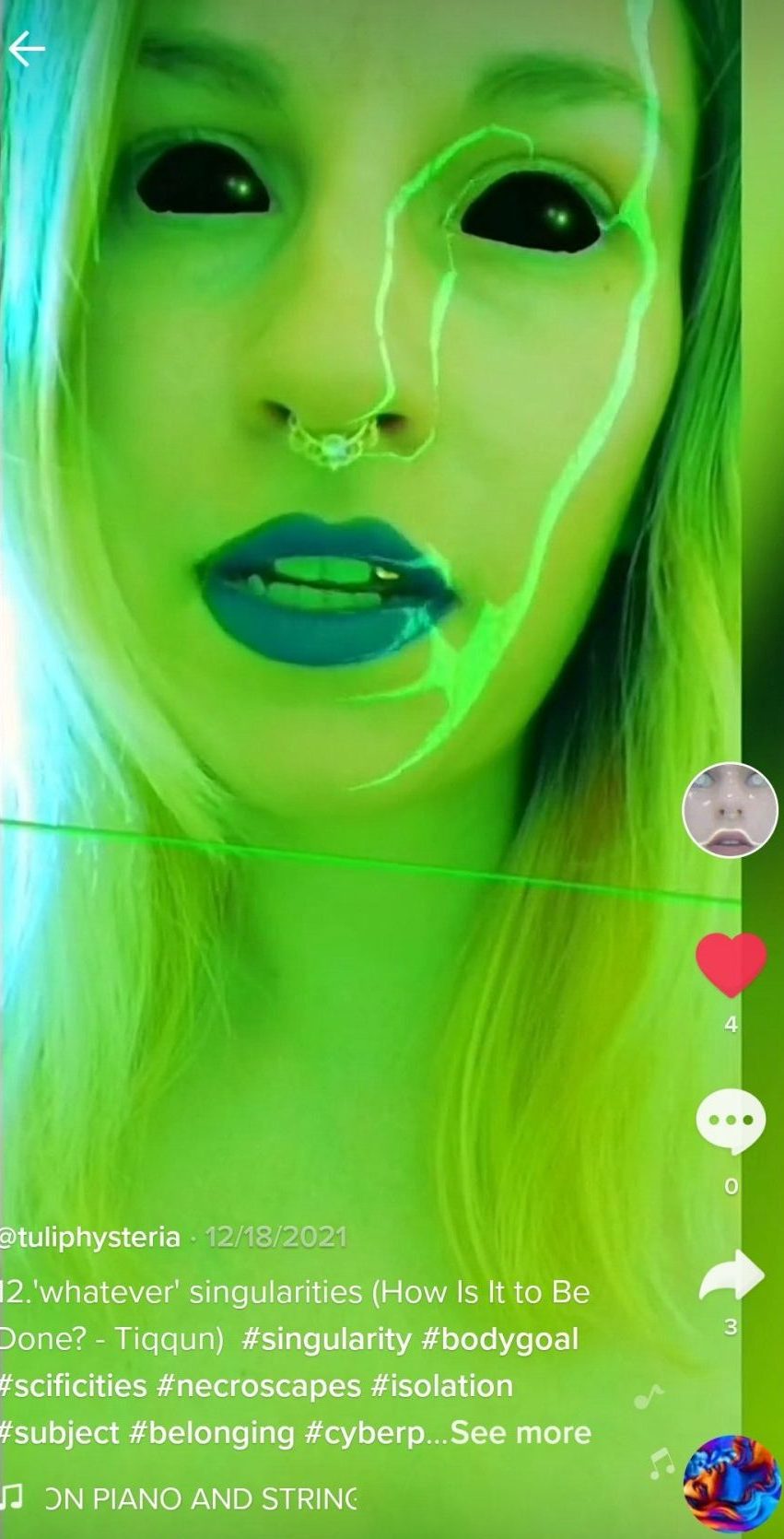
My work explores concepts of reality, perception, and consciousness. I investigate the disparity between actual and virtual spheres, their entanglement, and how they are embedded in and emerge from digital technologies. Working in a variety of media such as Artificial Intelligence, VR/AR, multimedia installation, video, painting, sound, and theory allows me to develop a more precise understanding of our surroundings, ourselves, and how perceptions differ. I explore the interdependence between technology, body, and mind, and the various utopian/dystopian narratives provoked by this relationship. The immersive spaces I build combine the virtual and actual to create a hyperreality that allows the viewer to experience how individuals, culture, and existing sociopolitical power structures are both fragmented and homogenized by digitality. By using my own practice of digital communication, my voice, and my body, my work represents a reclamation of female sexuality in the digital age.
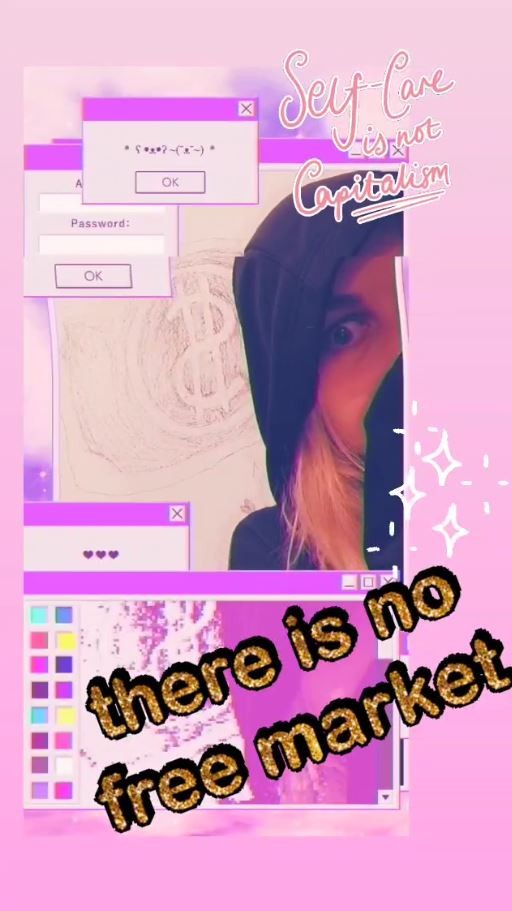
My practice creates a tension between overly intimate narratives and the exploration of systematic schisms in the 21. centuries. This juxtaposition is not only inherent in the concepts of my work but also in my use of material and in the process itself. I combine materials with a fluid, painterly quality, such as fabric, plastic, and drawings with digital gadgets like cell phones and smart mirrors. To create my digital work I use a combination of complex software (gaming engines, 3D modeling software, AI applications) and user-friendly, low-tech applications like AR filters and story features of social media platforms (Snapchat, TikTok, and Instagram). Subverting the notion of sentimentality of personal storytelling, this tension suggests the collapse of subject-object, spacetime, and actual and virtual.
My practice not only aesthetically depicts the permeability of virtual and actual realities but also the complexity of relationships and social networks, and allows the viewer to experience it. I conjure a space in which technology is not separate from but a part of us, allowing a critical and generative perspective that unfolds new possibilities and means of perception.
Do you have recommendations for books, apps, blogs, etc?
One of my favorite books that I have recently read is The New Dark Age by James Bridle. He is an artist and writer and talks about how technology is now entrenched in every single aspect of our lives and how this overload of information that the internet is supplying us with leads us, paradoxically, to a point where we have surpassed the peak of knowledge. There are two other essays that are very inspiring to my practice. One of them is Sandy Stone’s essay “Split Subjects, Not Atoms; or, How I Fell in Love with My Prosthesis” It discusses the question of where the body ends when extended through technology. And of course Donna Haraway’s “A Cyborg Manifesto”
Contact Info:
- Website: https://kathischulz.xyz
- Instagram: https://www.instagram.com/prinzessinplastik
- Other: https://bodycomputerleakage.xyz/
Popular
-
Maagic Collins on Building a Fearless Publishing Platform for Truth, Advocacy, and Underrepresented Voices
-
Los Angeles Barea on Turning Green Superheroes into a Global Movement for Youth-Led Change
-

Trisha DuVivier on Bridging the Franchisor–Franchisee Divide with Workhero and “Franulate”
-

Portraits of the Valley
-

LA’s Most Inspiring Stories
-
Cedar Boschan on Elevating Black Music Rights and Driving Urgent Conversations Around Credit, Equity, and Artist Protection


