



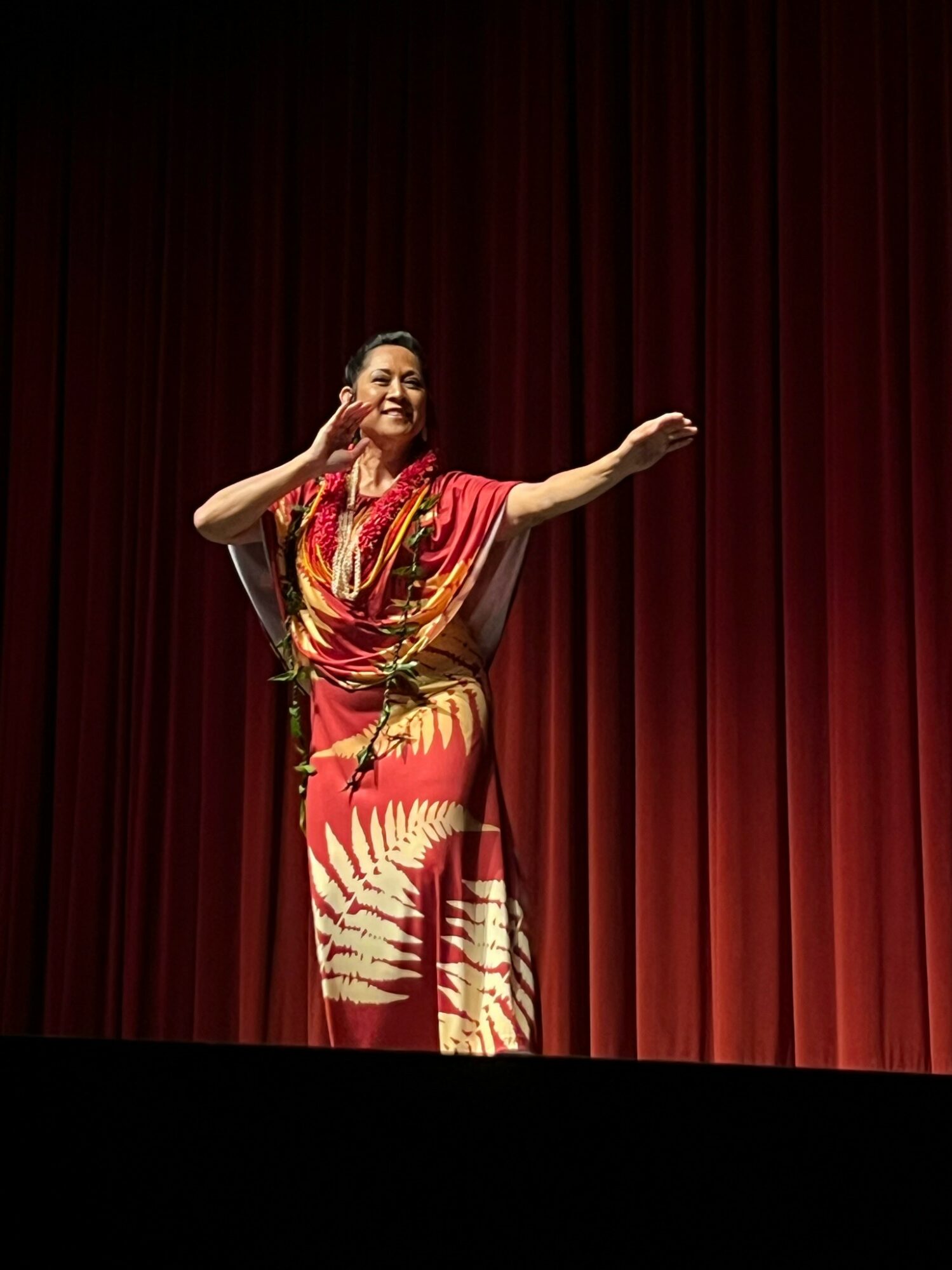
Today we’d like to introduce you to Kahealani Kamahele.
Hi Kahealani, it’s an honor to have you on the platform. Thanks for taking the time to share your story with us – to start maybe you can share some of your backstory with our readers?
My Hula Story
My name is Kāhealani Kamahele. My grandmother gave me the name Kāhealani, which means “a call from heaven.” She had all sons, so when I was born—the first grandchild and the first girl in our family—she wanted to make sure my name carried meaning and purpose. Hula had always been a part of her life, and she wanted it to be a part of mine as well.
My grandmother started me in hula when I was nine. Once a week, I would walk up the street to attend classes with Aunty Pauline Kekahuna and Leilani Mendez. As a child, hula was my passion. It was the place where I felt connected, grounded, and seen. But after my hula teacher passed away, I stepped away and explored other activities. Even then, the foundation she gave me stayed with me, waiting for the right time to return.
At the age of eighteen, I moved to California to attend college. Ironically, at the same time my aunt was starting her own hula hālau (hula school). I started dancing with her once a week, which then grew into 4-5 times a week. My passion for hula was reignited. It rekindled the passion I had as a child. I found myself singing and dancing in the breakroom at work and while I was getting ready.
Shortly thereafter, I met my husband and his large family of 12 that sang Hawaiian music and also danced. Being far from home this was the closest connection to my culture and the way I grew up. We taught hula at UCLA while raising our own little family. After our divorce, the two of us still continued to teach.
Today, I have my own hula school in Torrance, California where I teach students from age five to seventy.
Can you talk to us a bit about the challenges and lessons you’ve learned along the way. Looking back would you say it’s been easy or smooth in retrospect?
“Growth comes through challenge; each obstacle teaches us who we are meant to become”. I’m not sure who said it but I can relate 100 percent. There was a period of time when I wanted to figure out who I was without hula. I didnt want to be known as someone’s wife, niece or mother. I wanted to know who I was as an individual.
I drastically changed directions leaving hula behind. I cut my hair and decided that I would take up martial arts. Being an individual sport, I was effortlessly able to cultivate my own identity. I was naturally athletic even as a child, therefore the strenuous workouts and physical activity were not foreign to me. I competed in tournaments weekly placed in the top three and brought home trophies to show to my family. This new sense of self and confidence afforded me the courage to leave my marriage and raise my children on my own. There were times when I thought I would not be able to continue moving forward. However, “strength comes from overcoming the things you once thought you couldn’t”
During this time in my life, I completely rejected hula. It no longer made me feel whole, and I didn’t understand why. People would tell me how much they missed hula, and I remember looking at them like they were crazy.
Looking back, I can see that I ultimately became the one person holding myself back. I had not yet accepted who I was and who I was meant to become.
Can you tell our readers more about what you do and what you think sets you apart from others?
I am most proud of being Kanaka Maoli. Literally translated into English means, a true, original person of the land of Hawaii. This differs from term Native Hawaiian which was used as a legal and political term by the U.S. government. Kanaka Maoli is the traditional, ancestral term for the original people of Hawaii-those who are genealogically descended from the Indigenous Polynesian people who first settled on the Hawaiian Islands.
My work has continually evolved to reflect my own growth and expanding creativity. I have been teaching since 1988 and opened my own hula school in 2007. I believe one of the greatest challenges in teaching hula is finding the balance between what students think they want to learn and what they need to learn. My intention is always rooted in tradition, culture, and lineage, even when their interests lean toward the more familiar or commercial aspects of hula. Guiding them toward cultural understanding while still honoring their enthusiasm is its own kind of dance — sometimes you lead, and sometimes you follow.
What sets me apart is that I am not just someone who teaches hula. I am someone who carries generations of practitioners, kumu, musicians, and cultural leaders in my genealogy. My connection to hula isn’t something I chose lightly. It is something I was born into, named for, guided toward and eventually accepted as my kuleana.
Living and teaching away from Hawaii has also shaped me. It forced me to learn how to protect culture in spaces where it is often misunderstood or misrepresented. I’ve had to balance what students want with what they need, guiding them toward cultural truth while still nurturing their excitement. That ability – to teach with integrity while meeting people where they are – is a skill that not every kumu develops.
My students do perform but I do not teach hula as a performance. I teach it as a culture. I do not teach movement; I teach meaning. That commitment to authenticity, even when it’s challenging, is what defines me as a kumu hula.
Can you tell us more about what you were like growing up?
As a child I was very inquisitive, athletic, and rambunctious. I excelled at everything I was enthusiastic about and academics were not at the top of list. The subjects that I did excel in were, English and Japanese. Unlike Algebra, I use those two subjects in my life every day.
In college, I was known as the “challenger,” responsible for questioning ideas and ensuring that every side of an argument were considered.
As for my interests, other than sports, anything dealing with the complexities of the mind and behavior will get me to stop and listen.
Contact Info:
- Website: https://www.hhok.me
- Instagram: https://www.instagram.com/halauhulaokahealani/
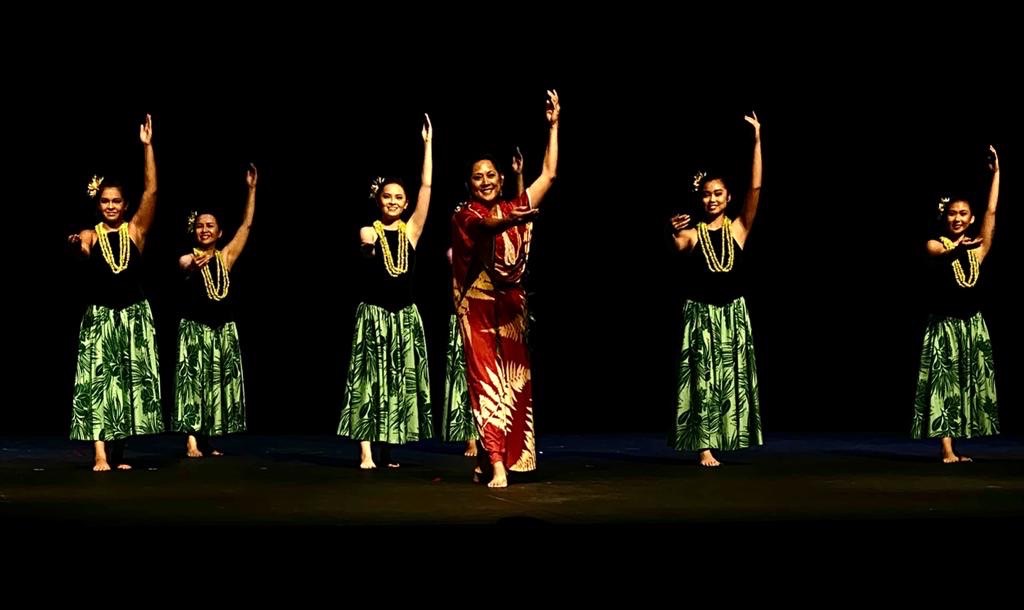
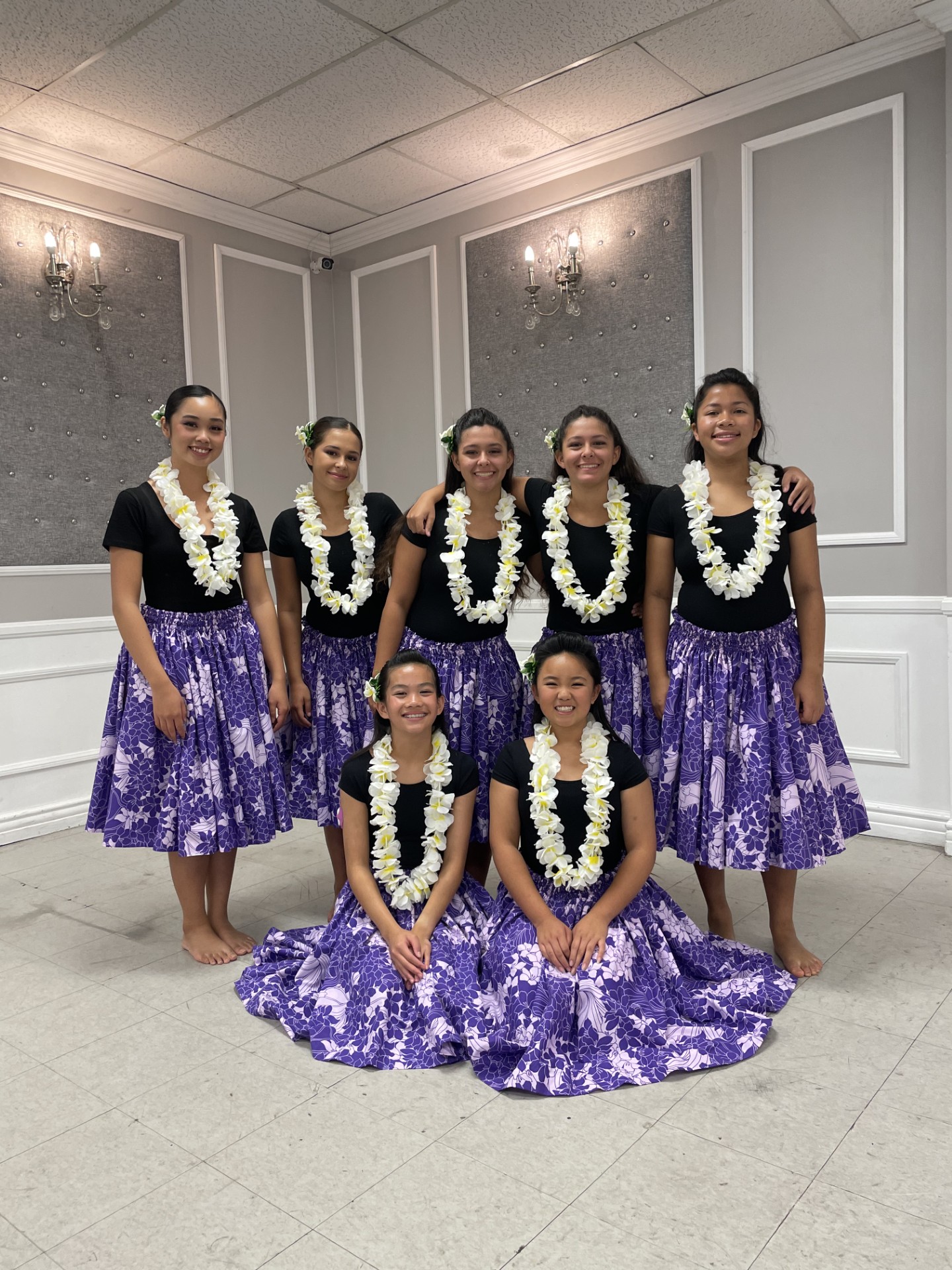
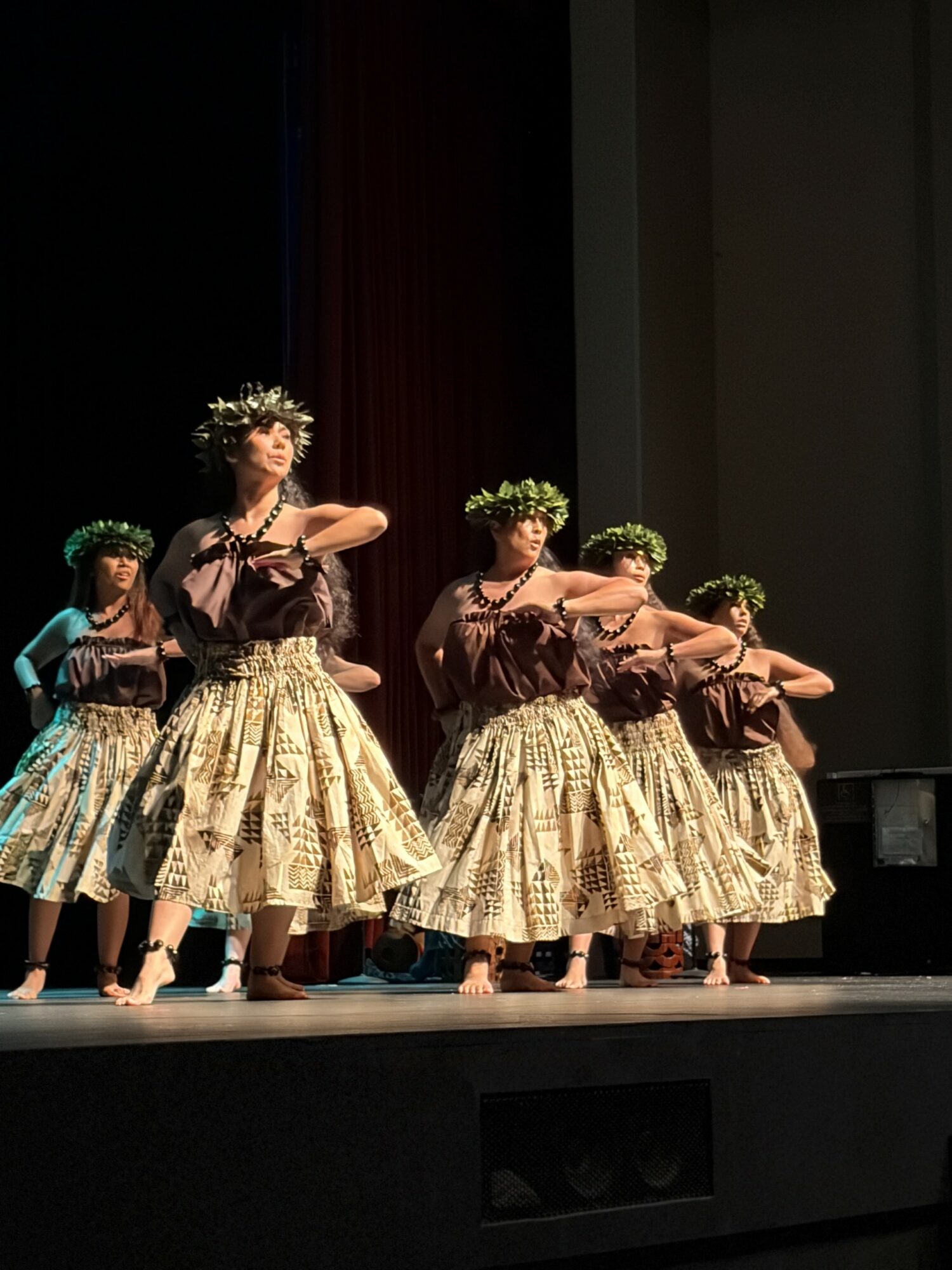
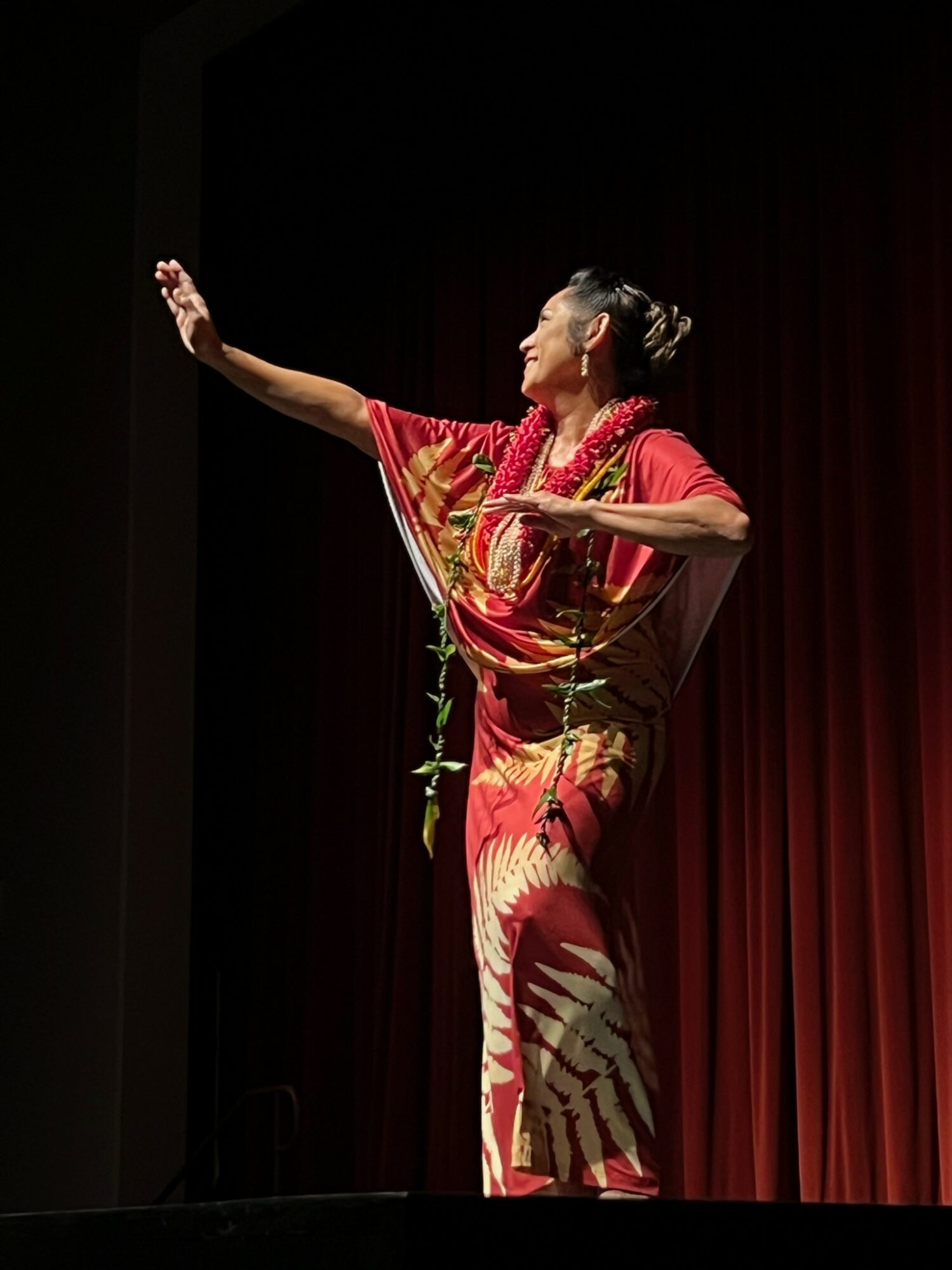
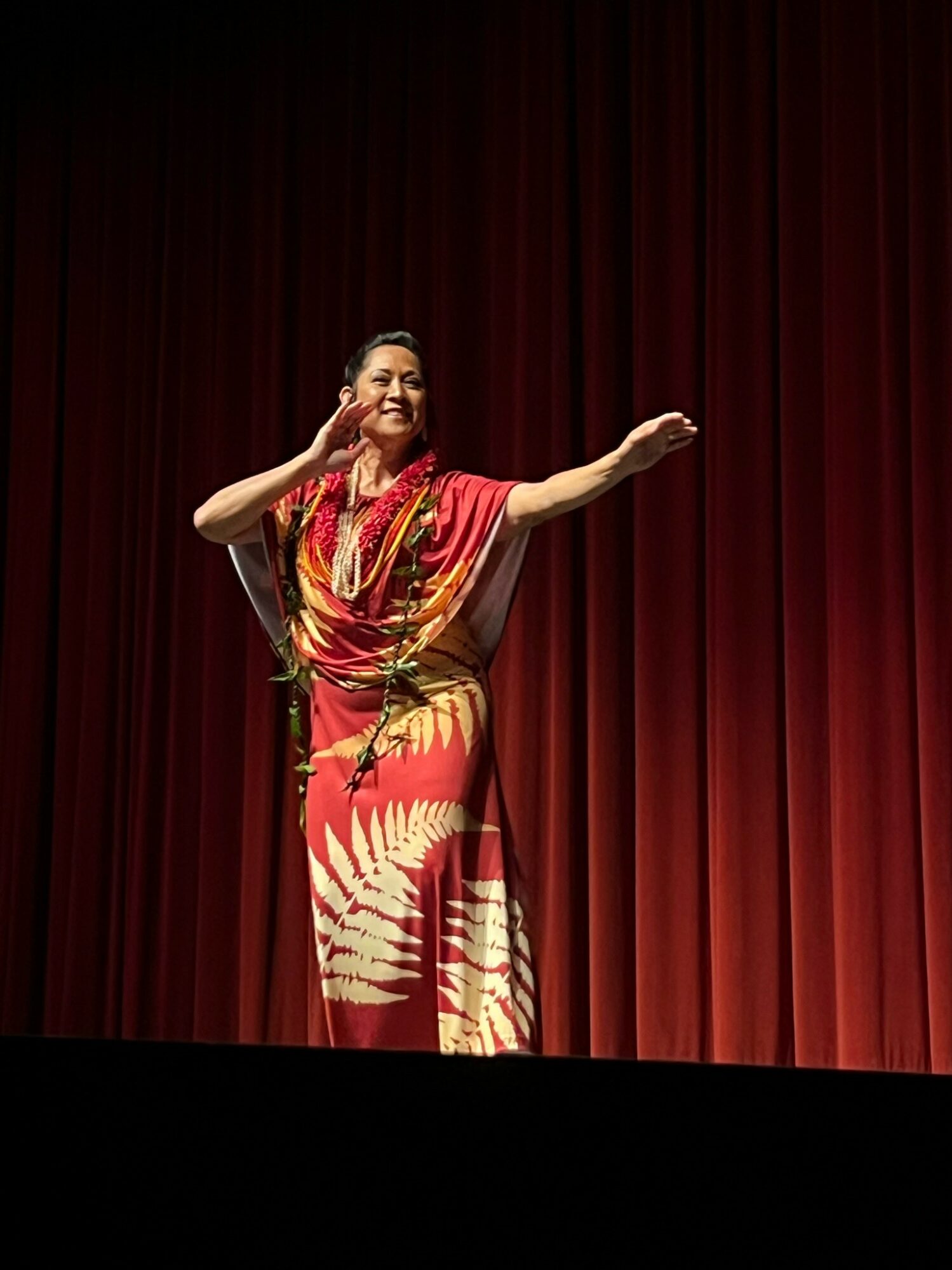
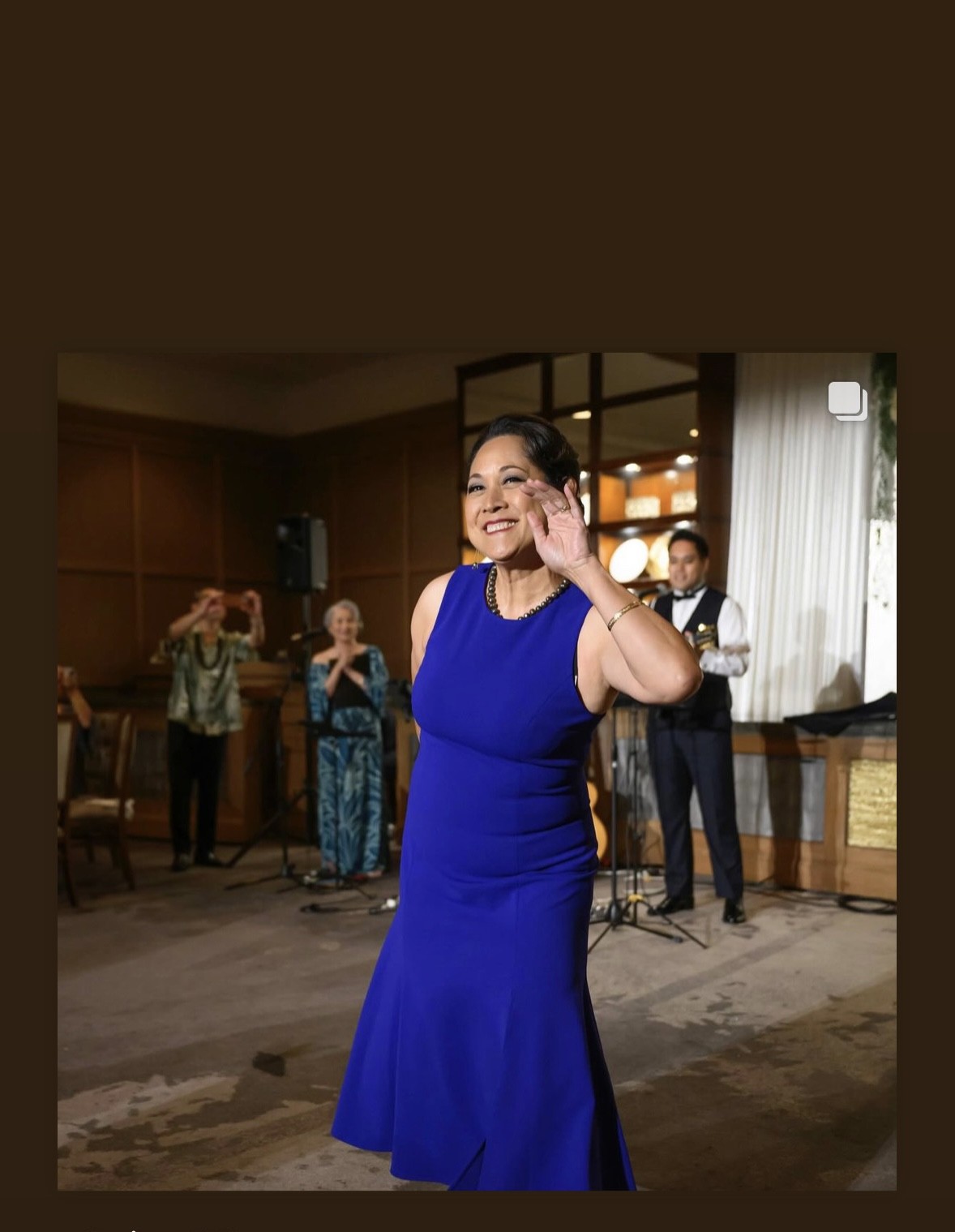
Image Credits
Akiko Kitazumi, Miyuu Hashimoto
Popular
-

Portraits of the Valley
-

LA’s Most Inspiring Stories
-

Greg Hex Is Turning the Everyday Kitchen Knife Into a Modern Design Object
-

Rick Norris Learned That Building a Successful Business Means Building a Life You Actually Want to Live
-

How Olivia Rush Turned Survival Into a Mission to Help Others Keep Going
-

How Bibi Goldstein Is Helping Entrepreneurs Reclaim Their Time by Embracing the Power of Delegation


