



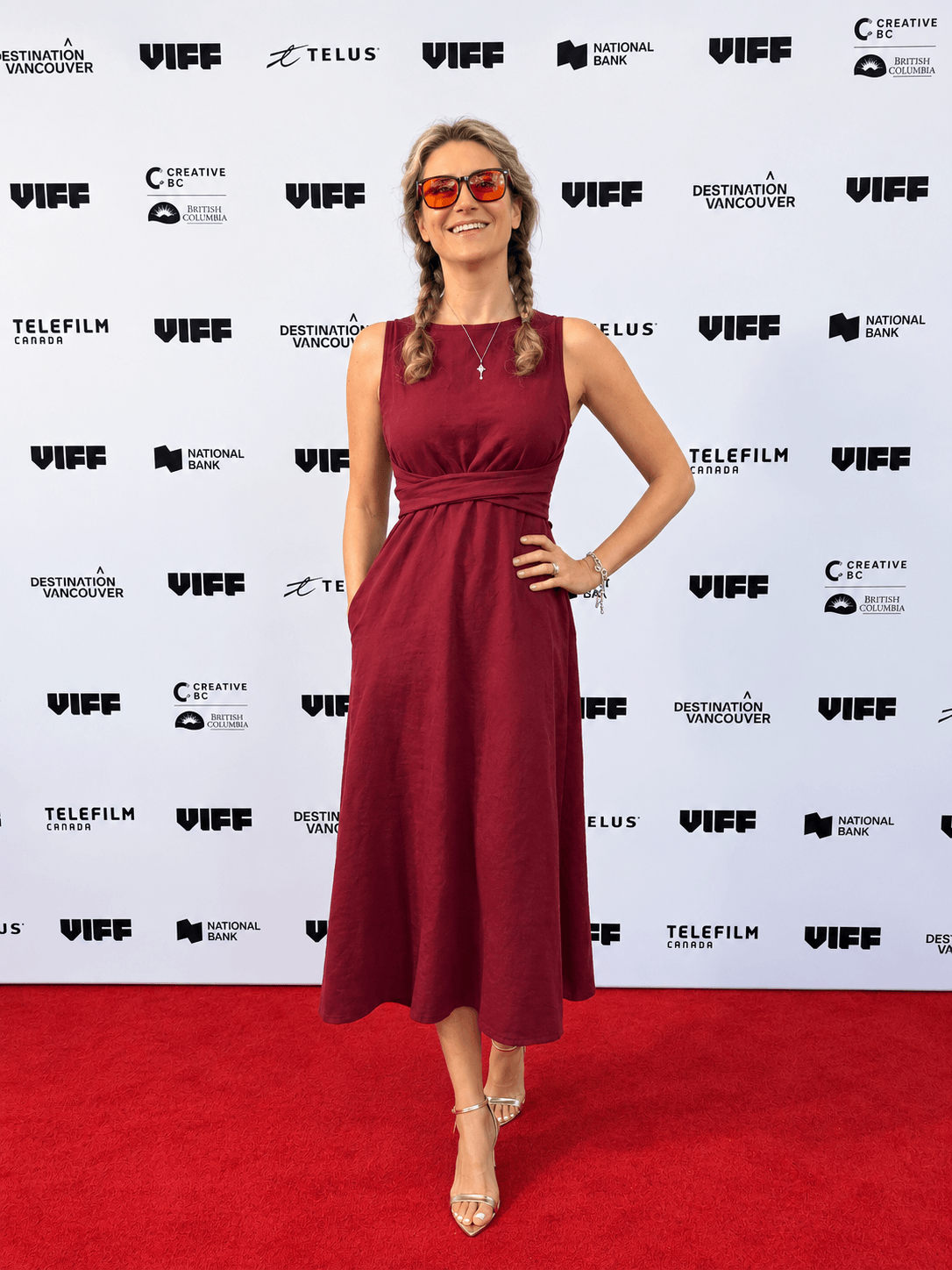
Today we’d like to introduce you to Julia Zuzanna Sokolowska.
Hi Julia Zuzanna, thanks for joining us today. We’d love for you to start by introducing yourself.
My musical journey began when I was just five or six years old. I would sit at the piano composing little pieces, while my mother helped me carefully write down the notes on manuscript paper. Neither of us knew it at the time, but those early moments would mark the beginning of a lifelong adventure in music.
By my early teenage years, I had fallen in love with musical theater. I became a familiar face on Polish musical theater stages—our own version of Broadway—and appeared on televised music competitions. It was during this time that I met someone who would change the course of my life: my mentor, the president of the Polish Jazz Society.
He encouraged me to explore jazz, and I was immediately captivated by its freedom, sophistication, and endless possibilities for creative expression. I fell completely in love with the genre and became determined to study it at its source: the United States.
That dream brought me to the University of North Texas, whose jazz program was considered number one in the world at the time. Halfway through my studies, I received an unexpected offer from Berklee College of Music: a full scholarship if I transferred. It was an opportunity I couldn’t pass up, and I ultimately graduated from Berklee with a degree in Jazz Composition.
With my degree in hand and an ambitious dream in my heart, I moved to Los Angeles with one mission: to bring jazz back.
Hollywood, however, had other plans.
Instead of spearheading a jazz revolution, I found myself working on Christmas albums alongside legendary musicians and arrangers David Foster and Chris Walden, contributing to projects for artists including Rod Stewart and Elton John. It was an extraordinary learning experience, but after a while, I realized that I couldn’t spend the rest of my life writing Christmas music.
So I decided to change direction.
I began working as an orchestrator—arranging music for full orchestra—alongside renowned orchestrator Tim Davies, whose credits include Frozen. Together, we worked on major productions such as The Book of Life, Empire, and Minions, as well as numerous network television shows and feature films.
During this period, I also began arranging for the house band of The Tonight Show with Jay Leno and composing original music for independent films. My career was evolving in ways I could never have imagined when I first arrived in Los Angeles.
But perhaps the most meaningful chapter of my journey was still ahead.
Illuminating Music: Turning a Conversation into Action
As the #MeToo movement gained momentum in Hollywood, the entertainment industry began confronting longstanding inequalities, particularly the lack of opportunities for women in creative leadership roles.
I started thinking about the extraordinarily talented female composers who were struggling to break into film and television scoring—not because they lacked ability, but because they lacked access, visibility, and opportunities to prove themselves.
I didn’t want to simply be part of the conversation. I wanted to create something that could make a tangible difference.
That’s how Illuminating Music was born.
I set out on an international search for exceptional female composers, interviewing approximately 200 candidates from around the world. My goal was not simply to find talented musicians, but to discover truly outstanding creative voices—composers with originality, vision, and the potential to make a lasting mark on the industry.
After an extensive selection process, I brought together an extraordinary group of international composers, including Jacquie Joy (Australia), Sandrine Rudaz (Switzerland), Maria Vertiz (Mexico/Italy), Victoria Beits (Ukraine), Luna Y. Pan (China), Alexandria Mueller (USA) and for a short time Shaula Salante (Australia).
Each brought a unique artistic voice, cultural perspective, and musical sensibility to the collective.
The mission was straightforward: give exceptional female composers real industry experience, meaningful professional credits, and a platform for their music to finally be heard.
And we got to work.
Through Illuminating Music, we collaborated on approximately 17 feature films and television productions, creating original scores and developing relationships with filmmakers across the industry.
Some of our projects included:
The Aylesbury Estate — Charlotta Berti
The Improviser — Daniel Florio
Texas Tall Tales — Craig Hubbard
The Numbers Game — Toy Lei
How Far Is Home — Apo Bazidi
These weren’t simply projects to add to a résumé. They were opportunities to work with directors, understand the demands of professional film scoring, develop creative confidence, and build the relationships that are so essential to a sustainable career in Hollywood.
The Real Measure of Success
What makes me most proud of Illuminating Music isn’t simply the number of films we completed. It’s what happened afterward.
Following their participation in the collective, the composers went on to build exciting careers of their own, taking on new projects and establishing themselves in the industry.
Among their many achievements, Maria Vertiz contributed to Above and Below, a project associated with Grammy recognition. Victoria Beits’ The Unrooted Bloom is making its way through the film festival circuit, while Alexandria Mueller has stepped into a leadership role as executive director of an orchestra. Alexandria and I also recently collaborated on Democracy 250, a project for PBS. Sandrine Rudaz has worked on productions including En haute mer and has received two Hollywood Music in Media Awards. Meanwhile, Jackie Joy has earned five nominations for the Hollywood Music in Media Awards. Seeing these remarkable women continue to grow, earn recognition, and build successful careers in their own right is perhaps the most meaningful testament to what we set out to accomplish with Illuminating Music.
Watching these talented women take the experience and opportunities we created together and turn them into independent professional success has been one of the most rewarding experiences of my career.
The initiative also opened unexpected doors for me personally.
In recognition of my leadership of Illuminating Music, I received the Young Pole of the Year Award from the Polish Consulate in Los Angeles—an honor that was particularly meaningful given my roots and the journey that had brought me from Poland to Hollywood.
Leading the collective also helped establish me in a new capacity within the entertainment industry, creating opportunities to work on additional network television productions and many feature films.
What began as an effort to address an imbalance in the industry became a defining chapter of my own professional life.
That’s why I created Film Composers Mentorship, a weekly online mentorship program where I guide emerging composers in building their careers and invite established industry professionals from my network to share their experiences and insights.
Bringing Orchestral Music to Life
Throughout my career, I’ve had the privilege of collaborating with extraordinary orchestras around the world, bringing together my passion for composition, orchestration, and cinematic storytelling. Among the highlights was working with the Los Angeles Philharmonic on Disney’s Beauty and the Beast live production at the iconic Hollywood Bowl, as well as collaborating with the Budapest Orchestra on Netflix’s documentary project about Ghislaine Maxwell.
More recently, I’ve been expanding my work in the concert world through an exciting collaboration with the Bellingham Symphony Orchestra (BSO). I’ve been commissioned to compose original scores for live performances accompanying silent films, bringing together the orchestra and BSO choir to create an immersive experience where music becomes the voice of the story. This collaboration has also opened the door to conversations about a potential Composer-in-Residence position for the orchestra’s upcoming season, an opportunity that would allow me to further explore the intersection of classical performance, contemporary composition, and film music.
Looking ahead, I’m particularly excited about the possibility of incorporating the Bellingham Symphony Orchestra and its choir into my feature film scoring projects, especially productions that call for sophisticated orchestral arrangements and rich, intricate choral textures. For me, there’s something irreplaceable about the emotional depth and human connection of live musicians performing together. And who knows? Maybe one day we’ll record a score together that wins an Oscar. I have a feeling the BSO musicians wouldn’t mind adding “Academy Award-winning orchestra” to their résumés! All jokes aside, I see tremendous potential in bringing the worlds of Hollywood film scoring and live symphonic performance together, creating exciting new opportunities for both filmmakers and musicians.
In many ways, this feels like a natural evolution of my musical journey—combining everything I’ve learned as a jazz composer, orchestrator, film composer, and creative collaborator into a new chapter where storytelling, live performance, and artistic community come together.
Can you talk to us a bit about the challenges and lessons you’ve learned along the way. Looking back would you say it’s been easy or smooth in retrospect?
Has it been a smooth road? Absolutely not. Some of the biggest obstacles I’ve faced have been deeply rooted gender bias, Hollywood’s entrenched power structures, and an industry that often prioritizes established relationships over actual talent.
There’s a persistent myth in Hollywood that if you work hard enough, “pay your dues,” and prove yourself, the doors will eventually open. Unfortunately, my experience has shown me that talent and hard work alone are rarely enough. The industry operates within a tightly controlled network of relationships, gatekeepers, and powerful agencies, making it extraordinarily difficult for new voices to break through—especially women. And many times the ‘break’ for women is tied to sexual harassment.
I’ve experienced this discrimination firsthand. I’ve been fired from major television productions after refusing unwanted advances from individuals who had hired me. Some of the very people who initially offered me opportunities seemed to believe that their professional support entitled them to ‘something in return’. It’s an incredibly painful reality to confront, particularly when all you want is to be recognized for your work.
And while conversations around equality and representation have become more prominent, many of these systemic barriers remain. Major studio projects and substantial budgets still tend to circulate within established networks, and decisions aren’t always driven by creativity, originality, or merit. Too often, it’s less about what you can bring to a project and more about who you know, who represents you, and whose interests you serve.
That frustration became one of my greatest motivations to create change. Rather than simply accepting the system as it is, I began developing initiatives like Illuminating Music to challenge traditional gatekeeping, create opportunities for underrepresented talent, and demonstrate what can happen when people are given a chance based on their abilities rather than their connections.
What gives me hope today is that technology and social media are beginning to shift the balance of power. Artists no longer have to rely exclusively on traditional industry gatekeepers to reach audiences, build communities, or showcase their work. We have new tools to discover talent, connect creators directly with filmmakers, and develop alternative pathways into the industry.
My hope is to help build a future in which opportunities in Hollywood are determined less by power, privilege, and personal connections, and more by talent, creativity, professionalism, and the quality of the work itself.
Because ultimately, I don’t believe artists should have to earn the right to be treated fairly. They should only have to prove what they can create.
Alright, so let’s switch gears a bit and talk business. What should we know about your work?
I’m a composer, orchestrator, pianist, and multi-instrumentalist specializing in film, television, and orchestral music. My musical background is a rather unusual combination of classical training, jazz, Latin music, musical theater, and contemporary cinematic scoring. I think that versatility has become one of my greatest strengths—and probably explains why I’ve never been particularly good at staying in just one musical lane!
I started composing when I was five or six years old, and my musical journey eventually took me from Poland to the University of North Texas and Berklee College of Music, where I earned my degree in Jazz Composition. I originally moved to Los Angeles with the ambitious idea of “bringing jazz back,” but Hollywood had other plans for me.
Over the years, I’ve had the opportunity to work on productions including The Book of Life, Minions, Empire, Netflix’s Filthy Rich, and The Tonight Show with Jay Leno, as well as numerous independent films, documentaries, and television projects. I’ve collaborated with extraordinary composers, arrangers, and producers, including David Foster, Chris Walden, and Tim Davies, learning the intricacies of Hollywood’s music production world from some of the best in the business.
But what I love most is creating music that has a strong identity.
I’m a melody person. I write bold, sometimes unapologetically “heavy-handed” melodies—the kind that aren’t afraid to make an emotional statement and, hopefully, stay with you long after the credits roll. I believe a memorable melody can become the emotional signature of an entire film.
At the same time, I’m endlessly fascinated by sound experimentation. I love taking traditional acoustic instruments and using them in completely unconventional, almost synthesizer-like ways. I’ll experiment with unusual playing techniques, manipulate textures, layer organic sounds, and transform familiar instruments into something unexpected. My goal is to create contemporary soundscapes that feel alive, distinctive, and nearly impossible to reproduce with an off-the-shelf sample library.
I particularly love the space where orchestral music meets modern sound design—where the imperfections and emotional warmth of real musicians become part of something completely new. My jazz background gives me the freedom to experiment, while my classical training and orchestration experience allow me to build complex musical structures around those ideas.
For me, music isn’t just about supporting the picture. It’s about finding the emotional heartbeat of a story and giving it a voice of its own.
Bringing Hollywood and the Symphony Orchestra Together
Another important part of my career has been working with live orchestras. I’ve had the privilege of collaborating with the Los Angeles Philharmonic, Budapest Orchestra, Berlin Symphony Orchestra, California Philharmonic Orchestra and Bellingham Symphony Orchestra. We’re also discussing the possibility of a Composer-in-Residence position for an upcoming season.
One of my ambitions is to bring the BSO and its choir into my feature film scoring projects, particularly films that call for intricate orchestral writing and rich choral textures. I love the idea of connecting Hollywood filmmakers with extraordinary musicians outside the traditional Los Angeles recording ecosystem.
And who knows? Maybe one day we’ll record a film score together that wins an Oscar.
I think another thing that sets me apart is my approach to collaboration.
I’m genuinely enthusiastic about every project I take on, whether it’s a major studio production or a small independent film with a passionate director and an ambitious vision. I bring a huge dose of energy, curiosity, and creative excitement into the room, and I make a conscious effort to be easy to work with.
Filmmaking is complicated enough without the composer adding unnecessary drama! I believe my job is to be a creative partner who brings solutions, inspiration, flexibility, and a sense of possibility to the process.
Directors and producers seem to particularly appreciate that combination of enthusiasm and commitment. I don’t just want to deliver a score—I want to become part of the storytelling team and help elevate the entire project.
I’m also someone who loves building things that don’t exist yet. If I see a problem or an opportunity to do something differently, my instinct is to figure out how to make it happen rather than wait for someone else to open the door.
That philosophy led me to co-found Illuminating Music, an international collective dedicated to amplifying the voices of female composers in film and television. Mentorship has always been incredibly important to me because I know firsthand how much difference one person can make in someone’s life.
When I was a teenager in Poland, the president of the Polish Jazz Society recognized something in me and encouraged me to explore jazz. That one relationship ultimately changed the entire direction of my career and brought me to the United States. I’ve never forgotten that. Today, through teaching, mentorship, and public speaking, I try to offer emerging musicians the kind of encouragement, guidance, and opportunities that were so important to my own development.
I’m also a founder of Hollywood Arrangers, a collective focused on professional development, collaboration, and supporting musicians working in the arranging and orchestration community. One of my recent projects is Film Composers Mentorship, a weekly online mentorship program where I guide emerging composers in building their careers and invite established industry professionals from my network to share their experience and insights.
I strongly believe that talent is everywhere, but opportunity is not. And I think those of us who have gained experience and access within the industry have a responsibility to help bridge that gap.
I’m particularly interested in challenging the traditional Hollywood gatekeeping model and exploring new ways for talented composers to connect directly with filmmakers. Technology, social media, and independent creative communities are making it increasingly possible to build careers outside the established industry networks, and I find that incredibly exciting.
I’d love to see a future where composers are hired primarily because of their talent, creativity, professionalism, and the quality of their work—not simply because of who they know or which agency represents them.
What I’m Most Proud Of
If you ask me what I’m most proud of, it’s difficult to point to just one project.
Of course, working on major Hollywood productions, collaborating with world-class orchestras and talent, and hearing my music performed by extraordinary musicians are experiences I treasure. There’s nothing quite like sitting in a concert hall or recording studio and hearing something that once existed only in your imagination come to life.
But I think what makes me proudest is that I’ve managed to build a career that allows me to keep growing creatively while also creating opportunities for others.
I’ve never wanted to be defined by just one genre, one role, or one corner of the music industry. I love composing, orchestrating, performing, experimenting, mentoring, and bringing people together to create something none of us could have accomplished alone.
Looking back, there’s something wonderfully unexpected about the journey. I started as a little girl in Poland writing piano pieces with my mother, moved to America to study jazz, arrived in Hollywood determined to bring jazz back, and somehow ended up scoring films, orchestrating major productions, working with symphony orchestras, and helping other composers build their careers.
It certainly hasn’t been a straight line, but I wouldn’t trade it for anything.
Ultimately, I want to be known for two things: creating music that people remember and creating opportunities that make a lasting difference.
Because as much as I love writing music for great stories, I’ve discovered that helping other artists find their voices can be just as rewarding as finding my own.
What matters most to you? Why?
I think what matters most to me is fairness, kindness, and the ability to make a positive difference in other people’s lives. I’ve always had a strong sense of justice, and I find it incredibly difficult to stand by when I see talented, hardworking people being overlooked or treated unfairly. Maybe that’s why I’ve spent so much of my career not only creating music but also trying to create opportunities for others. I genuinely believe that success means very little if we can’t use it to lift other people up along the way.
But as I’ve gotten older, I’ve also started thinking a lot about balance. We live in a world that constantly encourages us to achieve more, work harder, chase the next opportunity, and measure our worth by our accomplishments. And don’t get me wrong—I’m incredibly ambitious, I love what I do, and I have approximately a million ideas and projects I’d still like to bring to life! But I also believe there’s so much more to living a meaningful life than professional success.
I dream of a world where we can pursue our passions and accomplish extraordinary things while still having time for our families, exploring the world, experiencing different cultures, building meaningful relationships, and getting involved in causes that make life better for others. A world where we don’t have to choose between being successful and being present for the people and experiences that matter most.
I’m not entirely sure that world exists—especially in an industry like Hollywood, where you’re often expected to be available 24/7 and where slowing down can feel like falling behind. But I’m determined to figure out how to make it work.
Maybe the real challenge isn’t just finding balance for myself, but helping create environments where other people can have it, too. Where success doesn’t require sacrificing your health, relationships, or happiness, and where collaboration and compassion are valued just as much as ambition.
**Ultimately, I think a life well lived isn’t measured only by what we accomplish, but by how we treat people, the opportunities we create for others, and whether we actually take the time to enjoy the beautiful world we’re working so hard to succeed in.**
And if I can figure out how to do all of that while still writing music, traveling the world, spending time with the people I love, and occasionally getting a full night’s sleep, I’ll consider that a pretty spectacular achievement!
Contact Info:
- Website: https://www.sokolowskamusic.com/
- Instagram: https://www.instagram.com/juliazuzannamusic/
- Facebook: https://www.facebook.com/JuliaZSokolowska/
- LinkedIn: https://www.linkedin.com/in/juliazuzannasokolowska/
- Twitter: https://x.com/juliasokolowska?lang=en
- Youtube: https://www.youtube.com/channel/UCMIAsADU-4ZCTsOinSUw9nQ
- Yelp: https://www.yelp.com/biz/hollywood-arrangers-los-angeles?dd_referrer=https%3A%2F%2Fsearch.brave.com%2F
- Soundcloud: https://soundcloud.com/julia-zuzanna-sokolowska
- Other: https://x.com/juliasokolowska?lang=en
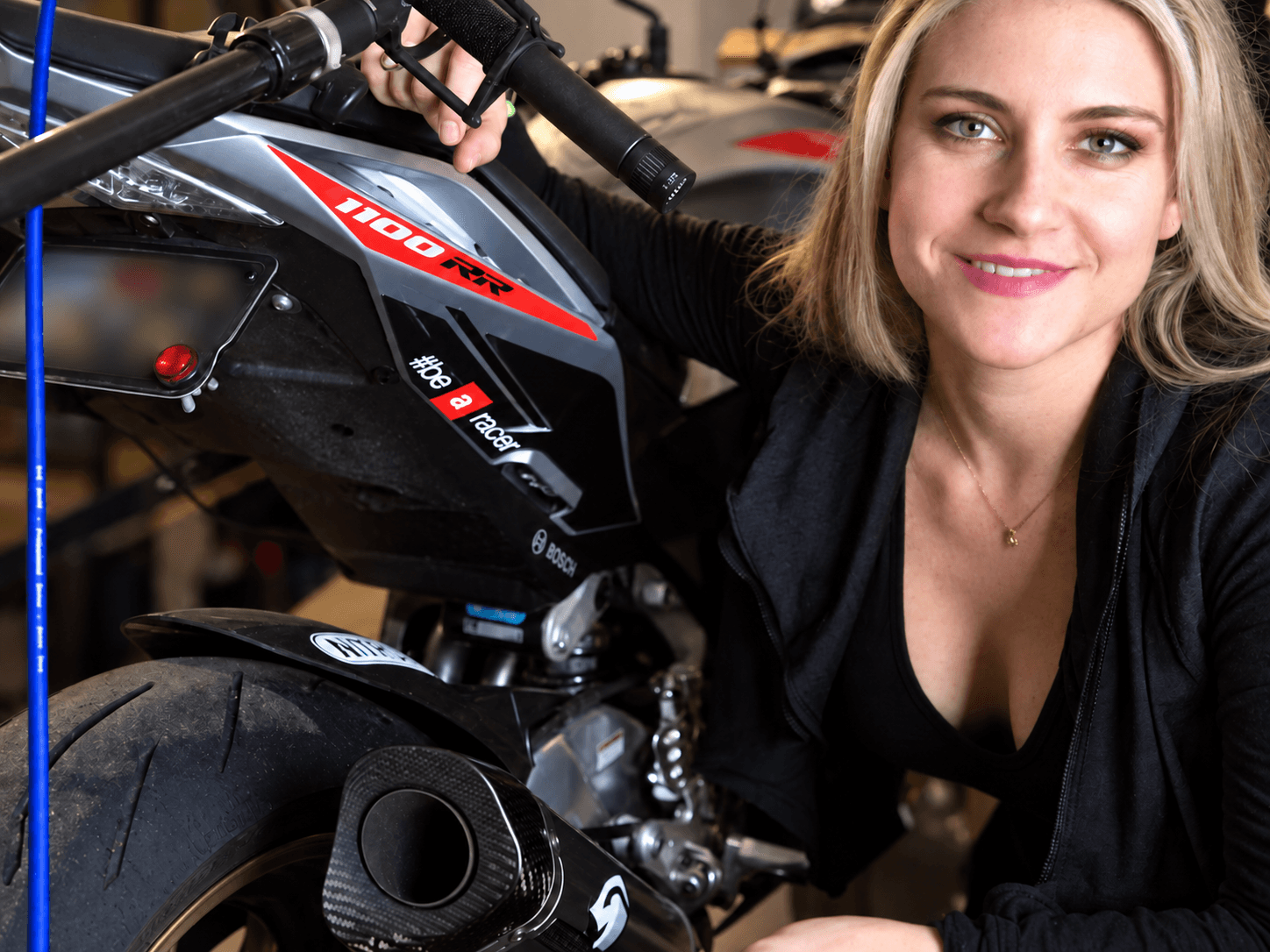
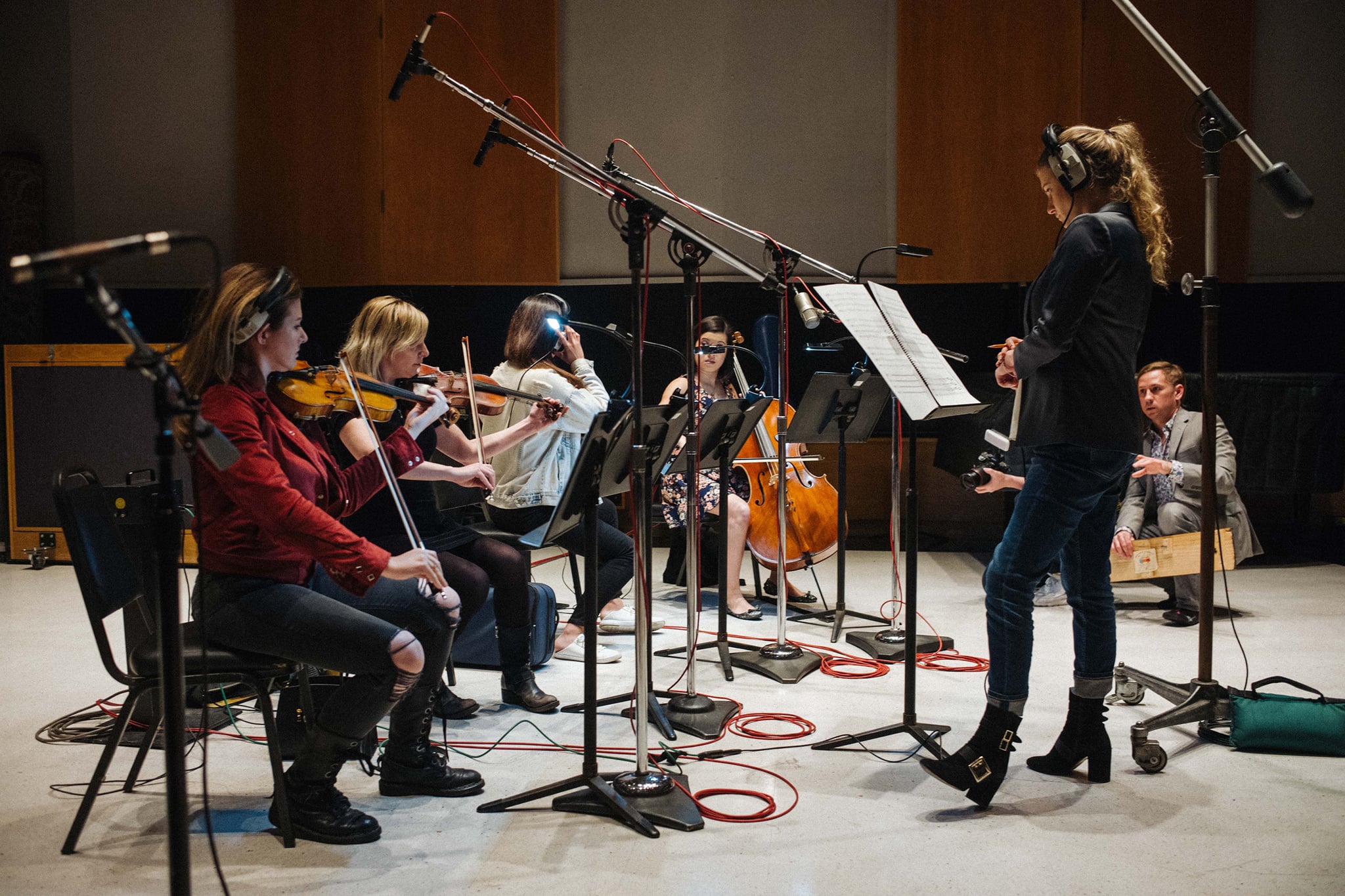
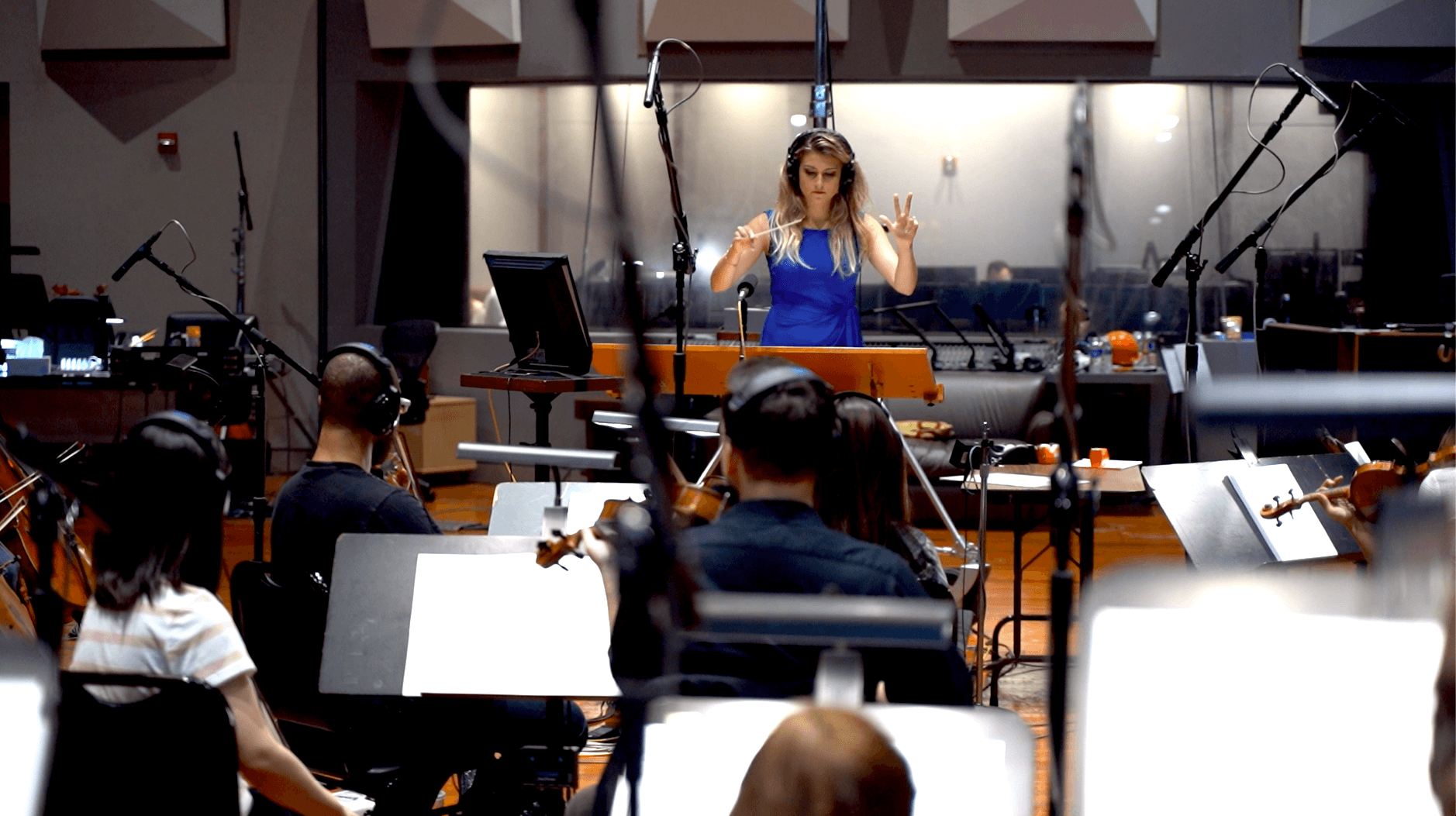
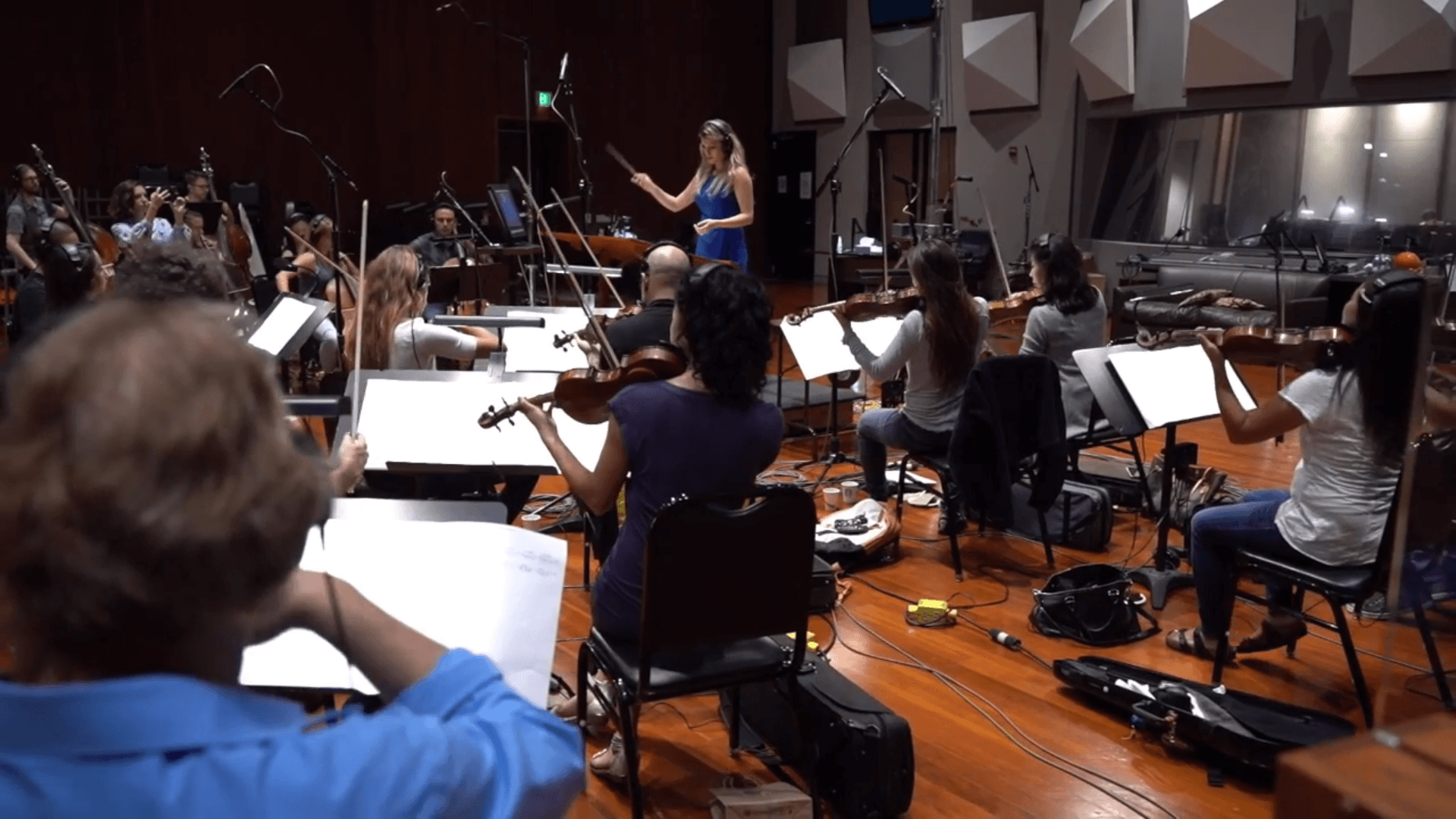
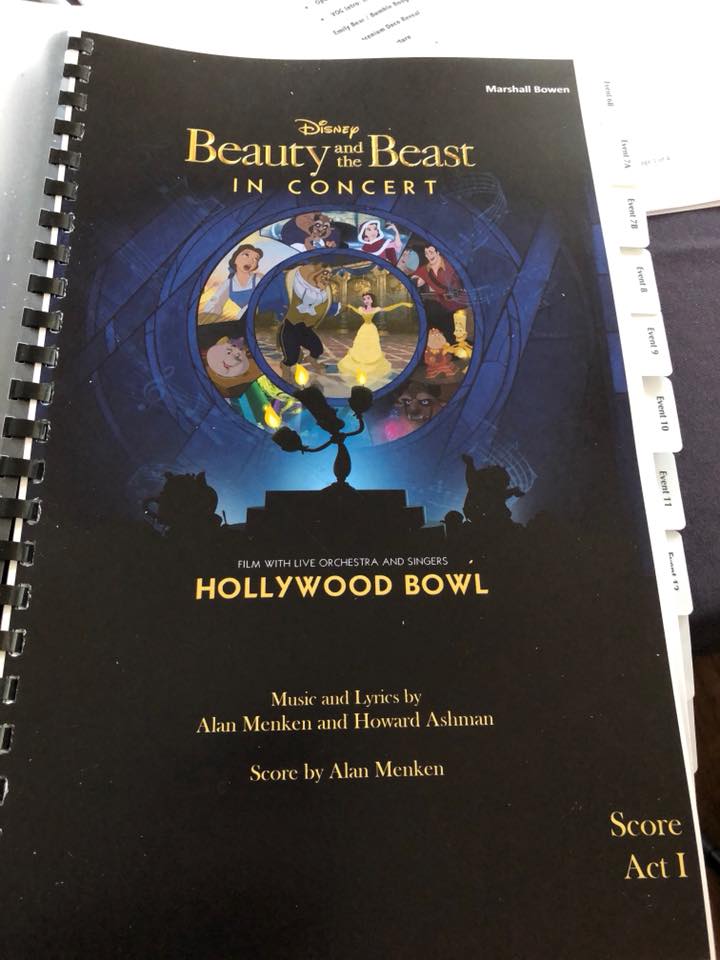
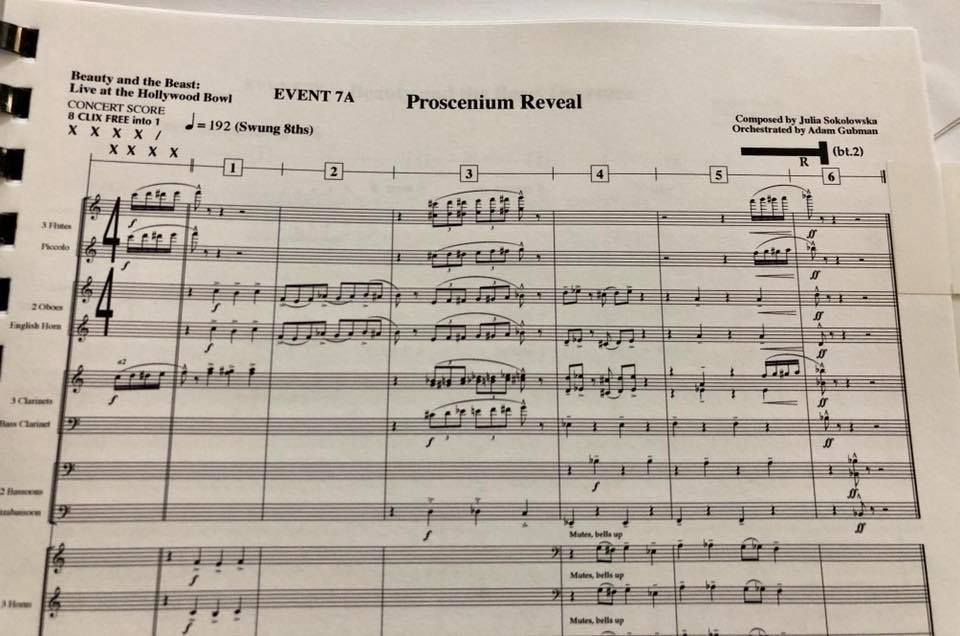
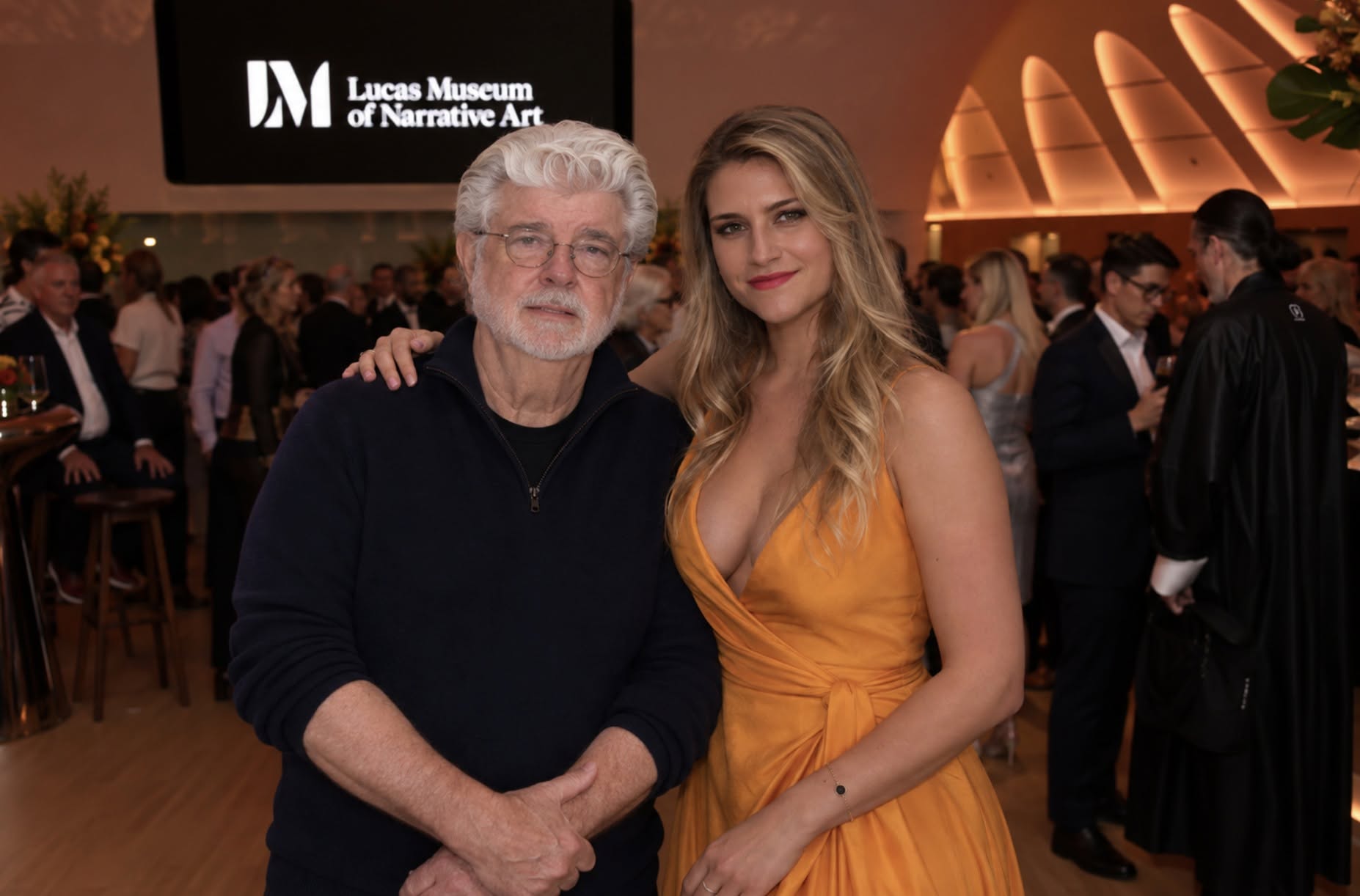
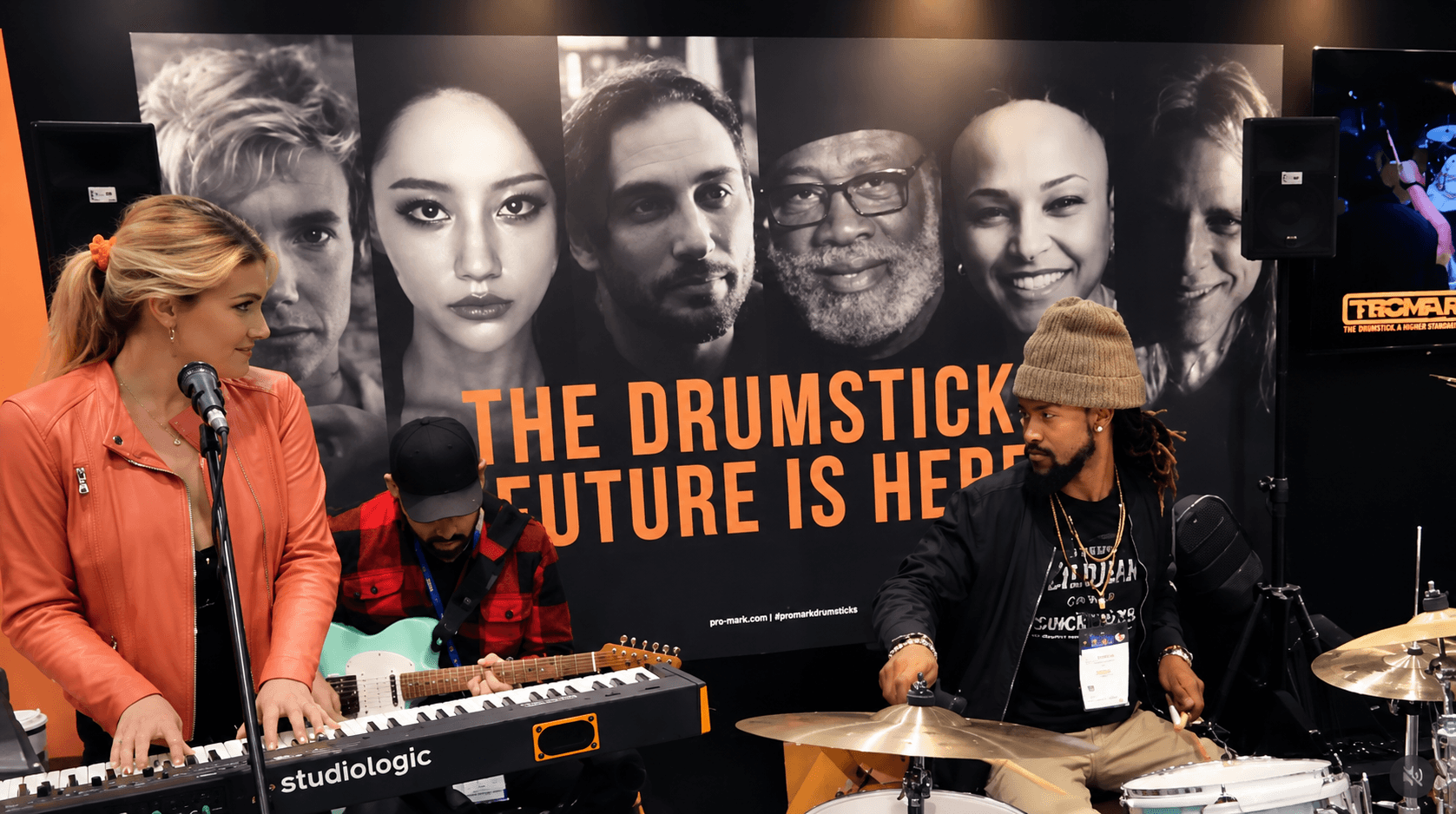
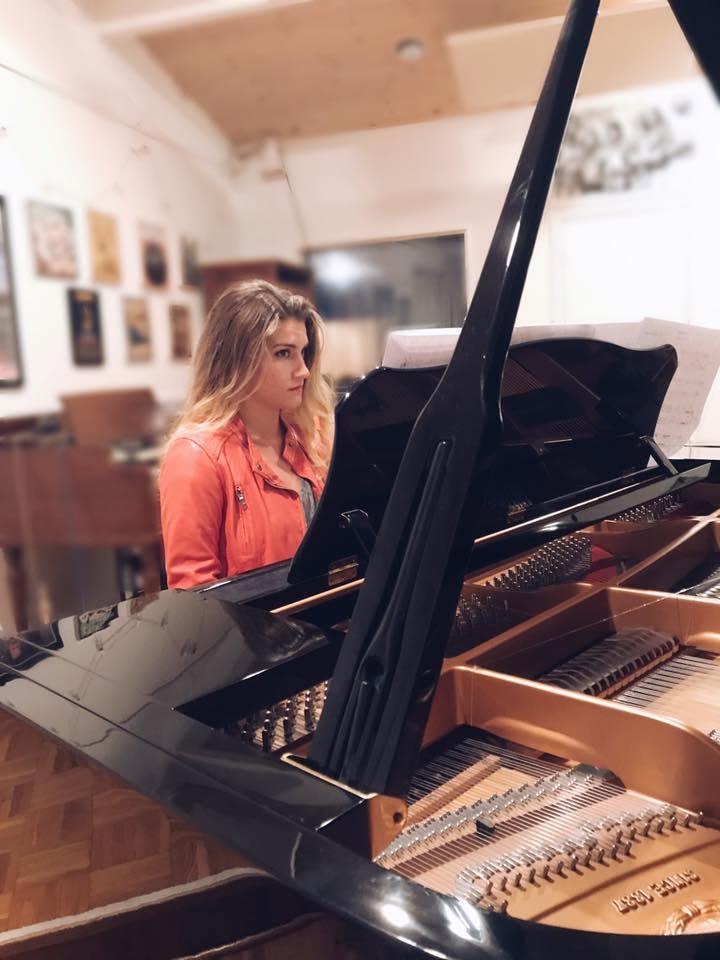
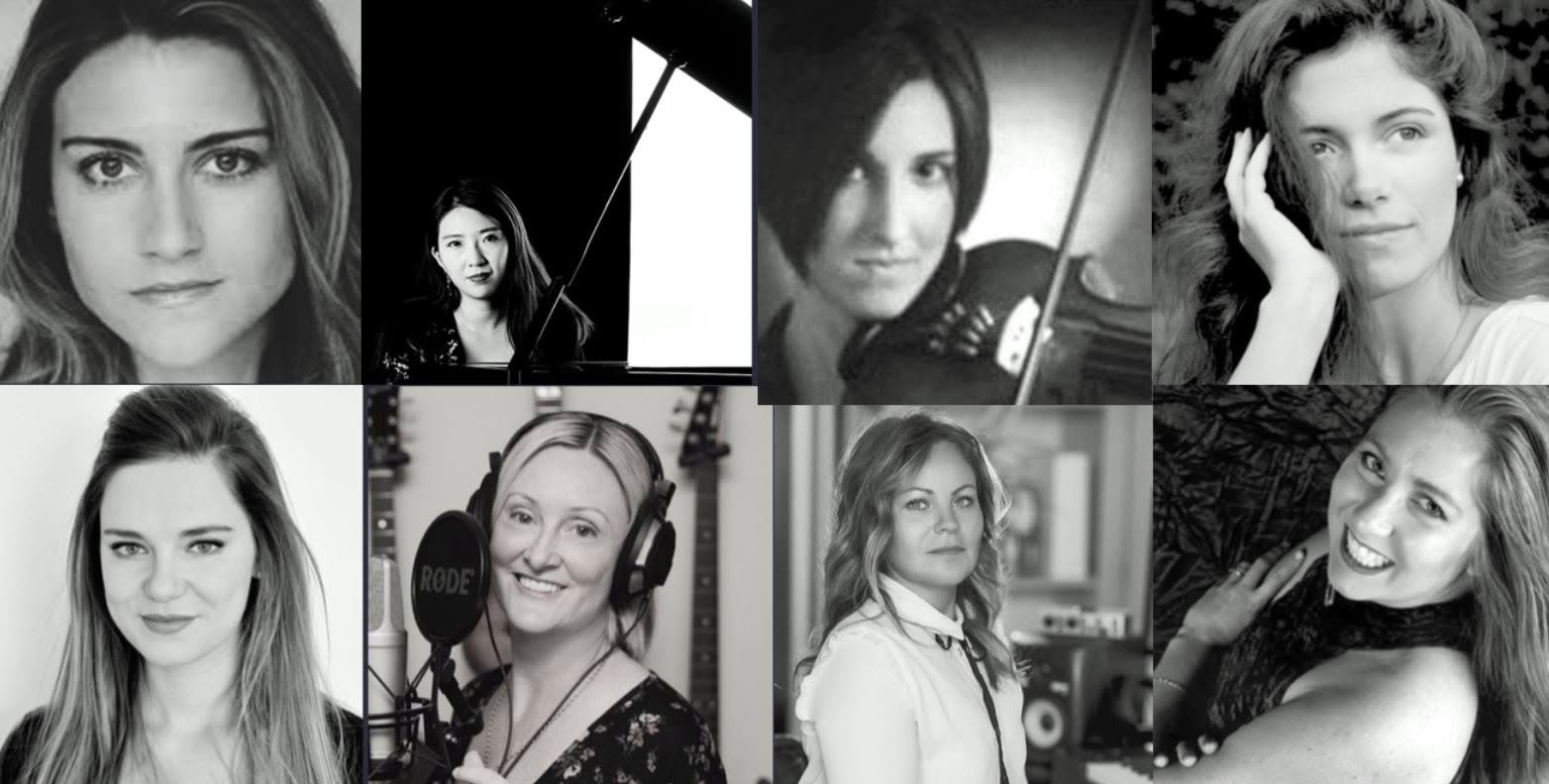
Image Credits
Julia Zuzanna Sokolowska, LA session musicians, Sean Wright, George Lucas, members of Illuminating Music Group ( Luna Y. Pan, Alex Mueller, Victoria Beits, Maria Vertiz, Sandrine Rudaz and Shaula Salathe)
Popular
-

Portraits of the Valley
-

LA’s Most Inspiring Stories
-

Greg Hex Is Turning the Everyday Kitchen Knife Into a Modern Design Object
-

Rick Norris Learned That Building a Successful Business Means Building a Life You Actually Want to Live
-

How Olivia Rush Turned Survival Into a Mission to Help Others Keep Going
-

How Bibi Goldstein Is Helping Entrepreneurs Reclaim Their Time by Embracing the Power of Delegation


