




Today we’d like to introduce you to Jason Flynn.
Hi Jason, it’s an honor to have you on the platform. Thanks for taking the time to share your story with us – to start maybe you can share some of your backstory with our readers?
I had been around film photography since high school, but it never stuck. At 40, I was a father of two girls, working in sales … stable, but completely uninspired.
That changed when a friend showed me what his Canon EOS 5D paired with a 200mm lens could do. He took a portrait of my daughter that nearly filled the frame … compressed, soft in the background, and completely arresting. It pulled me in in a way I couldn’t ignore.
That moment reset my standard for what a photograph could be. Digital gave me the instant feedback I needed. I went from casual interest to full obsession almost overnight … researching gear, studying images, and trying to understand why most images didn’t feel like that.
What started as curiosity quickly became a shift in priorities. Photography stopped being a side interest and became the thing I was chasing, creatively and professionally. Over time, that obsession evolved into a more focused pursuit: creating images that carry atmosphere, depth, and emotional weight … not just documentation.
Can you talk to us a bit about the challenges and lessons you’ve learned along the way. Looking back would you say it’s been easy or smooth in retrospect?
No, it definitely hasn’t been a smooth road.
Early on, I struggled to define my style and where I fit. I knew what I was drawn to, but translating that into something consistent, and commercially viable, took a long time. The creative side came more naturally; the business side didn’t. Pricing, positioning, and building a sustainable pipeline were all things I had to learn the hard way.
There were real financial pressures along the way. More than once, I stepped away and sold my gear just to stay afloat. Each time, though, I found my way back with a clearer sense of what I was actually trying to build.
That tension, between creative pursuit and real-world responsibility, was probably the hardest part, especially balancing it alongside family life. It forced me to get honest about what needed to change, not just in my work, but in how I approached it as a business.
Looking back, those challenges were necessary. They pushed me to refine my voice, get more disciplined, and focus on creating work that not only resonates creatively, but also has real value for the clients I serve.
Thanks – so what else should our readers know about your work and what you’re currently focused on?
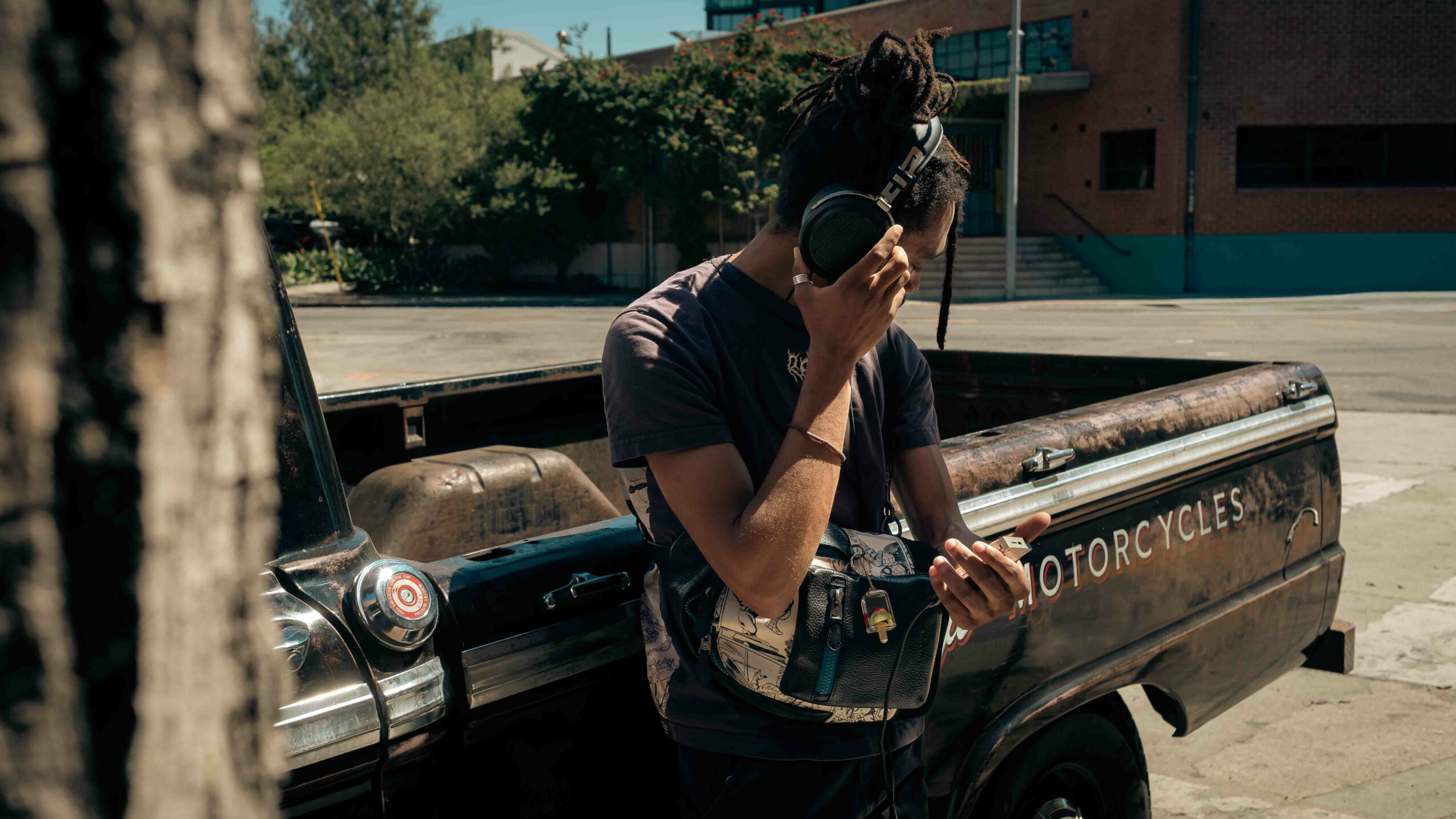
I photograph HiFi systems and the culture around them.
What I do is less about documenting and more about creating a feeling, images that feel like you’re actually in the room. I’m drawn to the way systems live in a space, how people interact with them, and the atmosphere that builds around that.
I spend a lot of time thinking about why some images pull you in and most don’t. A lot of audio gear deserves better photography than it gets. It’s often beautifully designed, but the way it’s presented can feel flat or disconnected from the culture it belongs to.
That’s the gap I’m interested in. I shoot in a way that makes the product feel lived-in and real, part of a space, part of a moment, not just isolated and perfect.
I’m most proud of developing a point of view that leans into that. It’s a little more raw, a little more human, and not overly polished. I’d rather an image feel right than look perfect.
What sets me apart is that I’m not just trying to show what something looks like, I’m trying to translate what it feels like to experience it.
Any advice for finding a mentor or networking in general?
Finding a mentor and building a network hasn’t been passive for me, I’ve learned to be intentional about it.
I stopped waiting for access and started investing in it. I’ve been part of programs like The Freelance Photographer, and having direct access to someone established, being able to ask questions, get feedback, and see how they think, has been critical. It accelerated my learning curve in a way that trying to figure it out alone just didn’t.
Beyond that, I’ve found that networking works best when it’s genuine and specific. I focus on people and brands I actually respect, and I reach out with intention, sharing work or showing up where they are, rather than just asking for something.
For example, I connected with Common Wave HiFi through a demo session. I treated it as an opportunity to document the experience, shared the work, and that turned into an ongoing relationship. That kind of approach, lead with value, stay consistent, has worked far better for me than trying to force connections.
The biggest shift has been realizing that relationships take time. It’s less about a single introduction and more about showing up consistently, doing strong work, and building trust over time.
Pricing:
- Pricing really depends on the scope and intent of the project.
Contact Info:
- Website: https://www.jasonflynn.co
- Instagram: https://www.instagram.com/jason._.flynn?igsh=NTc4MTIwNjQ2YQ%3D%3D&utm_source=qr310.689.8296
- Facebook: None
- LinkedIn: https://www.linkedin.com/in/jason-flynn-33b9008/
- Twitter: None
- Youtube: None
- Yelp: None
- Soundcloud: None
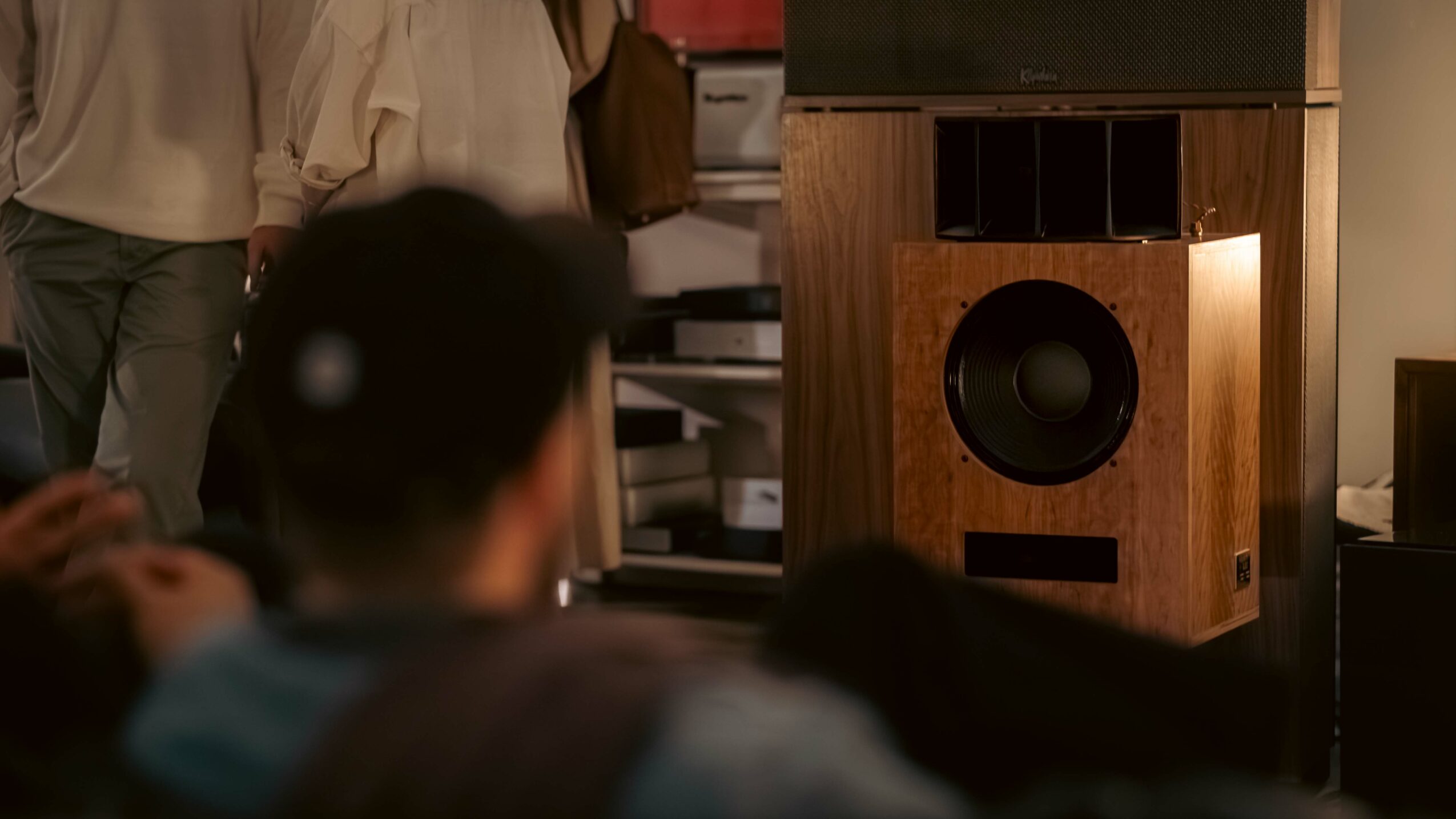
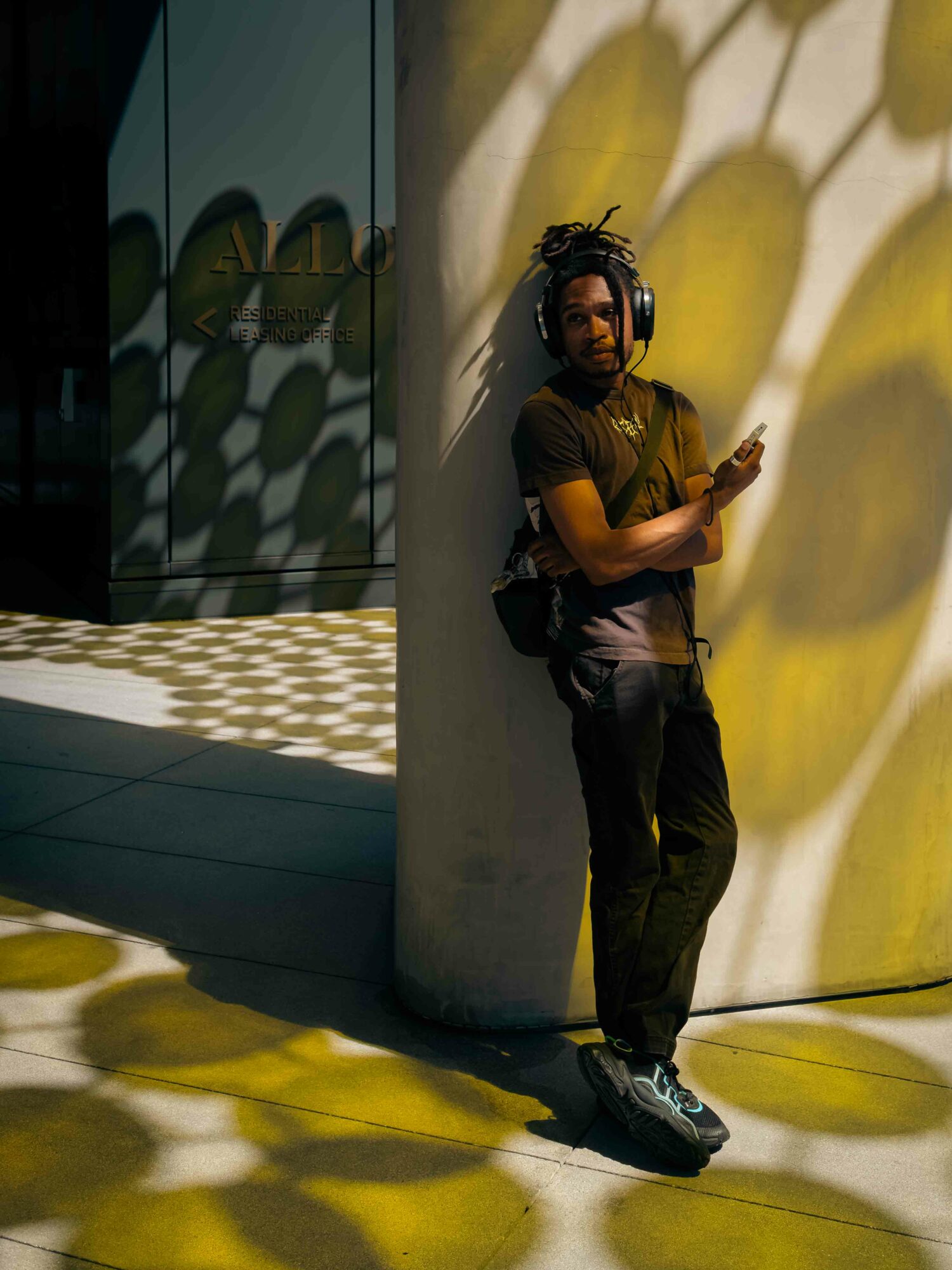
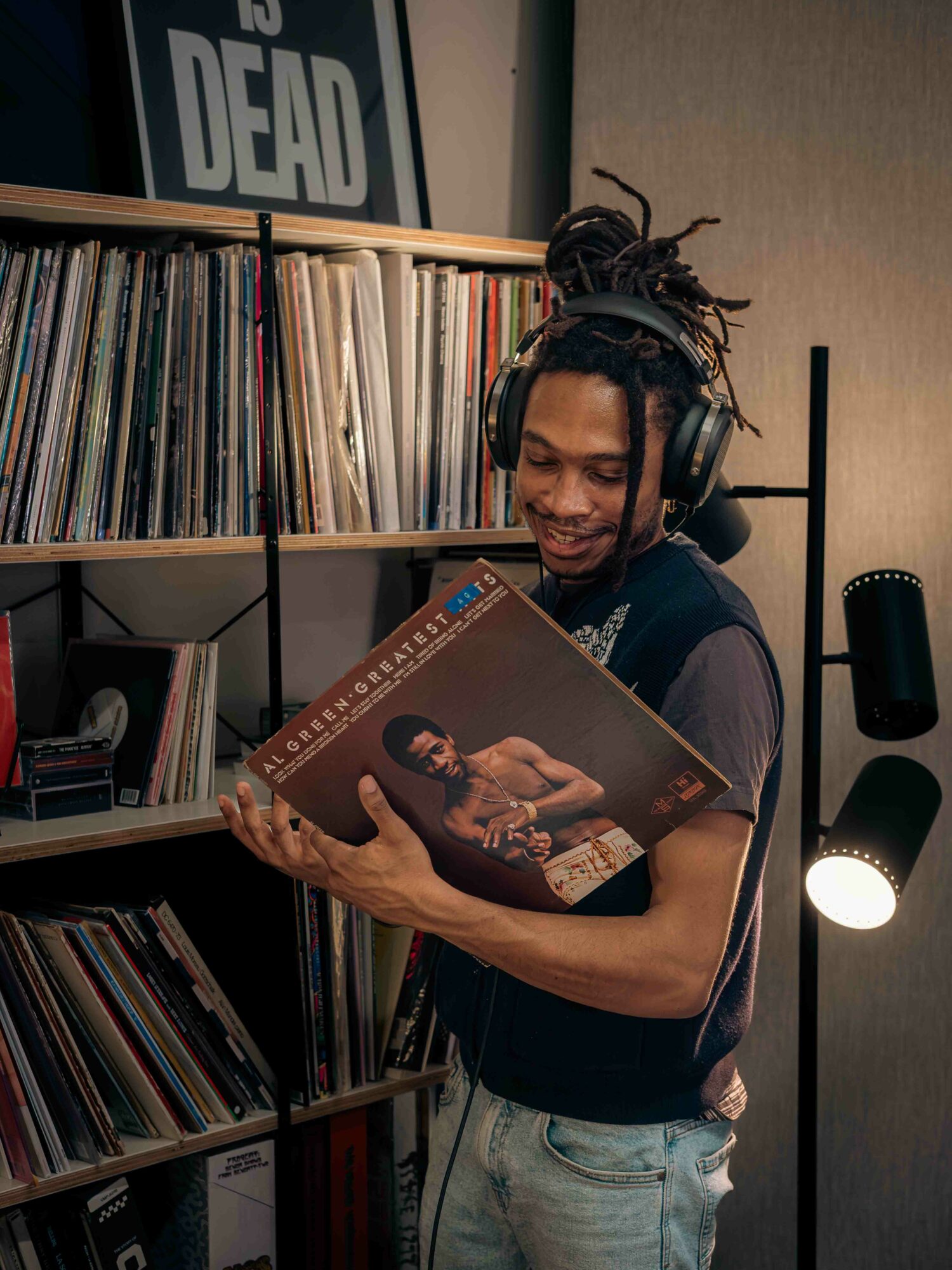
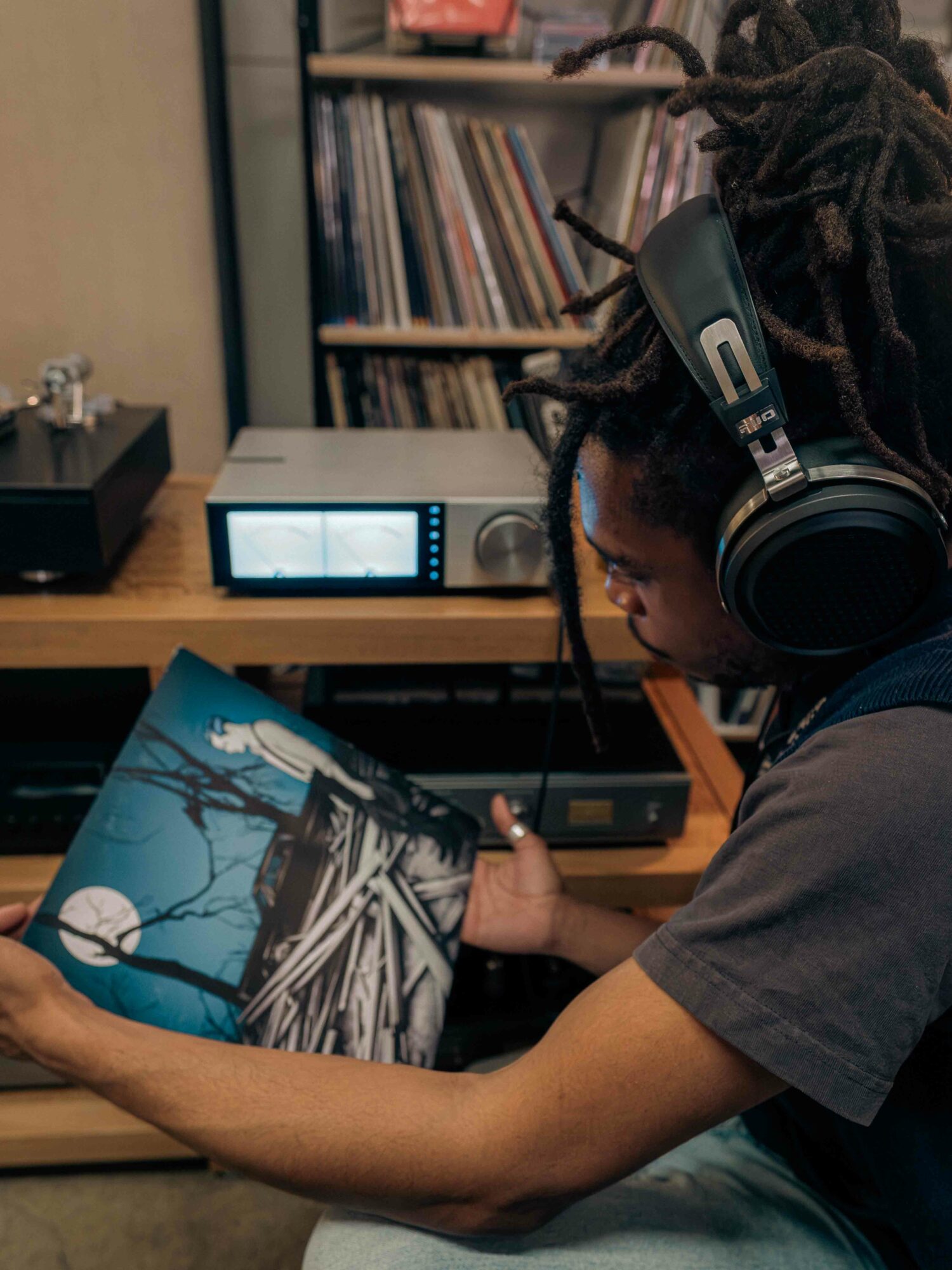
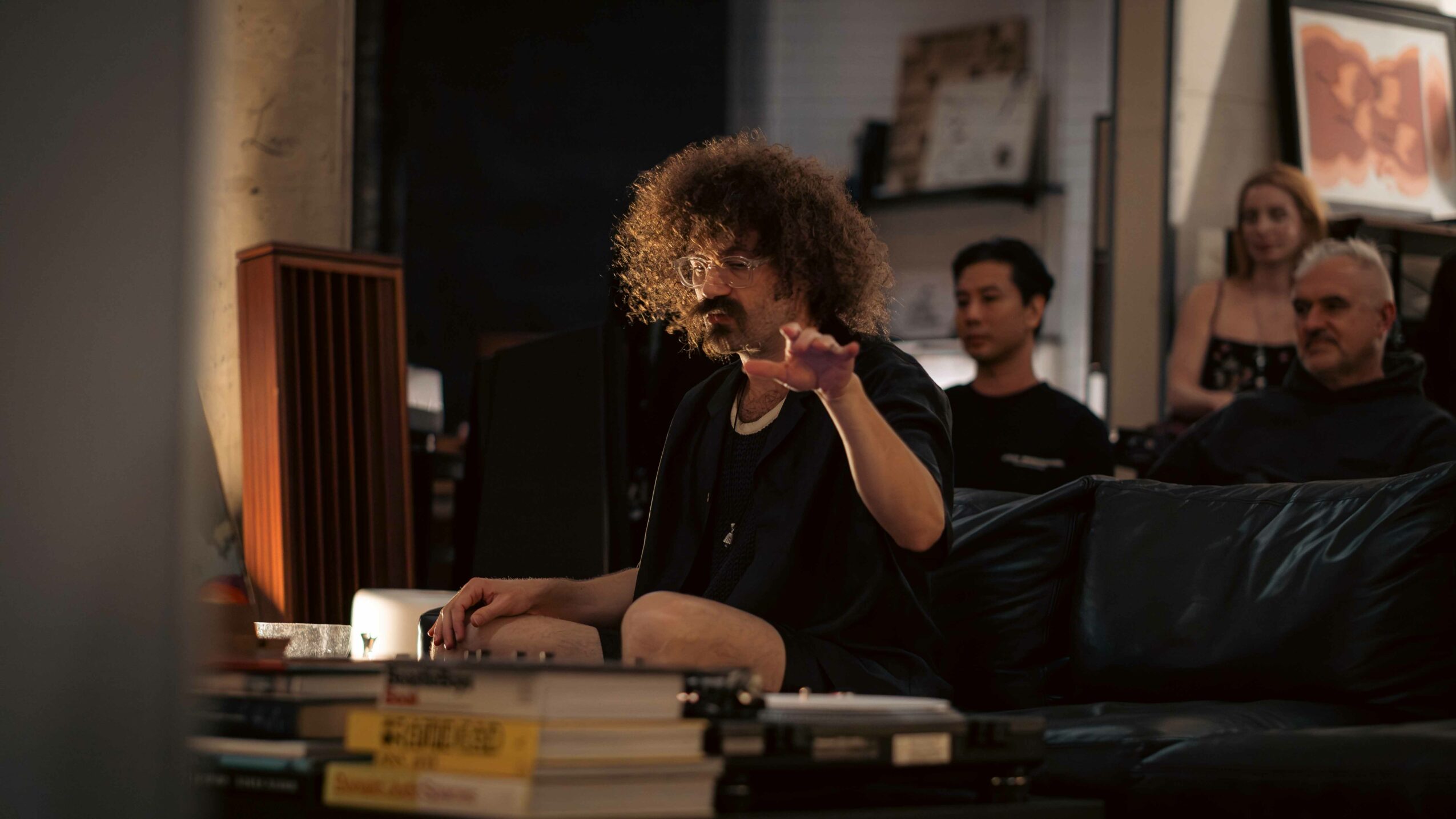
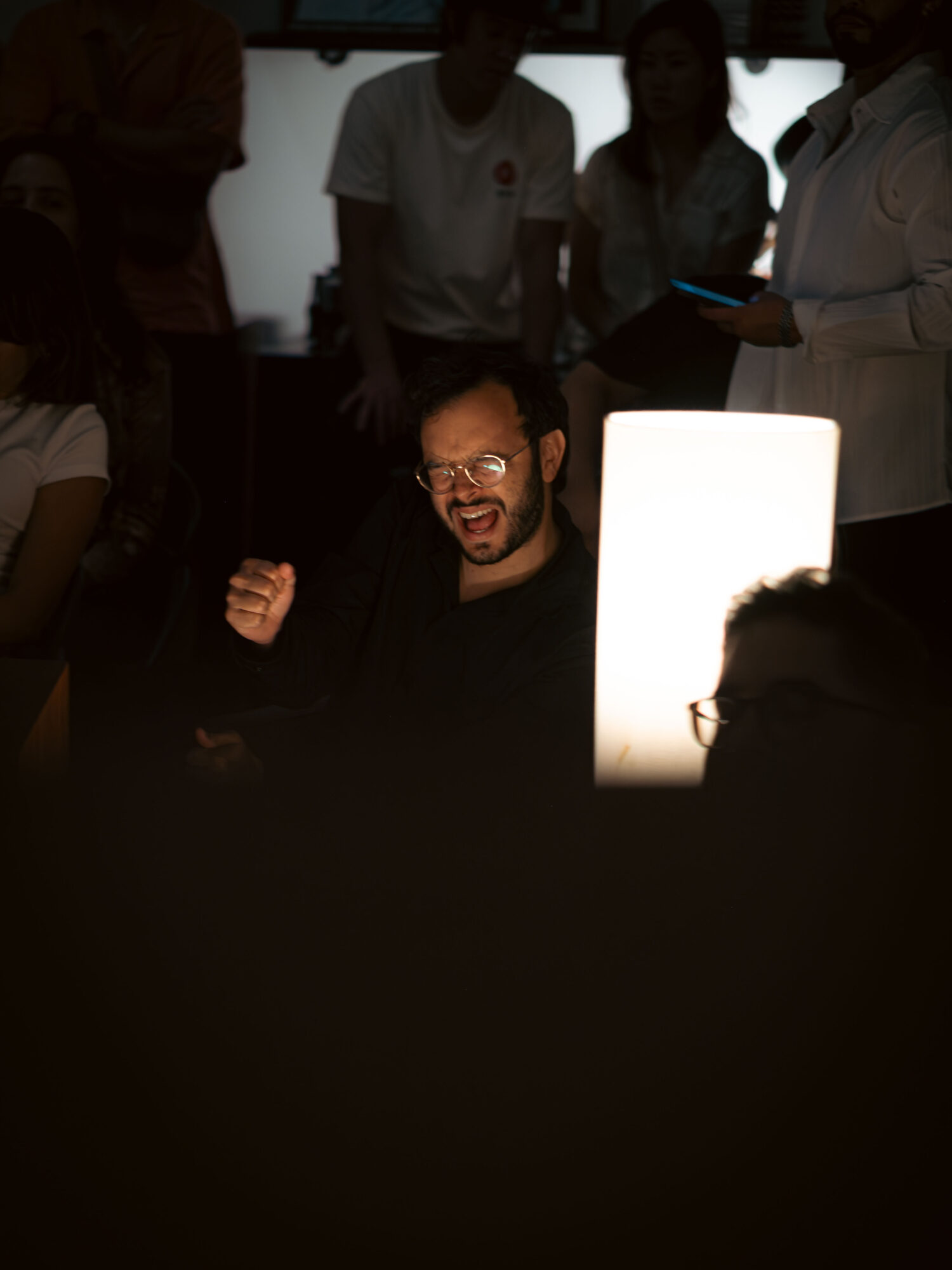
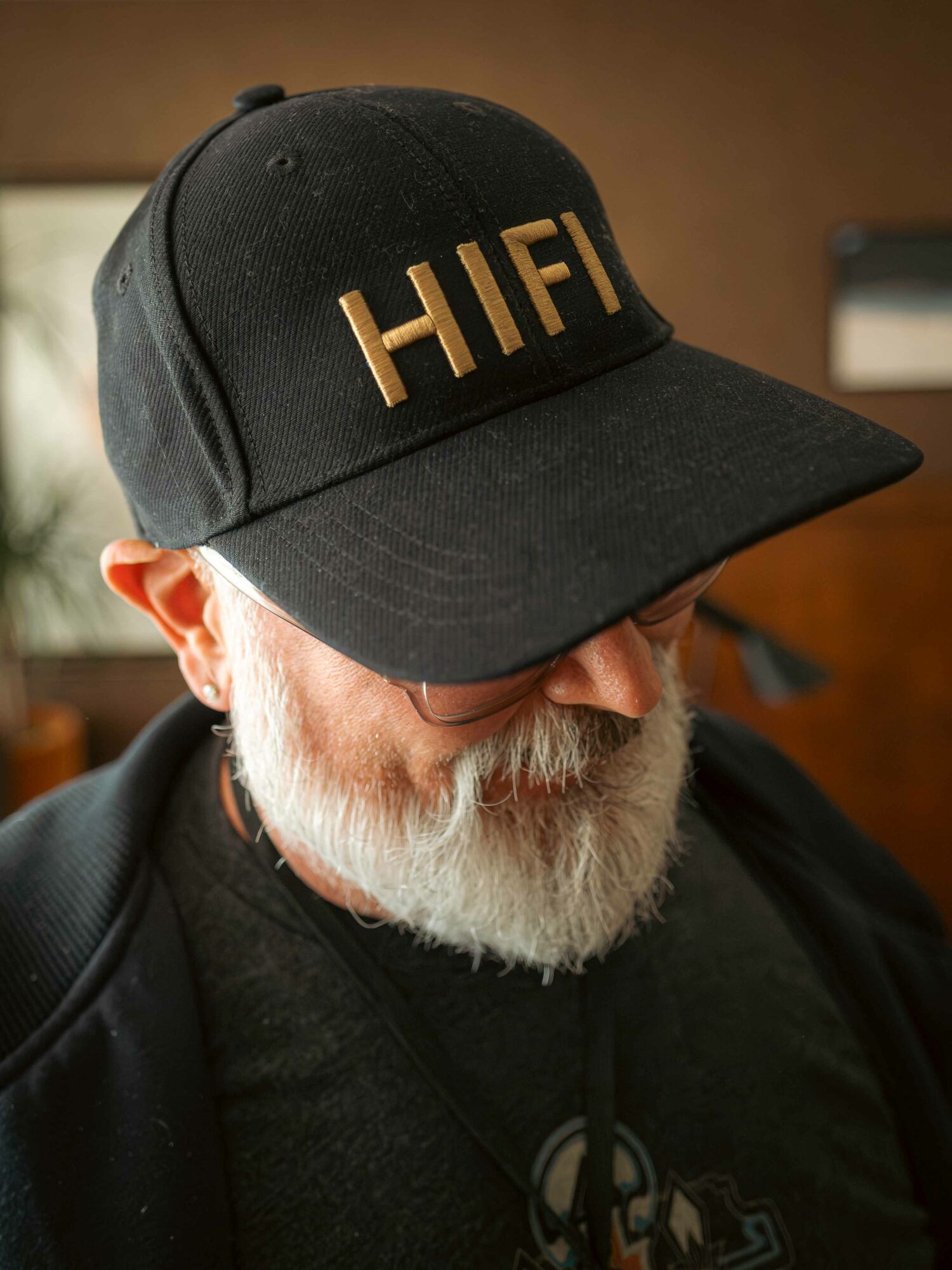
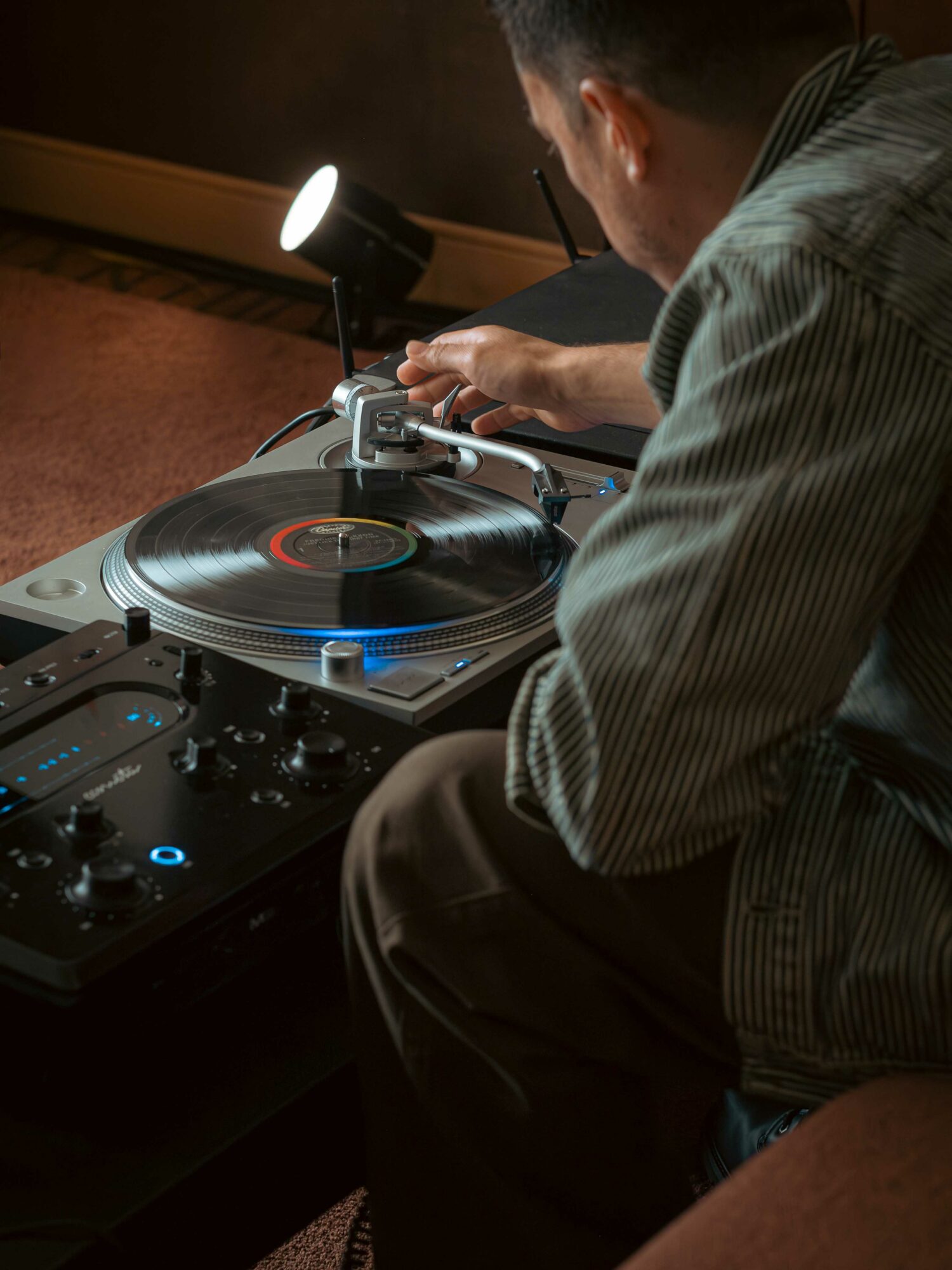
Image Credits
Jason Flynn Photography
Popular
-

Portraits of the Valley
-

LA’s Most Inspiring Stories
-

Robin Olive on Building an Inclusive Performing Arts Movement and Expanding Opportunities for Every Student
-

Que Johnson on Building Brands That Last: From Visibility to True Market Authority
-

Christina Wren Steps Into the Director’s Chair to Tell Stories That Feel Like Home
-

JordanL on ‘Breathe,’ Belief, and Building a Movement Beyond the Music


