




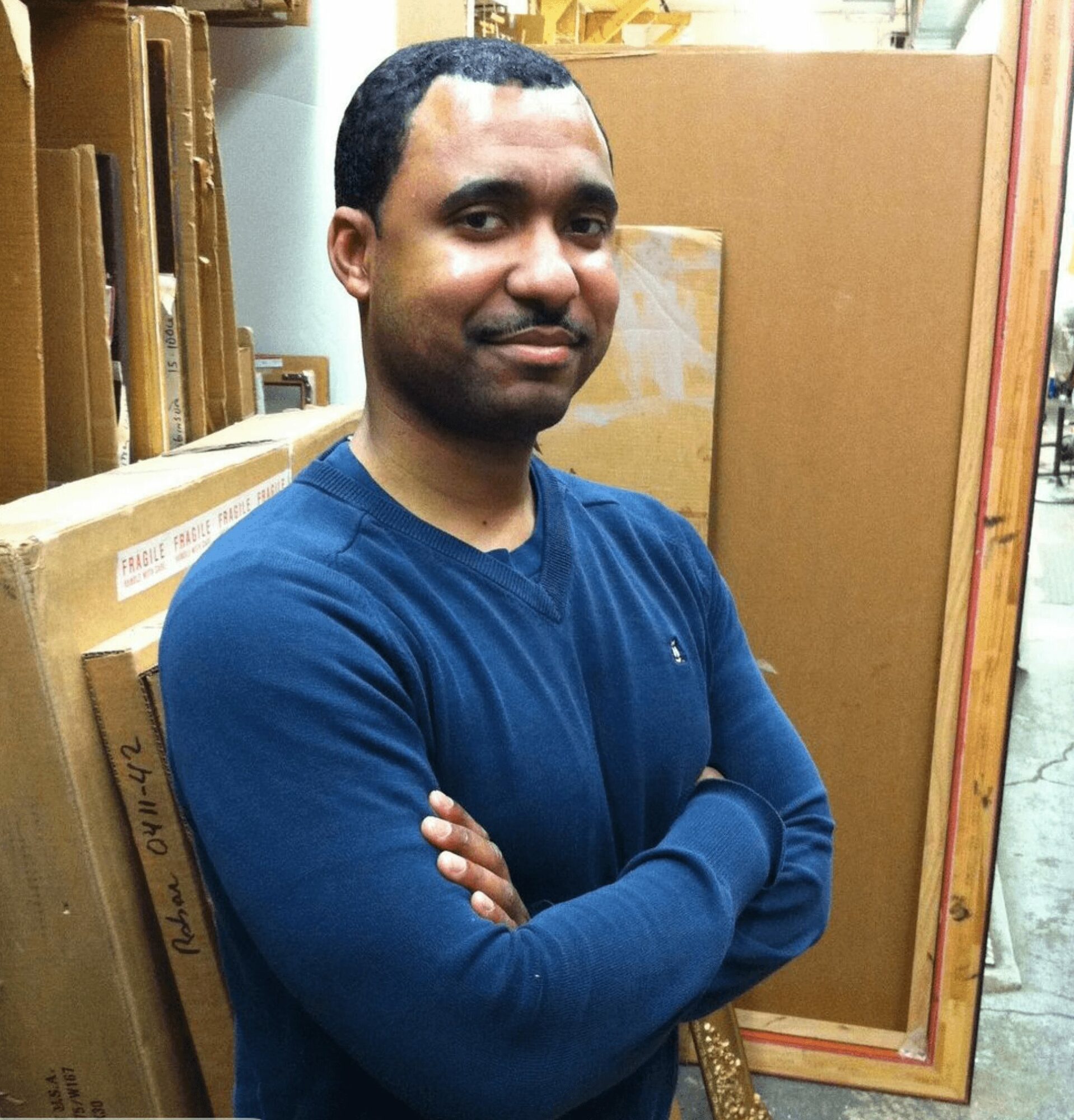
Today we’d like to introduce you to Gustave Blache III.
Hi Gustave, we’d love for you to start by introducing yourself.
I was born in San Bernardino in the late 1970s. From a very early age, I showed a natural proficiency for drawing, something my mother enthusiastically encouraged, even allowing me to draw on the walls of our home. In the 1980s, my mother moved our family to New Orleans, where I was placed in special arts programs that allowed me to spend part of my school days at the New Orleans Museum of Art drawing and studying paintings and sculptures throughout the museum.
While in high school, I attended New Orleans Center for Creative Arts, commonly known as NOCCA, an arts conservatory focused on applied and performing arts education. Known internationally for its renowned jazz program, NOCCA has produced artists such as Branford Marsalis, Wynton Marsalis, Jason Marsalis, Jon Batiste, as well as actors Wendell Pierce and Anthony Mackie.
After graduating, I attended the School of Visual Arts for both undergraduate and graduate studies. It was there that I truly honed my craft, developing a narrative dimension within my figurative and portrait painting practice. I held my first solo exhibition in New York City at the age of 24 and have since participated in major exhibitions throughout the world.
I consider myself a visual journalist who works in series, documenting the lives and labor of people whose contributions sustain our everyday world, from visually impaired mop makers to the chefs who fed the Civil Rights Movement. I believe that what we each contribute to society is ultimately a unifying force in a world too often determined to divide us.
Today, I am a professor and the owner of [Blache Art Conservation Group (BACG)](https://www.blacheartconservationgroup.com/?utm_source=chatgpt.com) in New York City. I also have a scholarship established in my name at the School of Visual Arts that contributes $25,000 annually to aspiring young artists who may not otherwise be able to afford an arts education.
Can you talk to us a bit about the challenges and lessons you’ve learned along the way. Looking back would you say it’s been easy or smooth in retrospect?
The road for me was not what I would define as smooth. My mother was a single parent who went far beyond what most people could imagine to help me succeed, even during times when I did not yet have the desire or discipline to help myself. Her sacrifices and belief in me carried me through many difficult periods in my life.
When I was coming up in the art world, being a figurative painter was not in vogue within an art landscape largely dominated by abstraction. Adding another layer to that reality, being an African American artist in that same environment made the road even more difficult to navigate. I grew up rarely seeing myself reflected in the paintings I was exposed to, even in the works I deeply admired. I struggled for years to find my own voice and was often the only person who looked like me in my classes and academic settings.
Because of that, I became determined to become the kind of painter I wished I could have seen growing up. Creating self portraits became a way for me to assert my identity publicly and place my face on equal footing within the lineage of painting that inspired me. One of those self portraits is now part of the permanent collection of the Smithsonian Institution National Museum of African American History and Culture, alongside works held in many other notable museum collections.
I take great pride in having come this far without compromising my artistic principles or relying on cheap gimmicks. Everything I have achieved has been rooted in honesty, discipline, and a genuine commitment to the craft of painting.
As you know, we’re big fans of you and your work. For our readers who might not be as familiar what can you tell them about what you do?
My art is rooted in visual journalism. I work in series that typically consist of 10 to 20 paintings, and I often spend years with my subjects as part of the process. Interviewing them is essential to my practice because their firsthand accounts deepen my understanding of their craft, their lives, and their experiences. Those conversations ultimately help inform how I share their stories with the public through painting.
Currently, I am working on a series that follows four inmates who participate in the last prison rodeo in America at the Louisiana State Penitentiary, commonly referred to as Angola. The series chronicles these four individuals through the ten rodeo events in which they compete before a paying civilian audience. In many ways, they become entertainers, and hearing their firsthand accounts fundamentally shapes how viewers experience the paintings themselves.
One of the paintings from this body of work toured with the Smithsonian National Portrait Gallery as part of a group exhibition. But beyond the exhibitions and institutions, it is the stories themselves that I feel need to be seen and heard. That commitment to combining authentic journalism with painting is what I believe distinguishes my work from others.
I also teach my own course at the School of Visual Arts inspired by this very methodology, titled Portraiture as Visual Journalism. For those interested in exploring this approach to storytelling through art, the course is available both in person and online.
Are there any apps, books, podcasts, blogs or other resources you think our readers should check out?
The lives and contributions of others are a constant source of inspiration for me, along with my desire to make art more accessible to communities that have historically been shut out from participating in it. I believe that art should not feel exclusive or disconnected from everyday people and experiences.
More than anything, I think my greatest inspiration comes from being deeply observant and endlessly curious. Paying close attention to how people live, work, struggle, and contribute to society continually fuels both my creativity and my sense of purpose as an artist.
Contact Info:
- Website: https://gustaveblache.com
- Instagram: @gustaveblache3 and @bacgnyc
- Facebook: Gustave Blache III
- LinkedIn: Gustave Blache III
- Twitter: @gustaveblache3
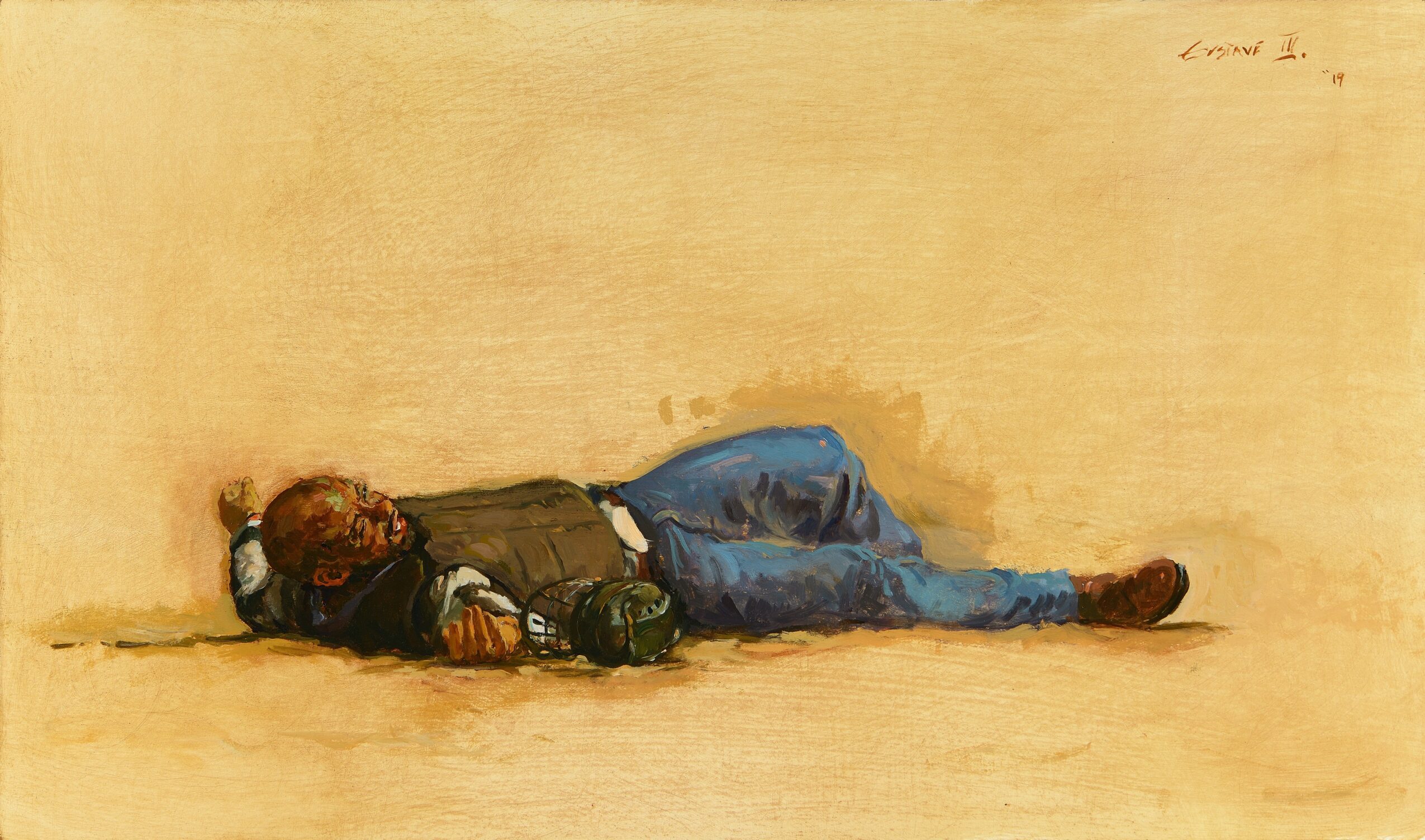
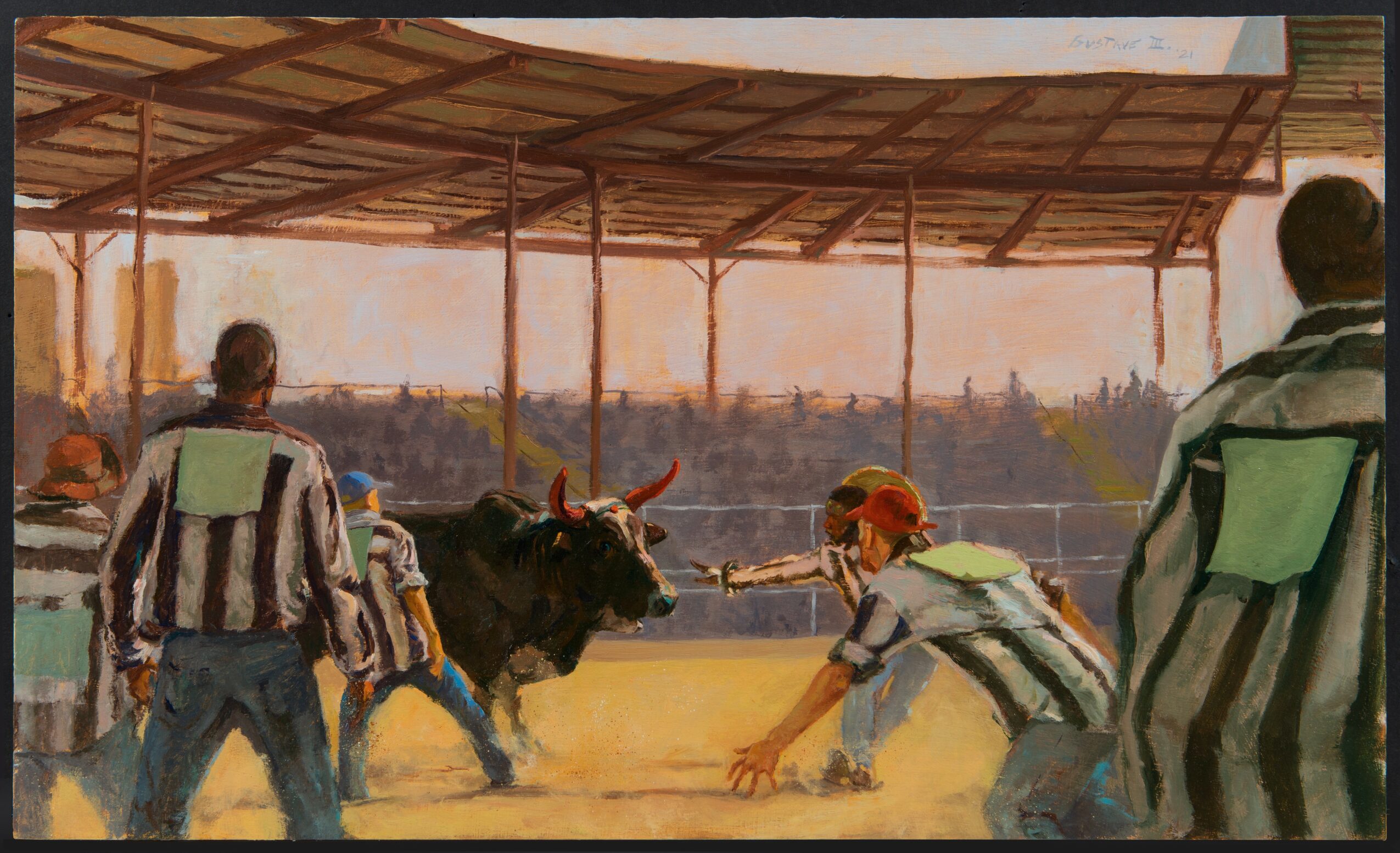
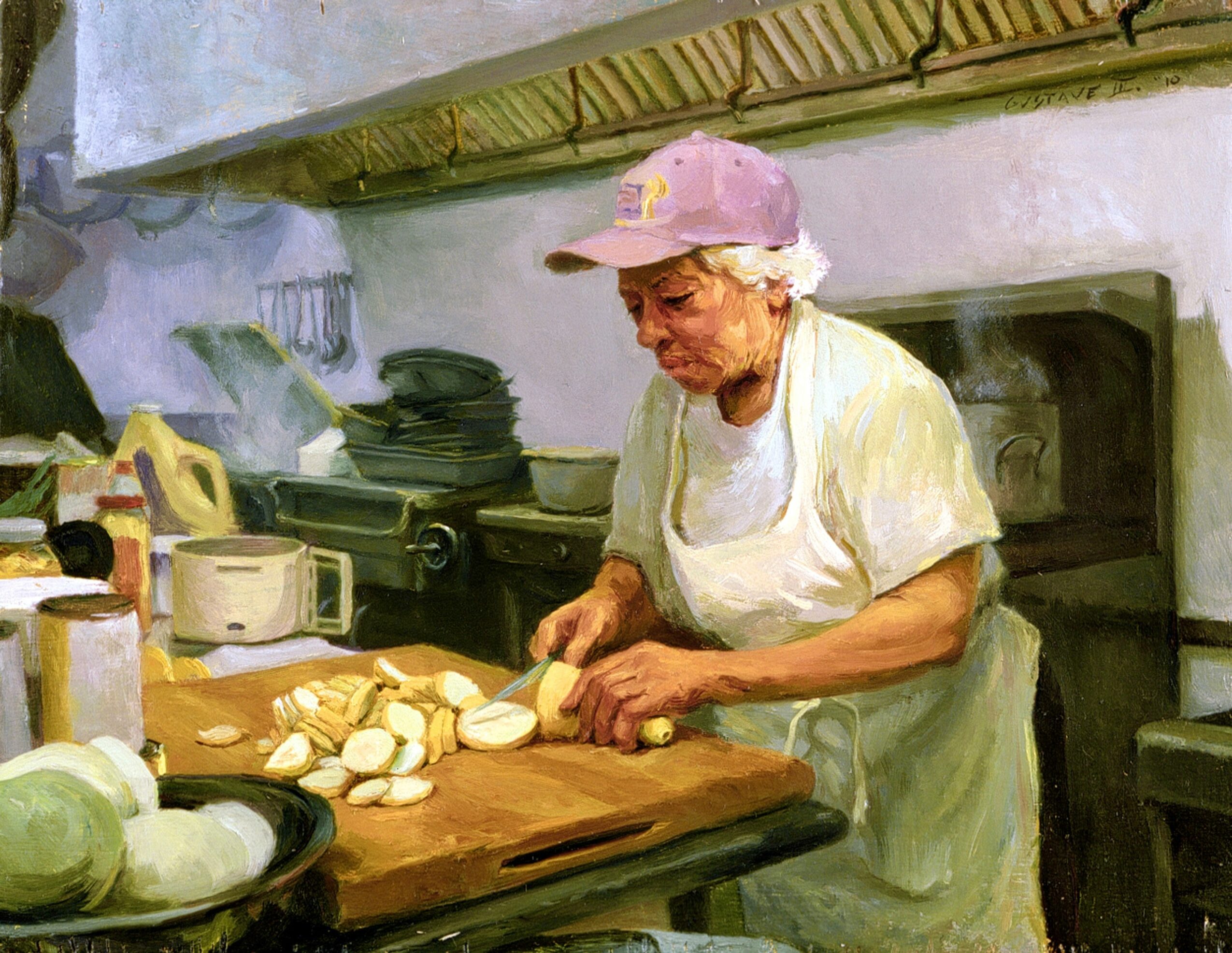
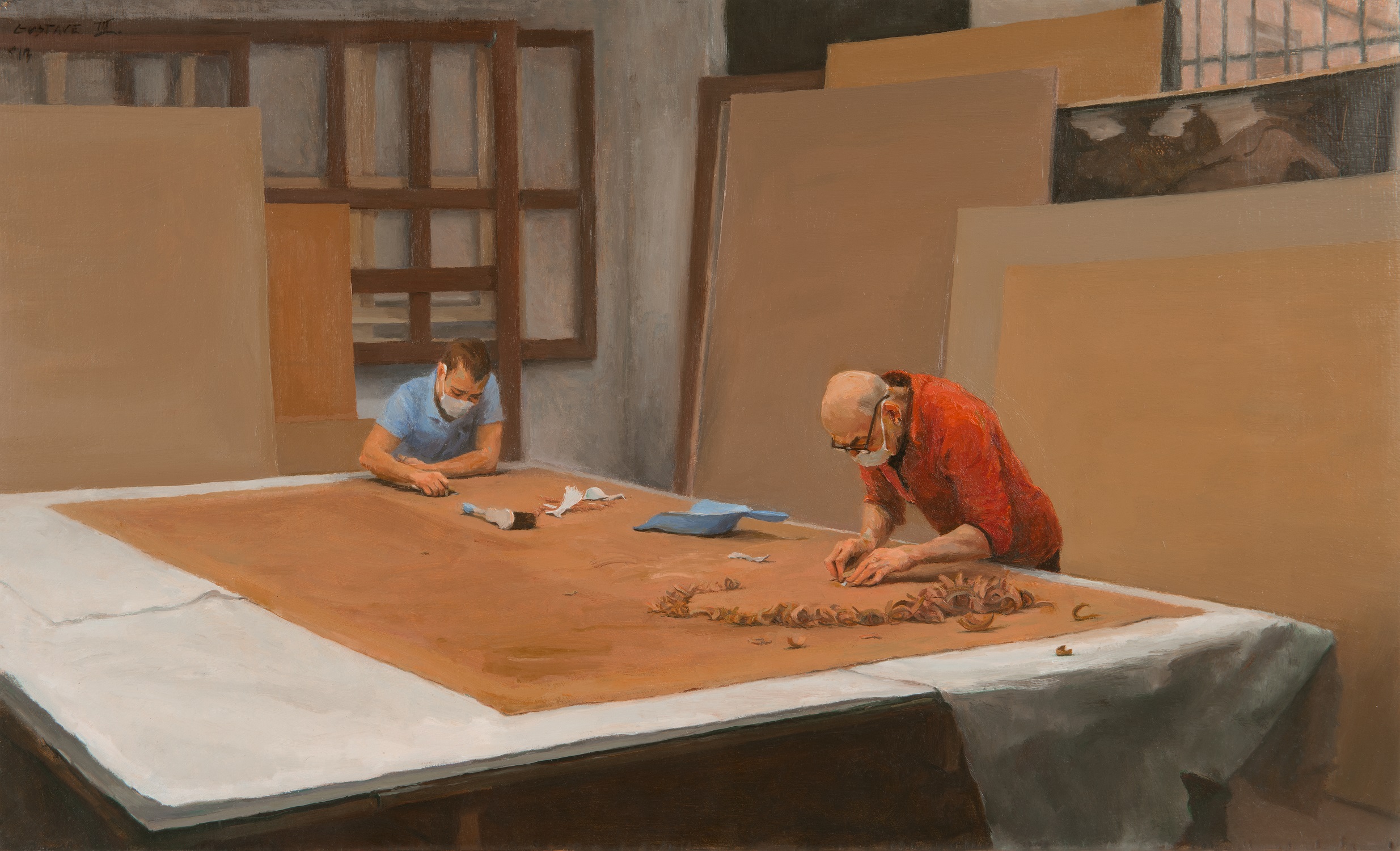
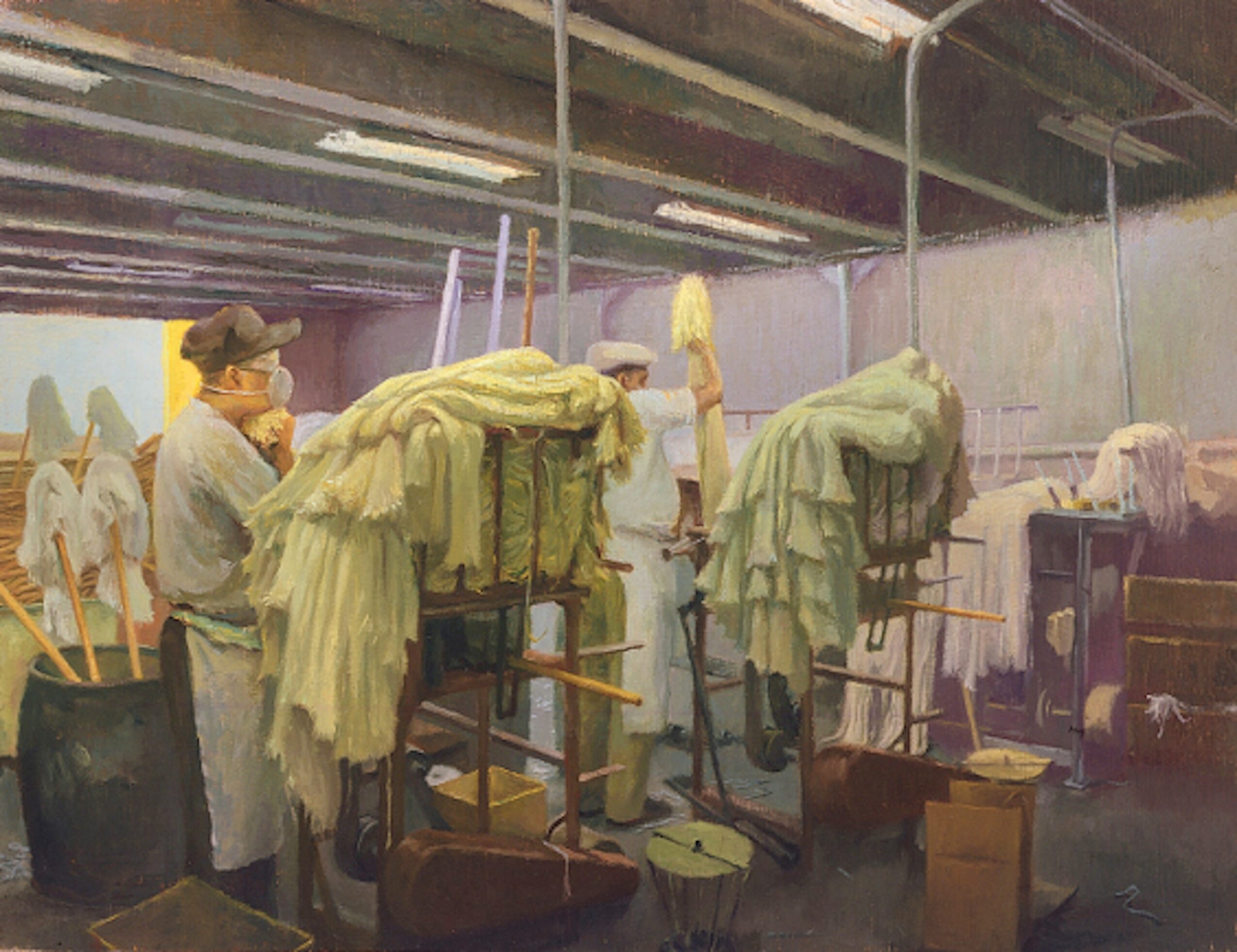
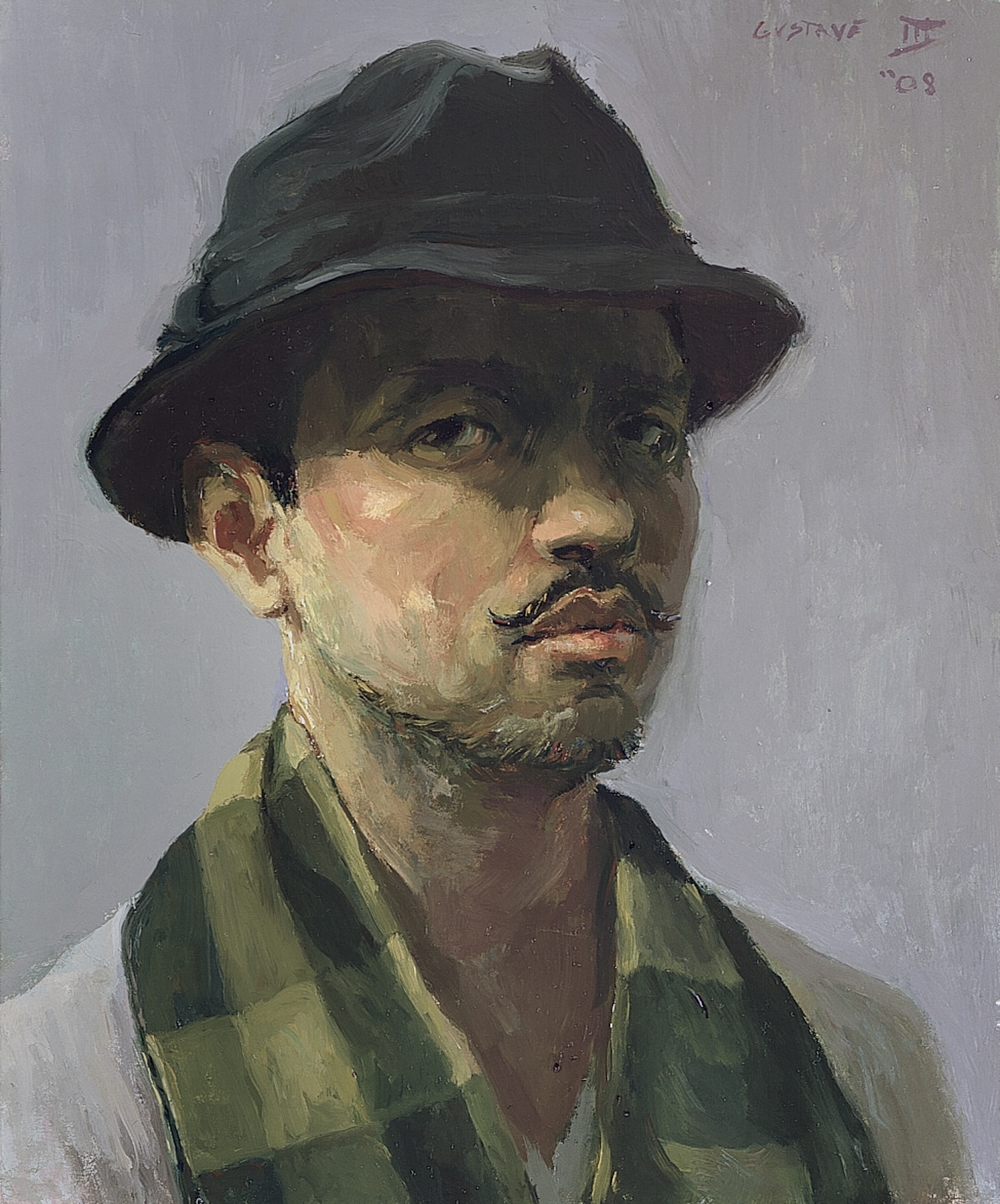
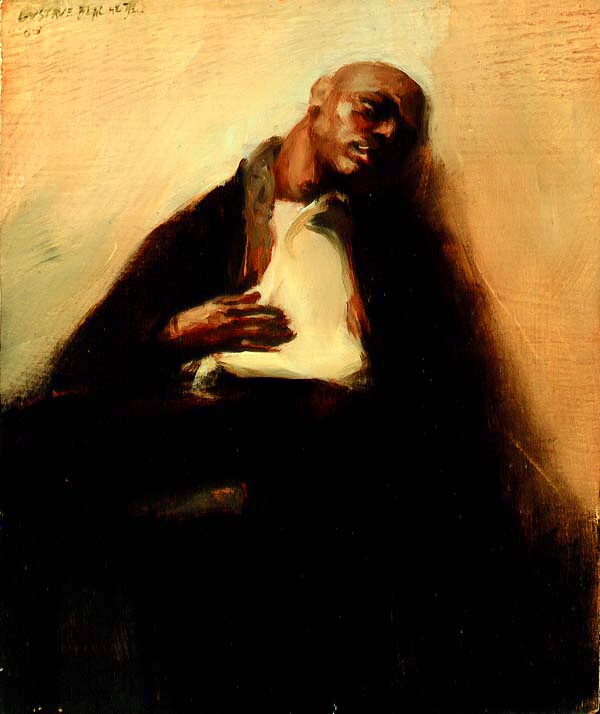
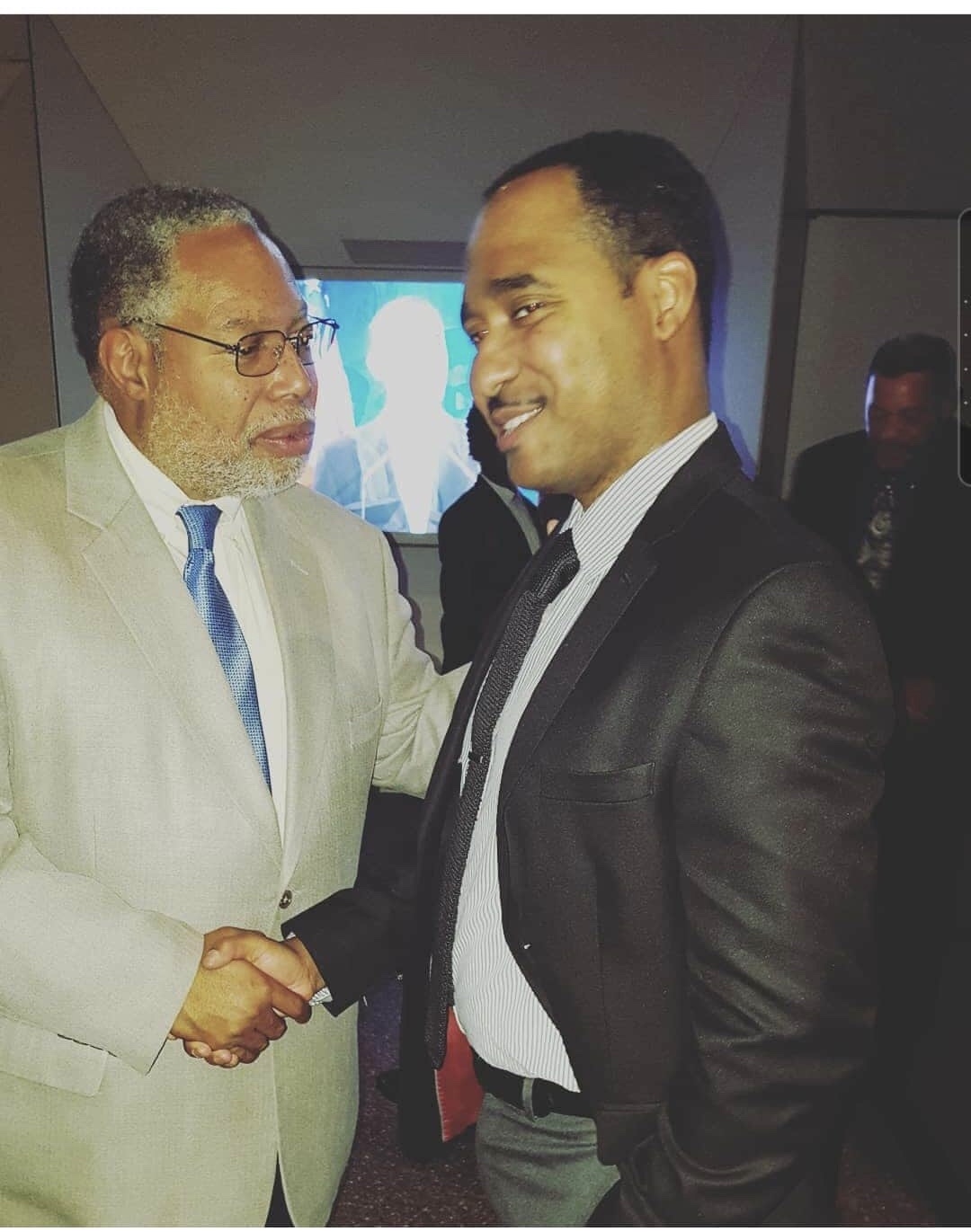
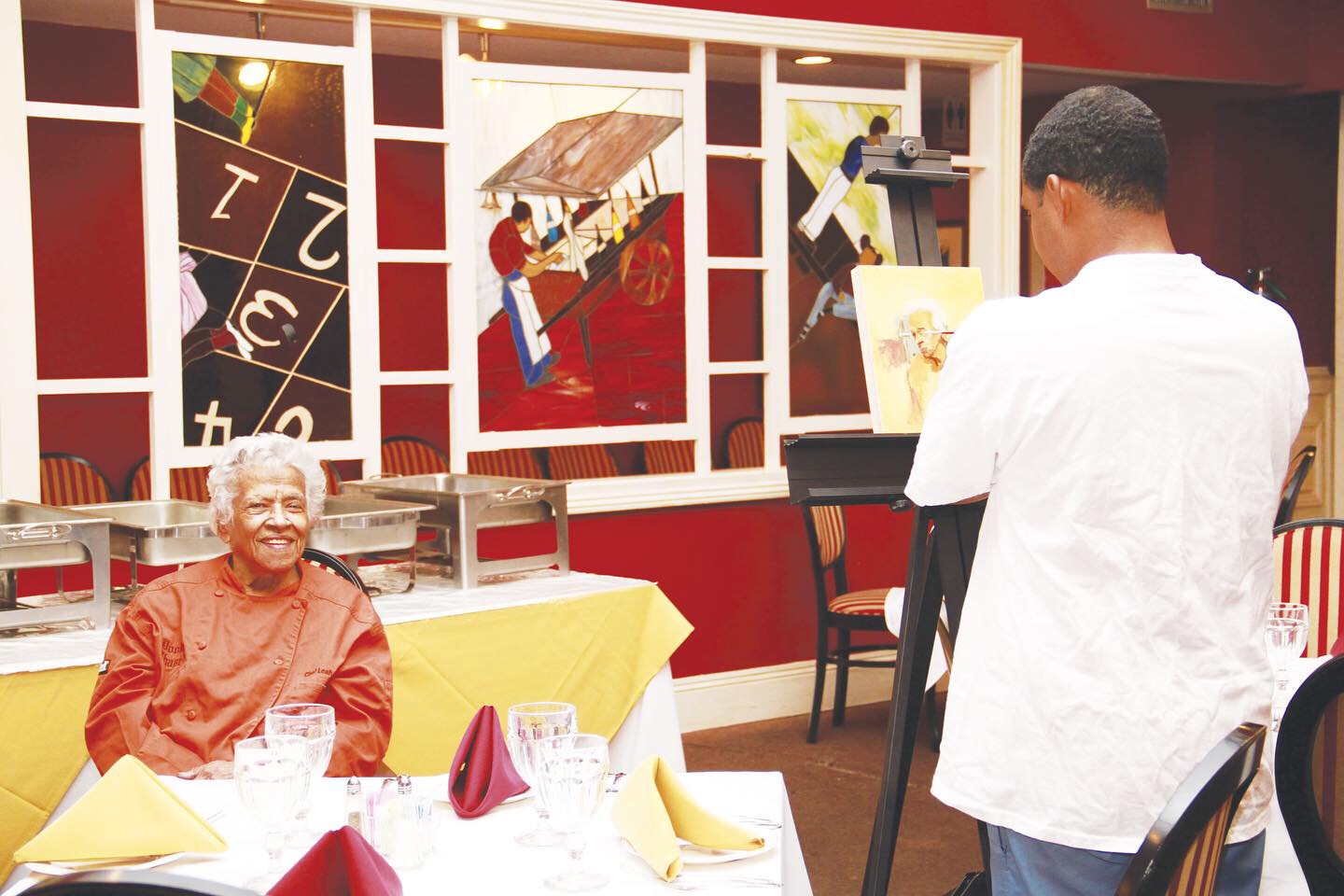
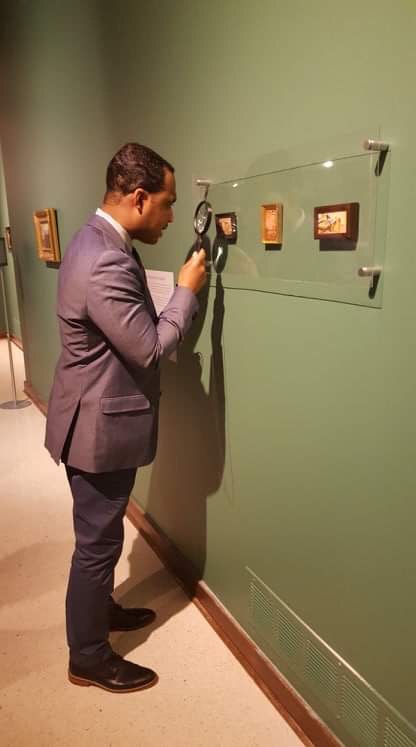
Image Credits
1. Travis (After the Fall), o/w, 12.5 x 21 in, 2019, Rodeo Lifers series
2. No Guts, No Glory, o/w, 12.5 x 21 in, 2020, Rodeo Lifers series
3. Cutting Squash, o/w, 8 x 10.25 in, 2010, NPG, Smithsonian, Washington, DC
4. The Canvas Scrapers, o/w, 12.5 x 21 in, 2013, (SPAC, Simon Parkes Art Conservation series)
5. The Mop Makers, o/w, 12 x 16 in, 2006
6. Self Portrait with Checkered Scarf, o/w, 10 x 8, 2008, NMAAHC, Smithsonian, Washington, DC
7. Between the Head and the Hand, o/w, 7 x 5 in, 2000
8. Pictured with NMAAHC Founder and Director Ph.D Lonnie Bunch at the preview of the inaugural opening. 2016.
9. Pictured painting late Chef Leah Chase in Dooky Chase Restaurant. New Orleans, LA, 2012
10. Examining artwork.
Popular
-

Portraits of the Valley
-

LA’s Most Inspiring Stories
-

Que Johnson on Building Brands That Last: From Visibility to True Market Authority
-

Christina Wren Steps Into the Director’s Chair to Tell Stories That Feel Like Home
-
JordanL on ‘Breathe,’ Belief, and Building a Movement Beyond the Music
-

Megan Birney Rudert on How Access to Light Is Powering a More Sustainable and Equitable Future


