




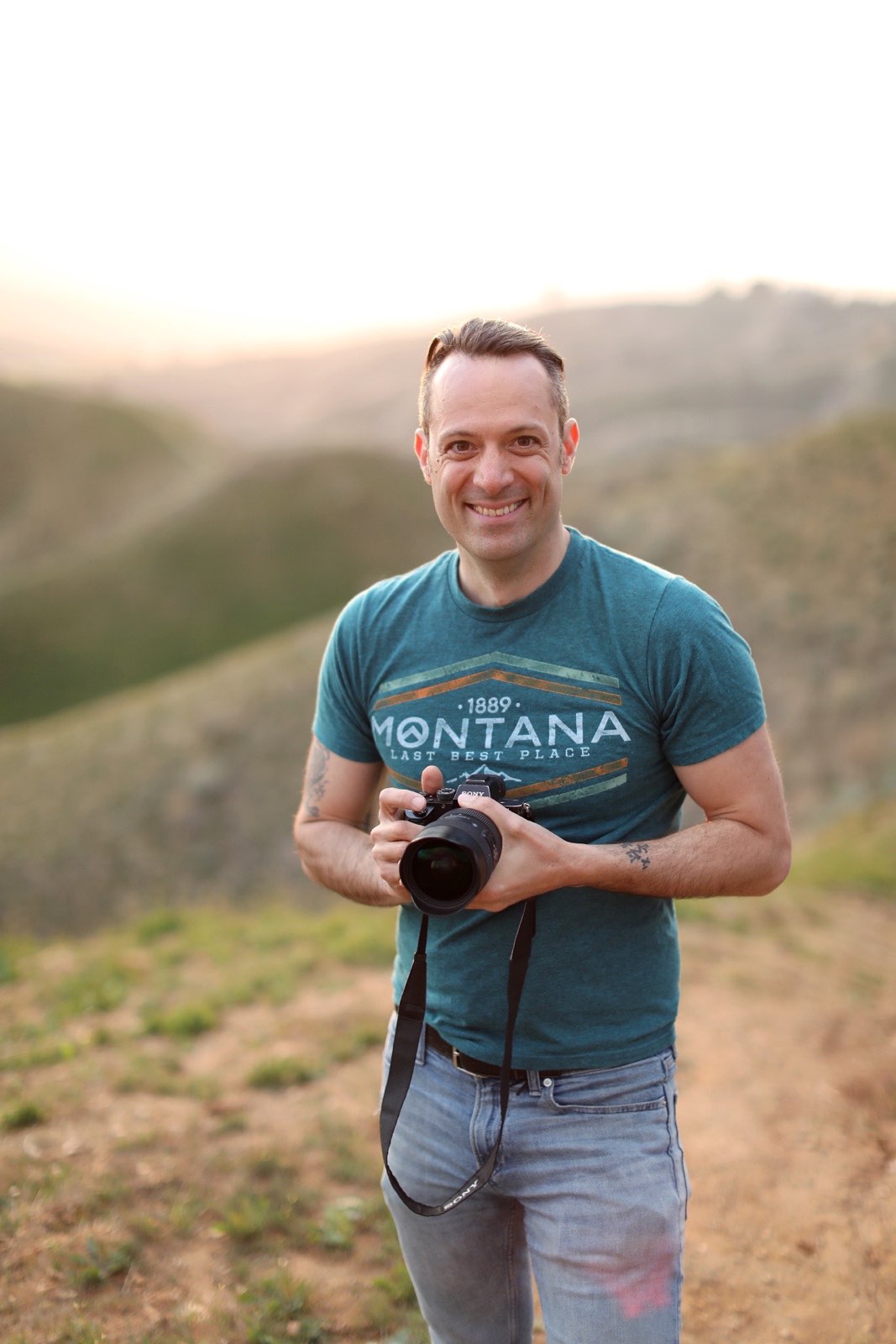
Today we’d like to introduce you to Giorgio Suighi.
Hi Giorgio, we’d love for you to start by introducing yourself.
My story really begins long before I ever called myself a photographer.
It starts in Valtellina, during my childhood summers, where I first picked up a camera and realized I could translate feelings into something visual. Even back then, I wasn’t documenting—I was trying to make sense of emotion. I didn’t know it yet, but that instinct would become the foundation of everything I do today.
For years, photography lived quietly in the background of my life. I was a self-taught creator, experimenting, obsessing, studying light, trying to understand why certain images made me feel something. And then something simple but important happened: people around me began reacting to my early work. They told me what they felt. They asked if my pieces were for sale. It was the first real sign that maybe this wasn’t just a personal obsession—it was a voice.
Around the same time, my career in marketing and advertising was moving quickly. I was learning strategy, consumer psychology, storytelling, and how to build brands that stand out in crowded markets. Eventually, these two worlds—my creative life and my corporate one—collided in a way I couldn’t ignore.
I realized I could apply the same strategic thinking I used for global brands to my own art.
That’s when everything shifted.
What started as a passion became something more intentional. I refined what made my work different:
hyper-color, emotional storytelling, and the integration of AI as a creative amplifier—not a shortcut, but a language.
I stopped shooting “just to shoot” and started building visual worlds, chasing emotion instead of perfection. I focused on creating images that invite people into a moment, not just show them one.
But the journey wasn’t glamorous. I was balancing a demanding corporate leadership role and a growing creative career at the same time. I questioned myself often. Social media was a noisy, competitive landscape. And as an introvert, “putting myself out there” felt like climbing a mountain without gear.
Yet I kept going.
Because mastery lives on the other side of consistency.
I learned how to market my own work. I treated my art like a business. I built opportunities instead of waiting for them. And slowly, the momentum grew—prints started selling, partnerships began forming, and people started inviting my images into the most sacred space: their homes.
That still humbles me more than anything else.
Today, my work blends emotional imprint, hyper-color cinematics, and emerging technology. My North Star remains the same as that kid in Valtellina:
create something that makes people feel.
Something that cuts through the noise.
Something that sparks a memory, a breath, a “wait… let me look at that again.”
My story isn’t linear, and it’s definitely not traditional, but it’s honest.
It’s built on passion, persistence, strategy, and the belief that your voice becomes magnetic the moment you stop trying to sound like anyone else.
And I’m still just getting started;)
Can you talk to us a bit about the challenges and lessons you’ve learned along the way. Looking back would you say it’s been easy or smooth in retrospect?
It never is a smooth way. And to be honest I don’t think it’s supposed to be.
The biggest struggle wasn’t photography. It was attention and confusing self-validation with hope for results.
For years I was living in two worlds at the same time. A serious corporate career, fast, loud, always on.
And photography, which needs the opposite: time, silence, being there.
Trying to do both without losing myself in either one was hard.
At some point photography also became another performance, especially with social media becoming an important channel to showcase your work.
Another thing to post, explain, optimize. I was in incredible places, but already half-gone. Thinking about the image instead of feeling the place.
I put a lot of pressure to simplify myself into a box. “Teach this. Niche down. Use these formulas.”, and got frustrated over and over when I didn’t see the results I was hoping for.
Financially, choosing depth over speed is uncomfortable. It’s slower. You say no to shortcuts. There were moments I questioned that choice. But every time I tried to move faster I didn’t felt right, the work got thinner, and I got a few moments of pure burnout.
What changed wasn’t a big win. It was slowing down and paying attention again, and on purpose. Arriving somewhere and doing nothing for a few seconds. Letting the body catch up.
Letting the place enter before lifting the camera: that’s where my work actually started. Not from ambition, but from fixing something that was broken.
So no, it wasn’t smooth. But I don’t regret the struggle. It taught me what matters: presence over performance, experience before output. Everything I do now comes from that. It was (and still is) an incredible journey of self discovery too, and I think it made me also a better person
Thanks – so what else should our readers know about your work and what you’re currently focused on?
I’m a photographer, but my focus isn’t the image, it’s the experience behind it.
Visually, I’m known for a very deliberate use of hyper-color. Not exaggerated for effect, but pushed just enough to reflect how a place felt, not just how it looked. I use color to amplify emotion, depth, and energy, to make the image closer to the memory than to reality. Color, for me, is a language, not a style.
What sets me apart is how I approach the entire process. I don’t work from formulas, presets, or trends. I come from a senior corporate and marketing background, so I understand optimization, speed, and performance very well, and I consciously work against that mindset. Photography, in my work, is a tool to train attention and perception, not something to optimize. Every shot, from taking it to post production, can take hours, sometimes days.
When I use technology, including AI, it’s always intentional. I’m not interested in novelty. I use tools only when they help extend an emotional truth or reinforce the experience the image is meant to carry.
What I’m most proud of is the impact. People tell me my work changes how they move through places, not just how they shoot. They slow down. They notice more. Many choose to live with my work in their homes because it holds meaning, not because it’s decorative.
That’s the point for me that I hope sets me apart from others: I’m not building a photography brand. I’m building a way of seeing, using photography as the medium where emotions are plastered into.
What’s next?
The main focus for the next couple of years is The LENS Method™.
It’s my first course, and it’s not a side project. It’s where everything I’ve learned, creatively, professionally, personally, comes together.
LENS (stands for Live, Explore, Narrate, and Share) is about using photography as a way to train attention, presence, and perception. Not to produce better images faster, but to experience places-and life-more fully.
I took my time to built it, and should be out this spring. No hype, no mass scale. I want it to be something people actually practice, not just consume. Over the next two years, my energy will go into refining that work: the course, smaller additional trainings, and experiences that help people reconnect with how they see and move through the world.
At the same time, I’ll keep doing what I’ve always done: going into powerful landscapes and making work from them. Places like Antarctica, remote environments, long trips where time and silence still exist. That field work is essential: it feeds everything else. I don’t separate shooting from teaching; the work has to stay lived, not theoretical.
If there’s a direction, it’s this: fewer things, deeper work, and building something that holds up over time, both visually and humanly.
Pricing:
- Prints from $90 to $1500
- the LENS course will have an initial opening at 299, before getting at $1500
Contact Info:
- Website: https://www.giorgiosuighi.com/
- Instagram: https://www.instagram.com/giorgiosuighi/
- Facebook: https://www.facebook.com/giorgiosuighiphotography/
- LinkedIn: https://www.linkedin.com/company/giorgio-suighi-photography/
- Youtube: https://www.youtube.com/@giorgiosuighiphoto
- Other: https://giorgiosuighi.pixieset.com/gsportfolio/
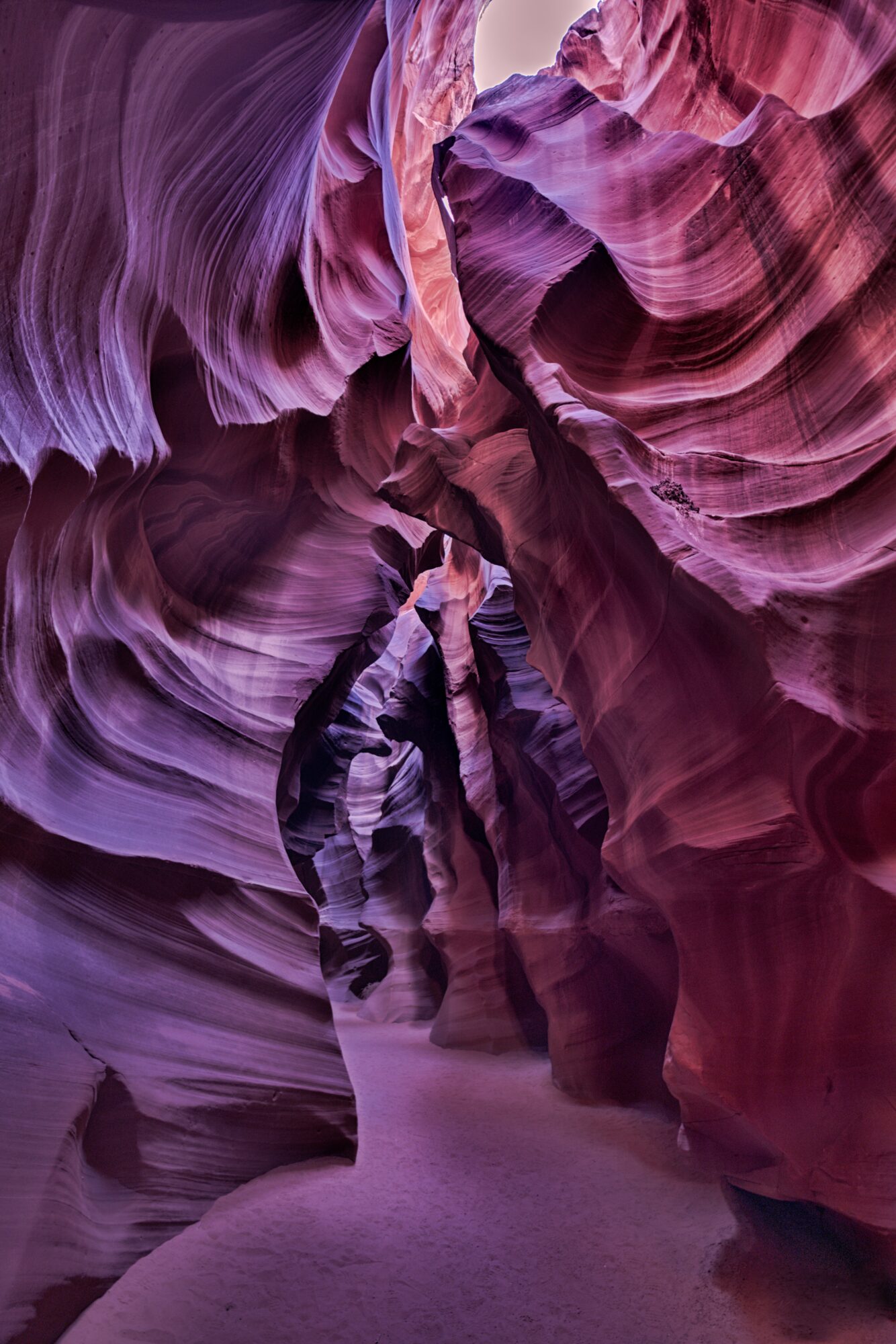
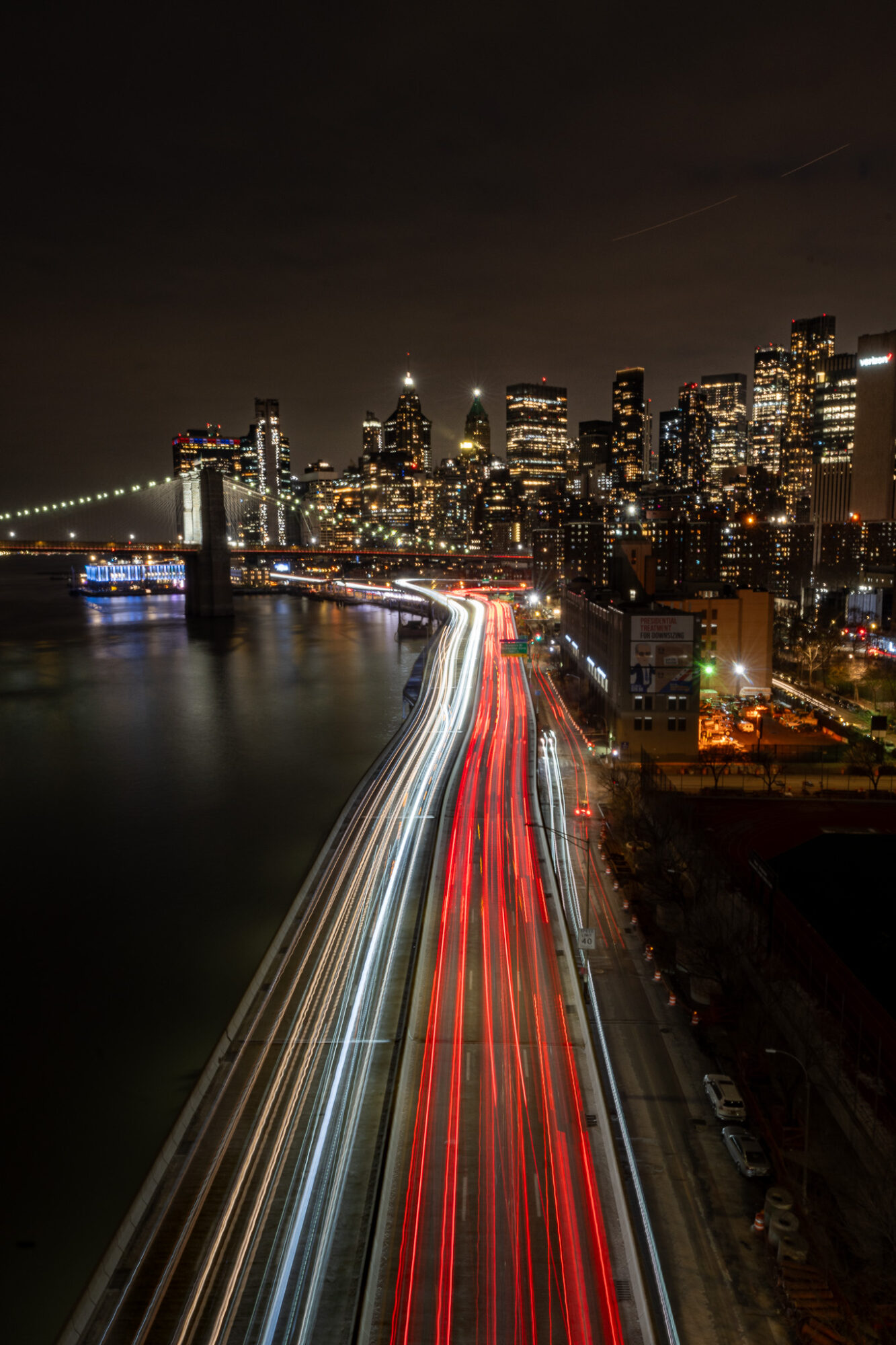
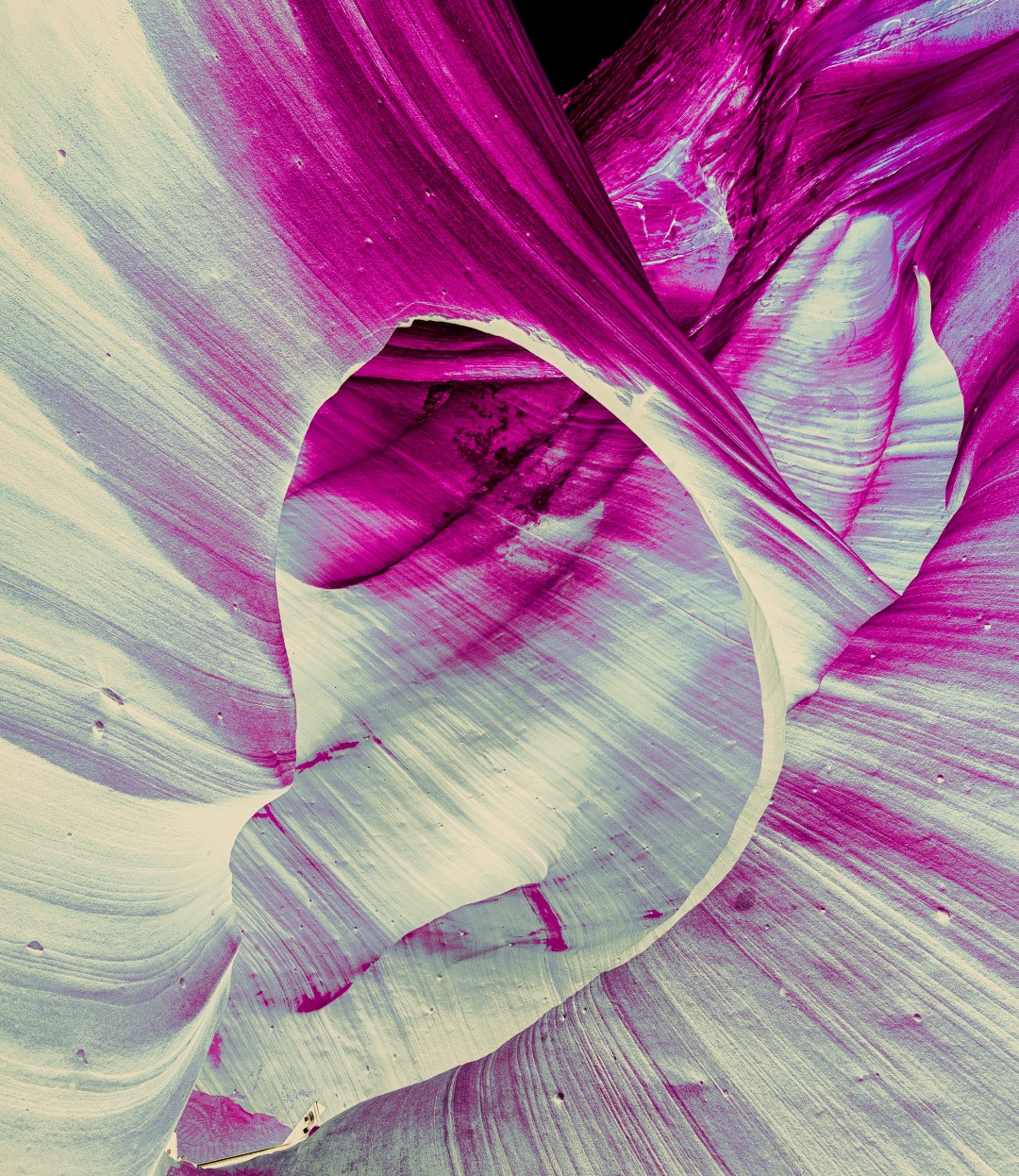
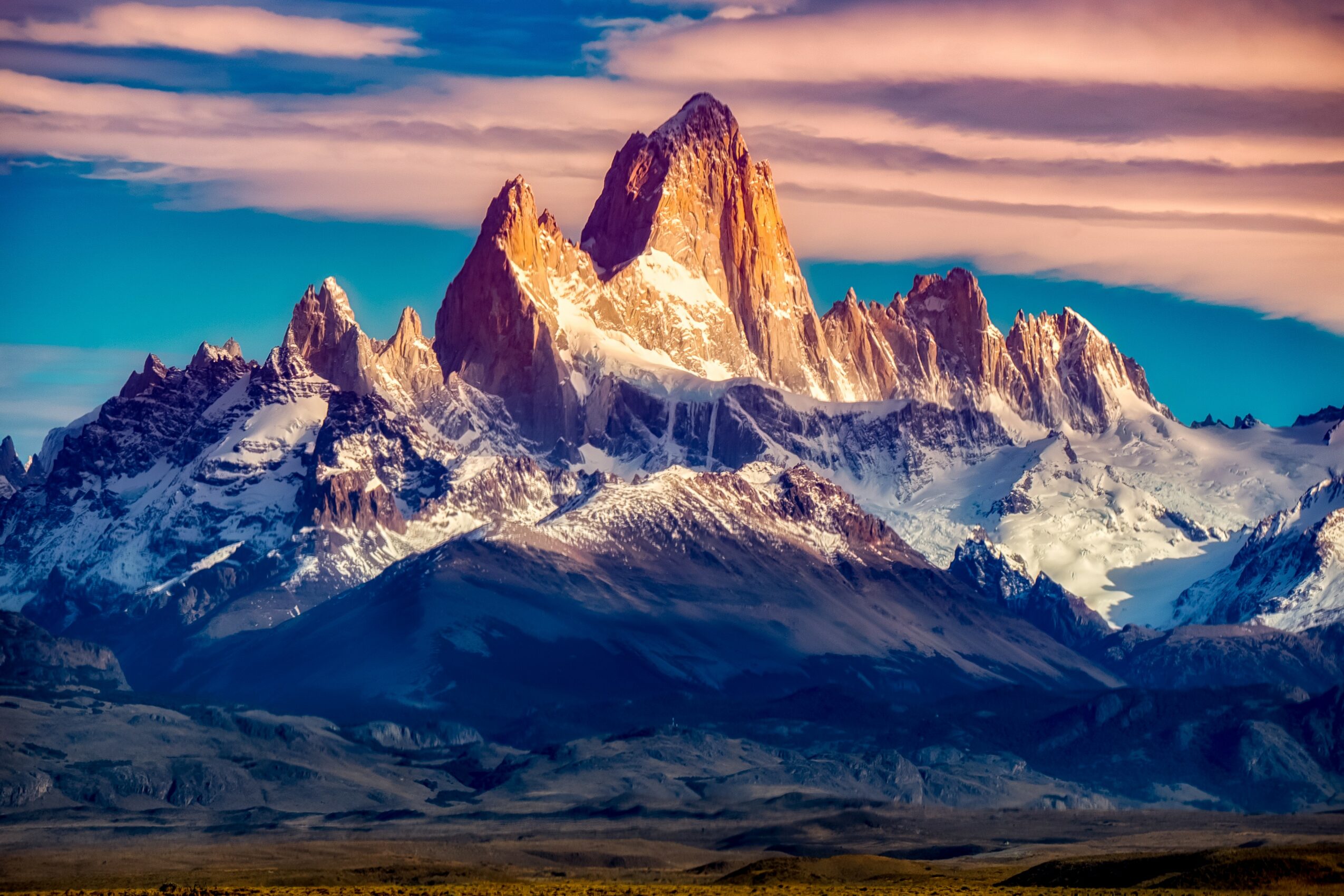
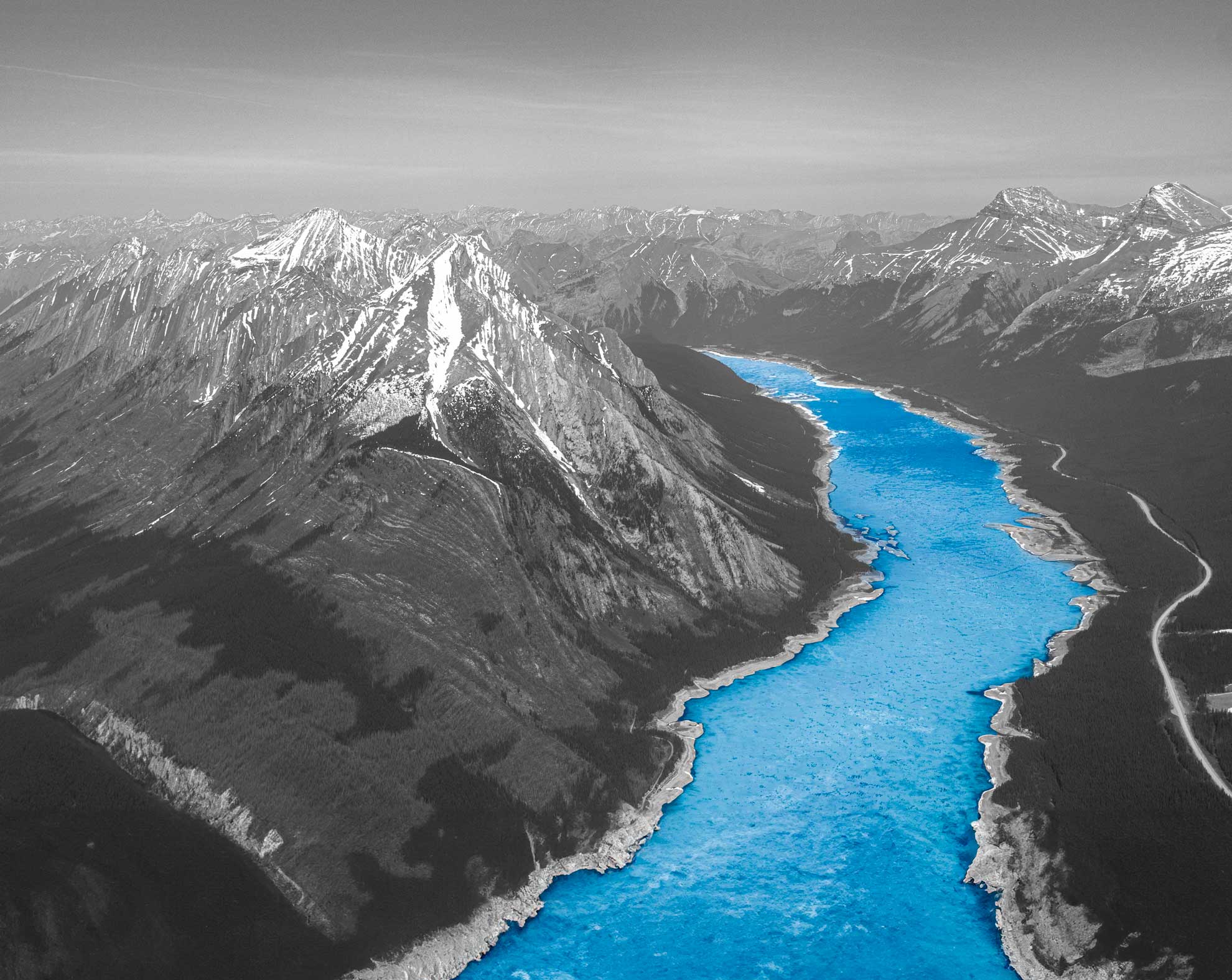
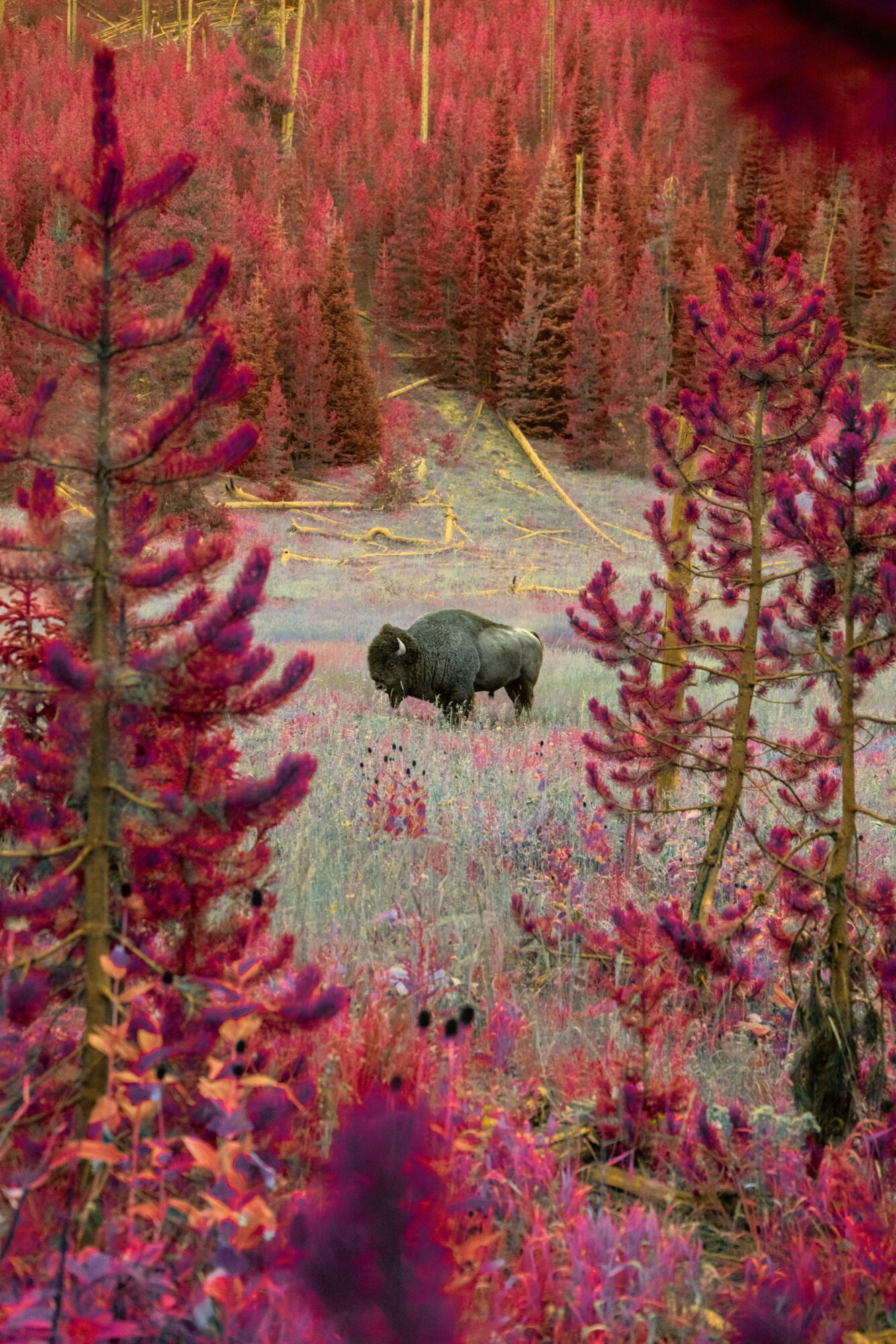
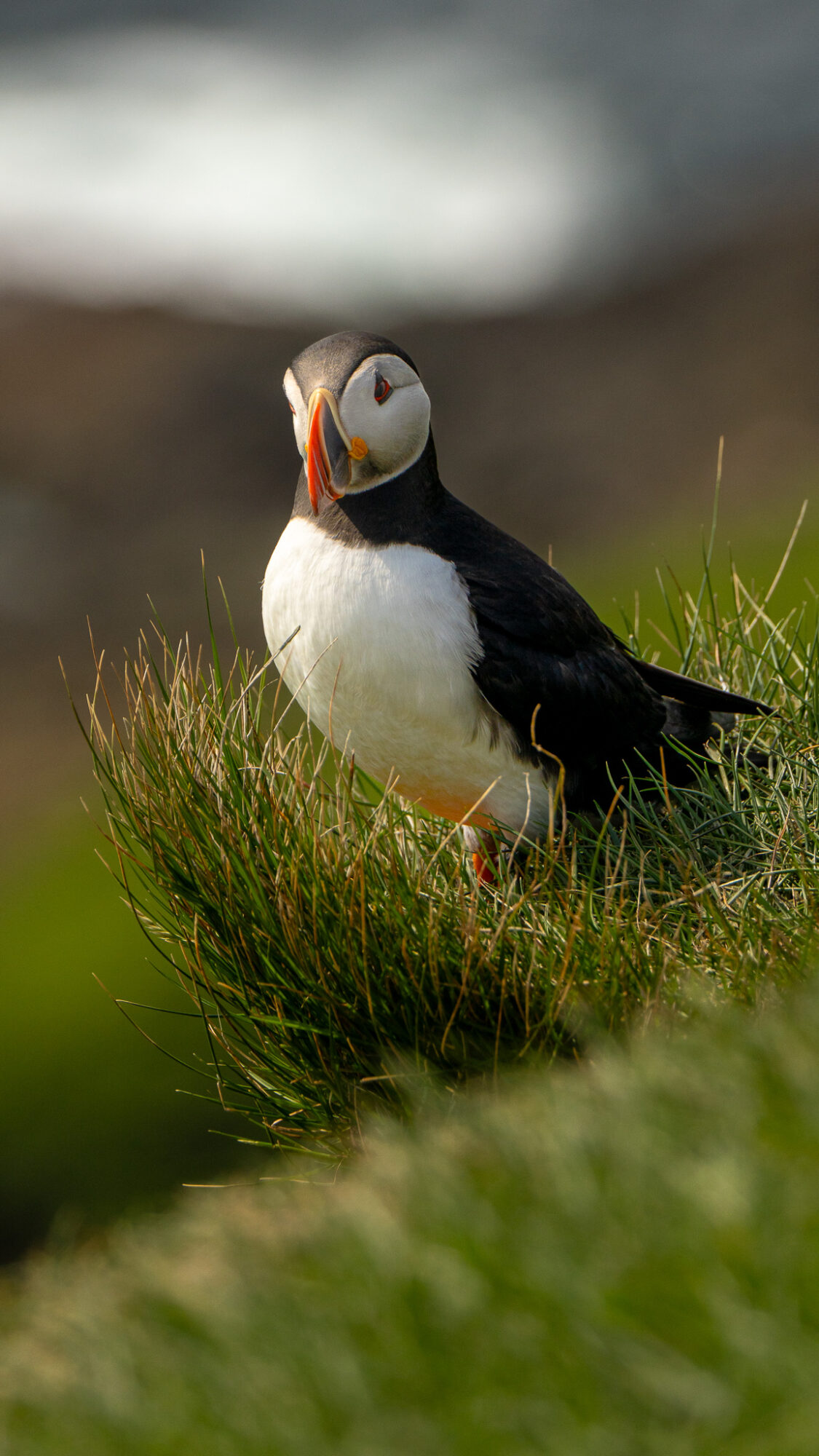
Image Credits
Giorgio Suighi
Popular
-

Cedar Boschan on Elevating Black Music Rights and Driving Urgent Conversations Around Credit, Equity, and Artist Protection
-

Portraits of the Valley
-

LA’s Most Inspiring Stories
-

Robin Olive on Building an Inclusive Performing Arts Movement and Expanding Opportunities for Every Student
-

Que Johnson on Building Brands That Last: From Visibility to True Market Authority
-

Christina Wren Steps Into the Director’s Chair to Tell Stories That Feel Like Home


