



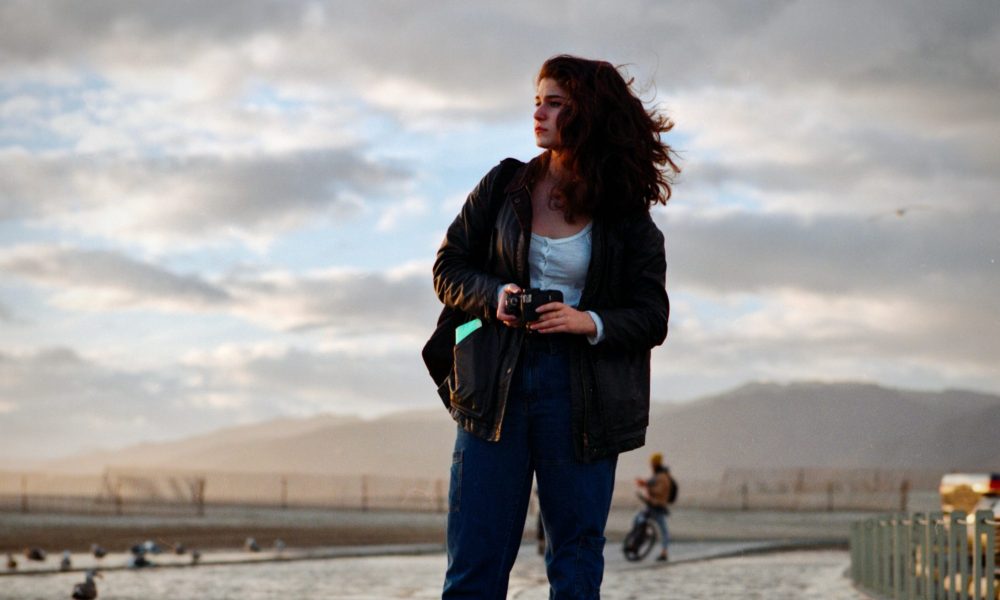
Today we’d like to introduce you to Felicia Varlotto.
Hi Felicia, so excited to have you with us today. What can you tell us about your story?
Ever since I can remember I have always wanted to make movies. Whether it was talking with my father about different films we watched together and how they were made or by making smaller short films with my friends in grade school, I couldn’t imagine myself doing anything else. I really focused on cinematography when I was in high school.
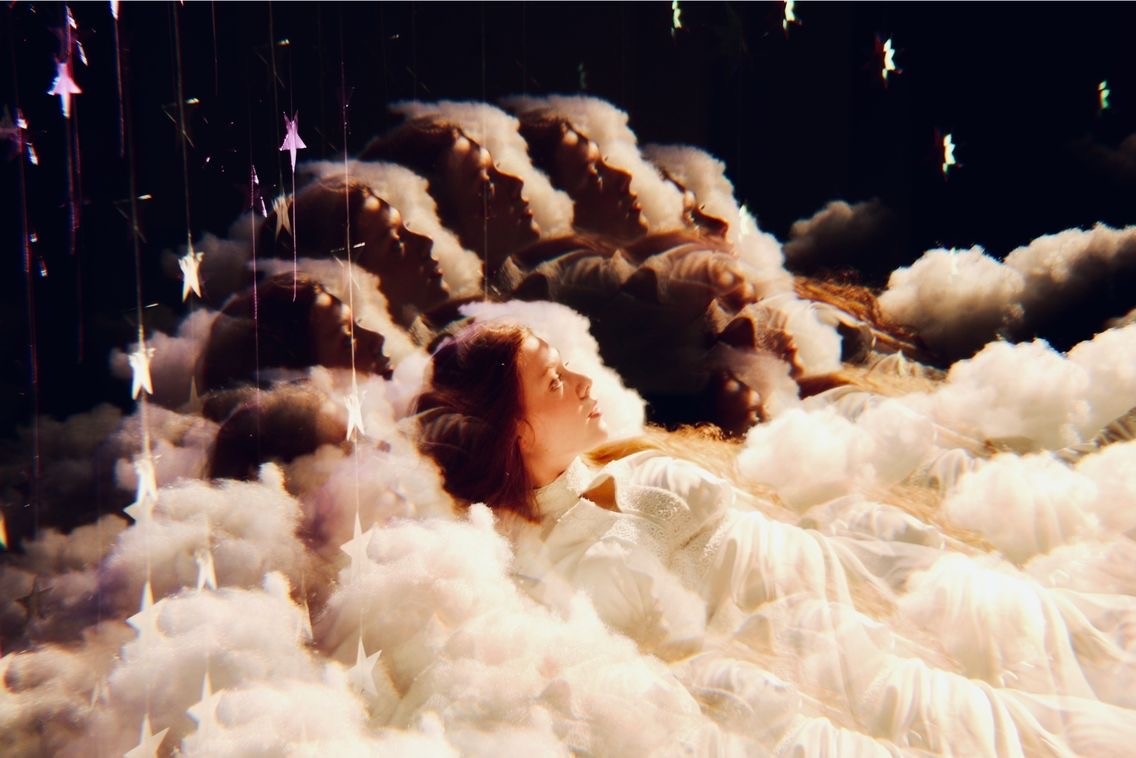
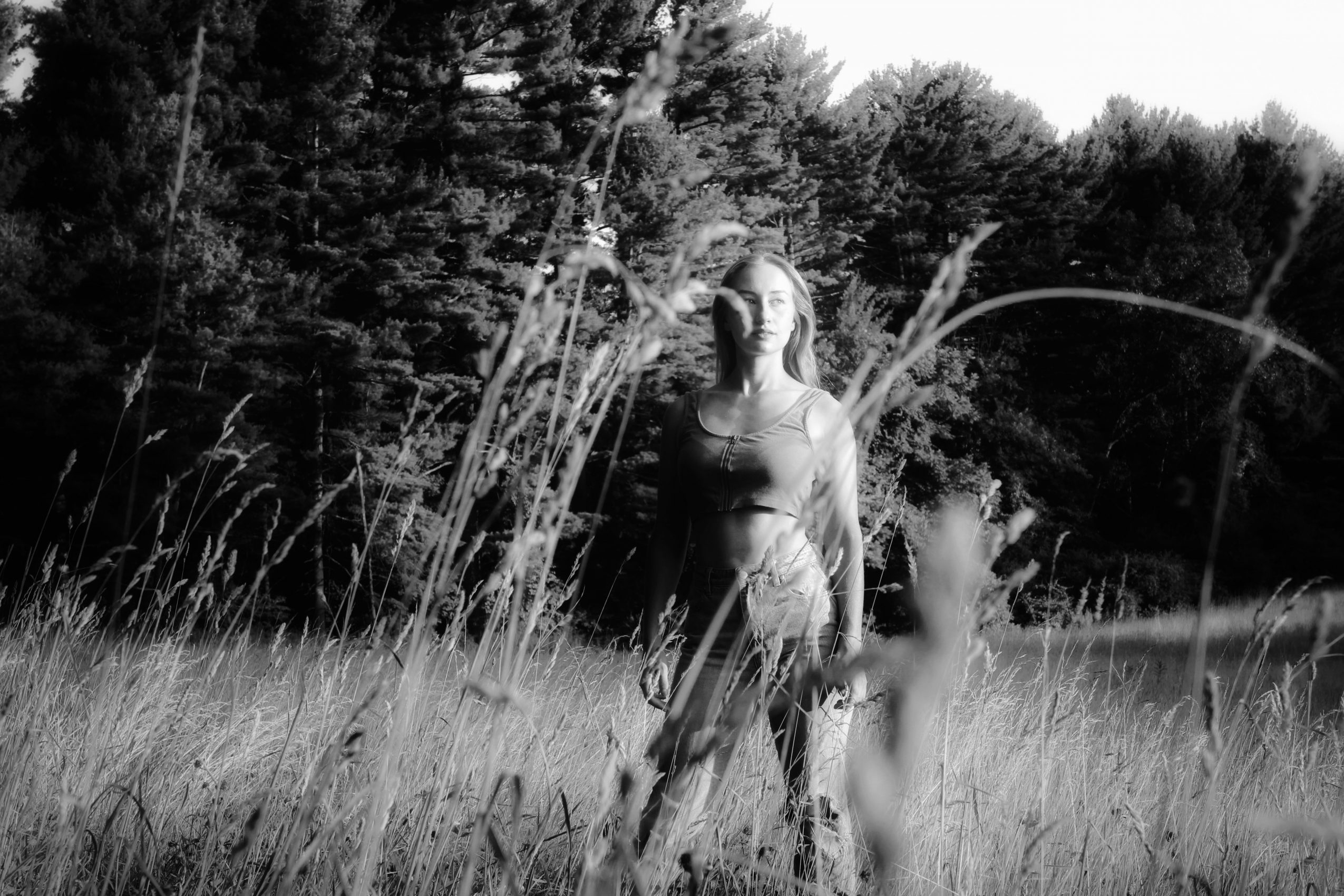
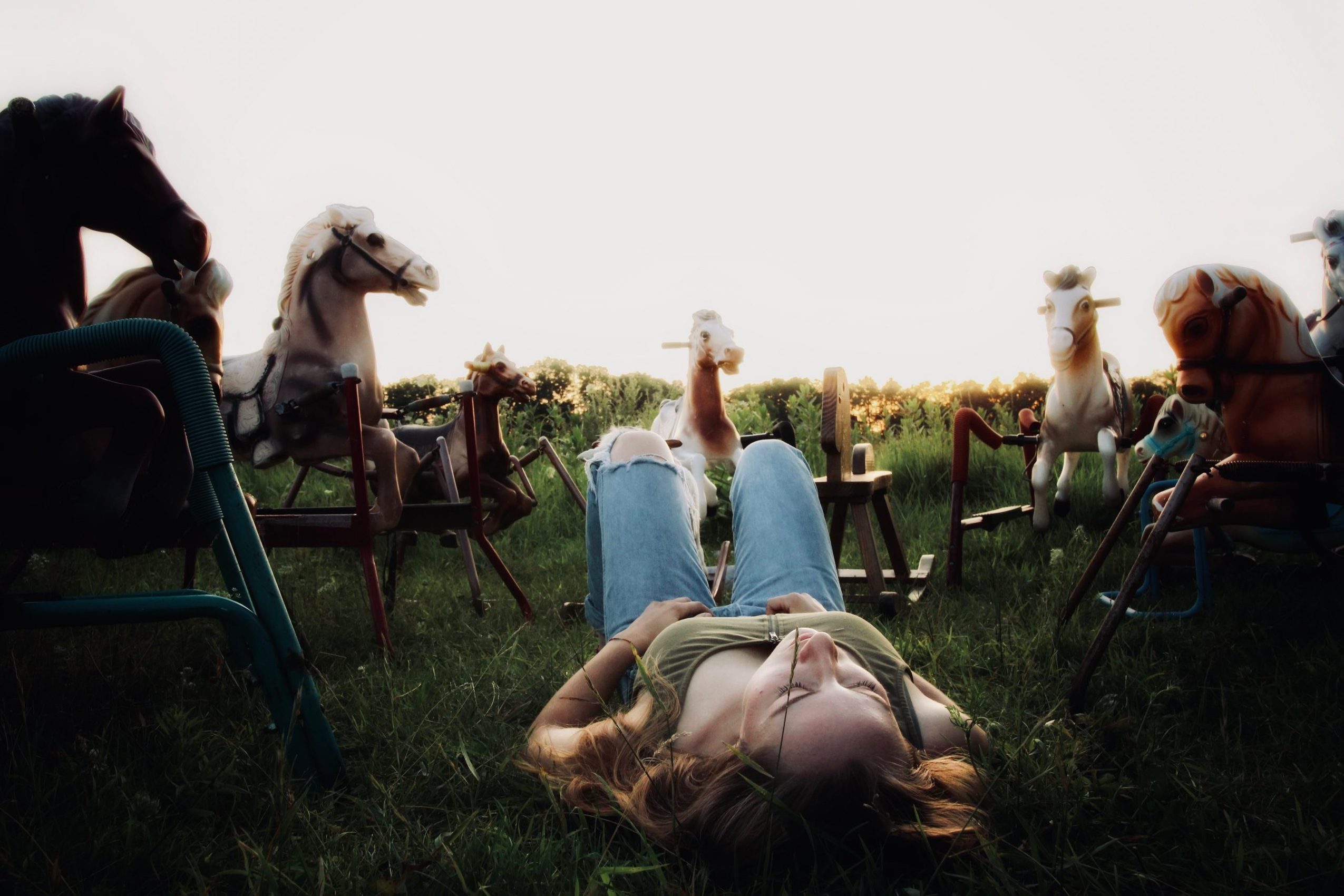
My passion first started with photography. I was very moved by the day-to-day images in my routine life or when I traveled to new places. I realized that I wanted to capture these images in new or profound ways through my own distinct style. I often started with photographing my friends in portraits and then researching how to make images more dreamlike through filtration, lighting composition, or through lens selection. I love to capture the genuine and raw emotions from the subjects I am able to photograph, and I truly believe that the human element to this art is the most vital to connecting to your audience.
Through capturing these emotions, I realized that it could turn the stillness of the photo’s emotion into a living and animated vision through cinematography. I have always wanted my viewers to feel a connectedness to my work. I’ve additionally had a deep passion for reading since I was a kid and felt that films were like complex texts that needed to be deciphered. By capturing a deeper feeling and/or expression in conjunction to the many facets of filmmaking, I feel that I could make others feel moved by what they saw.
Around the age of 6, I was diagnosed with a visual condition called diplopia, which causes a person to have double vision. After surgical correction, I felt for the very first time that I quickly was able to see the world in a sharp focus that I never could have imagined. However, my visual blurring made me appreciate abstract visuals, experimental designs, and inventive shots/camera angles. Since then, I have developed a deep appreciation and love for what I could/can currently see and have never take my visual acuity for granted. Whether it is observing the light around me in differing places or taking in the beauty of a landscape, I truly believe that as filmmakers, we must always show a deep love and curiosity for the world around us.
Can you talk to us a bit about the challenges and lessons you’ve learned along the way? Looking back, would you say it’s been easy or smooth in retrospect?
Like any craft, there is always room for improvement and places to learn. I think every creative person can learn from their mistakes, if they take the opportunity and time to reflect and learn in order to continually improve throughout their career. There can also be some challenges with being a woman and doing something technical like I do with cinematography. While I have worked with some very wonderful people, sometimes there are people who see me as unknowledgeable because of my age or not having enough physical strength to handle the heavy equipment in cinematography because of my gender. With situations like this, I feel that it is important to understand that you should never give up on your dreams by continuing to work by demonstrating your knowledge, showing your determination and kindness, and producing great work.
Alright, so let’s switch gears a bit and talk business. What should we know about your work?
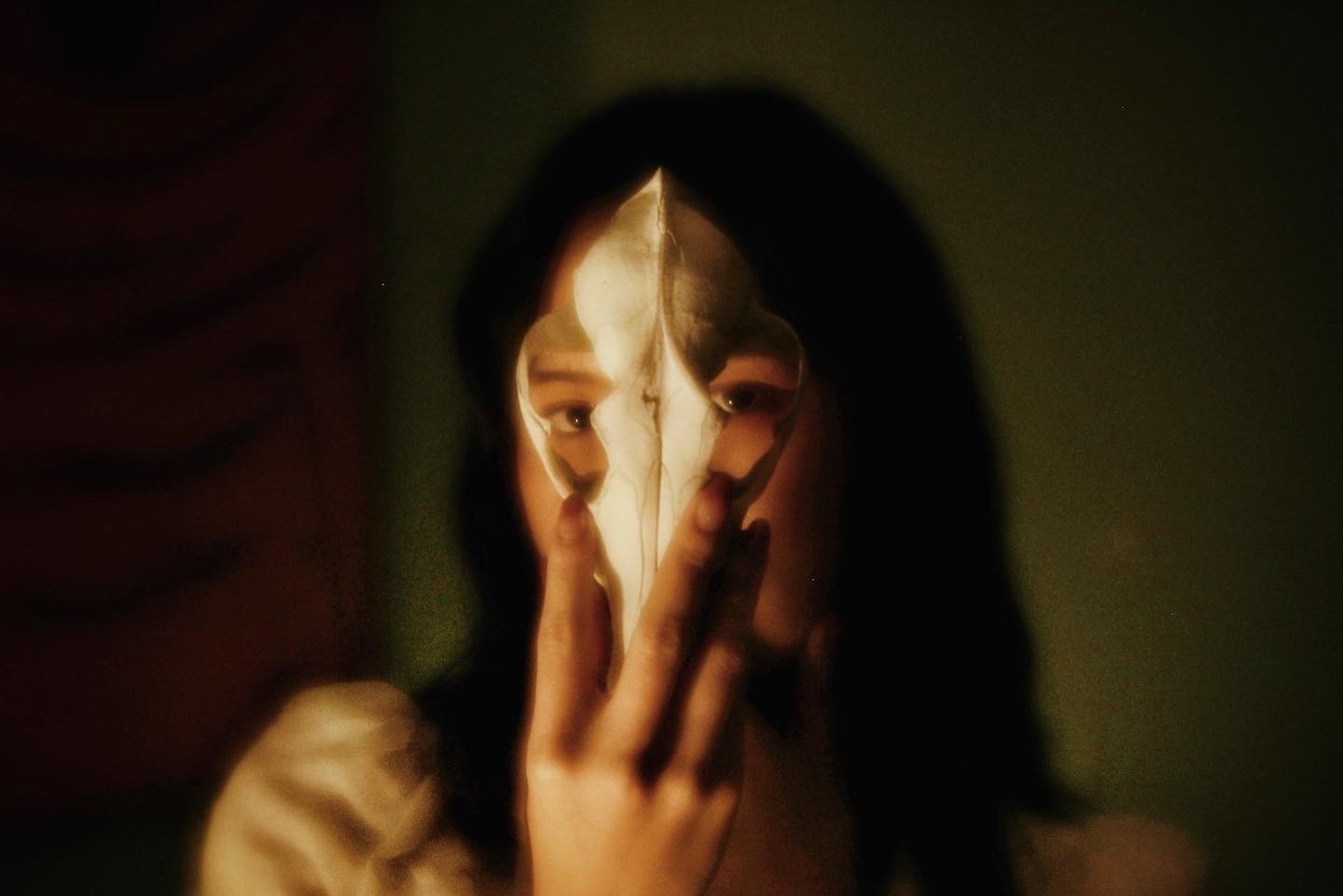
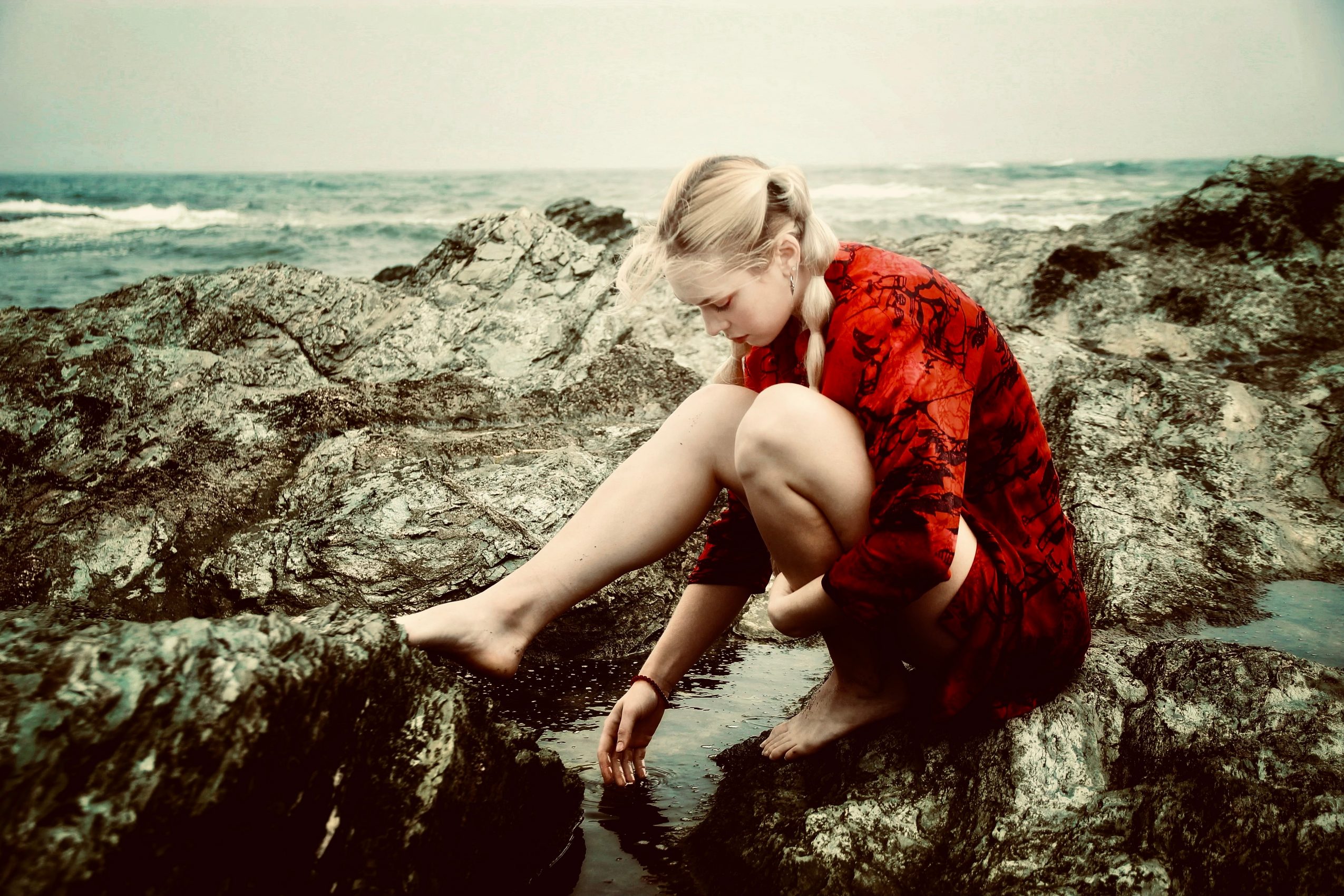
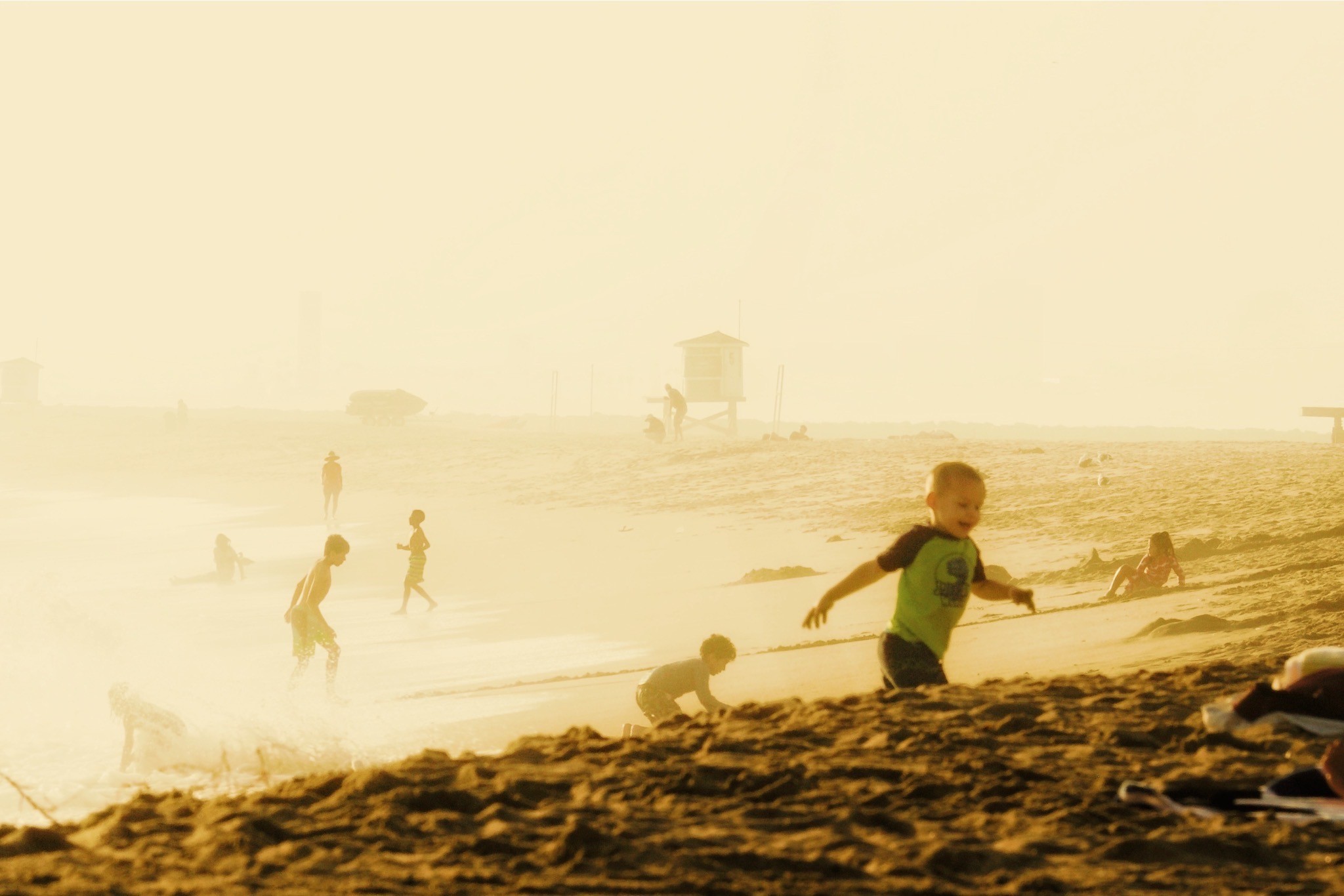
I think my work comes directly from my heart because I love what I do. I’m often drawn to films or movies that carry vulnerability and relatability by demonstrating reality in a surreal dream-like appearance. Much of my work captures a softness in the overall environment because I try my best to capture the feelings and emotions in the script through the performances of the actors or subjects. When I pick up a projects and read through the script, I try to find the moments that display the most human emotions. From there, I think of the film’s overall message and tone and work to find the best way to present the script visually through thorough collaboration with my team and director. I really love obtaining the director’s view and translating it onto film in ways that help to boost his or her creative vision. I additionally love to pick colors, aesthetics, and compositions that I feel best fit with the story. I believe what sets me apart from other cinematographers is the very soft visual dream-like look via hazy imagery that I capture. I also feel that my use of color and shadows creates a very expressive contrast through lighting. I also tend to like overexposure when it is necessary for the story. In terms of other cinematographers who have inspired me, I really love Janusz Kamiński and Natasha Braier. For Kamiński, I tend to refer back to his work from the early 90’s to 2000’s and also some of his most recent work. I appreciate his stronger backlit lighting, hazed environments, and very directed camera movements. I am also incredibly inspired by Natasha Braier because of her display of distorted reality through her brilliant choices of lenses/filters/flares and expressive and bold use of color within her lighting schematics. They are both definitely two of my favorite cinematographers of all time and have greatly inspired me.
Are there any books, apps, podcasts, or blogs that help you do your best?
In terms of inspiration, when I think of color, I always refer back to the book The Secret Lives of Color by Kassia St. Clair. This book specifically discusses the history and meaning of color in rich and historical detail. The book demonstrates the associations of the colors and their associated emotions. When I am thinking of specific colors to use in a film, I usually refer back to this book to make sure that my color selection will best fit the complexity of the emotions of the story.
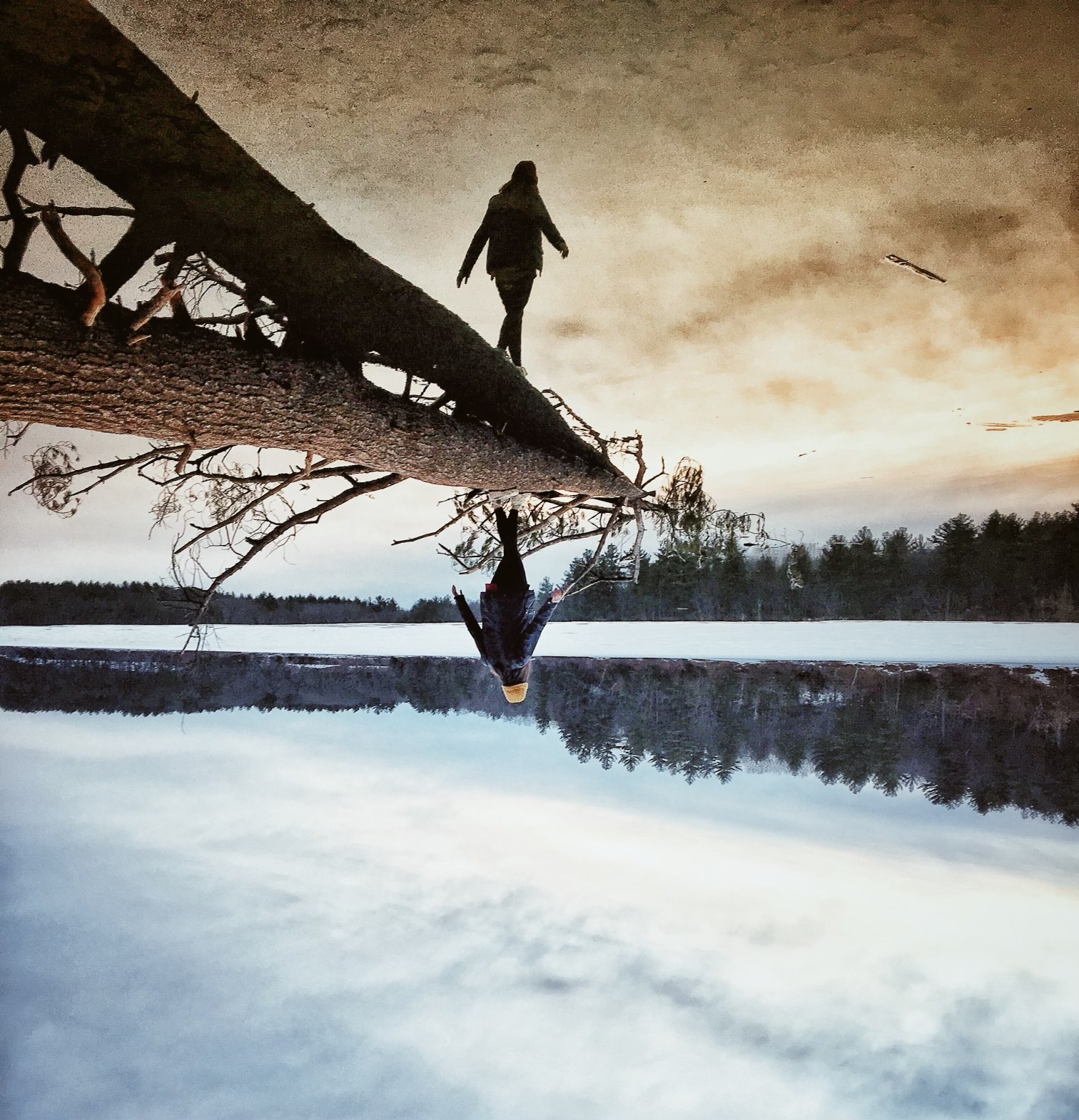
I also tend to study many photographers for inspiration. The three photographers I come back to often are Elizaveta Porodina, Maya Beano, and Summer Wagner. What I think is very synonymous with their work is the dream-like softness within their photography. With Elizaveta Porodina, I think her very Avant grade approach to photography is absolutely brilliant, as is her choice of color, costuming, and texture. Her very surreal aesthetic and bold creative choices have deeply affected the work that I continue to create. With Maya Beano’s work, I love that she takes natural landscapes and creates a very soft and well-composed image that feels otherworldly. She finds a way to capture the world’s most natural beauties in such a unique and fascinating way that is very transforming. Lastly, I really appreciate Summer Wagner’s work for its very haunting/isolating composition and soft visual style. I love how her images feel nostalgic and desaturated.
Many of her images are in more grounded in natural environments but display a bit of magical realism via visual tricks that make a viewer see things that they otherwise might not. There are many other photographers I study, but I feel that right now, these particular artists are the ones I refer back to frequently.
I also study vintage as well as current fashion. I study a lot of avant-garde fashion and, more specifically, the work of Thierry Mugler and Iris Van Herpen. I am impressed by how both designers create such imaginative and creative pieces of art that can be worn. What is most fascinating about studying both designers is seeing the way they design
fashion in terms of their mechanics and how each piece moves based on the story or concepts behind the designs. It helps me to think very practically about textures within the stories that I create and would like to present within my own cinematography or photography.
Contact Info:
- Instagram: @feliciavarlotto
- Other: Link to VSCO: https://vsco.co/fmlotto/gallery
Popular
-

Portraits of the Valley
-

LA’s Most Inspiring Stories
-

How Amy Beavington Is Creating a More Grounded, Inclusive Approach to Spirituality Through Community and Self-Discovery
-

How MEL Symphonic Is Expanding His Creative Sound Through Collaboration, Emotion, and a Bold New Musical Direction
-

Dricka Crawford Is Expanding Two Girls & a Drink by Bringing Globally Inspired Cocktail Experiences to Weddings, Corporate Events, and Celebrations of All Ages
-
Saba Moor-Doucette Is Redefining Longevity by Building a Career Fueled by Creativity, Fitness, and Fearless Reinvention


