




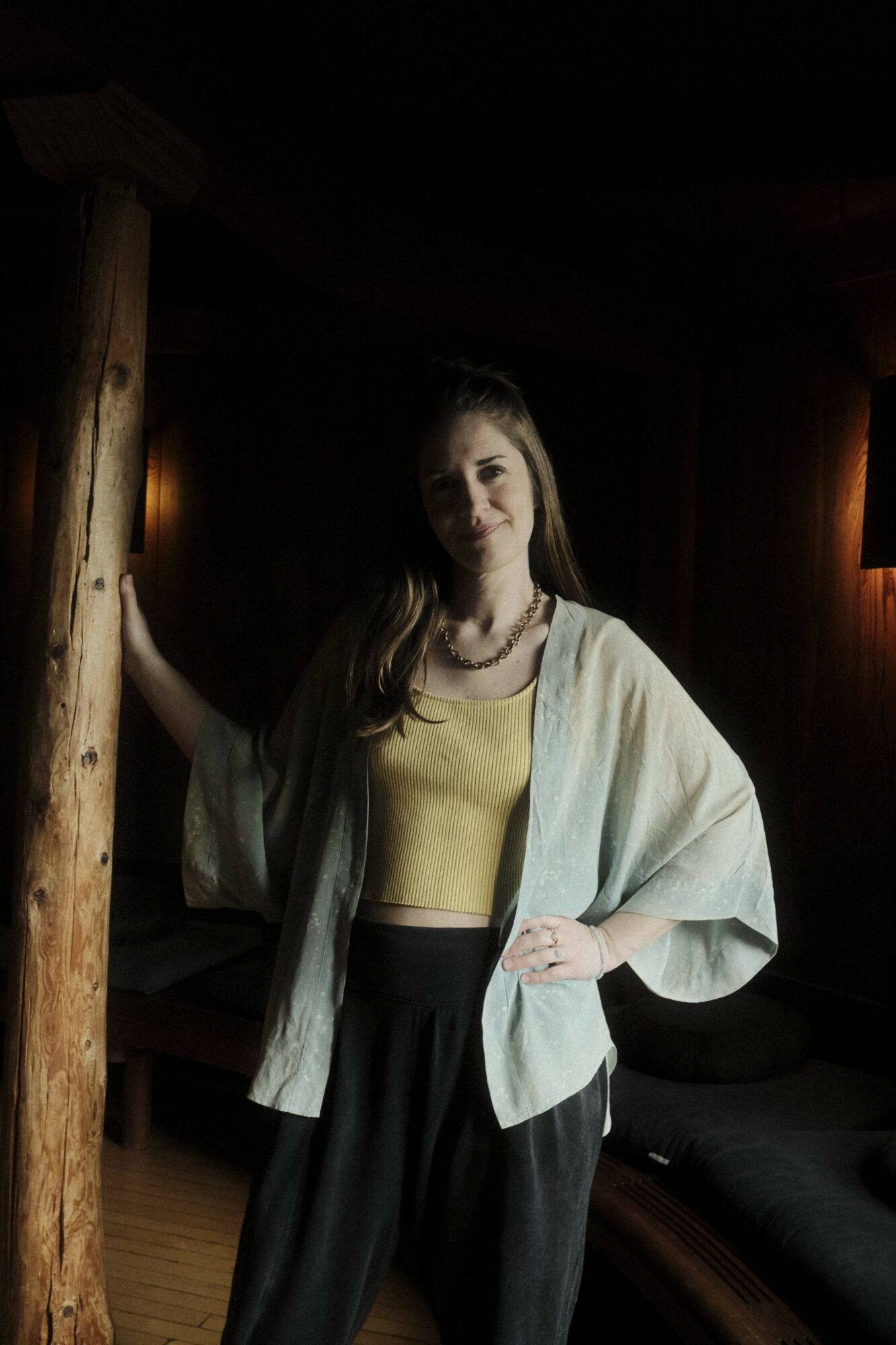
Today we’d like to introduce you to Aria Diana.
Aria, we appreciate you taking the time to share your story with us today. Where does your story begin?
I didn’t plan to become a relationship coach—especially not in the world of non-monogamy. Like a lot of people, I started inside a very traditional framework of love and partnership, carrying assumptions I didn’t even realize were there. In my early relationships, I found myself repeating patterns I couldn’t quite explain—getting pulled into dynamics that felt meaningful but also destabilizing and unsustainable. When those relationships shifted or ended, it pushed me into a deeper kind of reflection about what I was actually seeking, and why.
One of the most pivotal realizations for me was that the challenges I was facing weren’t just about the people I was with—they were rooted in the frameworks I had inherited. I started questioning the idea that one person should meet all of my emotional, romantic, and sexual needs. That curiosity eventually led me into exploring non-monogamy, which at times, was deeply confronting as I composted the relationship escalator and exclusivity as proof of love and learned new tools and frameworks to build something I hadn’t seen modeled around me.
Instead of trying to think my way through the discomfort, I became interested in what was happening in the body—why certain situations felt like a threat, even when I consciously believed in what I was practicing.
Over time, I began sharing what I was learning—first with friends and partners, then through writing and somatic coaching. I saw how many people were struggling not because they were “bad at non-monogamy,” but because they were trying to approach deeply emotional experiences with purely cognitive tools.
Today, I work with individuals and couples navigating non-monogamy, polyamory, and complex relational dynamics, helping them build security, self-trust, and more honest forms of connection.
I’m sure it wasn’t obstacle-free, but would you say the journey has been fairly smooth so far?
It definitely hasn’t been a smooth road. In many ways, the challenges are what shaped both my personal growth and the work I do with clients now.
Early on, I thought that choosing non-monogamy would feel expansive and freeing, and while it did at times, it mostly brought a lot of my insecurities to the surface. I experienced jealousy, comparison, fear of being replaced, and moments where my nervous system felt overwhelmed. There were times I questioned whether I was “cut out” for it at all.
A big part of the struggle was realizing that I couldn’t think my way through those experiences. I could understand things intellectually, but my body was having a completely different reaction. Learning how to work with that—through somatic practices, nervous system regulation, and parts work—was a long and ongoing process. That personal exploration helped me build the foundation of my approach to support others on similar journeys of trying to build more complex relationships.
I also had to confront patterns in myself, like over-accommodating, avoiding hard conversations, or trying to maintain connection at the expense of my own needs. That meant learning how to set boundaries, tolerate discomfort, and stay present in conversations that felt vulnerable.
Looking back, none of it has been linear or easy—but it’s been incredibly generative. The struggles I’ve moved through personally, combined with what I’ve witnessed in my clients, have directly shaped how I relate and coach today. It’s allowed me to support people in a way that’s not just theoretical, but grounded in lived experience and practical, sustainable change.
Appreciate you sharing that. What else should we know about what you do?
I’m the author of the Substack “Navigating Non-Monogamy with Aria Diana,” and a relationship coach and somatic facilitator specializing in non-monogamy and complex relational dynamics. I work with individuals and couples who are navigating things like jealousy, insecurity, communication challenges, shifting relationship structures, and the emotional impact of opening up a relationship. A lot of my clients are thoughtful and self-aware, but feel overwhelmed by how intense the experience can be in their bodies.
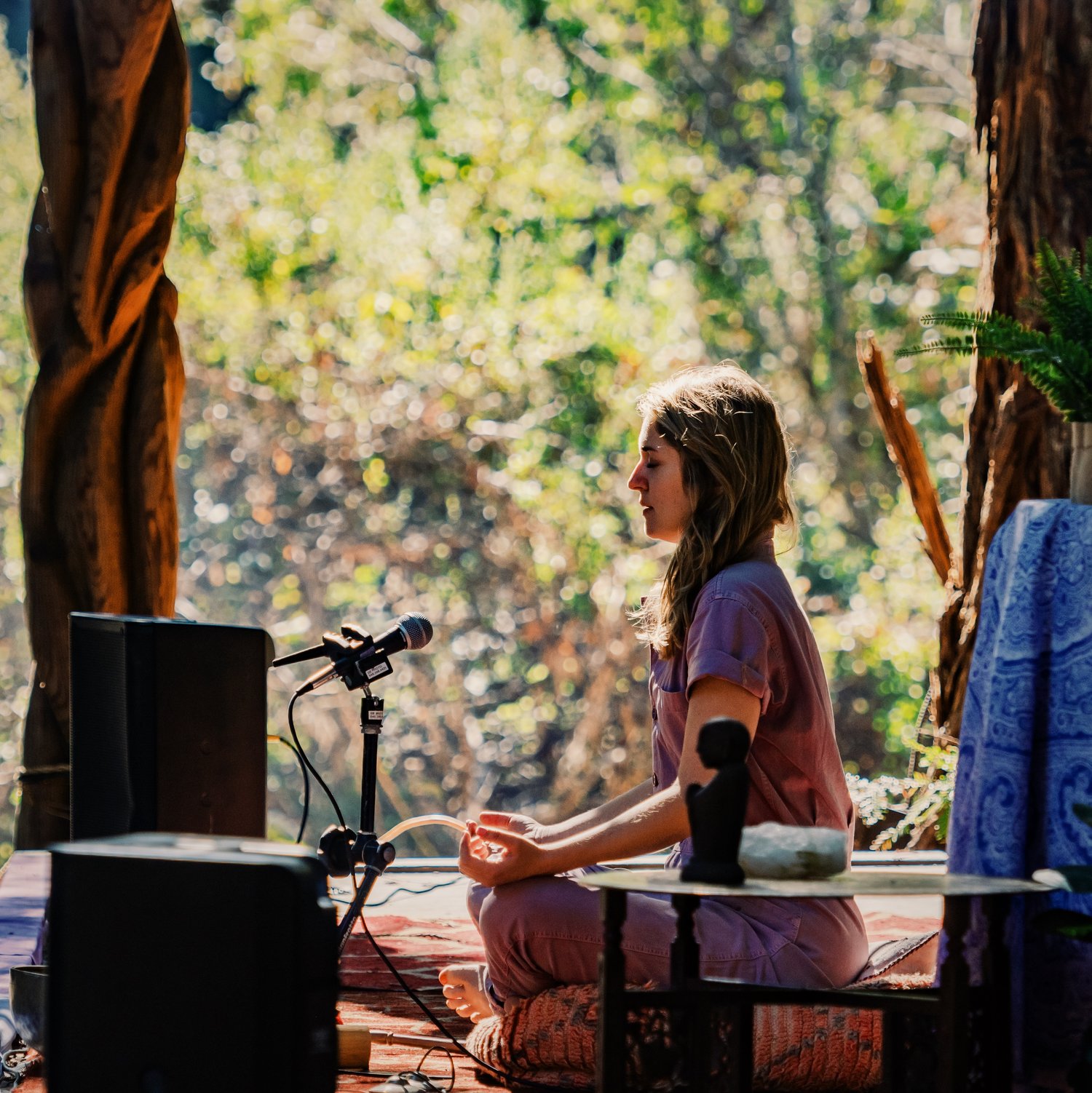
What I’m most known for is bringing a nervous system–informed, somatic approach to non-monogamy. Instead of focusing only on communication frameworks or agreements, I help people understand what’s happening underneath their reactions—why something feels like a threat, how their body responds, and how to build the capacity to stay present with sensation rather than react or shut down. I also integrate parts work and mindfulness, so clients can relate to their inner experiences with more compassion and clarity.
I’m especially passionate about helping people move out of the idea that they need to “get it right” or be perfectly secure in order to do non-monogamy well. My work is more about expanding emotional capacity, and creating relationships that are honest and sustainable, not just ideal in theory.
What sets my work apart is that it’s deeply experiential. I don’t just offer insight; I give people tools they can use in real time, in the middle of a trigger or a hard conversation. I also bring a lot of my own lived experience into the work, which allows me to meet clients with both empathy and practicality.
What I’m most proud of is the impact this work has had on people’s lives both in their relationships, but in how they relate to themselves. I’ve worked with people who have moved from constant reactivity and conflict into a place of more stability, clarity, and connection. And beyond coaching, I’ve built a growing body of writing on Substack with readers in 48 states and 78 countries. It feels really good to help people feel less alone in this process and more equipped to build new polyamorous or non-monogamous relationship structures that work for them.
So maybe we end on discussing what matters most to you and why?
What matters most to me is helping people build a sense of safety and self-trust within themselves—especially in moments when it would be easier to fight, flee, or abandon their own needs.
So much of what I see, both personally and in my work, is how quickly we lose ourselves when relationships feel uncertain. We look for answers outside of us, try to control the situation, or interpret our insecurities as evidence that something is wrong. I care deeply about supporting people in slowing that process down—so they can stay connected to themselves while navigating complex, often vulnerable relational dynamics.
This matters to me because I’ve lived the alternative. I know what it feels like to feel destabilized in love, to question your worth, to try to “solve” your emotions instead of actually being with them. And I’ve also experienced how transformative it is to develop the capacity to stay present and make choices from a place of clarity rather than fear.
At a broader level, I care about expanding the way we understand relationships altogether. Moving away from rigid, one-size-fits-all models and toward something more conscious, collaborative, and honest. Whether someone is monogamous or non-monogamous, I believe relationships can be a space for growth, integrity, and deeper connection—when we have the tools and support to navigate them well.
Ultimately, what matters most to me is helping people feel more at home in themselves, so the relationships they build come from that place rather than trying to compensate for its absence.
Contact Info:
- Website: https://www.ariadiana.com
- Instagram: https://www.instagram.com/aria__diana/
- Youtube: https://www.youtube.com/@AriaDianaRelationshipCoaching
- Other: https://ariadiana.substack.com/
Popular
-

Robin Olive on Building an Inclusive Performing Arts Movement and Expanding Opportunities for Every Student
-

Portraits of the Valley
-

LA’s Most Inspiring Stories
-

Que Johnson on Building Brands That Last: From Visibility to True Market Authority
-

Christina Wren Steps Into the Director’s Chair to Tell Stories That Feel Like Home
-

JordanL on ‘Breathe,’ Belief, and Building a Movement Beyond the Music


