




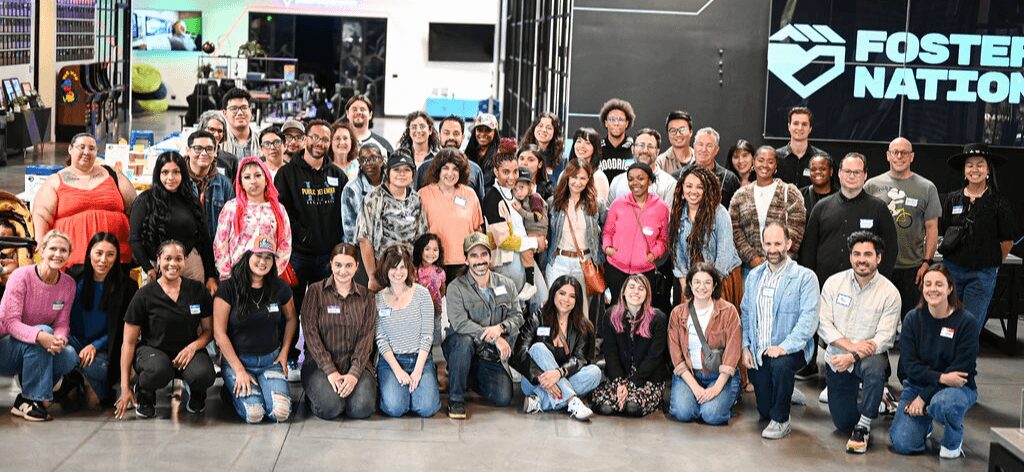
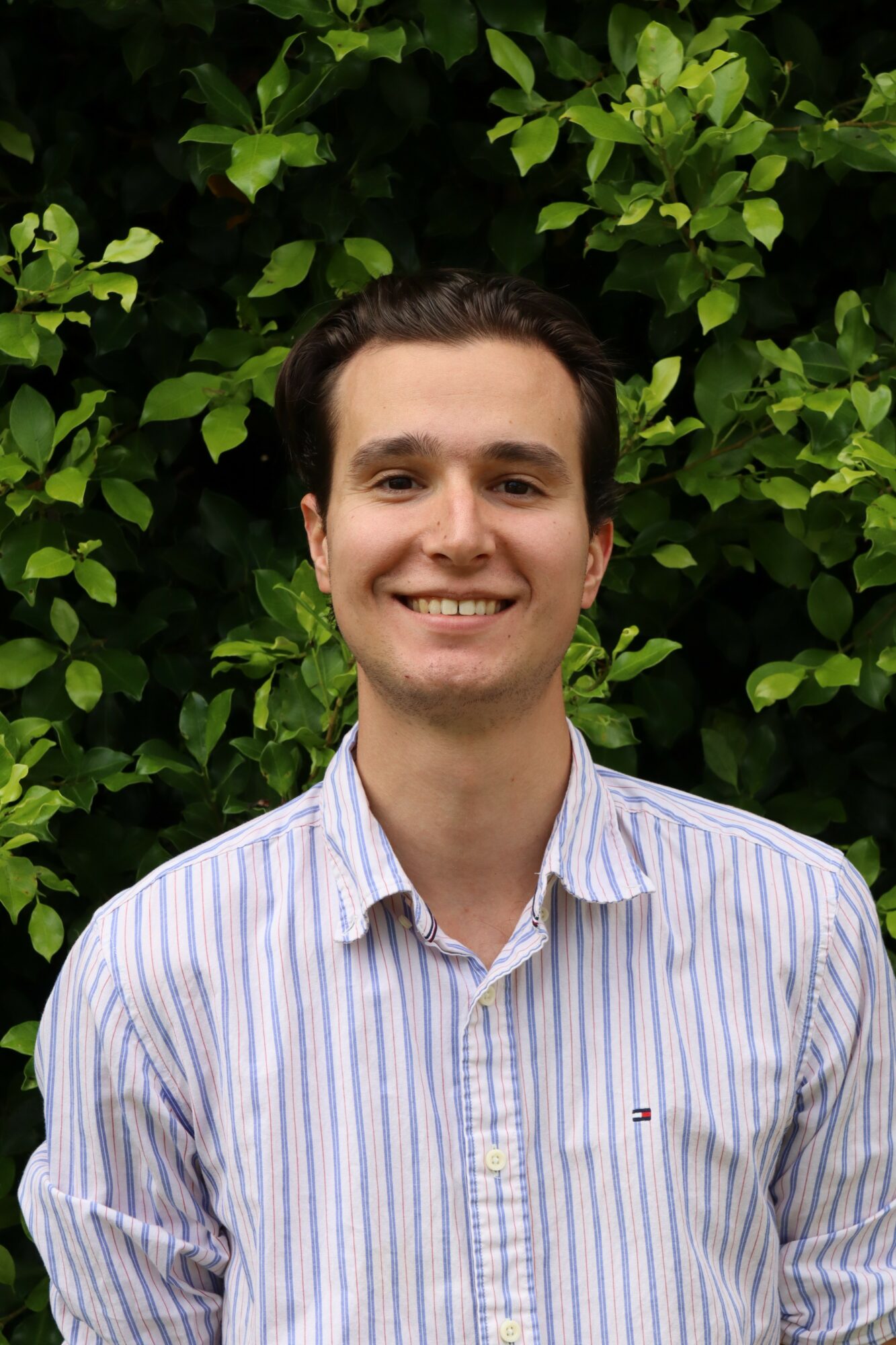
Today we’d like to introduce you to Alec Marcellin.
Alright, so thank you so much for sharing your story and insight with our readers. To kick things off, can you tell us a bit about how you got started?
My career has always been built at the intersection of for-profit innovation and non-profit impact. Early on, while helping to launch a venture dedicated to fighting food insecurity, I recognized that the most effective solutions to systemic gaps require a unique blend: the agility of a startup and the deep empathy of a social mission. It was during this time that I began to see a recurring through-line—a profound and often invisible barrier facing our nation’s foster youth. As I dove into the statistics, the disparities became impossible to ignore. I saw a crisis where young adults age out of the system only to face disproportionate rates of housing instability, food insecurity, and unemployment. What struck me most, however, wasn’t just the data; it was the realization that while this problem was massive, the general public seemed to have almost no understanding of its depth.
At that moment, I was the same age as many of the youth who were emancipating from the system. I became acutely aware that the primary difference between success comes down to social capital—the safety nets and “who you know” connections that many of us take for granted. Without a community to lean on, even the most talented, resilient, and dedicated individuals are left to navigate a world that can be indifferent to their survival. I knew then that supporting foster youth was exactly where I had to be, and I joined Foster Nation with a mission to bridge that gap. Over the past six years, I’ve served in nearly every capacity imaginable—from architecting our programs and managing daily operations to building the strategic partnerships necessary to support the transition from care to adulthood. I’ve seen the ins and outs of how we operate, but more importantly, I’ve seen the incredible stories and untapped potential of the youth we serve.
Today, Foster Nation is an organization built on the power of community, energized not just by the impact of our work, but by the transformative process of the work itself. We lead with deep compassion, yet we operate with the speed and agility of a modern startup, constantly listening and adapting to the evolving needs of our population. We exist because no one should have to face the world alone. Our goal is to ensure that every young person, regardless of their background, has someone in their corner who sees them, hears them, and believes in them. We aren’t just helping youth survive; we are building the support systems that allow them to achieve their dreams. With community as the ultimate safety net, together we can redefine what is possible for foster youth across the nation.
I’m sure it wasn’t obstacle-free, but would you say the journey has been fairly smooth so far?
It’s never been a perfectly smooth road, but I’ve come to realize that in this line of work, smoothness can sometimes be a sign of stagnation. At Foster Nation, we’ve almost designed ourselves to lean into the friction. Los Angeles is a city that moves fast, and the challenges facing our youth are becoming more complex by the day. To be truly effective, we can’t afford to be a rigid, slow-moving institution; we have to react in real-time, which is as exhausting as it is rewarding.
The pandemic was perhaps our greatest trial by fire. When the world shut down in March 2020, we saw an immediate, terrifying spike in food insecurity among foster youth who were suddenly displaced from their college campuses. We didn’t have the luxury of a six-month strategic planning phase. By April, we had launched our Meal Nation campaign, which eventually provided meals to nearly 100,000 foster youth across California. Looking back, Meal Nation was “built in a day.” We chose impact over preparation and action over perfect systems. That kind of rapid-fire growth isn’t without its headaches; it meant navigating massive logistical hurdles and growing pains on the fly. But because we had an incredible army of donors and a community that refused to let these youth fall through the cracks, we didn’t just survive that period—we redefined what we were capable of.
While we were fighting those immediate fires, we were also building the engine for long-term, systemic change: Sparks. This is our flagship mentorship program designed to equip young adults with career readiness, financial literacy, and the essential life skills that serve as a bridge to independence. Because we want this to be truly scalable, we’ve leaned heavily into innovation—developing custom technology and living, breathing matching algorithms.
Iteration is a messy process. It involves long nights, technical errors, and the constant work of adapting our curriculum to meet the shifting needs of our population. There are always mistakes when you’re trying to build something that hasn’t existed before. However, those struggles are where the growth happens. With a community that leans in, volunteers who drive our mission, and donors who trust our vision, we are able to turn those obstacles into a more robust safety net. We don’t just want to be a program; we want to be a responsive, evolving partner for every youth who is ready to beat the odds.
Appreciate you sharing that. What else should we know about what you do?
Without a doubt, I am most proud of the community we have built and the way we show up for one another. The foster youth we serve are some of the most incredible, resilient individuals I have ever known. Their lived experiences define our DNA. Every interaction we have at Foster Nation is shaped by their reality, and as we grow, we’ve fought to keep one thing constant: the belief that the “ground floor” must always dictate the view from the top. We operate with a level of intentionality, realness, and vulnerability that goes both ways. We don’t just offer support from a distance; we build genuine connections rooted in the truth of what our young people are walking through.
I don’t feel that anything sets me apart as an individual. Instead, I believe there is a common through-line shared by myself, our staff, and the youth we serve. It’s a specific kind of warmth—a “drop everything” mentality. In a world that often feels transactional, we lead with a culture where the person in front of us is the only person who matters in that moment. We’ve cultivated an environment where bureaucracy never stands in the way of human connection. If a young person needs us, we are there. It’s that simple.
I think the social impact world can sometimes stagnate because it’s easy for people to feel satisfied by the nobility of their mission while losing touch with the actual daily grind. At Foster Nation, we strive for a rare synergy: we are deeply moved by the impact of our work, but we also genuinely love the work itself—the messy, iterative, hands-on process of building a safety net from scratch. When you combine a love for the process with a deep-seated compassion for the people involved, the work becomes easier and the vision for what’s possible becomes much, much larger. We aren’t just looking to fill a gap; we are looking to redefine what it means to be a community that truly looks after its own.
Contact Info:
- Website: https://www.fosternation.org/
- Instagram: https://www.instagram.com/thefosternation
- LinkedIn: https://www.linkedin.com/company/foster-nation
- Other: https://fundraise.fosternation.org/campaign/be-a-spark-for-foster-youth/c633900

Popular
-

Portraits of the Valley
-

LA’s Most Inspiring Stories
-

Robin Olive on Building an Inclusive Performing Arts Movement and Expanding Opportunities for Every Student
-

Que Johnson on Building Brands That Last: From Visibility to True Market Authority
-

Christina Wren Steps Into the Director’s Chair to Tell Stories That Feel Like Home
-

JordanL on ‘Breathe,’ Belief, and Building a Movement Beyond the Music


