


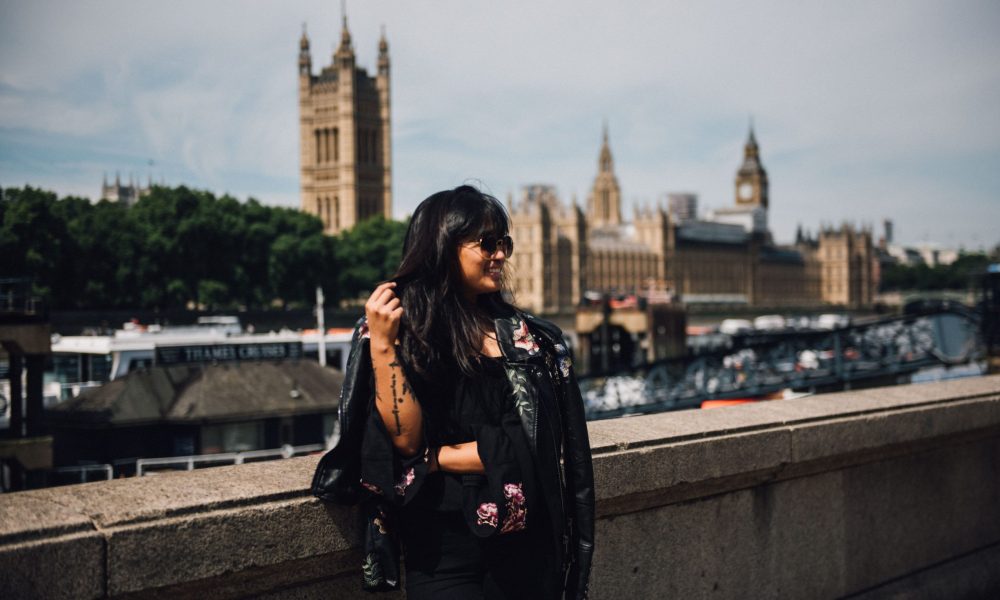
Today we’d like to introduce you to Bethany Pangilinan.
Bethany, we’d love to hear your story and how you got to where you are today both personally and as an artist.
I think growing up, I was always surrounded by photographers. My Dad was in the military so we traveled often and my Mom always documented our travels in the countries we visited constantly. It wasn’t until I was about twelve years old where I started stealing my sister’s camera and taking my own pictures of me and my friends and all of our adventures. My uncle, who is a photographer, realized I enjoyed taking photographs as much as he did and took it into his hands to mentor me.
It wasn’t until my last year of high school where I realized I wanted to go to a University and study Fine Art Photography. I was so immersed in it. It was such a huge part of my life that I didn’t realize it naturally led me there. It’s always been a constant.
We’d love to hear more about your art. What do you do and why and what do you hope others will take away from your work?
A lot of my current work revolves around mental health and the notion of family heritage and culture.
One series I have is called EFFACE. By using archival images from my family’s own personal collection, it depicts the feeling of unease of looking at old photographs of yourself and feeling a dissociation with your own identity. They show a loss of self, draining from its subjects throughout their childhood through portraiture and family photos.
Another ongoing series I have is called Coconut. It’s a series of photographs that depict the confusion of understanding your own heritage; where ethnographic studio portraiture depicts my family and I stuck between Filipino and American cultures.
What I want these works to do is open up a conversation about these topics. There is a need to have a discussion about mental health and dissociation and there is a need to have a discussion about the difficulties of fitting into society as a first generation immigrant. I want viewers to take away that they’re not alone when it comes to these subjects and we can talk about them.
The stereotype of a starving artist scares away many potentially talented artists from pursuing art – any advice or thoughts about how to deal with the financial concerns an aspiring artist might be concerned about?
It is definitely difficult in this current market to be a financially stable artist. It’s even more difficult to keep going and keep making work due to financial hardships that sometimes you want to give up. I find that I rest easier with working a normal 9 to 5 job and putting aside time to make work. As time goes on, the more you create, the more your work is out there and the more you can find yourself working on it and that soon becomes your main source of income. It takes time and hard work but it’s possible.
Do you have any events or exhibitions coming up? Where would one go to see more of your work? How can people support you and your artwork?
My website showcases everything I photograph, from my archival images to my travels and everything in-between.
One form of support for my work that is important to me is just speaking to others about it; opening up those conversations about mental health and cultural dissociation and the artistic endeavors that some people can use to inform others. Even just talk to me about it. I’d love to hear your own stories. That’s all I can ask for.
Contact Info:
- Website: www.frknbethany.com
- Phone: 9519929410
- Email: [email protected]
- Instagram: instagram.com/frknbethany
- Twitter: twitter.com/frknbethany


 Image Credit:
Bethany Pangilinan
Getting in touch: VoyageLA is built on recommendations from the community; it’s how we uncover hidden gems, so if you know someone who deserves recognition please let us know here.
Popular
-
Los Angeles Barea on Turning Green Superheroes into a Global Movement for Youth-Led Change
-

Trisha DuVivier on Bridging the Franchisor–Franchisee Divide with Workhero and “Franulate”
-

Portraits of the Valley
-

LA’s Most Inspiring Stories
-
Cedar Boschan on Elevating Black Music Rights and Driving Urgent Conversations Around Credit, Equity, and Artist Protection
-

Robin Olive on Building an Inclusive Performing Arts Movement and Expanding Opportunities for Every Student