




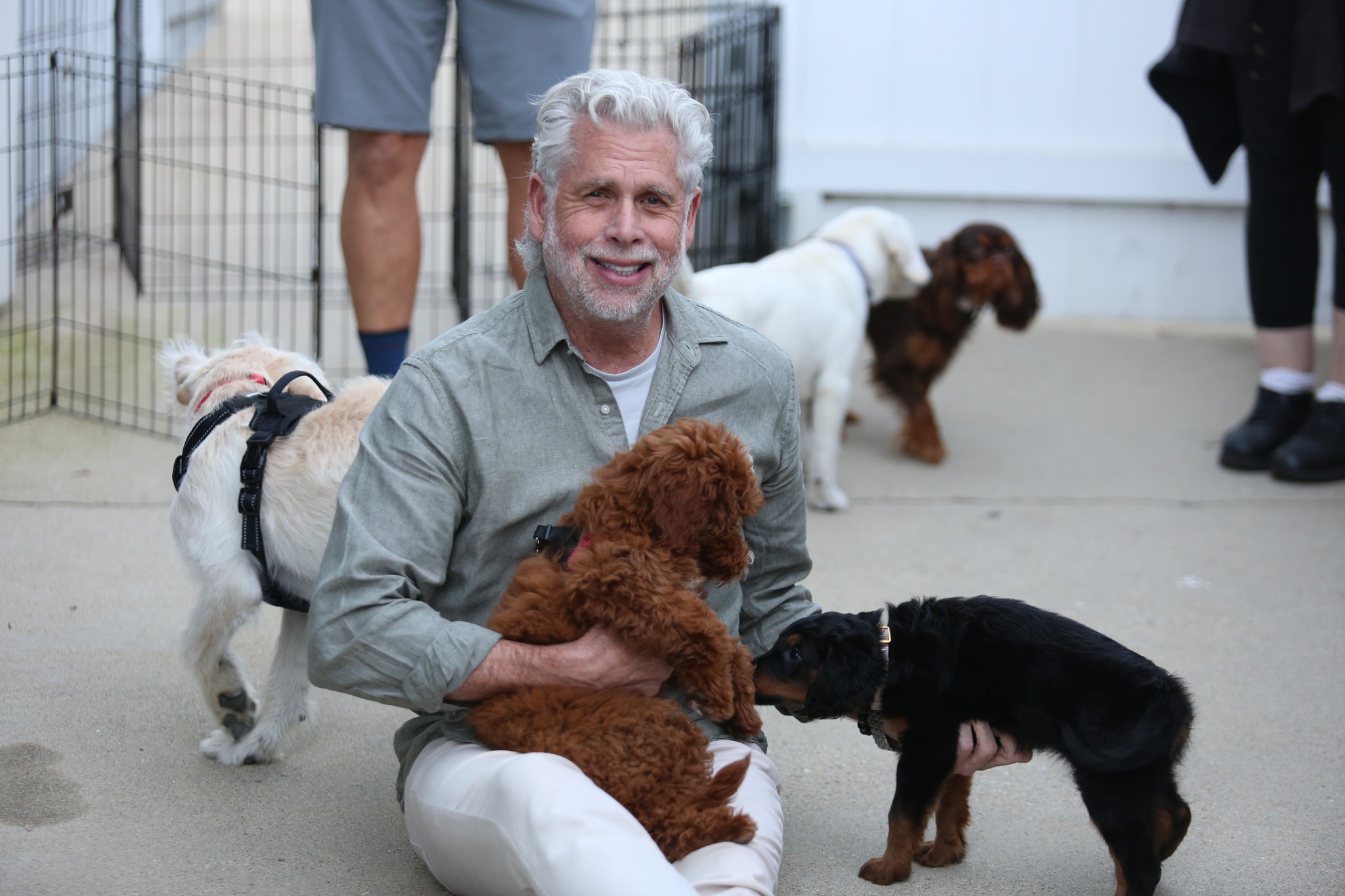
We’re looking forward to introducing you to Brian Lee. Check out our conversation below.
Hi Brian, thank you so much for joining us today. We’re thrilled to learn more about your journey, values and what you are currently working on. Let’s start with an ice breaker: What do you think is misunderstood about your business?
What’s often misunderstood is the belief that dogs are the ones that need to be trained. In truth, the work begins with the human. Teaching a dog commands, sit and stay for dog treats does not address the deeper causes of behavior challenges. Lasting change comes from slowing down, listening, and meeting a dog’s fundamental needs. When the relationship is built on trust, communication is clear and consistent, and a dog’s physical and emotional needs are honored, balance returns and behavior naturally shifts.
Can you briefly introduce yourself and share what makes you or your brand unique?
I’m Brian Lee, a professional dog trainer and behaviorist with over four decades of hands-on experience working with dogs and their people. I began my career in 1985, and over the years my work has evolved into a deeply relationship-based, holistic approach that focuses on communication, trust, and understanding rather than quick fixes or rigid techniques.
What makes my work unique is that I don’t believe in one-size-fits-all training. Every dog has a story, a nervous system, and a way of processing the world—and effective training starts by meeting them where they are. I work with the humans helping them learn how to observe, listen, and respond. When that connection clicks, real change happens.
My Way of the Dog program is centered around helping dogs feel safe, confident, and understood, while empowering their humans to become calm, consistent leaders. Right now, I’m focused on expanding educational resources and content that bridges the gap between behavior science and everyday life, making thoughtful, ethical dog training accessible to more people. At the heart of everything I do is the belief that when we build better relationships with dogs, everyone’s life improves.
Appreciate your sharing that. Let’s talk about your life, growing up and some of topics and learnings around that. What breaks the bonds between people—and what restores them?
What restores bonds is safety, consistency, and genuine presence. Trust is rebuilt when actions align with words, when boundaries are clear but compassionate, and when both sides feel seen. This translates equally with dogs, trust isn’t rebuilt through force or correction—it’s rebuilt through calm leadership, predictable patterns, and respectful communication.
Our relationships with dogs mirror our relationships with each other more than we realize. Dogs respond to who we are, not just what we ask. When we slow down, listen, and lead with empathy, we create trust—and once trust is present, connection follows. Whether it’s with another person or with a dog, strong relationships aren’t built on control; they’re built on understanding and mutual respect.
When did you stop hiding your pain and start using it as power?
Losing about 50% of my hearing changed the way I experience the world, but it ultimately made me a better trainer. When sound became less reliable, I learned to pay closer attention to what was happening in front of me—to posture, movement, breath, tension, and timing. Dogs communicate primarily through body language, and being less dependent on words sharpened my ability to truly see them.
That shift taught me something important: listening isn’t just about hearing. It’s about presence and observation. Dogs are constantly giving us information through subtle signals—ear position, weight shifts, eye softening, tail carriage—that often go unnoticed when we’re focused on verbal commands. My hearing loss forced me to slow down and read those details, and in doing so, I developed a deeper understanding of how dogs think and feel.
What began as a challenge became a strength. It shaped my approach to training into one that prioritizes awareness, patience, and connection over noise or control. In many ways, it reinforced what dogs have always been teaching us—that communication is felt as much as it is heard, and strong relationships are built through attention, trust, and mutual understanding.
Sure, so let’s go deeper into your values and how you think. Whose ideas do you rely on most that aren’t your own?
Many of the ideas I rely on most come from traditions rather than individuals—specifically Buddhism, Stoicism, and Taoism. These philosophies have deeply influenced how I understand behavior, relationships, and leadership, both with people and with dogs.
Buddhism taught me the importance of awareness and non-reactivity—learning to observe without immediately trying to control or fix. Stoicism reinforced the idea of focusing on what we can influence and letting go of what we can’t, which is invaluable when working with living beings who have their own nervous systems and choices. Taoism, in many ways, ties it all together by emphasizing flow, balance, and working with nature instead of against it.
When you apply these ideas to dog training, they become very practical. Dogs don’t respond well to force or ego—they respond to clarity, consistency, and calm presence. These philosophies remind me to slow down, stay centered, and meet each situation as it is rather than how I think it should be. They’ve shaped my belief that the strongest leadership is quiet, grounded, and adaptable.
While my work is hands-on and experiential, these traditions provide the framework that guides my decisions. They keep me focused on relationship over control, understanding over reaction, and trust over technique.
Thank you so much for all of your openness so far. Maybe we can close with a future oriented question. Are you doing what you were born to do—or what you were told to do?
I believe I’m doing what I was born to do. Being a dog behaviorist was never just a career choice for me—it was a calling that revealed itself through experience rather than instruction. I wasn’t following a prescribed path or outside expectations; I was following a pull toward understanding behavior, communication, and the quiet space where trust is built.
Dogs don’t respond to titles, trends, or what we’re “supposed” to do. They respond to authenticity, presence, and consistency. Working with them confirmed something I felt early on: that my role was to observe deeply, listen without judgment, and help bridge the gap between species. That’s not something I was told to do—it’s something I discovered by paying attention to where I felt most aligned and effective.
In many ways, dogs guided me toward this work as much as I chose it. Each relationship reinforced that I was exactly where I was meant to be. When you’re doing what you were born to do, the work doesn’t feel performative or forced—it feels honest. And that sense of alignment is what has kept me committed to this path for decades.
Contact Info:
- Website: https://wayofthedog.com/
- Instagram: @wayofthedog
- Facebook: https://www.facebook.com/WayoftheDog.BrianLee
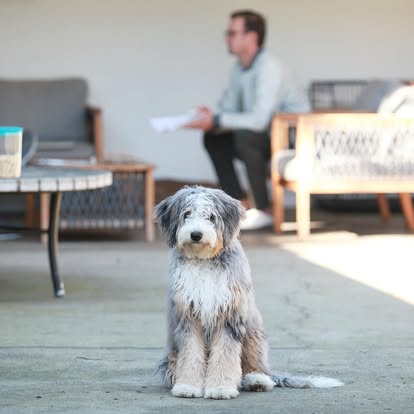
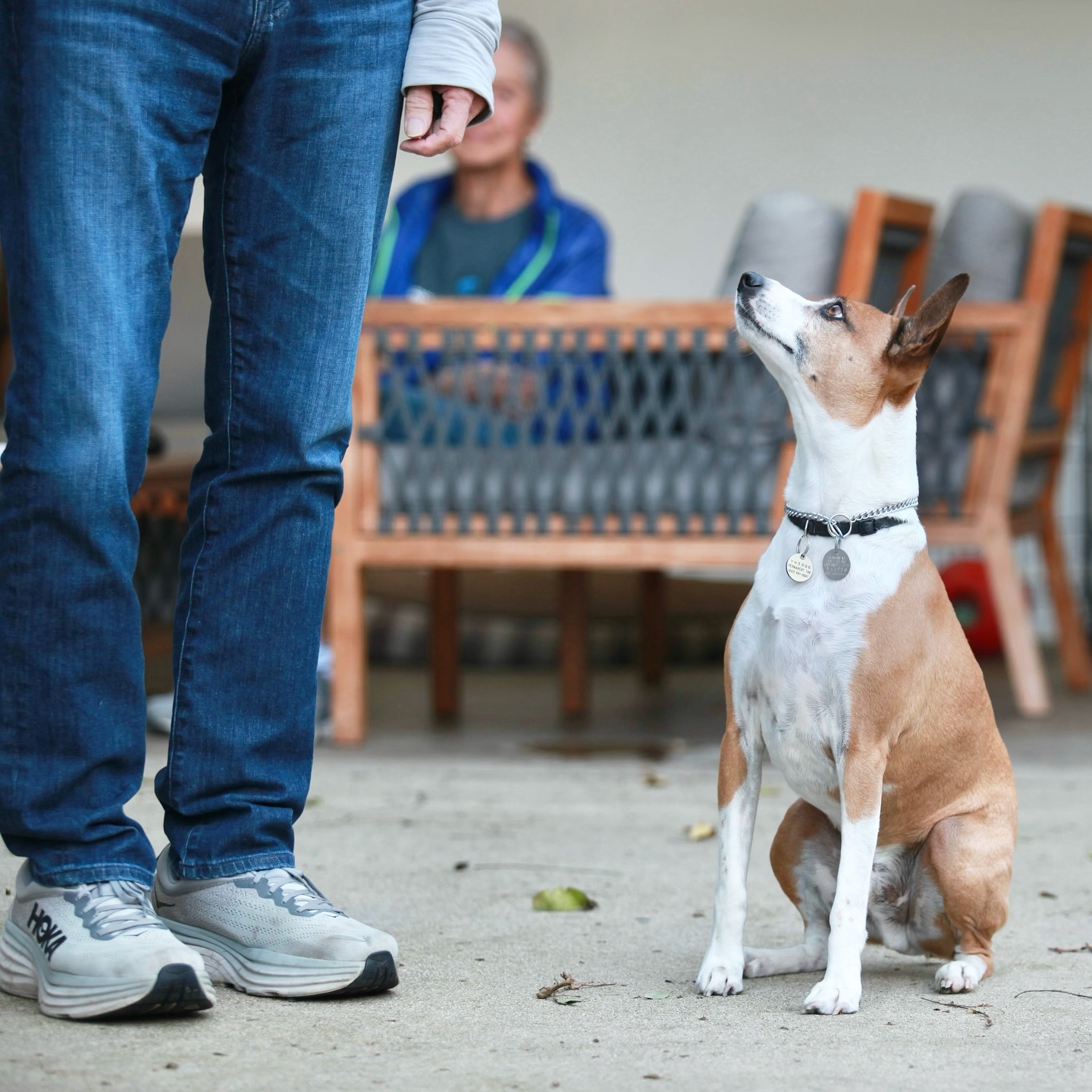
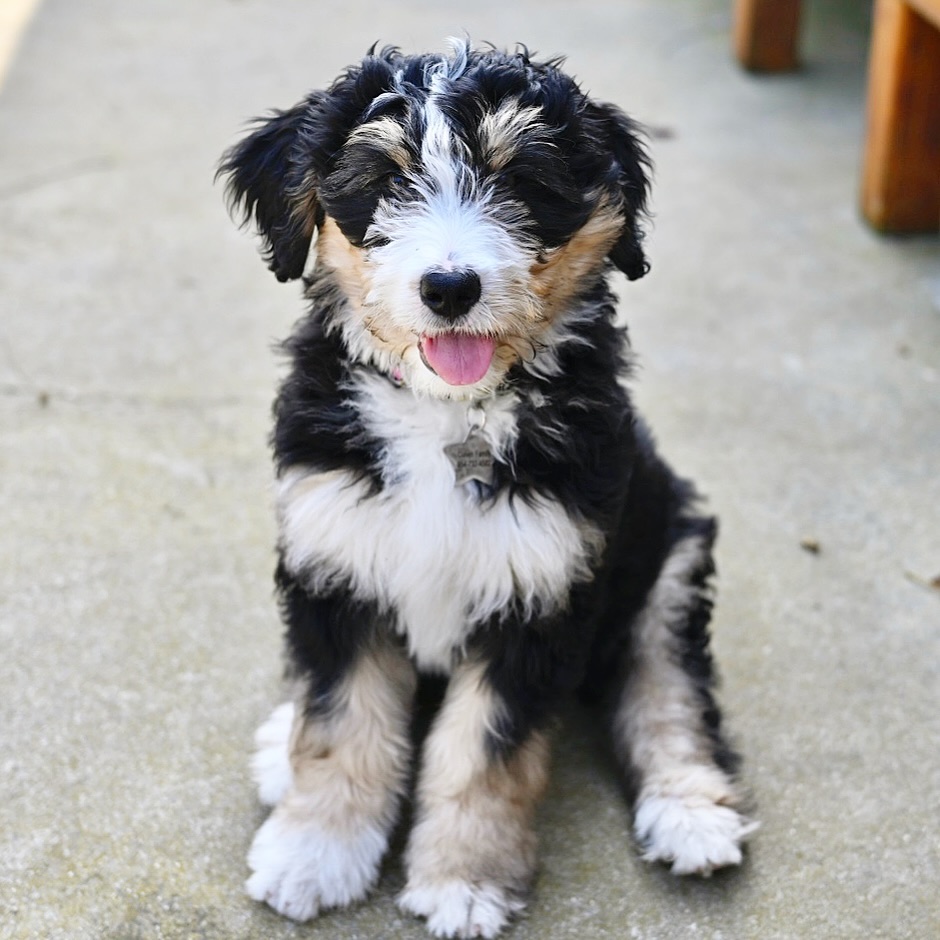



Image Credits
Photo Credit Katie Sarpolis
Popular
-

Portraits of the Valley
-

LA’s Most Inspiring Stories
-

Rick Norris Learned That Building a Successful Business Means Building a Life You Actually Want to Live
-

How Olivia Rush Turned Survival Into a Mission to Help Others Keep Going
-

How Bibi Goldstein Is Helping Entrepreneurs Reclaim Their Time by Embracing the Power of Delegation
-

Victoria Hasson is Redefining Voice Coaching Through Community and Collaboration


