




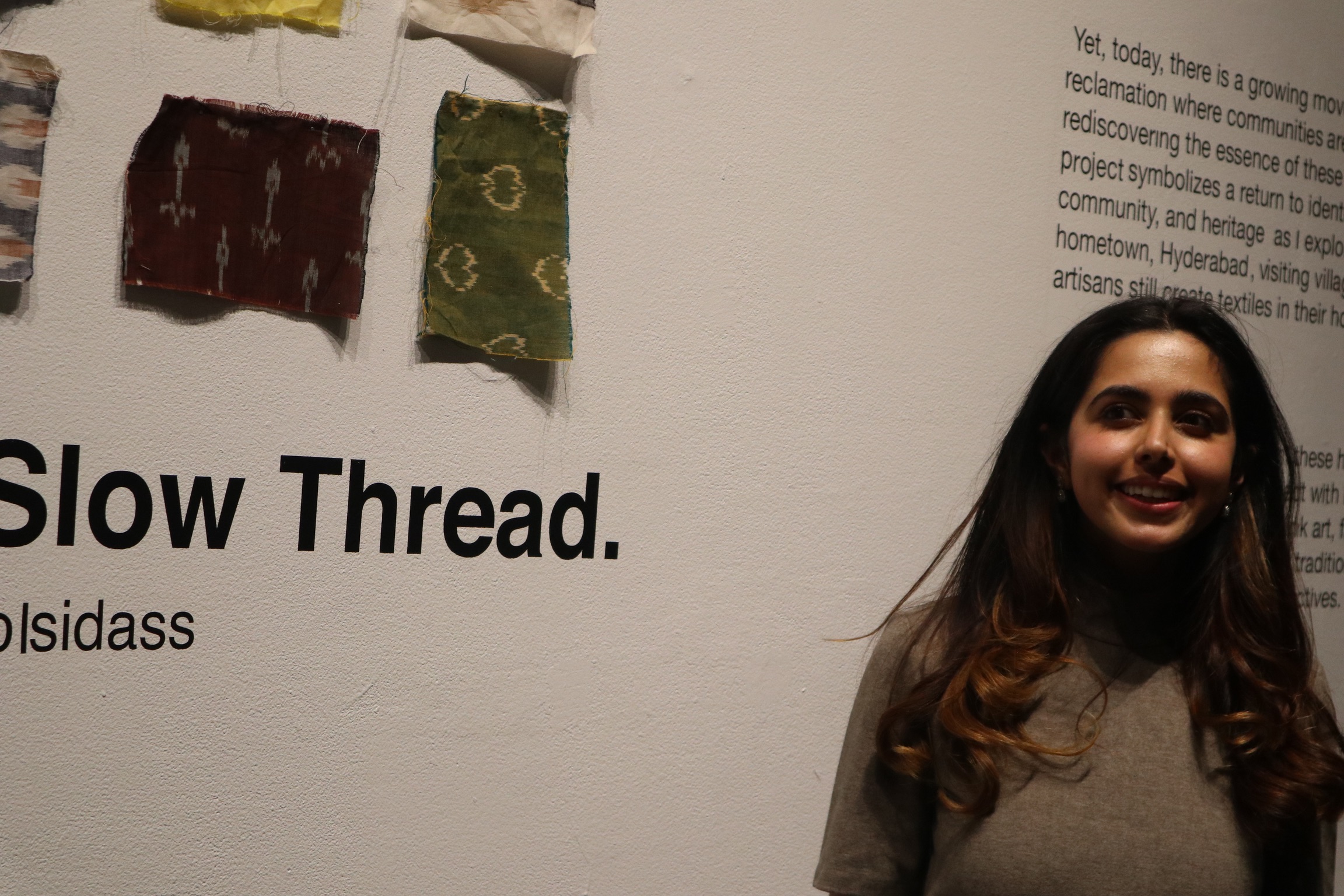
Vriddhi Toolsidass shared their story and experiences with us recently and you can find our conversation below.
Vriddhi, a huge thanks to you for investing the time to share your wisdom with those who are seeking it. We think it’s so important for us to share stories with our neighbors, friends and community because knowledge multiples when we share with each other. Let’s jump in: What are you most proud of building — that nobody sees?
What I’m most proud of building is the part of the work that happens quietly, long before anything is shown. The time spent listening, learning, and being present with people and materials without the pressure of an outcome. The trust that develops slowly, the repetition of gestures, the care taken in small, almost invisible decisions. These moments rarely make it into the final image or installation, yet they shape how the work feels, how it holds others, and what it ultimately stands for. That invisible groundwork rooted in patience, respect, and attention is what allows the visible work to exist with honesty and integrity.
Can you briefly introduce yourself and share what makes you or your brand unique?
My name is Vriddhi Toolsidass, and I am an interdisciplinary artist working across textiles, installation, film, and participatory design. I was born in Hyderabad, India, and raised between India and Bahrain, growing up within a Hindu lifestyle where ritual, domestic life, and textiles were deeply interconnected. Cloth was never just decorative. It marked devotion, time, celebration, and care, and it held the labor of repetition and belief. These early experiences quietly shaped how I understand materials and making today.
My practice focuses on translating Hindu ritual textile traditions into contemporary forms. I approach textiles as living systems rather than static objects, shaped by labor, memory, and transmission across generations. Much of my work is rooted in research and fieldwork with artisan communities in India, where I spend time learning directly from makers, understanding how knowledge is passed down, and observing how craft adapts within changing social and economic realities.
I work at the intersection of art, design, and systems thinking, creating installations, films, and participatory environments that invite people to engage with process rather than only finished outcomes. Exhibition making is central to my practice. I design spaces that allow textiles, voice, architecture, and movement to exist together, often incorporating film, engraved wooden structures, and hands on experiences. These projects aim to make visible the time, care, and labor that are usually hidden behind handmade work.
Alongside my studio practice, I have training in UI and UX design, business, and digital strategy, which allows me to think about how work circulates beyond the gallery and reaches wider publics. This interdisciplinary approach shapes how my projects live in cultural institutions, public spaces, and large scale exhibitions. At its core, my work is about care for materials, people, and histories that risk being flattened or erased. I am currently continuing to develop projects that expand these conversations through international collaborations, film, and participatory textile based work.
Thanks for sharing that. Would love to go back in time and hear about how your past might have impacted who you are today. What’s a moment that really shaped how you see the world?
A moment that deeply shaped how I see the world was spending time in rural India, moving between places of worship, homes, and workshops. In temples, I watched how textiles marked sacred time through daily rituals, repetition, and care. Cloth was constantly in use being touched, folded, worn, washed, and replaced not for display, but as part of living practice. These actions were quiet and ordinary, yet deeply meaningful, rooted in continuity rather than performance.
In nearby villages, I saw similar rhythms in domestic and artisanal spaces, where making was woven into everyday life rather than separated from it. Craft existed alongside cooking, conversation, and prayer. Knowledge was passed through observation and repetition, and materials carried the marks of time and human presence.
What stayed with me was how meaning was built through use and presence, not spectacle. Objects gained value through time, labor, and devotion rather than perfection. This experience shifted how I understand beauty and importance. It taught me to pay attention to what is sustained quietly through repetition and care, and to see material culture not as static or precious, but as something alive, evolving, and deeply connected to people’s lives.
If you could say one kind thing to your younger self, what would it be?
I would tell my younger self to go back to your roots and trust what already lives in you. The things you grew up around your rituals, your materials, your ways of seeing are not limitations or something to outgrow. They are your strength. You do not need to become louder or more like anyone else to be taken seriously. What you carry is enough, and returning to it will give you clarity, direction, and resilience.
Sure, so let’s go deeper into your values and how you think. What’s a cultural value you protect at all costs?
A cultural value I protect at all costs is care through continuity. I believe that knowledge, craft, and belief are sustained through repetition, responsibility, and presence rather than speed, visibility, or spectacle. In the traditions I grew up around, culture was not something you performed for an audience. It was something you practiced daily through ritual, labor, and attention to materials and people.
I protect this value because once care is removed, culture risks becoming surface level or purely aesthetic. When traditions are separated from the time, labor, and relationships that sustain them, they lose their grounding. Holding onto continuity means honoring process, showing up consistently, and allowing meaning to build slowly over time. This value shapes how I work, how I collaborate, and how I choose to carry cultural knowledge forward with responsibility rather than extraction.
Before we go, we’d love to hear your thoughts on some longer-run, legacy type questions. When do you feel most at peace?
I feel most at peace when I am able to move slowly and work with my hands, without urgency or external expectation. When I am printing, painting, or arranging textiles, my attention shifts away from outcome and toward process. Repetition creates rhythm, and that rhythm brings a sense of grounding. Time feels less linear, and I am able to be fully present with the material in front of me.
I also feel this sense of peace in spaces shaped by ritual and continuity. Being in places of worship, or in quiet domestic moments where care is practiced daily, reminds me that meaning is built through return and attention rather than constant change. In these moments, I feel connected to lineage, memory, and something larger than myself. That feeling of peace comes from being aligned with slowness, presence, and care, both in my work and in how I move through the world.
Contact Info:
- Website: https://vriddhistudio.com/
- Instagram: inframe_____________
- Linkedin: https://www.linkedin.com/in/vriddhit/
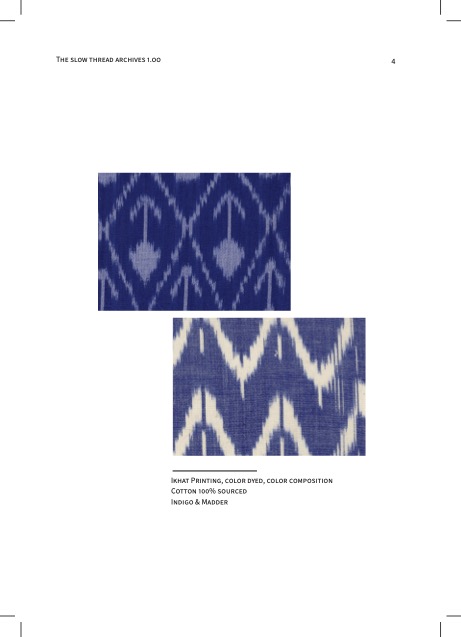
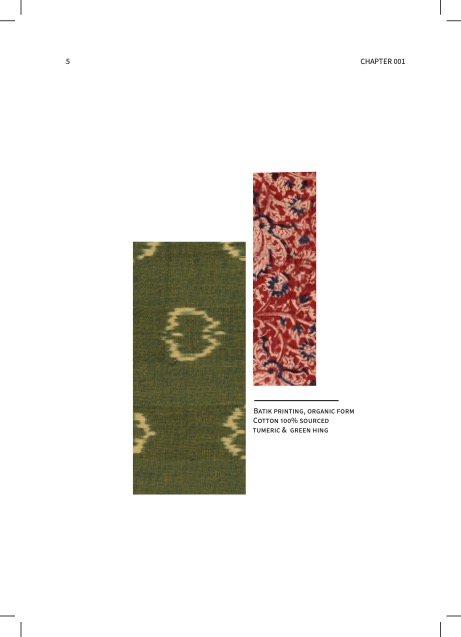
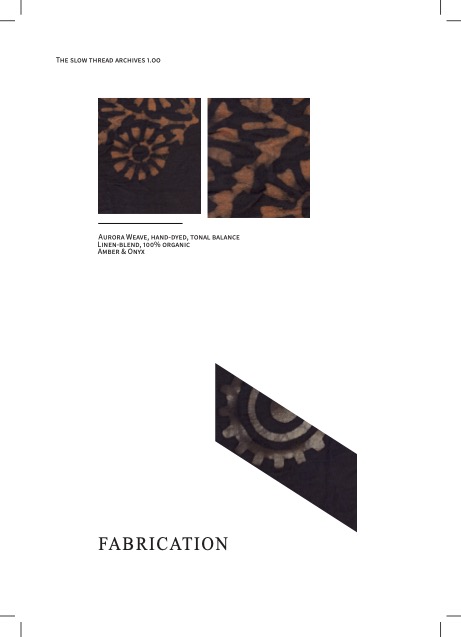
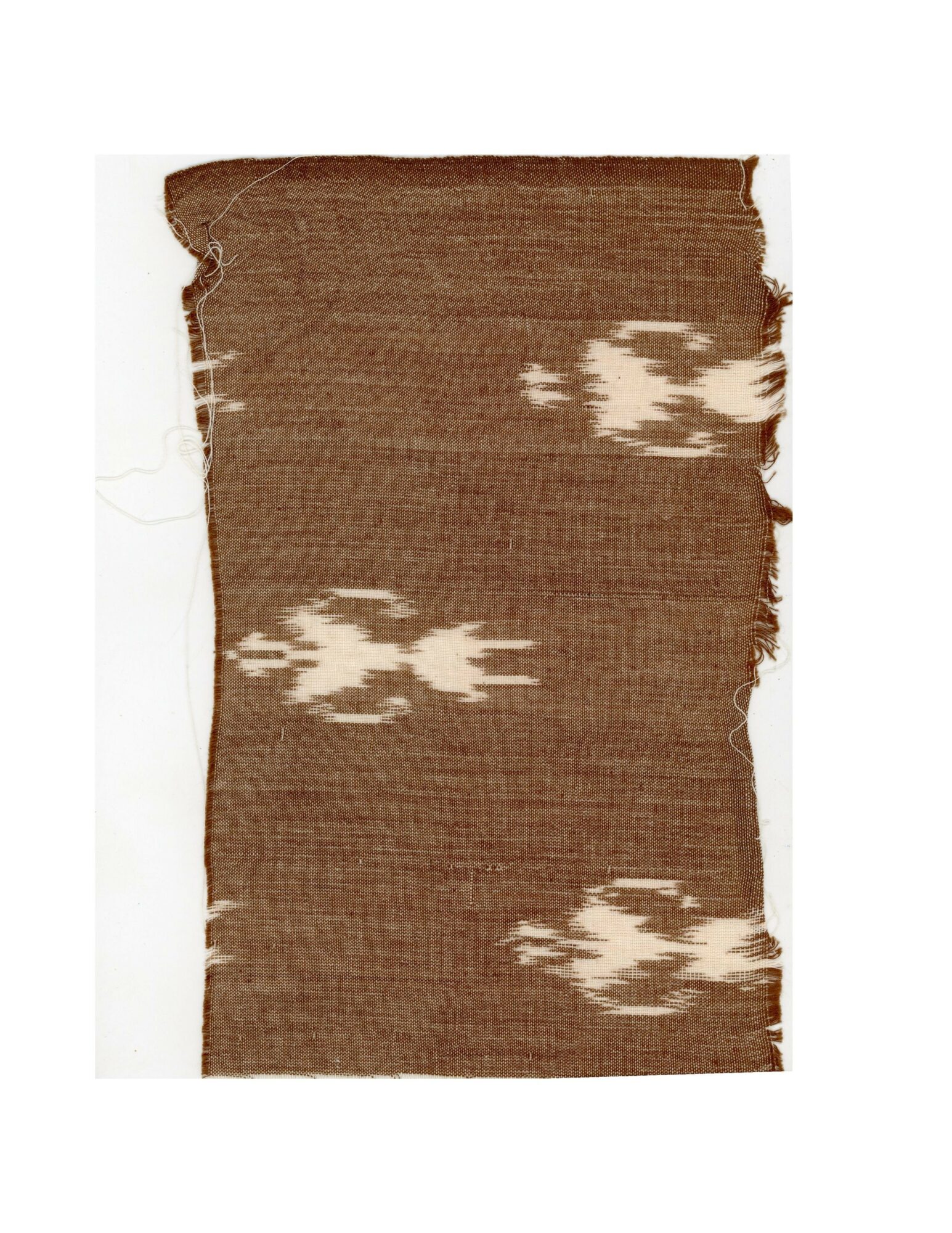
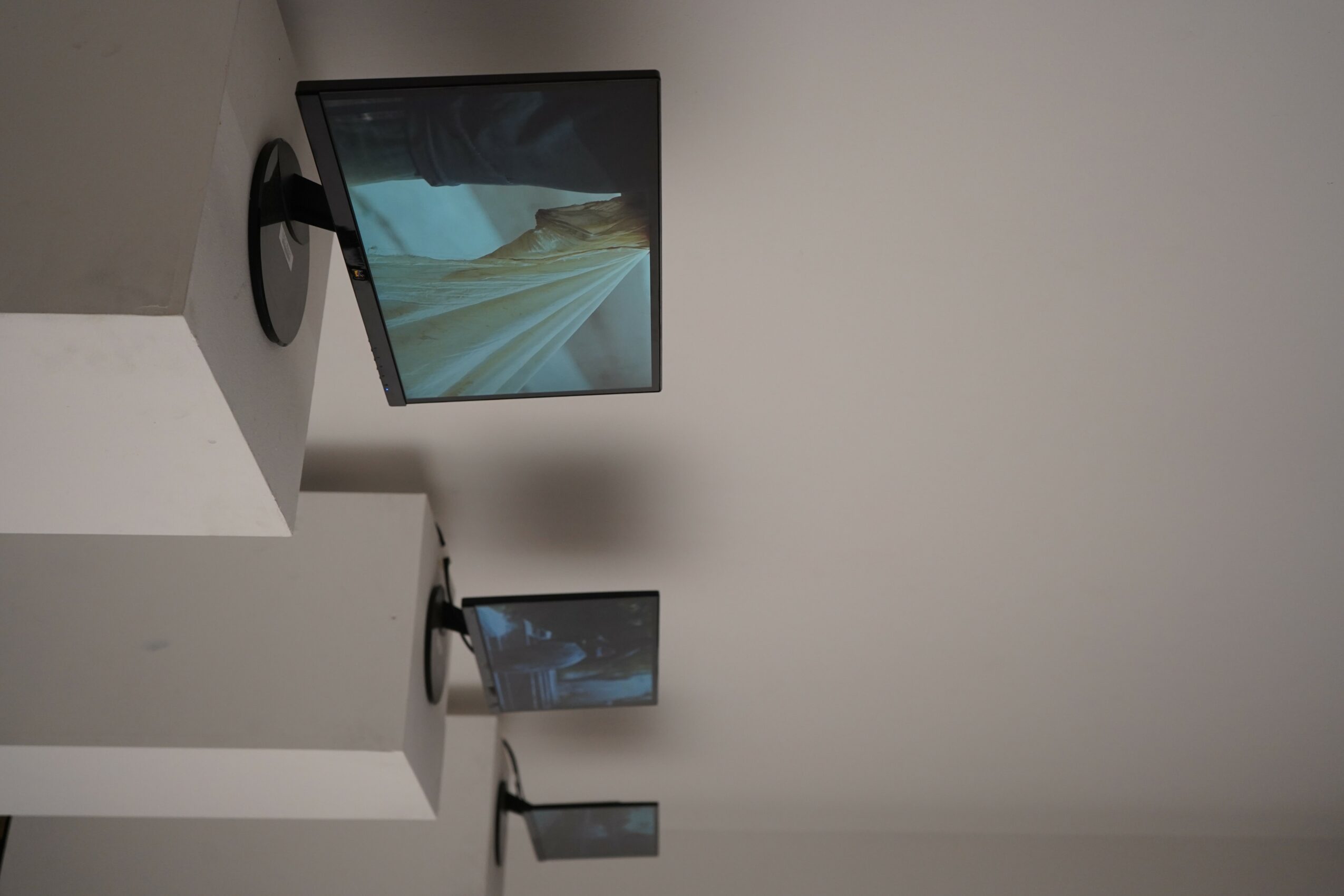
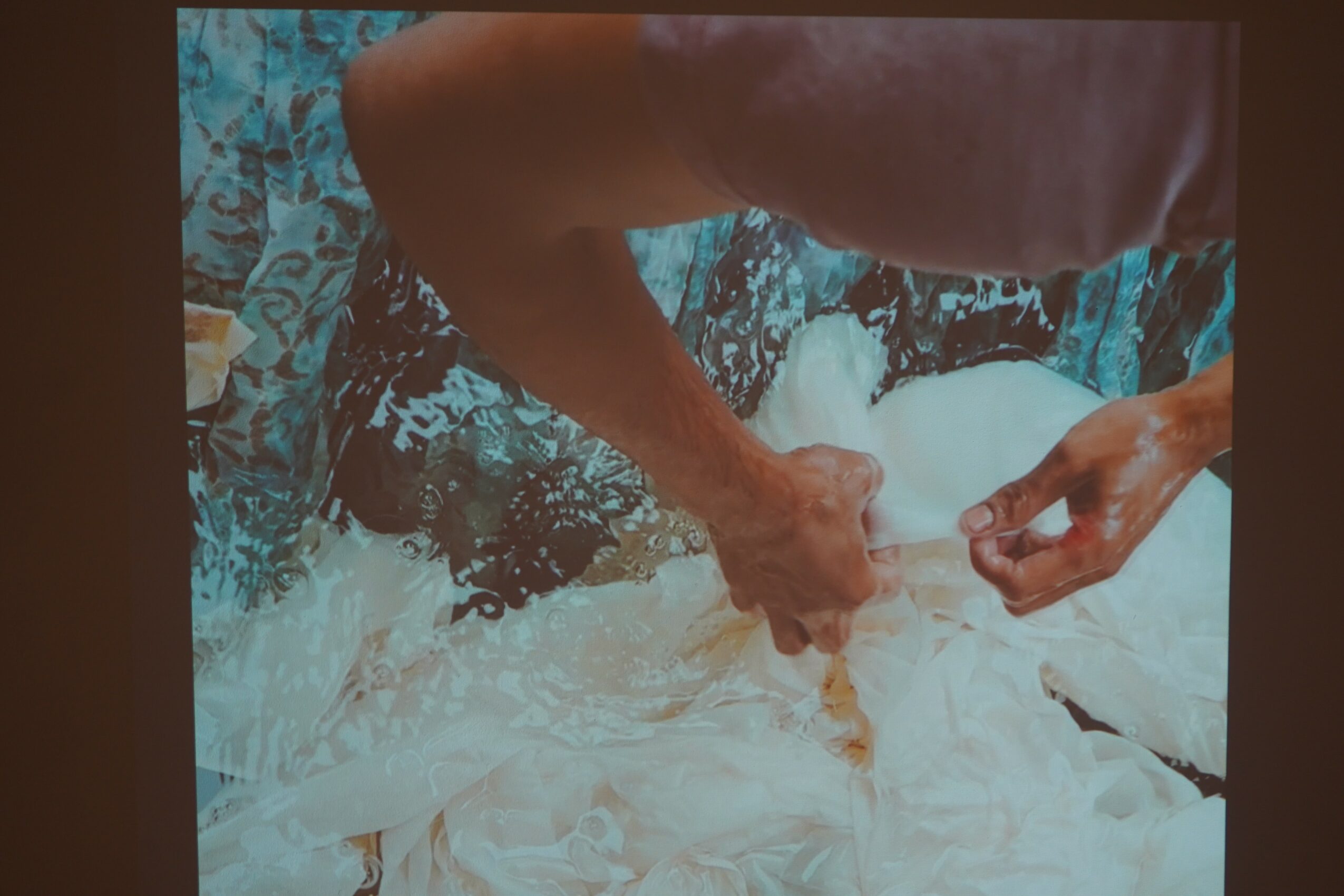
Image Credits
Photo Credits: Pauline Ngom
Popular
-

Portraits of the Valley
-

LA’s Most Inspiring Stories
-

Rick Norris Learned That Building a Successful Business Means Building a Life You Actually Want to Live
-
How Olivia Rush Turned Survival Into a Mission to Help Others Keep Going
-

How Bibi Goldstein Is Helping Entrepreneurs Reclaim Their Time by Embracing the Power of Delegation
-

Victoria Hasson is Redefining Voice Coaching Through Community and Collaboration


