





We recently had the chance to connect with Stan Zhu and have shared our conversation below.
Stan, really appreciate you sharing your stories and insights with us. The world would have so much more understanding and empathy if we all were a bit more open about our stories and how they have helped shaped our journey and worldview. Let’s jump in with a fun one: What do you think is misunderstood about your business?
Many people know me primarily as an actor, but my work as a Casting Director is an equally vital part of my creative life. On the creative side, casting is one of the most fascinating experiments—it is about finding that specific, unexpected “chemical reaction” where an actor’s unique essence meets a character in a way no one saw coming. I believe the best casting happens when we look for “truth” rather than just a polished performance. My goal is to create a space where actors feel they are “enough” to simply be present, allowing their authentic selves to spark something special that even the script couldn’t fully capture.
What is often misunderstood, however, is that this artistic discovery only makes up a small fraction of the daily reality in this business. Most people assume casting consists entirely of these intuitive, creative choices, but they don’t see the heavy, mechanical repetition that happens behind the scenes. Before we ever reach that creative spark, almost more than half of the time would spent on repetitive manual labor—breaking down scripts, managing data, and communicating back and forth that consumes the majority of a casting team’s time. It is a business of two halves: one that is purely poetic, and another that is intensely logistical, yet both are necessary to find that final, perfect moment of truth.
Can you briefly introduce yourself and share what makes you or your brand unique?
I’m Stan Zhu, an actor and Casting Director based in Los Angeles, and I’ve spent a lot of time navigating the two very different worlds of casting. While everyone loves the creative discovery, there is a massive amount of hidden manual labor—like scouring scripts to find exactly where a specific character appears, tracking every potential background actor, or manually compiling endless character details into a single spreadsheet.
I realized we needed a way to automate this grind for everyone, which is why I created ScriptLenz.com. Now, I’ve decided to keep this tool completely free because my goal is to solve this headache for the entire community. I want to give casting professionals their time back so we can all stop being data entry clerks and refocus on the storytelling and human connections that made us fall in love with this business in the first place.
Great, so let’s dive into your journey a bit more. What was your earliest memory of feeling powerful?
Honestly, The earliest memory I had was two or three years-old, standing in a field full of foxtail grass. Those grasses were so tall, all the way up to my chin. It was a strange feeling, because it’s like I suddenly just showed up in this world right there in that field. It was near sunset, and I could hear my mom talking to our neighbor, and the family dog barking from the second floor. Then I saw the biggest grasshopper I’ve ever seen in my life. It was huge, I remember it was almost the size of both of my hands put together. Its legs got big spikes on those shiny green legs. I was scared, but out of nowhere, I wanted to catch it. It wasn’t hard, I simply reached out my fingers to hold the knuckles of the grasshopper, and it didn’t struggle. I smiled. But then I felt the pain sent from my finger all the way rush to my brain. So I let go of the grasshopper, and it vanished into the grass. My first raw connection to life, that gave me power from this moment forth and a bit of pain at the finger tips.
What did suffering teach you that success never could?
My two cents are “Don’t look for suffering, but be aware of it.” I think if anyone had the choice of “to suffer or not to suffer,” the answer would be NO. The reality is that we often don’t have that choice. Suffering is frequently the “hidden cost” of a system that wasn’t designed with the person in mind.
The people at the top of any system often don’t care about the friction at the bottom. They see the 5-star review or the quarterly profit, but they don’t see the reality of the execution. For example, in the logistics industry, an executive celebrates a new delivery record, while the driver on the ground has to skip meals just to satisfy an algorithm.
Success is obsessed with the finish line, so it tends to ignore the wreckage left behind during the race.
Suffering taught me to look for that friction. It taught me that just because a process “works” doesn’t mean it isn’t broken for the people doing the work. Success gave me the platform to build things, but suffering gave me the empathy to know what to build.
This awareness is why I created ScriptLenz and made it free. It’s my way of acknowledging that unrecorded labor. If the system is designed to ignore the grind, then we have a responsibility to build tools that protect our time and our humanity.
Sure, so let’s go deeper into your values and how you think. Whom do you admire for their character, not their power?
Near my elementary school, there’s a little corner store owned by a 40-something-year old woman. She was a legend in the neighborhood, mostly for being an incredibly strict mother—you could always hear her yelling at her son while you were picking out snacks. Most of the kids are scared of her, which I assume was pretty bad for business. Sometimes I was short a few yuan for a Coke, and she’d often let me borrow money or pay her back later, which was my first real lesson in building a “credit score.”
What really moved me was when my sister and I went back to visit fifteen years later. By then, I had gone through puberty, finished college, and moved to LA to work—I looked completely different. I felt so guilty because I realized I couldn’t even remember her name, so I just didn’t say anything. But the second she saw us, she recognized us instantly. She handed me a Coke like I was still that same kid.
I admire her because she actually, genuinely cares about the people around her. To be remembered so clearly after more than a decade away taught me something about the power of paying attention. It’s not about titles; it’s about the fact that she chose to keep us in her memory all those years. That is the kind of character I want to have.
Okay, so let’s keep going with one more question that means a lot to us: If immortality were real, what would you build?
Haha, mortality.
Contact Info:
- Website: https://scriptlenz.com
- Instagram: stanxingzhen
- Other: Also
Instagram: ScriptLenz
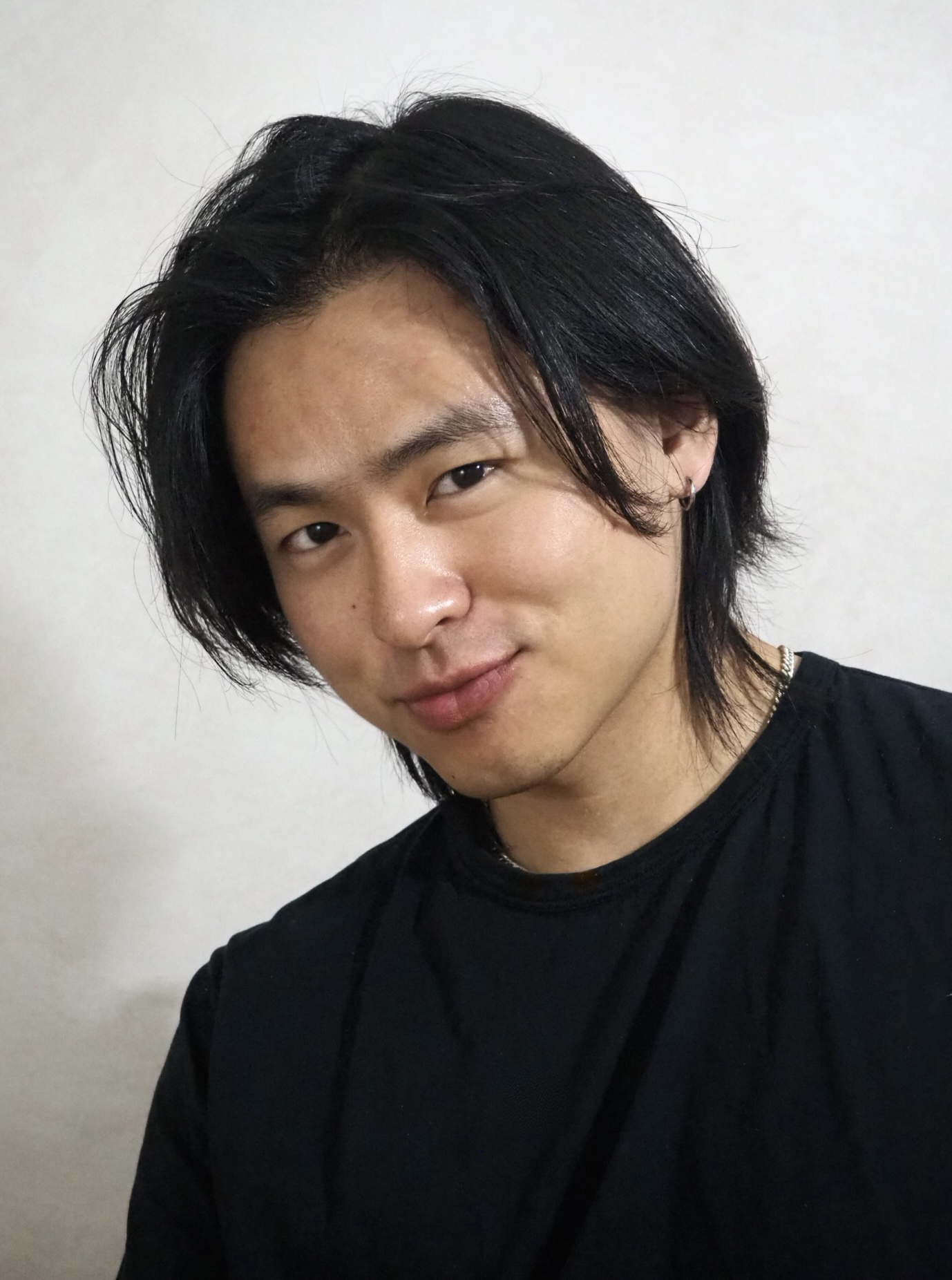
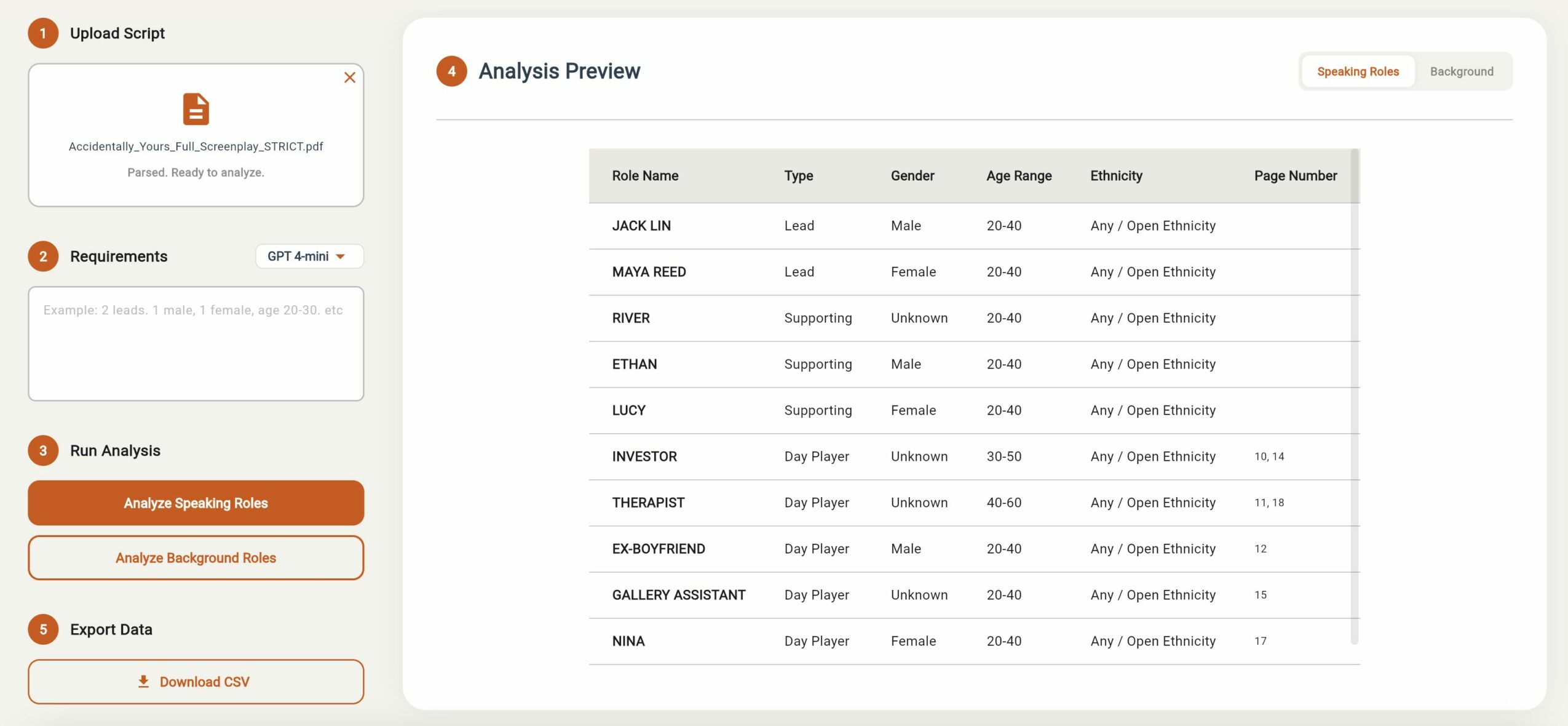
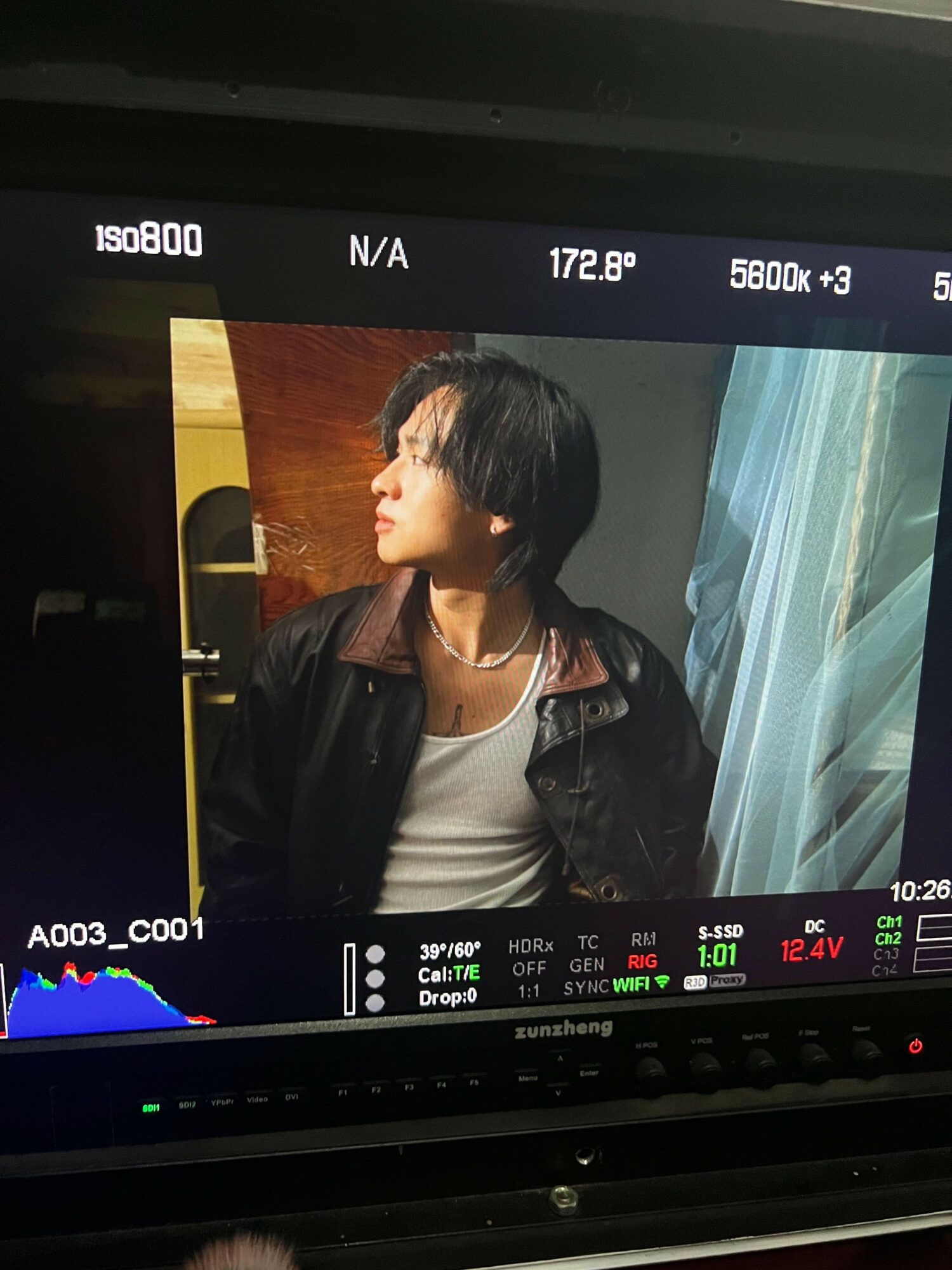
Image Credits
The analysis web page is: scriptlenz.com
The picture of me on a monitor: Feature Film “Brothers” by Hong Cai
Popular
-

Portraits of the Valley
-

LA’s Most Inspiring Stories
-

Rick Norris Learned That Building a Successful Business Means Building a Life You Actually Want to Live
-

How Olivia Rush Turned Survival Into a Mission to Help Others Keep Going
-

How Bibi Goldstein Is Helping Entrepreneurs Reclaim Their Time by Embracing the Power of Delegation
-

Victoria Hasson is Redefining Voice Coaching Through Community and Collaboration


