




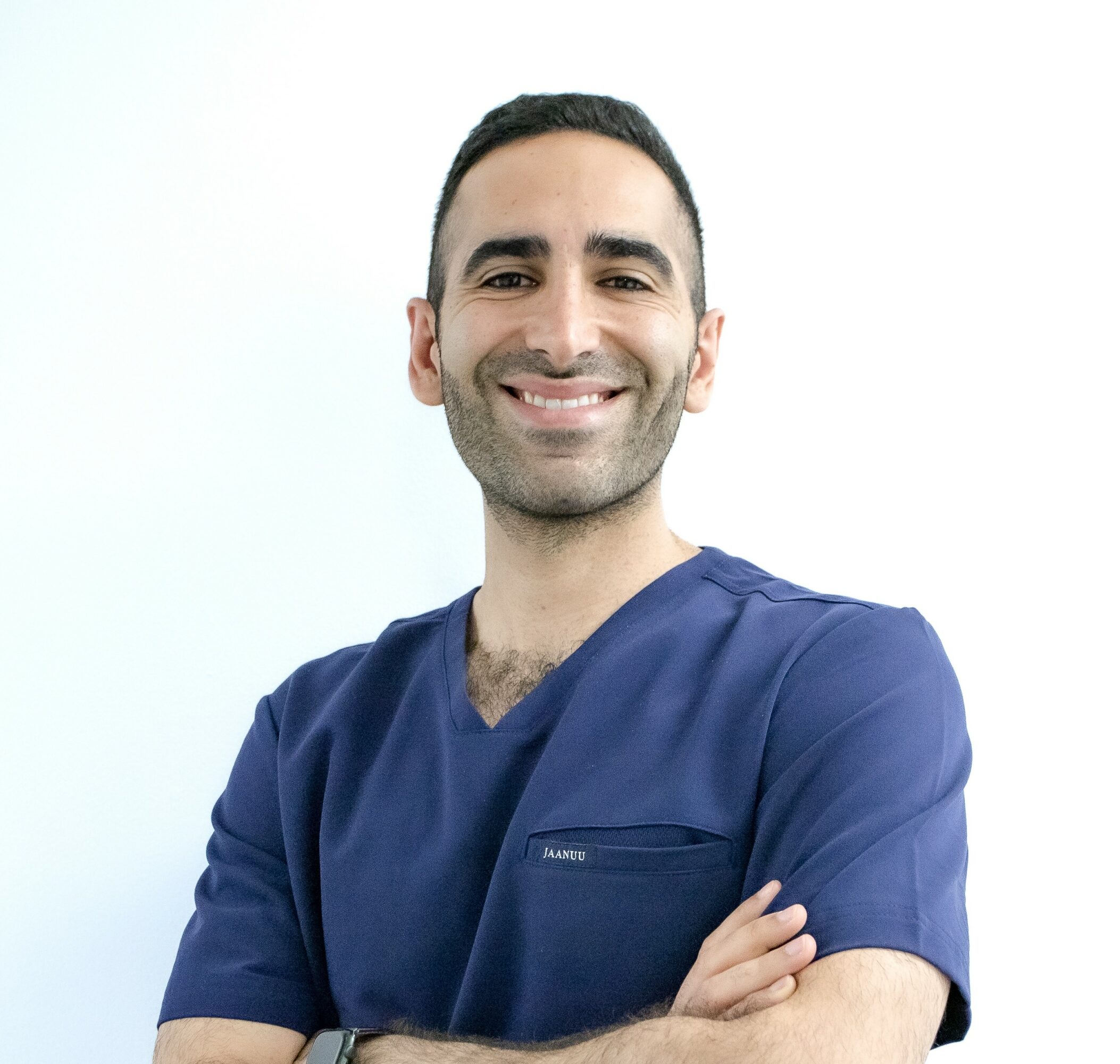
We recently had the chance to connect with Nathan Nourian and have shared our conversation below.
Hi Nathan, thank you for taking the time to reflect back on your journey with us. I think our readers are in for a real treat. There is so much we can all learn from each other and so thank you again for opening up with us. Let’s get into it: What do you think is misunderstood about your business?
1. It’s a Two-Year Partnership, Not a Product
One of the biggest misconceptions is that you are “buying braces.” In reality, you are entering into a two-year medical relationship.
Unlike buying a car where the product is the same regardless of the dealership, the “product” in orthodontics is the skill, oversight, and biological management provided by the doctor.
You will be seeing this team regularly for 24 months. If you choose based solely on the lowest price, you may end up with a team that is overstretched, uses inferior materials, or lacks the expertise to handle complications.
2. The “Lowest Price” Fallacy
People often try to find the cheapest quote, but the sticker price is rarely the total cost. * The Cost of Correction: If a case is “messed up” by an inexperienced provider or a “DIY” mail-order kit, the cost to fix the damage (root resorption, bite misalignment, or gum recession) is often double or triple the original investment.
Long-term Value: A “cheap” treatment that takes four years because of poor planning is far more expensive in terms of time, gas, and missed work than a properly managed two-year case.
3. Orthodontics is “Preventative Maintenance”
Braces are frequently dismissed as a “vanity” project, but they are actually the most cost-effective health move you can make for your mouth. Straight teeth are about much more than a smile:
Easier Hygiene: Properly aligned teeth are easier to brush and floss, which significantly reduces the risk of cavities and gum disease.
Structural Integrity: A corrected bite prevents uneven wear on your teeth. This stops premature tooth loss and avoids the need for incredibly expensive implants or dentures later in life.
Lifetime Savings: Spending a few thousand dollars now on alignment can save tens of thousands of dollars in restorative dentistry (crowns, bridges, and root canals) over a lifetime.
Can you briefly introduce yourself and share what makes you or your brand unique?
At Textbook Orthodontics, we believe that a smile is more than just a cosmetic asset—it is a functional foundation for a lifetime of health. We don’t just “sell braces”; we provide specialized medical care designed to prevent future complications and save our patients from a lifetime of avoidable dental costs.
Who We Are & What We Do
We are a team dedicated to the art and science of alignment. Our brand, Textbook Orthodontics, was founded on the principle that there is a “right way” to do things—a standard of care that prioritizes long-term stability over quick, cheap fixes. We guide patients through a transformative journey, ensuring that their bite is as healthy as their smile is beautiful.
Appreciate your sharing that. Let’s talk about your life, growing up and some of topics and learnings around that. What was your earliest memory of feeling powerful?
The First Debanding
I remember clearly the first time I took a full set of braces off a patient. We had spent two years working together, navigating the adjustments and the steady progress. When the last bracket came off and she looked in the mirror for the first time, the room felt different.
It wasn’t just that her teeth were straight; it was that her posture changed. She stood taller. She smiled without covering her mouth for the first time in her life.
Why It Felt Like Power
In that moment, I realized the weight of what we do. “Power” wasn’t about control; it was about influence.
A New Trajectory: I realized I was directly affecting her life moving forward. The confidence she felt in that moment would carry into her job interviews, her relationships, and how she moved through the world.
A Lasting Gift: I wasn’t just fixing a bite; I was removing a barrier that had been holding her back.
The Realization
That day changed my perspective on my career. I realized that as an orthodontist, I have the unique power to give someone a “permanent upgrade” to their self-esteem. It reinforced why we do things the right way—the “textbook” way. We aren’t just moving teeth; we are setting the stage for a person’s future.
Was there ever a time you almost gave up?
he path to becoming an orthodontist involves nearly a decade of higher education: four years of undergraduate study, four years of dental school, and two to three years of specialized residency.
There were nights during dental school and residency when the sheer volume of science—biochemistry, pathology, and advanced physics—felt like a mountain that wouldn’t stop growing. I remember sitting in the lab late at night, exhausted, looking at a dental model and thinking, “Is this worth it?”
I think our readers would appreciate hearing more about your values and what you think matters in life and career, etc. So our next question is along those lines. What are the biggest lies your industry tells itself?
The “biggest lie” in orthodontics—the one that causes the most long-term damage to both smiles and bank accounts—is the idea that orthodontics is a commodity.
This lie suggests that whether you go to a specialist, a general dentist, or order a kit in the mail, you are “buying” the same thing: straight teeth. At Textbook Orthodontics, we see the fallout of this lie every day.
Here is the truth behind the three biggest deceptions in our industry:
Lie #1: “The lowest price is the best value.”
This is the most dangerous misconception. In orthodontics, the sticker price is rarely the total cost.
The “Messed Up” Premium: If you choose a provider based solely on the lowest quote and they mismanage your case, the cost to fix it is almost always higher than if you had done it right the first time. We often see patients who spent thousands on “budget” options only to require a full second round of treatment to fix bite issues or root damage.
The Long-term Math: A low price doesn’t mean it costs the least. A correctly managed case is a “one-and-done” investment. A cheap case often leads to a lifetime of “patchwork” dentistry.
Thank you so much for all of your openness so far. Maybe we can close with a future oriented question. If you retired tomorrow, what would your customers miss most?
If I retired tomorrow, my patients would miss more than just their check-ups; they would truly miss the fun atmosphere, the good music, and the jokes I tell that make the office feel like home. They would lose that two-year partnership where we don’t just focus on the clinical work, but actually have a great time while doing it. Most importantly, they’d miss having a doctor who makes sure their treatment is done right the first time so they save money and avoid dental problems for the rest of their lives.
Contact Info:
- Website: https://textbookorthodontics.com
- Instagram: https://www.instagram.com/textbookorthodontics/
- Facebook: https://www.facebook.com/textbookorthodontics/
- Yelp: https://www.yelp.com/biz/textbook-orthodontics-panorama-city-2
- Youtube: https://www.youtube.com/channel/UChvaBWNx64Euf3S0mVMUqKg
Popular
-

Portraits of the Valley
-

LA’s Most Inspiring Stories
-

Rick Norris Learned That Building a Successful Business Means Building a Life You Actually Want to Live
-

How Olivia Rush Turned Survival Into a Mission to Help Others Keep Going
-

How Bibi Goldstein Is Helping Entrepreneurs Reclaim Their Time by Embracing the Power of Delegation
-

Victoria Hasson is Redefining Voice Coaching Through Community and Collaboration


