





We’re looking forward to introducing you to Nate Franchesco. Check out our conversation below.
Nate, we’re thrilled to have you with us today. Before we jump into your intro and the heart of the interview, let’s start with a bit of an ice breaker: What makes you lose track of time—and find yourself again?
When I’m deep inside music — not performing for anyone, not thinking about release dates, algorithms, or expectations — just chasing feel. That’s when time disappears. One idea turns into ten, ten turns into an hour, and suddenly it’s night. No clock. No noise. Just instinct.
What’s interesting is that it’s not about escape — it’s about return. Music is where I find myself again. It strips away comparison, pressure, and identity layers and leaves only intent and honesty. When I come out of those moments, I feel recalibrated — like my nervous system remembers who’s actually in charge.
That’s the difference between doing something and belonging somewhere. Music isn’t something I step into. It’s where I come back to.
Can you briefly introduce yourself and share what makes you or your brand unique?
I’m Nate Franchesco — a multi-instrumentalist, composer, and independent artist who’s built a career around versatility, discipline, and feel. I play and record across genres — rock, jazz, soul, bossa, hip-hop, instrumental, and beyond — often handling most of the instruments myself. My work lives at the intersection of musicianship and independence: no label machine, no shortcuts, just consistent output and craft.
What makes my path different is that I didn’t chase one lane. I leaned into range. Over time, that approach became my brand — proving that depth and versatility can coexist, and that an artist doesn’t have to shrink themselves to be marketable. I’ve built my catalog, audience, and credibility largely from a home studio, releasing music steadily while collaborating with vocalists and instrumentalists from around the world.
Right now, I’m focused on continuing that momentum — releasing new music regularly, expanding collaborative projects, and strengthening the infrastructure around my work so it has longevity. My story isn’t about overnight success; it’s about staying sharp, staying curious, and building something real over time.
Okay, so here’s a deep one: What’s a moment that really shaped how you see the world?
There wasn’t one explosive moment — it was a slow realization that changed everything. I reached a point where I understood that no one is coming to validate your path in real time. Most people only understand your work once it’s already familiar to them.
That shift changed how I see the world. I stopped waiting for recognition and started focusing on alignment — doing the work the right way, consistently, whether it was visible or not. Once I accepted that progress often happens quietly, without applause, I felt freer, calmer, and more in control.
That perspective affects how I move through everything now — relationships, creativity, ambition. You learn that real growth isn’t loud, and self-belief isn’t something you borrow. It’s something you build.
What did suffering teach you that success never could?
Suffering taught me patience and precision — two things success rarely forces you to learn. When things are working, it’s easy to confuse momentum with mastery. When they’re not, you’re forced to listen more closely, move more deliberately, and understand what actually matters.
It also stripped away illusions. You learn which motivations are real, which relationships are conditional, and which parts of your identity can survive without applause. Success can inflate you. Suffering refines you.
Most importantly, it taught me self-trust. When you make it through long stretches without reassurance, you stop outsourcing belief. You learn how to keep going quietly, correctly, and on your own terms. That’s something success can’t teach — because success is loud. Suffering is where you learn how to stand without noise.
Alright, so if you are open to it, let’s explore some philosophical questions that touch on your values and worldview. What’s a cultural value you protect at all costs?
I protect craftsmanship — doing things with care, intention, and respect for the work itself. In a culture that rewards speed, shortcuts, and surface-level visibility, craftsmanship slows you down in the best way. It forces you to earn your confidence instead of performing it.
That value shapes everything I do. It’s why I don’t rush releases, why I stay hands-on with my work, and why I care more about depth than trends. Craftsmanship builds trust — with the audience, with collaborators, and with yourself.
Trends fade. Algorithms shift. But craftsmanship endures. When you focus on doing the work right — with intention, patience, and care — it creates a foundation that outlasts any platform or cycle.
Okay, so let’s keep going with one more question that means a lot to us: When do you feel most at peace?
I feel most at peace in the moments between effort and expectation — after the work is done, before it’s judged. When the room is quiet, the noise is gone, and there’s nothing left to prove.
That might be late at night after a long studio session, or after a workout, or during a simple walk when my thoughts finally settle. Peace, for me, isn’t about escape. It’s about alignment — knowing I showed up fully and didn’t cut corners.
Those moments are brief, but they’re grounding. They remind me that peace doesn’t come from external validation — it comes from knowing I honored the work and stayed true to the process.
Contact Info:
- Website: https://share.google/gJLr6d7rzUcQE2ItB
- Instagram: https://share.google/tn2mKFioJE1chqTEf
- Youtube: https://share.google/ISKhIRihzQtt29eJH
- Other: Google Knowledge Panel https://share.google/GiHZwQzwsM4C0OtYl


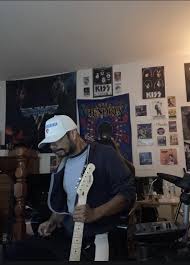


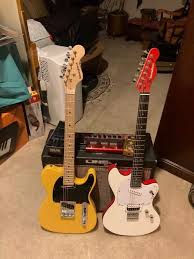
Image Credits
Nate Franchesco
Popular
-

Portraits of the Valley
-

LA’s Most Inspiring Stories
-

Rick Norris Learned That Building a Successful Business Means Building a Life You Actually Want to Live
-

How Olivia Rush Turned Survival Into a Mission to Help Others Keep Going
-

How Bibi Goldstein Is Helping Entrepreneurs Reclaim Their Time by Embracing the Power of Delegation
-

Victoria Hasson is Redefining Voice Coaching Through Community and Collaboration


