




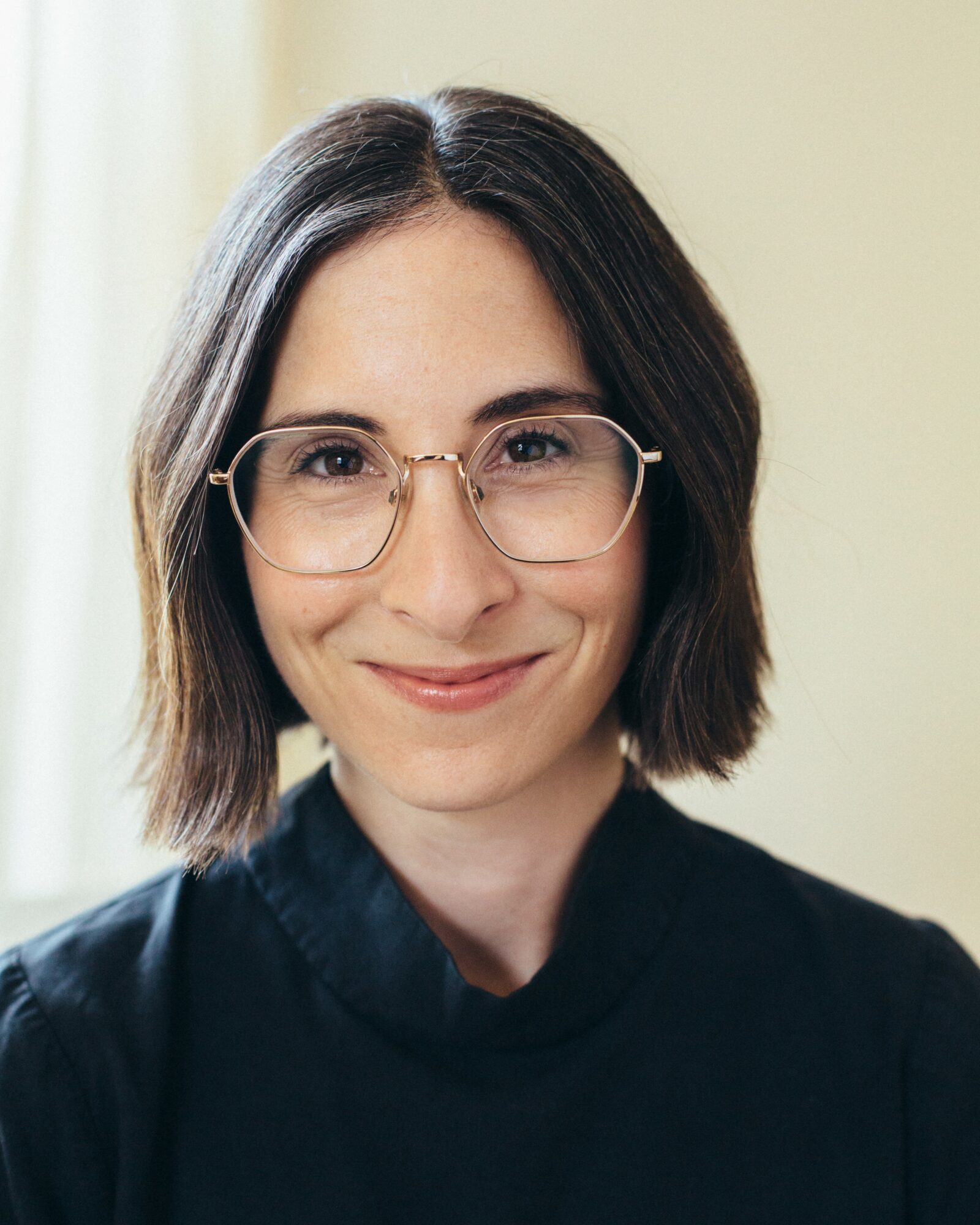
Lindsay Brunner PT, DPT, OCS shared their story and experiences with us recently and you can find our conversation below.
Hi Lindsay, thank you so much for joining us today. We’re thrilled to learn more about your journey, values and what you are currently working on. Let’s start with an ice breaker: What is something outside of work that is bringing you joy lately?
A few months ago I started learning Brazilian Jiu Jitsu at Highland Park Fight Club. I started because my young daughter was doing classes, and I thought I would give it a try. Though I grew up as a dancer and figure skater, and have always been physically active, this was a very different way of using my body. It’s been a long time since I really learned a new sport or physical skill, and it’s been so much fun! Aside from using my body in new ways, it’s also tapped me into a really wonderful community at the training gym. So I get to stimulate my brain, find new strength, and socialize with my community.
Can you briefly introduce yourself and share what makes you or your brand unique?
Lindsay Brunner Physical Therapy provides physical therapy, fitness, and wellness services, with an emphasis on pelvic floor PT and prenatal/postpartum care. I offer office visits, home visits, and virtual visits. My passion is helping people reach their optimal physical health and performance, particularly mothers and parents. Since becoming a parent in 2020 my love of helping people through pregnancy and postpartum has only grown. I take an integrative and holistic approach to physical therapy and fitness, with assessment and treatment of the whole system. Every client is assessed individually, and rehab or training is planned based on your specific needs. I pride myself on providing compassionate treatment as well as education, so that my clients can feel cared for while also increasing self-efficacy. I have a particular passion for helping pregnant and postpartum individuals manage their physical transitions, and bring my knowledge as a physical therapist and mother to this cause.
Amazing, so let’s take a moment to go back in time. What part of you has served its purpose and must now be released?
I would say that my people-pleasing side is something that I’ve been letting go of. It helped me in certain ways through hard times, and was a coping mechanism for fear of rejection. However, that tendency over time led to burnout and a lack of care for myself that became unsustainable. Though I love caring for people and work in a caring profession, I’ve learned how to separate that from pleasing people to my own detriment. In fact, I’ve been able to see how taking better care of myself and setting appropriate boundaries actually helps me care for my family and clients more effectively.
What fear has held you back the most in your life?
I think the fear that has held me back most in my life is that if I don’t keep up a certain perfectionistic facade, I will not be accepted or successful. I have only in the past several years been letting that facade go, and have been relieved to find that the world doesn’t fall apart. Quite the opposite, I have found that the more I let go of perfectionism the more I find strength and connection. It takes some first steps to test what happens when you start to let go, but leaving that fear behind had only made me happier and more successful in the things that matter.
I think our readers would appreciate hearing more about your values and what you think matters in life and career, etc. So our next question is along those lines. What are the biggest lies your industry tells itself?
I think the biggest falsehood I see in my profession is that the technical skills we use are always the biggest driver of good outcomes. This may be true some of the time, but in my experience I find that the therapeutic relationship plays a huge role as well. To be clear, all physical therapists need to have a baseline level of technical skill to do their job. But creating a trusting and caring therapeutic alliance that promotes self efficacy is often the foundation upon which those skills will create positive change. Our words and the way we interact with our patients can sometimes do as much, if not more, than any particular intervention.
Thank you so much for all of your openness so far. Maybe we can close with a future oriented question. What is the story you hope people tell about you when you’re gone?
After I’m gone, I hope people will say that I left them feeling better than when I found them. I’m thinking of this like the human connection version of the campsite rule. To me this extends to both my personal and professional relationships. I’ve made a career out of helping people feel physically better, and supporting them through the process. I have also built valuable personal relationships with family and friends. Though I am far from a perfect person, I do hope to affect those around me with a sense of support and connection that will linger even after I’m gone.
Contact Info:
- Website: https://www.lindsaybrunnerpt.com
- Instagram: @lindsaybrunnerpt
- Linkedin: https://www.linkedin.com/in/lindsay-brunner-pt-dpt-ocs-802501a
- Yelp: https://www.yelp.com/biz/lindsay-brunner-physical-therapy-pasadena
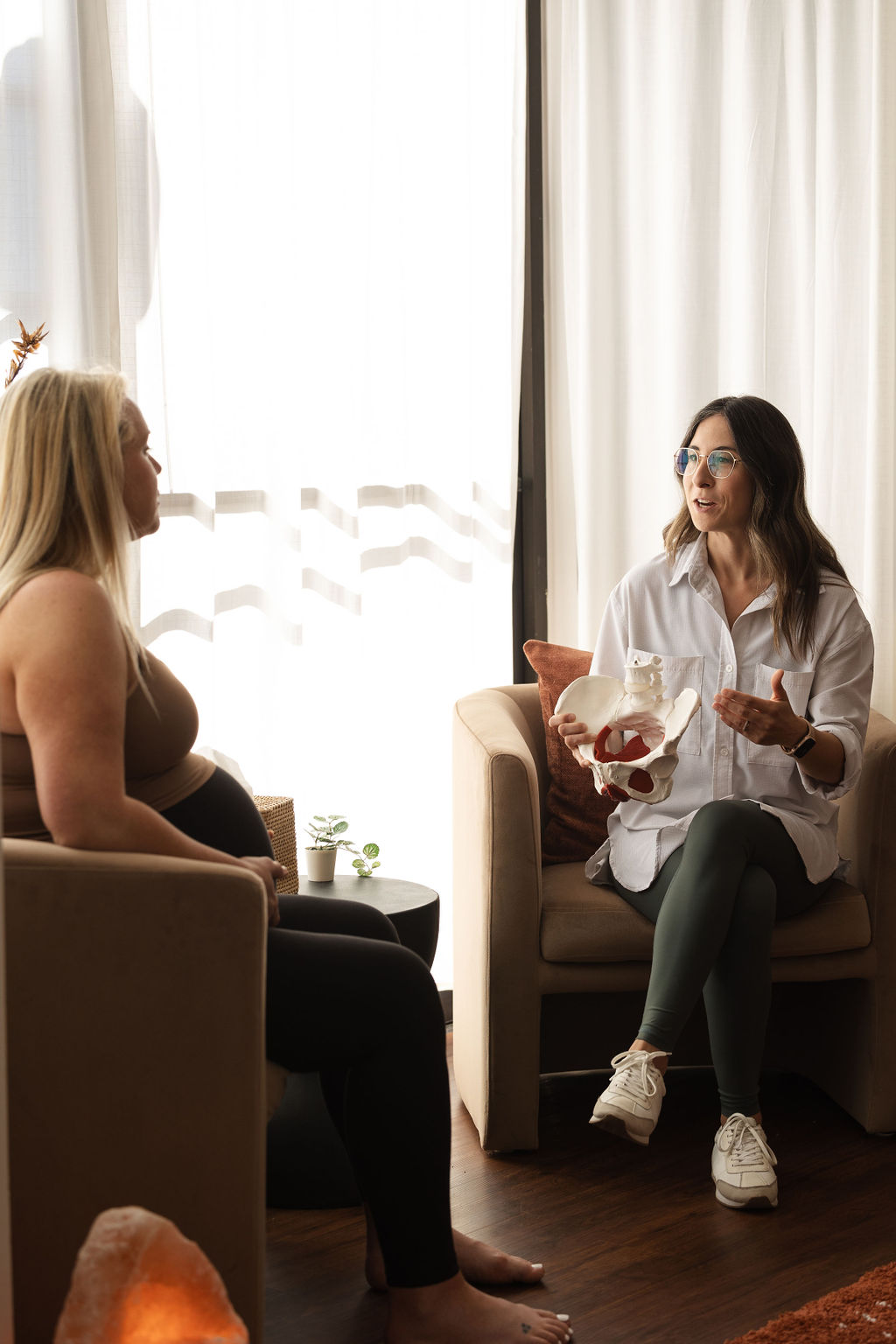
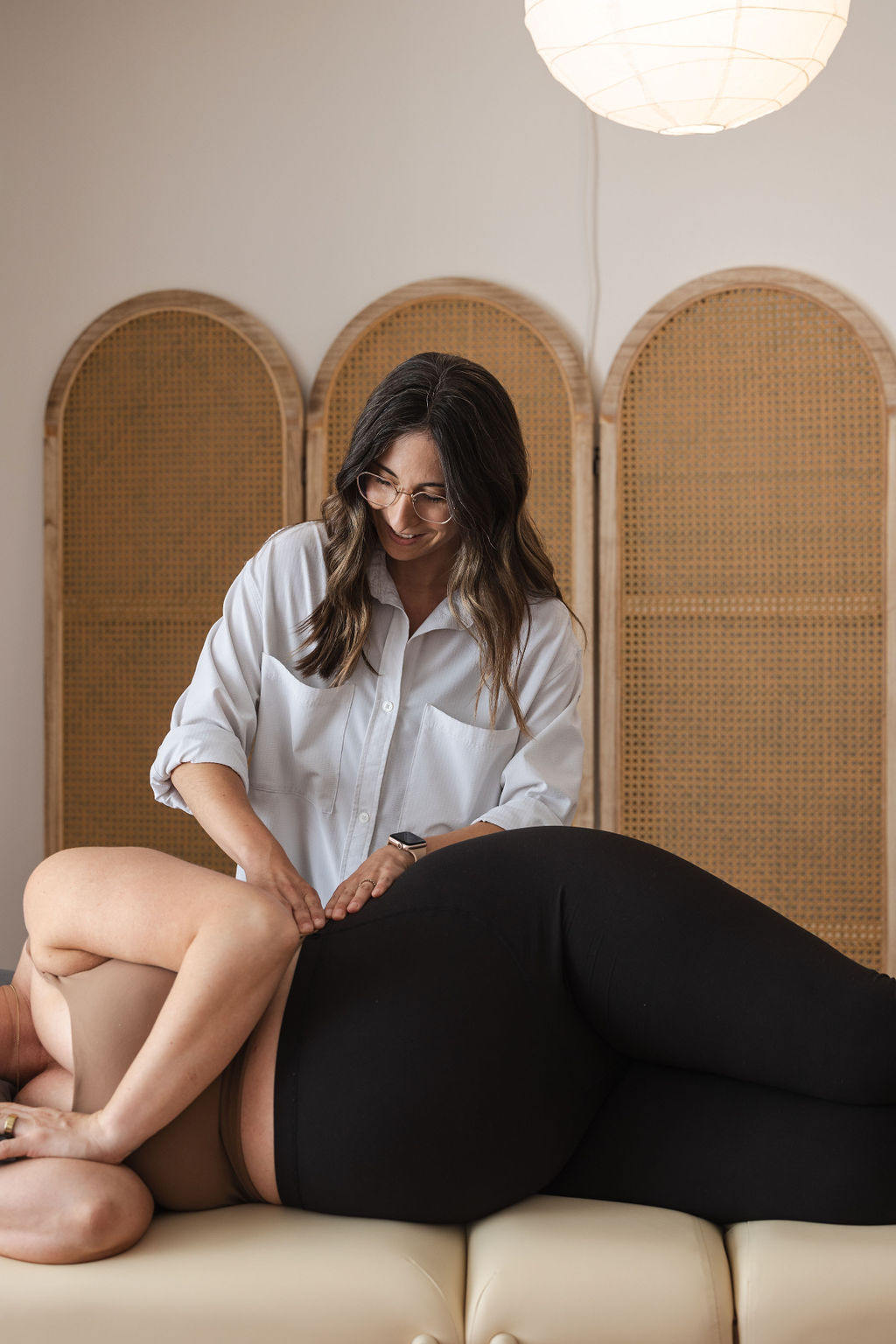
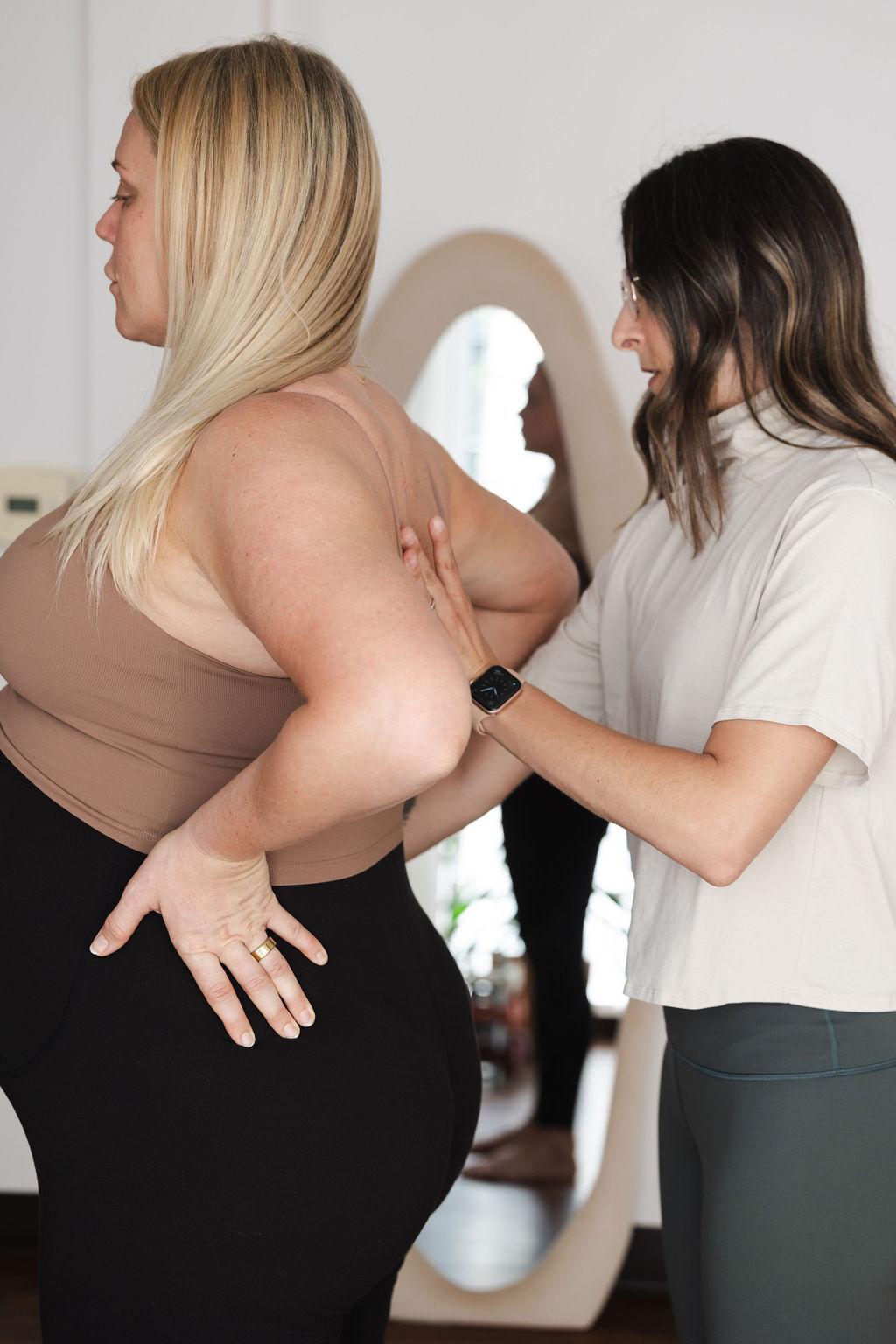
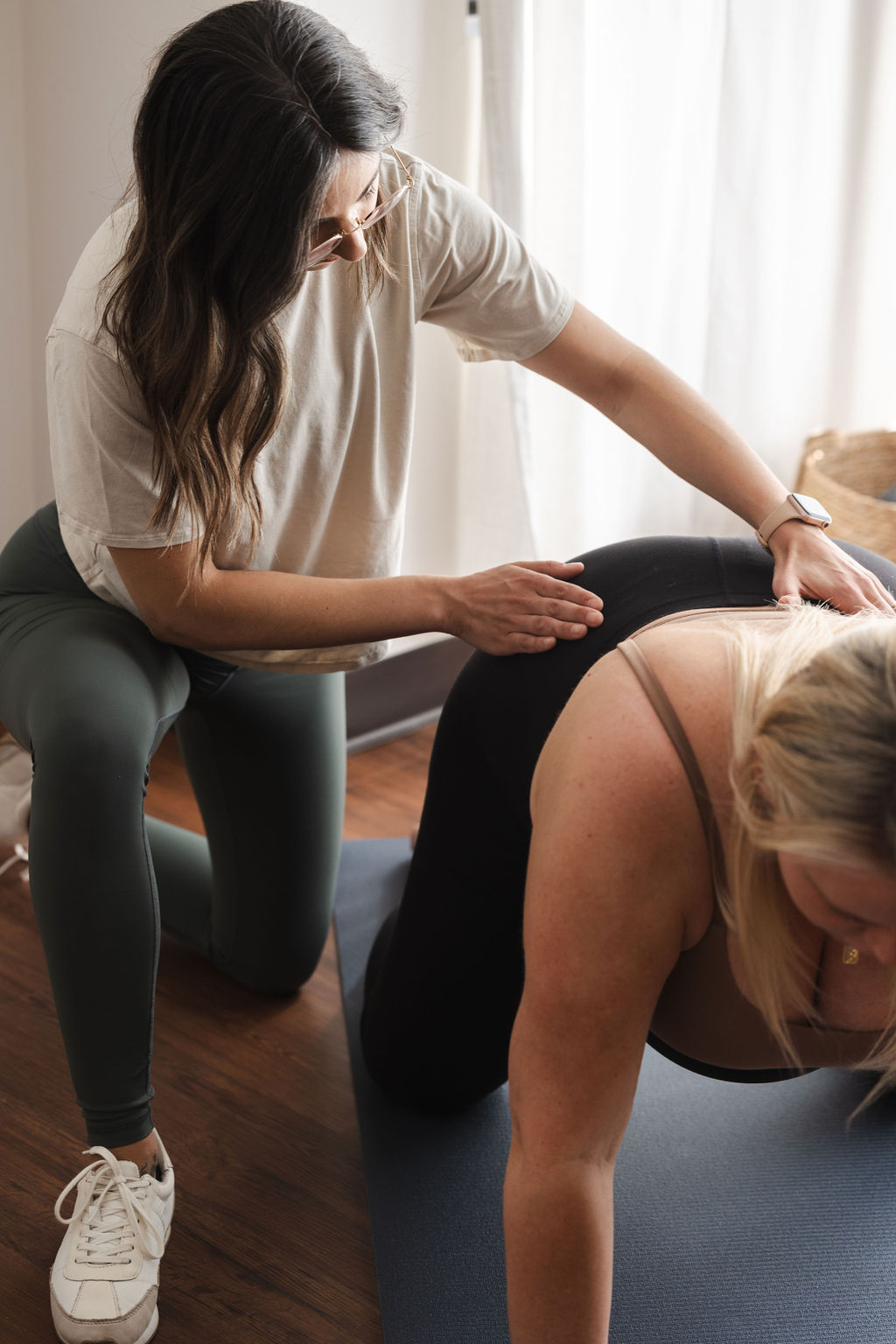
Image Credits
Joy Newell
Gina Pecho
Popular
-

Portraits of the Valley
-

LA’s Most Inspiring Stories
-

Rick Norris Learned That Building a Successful Business Means Building a Life You Actually Want to Live
-

How Olivia Rush Turned Survival Into a Mission to Help Others Keep Going
-

How Bibi Goldstein Is Helping Entrepreneurs Reclaim Their Time by Embracing the Power of Delegation
-

Victoria Hasson is Redefining Voice Coaching Through Community and Collaboration


