





We’re looking forward to introducing you to Jessica Christensen. Check out our conversation below.
Good morning Jessica, it’s such a great way to kick off the day – I think our readers will love hearing your stories, experiences and about how you think about life and work. Let’s jump right in? What is a normal day like for you right now?
Most mornings begin when the alarm goes off, gently reminding me that I said I’d “go to bed earlier” the night before (did I though?). I peel open one eye, confirm that I am in fact still a human being and not a decorative throw pillow, and then I rise only to be greeted by kids who wake up with the most positive attitudes. Next, I pour my coffee. And not just any coffee—Daughters’ Delight Coffee Co. Coffee created for my daughters (more on that in a different interview), the nectar that powers both my soul and my schedule. About this time I am usually reminded I have barely said good morning to my husband and make sure to do that. With mug in hand, I enter the living room—also known as The Launchpad, where the kids orbit around me like tiny satellites and I try to do complex space math like: Who needs shoes? Where are your water bottles? Why is someone crying? Did anyone eat? Has anyone brushed their teeth? Did I brush my teeth?
By the time we achieve the sacred trifecta of fed + dressed + vaguely presentable, it’s time for school prep and the grand departure. I heard everyone into the car with the same energy as a stage manager pushing actors on set. We arrive, we unload, we hug, and just like that—school drop-off is complete. One mission down.
Then begins Act II: Work-From-Home Land. I slip into my chair, adjust my posture like a professional adult, and join meetings where my camera is on, my brain is caffeinated, and my yoga pants remain a closely guarded secret. I brainstorm, I strategize, I nod thoughtfully, get distracted by my baby, and every so often I remind myself that this counts as “being productive.”
By midday, I trade my laptop for gym shoes and head to the sanity chamber, also known as the gym, where I attempt to convince my body it enjoys movement. Depending on the day, after the workout I either swing back into mom mode and pick up the kids—snacks, water bottles, art projects, and enthusiastic retellings included—or I head off to coach, where I trade business language for empowering pep talks and fast sideline decisions.
Evenings are a gentle, dimmer-switch descent toward peace. This is dinner time, followed by bedtime negotiations (because every child becomes a philosopher at bedtime). Eventually, covers are pulled up, teeth are brushed (we hope), and the house grows quiet. This is when the adults emerge. I finally finish making dinner, settle in with my husband for a little grown-up time, and we both pretend we’re night owls even though our eyelids say otherwise. The glass of wine appears, the world slows down, and then I either read to fill my imagination or create to prepare for the next day’s adventures.
By the time I crawl into bed, I marvel at how full and wonderfully ridiculous the day has been—messy, meaningful, similar to a game of Tetris where I am trying to fit all the parts together, and full of love. And then, just before drifting off, I make the bold promise I make every night: “Tomorrow, I’ll go to bed earlier.” And Repeat!
Can you briefly introduce yourself and share what makes you or your brand unique?
My name is Jessica, and I’ve been in the optical industry for over 15 years. I run a high-end independent luxury optical shop that focuses on delivering exceptional quality, service, and expertise. We operate on five core pillars that guide everything we do: fashionability, quality, functionality, durability, and customer satisfaction.
What makes our business unique is our commitment to independent eyewear. We actually travel the globe to source high-end independent brands that you rarely see in mainstream retail. It allows us to bring a curated, elevated, and highly distinctive selection to our clients — frames with real craftsmanship, thoughtful design, and integrity behind them.
Optical is truly in my DNA. I’m a third-generation eye professional with a family background in ophthalmology, so this is both a passion and a legacy. It’s very much a family business and one I take great pride in continuing.
Right now, we’re focused on leveraging best-in-class technology to expand our online presence and reach a wider audience — all while staying true to our mission of keeping independents independent. We believe in supporting artistry and innovation within the eyewear space, and we’re excited about what the future holds for our industry and our community.
Amazing, so let’s take a moment to go back in time. What’s a moment that really shaped how you see the world?
One of the most defining experiences of my life happened when I was young. I watched a sibling go through a serious illness, which meant extended stays in hospitals and long stretches of uncertainty. Being in that environment at such a formative age, and being a glasses wearer myself, opened my eyes in ways I didn’t expect. I became deeply aware that accessibility is not something everyone has, especially when they’re already facing hardship.
Even then, I noticed how many patients and families needed help with something as simple — yet essential — as their eyewear. People wore glasses that needed adjusting, prescriptions that needed updating, or frames that had been bent or broken. But when you’re confined to a hospital room, recovering, or caring for someone you love, access to basic optical care becomes complicated. It made a lasting impression on me.
That experience shaped how I see the world and how I approach my work today. It instilled a belief that expertise doesn’t matter if it isn’t accessible, and service doesn’t mean much if it can’t reach people where they are. It’s one of the reasons I’m committed to bringing services directly to customers through technology and more thoughtful client experiences — to remove barriers rather than reinforce them.
It’s also a major reason why we choose not to be in-network with insurance. We want our patients to receive what they truly need and deserve, not what is limited or dictated by a reimbursement model. For us, independence means putting quality and patient outcomes first, without compromise.
That early exposure to vulnerability and resilience taught me that independence, health, and access are privileges — and that we have a responsibility to make them available to more people. It continues to guide how I build, create, and advocate in the optical space today.
What did suffering teach you that success never could?
Suffering taught me something success never could: that growth requires struggle. I believe deeply in failing forward — that adversity isn’t just inevitable, it’s absolutely necessary. Anything worthwhile has never come easy for me, and over time I’ve learned to see that not as a setback, but as a clear sign I’m on the right path.
Success tends to validate our abilities, but suffering reveals our capacity. It teaches resilience, humility, creativity, and a kind of clarity you simply don’t gain when everything is going right. The best outcomes in life usually don’t come with a playbook or a textbook model. They come from real experience — from navigating uncertainty, from improvising, from learning the hard way. The most valuable lessons I’ve learned didn’t come from an instruction manual; they came from life.
Those moments shaped my worldview and my business philosophy. If it’s easy, it isn’t worth it — and if you’re not failing somewhere along the way, you’re probably not stretching far enough. Suffering made me more empathetic, more persistent, and more mission-driven. It taught me that success isn’t an end point; it’s a byproduct of showing up, trying again, and choosing purpose over comfort.
So a lot of these questions go deep, but if you are open to it, we’ve got a few more questions that we’d love to get your take on. What are the biggest lies your industry tells itself?
One of the biggest lies in the optical industry is that all eyewear is the same — that frames are just frames, lenses are just lenses, and it doesn’t really matter where or how you get them. The truth is, the variance in materials, craftsmanship, optical precision, and longevity is massive. Eyewear isn’t a commodity; it’s a medical device you wear on your face every day, and it deserves to be treated like one.
Another major misconception is that insurance defines value. Many consumers have been conditioned to believe that if something isn’t “covered,” it must not be necessary — or that the options within their insurance network are inherently the best. In reality, insurance benefits are reimbursement tools, not quality standards. They reflect what’s billable, not what leads to the best visual outcome. There is an entire world of independent brands, premium optics, and better visual performance that insurance simply doesn’t account for.
The industry also perpetuates the idea that a fashion label equals quality. Behind the scenes, many “designer” frames come from the same conglomerates, using the same components, just with different logos. True independent eyewear — designed by actual frame artisans and opticians — offers superior fit, craftsmanship, comfort, and durability.
There’s also a major lie around convenience: that the fastest or cheapest option is always the best. Online prescriptions or “one size fits all” models remove expertise, measurements, adjustments, and optical troubleshooting — often resulting in poor adaptation, headaches, or replacement purchases later.
What consumers should really know is where investment actually matters: in the lenses. For example, a lot of people are told (or conclude) they are “non-adapts” — that they can’t wear progressives or that they “just can’t see” out of their prescription. Most of the time, it’s not them — it’s the lens material, design, or construction. When consumers choose premium options — like a digital freeform progressive instead of an outdated analog design — they get a dramatically wider field of vision with less distortion. Think HDTV versus old-school standard definition — the content is the same, but the quality of the experience is completely different.
And coatings matter just as much. High-quality coatings improve clarity, reduce glare, resist scratches, and make lenses more functional day-to-day. If you’re going to invest, it should be in premium progressives, premium materials, and premium coatings — because those factors directly affect how you see and function in the real world.
The bottom line: consumers deserve transparency about how their eyewear is made, what they’re paying for, and what their eyes truly need. When they have that information, they overwhelmingly choose quality, independence, and expertise — and they see the difference immediately.
Before we go, we’d love to hear your thoughts on some longer-run, legacy type questions. What is the story you hope people tell about you when you’re gone?
I hope people will say that I cared enough to make things better, even when it was hard or inconvenient. That I believed in failing forward, that adversity didn’t scare me, and that I didn’t take the easy way simply because it was available. If something was worth doing, I wanted to do it well — with integrity, thoughtfulness, and endurance.
I hope they say I pursued being imperfectly perfect and uniquely myself, without trying to fit into someone else’s template. That I fought to tap into the best of what our industry could be, rather than settling for what it already was. I never wanted to bow down to trends, to conglomerates, or to the big players who dictate outcomes instead of elevating people. My goal was always to be a voice for the voiceless — for the independents, for the artisans, for the patients who deserve more than what the system hands them.
Professionally, I hope the story is that I helped others see more clearly — not just through eyewear, but through perspective. That I valued independence, craftsmanship, and expertise, and that I stood up for quality and accessibility in an industry that often settles for the opposite. I want people to say that I protected and elevated independent optical, refused to let insurance companies define patient care, and pushed for better materials, better technology, and better experiences because people deserved them.
Personally, I hope the story includes that I was loyal to my people, committed to my family, generous with my time, and unafraid to lead with heart. That I brought passion to my work without losing sight of why I was doing it.
If, in the end, people can say that I made a meaningful difference, that I expanded what was possible for independent optical, and that I left things better than I found them — then that’s enough for me.
Contact Info:
- Website: https://Www.sacksoptical.com
- Instagram: Sacks Optical
- Linkedin: https://www.linkedin.com/company/sacks-optical-boutique-llc/
- Facebook: Sacks Optical
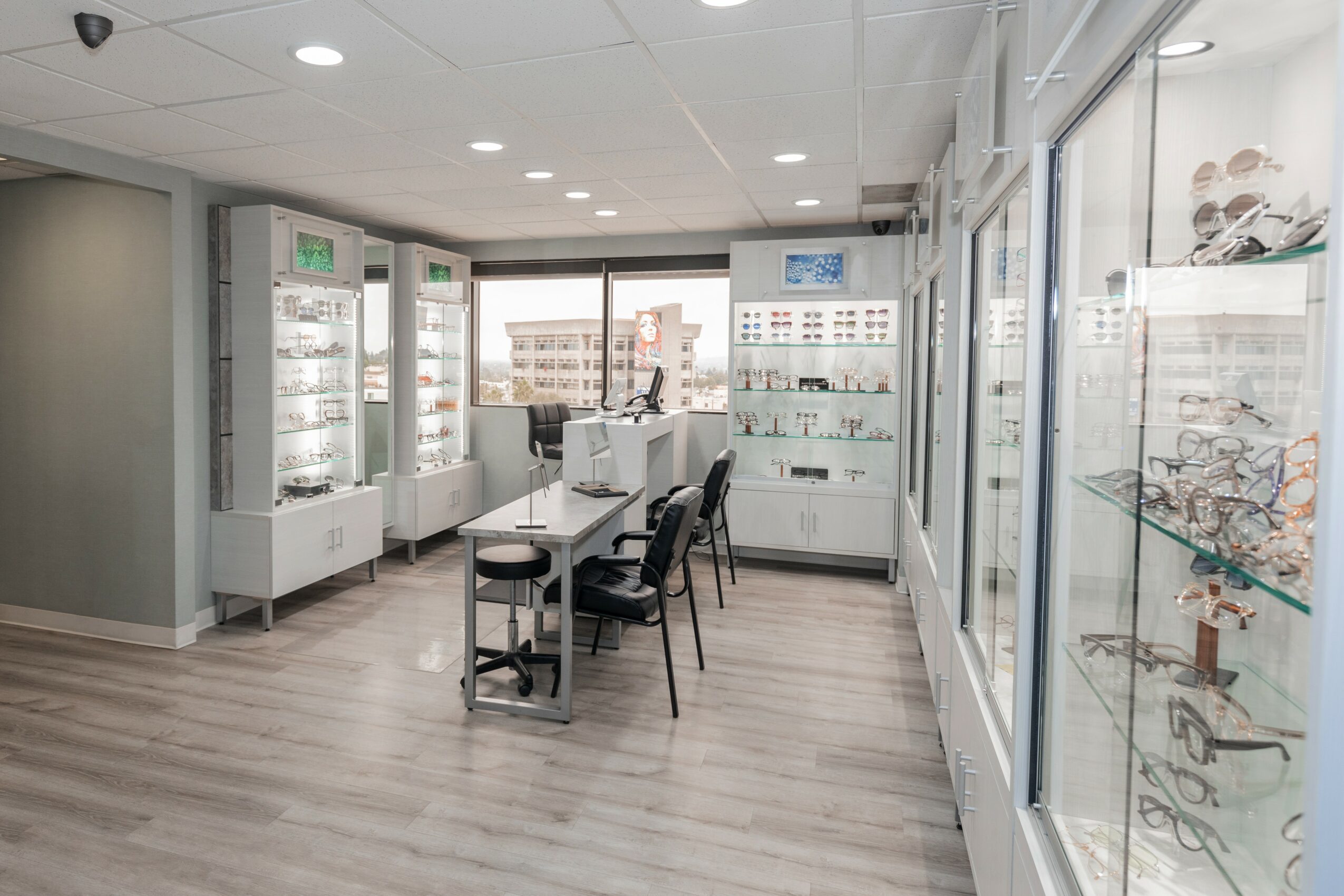
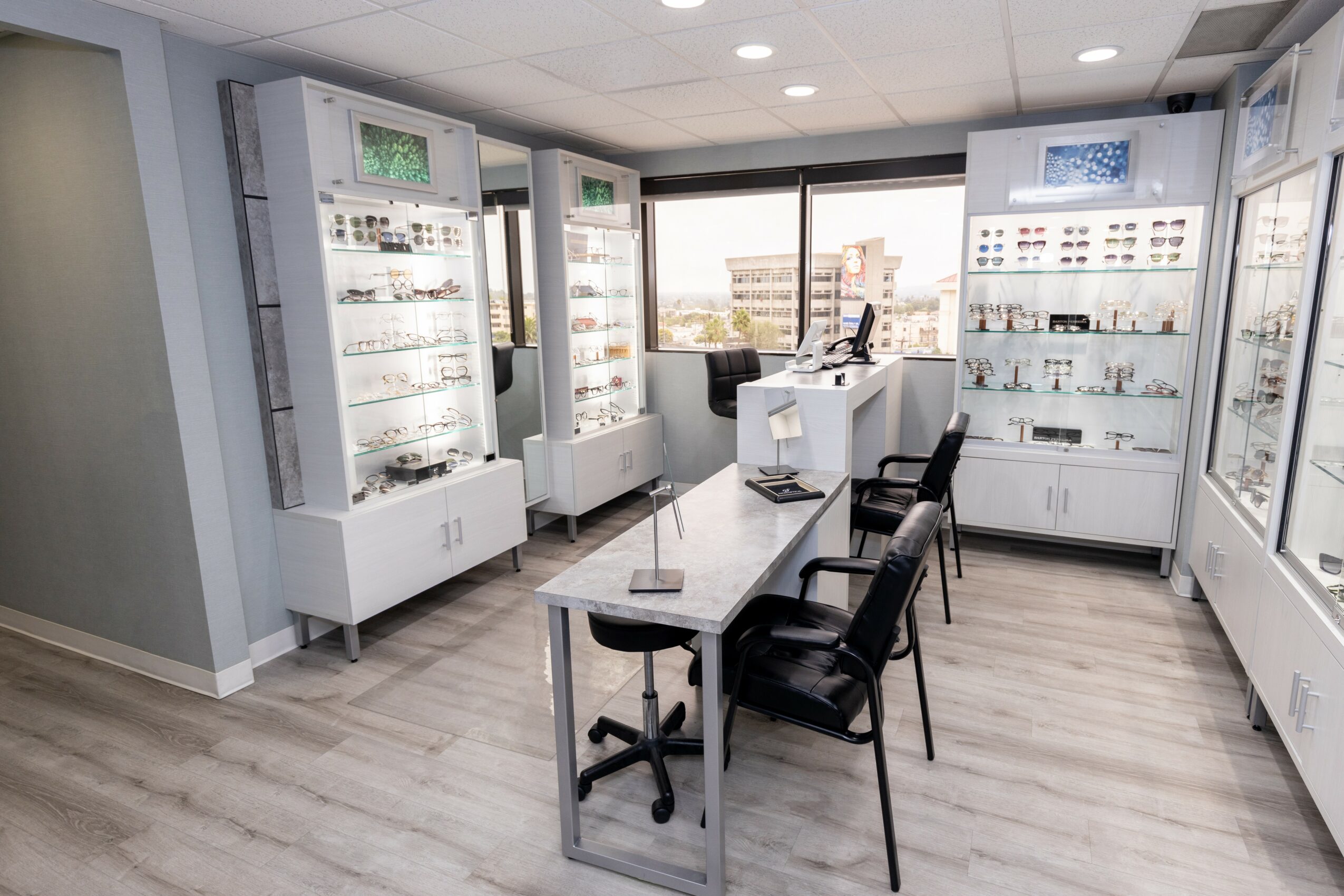
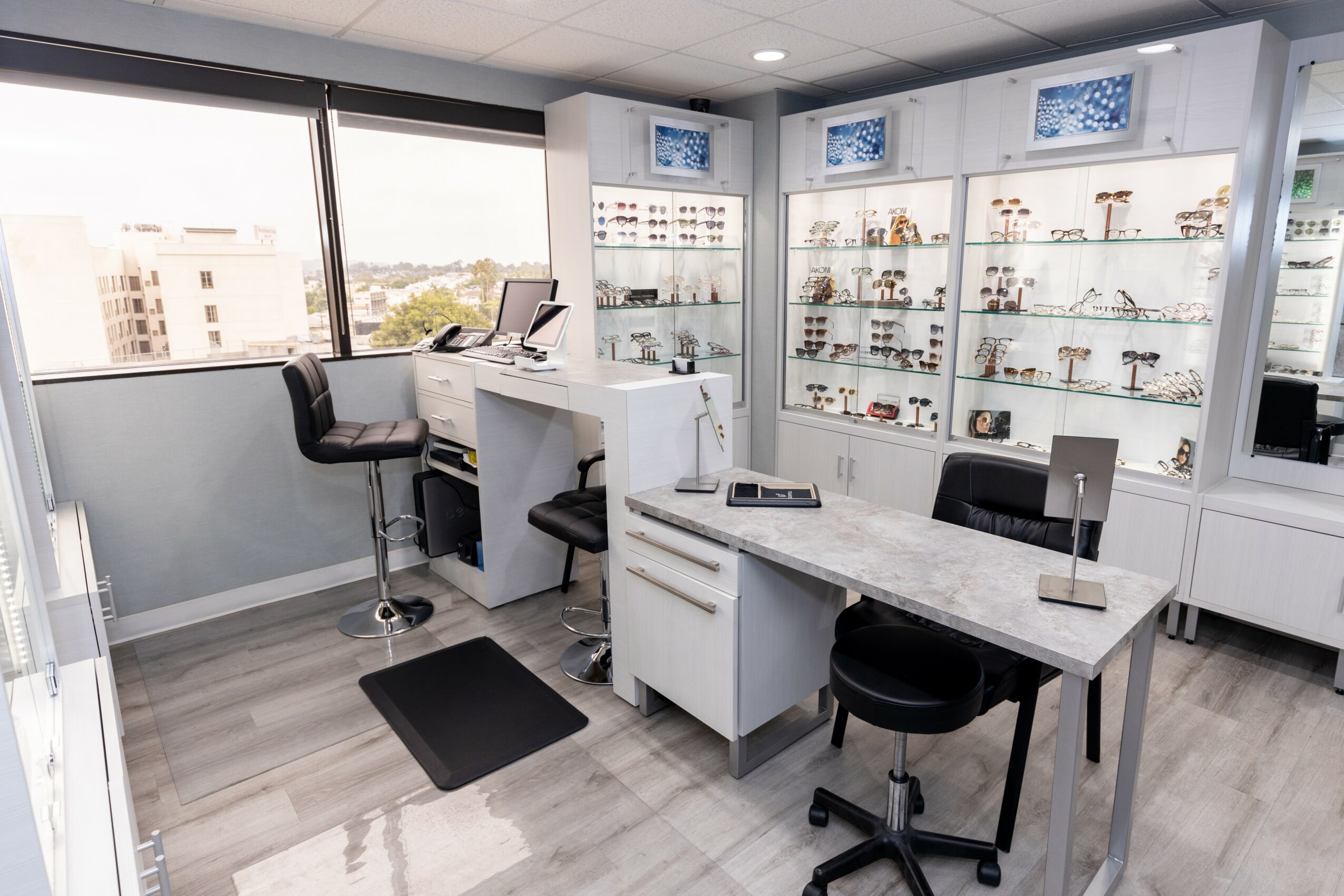


Image Credits
Images by: Live Art Love
Popular
-

Portraits of the Valley
-

LA’s Most Inspiring Stories
-

Rick Norris Learned That Building a Successful Business Means Building a Life You Actually Want to Live
-
How Olivia Rush Turned Survival Into a Mission to Help Others Keep Going
-

How Bibi Goldstein Is Helping Entrepreneurs Reclaim Their Time by Embracing the Power of Delegation
-

Victoria Hasson is Redefining Voice Coaching Through Community and Collaboration


