




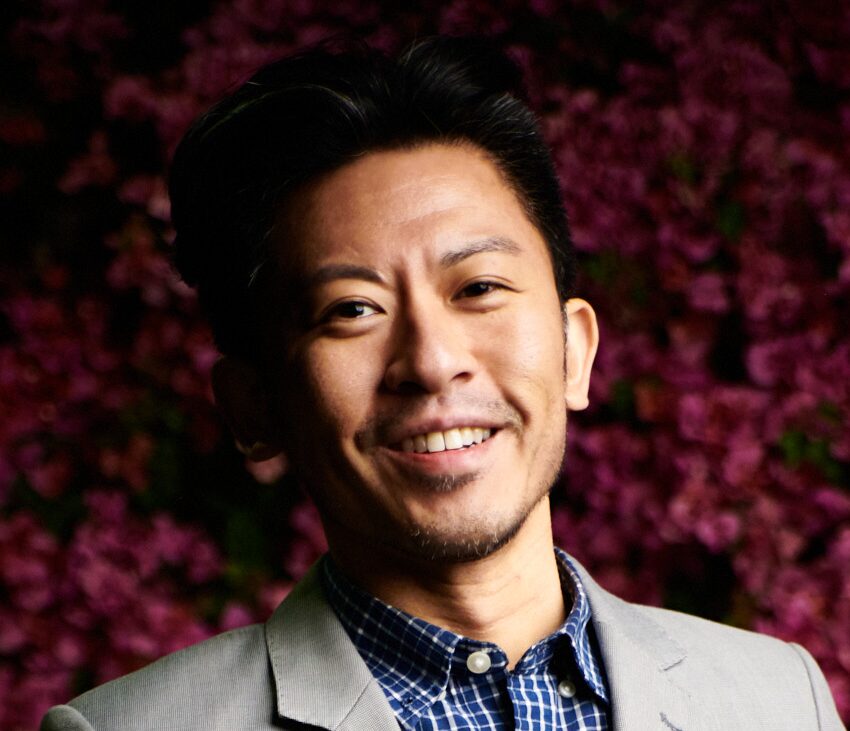
We’re looking forward to introducing you to Erik Scott Chan. Check out our conversation below.
Erik Scott, a huge thanks to you for investing the time to share your wisdom with those who are seeking it. We think it’s so important for us to share stories with our neighbors, friends and community because knowledge multiples when we share with each other. Let’s jump in: What are you most proud of building — that nobody sees?
I take quiet pride in the internal work that rarely gets acknowledged. People see the outcomes — patented products, retail operations, policy initiatives, international art sales, or live performances — but not the discipline, recalibration, and persistence behind them.
What nobody sees is the process of rebuilding after setbacks, refining judgment through experience, and staying committed when there is no external validation. That internal foundation is the common thread behind everything I’ve built. It isn’t glamorous, but it’s what makes the visible results possible.
Can you briefly introduce yourself and share what makes you or your brand unique?
I’m a strategist, builder, and creative operator whose career has moved across consumer goods, civic innovation, and live experience design. Over sixteen years, I’ve worked at the intersection of product development, market growth, and cross-sector collaboration, launching patented hardware, shaping public-sector frameworks, scaling multi-million-dollar retail operations, and building direct-to-audience creative brands.
What makes my work unique is the through-line behind all of it: building experiences around how people think, feel, and connect. Whether I’m designing public policy for a city, commercializing a physical product, performing live for hundreds, or crafting a market strategy, my focus is always on creating something that resonates emotionally and delivers meaningful, lasting impact.
Today my brand Oléha blends music, multisensory design, and audience psychology into what I describe as “Vacation Music for the Soul” — a live, immersive soundtracking experience shaped by the mood, emotion, and energy of the moment. In parallel, I create Japanese Kintsugi art that has grown into a global DTC brand. Together, these creative ventures are the latest chapter in my career and another way of studying human response, storytelling, and connection.
Now that I’ve established a strong market presence for my art, I’m exploring executive roles where I can apply my cross-disciplinary perspective to broader organizational challenges and missions. Experience has taught me that I’m highly effective when things aren’t fully defined and thoughtful execution matters more than rigid playbooks.
Amazing, so let’s take a moment to go back in time. Who saw you clearly before you could see yourself?
One of the first people who saw me more clearly than I saw myself was Mr. Haru Akenaga, Founder and President of Nippon Ichi Software of America, the Japanese game company where I held my first management and writing role as a Quality Assurance Manager and Script Editor. I was young, ambitious, and wanted to be a video game producer, but I still had a lot to learn about navigating professional responsibility and workplace conflict.
After a disagreement with a project director, I was let go. Instead of a cold dismissal, Haru took me to lunch. He asked me what I believed made a good leader.
I told him that a good producer ensures people have what they need to do their best work and feel valued. He told me my answer showed more wisdom than he expected, but also explained that he couldn’t be the one to teach me the lessons I still needed to learn. Letting me go, he said, was the best thing he could do to help me grow.
That moment stayed with me because it validated something I instinctively understood even with limited experience: empowering people and valuing their work is the foundation of healthy performance and culture. It also revealed the part I hadn’t yet learned: how to navigate conflict with maturity, communicate with diplomacy, and manage the power dynamics that shape a real workplace.
That experience deepened my understanding of leadership and showed me that sometimes the most supportive action a leader can take is recognizing when an environment is no longer the right place for someone to grow. It shaped how I lead today, with clarity, respect for people, and an understanding that long-term development matters more than short-term comfort.
What did suffering teach you that success never could?
Success shows you what’s possible. Suffering teaches you how to persevere through ambiguity and difficult times.
Across my career, I’ve often been tasked with building something from nothing, whether new products, new markets, or new frameworks. Those paths were rarely smooth. Setbacks and uncertainty forced me to adapt, reassess, and continue forward without clear answers.
Those moments taught me patience, emotional discipline, and perspective. They taught me how to communicate clearly under pressure and how to recognize when someone needs guidance versus space. Success alone never taught me that.
The difficult chapters shaped my leadership far more than the easy ones. They made me steadier, more empathetic, and more capable of helping others navigate challenging terrain.
I think our readers would appreciate hearing more about your values and what you think matters in life and career, etc. So our next question is along those lines. What would your closest friends say really matters to you?
My friends would say that integrity matters most to me, doing what I say I’ll do and staying aligned with my values. They know I care deeply about fairness and standing up for people who lack power or representation.
They would also say that connection matters. Whether through music, leadership, or collaboration, I care about creating environments where people feel seen, respected, and supported. That value shows up everywhere in my life, from how I build teams to how I perform live.
Okay, so let’s keep going with one more question that means a lot to us: If immortality were real, what would you build?
If time were unlimited, I would focus on building systems that reduce income inequality at a structural level. I’ve seen, and personally experienced, how much human potential is constrained when people are forced to operate in constant survival mode.
I’m interested in long-term frameworks that align incentives, reduce friction, and expand opportunity over generations. When people have stability and mobility, creativity increases, innovation accelerates, and societies become healthier and safer.
If immortality were real, I’d invest in building the kinds of systems that allow more people to participate meaningfully in shaping the future rather than merely enduring the present.
Contact Info:
- Website: https://www.OlehaMusic.com
- Instagram: https://www.instagram.com/olehamusic
- Linkedin: https://www.linkedin.com/in/erikschan
- Other: https://www,kintsugidecor.com
Popular
-

Portraits of the Valley
-

LA’s Most Inspiring Stories
-

Robin Olive on Building an Inclusive Performing Arts Movement and Expanding Opportunities for Every Student
-

Que Johnson on Building Brands That Last: From Visibility to True Market Authority
-

Christina Wren Steps Into the Director’s Chair to Tell Stories That Feel Like Home
-

JordanL on ‘Breathe,’ Belief, and Building a Movement Beyond the Music


