




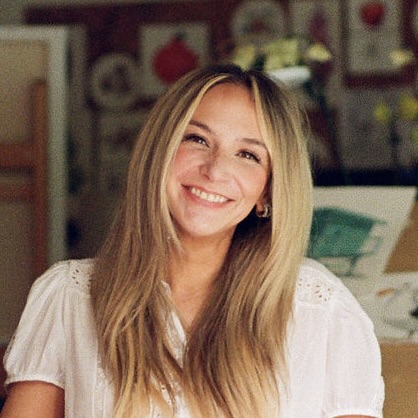
We recently had the chance to connect with Emily Bourassa and have shared our conversation below.
Emily, really appreciate you sharing your stories and insights with us. The world would have so much more understanding and empathy if we all were a bit more open about our stories and how they have helped shaped our journey and worldview. Let’s jump in with a fun one: What do the first 90 minutes of your day look like?
We’re going to go with the ideal version, when things are in a good rhythm for this response, because it’s my favorite (and most common) way to start the day.
My husband usually brings me a tea or coffee first thing. He is a morning person, and I am a night owl so we are perfectly matched in this way. I drop my kids off at their bus stop, and then I start my very involved journaling/listing/calendaring process. I do a modified version of morning pages from The Artist’s Way, where I simultaneously have a to do list and a calendar open. It is time consuming, but it helps me map out my day & prioritize all of the different projects I am working on.
Once that’s done, I put fresh water in my watercolor painting jug, and get to painting! On an ideal painting day, I will have 6-8 watercolor blocks prepped with pencil sketches, and turn on an audiobook and get to it! I usually paint for 4-6 hours when the light is good during the day.
Can you briefly introduce yourself and share what makes you or your brand unique?
I didn’t start learning art until I was 37. During Covid, I found myself painting as a way to keep myself feeling peaceful in the midst of all of the upheaval, and doing a combination of home school and zoom school for my kids. I started to notice that I had an almost insatiable curiosity about art, and began daydreaming about becoming an artist, for real. I enrolled in my first art class online, through RISD and finished their Natural Science Certificate in 2023, and Painting Studies Certificate in 2024 while also enrolled in the MFA Illustration degree program through Savannah College of Art & Design. I post often on social media about schooling, tips & tricks I’ve learned along the way, as well as behind the scenes of my professional projects.
Okay, so here’s a deep one: What did you believe about yourself as a child that you no longer believe?
As a child I really felt like my mom and brother were the artists in the family, and that I was terrible at drawing. It is funny because it can all be attributed to simply being the younger child, and comparing myself to people around me who were older and more patient than me! On the one hand, I love that I pursued all of my other interests. But, if I could tell my younger self one thing, it would be to lean into this creativity that I had been pushing to the side!
Is there something you miss that no one else knows about?
Ok, so I miss Covid. Not the disease. But that year in our life was so transformative in so many ways. I’ve seen this a few times in my life, where the thing that you fear most, and actively wish it will never happen, happens. And it’s always the very best things that come next. For our family, Covid was like that. My dad was starting a battle with cancer, and as awful as that time was, it also makes things fall into place, and clarifies priorities in a major way. My husband stopped commuting. He was spending hours every day, driving down to LA and back and missing out on so many moments with our kids, and working from home changed his entire business. And for me, I found that tons of art classes had moved online and I could pursue an art education while still being very present for my children.
I think our readers would appreciate hearing more about your values and what you think matters in life and career, etc. So our next question is along those lines. What are the biggest lies your industry tells itself?
I’m about to enter my last quarter of grad school- I’ve been earning my MFA in illustration. What I’ve noticed is that the school, and a lot of professors there like to structure things around a 2 week timeline. Thumbnails, black and white sketches, color comps, and then final art pieces. It’s a recipe that works and it’s repeated over and over again. It’s also a format that doesn’t work for me, at all, and I have yet to see it replicated in a professional context. I think the intention behind this process is to give students a reliable structure and make sure no one is slipping too far behind to be successful. But, for me, it is far more valuable for students to understand their own version of a process, create structures that work for them, and figure out a path forward that is authentic to themselves. My own process looks like this- a ton of research, brainstorming and thumbnails that will likely last me for months to create. This part takes time and a feeling of mental freedom. From there, I work out color palette, as I need this to be in place before I start sketching. I prep about 30 or more pieces at a time, and paint everything in long stretches. I’ll work for a few days photoshopping and assembling things digitally. I can create so much work this way, and am pretty fast for a traditional artist! I think it’s helpful to look at the creative process of different kinds of artists, I’m really inspired by writers and interested in how they get their work done.
Okay, so before we go, let’s tackle one more area. Are you tap dancing to work? Have you been that level of excited at any point in your career? If so, please tell us about those days.
Yes. Hell yes. I am pinching myself daily. I’m being paid to paint. People want to hire me to make art for them. People care about what I have to say. I get to spend hours every day painting watercolor and then hanging out with my kids after school. I feel like the luckiest person alive.
Contact Info:
- Website: https://www.emilybourassastudio.com
- Instagram: https://www.instagram.com/emilybourassastudio
- Other: Tik Tok @emilybourassastudio
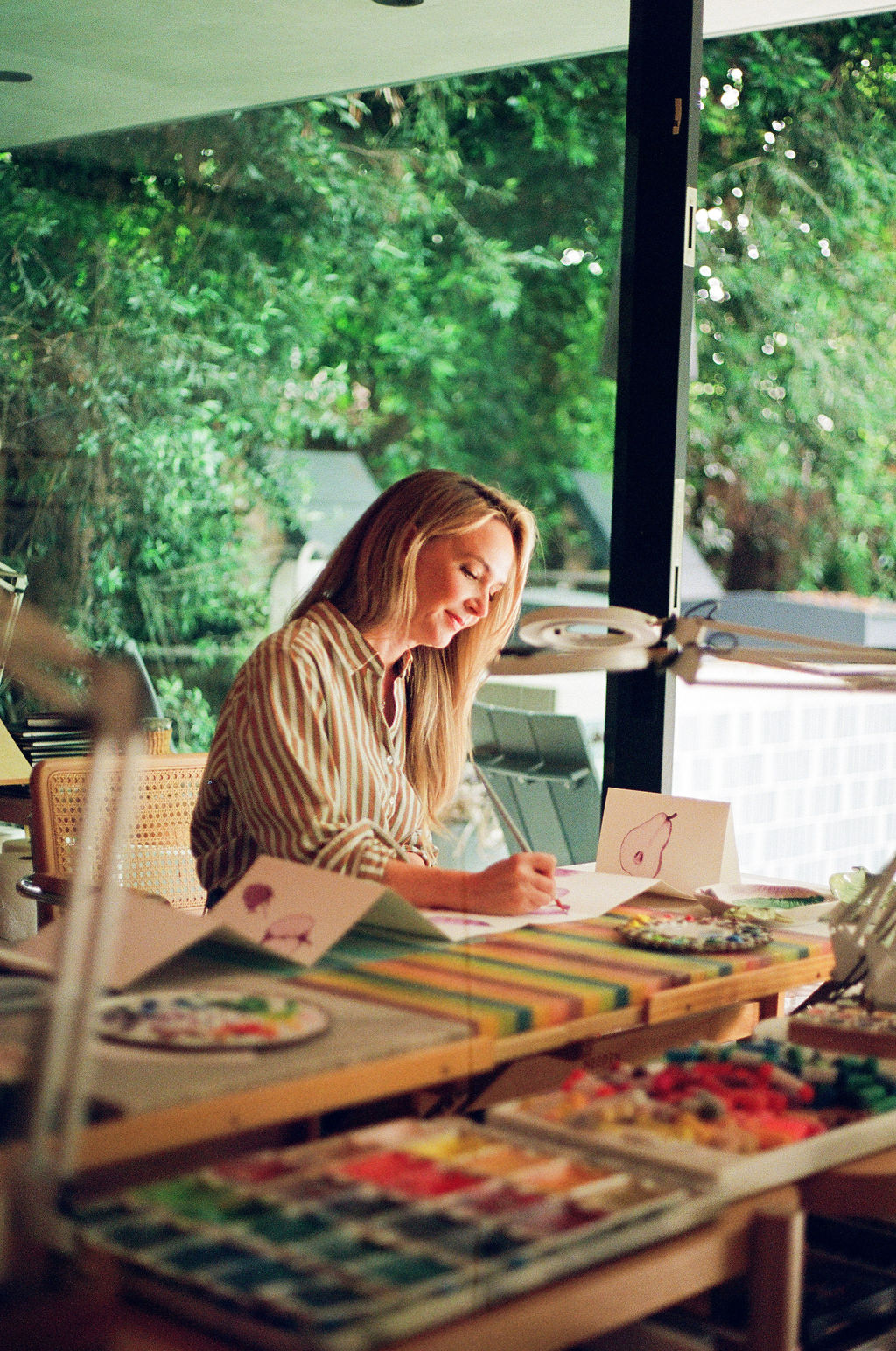
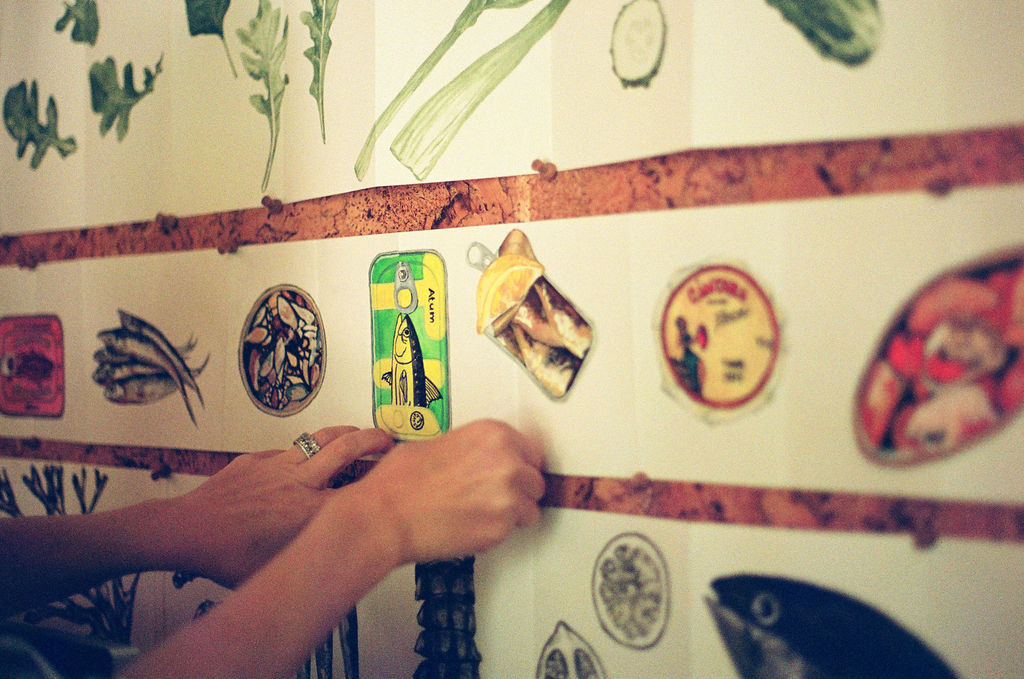
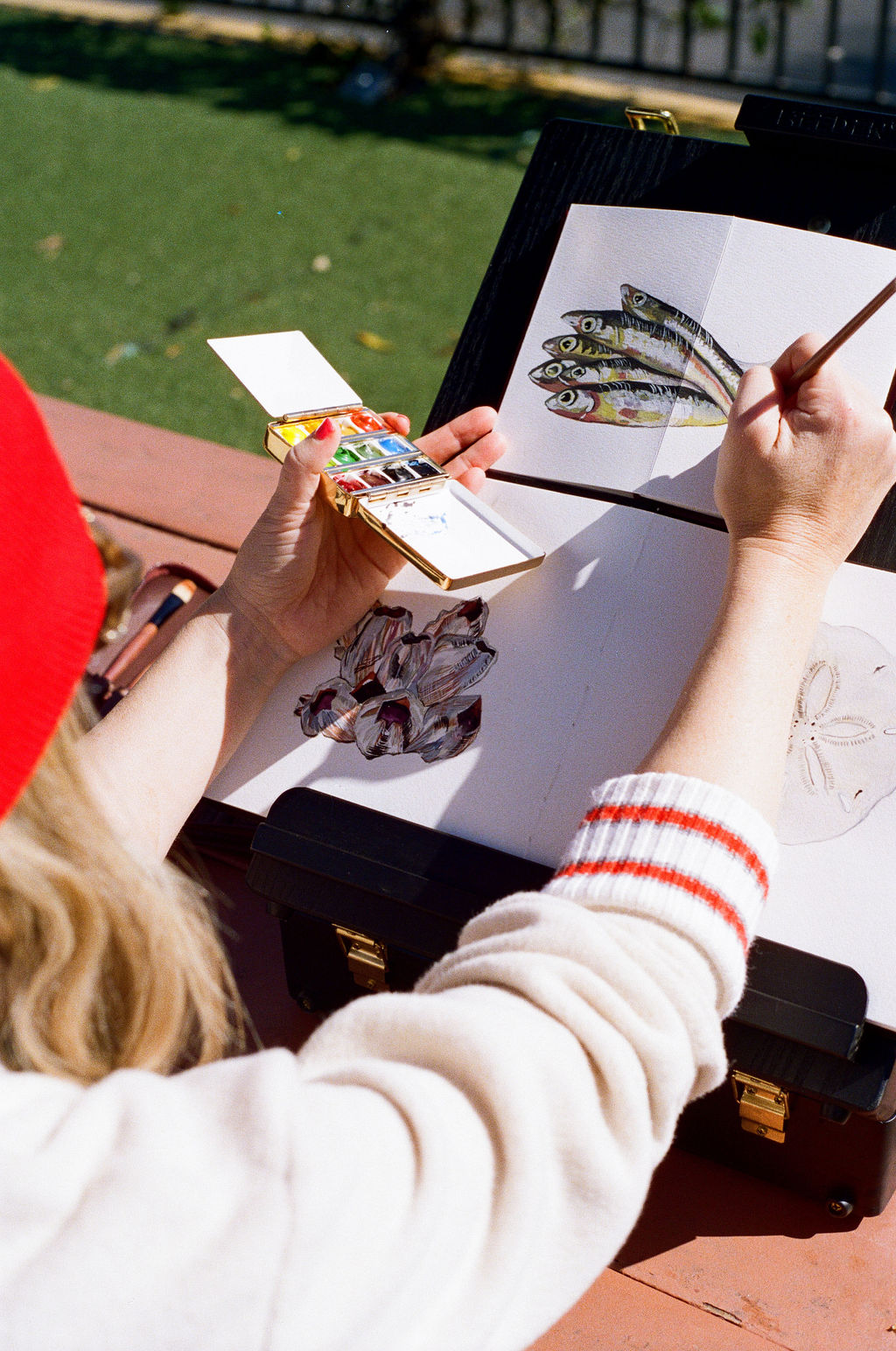
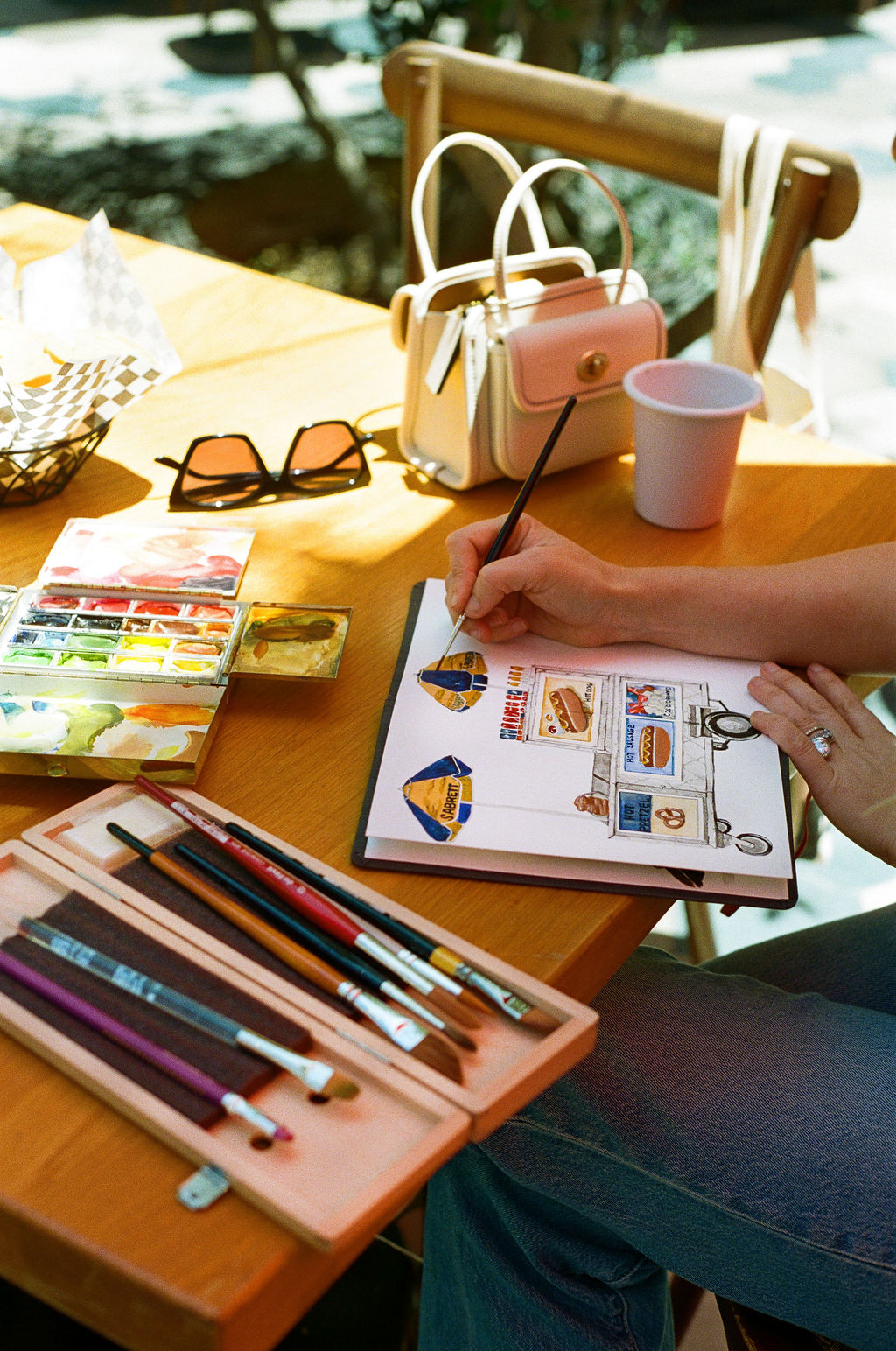
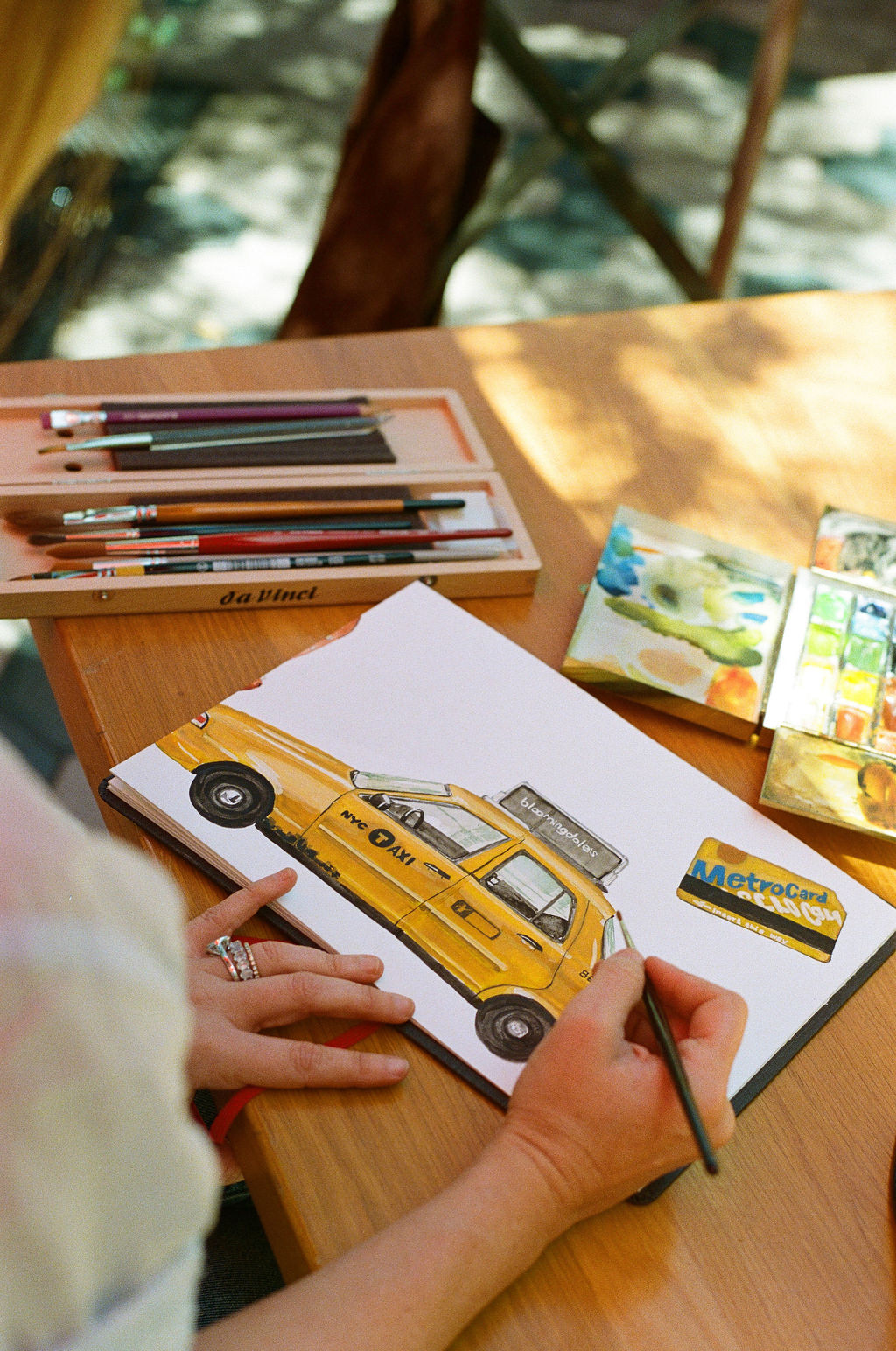
Image Credits
Molly Lowe-White
Popular
-

Portraits of the Valley
-

LA’s Most Inspiring Stories
-

Rick Norris Learned That Building a Successful Business Means Building a Life You Actually Want to Live
-

How Olivia Rush Turned Survival Into a Mission to Help Others Keep Going
-

How Bibi Goldstein Is Helping Entrepreneurs Reclaim Their Time by Embracing the Power of Delegation
-

Victoria Hasson is Redefining Voice Coaching Through Community and Collaboration


