




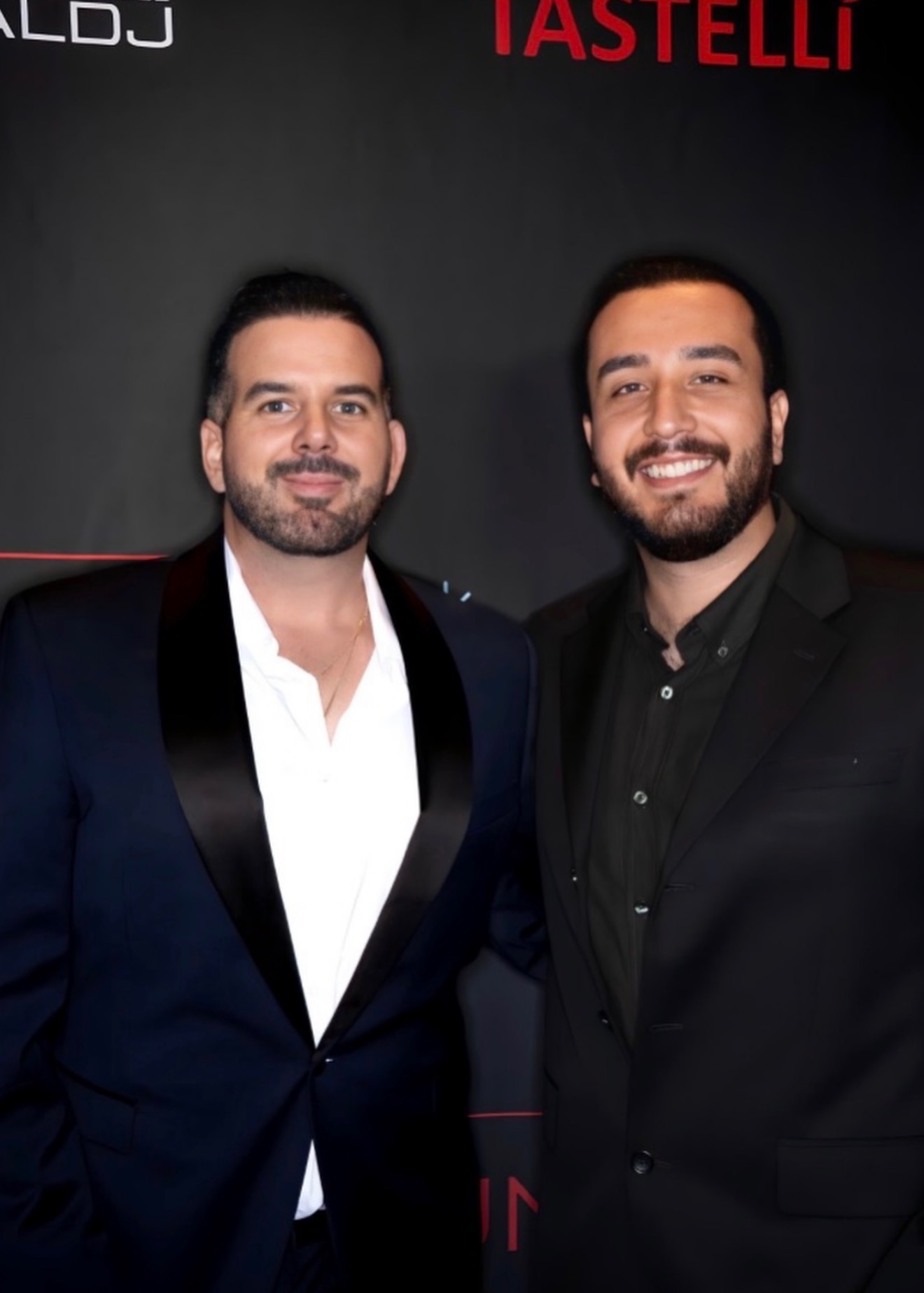
We recently had the chance to connect with Arad Momen & Reese Darlington and have shared our conversation below.
Arad & Reese, so good to connect and we’re excited to share your story and insights with our audience. There’s a ton to learn from your story, but let’s start with a warm up before we get into the heart of the interview. What is a normal day like for you right now?
A normal day for us right now is intense, fast moving, and incredibly fulfilling. We start most mornings grounded in what matters and then immediately step into motion. At HammerLogic Construction & Remodeling, we’re managing luxury building and complex restoration projects across Los Angeles and Orange County, and that kind of work demands presence, clarity, and momentum from the very beginning of the day.
Our days are a constant blend of field and strategy. Walking jobs, solving problems in real time, making design and construction decisions, and staying closely connected to our teams and clients. We like being in it. Seeing progress firsthand, catching details early, and making decisions that move projects forward instead of creating friction is where we do our best work.
Building this company together has been a huge part of what keeps the energy high. Reese Darlington and Arad Momen bring different perspectives, but the same standards. We’re constantly pressure-testing ideas, refining systems, and raising the bar on how we deliver. That collaboration turns a demanding pace into something exciting rather than draining.
A normal day also means ownership. Owning outcomes, owning decisions, and taking responsibility when things don’t go perfectly. The work we do impacts how people live, rebuild, and move forward after loss or during major transitions. That responsibility fuels us. It’s what keeps the work meaningful even on the hardest days.
The pace is real and the expectations are high, but it’s purposeful. Some days are long, some are unpredictable, and some are all about keeping everything aligned when pressure hits. That challenge is exactly what keeps us engaged.
It’s not routine, it’s not quiet, and it’s definitely not easy. But it’s deeply rewarding. Building at a high level, leading with intention, and watching projects come together the right way is what makes a normal day feel exciting, and why we’re fully invested in what we’re building.
Can you briefly introduce yourself and share what makes you or your brand unique?
HammerLogic Construction & Remodeling is a construction and restoration firm based in Los Angeles and Orange County, specializing in luxury building, high-end residential projects, and complex insurance-driven rebuilds. The company was co-founded by Reese Darlington and Arad Momen with the intention of bringing structure, clarity, and accountability to an industry that often prioritizes speed over precision.
What sets HammerLogic apart is its disciplined approach to leadership and execution. Rather than rushing projects or cutting corners to meet timelines, the company emphasizes planning, communication, and intentional decision-making. Many of its projects involve high expectations, tight timelines, or properties affected by loss, where clients need both technical expertise and a steady hand.
The brand is built around the belief that strong systems produce better outcomes. Clear expectations, consistent standards, and calm leadership allow HammerLogic to deliver refined results across luxury construction and restoration alike. The same level of care applies whether the project is a ground-up luxury build or a complex rebuild following damage.
Currently, HammerLogic is focused on thoughtful growth throughout Los Angeles and Orange County while maintaining the standards that define its work. The goal is not rapid expansion, but long-term trust, repeat relationships, and a reputation for quality that holds up under pressure.
Amazing, so let’s take a moment to go back in time. Who taught you the most about work?
The people who taught us the most about work weren’t the ones who talked about it the loudest. They were the ones who showed up consistently, took responsibility seriously, and didn’t outsource accountability when things got difficult.
Early on, we learned a great deal from people who believed work was something you honor, not something you perform. They didn’t chase recognition. They focused on results, integrity, and follow-through. Watching how they handled pressure, especially when no one was watching, shaped how we understand professionalism to this day.
As our career evolved, the most influential lessons came through partnership. Building HammerLogic alongside Arad Momen became one of the most defining educational experiences of my life. When you’re working shoulder to shoulder with someone, you don’t just learn how they operate when things are going well. You learn how they think when plans change, how they communicate under stress, and how they prioritize when trade offs are unavoidable.
That kind of environment teaches you quickly that work isn’t about ego or control. It’s about clarity, trust, and shared standards. You learn that alignment matters more than agreement, and that respect is built through consistency, not words. Those lessons don’t come from instruction. They come from lived experience.
For Reese Darlington, work has always been a reflection of character. The most impactful teachers reinforced that idea through action. They didn’t cut corners when it would have been easier. They didn’t shift blame when things went wrong. They treated every commitment as a reflection of who they were, not just what they did.
I’ve also learned a great deal from the work itself. High pressure environments have a way of teaching you quickly what matters and what doesn’t. They expose habits, test patience, and force you to confront your limits. Over time, you realize that skill can be learned, but mindset must be developed. Discipline, composure, and accountability are built through repetition and reflection.
The biggest lesson I’ve taken from everyone who shaped my approach to work is that consistency beats intensity. Showing up clear headed, prepared, and steady day after day creates trust. And trust, more than talent or speed, is what sustains long-term success.
In that sense, the people who taught me the most about work didn’t just teach me how to do my job better. They taught me how to carry responsibility well, and how to build something that lasts without sacrificing standards along the way.
Was there ever a time you almost gave up?
Yes, there were moments where giving up felt like a real option, not in a dramatic sense, but in a quiet, internal one. The kind of moments where nothing is visibly “wrong,” yet the weight of responsibility, uncertainty, and pressure accumulates faster than it releases. Those are the hardest points, because they don’t announce themselves. They just sit with you.
For Reese Darlington, those moments tended to show up during transitions. When expectations grew faster than infrastructure. When the stakes increased, but the margin for error disappeared. Building something meaningful doesn’t usually break you all at once, it challenges you through a series of small, relentless decisions that test your patience, confidence, and sense of direction.
Starting and growing HammerLogic alongside Arad Momen brought those moments into sharp focus. When you’re responsible not only for outcomes, but for people, livelihoods, and trust, walking away isn’t just about you anymore. The pressure becomes less about fear of failure and more about the weight of consequence. That’s when doubt can feel practical rather than emotional.
There were times when the path forward wasn’t clear, when the work felt heavier than the reward, and when stepping back seemed like the most logical way to regain balance. Not because the vision was gone, but because the cost of continuing required a deeper level of discipline and self-honesty. Those are the moments where giving up doesn’t look like quitting, it looks like choosing comfort.
What prevented that choice wasn’t motivation. It was alignment. A return to why the work mattered in the first place, and an understanding that discomfort often signals growth rather than failure. I learned that resilience isn’t about pushing harder in every moment. It’s about staying present long enough to make the next clear decision instead of the easiest one.
For Reese Darlington and Arad Momen, the turning point was recognizing that doubt doesn’t mean you’re on the wrong path. It often means you’re carrying something meaningful. The work didn’t get easier, but it became more intentional. Systems improved. Boundaries strengthened. Decisions became cleaner.
Looking back, the moments closest to giving up weren’t signs of weakness. They were checkpoints. They forced reflection, recalibration, and a more grounded approach to leadership. I didn’t continue because I felt fearless or certain. I continued because walking away would have meant abandoning standards I wasn’t willing to compromise.
Those moments didn’t end the journey. They shaped it. And they clarified that perseverance isn’t about endurance alone, it’s about choosing to stay aligned when the outcome is uncertain.
I think our readers would appreciate hearing more about your values and what you think matters in life and career, etc. So our next question is along those lines. What are the biggest lies your industry tells itself?
One of the biggest lies the construction industry tells itself is that speed is the same thing as progress. There’s this unspoken belief that moving fast, saying yes quickly, and starting work immediately is what clients want and what defines success. In reality, rushing decisions often creates more problems than it solves. True progress comes from clarity, preparation, and having the discipline to slow down when it matters most.
Another lie is that experience alone guarantees quality. Time in the industry is valuable, but only if it’s paired with self-awareness and a willingness to evolve. Too often, people lean on “this is how we’ve always done it” as a substitute for accountability. Growth requires questioning old habits, refining systems, and being honest about what isn’t working. Longevity without reflection can actually become a liability.
There’s also a belief that leadership means having all the answers. In practice, strong leadership looks more like asking the right questions and creating space for better decisions. Building HammerLogic alongside Arad Momen reinforced this quickly. You realize that pretending to know everything doesn’t build trust. Transparency does. Owning uncertainty and addressing it head on creates far more stability than false confidence ever could.
Another common lie is that construction is purely transactional. That it’s just about contracts, materials, and timelines. In reality, this industry is deeply emotional. Homes are disrupted, businesses are paused, and people are often dealing with stress, loss, or financial pressure. Ignoring the human side doesn’t make projects smoother. It makes them harder. Recognizing the emotional weight of the work changes how you communicate, how you plan, and how you show up.
For Reese Darlington, one of the most damaging lies has been the idea that toughness means detachment. That staying hardened and distant is the only way to survive the pressure. What actually sustains you long term is composure, empathy, and the ability to remain steady without becoming numb. Calm leadership is not weakness. It’s strength with control.
Finally, the industry often tells itself that success is purely external. Bigger projects, higher numbers, more visibility. Those things matter, but they’re not the full picture. Real success is internal alignment. Knowing that your standards don’t change when no one is watching. Knowing that you’re building systems, relationships, and a reputation that can withstand stress without cutting corners.
When you strip away the noise, most of these lies come from avoiding discomfort. Slowing down, admitting uncertainty, prioritizing people, and holding consistent standards all require intention. But those are the exact practices that lead to better outcomes, stronger teams, and work that actually lasts.
That’s where the real work is. And that’s where the industry still has the most to learn.
Okay, we’ve made it essentially to the end. One last question before you go. Are you tap dancing to work? Have you been that level of excited at any point in your career? If so, please tell us about those days.
I’ve never really been the tap dancing to work type. Excitement, for me, has never looked like adrenaline or surface level enthusiasm. It shows up as clarity, presence, and a quiet sense of purpose. The moments in my career where I’ve felt most energized weren’t loud or flashy. They were focused. They were demanding. They required me to be fully engaged.
Early on, that excitement came from growth and uncertainty. Not knowing everything, but being willing to step into responsibility anyway. Those were the days where every challenge felt like a test, and every win, no matter how small, reinforced that I was moving in the right direction. I was learning how to think, how to adapt, and how to stay composed when things didn’t go as planned.
As my career progressed and HammerLogic began to take shape, that feeling evolved. Building something alongside Arad Momen shifted the definition of excitement entirely. It stopped being about personal momentum and became about shared responsibility. When you’re not just doing the work, but shaping the culture, the standards, and the long-term vision, the energy comes from knowing your decisions ripple outward. Clients, teams, families, and livelihoods are affected by how you show up.
For Reese Darlington, excitement has always been tied to pressure handled well. High-stakes projects, complex situations, moments where staying calm is more valuable than reacting quickly. Those are the days that feel the most alive. Not because they’re easy, but because they demand discipline, accountability, and restraint. There’s something deeply motivating about being trusted to navigate uncertainty and bring structure where there is none.
Mindset plays a huge role in that. I’ve learned that excitement isn’t something you chase. It’s something that emerges when your values align with your actions. When the work requires you to be present, thoughtful, and intentional. When you’re not avoiding responsibility, but stepping into it fully.
Looking back, the most meaningful periods of our career weren’t marked by celebration or recognition. They were marked by long days, difficult conversations, and quiet wins that only the people in the room understood. That’s where real excitement lives for us now. In the consistency. In the standards we refuse to compromise. In the confidence that comes from knowing we’re building something the right way, even when it’s harder.
That kind of excitement doesn’t fade when circumstances change. It deepens. And it’s what keeps us coming back, grounded, focused, and ready for whatever the next challenge brings.
Contact Info:
- Website: https://wearehammerlogic.com/
- Instagram: https://www.instagram.com/wearehammerlogic/
- Linkedin: https://www.linkedin.com/company/wearehammerlogic/
- Facebook: https://www.facebook.com/p/HammerLogic-Construction-Remodeling-61567537872477/
- Youtube: https://www.youtube.com/@wearehammerlogic
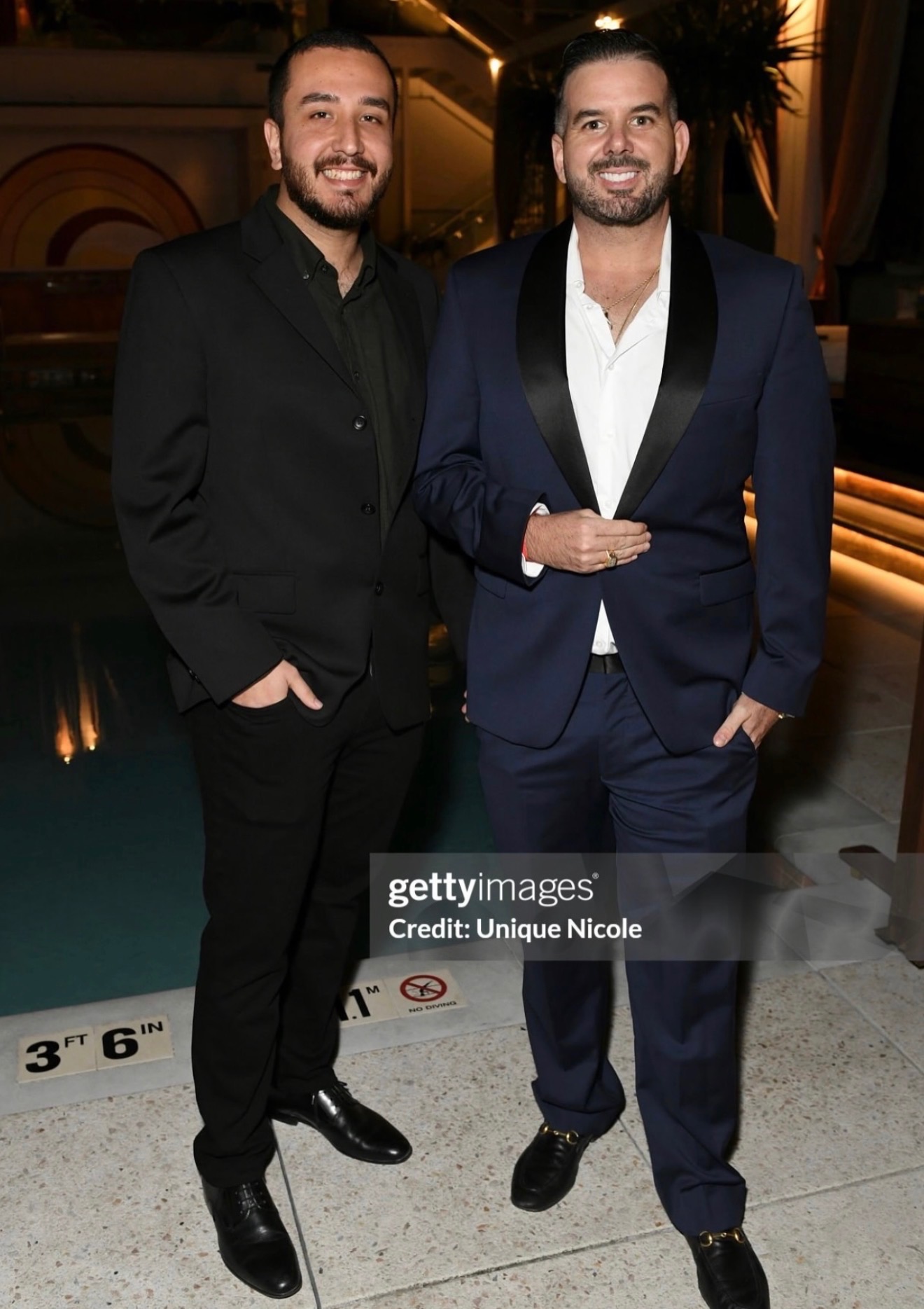
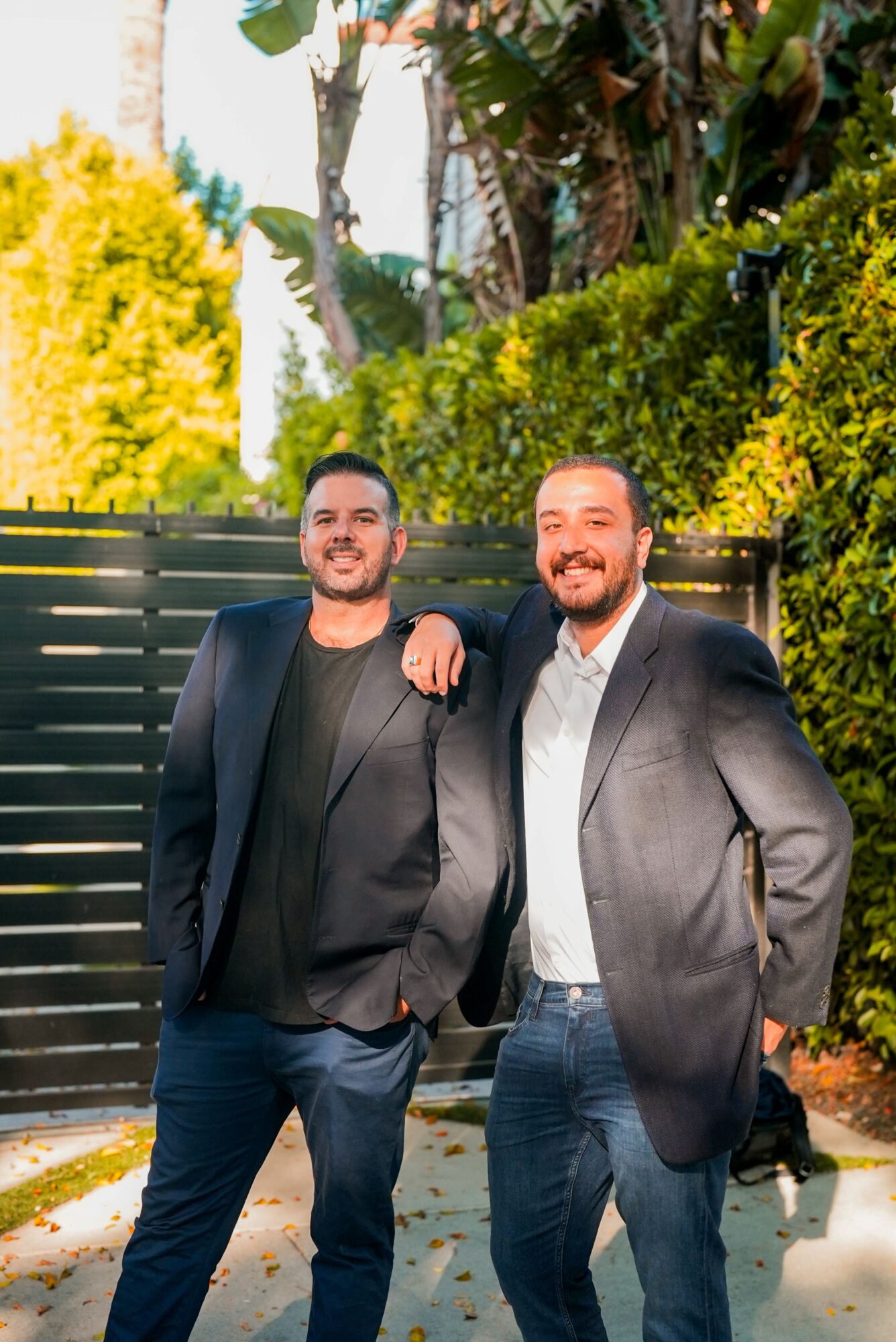
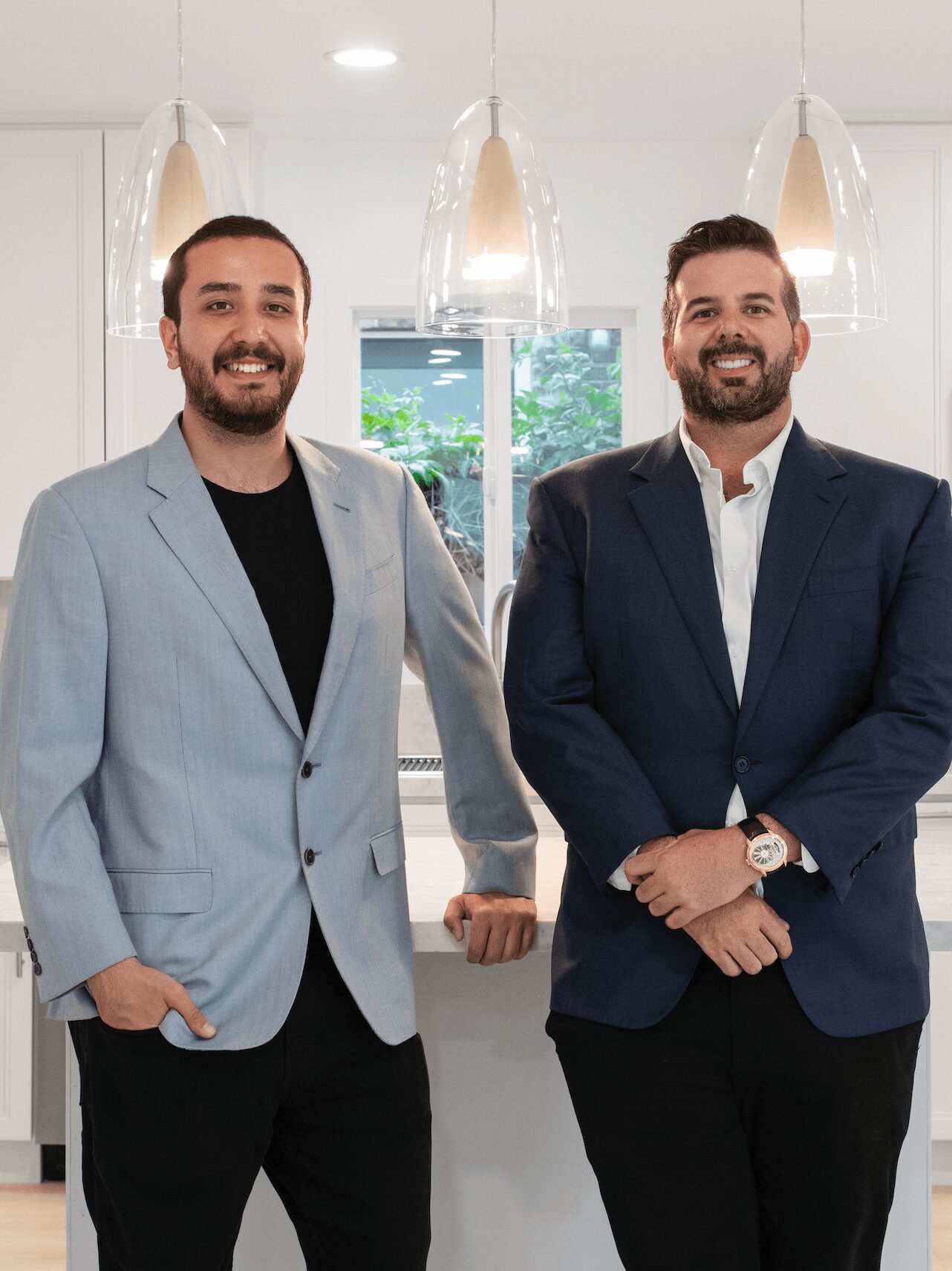
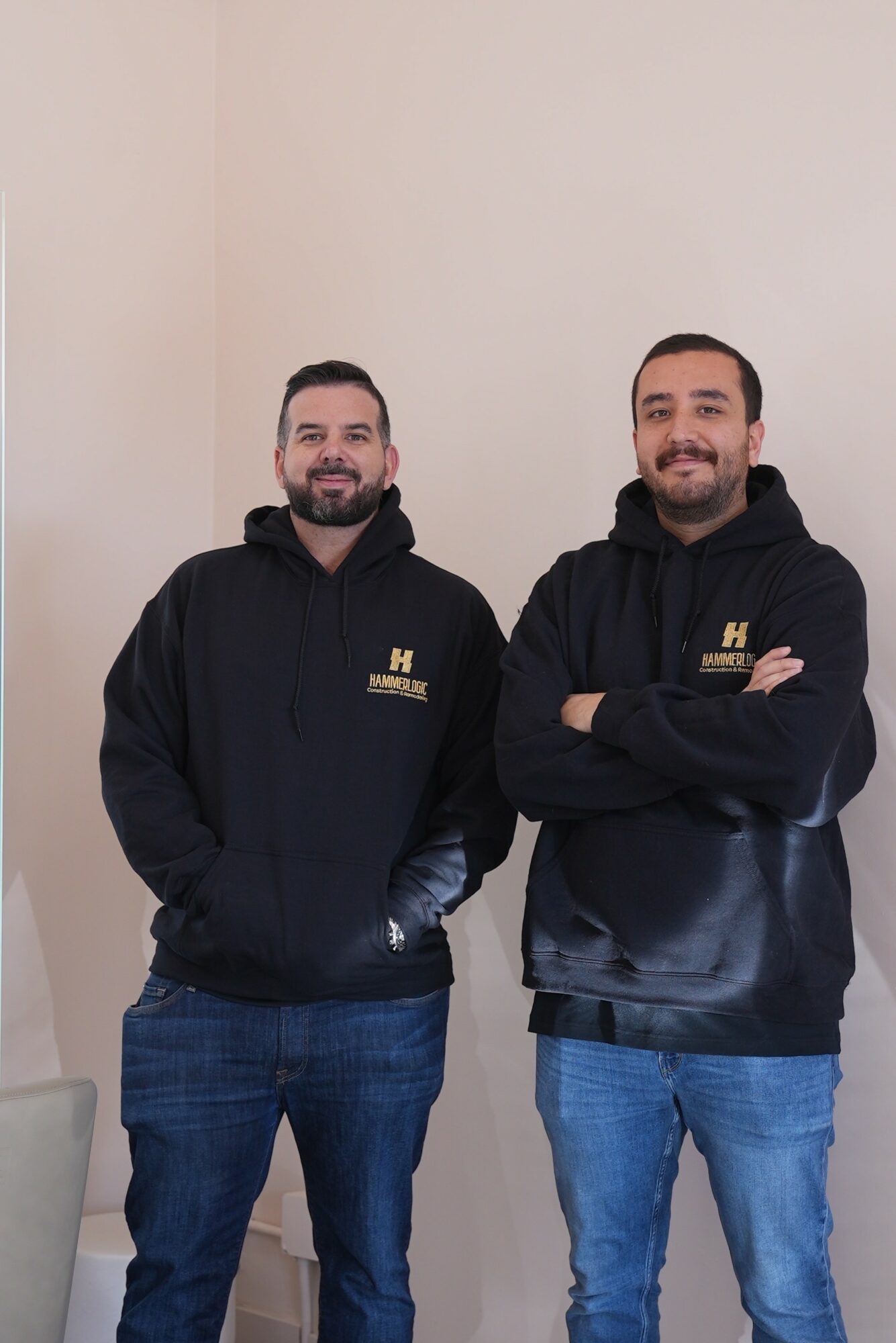
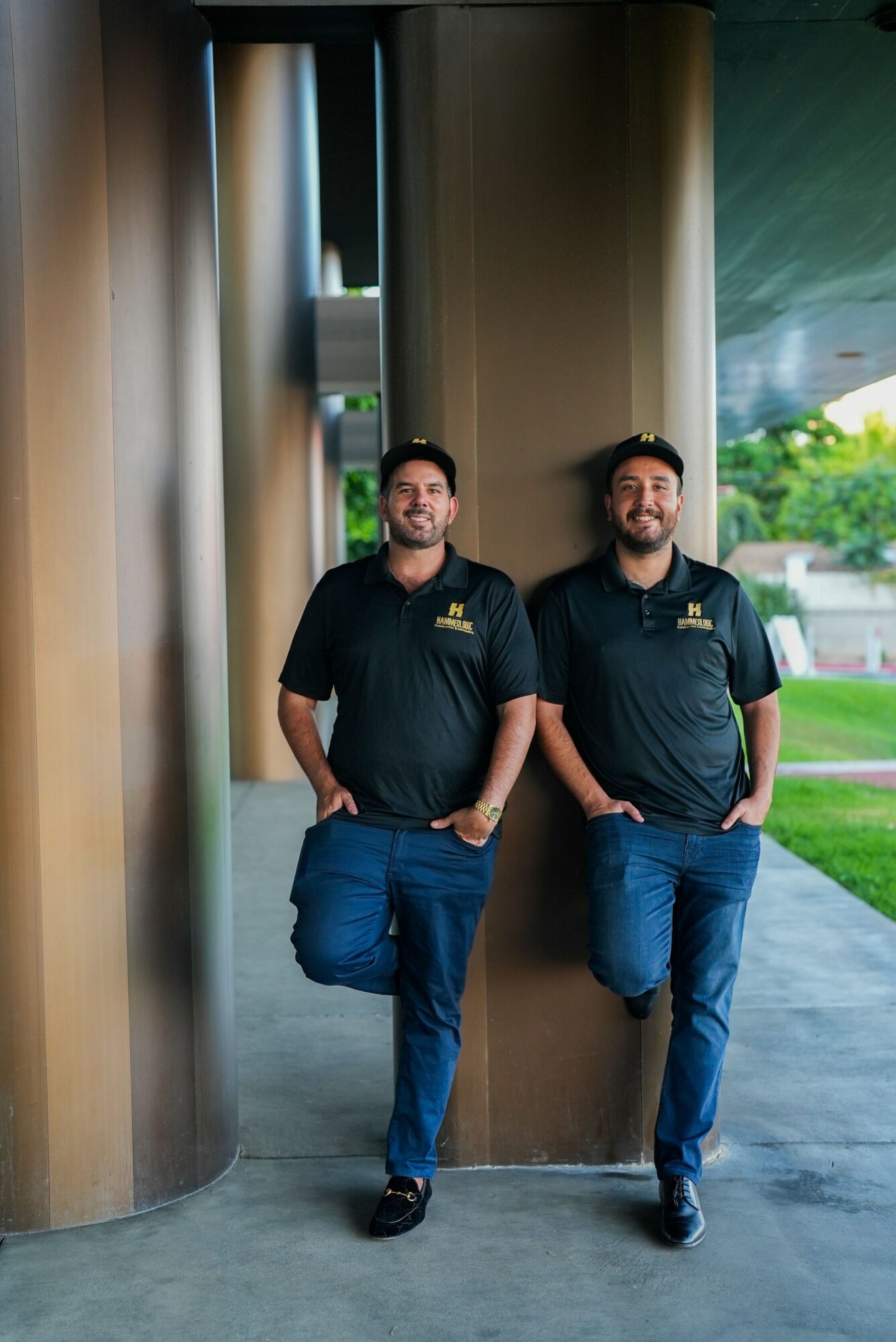
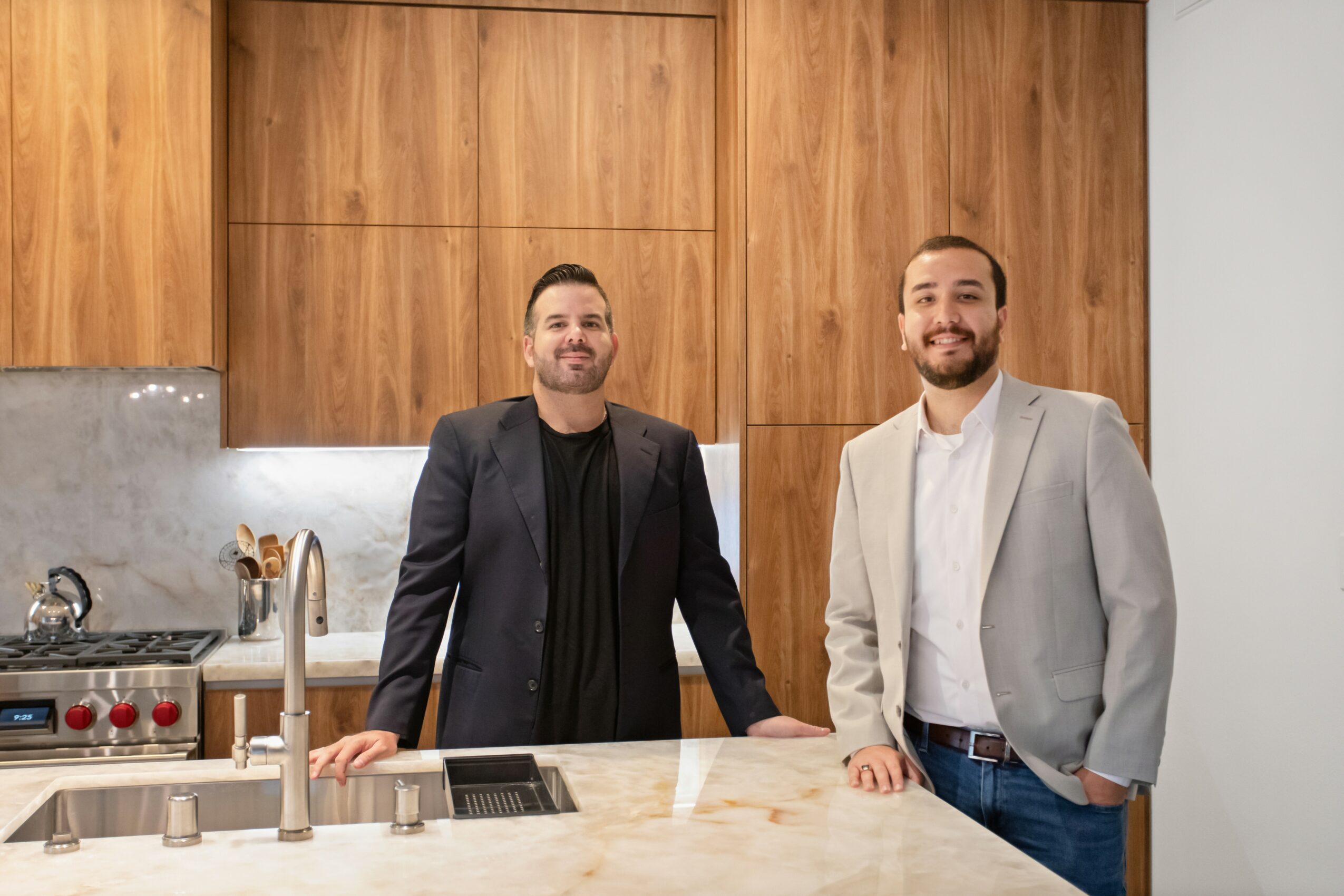
Image Credits
Unique Nicole
Cinematxart
Popular
-

Portraits of the Valley
-

LA’s Most Inspiring Stories
-

Rick Norris Learned That Building a Successful Business Means Building a Life You Actually Want to Live
-

How Olivia Rush Turned Survival Into a Mission to Help Others Keep Going
-

How Bibi Goldstein Is Helping Entrepreneurs Reclaim Their Time by Embracing the Power of Delegation
-

Victoria Hasson is Redefining Voice Coaching Through Community and Collaboration


