




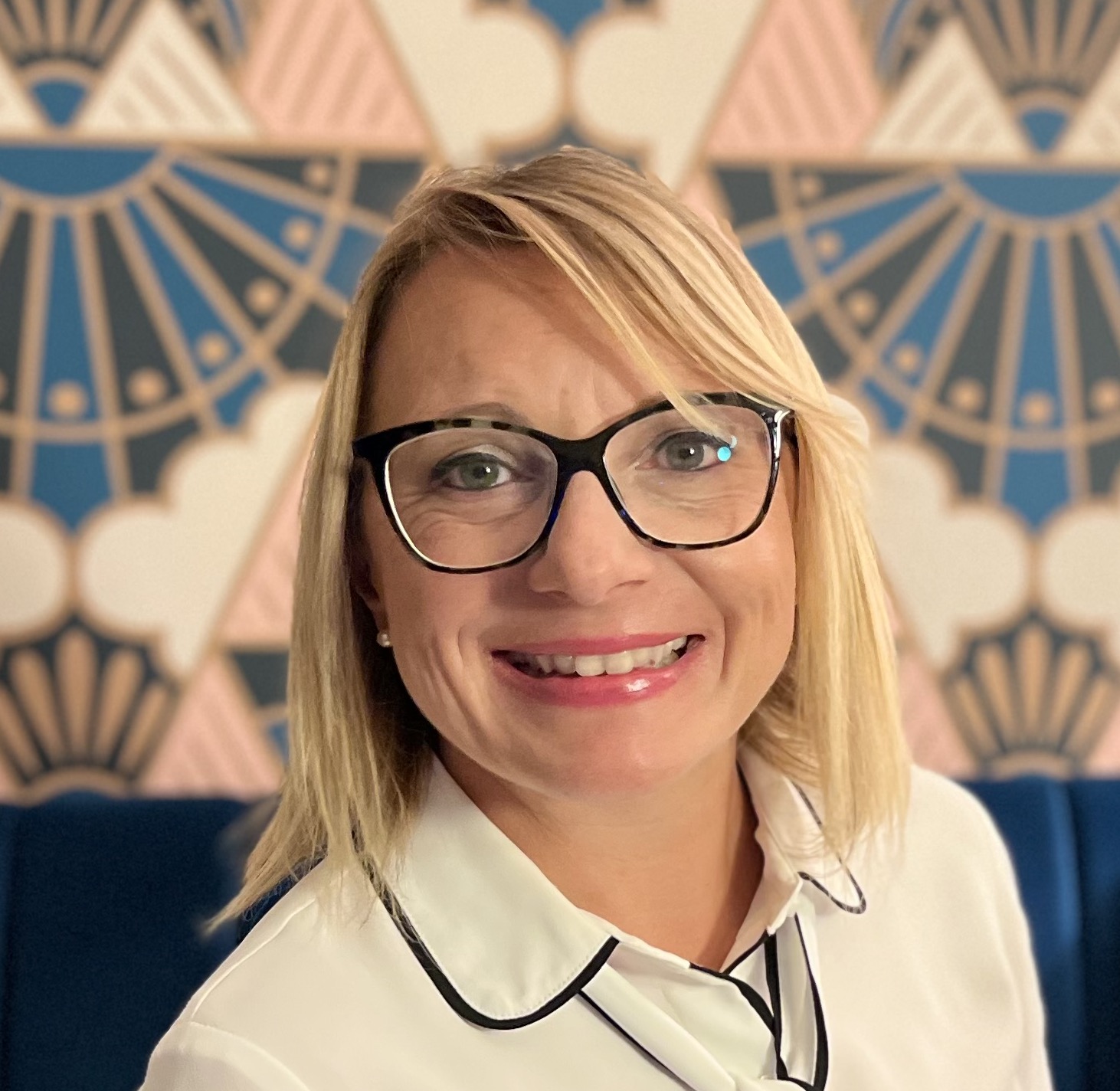
We’re looking forward to introducing you to Alessandra Manias . Check out our conversation below.
Alessandra , a huge thanks to you for investing the time to share your wisdom with those who are seeking it. We think it’s so important for us to share stories with our neighbors, friends and community because knowledge multiples when we share with each other. Let’s jump in: What do you think is misunderstood about your business?
What is most misunderstood about my job as a Production Designer for film and television is that it is a major creative and logistical role that begins at the script stage and is built on a very strong pre-production process. Many people think Production Design is simply about decorating existing locations or that it’s a purely artistic role. In reality, it starts with creating the visual identity and style of a film.
Production Design means finding creative solutions while respecting the budget, honoring the director’s vision, and meeting the production’s practical needs. It is a role that sits at the intersection of architecture, interior design, construction, logistics, and storytelling. For a limited period of time, it’s like running a full architectural and construction company—on a fixed schedule and a strict budget.
I mainly work on independent films, where budgets are always very tight. The challenge is to create the best possible visual world with limited resources. That’s where the real power of pre-production comes in. Before we ever step on set, I need to know every detail: locations, materials, colors, builds, props, and visual continuity. By the time we start filming, everything has already been designed, planned, and executed.
On set, the work becomes very precise and reactive—working frame by frame, solving problems, and responding to last-minute requests. But the foundation has already been laid.
For people outside the entertainment industry, it often looks like I just choose curtains or hang paintings—and that always makes me laugh. In truth, Production Design is about building entire worlds that support the story, the characters, and the emotions of a film.
Can you briefly introduce yourself and share what makes you or your brand unique?
I am a Production Designer working primarily in film and television. I spent the first 10 years of my career in Italy, where I worked mainly in commercials and advertising for design-driven companies, developing visual identities through exhibition stands, catalogs, photo shoots, and integrated brand campaigns.
After moving to Los Angeles in 2016, I brought this background into the film industry. Over the past 10 years in the U.S., I have worked as a Production Designer on more than 60 projects, including feature films, short films, TV series, documentaries, music videos, and theater productions.
I am proud that many of the projects I have worked on have received important awards, and that my work has been recognized as well. These acknowledgments are always meaningful and represent the collective effort and dedication behind each project.
My academic background includes a degree in Architecture, an Executive MBA, and two master’s degrees in Psychology. I strongly believe in continuous learning and stay constantly updated on design trends, materials, and new technologies. This is a profession where there is always something new to learn, and that ongoing discovery is one of the aspects I love most about my work.
Okay, so here’s a deep one: Who taught you the most about work?
In my career, I have learned first and foremost from women—women like me—who remain strong even when the best opportunities still too often go to men. I have personally lost major opportunities because producers told me they preferred a man for projects involving heavy construction work, even though I am an architect and my role is to design the sets, not physically build them.
Experiences like these make you very aware of the structural biases that still exist in our industry.
Instead of letting this discourage me, I look at the women who are going further and achieving great things as a source of inspiration. Their success motivates me and reminds me that perseverance and talent do matter.
I have also learned a great deal from more difficult experiences—from people who betrayed my trust or took advantage of my work. Those moments taught me some of the hardest lessons, but they also helped me understand the importance of self-respect, clear boundaries, and remembering that I am a professional who deserves to be treated as such.
When it comes to artistic inspiration, I am drawn to people who are deeply passionate about their craft. One director I deeply admire is Guillermo del Toro, for his ability to create films filled with magic, imagination, and a slightly old-fashioned sense of wonder that I personally love. Making films should always be an honor for those who create them. Unfortunately, today we are often losing that sense of magic, replaced by a focus on money and product. And the work itself inevitably reflects the times we are living in.
Was there ever a time you almost gave up?
I find myself thinking about giving up quite often. If I am still in Los Angeles and still making movies, it’s because I am surrounded by people who support me, who truly see my value, and who remind me not to quit when things get hard.
The entertainment industry in Hollywood is going through one of its worst periods. There are very few productions, and finding investments has become extremely difficult. I consider myself lucky because I am still working almost every month, but even so, it has become increasingly challenging. It makes me question whether continuing on this path is sustainable in the long term.
I genuinely love my job. It makes me happy, and I receive meaningful recognition from production companies and directors I work with. That gratification is real and deeply fulfilling. At the same time, over the last few years, the industry has changed in ways that make it harder to sustain this career, even when the passion is still there.
I think our readers would appreciate hearing more about your values and what you think matters in life and career, etc. So our next question is along those lines. What are the biggest lies your industry tells itself?
In the entertainment industry, there are many illusions, but perhaps the biggest one is the idea that there is real investment happening in Hollywood. I see many empty studios, incredibly talented and experienced professionals out of work, and no concrete plan to truly address this crisis. The major studios continue to rely on remakes and repetitive formats, avoiding risk instead of nurturing new ideas.
At the same time, the most interesting content available on streaming platforms often comes from independent films—the ones that still dare to be original, experimental, and meaningful. Yet these are exactly the projects that struggle the most to access funding and support.
Movie theaters are closing not only because of rising costs, but also because the theatrical experience itself has lost realism and accessibility. It’s difficult to justify spending $23 on a movie ticket and $12 on a soda. For theaters to be full again, they need to be affordable—and I would add, well maintained and clean. A cinema should feel like an experience worth having.
Watching a film on the big screen is still incomparable.
That magic hasn’t disappeared. What has disappeared is the balance. Many people talk about the industry, but in reality, very few are making substantial money, and even fewer can truly survive as filmmakers in Hollywood today.
Okay, so before we go, let’s tackle one more area. What is the story you hope people tell about you when you’re gone?
When I am gone, I hope people remember me as an outsider—a courageous woman. I took many risks in my life. I failed many times, and I paid the price for every mistake I made. But I was always authentic to myself, and I always took responsibility for my choices.
I hope I am remembered as a hard worker, guided by ethics and integrity. As an artist—someone a little different, deeply creative, and true to her vision. I hope people will miss my cooking, because through food I made people happy and brought them together.
I also hope that, if they wish, they can remember me through my paintings and my films—by looking at the artistic work I leave behind, pieces of my vision and my time here.
Most of all, I hope they remember me with a smile. I am here for a limited time, and my purpose is to learn from this life. If I can leave behind good memories and warmth in the hearts of a few people, then I will have done something meaningful.
Contact Info:
- Website: https://www.alemaniasdesign.com
- Instagram: https://www.instagram.com/alessandra_manias/
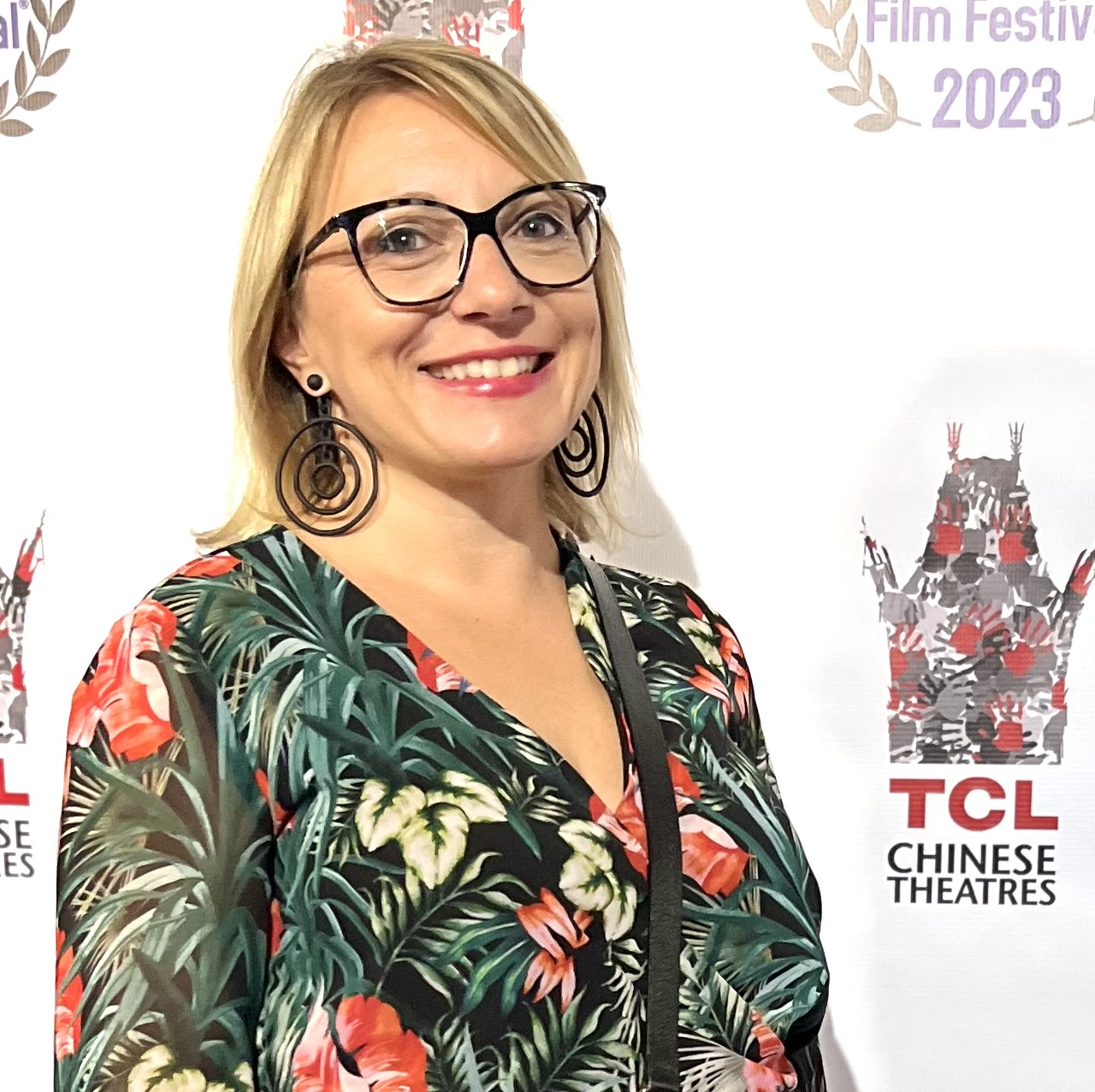
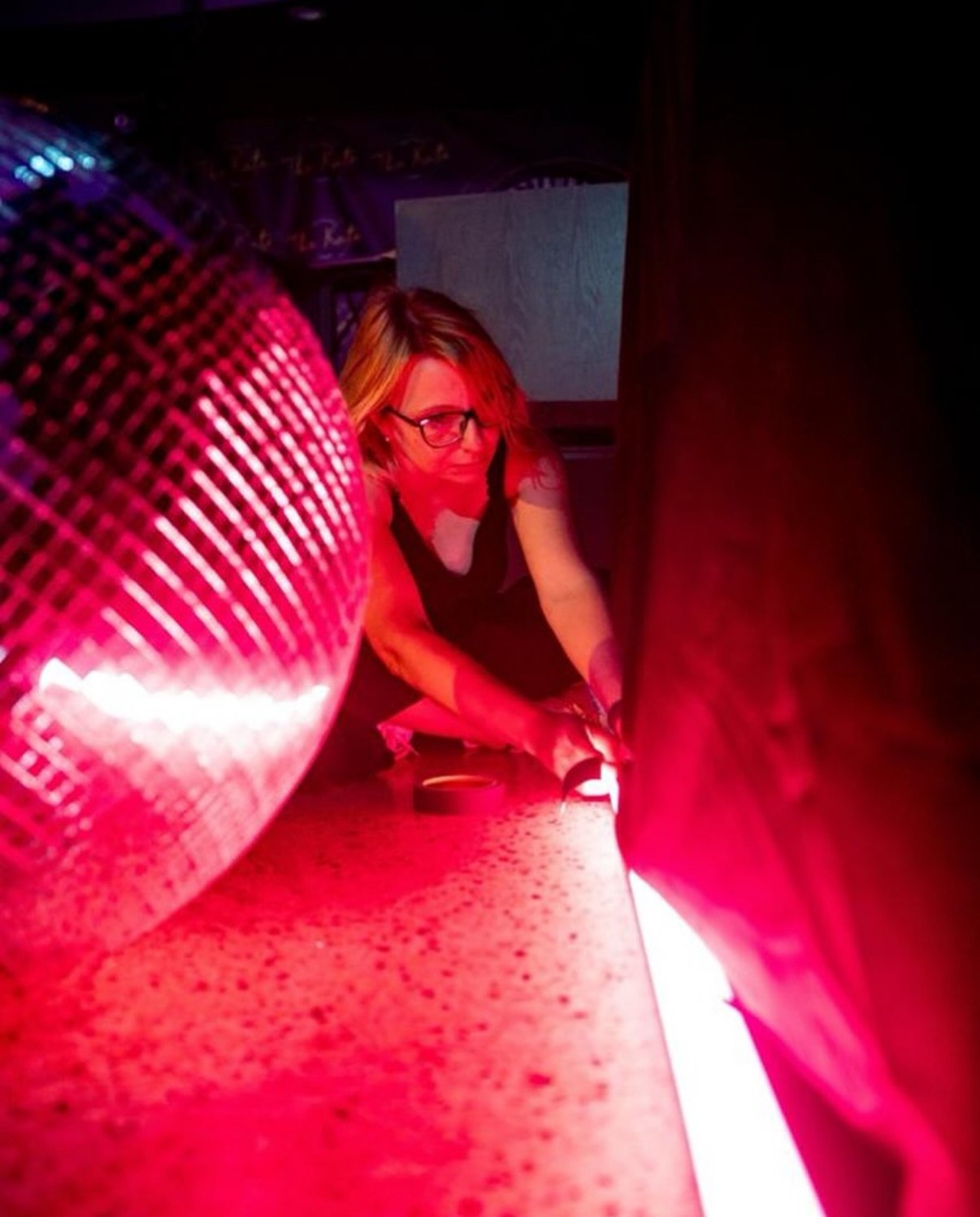
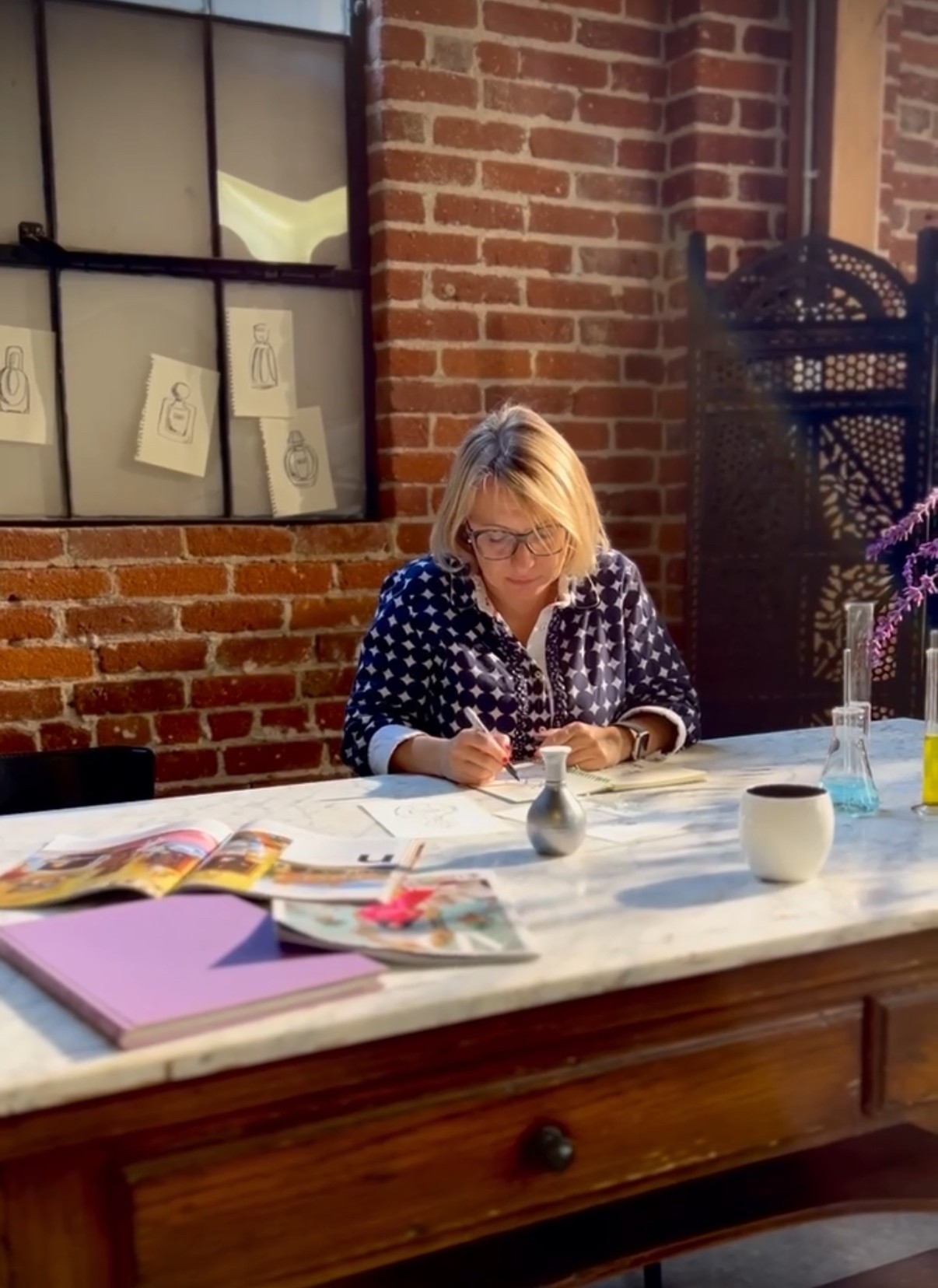
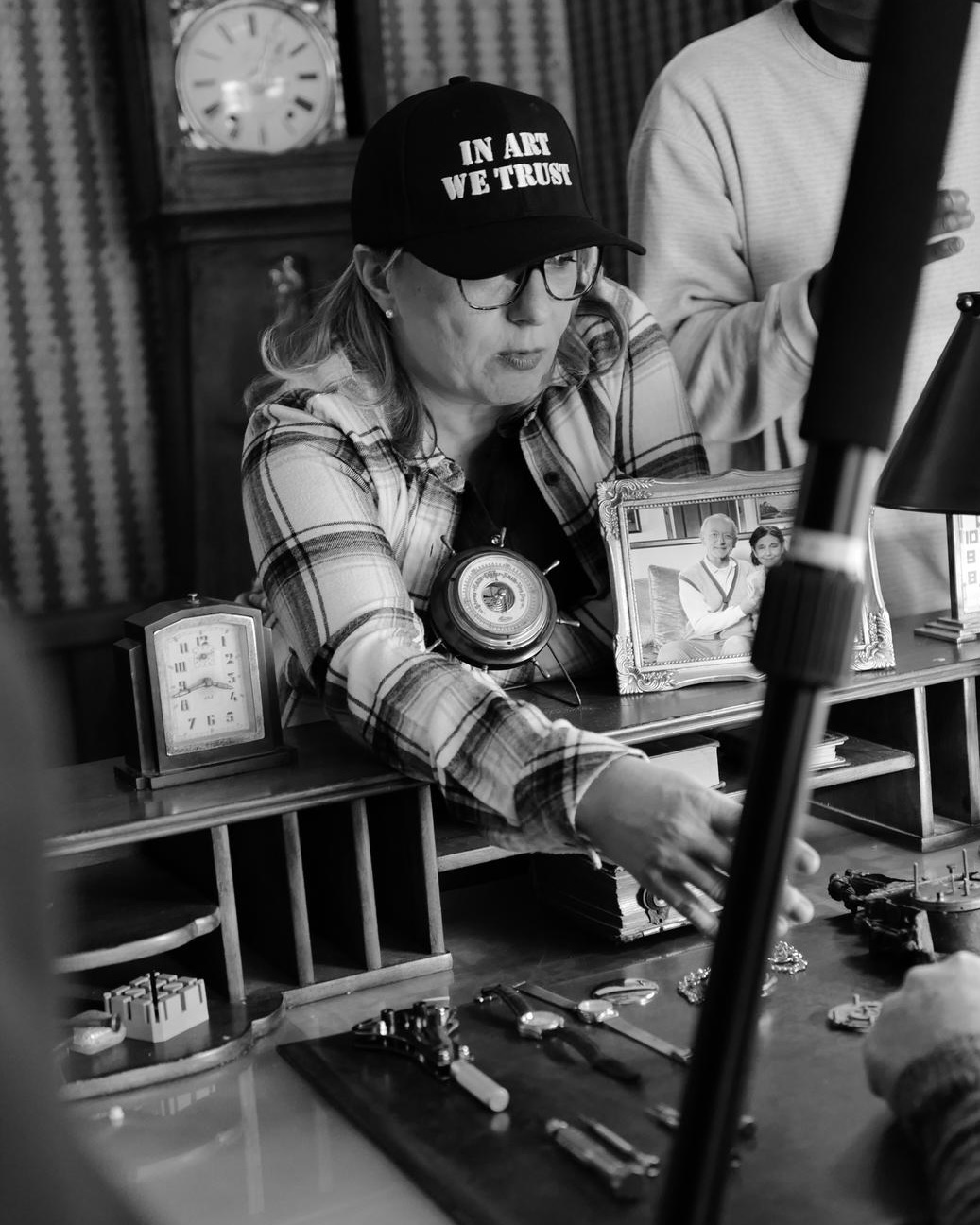
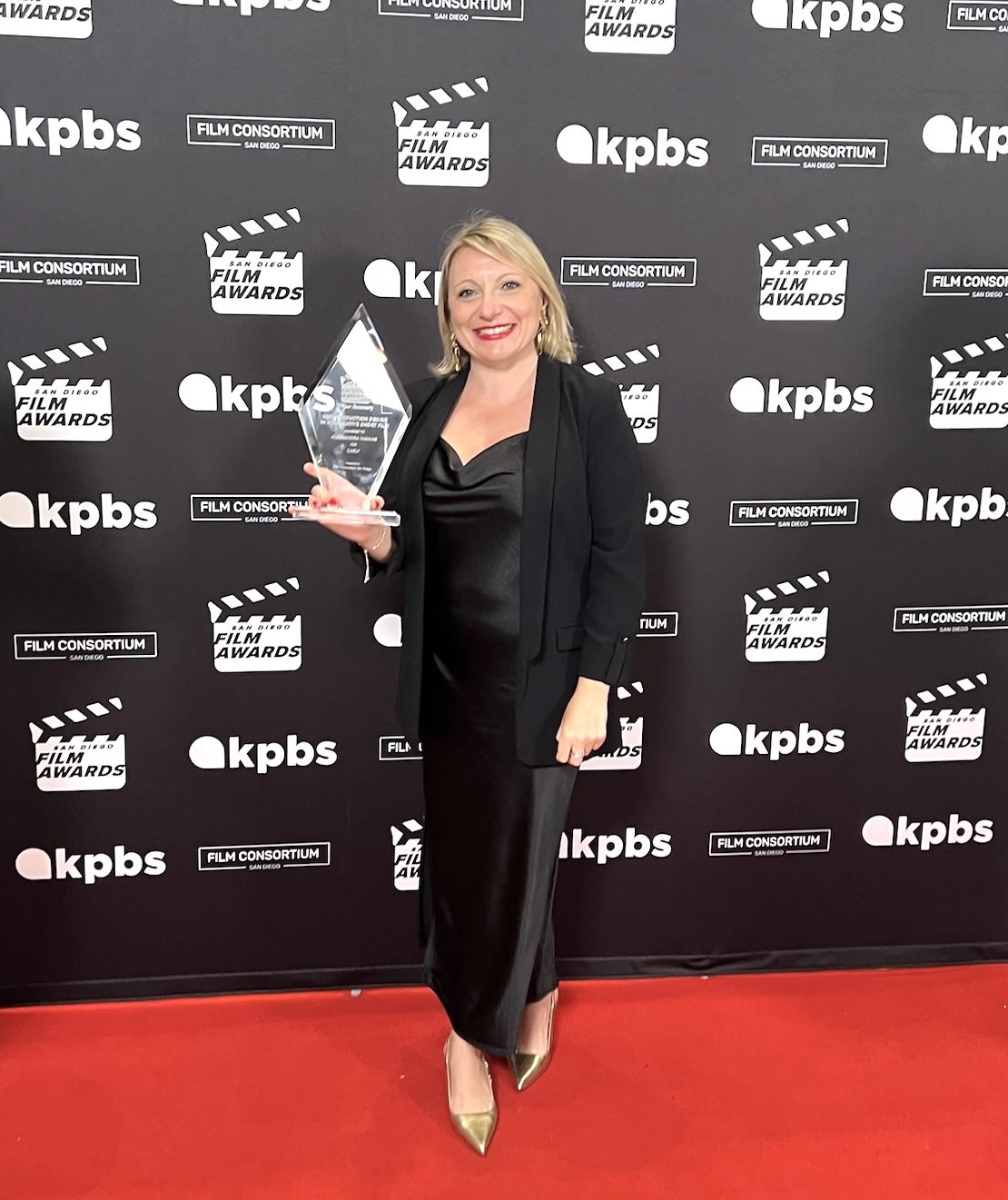
Image Credits
Alessandra Manias
Popular
-

Portraits of the Valley
-

LA’s Most Inspiring Stories
-

Rick Norris Learned That Building a Successful Business Means Building a Life You Actually Want to Live
-

How Olivia Rush Turned Survival Into a Mission to Help Others Keep Going
-

How Bibi Goldstein Is Helping Entrepreneurs Reclaim Their Time by Embracing the Power of Delegation
-

Victoria Hasson is Redefining Voice Coaching Through Community and Collaboration


