




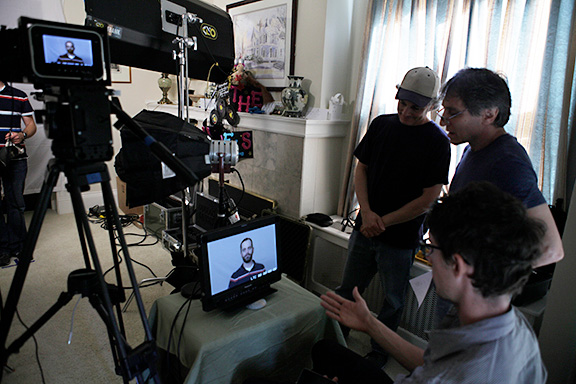
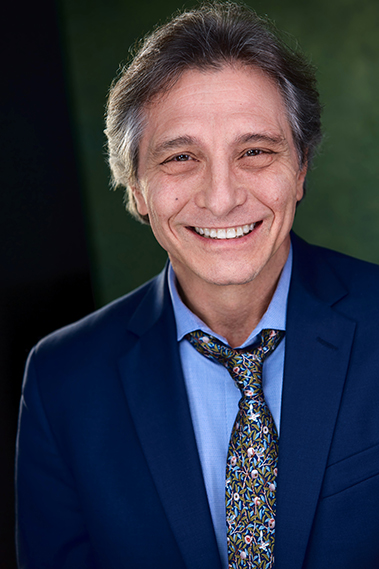
Today we’d like to introduce you to Brian Herskowitz
Hi Brian, so excited to have you with us today. What can you tell us about your story?
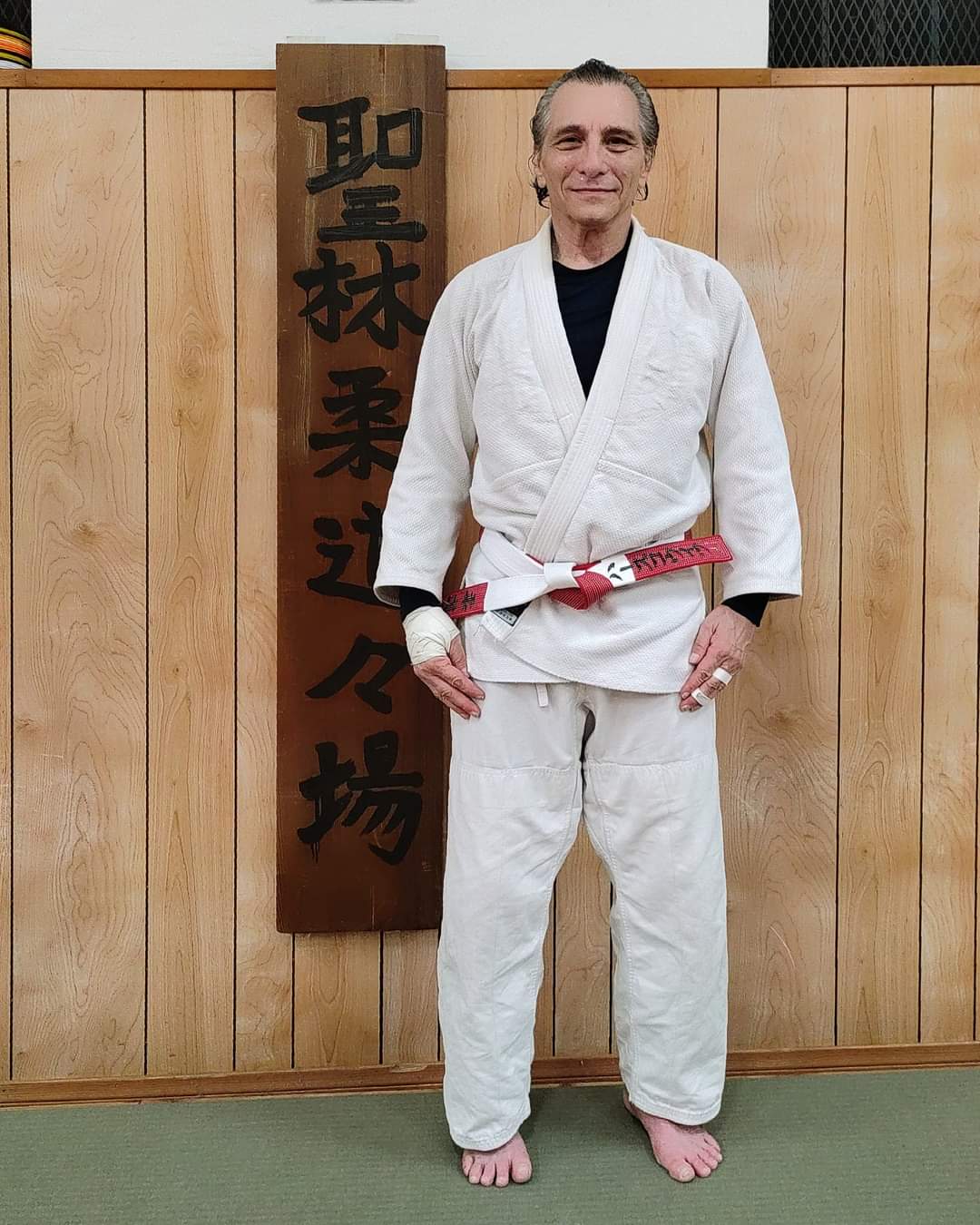
I was born in Houston, Texas, and at age six, I started taking judo (this will become more important later). Around the age of eight, I fell in love with acting. These two facts are foundational but not directly connected, at least not on the surface.
I should tell you that my father was a bit of a local celebrity. He was a sports writer for most of his life, but he was also a ghostwriter who became a co-author. He wrote books with Bette Davis, George HW Bush, George W. Bush, Gene Tierney, Dan Rather, Nolan Ryan, Mickey Mantle, and a host of others. He’s had a byline on upwards of 65 books with athletes, politicians, and celebrities. And while that’s also foundational, it does tie into the rest of my story.
At the age of 17, I graduated from high school and moved to Tokyo, Japan, with my sights set on making an Olympic team in Judo. I spent a year in Tokyo, where the training was brutal. I didn’t lose my hunger for the stage and screen. When I was 19, I moved to Los Angeles to pursue both my dream of an Olympic berth and my dream of becoming a successful actor.
If you know anything about Hollywood, it’s not the easiest town to make good in. I actually had an agent tell me at one point, “You’re a very good actor, but you’re not 6’4″, and you don’t have blond hair and blue eyes. What am I supposed to do with you?”
I had many suggestions that were not fit for print. If you’re curious, look for a short film I directed titled “Odessa or Bust.” starring the Academy Award-winning actor Red Buttons and a very young Jason Schwartzman. I struggled as an actor. Most of my work was in local theater productions.
Then in 1980 I was training to make the US Olympic team in Judo. I was in the top 10, possibly even the top five contenders in the nation. The US nationals were two weeks away and would determine the finalists who would compete in the trials. I was at the Olympic Training Center in Colorado Springs when I blew my knee out.
I had torn the anterior cruciate ligament, and nothing short of surgery would fix it. Despite that injury, I was chosen as the 5th and final competitor in the trials. Unfortunately, my knee didn’t hold up, and I had to withdraw in the third round. My brother Steve was also in the trials in the next heavier-weight division. He took third and was the second alternate to the games… the games that never happened for the US competitors. We boycotted due to Russia’s invasion of Afghanistan. Many people had peaked in that year and never had the opportunity to achieve their dream of making an Olympic team. I count myself among those.
I tried rehab for a year before having the required surgery. Back then, it was a long and arduous recovery. I spent the better part of the year in a non-weight-bearing cast. While I was laid up, I couldn’t audition and wasn’t able to find work as an actor, but I started to formulate an idea around my life as a competitor in judo and my time living in Tokyo. I decided to write a script. I didn’t know how to type, had little education in screenwriting, and wasn’t sure how to begin, but I had an idea.
I sat down and wrote longhand, spoke into a tape recorder, and did the old “hunt and peck” method of typing. When it was all said and done, I had a complete script. I had a typist put it into proper script format. For a first-timer, it wasn’t half-bad. It was good enough to land an agent and interest from a well-known producer.
That set my feet, reluctantly, on a different path. I resisted the call to be a writer, I think in part because that was my father’s occupation, not mine. I was an actor. By 1980, I had a steady girlfriend who was a successful actress. She was supportive, but I could tell she wanted more from me. She wanted me to be successful, and my occasional acting gigs weren’t paying the bills.
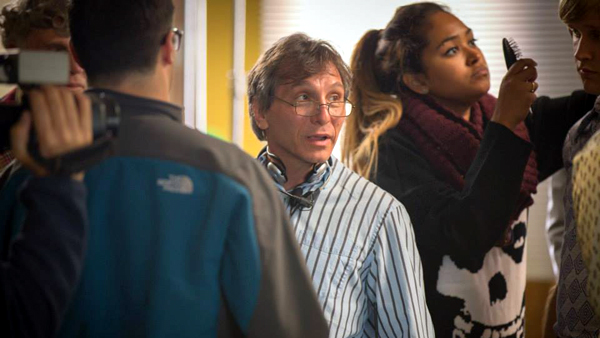
By the mid-1980s, I decided I needed a “real” job. I had a friend who was the associate producer on a TV series titled “Tour of Duty.” He hired me as his assistant. The show went on for three seasons, and at the end of season two, the producers came to me and asked if I would rather be promoted to associate producer or write for the show. I was clear that I wanted to be a writer. But, as things worked out, they needed me as a producer more than as a writer. As a consolation, they gave me an episode to write.
That episode, “A Bodyguard of Lies,” was a pick of the week in TV Guide (when TV Guide was the most ubiquitous way of getting TV information) and very well received. That script and an executive named Phillip Krupp helped me find representation with the William Morris Agency (now William Morris/Endeavor).
That placed me on the path to writing, producing, and directing. A path I still cling to.
Can you talk to us a bit about the challenges and lessons you’ve learned along the way. Looking back would you say it’s been easy or smooth in retrospect?
As a writer, I find this to be a Universal Truth – there’s nothing much interesting about a smooth path. Remember the knee injury? Well, I worked to get back into fighting shape. It took almost four years before my leg was about 90% back to where it had been before the ACL tear.
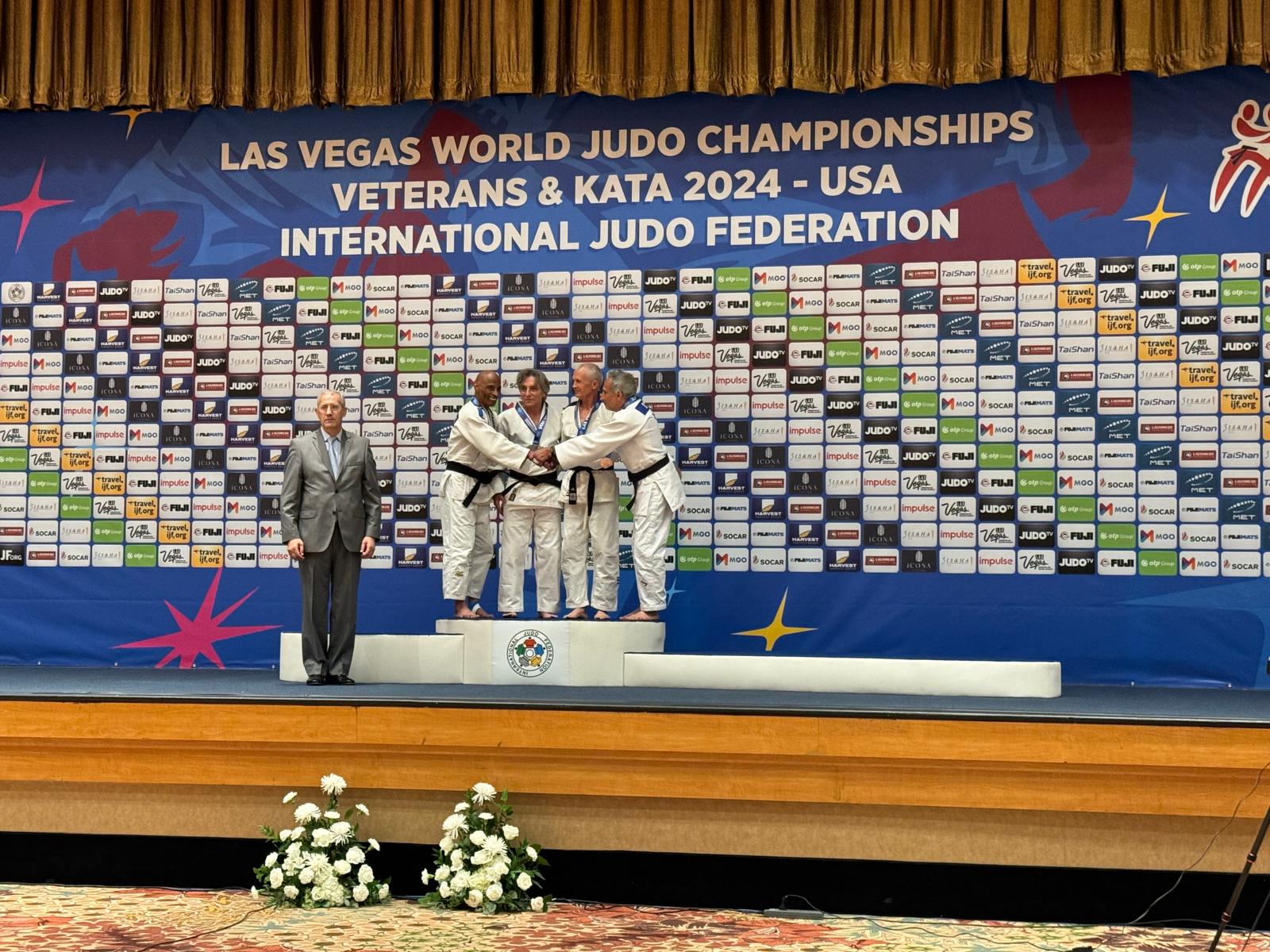
I continued to compete in Judo and do so to this day. In early November 2024, I competed in my second IJF Veteran’s World Championship and won my second Gold medal.
As an actor, I found there’s a lot of emphasis on the external. Despite my “shortcomings” (primarily being short), I found work in voice-overs and continued to work on films, TV shows, commercials, and even video games.
I have to go back to my life as a martial artist. The discipline and tenacity I learned as a judo and BJJ student, competitor, and teacher have given me the skills to ride out failures and always strive for more and for better.
As a young writer, I was doing pretty well. I was a writer for several TV series, including sitcoms like “Blossom” and hour-long shows like “The Legendary Journeys of Hercules,” but ageism in Hollywood is real. At the age of forty I was deemed too old for the medium.
It was around that time I met Bob Kravitz through Jeffrey Tambor. Bob had a production company out of New York. i was asked to develop a pilot for them but by the time I was done, I was a producing partner with the company. I started working on feature films and online content.
The dead end of TV led me to features. With each door that shut, I looked for and found another way in. When writing and directing weren’t enough, I started producing. When producing wasn’t getting the job done, I started focusing on funding. When a path closed, I searched for other roads.
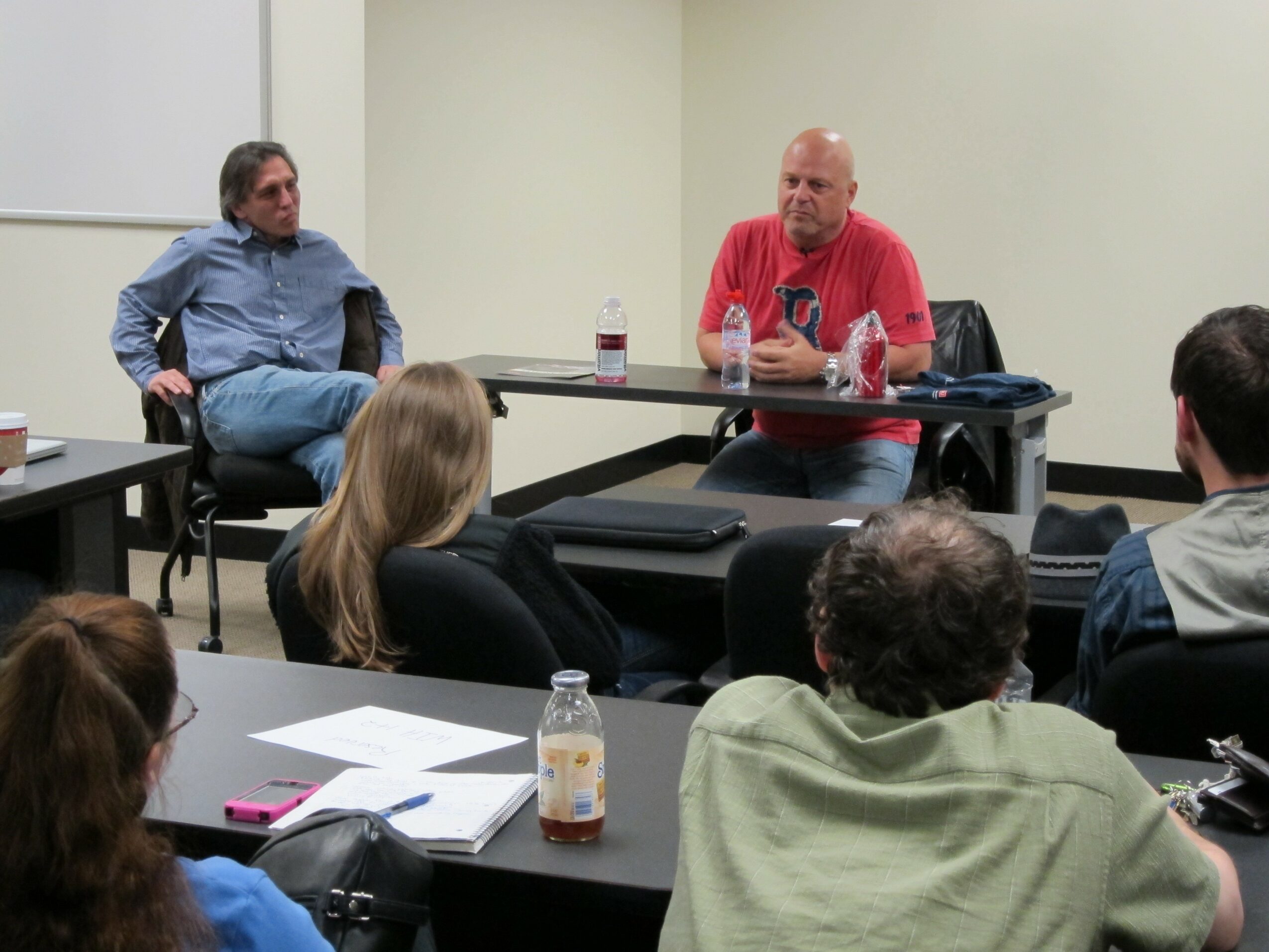
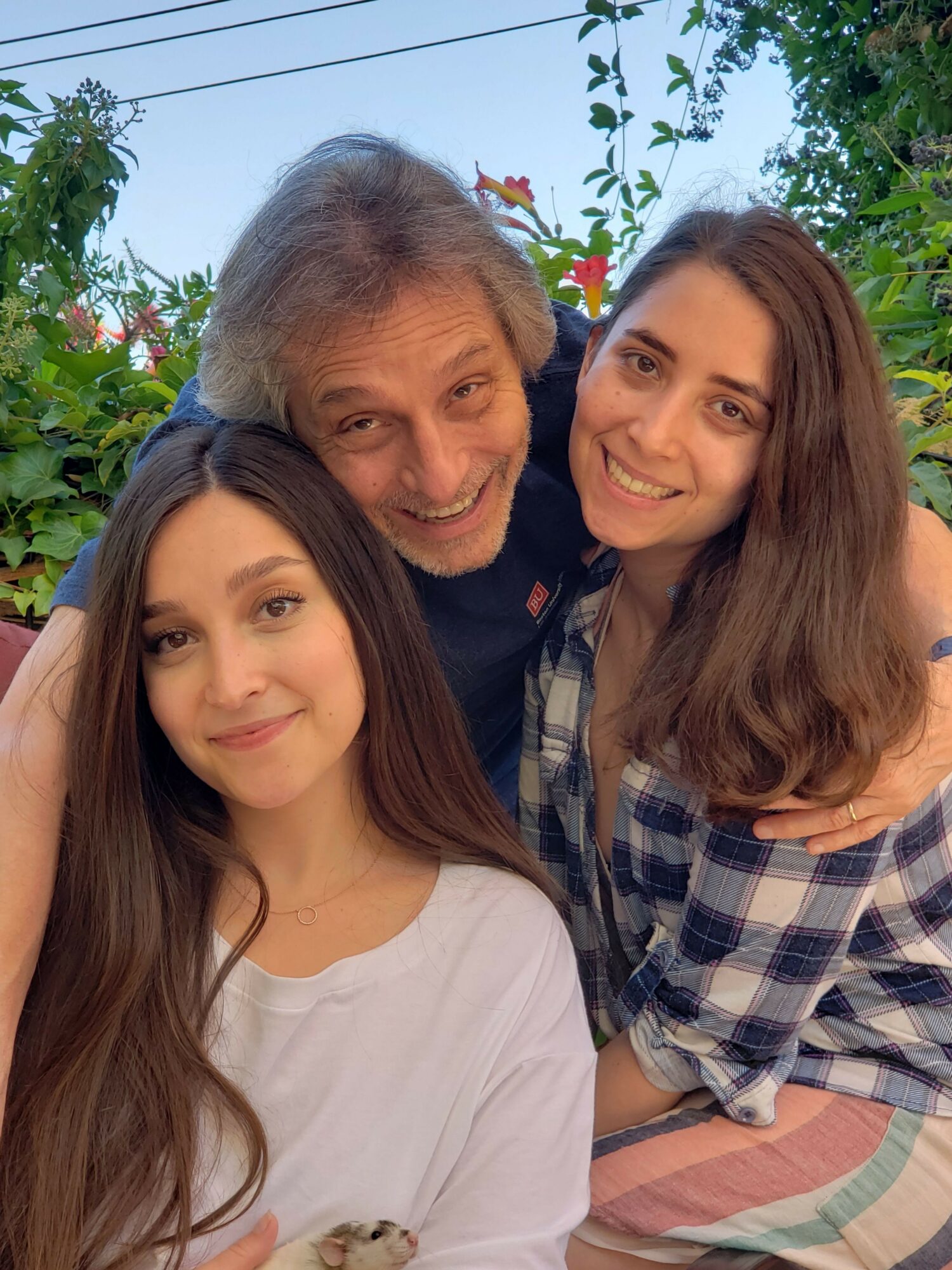
One of the other major roads I found was teaching. For the last twenty years, I have been the lead faculty for the Boston University Screenwriting in Hollywood Program. A few years ago, I added a course on entertainment and film finance to the curriculum. I also teach judo at two clubs on Los Angeles. Teaching is another part of the same path I’ve always been on.
Appreciate you sharing that. What else should we know about what you do?
My professional life has always revolved around entertainment. It has been a river meandering between acting, writing, directing, and producing, always flowing toward the same destination. While I started as an actor and then fell sideways into producing and writing, I have found that there’s synergy in every aspect of the industry.
Acting strengthened my ability to create dialogue that actors want to speak. As a director, it gave me empathy for the actors’ creative process. I saw producing as a vehicle for my writing.
After working with Bob Kravitz in New York, I was asked to be a part of a new concept in film finance. The company, Horror Equity Fund, was created to democratize the film funding process for those who might not have access otherwise. Again, I saw this as another potential path to get my work up and running.
I was with Horror Equity Fund as the CCO for five years. I then went to another film finance company called Crypto Film Fund for a short stint. Once again, my eye was on the ultimate goal of getting my own work produced as well as helping others finance their projects.
Today, I am working with several different companies in that same capacity, including Veritas Gold, a film finance entity.
As a writer and filmmaker, I believe that one has to keep growing, learning, and evolving in order to stay relevant. I finished a screenplay just as Covid shut down the industry. That script has been recognized in a dozen screenplay competitions, but it was clear that nothing was going to happen while the pandemic was putting people at risk.
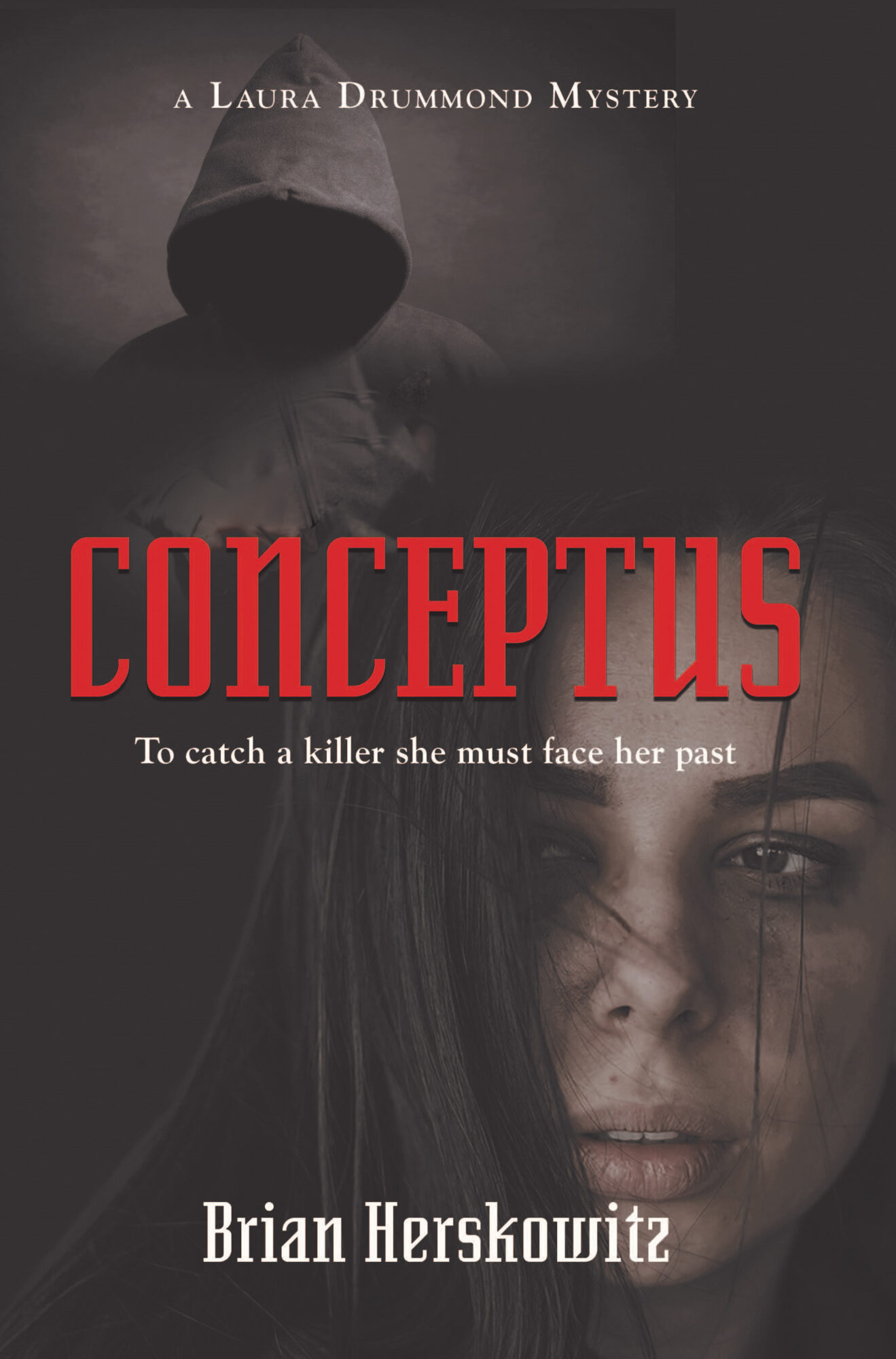
I decided to use the script as a basis for a novel and the result “Conceptus: A Laura Drumond Mystery” is a well reviewed book on Amazon. I loved the process of taking the script and diving even deeper into the lives and motivations of the characters. The novel is still another stone on the path to filmmaking. Having successful underlying IP can make a film property more attractive to buyers and investors.
My latest writing project is probably the least connected to my life as a filmmaker. As I mentioned, my father was a prolific and well-respected biographer and sports writer. A while back, he contracted with a fascinating individual from Houston, Texas, to write a book about his life. Well, more specifically, a certain period of his life.
My father was well into his eighties when he started and had a series of setbacks. About a year ago, I took up the reins to help him finish that book. I hope to see it released in 2025. The working title is Islero Awaits Us. It is the story of a Texas man who, at the age of 18, moved to Spain to pursue a career as a bullfighter.
On the filmmaking side of the line, I am developing several scripts. Two are close to being funded with Conceptus a close third. I hope to direct all three, but that remains to be decided. The first is “Before Moonrise,” a psychological werewolf movie. The second, “She Feeds,” is another creature feature about four women on their way to a political event getting lost in the forest where a creature lusts for their blood.
And while I hit my head on the TV ceiling, I haven’t given up there either; I have a half-hour pilot based on a modern version of the Arthurian legend.
I think you have to be like a shark to survive; you must always be in motion.
We love surprises, fun facts and unexpected stories. Is there something you can share that might surprise us?
My martial arts background often surprises people. I am a fairly unassuming fellow. I am also a bit harder than the average writer to pigeonhole. I have written TV, Film, Internet, Novels, textbooks (on screenwriting), and commercials. The one thing that often overlaps all of these is the theme of individual identity. I love to investigate who we are, who we think we are, how we became that person, and how we’re viewed. Those themes are in most of my writing, regardless of the medium.
Contact Info:
- Website: https://www.brianherskowitz.com
- Facebook: https://www.facebook.com/BrianHerskowitzOfficial/
Popular
-
JordanL on ‘Breathe,’ Belief, and Building a Movement Beyond the Music
-

Megan Birney Rudert on How Access to Light Is Powering a More Sustainable and Equitable Future
-
Linda Kneidinger on Building Lasting Change Through Small Steps and Self-Compassion
-

Jolana Nika on Redefining Modern Connection Through Intentional, Real-Life Experiences
-
What did suffering teach you that success never could?
-

Who saw you clearly before you could see yourself?


