




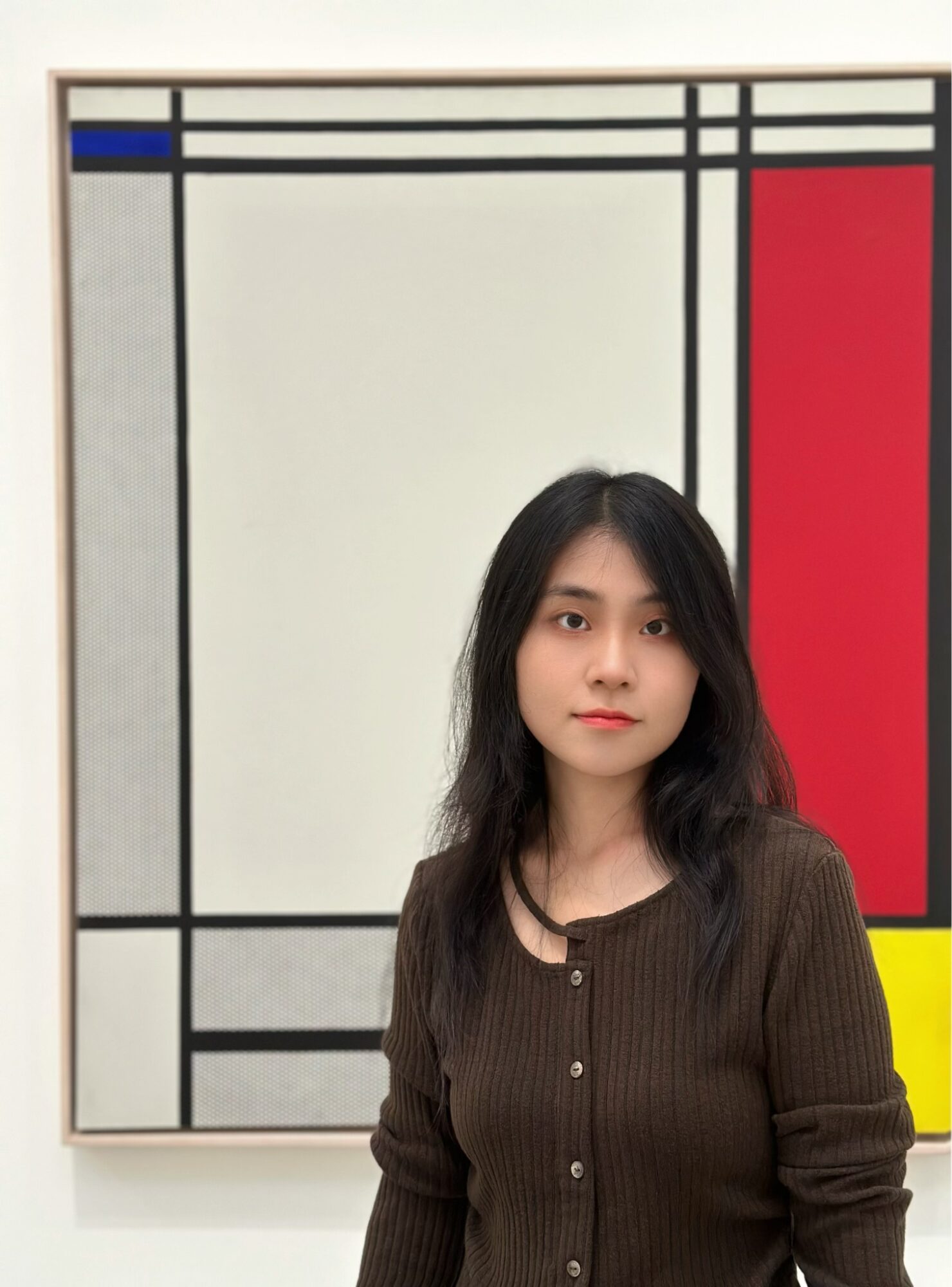
Today we’d like to introduce you to Jiahui Yu
Hi Jiahui, so excited to have you on the platform. So before we get into questions about your work-life, maybe you can bring our readers up to speed on your story and how you got to where you are today?
I’ve always been fascinated by the intersection of creativity and problem-solving. My journey into design began with my curiosity about how thoughtful design could influence human behavior and improve everyday experiences. Initially, I was drawn to graphic design, but as I explored more, I found a deeper connection with UX design because it focuses on understanding users and creating meaningful interactions. Therefore, I pursued my master’s degree at ArtCenter College of Design, where I was introduced to design principles and user-centered methodologies, laying the foundation for my career.
My first projects involved small-scale interfaces for healthcare, specifically a wearable monitoring device for children with congenital heart disease. This product enabled parents to monitor their child’s heart condition in real-time and respond promptly when needed. Through this, I realized how design could solve real-world problems, which inspired me to explore diverse industries to understand different user needs. Over the past four years, I’ve worked in various fields, including healthcare, e-commerce, backend management systems, and live streaming platforms. Each experience challenged me to adapt and grow—whether it was simplifying complex workflows for professionals or enhancing accessibility for end-users.
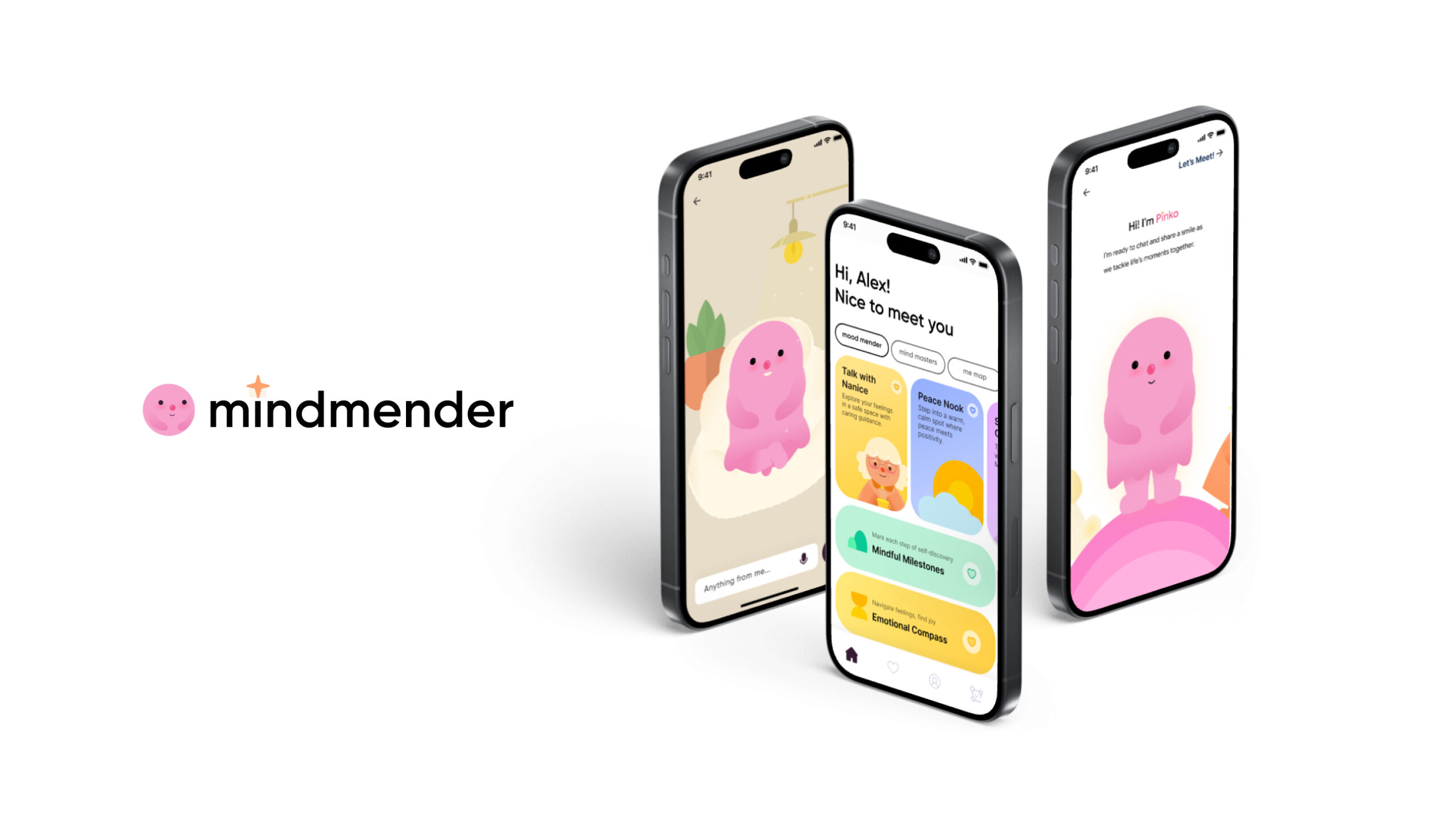
Beyond my professional work, I also dedicate time to passion projects. This year, I completed a meaningful project focusing on a mental health companion system, which allowed me to blend psychology and design to make a positive societal impact, aligning with my personal values. Currently, I work as a UX designer at Advantage Solutions, where I solve practical challenges daily. My work involves balancing business goals with user needs, and I particularly enjoy projects that focus on interaction design. I aim to create experiences that are intuitive, elegant, and impactful.
Throughout my journey, I’ve been driven by curiosity and a desire to make a difference through design. I see design as a way to explore human nature and solve social issues, and I’m constantly inspired by opportunities to create meaningful change. Looking ahead, I hope to continue contributing to innovative projects and using design to bridge gaps and improve lives.
Would you say it’s been a smooth road, and if not what are some of the biggest challenges you’ve faced along the way?
It hasn’t always been a smooth road, but every challenge has shaped me into the designer I am today. Early in my career, I struggled with balancing creativity and practicality, especially when working in industries with tight deadlines and strict requirements. For example, in one project, I had to design a backend management system for a client who valued functionality over aesthetics. It was a challenge to ensure the interface was user-friendly without compromising the client’s technical needs.
Another struggle was adapting to the fast-paced nature of the design industry. I had to learn to embrace feedback, even when it was critical, and use it to improve my work. One particularly difficult moment was during a mental health project where the team faced delays due to complex user research and ethical considerations. We had to find innovative ways to progress while staying true to the sensitive nature of the topic.
These experiences taught me resilience, collaboration, and the importance of adaptability. They also reminded me of why I love design—because solving these challenges leads to meaningful and impactful outcomes.
Can you tell our readers more about what you do and what you think sets you apart from others?
My work focuses on designing intuitive and meaningful experiences that bridge the gap between users and technology. As a UX designer, I specialize in interaction design, striving to balance functionality with aesthetics and create interfaces that are both user-friendly and visually appealing. Over the past four years, I’ve had the privilege of working with leading companies such as Alibaba, TikTok, and Siemens Healthineers, gaining valuable experience across industries like e-commerce, social media, and healthcare. These experiences have provided me with a broad perspective and the ability to adapt to various user needs, whether it’s creating engaging consumer interfaces or designing complex professional tools.
Beyond my daily work, which often focuses on meeting business goals, I am deeply passionate about personal projects that allow me to explore new ideas. This year, I collaborated with a group of designer friends to create a mental health companion system, Mindmender. This project enabled us to combine psychology and design to support users in better understanding their mental well-being. It wasn’t just a design challenge—it was about making an emotional connection with users and addressing societal stigma around mental health. The project has been highly recognized, earning awards such as Muse, Vega, Titan, and NY Product, which further validates the impact of our efforts. Knowing that my work can make a meaningful difference in people’s lives is incredibly fulfilling.
What sort of changes are you expecting over the next 5-10 years?
I believe the UX design industry will see deeper integration with emerging technologies over the next 5–10 years. Artificial intelligence, machine learning, and brain-computer interfaces will increasingly shape user experiences, requiring designers to collaborate closely with data scientists and engineers to create adaptive, personalized interfaces driven by real-time data.
Ethical design will also become a central focus as technology advances. Issues like data privacy, inclusivity, and accessibility will demand that UX designers go beyond functionality and aesthetics to create solutions that build trust and align with ethical standards.
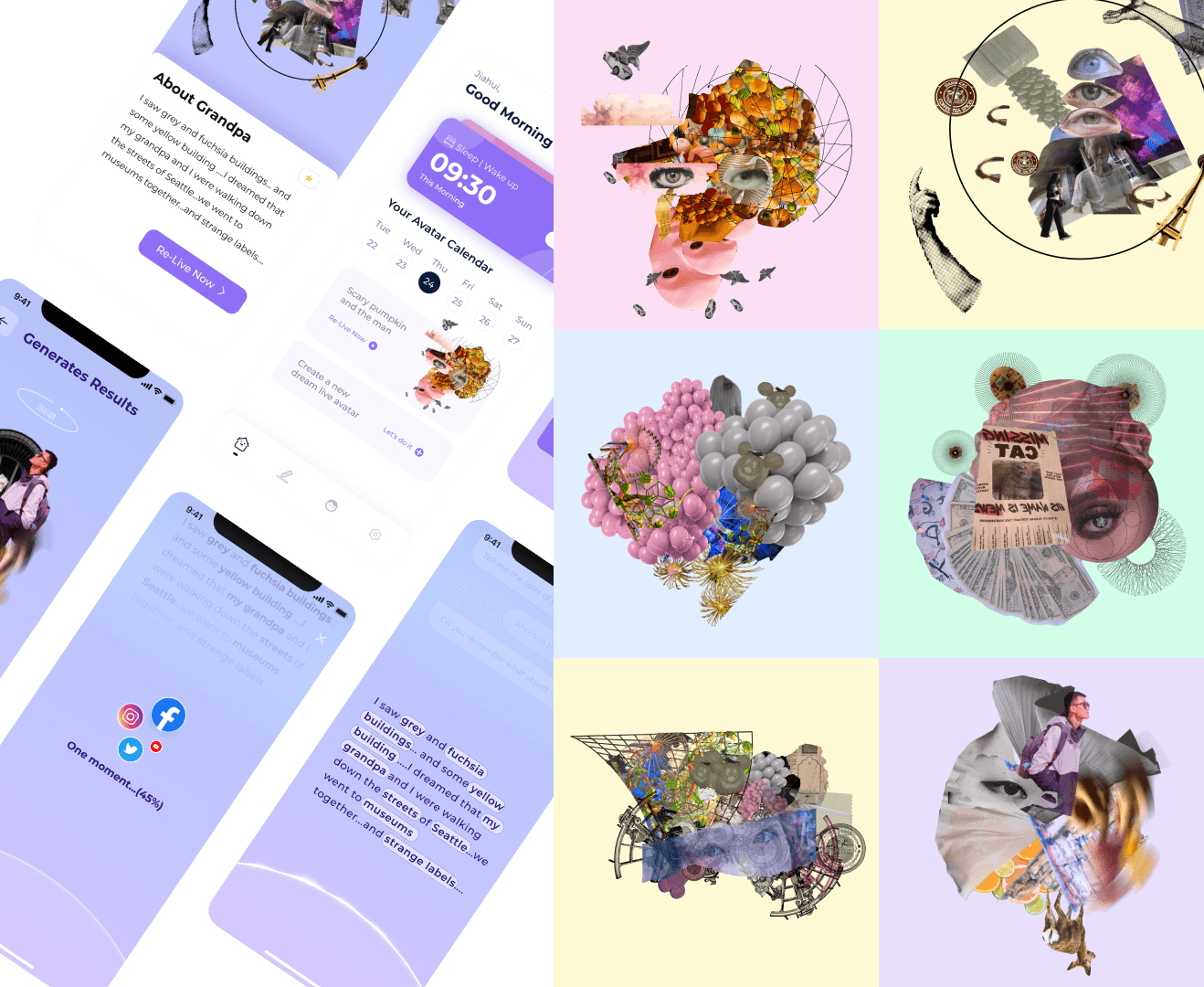
The growing demand for immersive experiences, powered by AR and VR, will redefine user interactions, offering opportunities for more engaging and multi-sensory interfaces. During my graduate studies, I began researching immersive interactions using AR and VR technologies. I designed a project called Redream, which helps users re-experience and customize their dreams, offering them a way to explore their inner selves. This project showed me the transformative potential of immersive technologies to create deeply personal and meaningful experiences.
Additionally, advancements in automation and AI-powered design tools will streamline workflows, enabling designers to prioritize creative problem-solving. Ultimately, the next decade will be about balancing technological innovation with human-centric design, ensuring that technology continues to serve users in meaningful, responsible ways.
Popular
-

Que Johnson on Building Brands That Last: From Visibility to True Market Authority
-

Christina Wren Steps Into the Director’s Chair to Tell Stories That Feel Like Home
-

Portraits of the Valley
-

LA’s Most Inspiring Stories
-

JordanL on ‘Breathe,’ Belief, and Building a Movement Beyond the Music
-

Megan Birney Rudert on How Access to Light Is Powering a More Sustainable and Equitable Future


