




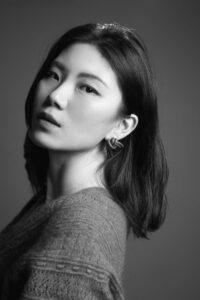
Today we’d like to introduce you to Yan Yan
Yan, we appreciate you taking the time to share your story with us today. Where does your story begin?
My journey into the world of design and art began in childhood. Drawing and painting were my initial gateways into the arts, serving as fundamental tools for personal expression and communication. As I grew older, my interest naturally evolved into a more structured exploration of design principles when I entered design school.
At design school, I learned to blend functionality with aesthetic appeal, embracing the principles of human-centered design. This was a big change for me, turning my interest in art into something more focused and practical. It opened up the world of interdisciplinary design—a field where I could merge my love for fine arts with practical design solutions.
Studying design in California, with its vibrant blend of cultures and pioneering spirit in technology and environmental design, profoundly expanded my perspective. This dynamic environment fostered a mindset of exploration and experimentation, encouraging me to think more creatively and to consider the broader impact of my designs on global scales.
After graduating, I worked on various projects, from visual design to user experience design. Each project broadened my understanding of how design interacts with everyday life and how it can be used to solve real-world problems. I wanted to push the boundaries and see how design could change the way we think and live..
Today, I stand as a designer and artist who straddles the lines between aesthetics and functionality, always looking to push the envelope on what design can achieve. My journey has been about constant learning and adapting, driven by a desire to make design meaningful and powerful.
Would you say it’s been a smooth road, and if not what are some of the biggest challenges you’ve faced along the way?
One of the main challenges I’ve faced is developing a methodology to effectively incorporate design thinking into art creation. This process involves translating the structured, problem-solving approach of design into the more fluid and subjective field of art. It requires a delicate balance to ensure that the creativity and message of the art are not lost while still benefiting from the strategic advantages of design thinking.
Another significant challenge has been finding the right way to position myself as an interdisciplinary designer. This role straddles various domains, from graphic design to fine arts to digital media, which can sometimes be difficult to communicate clearly to those who may have more traditional views of a designer’s role. Establishing a clear identity in a field that is inherently diverse and broad has required not only a deep understanding of my own skills and goals but also effective communication about the unique value I bring to interdisciplinary projects.
As you know, we’re big fans of you and your work. For our readers who might not be as familiar what can you tell them about what you do?
In my professional life, I operate at the intersection of design and fine arts, specializing in creating experiences that not only captivate visually but also provoke thought and foster understanding. My work primarily involves using design thinking to explore and express complex social narratives, often focusing on themes like urban anonymity and women’s experiences in contemporary society. Projects like Anonymousociety and SheSaying are emblematic of my approach, blending insightful design with impactful storytelling.
I am known for my ability to seamlessly merge aesthetic appeal with functional design, all while pushing the boundaries of conventional art and design practices. My interdisciplinary approach allows me to craft unique solutions that are both innovative and relevant, making my work distinctive in the fields of art and design.
What I am most proud of is my development of a unique methodology that integrates design thinking into the art creation process. This approach has not only enriched my own creative output but has also provided a new perspective on how art and design can intersect to address and illuminate social issues.
What sets me apart from others is my commitment to merging diverse disciplines within my projects, which often involves synthesizing elements from graphic design, industrial design, and digital media to create holistic and engaging user experiences. This ability to think and create across boundaries is not just a professional asset but also a personal passion, reflecting my belief in the power of design to transcend traditional limits and make a meaningful societal impact.
What were you like growing up?
Growing up, I was a curious and imaginative child, always eager to explore new ideas and express myself creatively. My passion for the visual arts was evident early on, as I spent much of my time sketching or painting, trying to capture the world as I saw it. Alongside my love for art, I was also deeply engaged in reading and writing poetry, which nurtured my ability to express complex emotions and concepts in nuanced ways.
I was introspective and often found myself observing rather than participating, using these observations to deepen my understanding of human interactions and environments. This reflective nature fueled my creativity and was crucial in shaping my approach to both art and design.
The significant move from a small town to a metropolitan area during my childhood had a profound impact on my view of urban life. This transition exposed me to the vibrant complexities of city living, influencing my perspective on social dynamics and anonymity, themes that I would later explore extensively in my work.
Contact Info:
- Website: https://www.yanyandesign.com/
- Instagram: https://www.instagram.com/yyyyannn_design/
- Other: https://open.spotify.com/show/0zGLBRVJhyHrg5KeeHshsu?si=fb0f06e22f044ca9
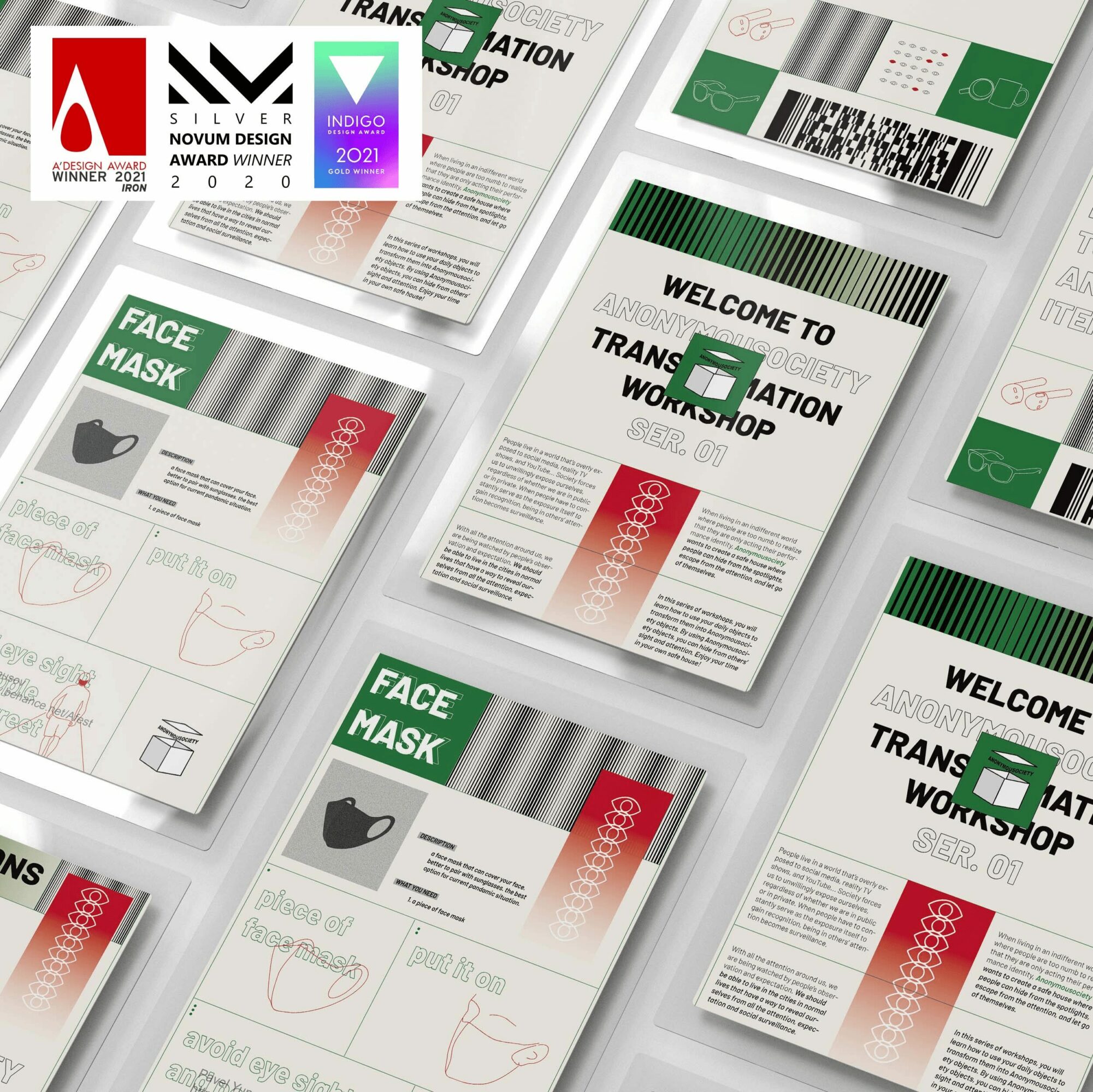
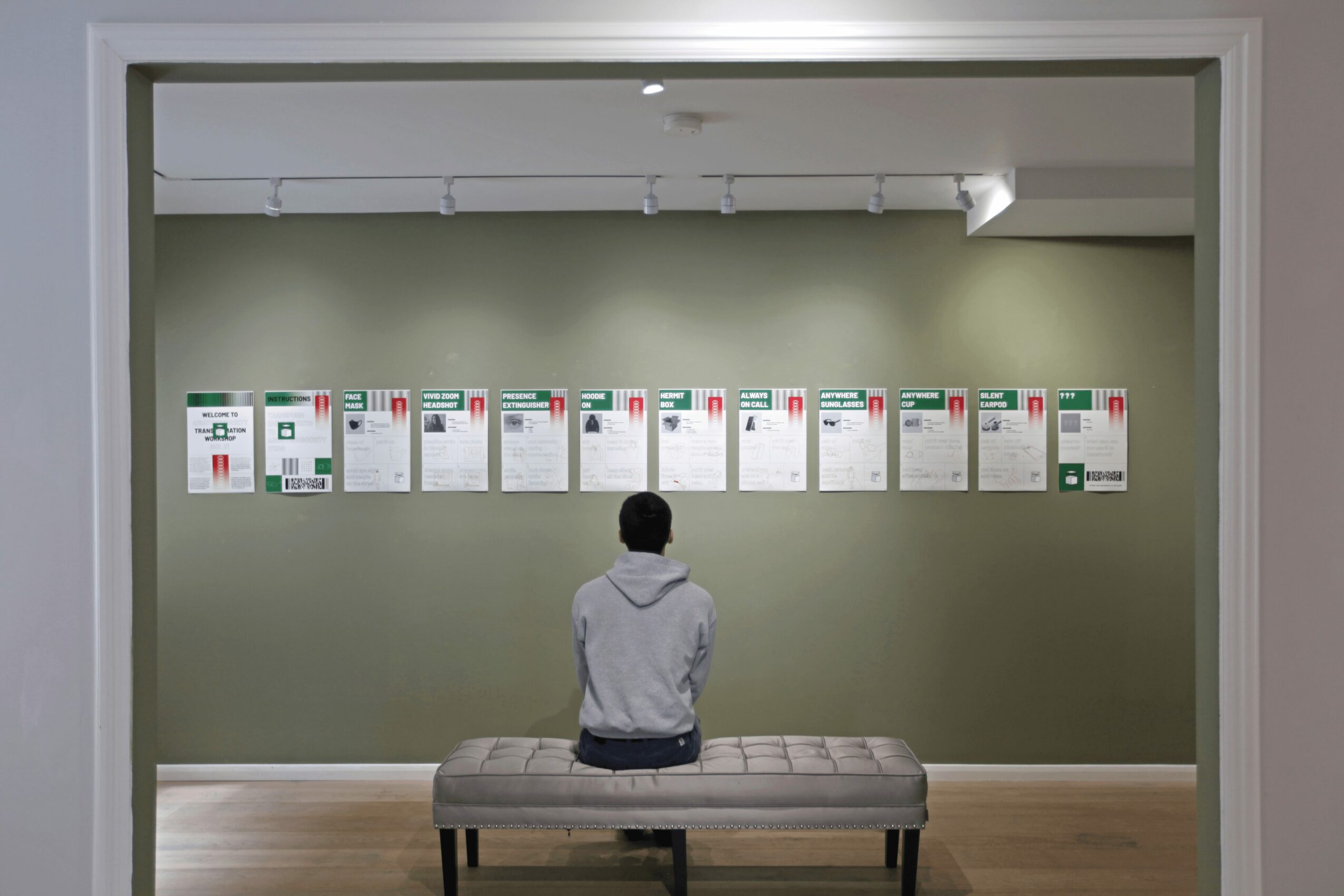
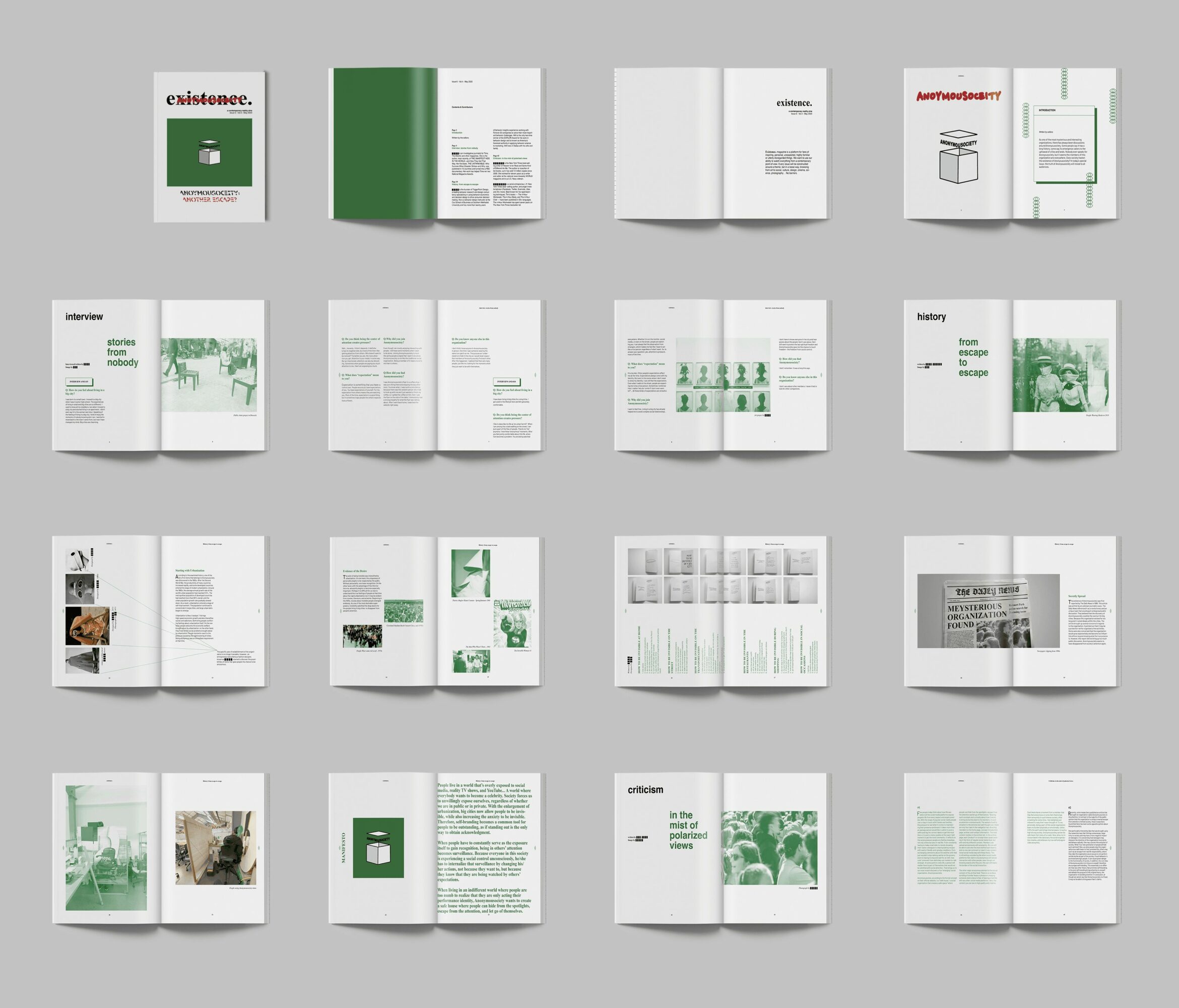
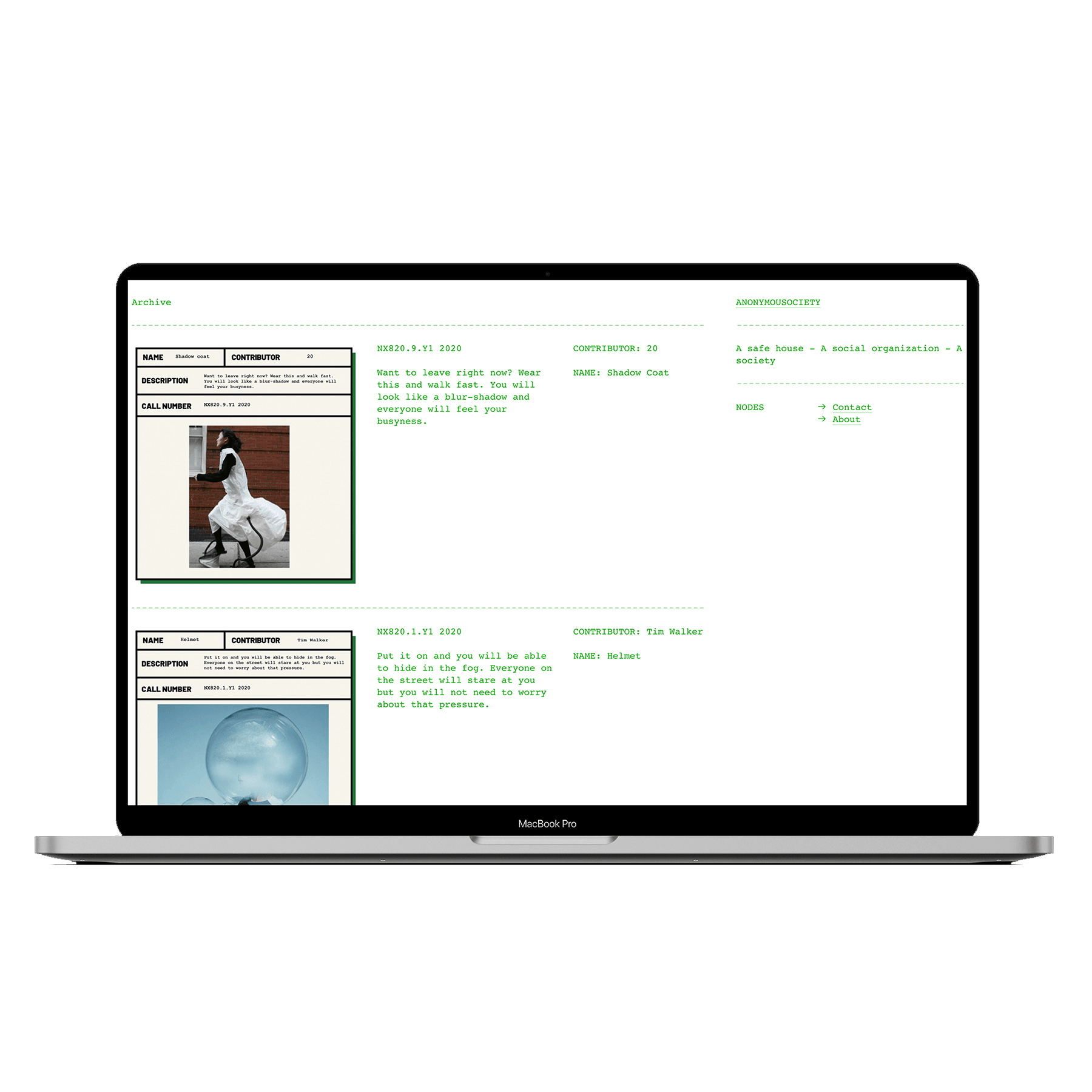
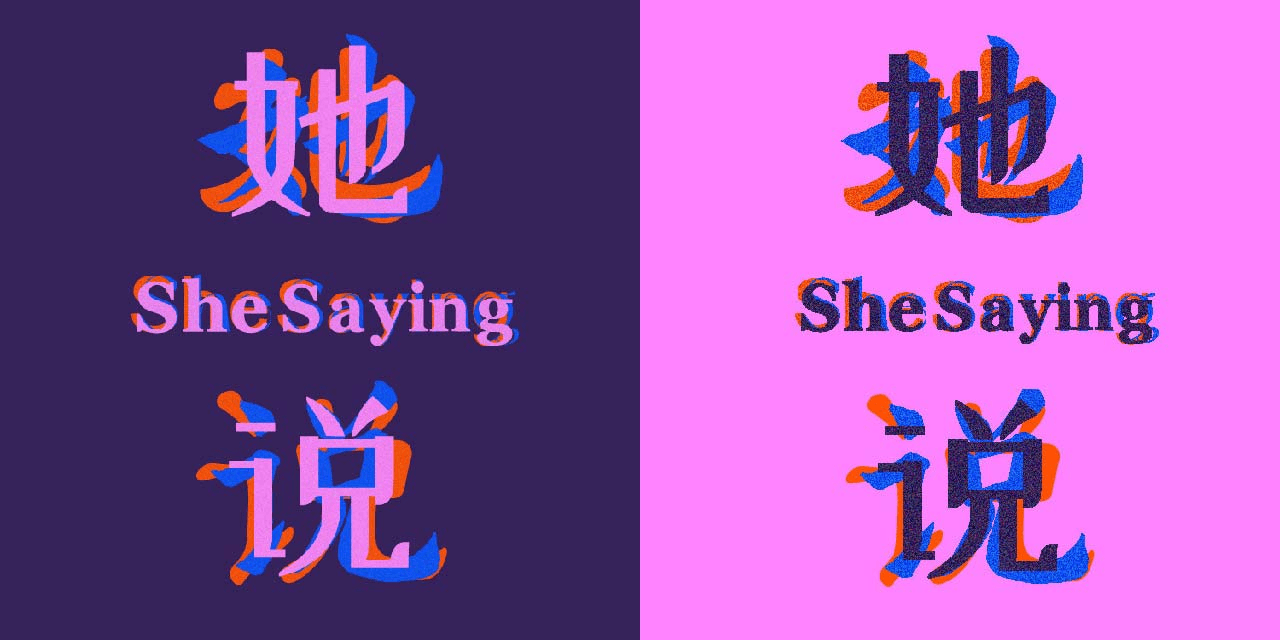
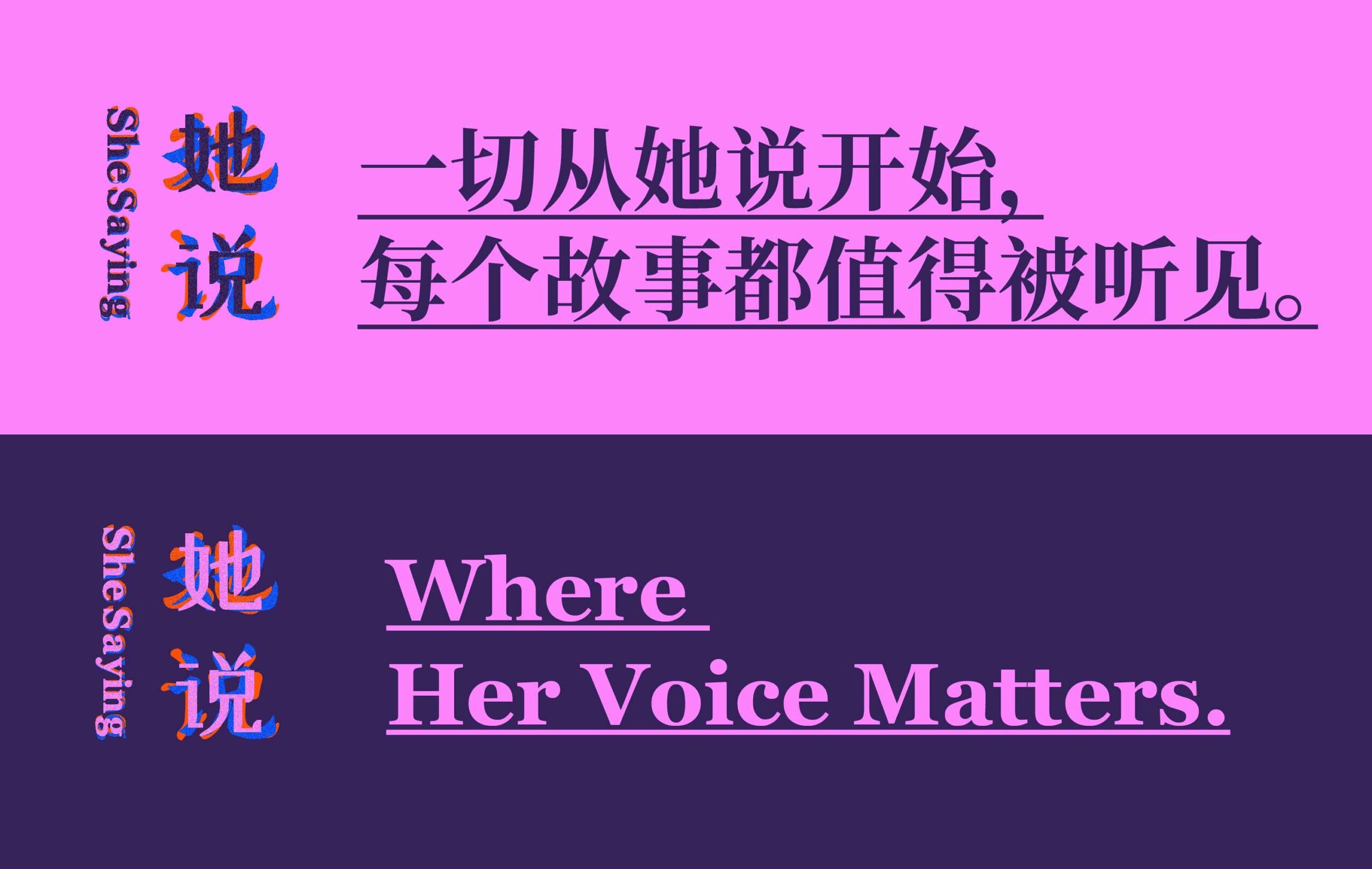
Image Credits
Yan Yan
Popular
-

Que Johnson on Building Brands That Last: From Visibility to True Market Authority
-

Christina Wren Steps Into the Director’s Chair to Tell Stories That Feel Like Home
-

Portraits of the Valley
-

LA’s Most Inspiring Stories
-

JordanL on ‘Breathe,’ Belief, and Building a Movement Beyond the Music
-

Megan Birney Rudert on How Access to Light Is Powering a More Sustainable and Equitable Future


