




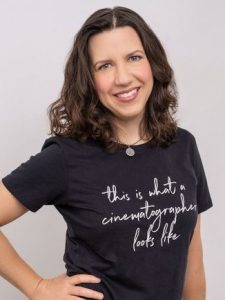
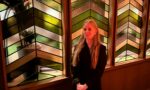
Today we’d like to introduce you to Aymae Sulick.
Hi Aymae, we’d love for you to start by introducing yourself.
I’m a Los Angeles-based cinematographer & Emmy-nominated camera operator with over 20 years of experience behind the camera. I’ve lensed a diverse collection of narrative, documentary, music videos, and commercial/branded projects. My journey to get to this point began unknowingly when I was a kid.
While I was growing up in Pennsylvania, my dad was always taking pictures and filming home movies, so it felt natural for me to follow in his footsteps. I got my first point-and-shoot film camera when I was nine. In high school, I learned manual photography, how to work in a darkroom, and also started shooting with an 8mm video camera. Being a bit shy and more comfortable as an observer, I fell in love with being behind the camera and capturing the world around me as I experienced it. It was (and still is) my “happy place,” but I didn’t think of it as a career choice. It felt like society considered art and creative expression as more of a pastime.
Because my other love was music, I headed toward radio and the music industry. I studied Radio and TV at the University of Georgia’s journalism school. But in my final year there, a film class led me to discover the incredible power of cinematography. While studying the mise-en-scène of films, I was inspired by analyzing the meaning and emotion created by all the elements within a frame. Instead of simply capturing the world with a camera, I wanted to create worlds to visually communicate stories. I figured out my true calling. To learn as much as I could about cinematography and filmmaking, I went to film school.
I got my MFA in film production at USC School of Cinematic Arts in 2001. I was in school, just on the cusp of the industry’s transition toward digital production, so I was lucky to still be able to shoot a lot on film while also getting introduced to digital technology. I found cinematography was the perfect combination of creativity, technical understanding, and collaboration.
After film school, most work available to me was in the rapidly expanding unscripted world. I worked on whatever I could for a while because I just wanted to be behind a camera. For example, I spent about five years as a DP on a low-budget travel show in which I was the only person doing both the camera work and lighting. It was demanding work, but I gained a lot of useful skills that help me in my craft to this day, including the ability to work quickly and the adaptability to figure out camera angles and lighting in whatever environment we encountered.
Over the years, I’ve continued to grow as both a DP and camera operator. I’m grateful for finding like-minded collaborators and more recently some professional mentors. Being involved in the filmmaking community means a lot to me. I’m a member of ICG Local 600, the Society of Camera Operators, and the Television Academy, as well as the International Collective of Female+ Cinematographers, Women in Media, Women in Film, Array, Husslup, and Film Independent.
We all face challenges, but looking back would you describe it as a relatively smooth road?
Being a creative freelancer definitely has its challenges. A big part of the job is needing to network and find the next job. You can’t really focus on your artistic goals without making sure you can pay the bills first. Navigating the film & television industry can feel like going through a maze. You don’t really know where a route will take you; there are no guarantees. There are ups and downs, and it can be difficult managing the uncertainty.
There have also been obstacles as a woman behind the camera in a competitive, male-dominated industry, especially early on while getting started after film school when there were very few known woman DP’s (or even camera operators). I came out of school a bit naive but was quickly confronted with the reality of being viewed as incapable and less qualified because of my gender. I am grateful to a few directors I worked with in film school who brought me onto projects because they already knew my abilities and what it was like working with me. I don’t know where I would be today without them. So much is dependent on finding people who will give you an opportunity to show what you can do.
There weren’t always a lot of opportunities for me, but every project was a learning experience. Sometimes it was learning what not to do or figuring out what roads I no longer wanted to travel. I’m resilient and more committed to my craft because of all the struggles I’ve faced, and I still have my passion for visual creative expression.
I try to view the roadblocks I’ve encountered more like detours and keep going – finding my way one step at a time. Moving beyond low-budget films has been challenging, but I don’t let that stop me. I feel real joy in the collaborative process of figuring out the visual language of a project, so even when the budget is low, finding ways to convey each distinct story fuels me to make the most of it. That being said, I am ready to take my career to the next level and show what I can do with additional resources.
Appreciate you sharing that. What else should we know about what you do?
In addition to honing my skills as a DP in the indie world (lensing over 60 projects, including three features, multiple web series, and over 35 narrative shorts), I’ve also been working for the past four years as a camera operator on episodic shows to get comfortable working on bigger sets and expand into that world. My operator credits include Insecure, Dollface, and the L Word: Generation Q.
I’ve got the flexibility and quickness from my indie and unscripted experience, but I also now know the tools and workflow of bigger sets. I’ve learned to do a lot with a little in terms of gear and crew and am well-versed in creative problem-solving. One of the films that showcases this is “Rag Doll” directed by Bailey Kobe. It’s from a few years ago and was my second narrative feature as a DP. We shot it in only 14 days, and most days I only had two people on my crew – a 1st AC and a lighting assistant. The film went onto numerous festivals and eventually to streaming on Hulu. It proved what dedication and teamwork can accomplish even with a low budget.
Being a cinematographer is about more than simply talent and skill – it’s about commitment, hard work, and still being enjoyable to work with during 12-hour days. It’s not easy but it’s worth it. I put my full heart into what I do. It’s especially fulfilling when working on meaningful projects that can make a difference in the world.
I know firsthand the impact films can have on someone’s life. Discovering independent films in the 90s was powerful for me as a young queer woman raised in a fairly conservative area. I finally found stories of less “traditional” characters I could relate to and for the first time saw LGBTQ characters portrayed as more than one-dimensional stereotypes. I now strive to help tell stories that can change lives like the ones that changed mine.
I continually look for unique stories and boundary-pushing directors. I am drawn to stories about the human condition and am happiest collaborating on projects by and about people whose voices have been underrepresented. When trusted to translate these stories into images, I work hard to support the director’s vision with everything I do.
With my cinematography, I focus on evoking emotions and visually creating the world as the characters experience it. Every choice (lens, lighting, framing, color, movement) serves the story. The images I help create convey the characters’ psychology, relationships to one another, and emotional journeys in a story. I want the viewer to not only watch but also feel the story. Allowing viewers to feel someone’s story is a powerful way to shift how people see themselves and others and foster empathy and compassion. I believe this is how visual storytelling can change the world.
This past year brought acknowledgment of my work that has greatly encouraged me, despite the hardship of the strikes. In the fall, I was selected for the ASC Vision Mentorship program. Earlier in 2023, I won a Women in Media Altitude award for my cinematography from a panel of judges that included Alan Caso, ASC, and Lawrence Sher, ASC. Alan Caso was one of my early inspirations with his cinematography on Six Feet Under, so his comments on my work were especially meaningful to me. He said, “Aymae has a great feel for cinematography. Her compositions are engaging and compelling. Her lighting has mood, edge, and tone – she has been strong and decisive with her visuals, and that should propel her to greater things.”
I hope that this recognition and support allow me to work on significant projects that will reach even more people. I’m looking forward to seeing where this year takes me.
Contact Info:
- Website: aymaesulick.com
- Instagram: https://www.instagram.com/aymaedp
- Linkedin: https://www.linkedin.com/in/aymae/
- Other: https://www.imdb.com/name/nm0994028/
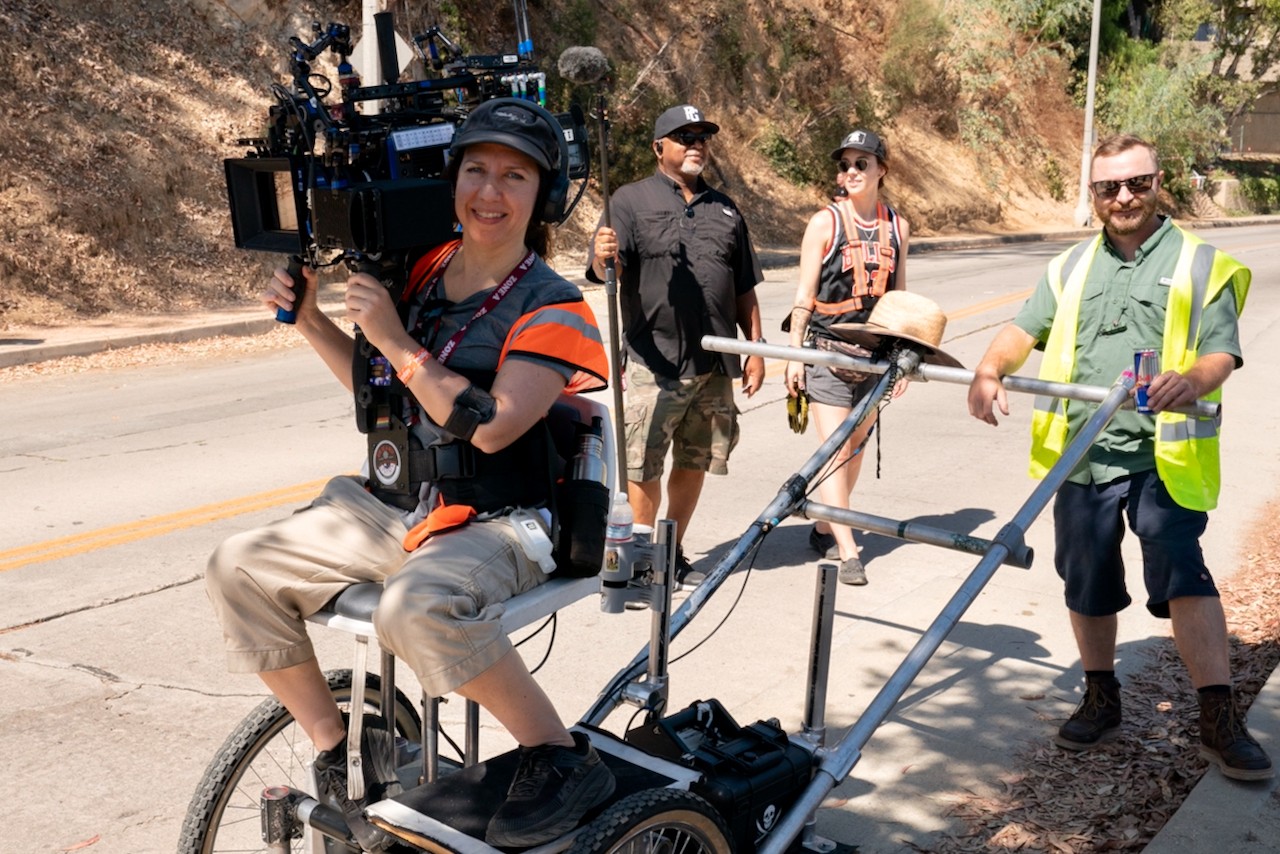
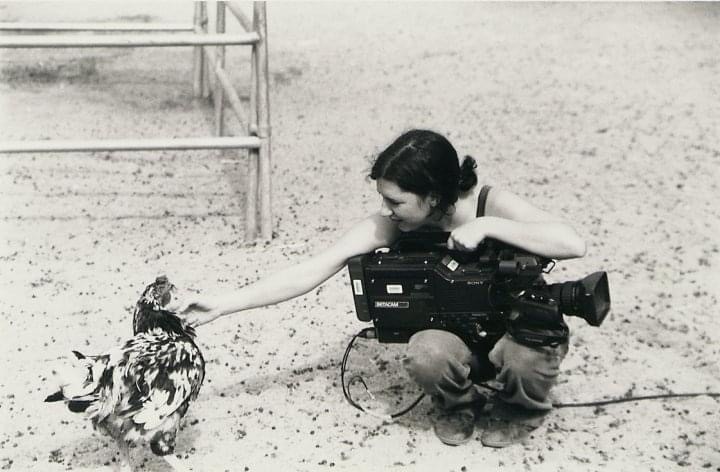
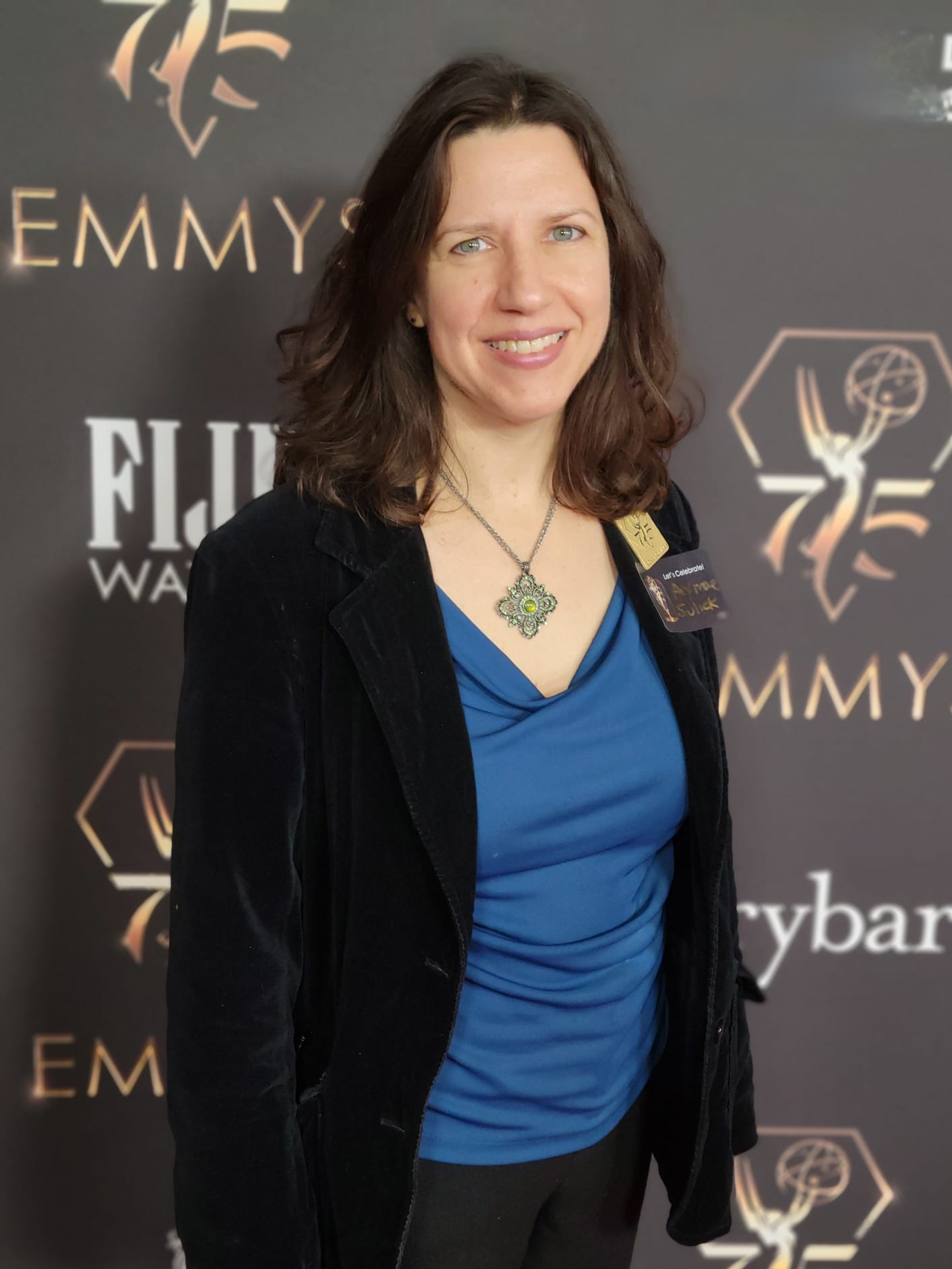
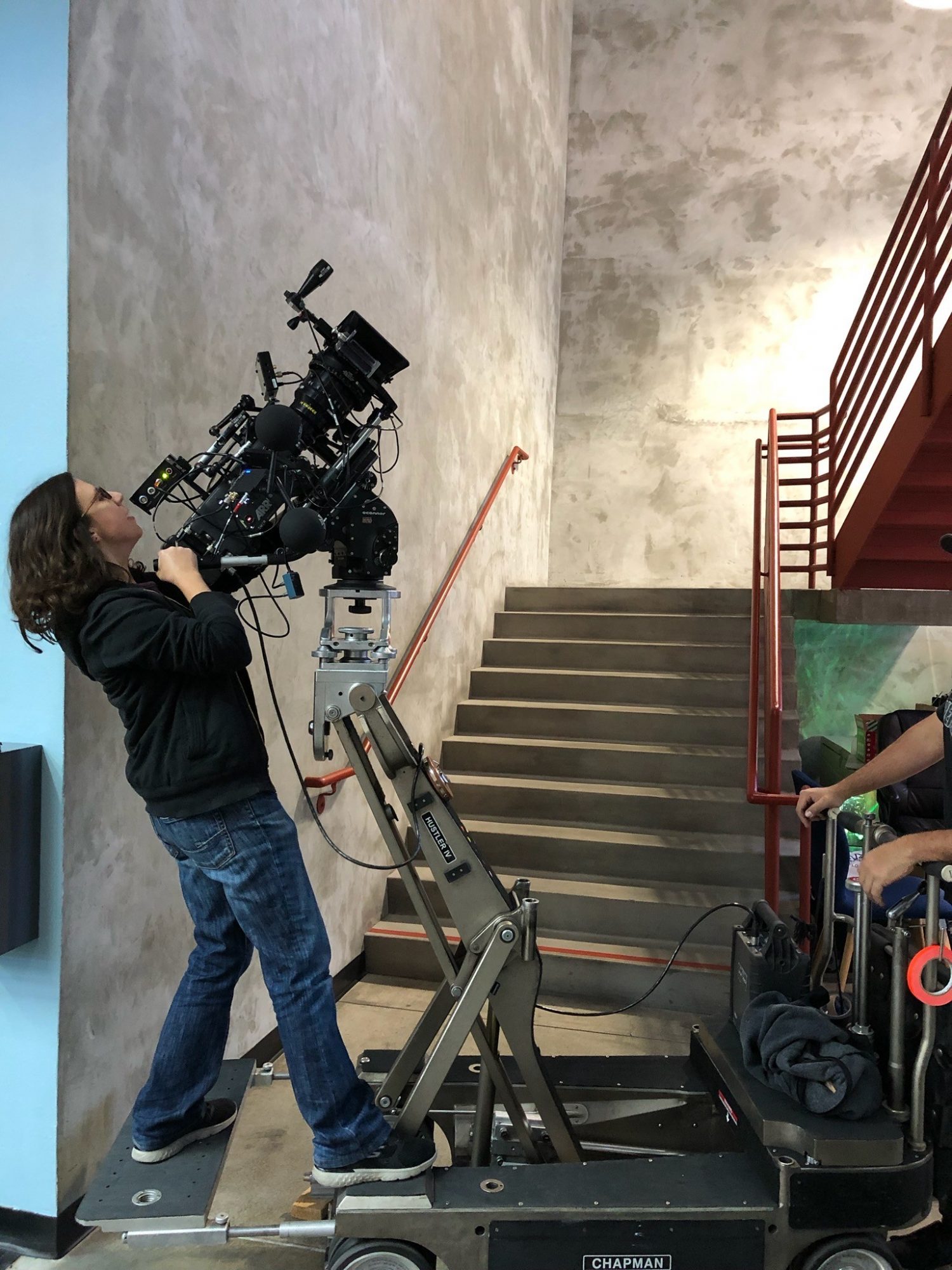
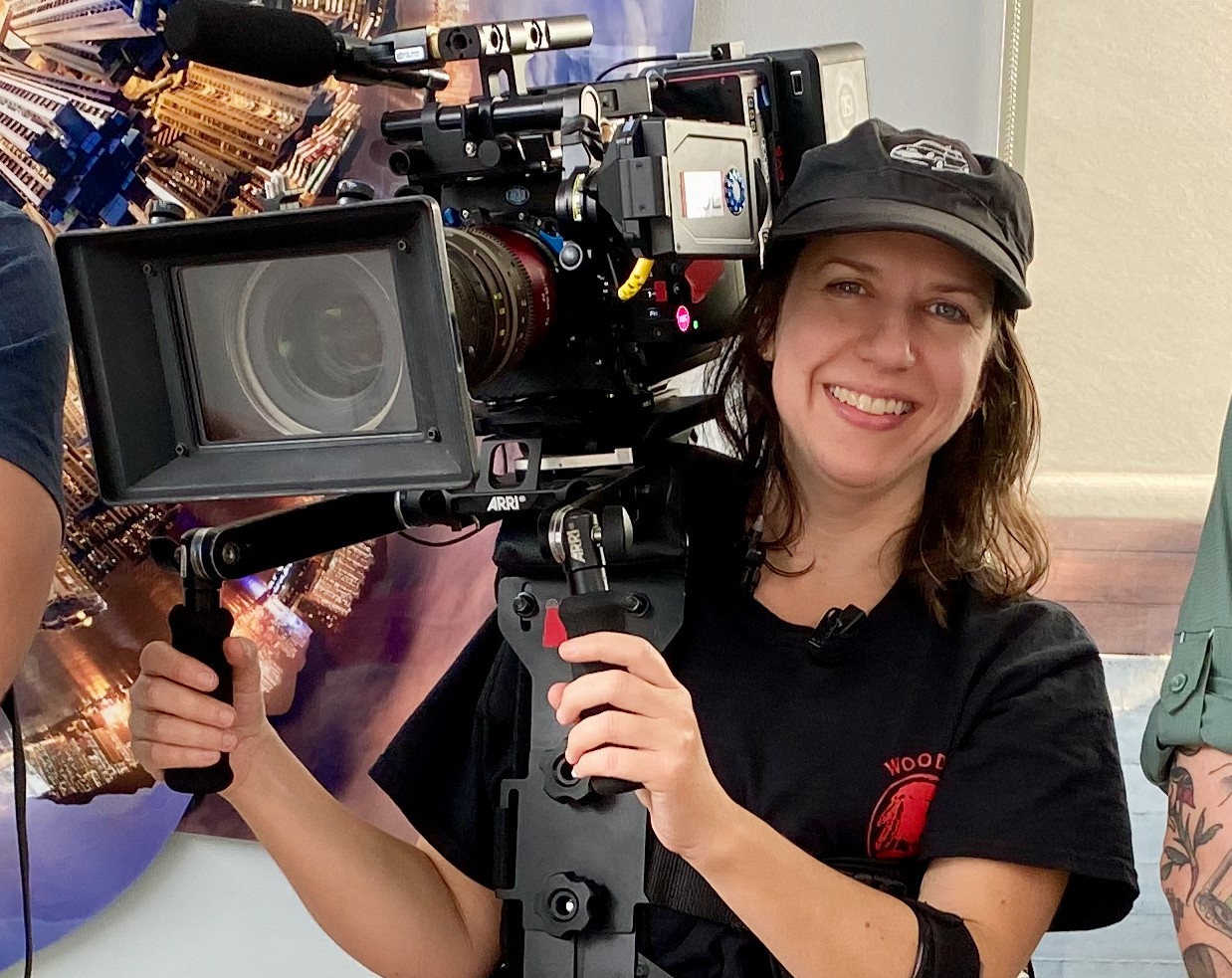
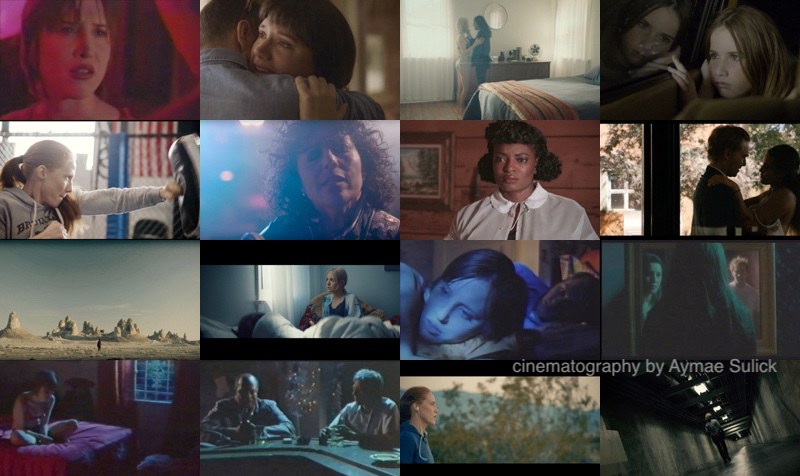
Image Credits
Adrienne Alivia Klotz-Floyd, Nicole Wilder
Popular
-
JordanL on ‘Breathe,’ Belief, and Building a Movement Beyond the Music
-
Megan Birney Rudert on How Access to Light Is Powering a More Sustainable and Equitable Future
-
Linda Kneidinger on Building Lasting Change Through Small Steps and Self-Compassion
-
Jolana Nika on Redefining Modern Connection Through Intentional, Real-Life Experiences
-
What did suffering teach you that success never could?
-
Who saw you clearly before you could see yourself?


