





Today we’d like to introduce you to Elizabeth Sanchez.
Hi Elizabeth, please kick things off for us with an introduction to yourself and your story.
Growing up in a low-income and unincorporated community in Los Angeles gave me a unique experience of advocating for the strengths and needs of historically disenfranchised communities. I was raised in a predominantly Latinx/e immigrant ethnic enclave that possessed unique socio-political and socio-cultural strengths while facing a lack of local policy government. This urban inequity meant our community lacked a local policy infrastructure in which social provisions, including culturally attuned mental health programming, were not provided locally. Despite lacking structural provisions, our community remained cohesive while promoting collective efficacy. These early experiences shaped my commitment to working in partnership with Latinx/e mixed-status families.
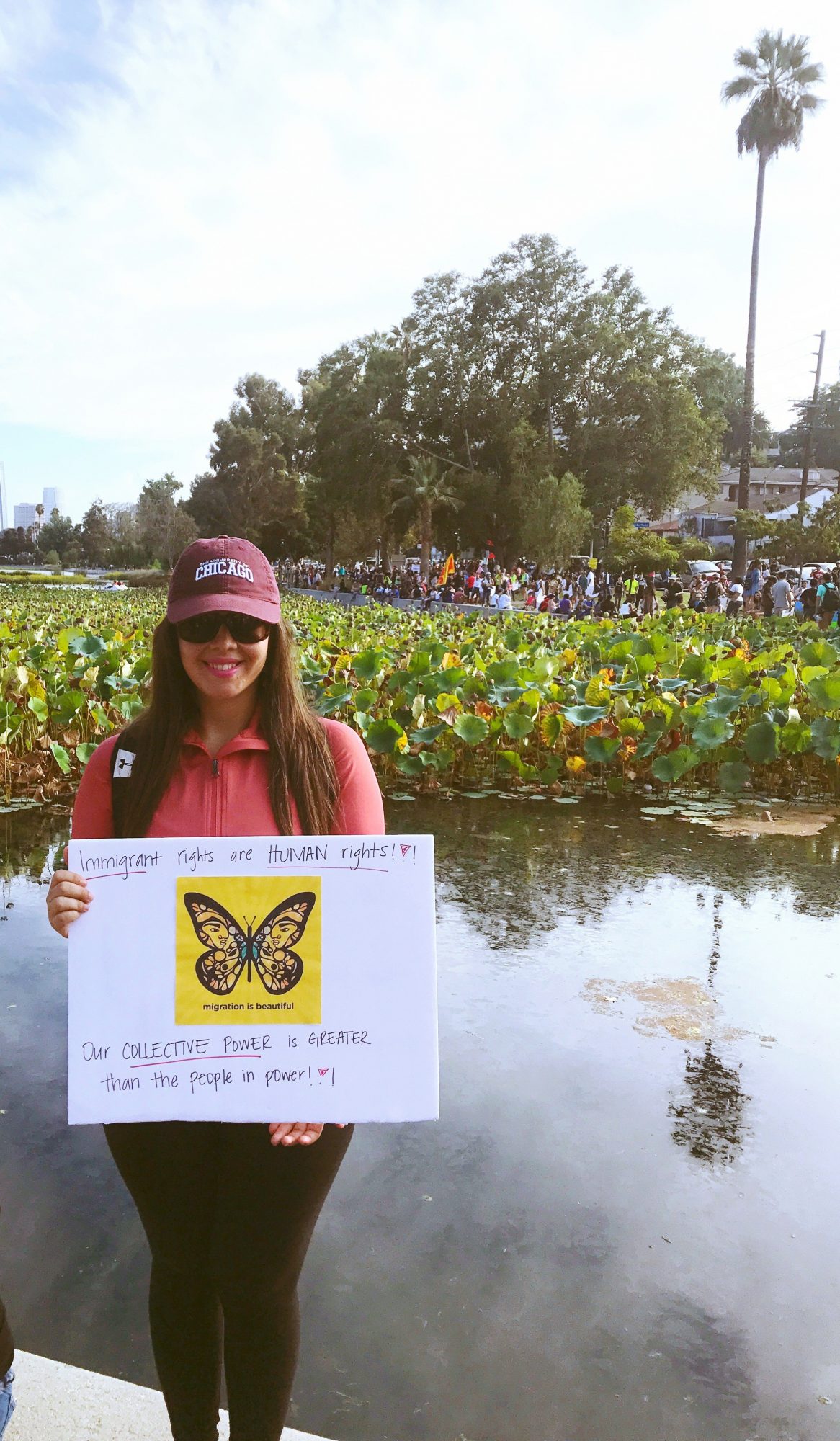
As a first-generation Chicana daughter of Mexican immigrant parents and a proud descendant of a Bracero, I have witnessed the endurance and hope transmitted via collective storytelling. The university school setting became my refuge and sanctuary to learn about critical histories about my community and ancestors. By taking Chicanx/Latinx Studies courses at UC Irvine, I learned about the power of narratives of our communities that endured structural disparities while promoting hope. Professors believed in me and encouraged me to apply to doctoral programs; however, before applying, I had to continue working in partnership with my community to promote immigration advocacy and multilevel interventions for them. I worked with immigrant families and young children for over a decade, providing a range of therapy, assertive clinical case management, program development, early prevention/intervention, mental health consultation, and grant writing with Latinx undocumented, unaccompanied immigrant children, and mixed-status families locally and in México. These practice experiences galvanized my passion for continuing to honor and uplift immigrant families’ truths via culturally bound and community-engaged research methods as a current Ph.D. social work student at the University of Chicago. As a lifelong learner, I take pride in mentoring students like me by providing them with critical reflexivity and helping them reimagine just immigration policy interventions that promote the integrity of immigrant communities.
We all face challenges, but looking back would you describe it as a relatively smooth road?
As a first-generation Mexican-American student, my journey has not been without bumps. I am the first one in my family to pursue a doctoral degree, and I am paving the way for other first-generation Latinxs/es to pursue postgraduate degrees. Applying to doctoral programs while working full-time, conducting immigration research, and being part of the board of directors of a non-profit organization in El Salvador was a significant commitment and not an easy task. I did not have access to academic mentors in my family to provide guidance. Yet, I was determined and committed to applying to Ph.D. programs while researching programs. However, my family provided care and love emotionally and spiritually as I ventured into the foreign doctoral applications. After working arduously on my doctoral applications, I was humbly accepted to all seven social work PhD programs.
I continue to process the transition from working clinically for several years with immigrant families on the ground level to being a community-engaged researcher who honors clinical skills. I relocated from Los Angeles to Chicago to pursue my doctoral education without having any family members residing in the Midwest. My grandfather’s determination, advocacy, and endurance as a former immigrant Bracero, who worked in the fields, fueled me with the strength to adjust to this significant transition. Even today, as a third-year Ph.D. student, I harness my grandfather’s stories of hope by transmitting a spirit of care in the immigration justice research projects I pursue—committed to empathy and employing a curious stance while honoring immigrants as experts of their lived experiences. I learned to bridge my clinical skills into my research practice when engaging in immigration justice projects.
Thanks for sharing that. So, maybe next you can tell us a bit more about your work?
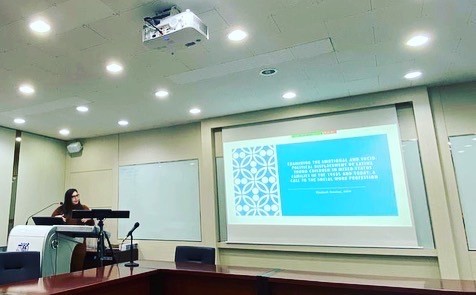
I am a third-year rising social work PhD student committed to promoting immigration justice at the University of Chicago. I am fascinated by and committed to community-engaged research in partnership with immigrant families. My research aims to shape immigration policy and develop culturally attuned mental health service delivery for Latinx/e undocumented immigrant families with young children. I have published articles in collaboration with immigration justice scholars and mentors that address the role of immigration policy, Latinx/e mental health, and social determinants of health of Latinxs/es.
Before we go, is there anything else you can share with us?
I am passionate about collaborating with mental health agencies. My goal is to bridge community-engaged research methods with ground-level clinical practice. I hope to make research accessible to mental health practitioners and immigration justice advocates. I am willing to partner and collaborate with mental health non-profit organizations and immigrant advocacy organizations to provide research, training, and information to mental health professionals.


Popular
-

JordanL on ‘Breathe,’ Belief, and Building a Movement Beyond the Music
-

Megan Birney Rudert on How Access to Light Is Powering a More Sustainable and Equitable Future
-

Linda Kneidinger on Building Lasting Change Through Small Steps and Self-Compassion
-

Jolana Nika on Redefining Modern Connection Through Intentional, Real-Life Experiences
-

What did suffering teach you that success never could?
-

Who saw you clearly before you could see yourself?


