




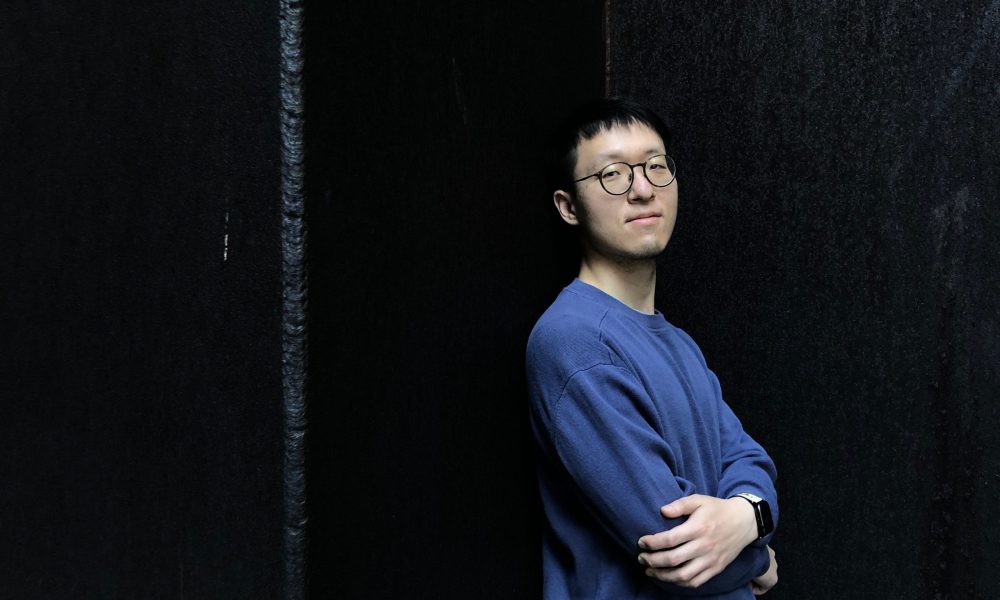
Today we’d like to introduce you to Yifeng Wang.
Hi Yifeng, can you start by introducing yourself? We’d love to learn more about how you got to where you are today?
I’m a UX/UI and product designer. From a young age, I had a strong affinity for visual elements over text. When I looked at nature photography, I could discern intricate details – the composition, lighting, background, and spatial relationships. This innate visual acumen sparked my passion for design, though I wasn’t entirely sure what form it would take.
My journey began with a drawing class, marking my initial step toward a visual path. It awakened a yearning for visual exploration combined with a desire for intricate problem-solving. Architecture emerged as the ideal choice, marrying art and science to express intricate concepts within structurally sound designs. For example, the Walt Disney Concert Hall by Frank Gehry exemplifies how architectural designs can express artistic concepts while also meeting structural challenges. My internships at prestigious architecture firms like Bjarke Ingels Group in Copenhagen further fueled my design journey.
Graduate school at UC Berkeley introduced me to the dynamic world of new technology, where concepts like “software is eating the world” emphasized the transformative power of technology. Witnessing the rapid daily life changes brought by software and apps like Instagram, Snapchat, and WhatsApp, I realized that technology was shaping our world at a much faster pace than architecture.
Shifting from architecture to UI/UX and product design allowed me to work closely with users through user research and iterate based on their valuable feedback. This transition allowed me to establish deeper connections and directly witness the real-world impact of design.
Fascination with the impact of emerging technologies on people’s lives led me to explore AI, Web3 (blockchain), AR/VR, and cloud computing. Yet, the challenge lies in making these technologies user-friendly and seamless, akin to transforming a steam engine itself into a comfortable riding experience. Design, for me, is about systematic problem-solving and has seen a surge in popularity as “design thinking” in recent business trends.
Today, I’m a UX/UI and product designer and entrepreneur specializing in SaaS, Web3, and FinTech. I collaborate closely with startup founders, helping them develop products from 0 to 1, establish design systems for enterprise readiness, and streamline user onboarding for matured Web3 DeFi products.
Can you talk to us a bit about the challenges and lessons you’ve learned along the way. Looking back would you say it’s been easy or smooth in retrospect?
As a UX/UI and product designer, adapting to various cutting-edge industries in a short time presents its challenges. My work extends across diverse fields of emerging technology, such as AI, blockchain, and cloud security. This requires the ability to swiftly acquire knowledge and connect novel experiences to existing ones, facilitating a better grasp of and design solutions to challenges.
For example, working on a cloud security software project initially appeared highly technical and complex. However, I discovered a simple analogy – comparing it to home security. Just as people worry about their home’s safety, in the cloud security industry, we address concerns about data breaches. The alert systems for breaking into a home and vulnerabilities in cloud databases both revolve around a fundamental problem: ensuring security and peace of mind for users.
As you know, we’re big fans of you and your work. For our readers who might not be as familiar what can you tell them about what you do?
Throughout my career as a UI/UX and product designer, I’ve been fortunate to work on intriguing projects that have not only deepened my understanding of emerging technologies but also allowed me to create designs that make these technologies accessible and beneficial to users. Let’s explore two examples.
One project that stands out is SpendDAO (now rebranded as DALN, Data as Labor Network). This initiative empowers users by giving them control over their credit card data. Typically, credit card companies profit from selling consumer data without giving users a share or choices. To change this, we leveraged the blockchain technology to securely store user data. While the data remains encrypted and private, its ownership is transparent on the blockchain. Consumers can choose to sell their data to data buyers to earn the full rewards themselves, or they can keep it entirely private. Even when data is shared, we maintain privacy by processing and aggregating information to protect user identities.
Designing for this project presented challenges as it involved a novel blockchain technology and the need to educate users about the value of their data. However, what I find most rewarding is the role design plays in making this cutting-edge technology accessible to a broad audience. Our project was recognized as a finalist in the ETH Global FEVM hackathon, both for its technology adoption and the user-friendly experience we created, which aligns with my passion for increasing the adoption of new technology through design.
Another project that stands out is my work at Lacework, where I created UI/UX designs for cloud security solutions, an industry vital yet complex. Cloud security professionals face a common challenge — endless security alerts, leading to alert fatigue and overwhelming workloads. The primary design challenge was aiding end-users in distinguishing genuine risks, building trust in the information we provide, and guiding their actions.
At Lacework, I’ve developed design solutions for key features like Resource Explorer, which serves as a centralized hub for users to oversee their cloud resources. Informed by user insights, I fine-tuned this feature to help users prioritize risks and reduce their workload. I also contributed to establishing the foundational design system of the Polygraph® Data Platform, expediting design and development. My design streamlines the user experience when addressing security risks, ultimately simplifying the lives of security analysts. It’s fulfilling to know that my work makes cutting-edge cloud security technology more user-friendly and delightful for our customers.
What sets me apart is my curiosity, enthusiasm for new technologies, and commitment to understanding real user pain points while bridging the gap between them. My experience in working with these technologies has brought me valuable industry insights and a dedication to delivering business value through design. I enjoy in making new technologies usable and accessible, bringing the future closer to all users.
What sort of changes are you expecting over the next 5-10 years?
I believe that the field of UI/UX and product design will experience significant growth in the next 5-10 years. This growth will be driven by the increasing popularity of new technologies like AI, blockchain, AR/VR, and cloud computing, all of which require designs that are easy for users to understand and use. In my opinion, the essential skills for UI/UX and product designers include a good grasp of these emerging technologies, the ability to connect with users, and the talent to address their issues through design solutions.
Moreover, I anticipate that AI will revolutionize how we interact with computers, presenting new challenges and opportunities for UI/UX and product designers. For instance, there may be a need to design interfaces that rely more on language, as well as interfaces that are customized and adapt to the unique needs of individual users. I’m eager to witness how designers can play a pivotal role in shaping the future.
Contact Info:
- Instagram: https://www.instagram.com/wangyifeng/
- Linkedin: https://www.linkedin.com/in/wang-yf/
- Email: yfwdesign@gmail.com


Popular
-

Que Johnson on Building Brands That Last: From Visibility to True Market Authority
-

Christina Wren Steps Into the Director’s Chair to Tell Stories That Feel Like Home
-

Portraits of the Valley
-

LA’s Most Inspiring Stories
-

JordanL on ‘Breathe,’ Belief, and Building a Movement Beyond the Music
-

Megan Birney Rudert on How Access to Light Is Powering a More Sustainable and Equitable Future


