




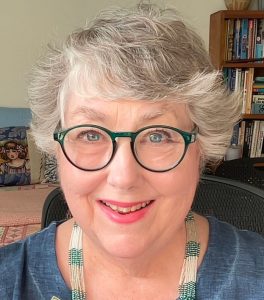
Today we’d like to introduce you to Kathleen Neumeyer.
Hi Kathleen, we’d love for you to start by introducing yourself.
When I was editor of my school newspaper in Indiana, a frequent speaker at events for high school journalists was Margaret Moore, who worked at the Indianapolis Star. She regaled us with stories of her glory days as a reporter when a farmer who sold her fresh eggs was the father of John Dillinger, dubbed the FBI’s “Public Enemy Number 1.” Although he was on the lam, Dillinger made brief visits to his father, and the day after he left, his dad tipped off Moore. And she got a byline on a Page One story about where Dillinger was yesterday.
The stories were thrilling, but Dillinger had died three decades earlier.
I followed in her footsteps, graduating from the Medill School of Journalism at Northwestern University in Evanston, Illinois. My college sweetheart had been accepted at UCLA Law School, so I applied for jobs in Los Angeles. An editor at the Los Angeles Times sent me a note that said, “We already have a girl reporter, and perhaps, someday, we will hire a second one, so we will keep your application on file.”
Instead, I was hired as the second woman in the Los Angeles bureau of United Press International. The first story I was assigned to cover was a press conference by the newly-elected governor of California, Ronald Reagan.
During my eight years at UPI, I covered the trial of Sirhan B. Sirhan, who was convicted in the assassination of Senator Robert F. Kennedy, and the trials of Charles Manson and his followers for the murders of actress Sharon Tate and others at her Benedict Canyon home and two others the following night in Los Feliz.
I covered the federal trial of Daniel Ellsberg and Anthony Russo for turning over documents known as The Pentagon Papers to the New York Times and the Washington Post. In between, I covered mudslides, airplane crashes, earthquakes, the Academy Awards, and visits to California by President Richard Nixon.
When I started out, there were only a handful of women working in journalism, and I attended many news conferences where I was the only woman in the room. It could be an advantage because I stood out. And I was assigned all the same stories as my male colleagues, but I also had first pick of the stories they didn’t want to write.
By the time my children were born and I quit my full-time job, there were many more women working in journalism.
I began freelancing for magazines, which I could do from home. I was working remotely before it began fashionable.
I also taught journalism part-time at California State University, Northridge, teaching a three-hour class twice once a week on reporting on government agencies and eventually a three-hour class on magazine writing.
In 1989, I was asked to sub for ten weeks at the Westlake School for Girls while their regular adviser was on maternity leave. I just needed to be there for about an hour every day during the lunch period, when the newspaper staff met, and help them during three-weekend layouts. And accompany eight girls to a high school journalism convention in St. Louis. Sounded like a piece of cake. I would still have plenty of time to do my freelancing.
But the stories for the first issue of the year had been turned in and edited when I arrived one day to discover the girls buzzing about a surprise announcement at the morning assembly. The nearly century-year-old girls’ school was going to merge with the nearly century-year-old Harvard School for Boys.
“How are you going to handle it in the paper,” I asked.
They would save it until next month, they said. Because they already had the stories in for the upcoming issue, and they wouldn’t have time.
“Wait, wait, wait!” I protested. “You are at Time Magazine, and the President has just been assassinated. This is the biggest story your paper will ever cover. You need a front-page story, a feature story where you get photos of a lot of people and ask their opinions, an editorial, and some other stories I haven’t thought of yet.”
They said they could not do all of that by Monday, and I said yes, they could that I would show them how. And I did, and they could.
Two years later, after the merger, I was hired to be the journalism teacher and the adviser of the Harvard-Westlake Chronicle at the merged school.
I became Margaret Moore, regaling my students with the stories I had covered before they were born.
Can you talk to us a bit about the challenges and lessons you’ve learned along the way. Looking back would you say it’s been easy or smooth in retrospect?
I retired in 2015 after 24 years advising the Harvard-Westlake Chronicle. The newspaper won every award in high school journalism, but I never expected that the students would follow in my footsteps as journalists because they were mostly attending colleges that did not even offer journalism as a major.
One of my former students, Spencer Rascoff, who co-founded Zillow.com, wrote an article online in which he said that I had taught him to run a billion-dollar company. He said he had learned to lead by example, to act with integrity, work with intensity, and pay attention to details by working on the high school newspaper. He said he credited me as his mentor.
After that article appeared, I got emails from many former students who said they used what they learned in high school journalism in their work as doctors, lawyers, theme parks and video game designers.
I wrote a book called “Advising the Chronicle: How I taught high school journalism students to run billion-dollar companies (and you can too.)
I reached out to more than 50 students, who outlined to me exactly how they use their high school journalism training in their work.
Appreciate you sharing that. What else should we know about what you do?
Retired journalist, teacher, and author.
How do you define success?
Someone once said that it is a rare teacher who is able to impart to their students the enthusiasm for their subject that made them, long years ago, choose it as their life’s work. Apparently, I am one of the lucky ones who did because several dozen of my former students are now working for the Los Angeles Times, the New York Times, CBS, CNBC, ESPN, The Associated Press, Bloomberg, the Sacramento Bee, and others.
In my book, I include specific instructions on how anyone can write more effectively. You don’t have to be interested in journalism to be able to learn how to express yourself clearly and concisely.
Pricing:
- “Advising the Chronicle: How I taught high school journalism students to run billion-dollar companies (and how you can too)” $19.99 on Amazon in paperback, $9.99 Kindle


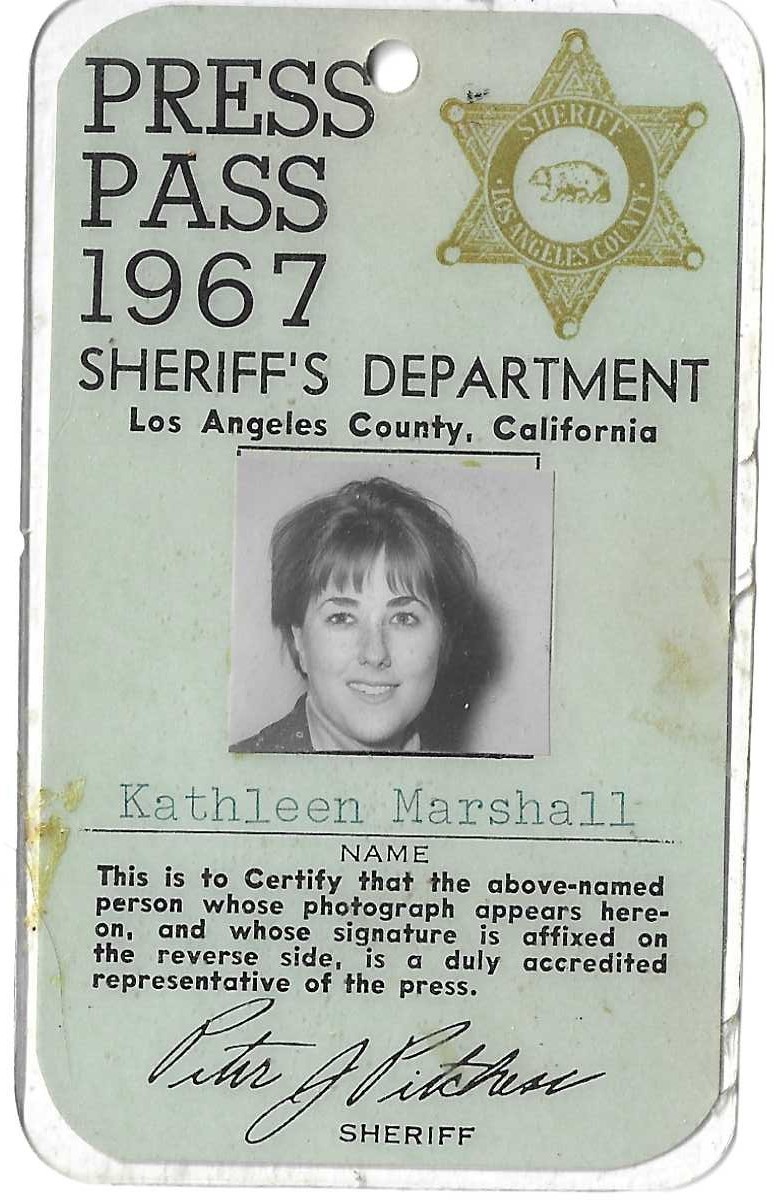
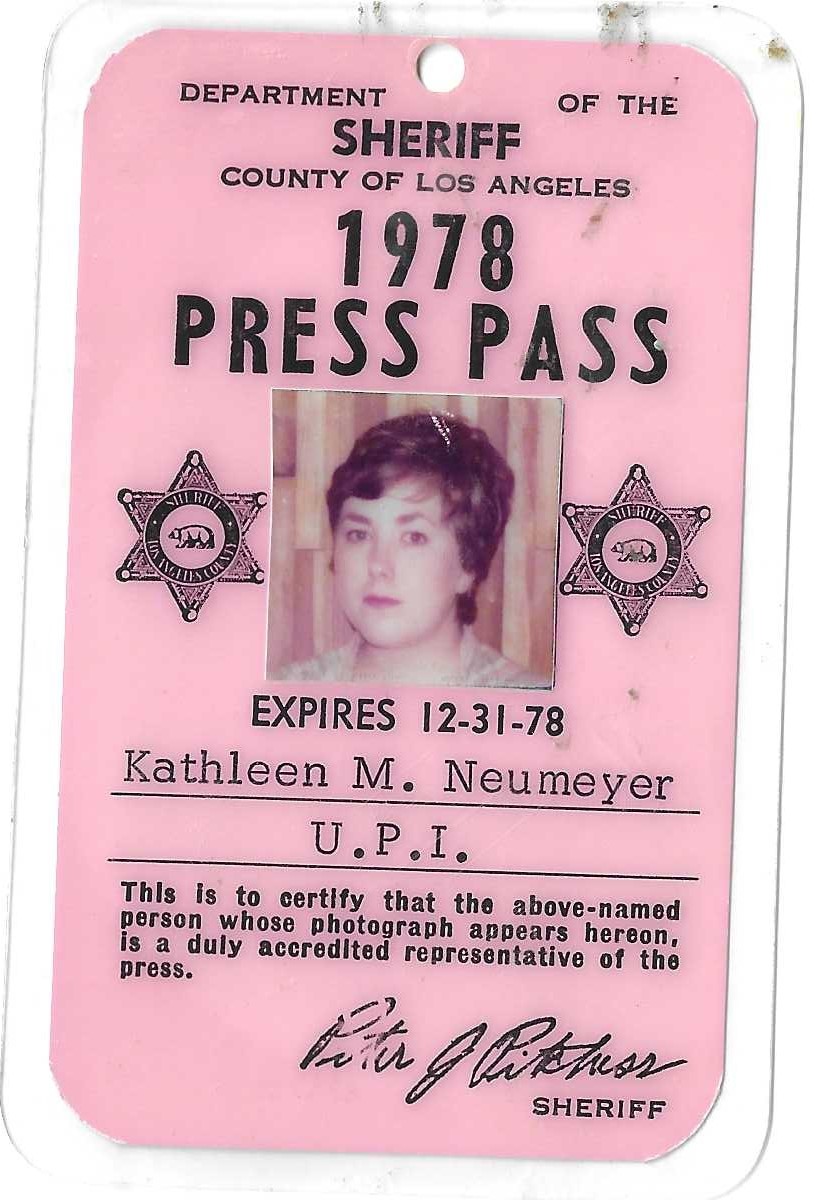
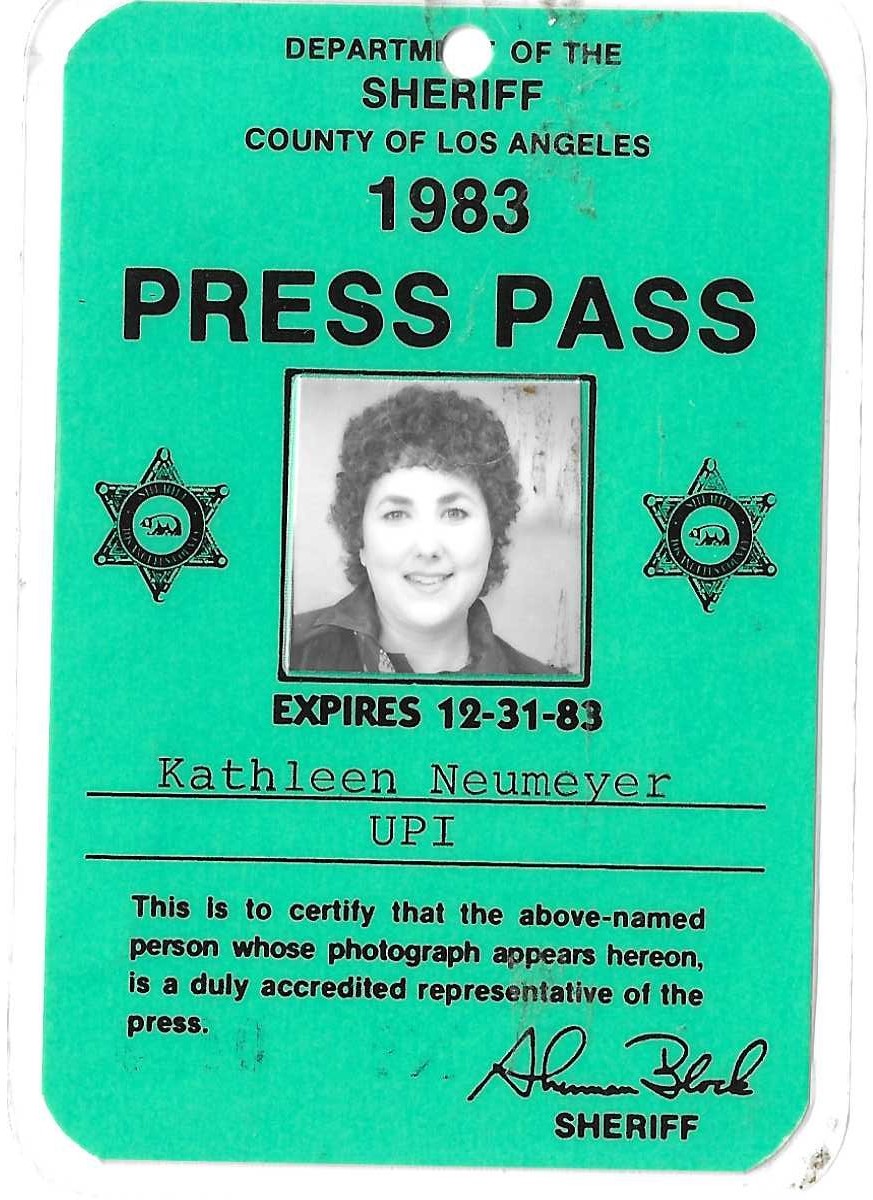


Image Credits
1st photo is the cover of the book. Second photo is Kathleen Neumeyer working with Chronicle students in 1992. Third photo Teri Stein and Spencer Rascoff, editor in chief of the Chronicle 1992-93, with Kathleen Neumeyer. Next photo, Nader Pouratian, Randy Stein Lee, Kathleen Neumeyer, Danny Ross, and Russell Brown, at the National Scholastic Press Association fall convention in Columbus, Ohio in 1993, Kathleen Neumeyer’s press pass on display at the Newseum on Pennsylvania Avenue, Washington, DC, now closed. several old press passes.
Popular
-

Christina Wren Steps Into the Director’s Chair to Tell Stories That Feel Like Home
-

Portraits of the Valley
-
LA’s Most Inspiring Stories
-
JordanL on ‘Breathe,’ Belief, and Building a Movement Beyond the Music
-

Megan Birney Rudert on How Access to Light Is Powering a More Sustainable and Equitable Future
-
Linda Kneidinger on Building Lasting Change Through Small Steps and Self-Compassion


