




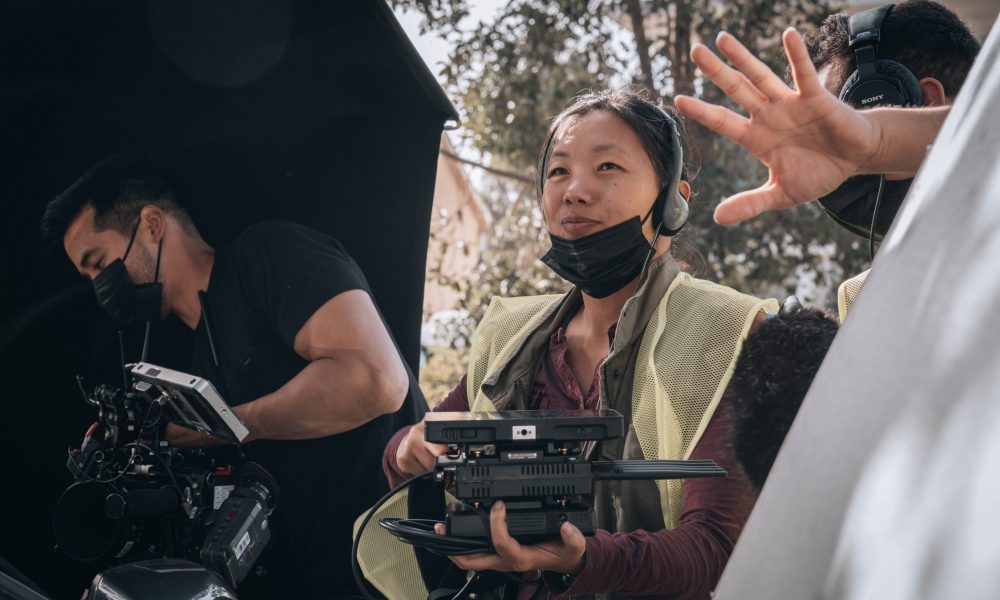
Today we’d like to introduce you to Caylee So.
Caylee, we appreciate you taking the time to share your story with us today. Where does your story begin?
My family and hundreds and thousands of other Cambodians fled the Khmer Rouge genocidal regime in 1979, crossing the border into Thailand — where I was born in 1981 at a refugee camp called Kao-I-Dang (KID). in 1985, we were finally sponsored to come to the United States, and later settled in Northern Virginia. I grew up in a low-income household to struggling immigrant parents and at the age of 18, without their permission, I enlisted in the US Army National Guard where I served for 8 years doing 2 tours in Iraq. In between those tours of duty, I went attended Northern Virginia Community College (where I studied Business) and later transferred to George Mason University (where I changed my degree to English).
After I received my BA, I decided I would try my hand at filmmaking and enrolled at Chapman University’s Dodge College of Film and Media Arts. There, I spent 3 years studying a craft I knew nothing about, and at the end of those 3 years, I received my MFA and the Directors Guild of America’s award for Best Female Director for my thesis film “Paulina.” In 2016, after years of developing multiple scripts, I finally co-directed my first feature film, “In the Life of Music,” a family war drama. In 2018, In the Life of Music became Cambodia’s film submission for the Oscars. In 2021, I was asked to direct the film “The Harvest,” a Hmong American family drama. In February of 2023, “The Harvest” will make its World Premiere at the Santa Barbara International Film Festival.
Can you talk to us a bit about the challenges and lessons you’ve learned along the way. Looking back would you say it’s been easy or smooth in retrospect?
Becoming a filmmaker has definitely not been a smooth nor easy road. Far from it. I didn’t know I wanted to be a filmmaker until much later in life– not until I saw a bootlegged film called “Million Dollar Baby” directed by Clint Eastwood at a MWR center at the edge of Iraq, during my 2005 deployment. I was so engrossed in that film and the journey of Maggie that I forgot where I was — I wondered “Who gets to do that, who gets to have that job?” When I came home from that deployment I immediately switch from my Business degree to an English creative writing degree. But then, in the summer of 2017, the semester that I was supposed to graduate, I received a telephone call from one of my sergeants telling me that I was being STOPLOSSED. Which meant my years in Army active duty would be involuntarily extended. I was being sent BACK to Iraq. I remember this moment vividly because I had just turned in all my Army equipment and had thought that I had done my very last weekend drill the previous month. That was the night where a play that I had written for a “10 minute play festival” was being produced on stage for the very first time.
Ironically, the play was called “Talking War.” That phone call delayed my plans for an internship that I had secured with a late-night television show in LA. It might have been the Jimmy Kimmel Show, I can’t recall any more. But that call paused my plans, probably altered it completely. It was another 2 years before I would make my way to California in 2009. When I arrived at film school, I remember feeling a bit out of place; I felt like the oldest student in the room and the least experienced. Unlike Spielberg, I didn’t realize I wanted to direct until that summer when I was 25. I felt like I had a lot of catching up to do. I still have a lot of catching up to do. I’m a constant student of this filmmaking craft. Jumping ahead to the challenges of filmmaking, because of my background, I tend to lend a voice to very specific stories –and the challenge remains: What studio is going to invest in the stories I want to tell?
Thanks – so what else should our readers know about your work and what you’re currently focused on?
I get asked a lot about being a Female, Asian American, Director, and in the beginning – because I was studying in a bubble, I wasn’t thinking about how the world sees me, I was more interested in how I saw the world. In the years after I graduated from Chapman, these labels meant that the percentage of me that exist in this industry is low (very low). So you have to fight harder and longer for the projects you believe in. You have to be braver in your storytelling voice. I’ve directed two features now (In the Life of Music and The Harvest), and I’m proud of both those works, but I never know with certainty if I’m ever going to have the chance to direct a next one. That is the nature of independent film work.
We’d be interested to hear your thoughts on luck and what role, if any, you feel it’s played for you?
It’s hard for me to differentiate between good luck and hard work. I think putting in the work makes it easier to assign the term “good luck” to something.
In the life of Music was released in theaters right as the pandemic began (that was definitely bad luck). We will never know if there was a theatrical audience out there for that film. But you can buy the film on VOD everywhere now – www.inthelifeofmusic.com
Contact Info:
- Website: https://www.douamoua.com/team-3
- Instagram: @cayleeso @theharvestfilm @inthelifeofmusic
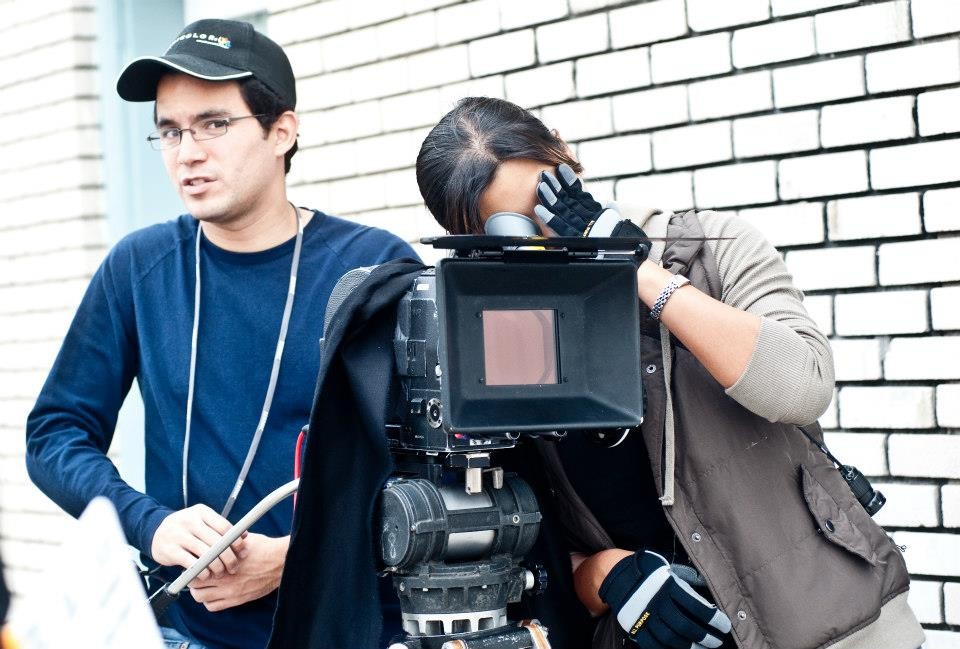
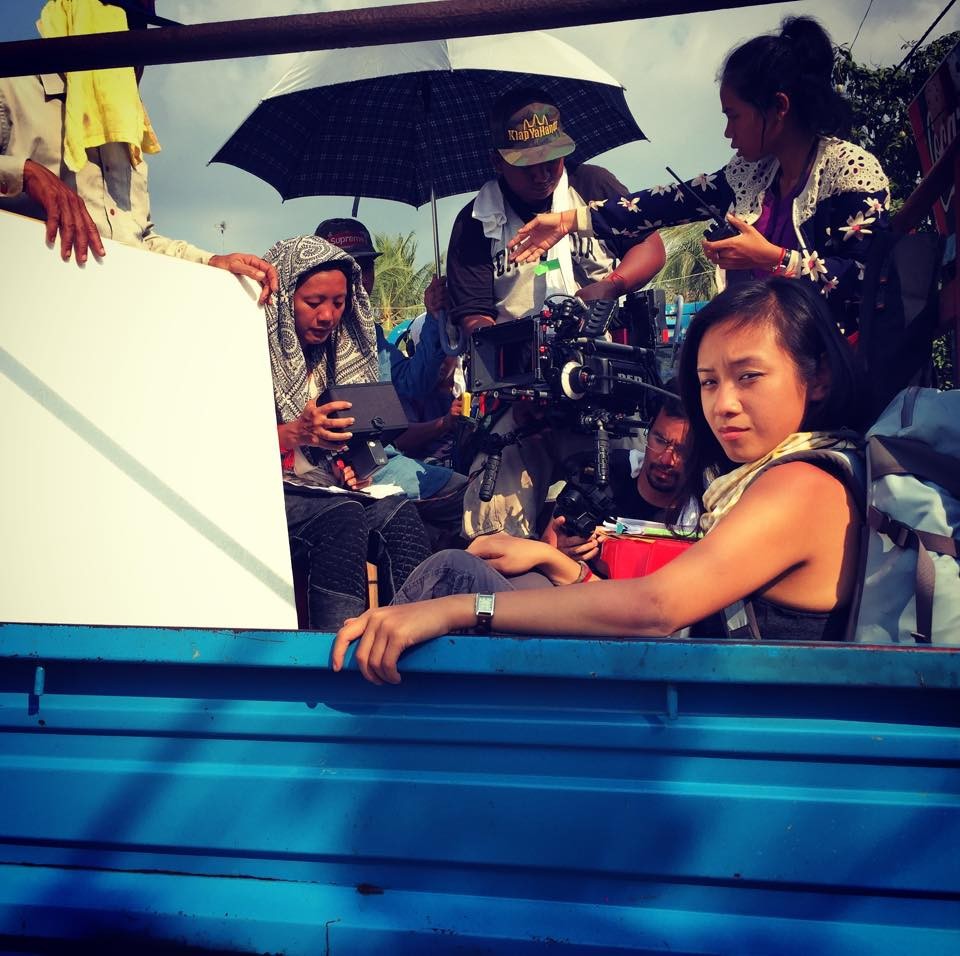
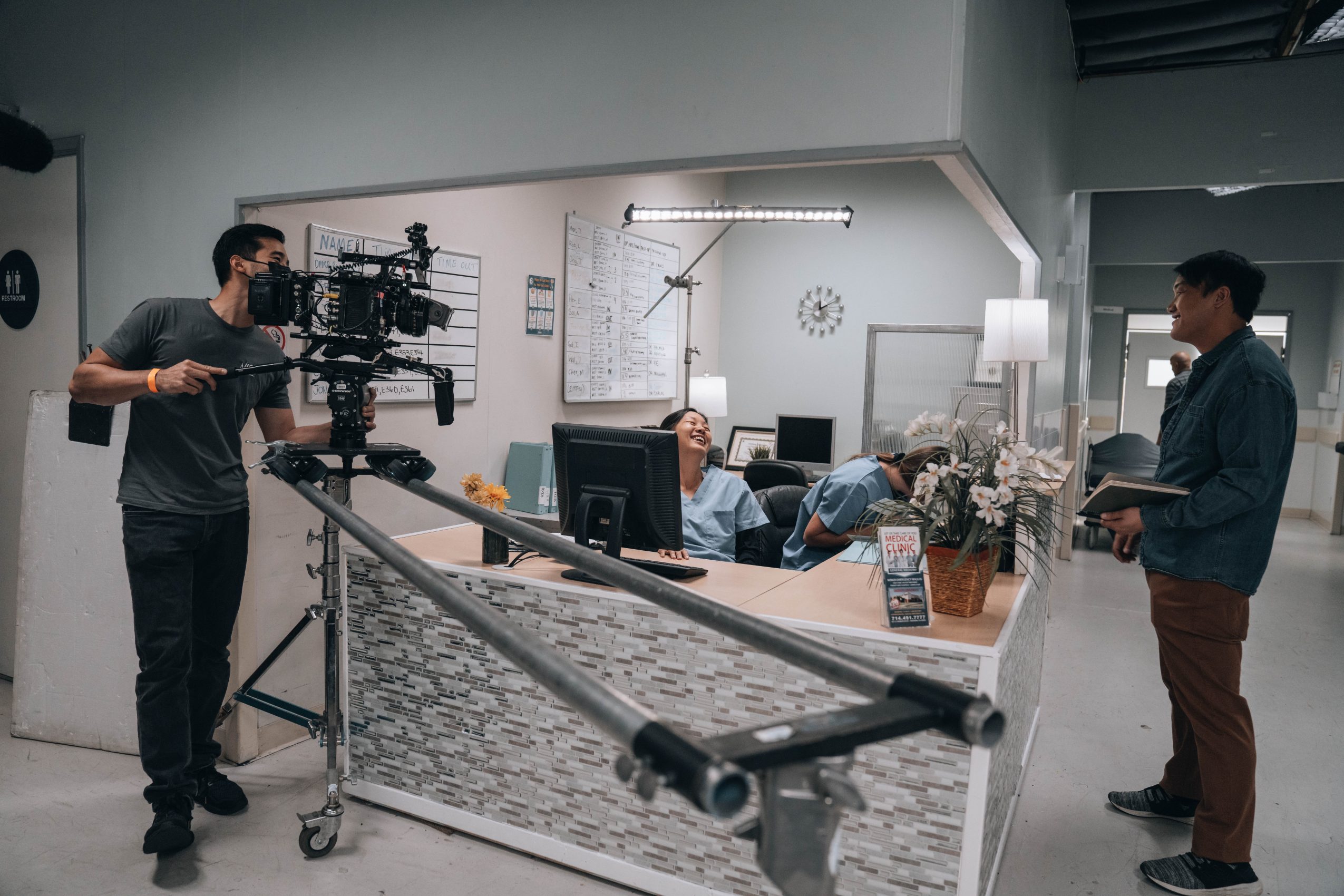
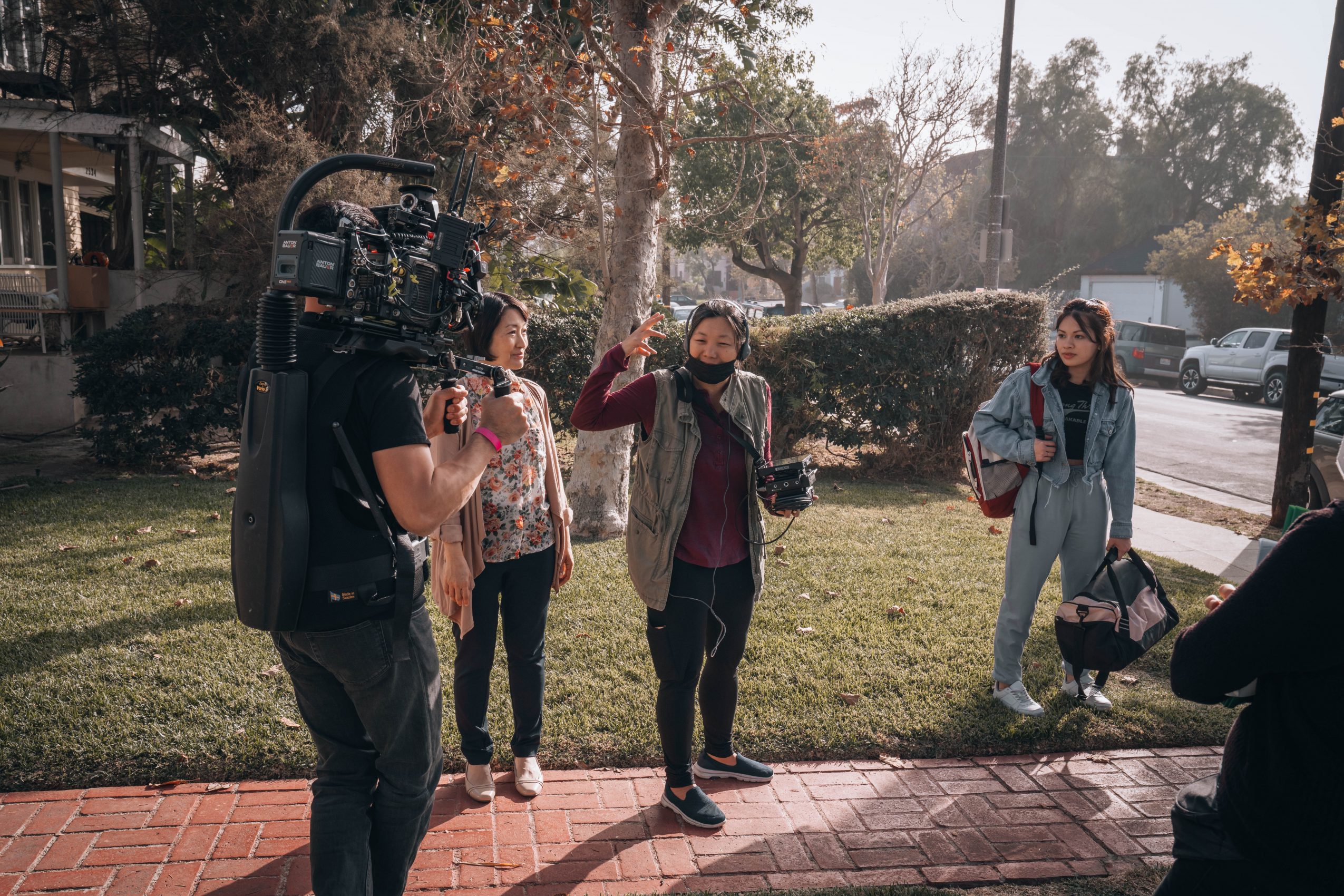
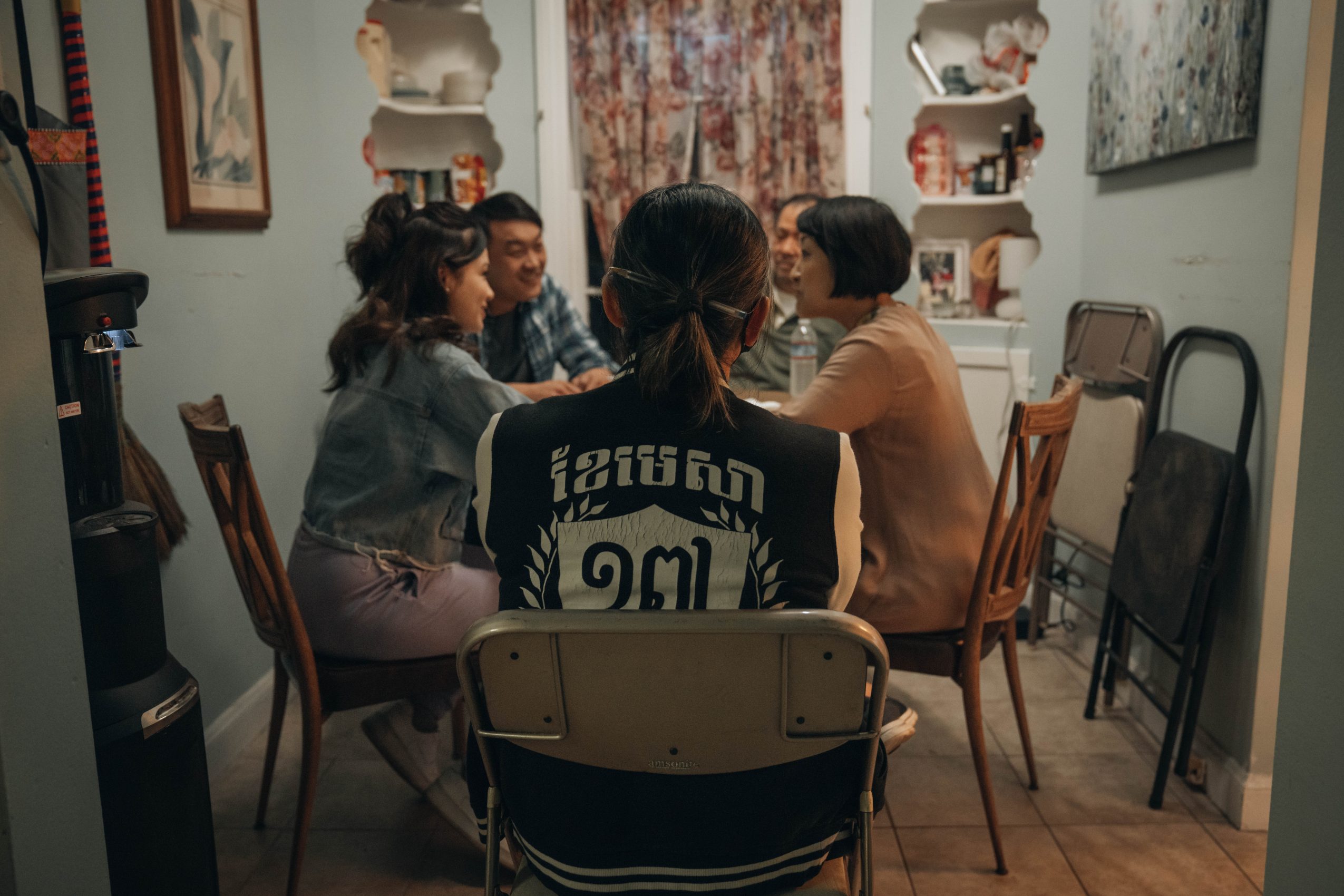 Image Credits
@devon.wycoff
Popular
-

Christina Wren Steps Into the Director’s Chair to Tell Stories That Feel Like Home
-

Portraits of the Valley
-

LA’s Most Inspiring Stories
-
JordanL on ‘Breathe,’ Belief, and Building a Movement Beyond the Music
-

Megan Birney Rudert on How Access to Light Is Powering a More Sustainable and Equitable Future
-
Linda Kneidinger on Building Lasting Change Through Small Steps and Self-Compassion


