




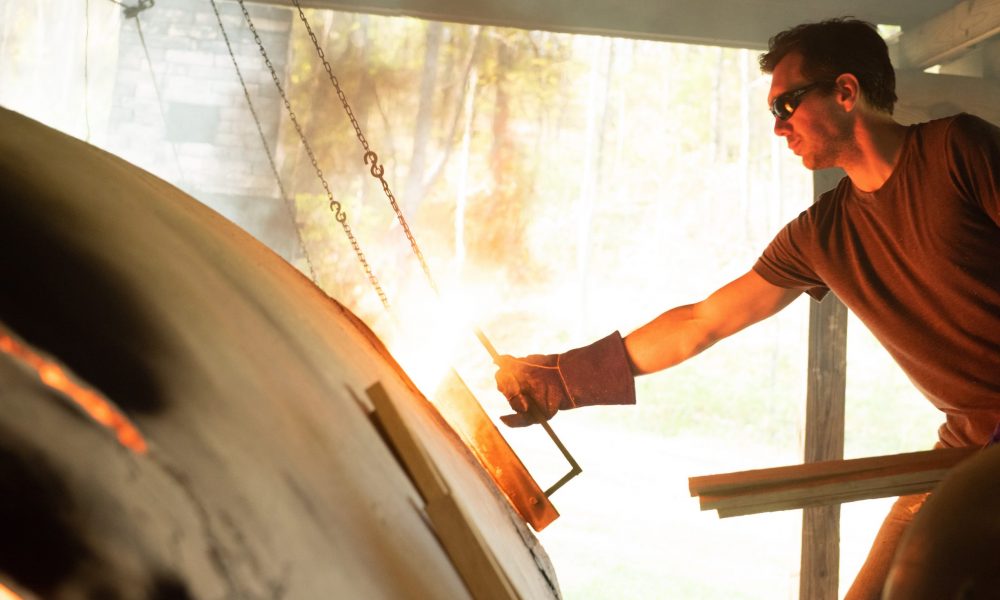
Today we’d like to introduce you to Noah Hughey-Commers.
Hi Noah, can you start by introducing yourself? We’d love to learn more about how you got to where you are today.
I grew up near a potter in the woods of central Virginia. As a child, I played in the kilns, made clay figures on the floor of the studio. On late nights when the kiln was firing, we would stay up late, stoking wood in the fiery, square openings of the kiln with the night sounds around us.
As a teenager I began making pots in that studio, exploring form and learning from Kevin Crowe, the potter who evolved from being like a parent to a mentor and friend. I loved the smell of the studio, the air dry in winter from the wood stove, the dried clay.
After a BA in English at the University of Mary Washington, I returned home to the 2008 financial crash. Instead of peddling my skills, I went back to the clay studio. A few weeks turned into a two-year apprenticeship, after that a few months working with potters in the UK, looking at kilns.
In 2015 I completed work on the kiln that has been my main tool in the years since, a composite of plans learned abroad and from my twenty-plus years of experience firing. For years I fueled my passion project with part-time jobs, but now I work in the studio full time.
Can you talk to us a bit about the challenges and lessons you’ve learned along the way? Looking back, would you say it’s been easy or smooth in retrospect?
I worked in my studio for a long time maintaining a second job. It took years building the pottery itself. When I started, there was only a patch of field on a slight hill. Over the years I built studio, kilnshed by hand. I designed and built the kiln to make the wood-fired pots I love. I found that if I worked about 30-35 hours at another job, kept my expenses low, I would have another 30 hours or so for my pottery. But then I was splitting that time between building my workspace and actually making work. The thing that fell by the wayside for the first few years was selling pots. Without money coming in from pottery, progress was slower, but I got to make a lot of work and then break it, raising my standards so that by the time I was selling much, the pots were a lot better than they would have been. Working on your dream little by little can be frustrating, but it hones you as you progress, and I think my pots are a lot better for those years.
Appreciate you sharing that. What else should we know about what you do?
I make functional dinnerware out of a little studio in Central Virginia. My pots and my inspiration come from the land, the natural landscape I see every day. I specialize in teaware and make a lot of decorative vases as well. The thing that makes my pots stand out is that they are wood-fired. Over the course of about a week, I load all my work into the wood kiln and it gets fired for seven days, four of them at high heat. Over that time, the combustion of trees separates minerals and wood ash, and they stick to the surface of the raw clay pots, forming a natural glaze. The surface of my pots are portraits of their experience in the kiln. No pot comes out alike, and they tell the story of what happened to them in the fire.
Have you learned any interesting or important lessons due to the Covid-19 Crisis?
During Covid, I found intimacy and quiet. Most of the year my work is solitary, so I found myself focused on that. Art shows, for the most part, shut down, so there was less money coming in. Instead, I worked in my studio, banking the pots that I knew people would want again. Together as a country, we found out that the pleasures of home are important. People started to buy pots to bring art into their everyday lives again. The beauty of functional art is that improves the everyday routines of your world.
I fire my kiln in a community, so it was hard to bring people together safely. After a couple of false starts, I found six potters who had the luxury of being able to quarantine ahead of time. Separately we confined and waited. After fourteen days, we fired the kiln together. We lived and worked around the clock, doing a job that usually takes ten people. The intimacy of that experience was really special, and it taught me a lot about my making process. Working together, at the limits of our capacity, is rare and felt like a gift.
Contact Info:
- Website: https://www.noahwoodfired.com/
- Instagram: @noahwoodfired
- Facebook: https://www.facebook.com/MuddyCreekPottery
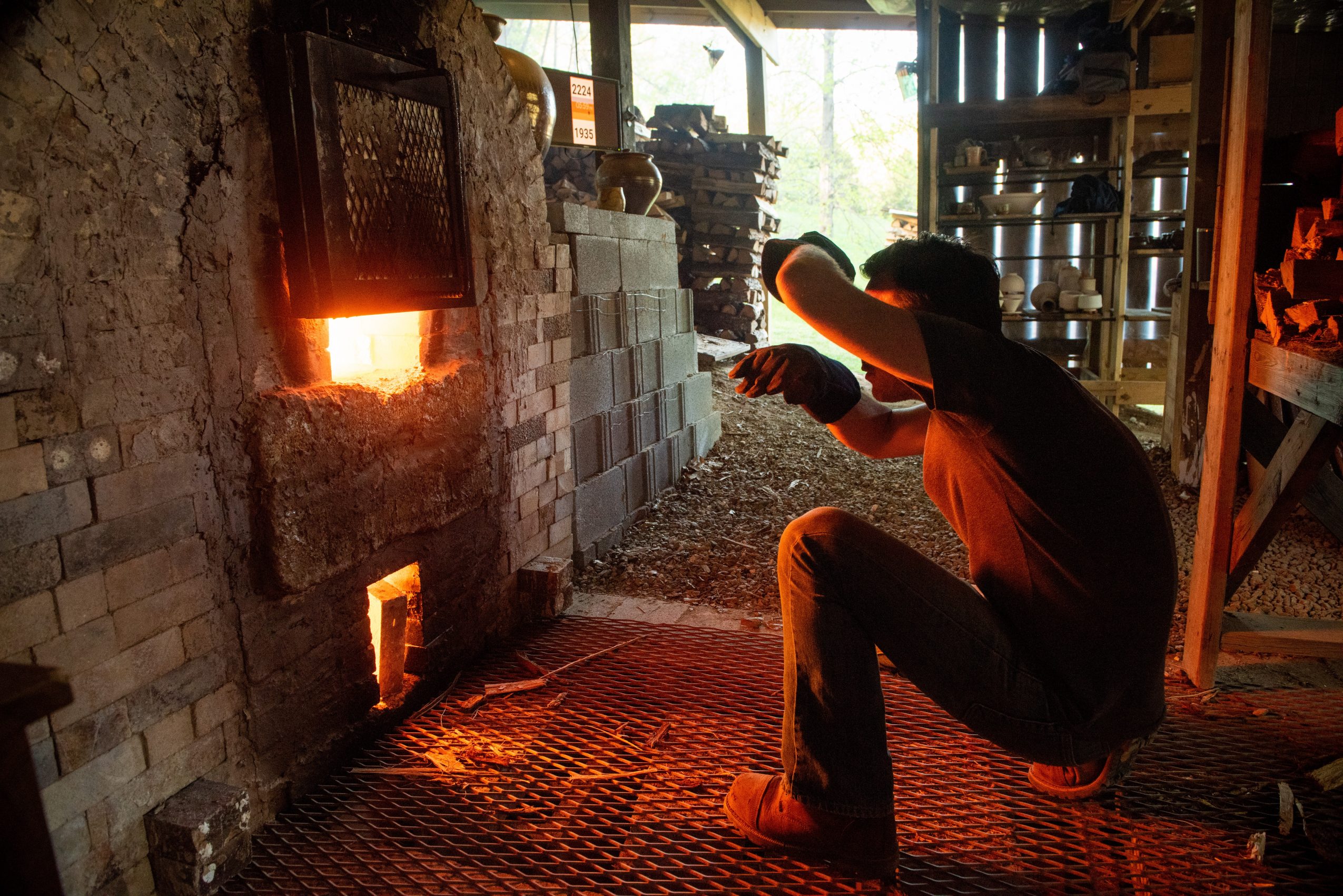
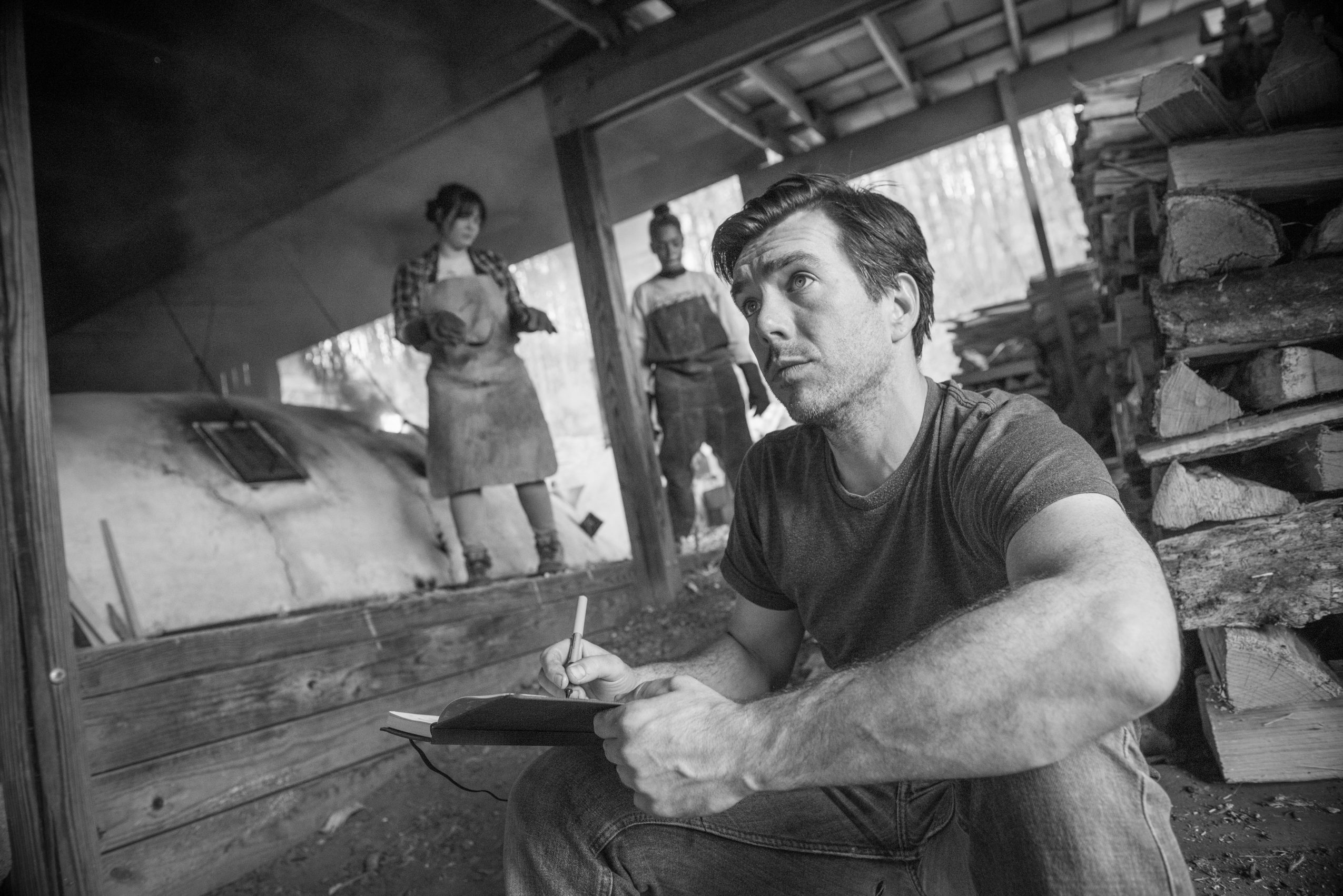
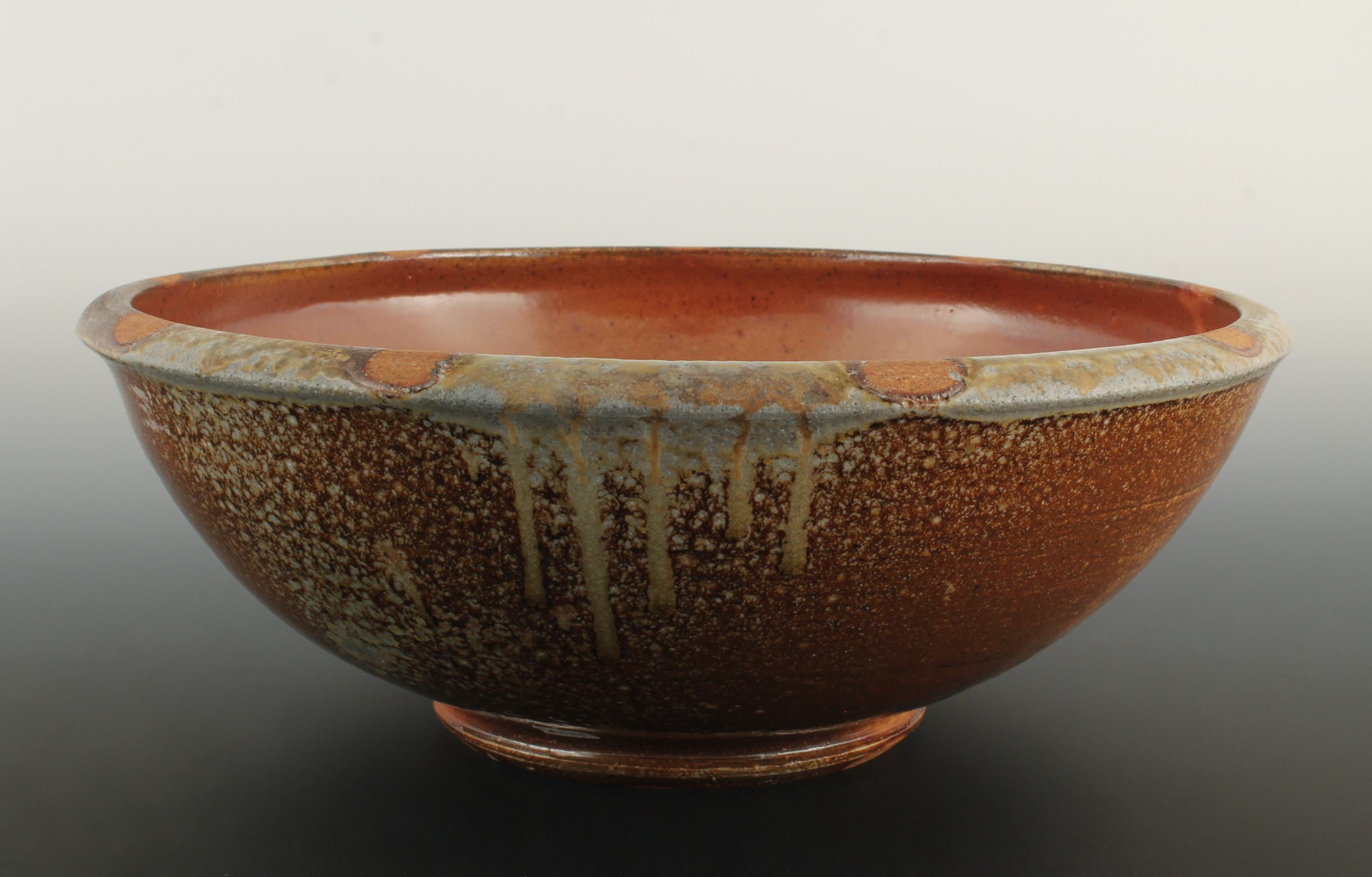
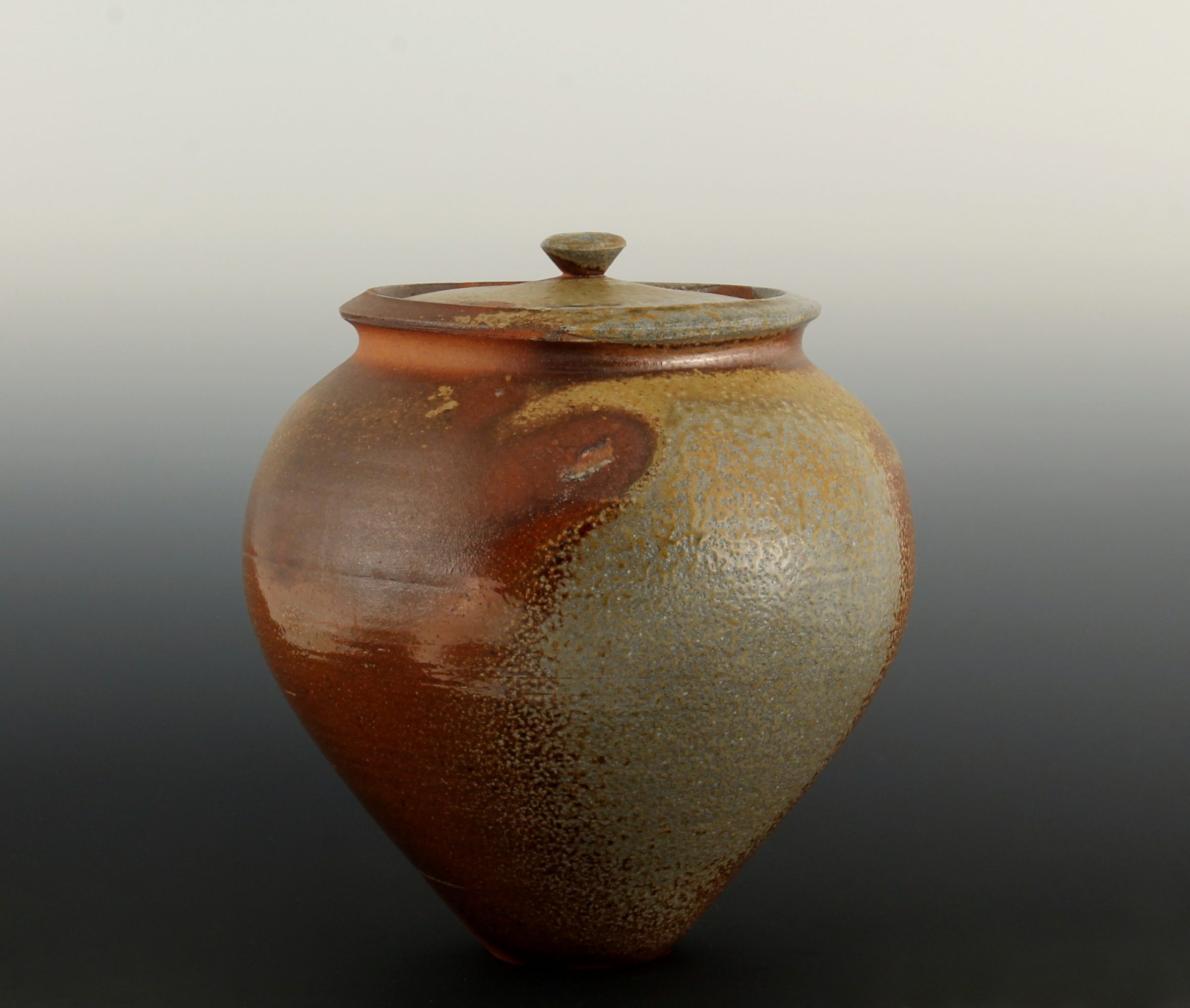
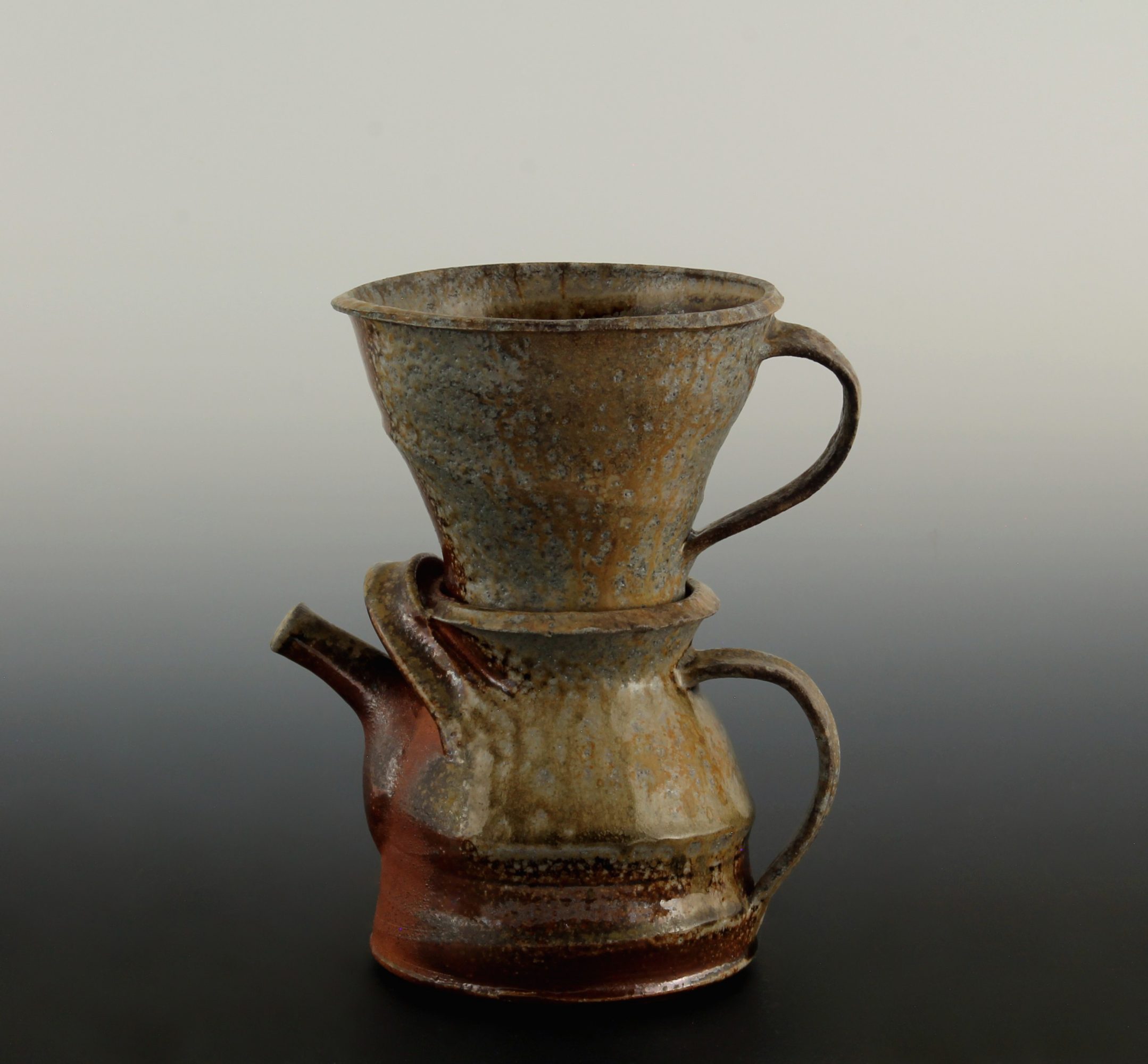
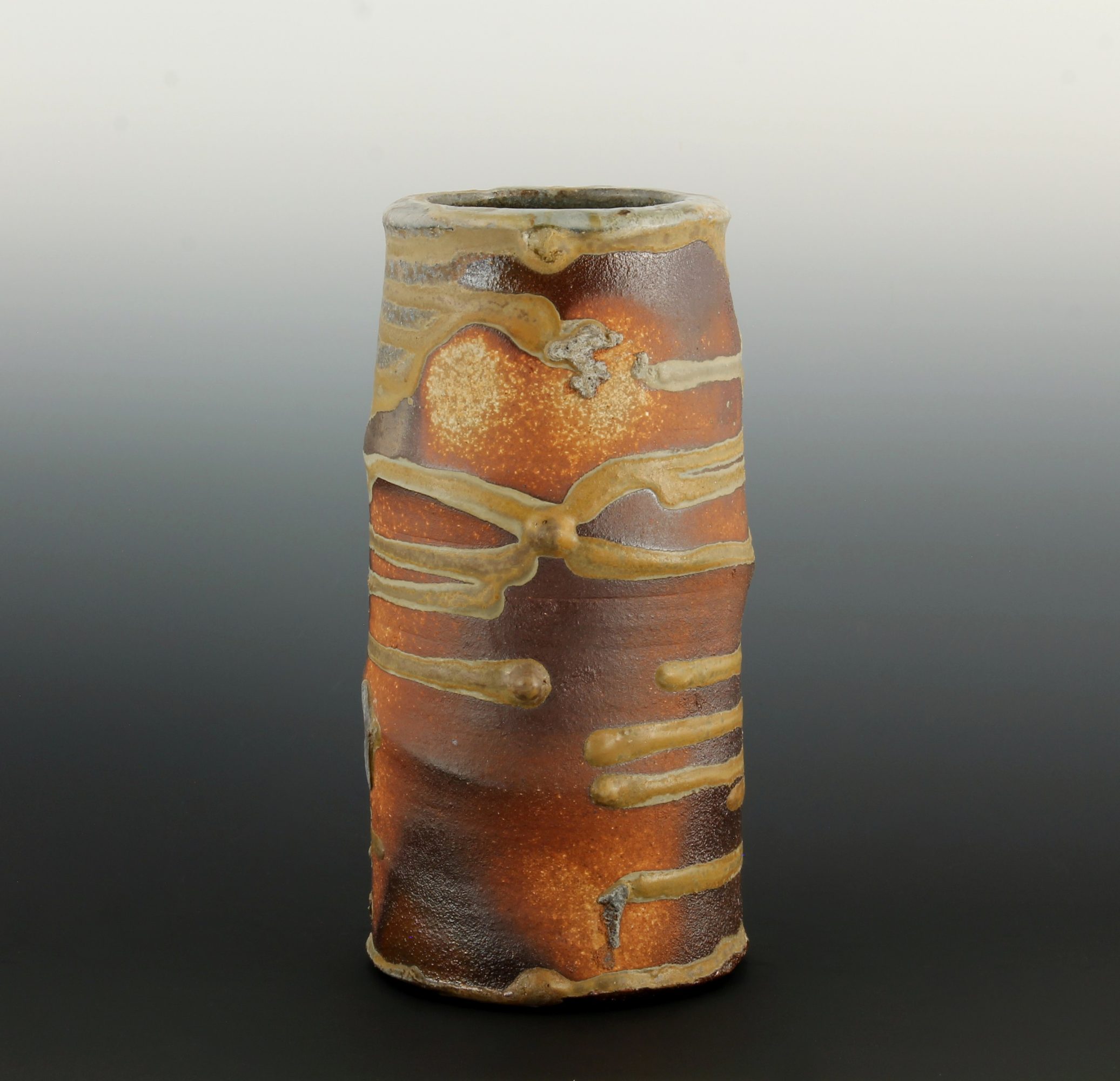
Image Credits
Stephanie Gross Photography
Popular
-

Que Johnson on Building Brands That Last: From Visibility to True Market Authority
-

Christina Wren Steps Into the Director’s Chair to Tell Stories That Feel Like Home
-

Portraits of the Valley
-

LA’s Most Inspiring Stories
-

JordanL on ‘Breathe,’ Belief, and Building a Movement Beyond the Music
-

Megan Birney Rudert on How Access to Light Is Powering a More Sustainable and Equitable Future


