




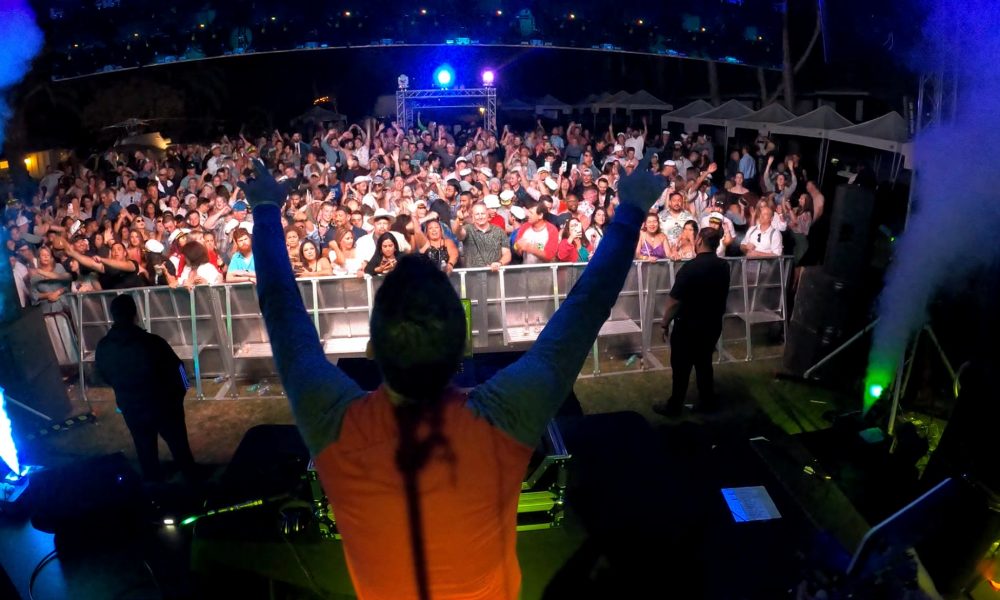
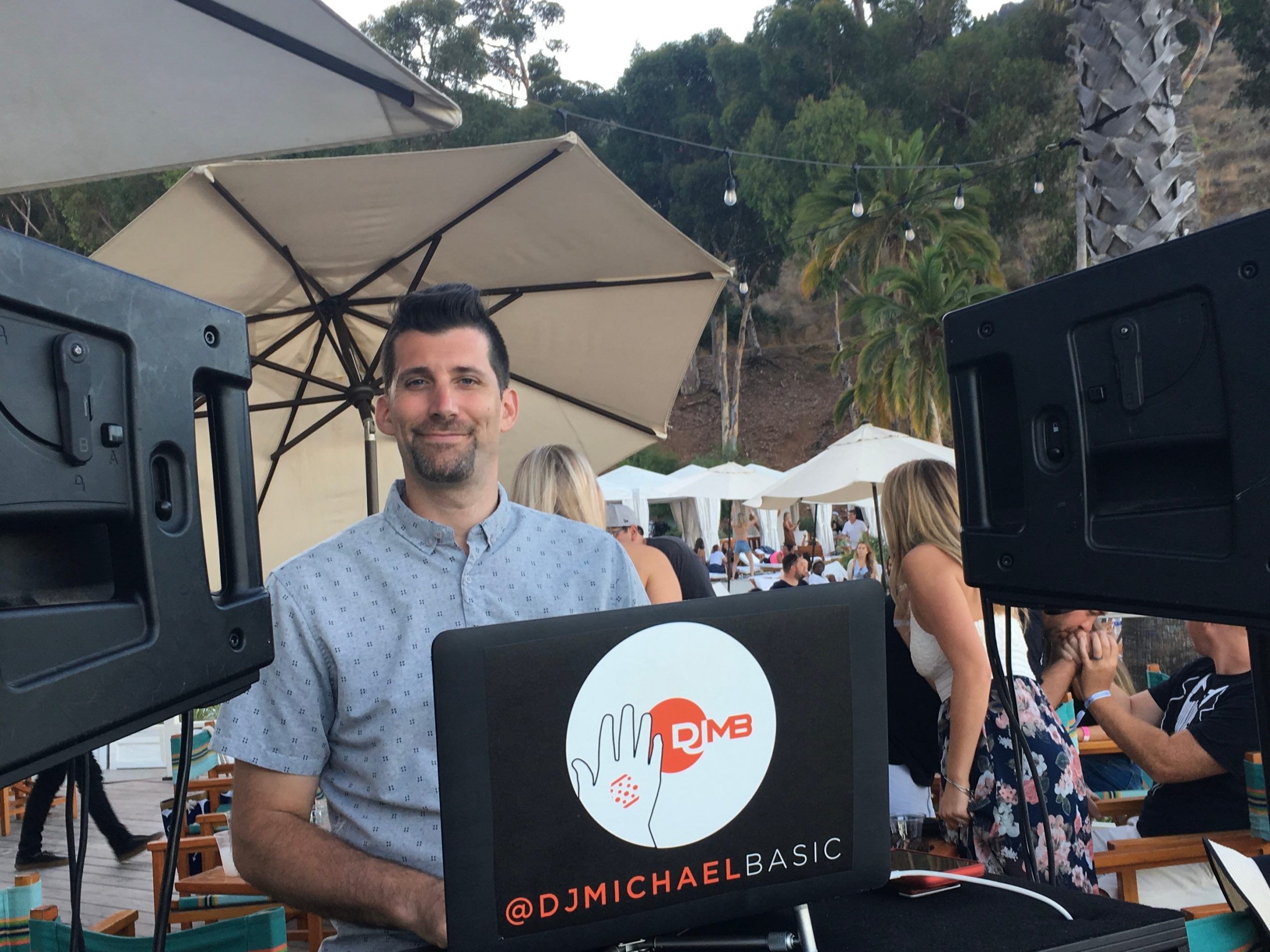
Today we’d like to introduce you to Michael Basic.
Hi Michael, thanks for sharing your story with us. To start, maybe you can tell our readers some of your backstory.
I went to school at ITT Tech to quickly move on from school and out into the real world. I got a degree in computer science and took a job in a lab doing micro-electronics in early 2001. I was on a government contract and when September 11th happened, the budget shifted and everyone on our project got laid off. I received a very nice severance package (even though I had only worked there for nine months) which gave me the opportunity to dive head first into DJing without worrying about my income for a time.
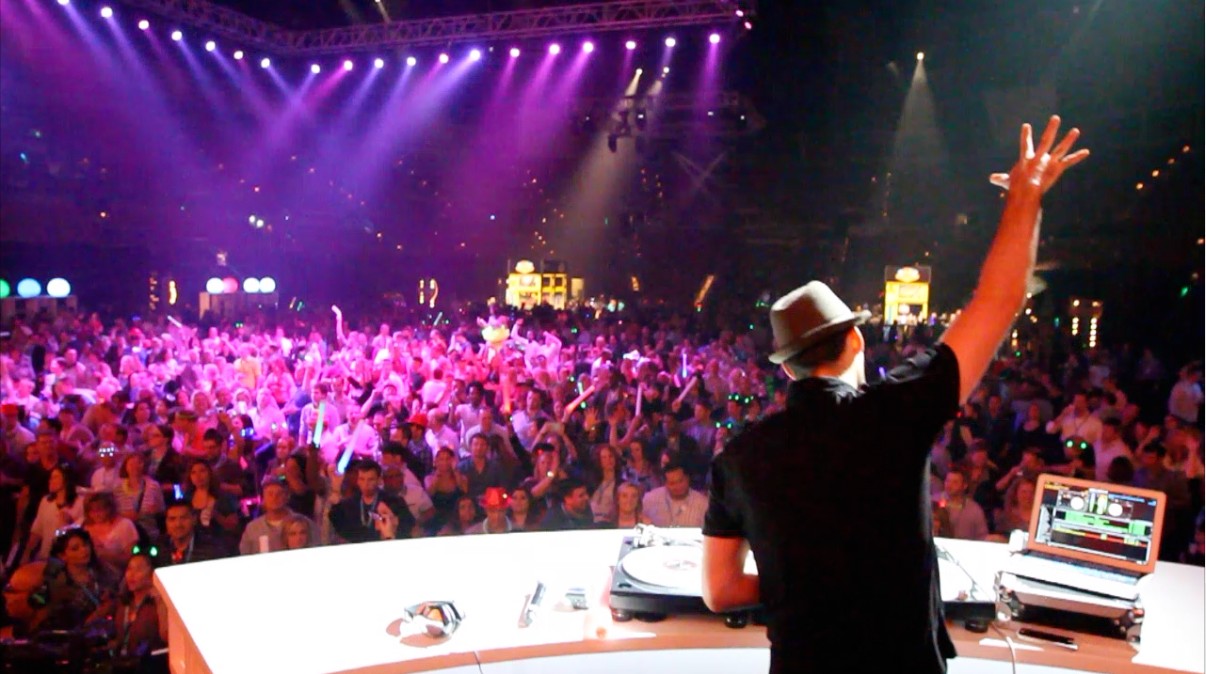
I was able to put in the work to really hone my craft during an era where skill and creativity really made a difference. I built a career and a name for myself based on a variety of facets of DJing and over the years developed a reputation for being able to succeed in nearly any situation, in front of almost any type of crowd.
I’m sure you wouldn’t say it’s been obstacle free, but so far would you say the journey have been a fairly smooth road?
The life of someone in a field like DJing is rarely completely smooth. Most of the time, there are no contracts involved. You can work at a place every week for years and then one day, a new GM is hired, and without any notice, “We’re going in a different direction so we aren’t gonna need you anymore.” Income is never guaranteed so you spend a lot of time hustling. The early years of a DJ career are often spent scraping by on the small amount of money some of those early gigs tend to pay.
Like any artist, DJs are often very ego-driven, which results in a sometimes contentious community, especially in the lower tiers. That said, many of the DJs at the top of the game are super cool, friendly, and happy to help each other out. It’s many of the newer or less successful folks that tend to be really cutthroat.
Can you tell our readers more about what you do and what you think sets you apart from others?
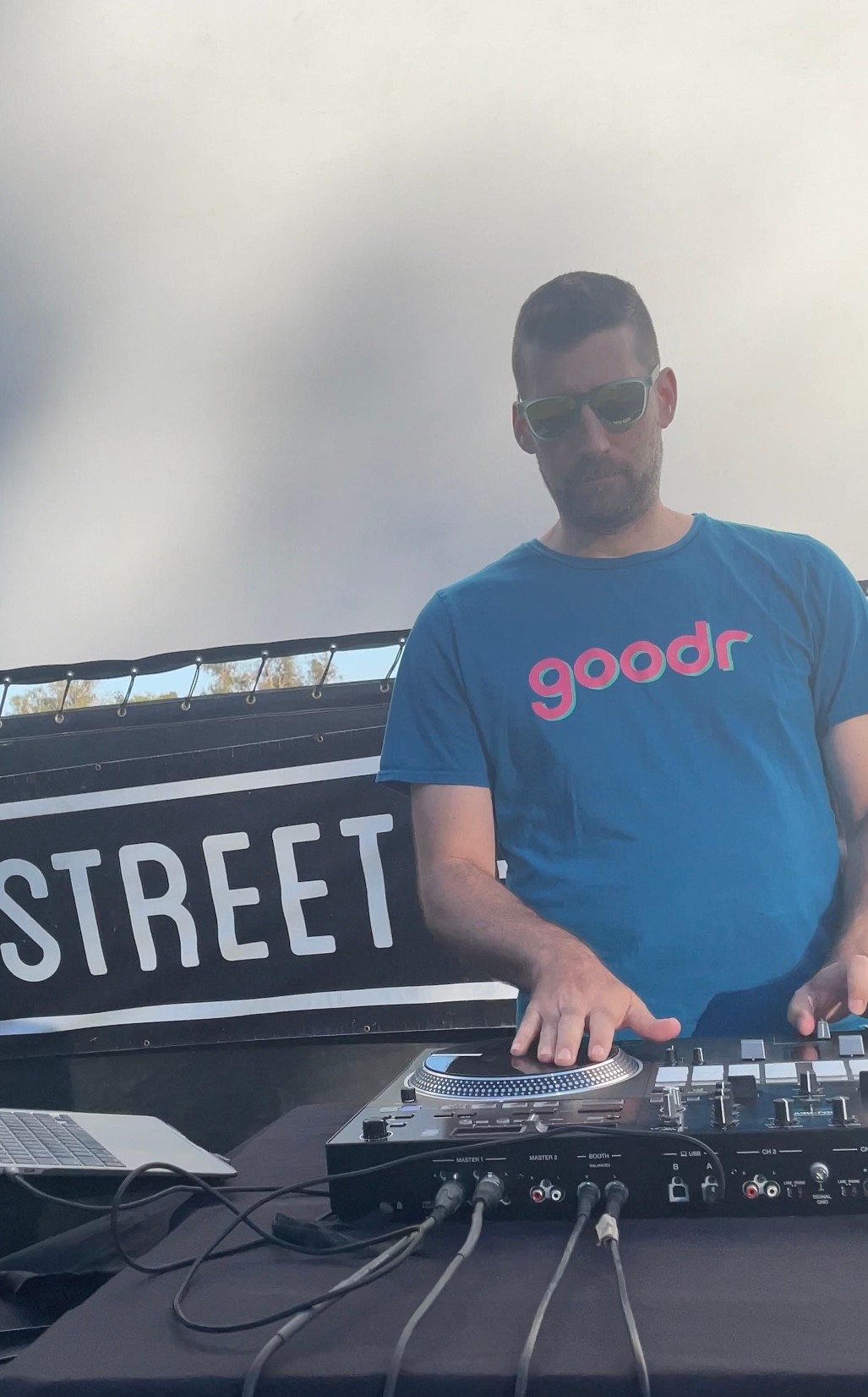
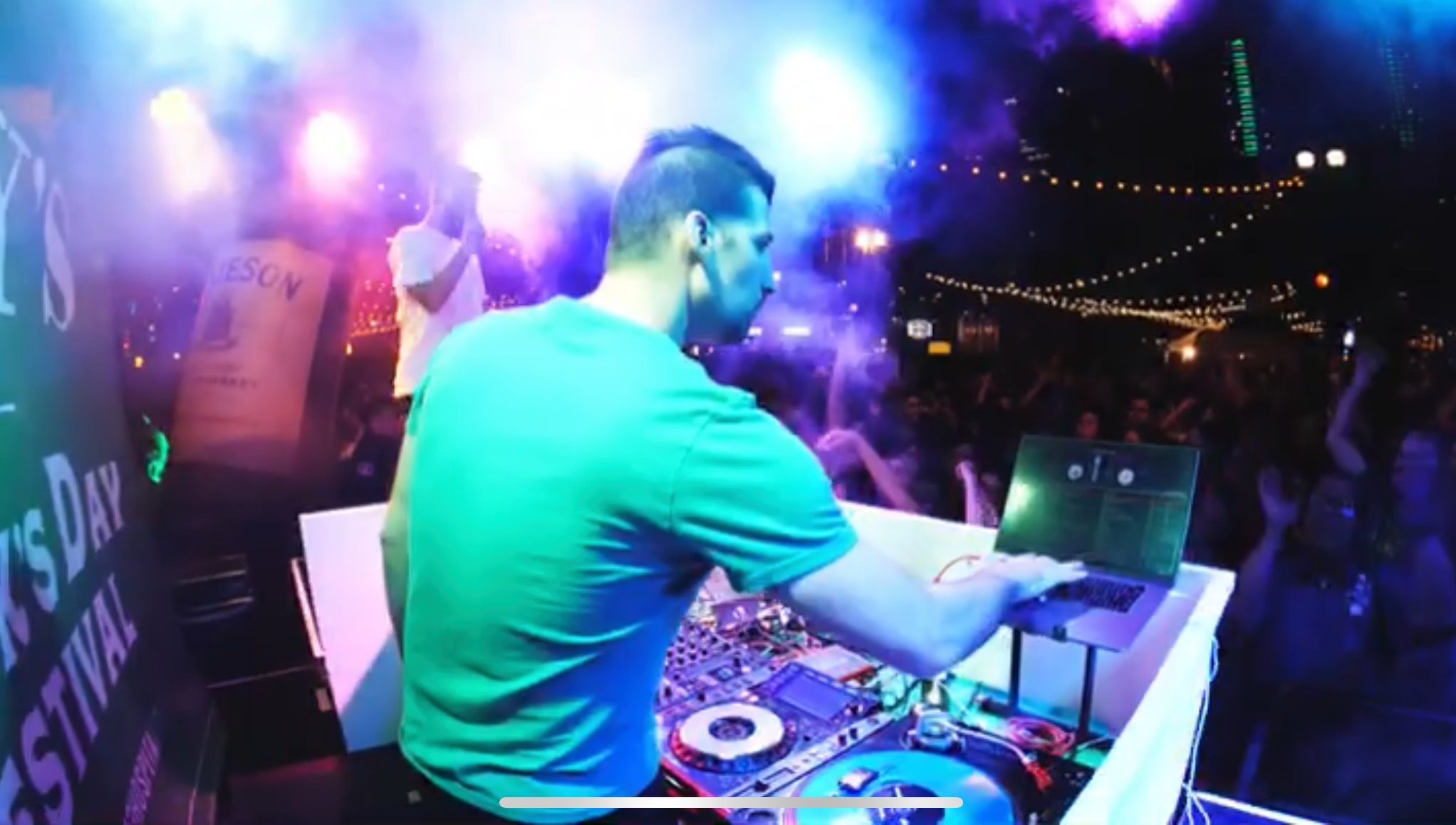
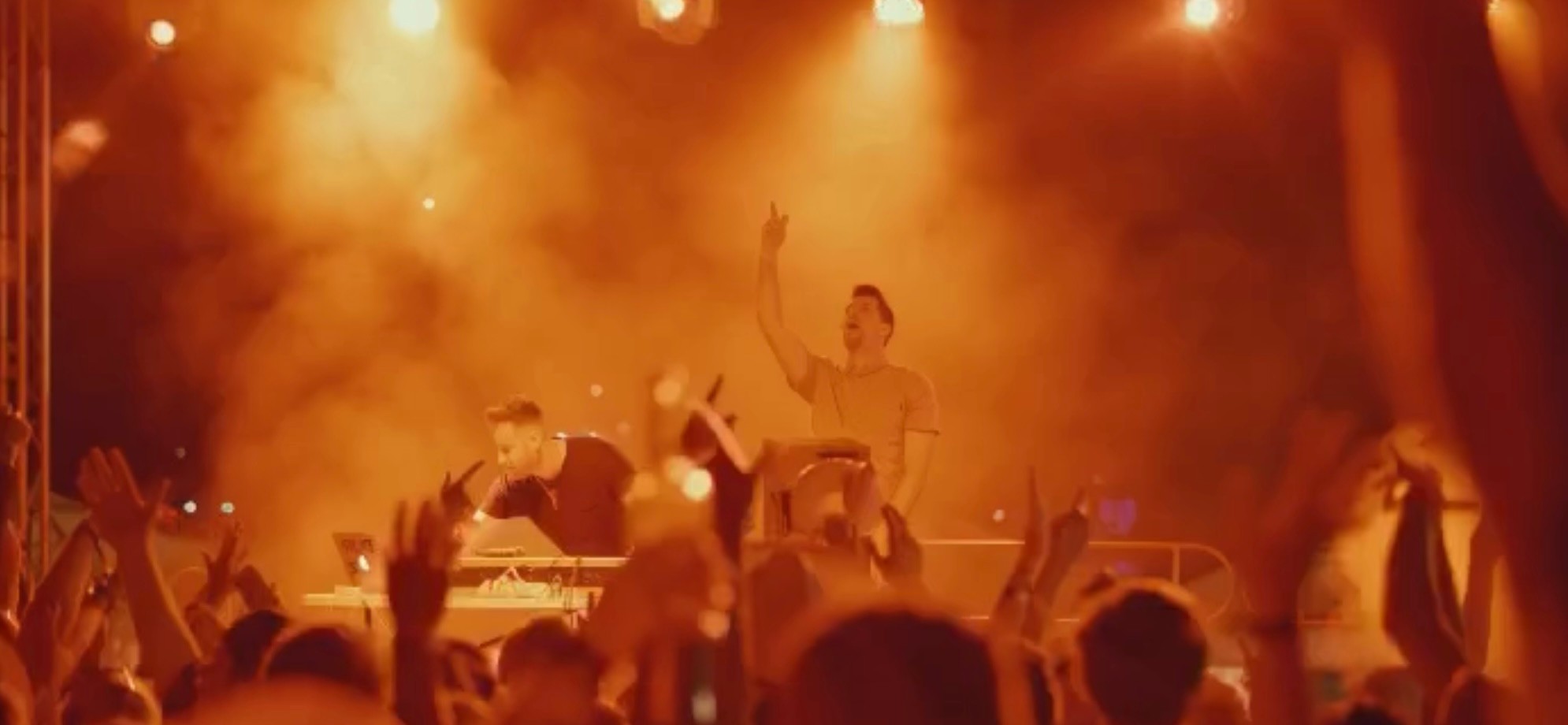
As a nightclub DJ in Los Angeles, your job is mostly to follow the trends. Versatility is really important. When people ask me what type of music I play, the answer is always, “Everything!” It’s not uncommon for me to play hiphop, top40, EDM, rock, 80s, disco, funk, and even the occasional country song all in the same night. My style is to try to weave a bunch of different genres together in a way that makes sense.
I’m specifically known for my creative mixing style. I work very hard to distinguish myself from other DJs so that when someone hears me play enough times, they’ll recognize my signature style. I don’t just mix beats together, but I use the lyrics of the songs to tell a story. Often the songs talk to each other. One of my favorite things to do is blend songs together where the lyrics match, so as the crowd sings along, the song changes, but they are still singing the right words even though the song changed before they realized.
I also have a heavy background in musical theory. I started piano lessons at 4 years old and play a few other instruments, so I approach DJing from the perspective of a musician. Many DJs don’t have a strong understanding of how music works, so even if beats match up, the keys clash and there is discord. Using multiple facets to blend songs together makes for a smoother, more pleasing and interesting experience.
Where do you see things going in the next 5-10 years?
Music is cyclical. Trends come, go, and repeat. We’ve been in a hiphop bubble for the last 10 or so years, and before that we were in an electronic music cycle. With the latest offerings from Beyonce and Drake sounding a lot like Deep House, if other artists follow suit, we’ll head into another EDM trend soon, similar to how the Black Eyed Peas “I Gotta Feeling” kicked off the last EDM trend in 2009.
Currently, music is also having a throwback moment. I believe that during the pandemic because artists couldn’t tour, they weren’t putting out a ton of new music. People were stuck at home listening to their favorite songs, a lot of which were older. Today when I DJ, I’m playing about 80% older music, and without fail, the older stuff gets the best reactions. I believe this will shift over the next few years as many artists release a lot of new music.
The other thing that sticks out to me right now is Tik Tok. To contextualize, I think that a big shift in DJing happened in the mid to late 2000s when people could pull a small device out of their pocket and listen to pretty much any song they wanted, the moment they wanted to hear it. When that happened, people’s expectations of DJs began to change. DJing took a while to catch up because it’s a very recent update that DJ software allows streaming from within the software, and honestly it still isn’t quite there yet. Until every venue has wifi available to the DJ, DJs are still mostly limited to the songs they have on their hard drives.
But back to Tik Tok. Just as apps like Spotify and Pandora changed the game years ago, Tik Tok is having a huge effect on music right now. It’s responsible for both bringing back a variety of songs from the past and putting them in the mainstream once again, as well as shortening attention spans. When I DJ for younger crowds these days, they have about a 15 second attention span for a song. It’s not uncommon to bring in a song and have them jumping and signing at the top of their lungs during the chorus, only to stop completely and stand still when the verse of the same song comes in.
Pricing:
- Night Club Appearances – $500-$1500
- Weddings – $1000-$3500
- Bar, Lounge, Restaurant Appearances – $300-$800
- Corporate Events – $1000-$$$
Contact Info:
- Website: http://djmichaelbasic.com
- Instagram: @djmichaelbasic
- Facebook: http://facebook.com/michaelbasic
- Twitter: @djmichaelbasic
- Youtube: https://www.youtube.com/user/djmichaelbasic
- Yelp: https://www.yelp.com/biz/dj-michael-basic-los-angeles
- Other: https://www.mixcloud.com/djmichaelbasic/
Popular
-

Matthew Hill on Turning Holiday Rituals into Haunting, Habit-Forming Storytelling with Long Winter Nights
-

Linda Villines on Releasing Stored Struggle and Reclaiming Ease Through the Body
-

Candice Swanson on Honoring the Sacred Early Days of Motherhood Through Intentional Photography
-

Michael Johnson on Telling Untold Stories of Identity and Leadership Through SQUAD
-
Owning the Narrative: Drew Dusterhoff Steps Into Power with Lincoln Must Die
-

Portraits of the Valley


