



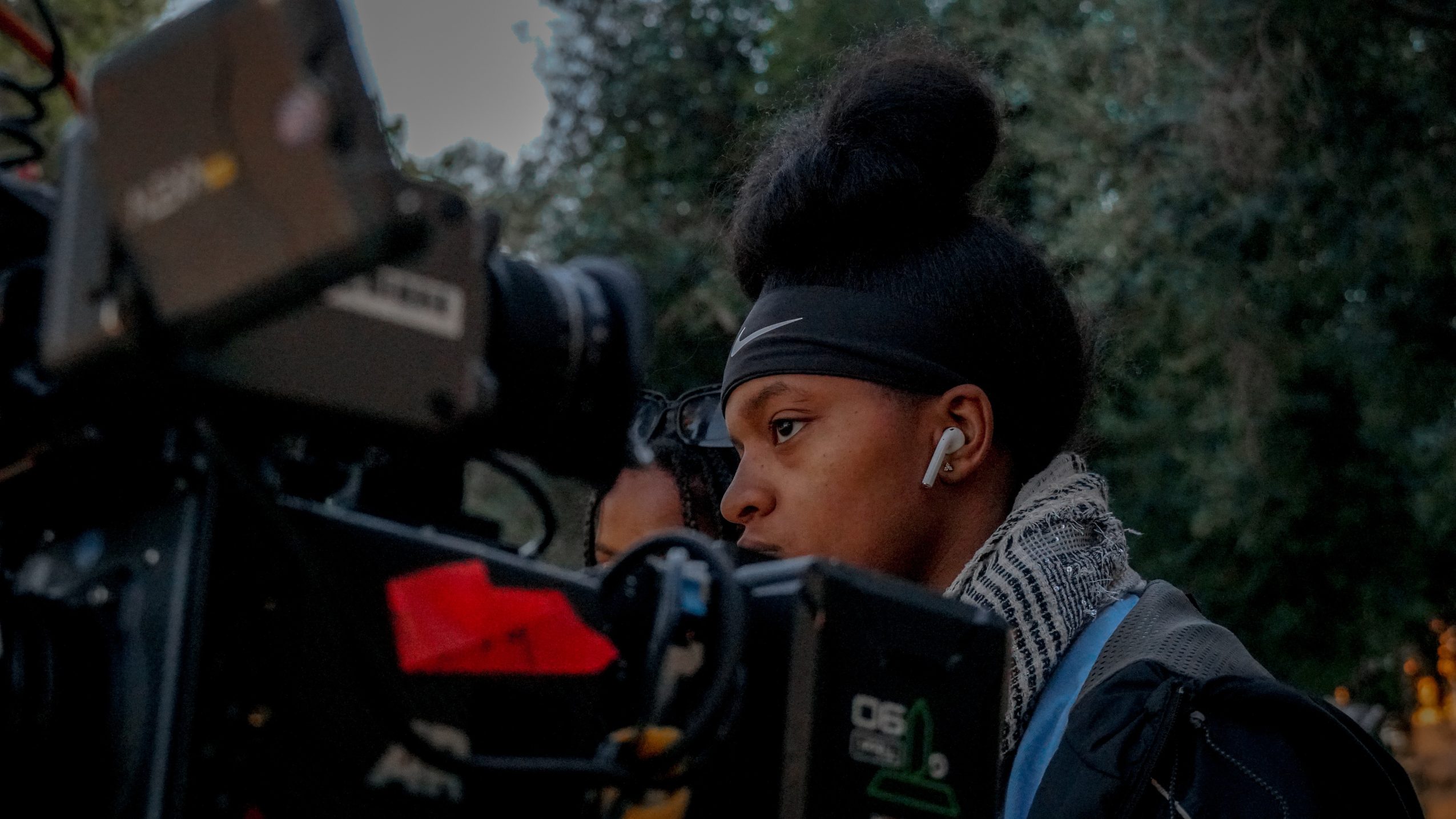
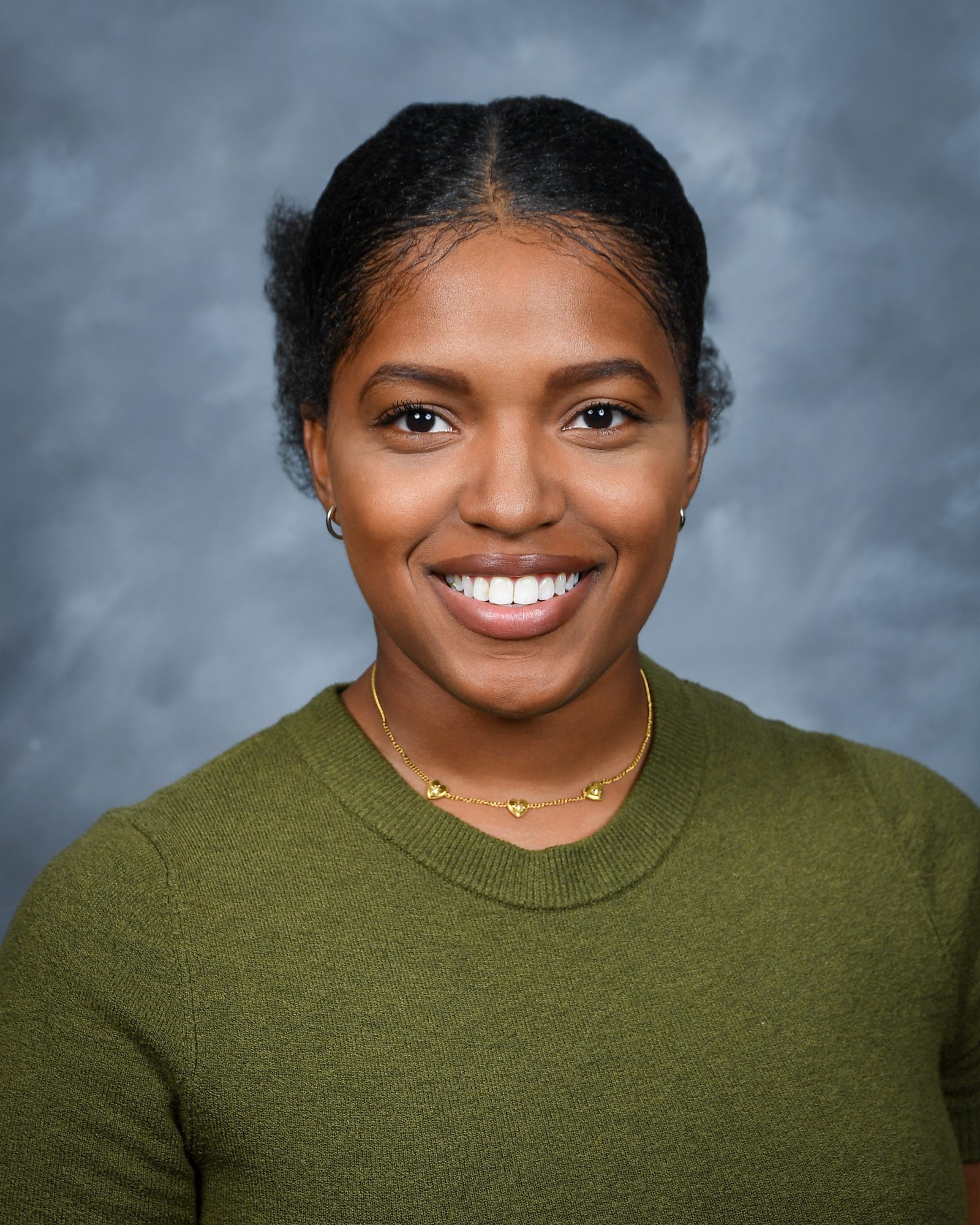
Today we’d like to introduce you to Jada Trabue.
Hi Jada , it’s an honor to have you on the platform. Thanks for taking the time to share your story with us – to start maybe you can share some of your backstory with our readers?
My journey has been all over the place, yet somehow aligned. I’ve always been an artist of many forms. Growing up, I was a painter and visual artist. I drew, sculpted, and wrote. At eight years old, I won a national art contest for Reading Is Fundamental, a program that encourages kids to read. My award was documented in the Congressional Record, and I had this huge award ceremony at the Speed Art Museum in downtown Louisville. I was also a pretty strong writer growing up. My elementary school had a program called Writing Stars, where students with strong writing abilities would receive trophies, read their stories aloud, and celebrate with their families over cake. This was around the cusp of No Child Left Behind, before things that separated students academically phased out a little or at least was reworded. I eventually got into the gifted and talented program, where I’d be pulled out of class to read special books and work on special projects. That all started when my second-grade teacher, who was my first Black male teacher, discovered that I understood how to do algebra at just seven years old. That year changed quite a few things for me. When I won the national art award in his class, everyone recognized me as an artist, and I was also an athlete, a cheerleader at the time, and a high-achieving student. I was doing a little bit of everything. I remember the award ceremony like yesterday, or at least snippets. My whole family was there, and it was such an exciting day. There were prizes, food, photographs, interviews, everything. It was a lot for a little kid. I do remember being kind of sad because I had to miss a field trip to see a play at the Kentucky Center for the Arts to attend my own ceremony. I’ll always cherish that day, though.
I also remember my third-grade teacher congratulating me on my writing and the way I used to read aloud with so much character. I didn’t realize it , but that was kind of the beginning of my journey into performance. Arts and humanities were always my favorite classes with Ms. Monica and Ms. Sarah, and special shoutout to the librarian, Ms. Poggenborg. I went on to become a percussionist and made the all-county band. I was one of only two students from my school to make it, which was really cool. I learned to read sheet music and became pretty solid on the bells and snare drum. I’ll never forget my band teacher, Ms. Pulley. By middle school, I was getting into theater with Ms JJ and visual arts, and I was becoming more energized by performance. I fell in love with performance art. By then, my knowledge of writing, music, and performance was starting to come together, and I was figuring out how to combine all these different things I loved.
Apple was making computers with more consumer-friendly editing software, and we had a family webcam. I used to make my cousins and little sister dress up, play school, christian stories, and act out different scenarios. I’d film everything on the computer or perform it for my family. I’d also write rap songs with my cousin. Looking back, I was creating little productions before I even knew what filmmaking really was. (Which do we ever truly know?)
I was also an athlete and a good student. I played basketball and lacrosse. Lacrosse was my happy medium because I got to wear a skirt, and I could still be competitive. I’ve always had all these different interests, and I think they’ve all played a role in the kind of artist I’ve become.
By the end of middle school, I thought I wanted to be an actress on Broadway and go to Juilliard. Looking back, in middle school theater, I was learning to interpret scenes like a director. I’ll never forget this one exercise. It sounds minute, but our teacher would call things out, and we’d interpret them through physical performance. I remember she said, “Ugly.” Everyone made ugly faces, but I thought about it in terms of performance. I started being mean. It’s a small thing, but I can definitely see that director’s instinct in myself even then. Maybe a reach, but its real lol
I attended Ballard High School, where I continued doing musical theater and performed in plays. I eventually wrote a play that was published through Actors Theatre of Louisville, one of the great regional theaters in the Midwest. We would go there for field trips, and I loved being a theater kid for that reason. We always had opportunities to see performances, and one of my favorite plays we went to see was Dracula. That might have contributed to my interest in horror, along with watching horror movies with my stepdad. Seeing A Nightmare on Elm Street at such a young age definitely scarred me. We also had movie nights every Friday, watching classics and new releases from Blockbuster in the basement, which was basically a movie theater. If you’ve ever been to a house in the South, you know our basements are more like living spaces, decked out with bars and man caves. Not exactly the creepy basements you see in scary movies. Of course, we’d also hit the theater for the big releases, like Harry Potter, Transformers, and Stomp the Yard. Honestly, we’d watch everything, all i needed was some either some goobers, Swedish fish, dots, or twizzlers. Honestly this is still valid. Sorry, I’m getting off track, but honestly, getting to where I am now is a culmination of all these life experiences.
In high school, I was doing musical theater, and I started realizing that I wanted to tell the actors how to perform. I wanted to be the person shaping the scene. I took a theater class focused on film, and that’s when I fell in love with making movies.I also took a broadcasting class because I was just trying to find an elective. The teacher took a liking to me and would say, “This is WBHS material.” He didnt allow just any old thing to air on WBHS, the school news. So it was kinda big lol I developed my video-editing skills and learned more software in that class, while still filming and editing music videos at home. By then, I was starting to see how all my interests connected. I loved writing, I loved music, I loved performance, and I loved visual art. Film allowed me to bring all those things together.
When I got to undergrad, I didn’t really know exactly what I wanted to do. I was always really strong in math, so I knew I could have pursued something like engineering or architecture or even my earliest childhood dream of Law. I had this feeling in my gut, though, that somehow, someday, I’d be in LA making movies. I decided to major in Media Arts and Studies and minor in Theater. I learned a lot about different mediums and how they affect the masses, and I developed many of the skills you need to be a filmmaker, from creating presentations and pitches to understanding the different stages of production and working in groups. In theater, I did a lot behind the scenes, building sets, making costumes, writing, operating spotlights, and learning about the techniques actors use. Then I took a screenwriting class with Robby Henson, and that was an awakening for me. I started to understand the techniques behind writing a strong screenplay and how to properly format a script. I wrote a few pieces and went on to take more of his classes, including documentary filmmaking, narrative filmmaking, and film development and pitching. I also performed in a play connected to an initiative he had involving incarcerated people writing plays. That was another experience that showed me how powerful storytelling can be and how many different ways people can use art to share their experiences. By that point, I knew I wanted to go to film school. In school I was running social media campaigns and creating graphics for my sorority and another organization. I won a regional award for communication and journalism from my work there. I took a mixing class to better understand sound and music, hosted my own radio show as a DJ, and interned at KET, the PBS affiliate for Kentucky. I was also selected to work as a production assistant on a Bleacher Report piece featuring Adam Lefkoe and one of the University of Kentucky football players. Just before graduating, I won third place for a documentary I made about one of my sorority sisters. That was another exciting moment, and it reinforced that I was on the right path. I eventually moved to Los Angeles and attended film school at Loyola Marymount University. I grew tremendously as a filmmaker, met some really great collaborators, and started figuring out what kind of work I wanted to make and what kind of impact I wanted to have. I started an organization called Black Filmmaker Rebellion, inspired by the L.A. Rebellion film movement. We put on a festival two years in a row, working with organizations including Film Independent, the Golden Globes, and NewFilmmakers Los Angeles. Creating that space was important to me because I wanted to contribute to a community where Black filmmakers could share their work and have their voices heard.
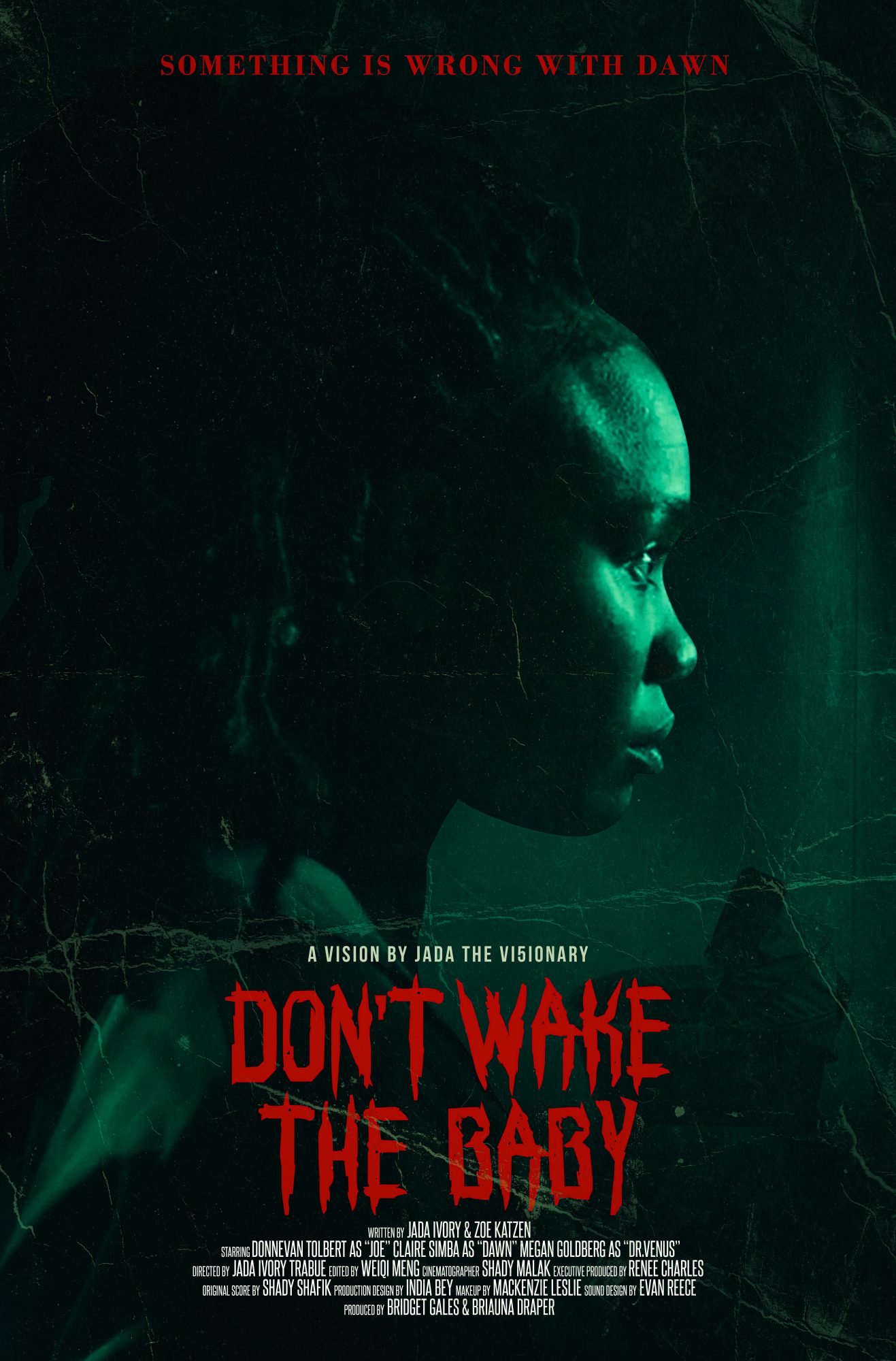
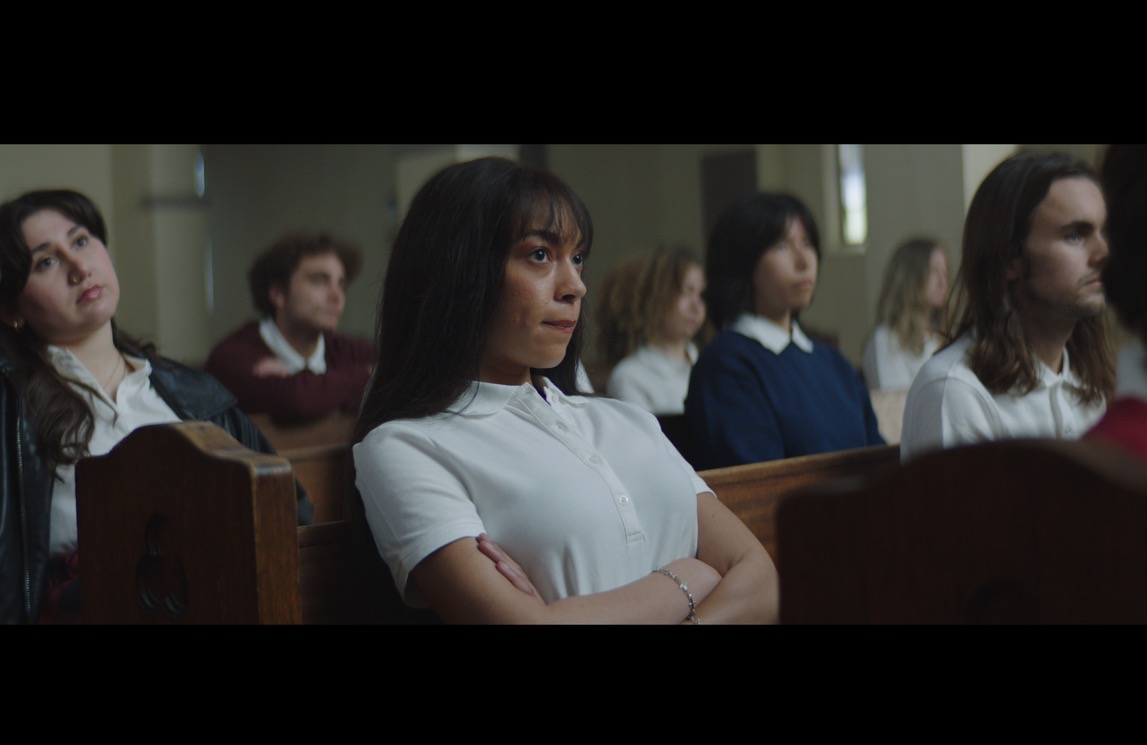
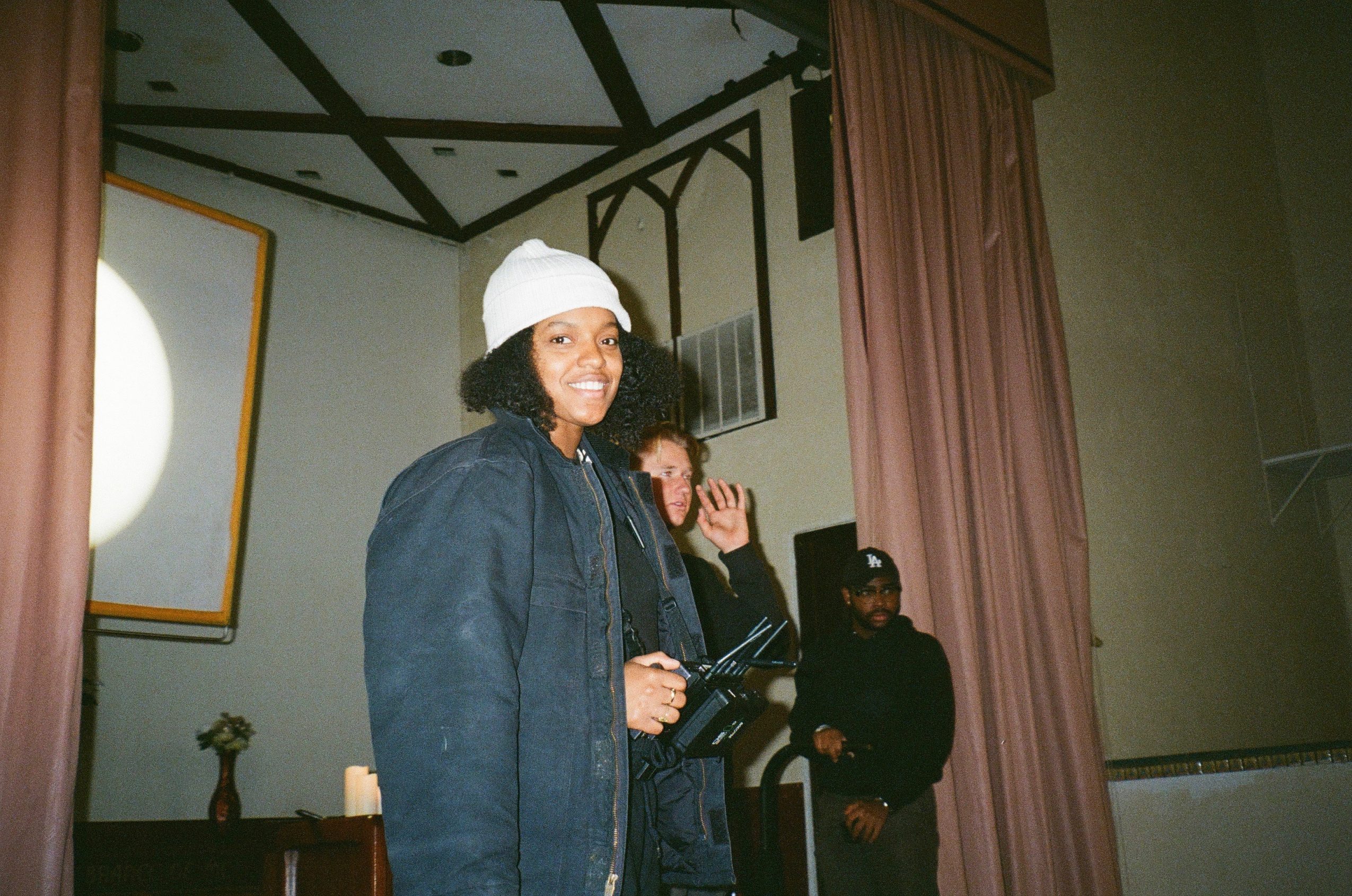
During that time, I made Don’t Wake the Baby, my thesis film. I wrote it in 2021, shot it in 2022, and it first screened in 2023. The film won an audience award at its first festival, and it has continued to shock audiences and find new life through screenings. It’s scheduled to screen again in 2027.That film has opened a lot of doors for me. It’s one of those projects that continues to bring opportunities my way, even years after I wrote it. There’s something really special about creating something and watching it continue to connect with people. Since then, I’ve continued making films, including Saint Marvek in 2025 and Bloodshed in 2026, along with several other shorts I’ve shot this year.
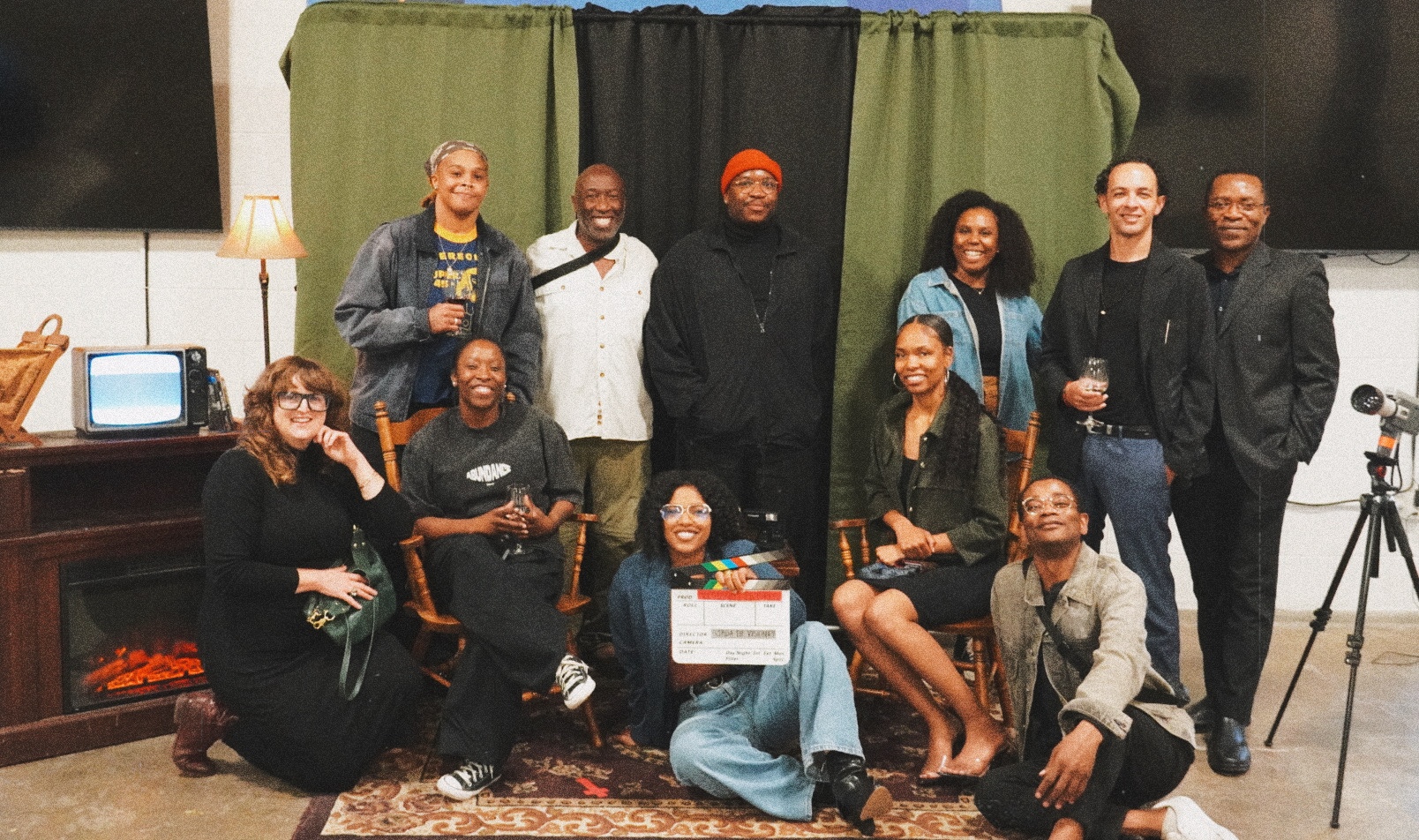
Through Bloodshed, I had the opportunity to work with writer and producer Anger Ferguson, who worked on Power and Power Book II: Ghost. He connected me with Kameale, and that’s really how Vi5ionary Pictures began to sprout and grow. She helped me establish the backbone of the company and continues to help me grow it, along with a few trusted classmates and collaborators from film school. I’ve always wanted to have my own company with multiple branches. I knew I wanted to make films, and I also wanted to build something bigger than myself, something that could grow into different areas of the creative industry.
Especially seeing how the industry was trending, with COVID hitting right as I started film school and graduating into a strike, I realized how important it was to think beyond just getting a job. I was fortunate to be one of the few people in my cohort to acquire a job after graduating. That experience reinforced how important it is to maintain your network, keep building relationships, and continue working, even when the industry is unpredictable.
Film school actually led to an internship with ARRAY, which turned into a full-time position that I held for two and a half years. That experience taught me a lot about the industry, the business side of filmmaking, and what it takes to support films and filmmakers beyond the actual production process. I also gained a deeper understanding of the work being done to support filmmakers of color, underprivileged communities, and independent filmmakers working on smaller scales. I’ve taken that knowledge with me as I continue growing Vi5ionary Pictures.
Now, I’m working on building the company while developing my debut feature film, Finding Bigfoot.
When I look back at everything, I can see how each experience has lead to where I am today. Painting, writing, music, theater, broadcasting, editing, and even all those little productions I made with my family as a kid have played a role in shaping me as a filmmaker.
I didn’t necessarily know where all those interests would lead me, and I always followed what excited me creatively. Eventually, I found a medium that allowed me to bring all those parts of myself together.
Now I’m at a point where I’m not just focused on making my own films. I’m building a company, developing new projects, working with collaborators, and figuring out how to turn this lifelong passion into something sustainable that can continue to grow.
For me, Vi5ionary Pictures is a continuation of everything I’ve been working toward since I was that little girl making my family perform in front of a webcam. I’m still creating, still learning, and still figuring out how far I can take this vision. Maybe one day ill write a book.
Can you talk to us a bit about the challenges and lessons you’ve learned along the way. Looking back would you say it’s been easy or smooth in retrospect?
Most of my struggles have been rejection, but thats with every creative. You’re constantly throwing things at the wall to see what sticks. You take on opportunities that may not make sense right away, that your family and friends may not understand, but you trust the process. I’ve had so much rejection I probably seem disillusioned to keep trying to see the vi5ion through. But you keep going. You work hard and give it your all just to hear “no” a million times, which is why you have to have faith and something to hold onto. You learn from the wins, you lean from the mistakes, you grow, you move on.
Thanks for sharing that. So, maybe next you can tell us a bit more about your work?
I’m an artist and filmmaker. I write, direct, produce, and edit, and I act once a year when the opportunity feels right. I specialize in peculiar, character-driven films that explore the emotional experiences of Black women and the circumstances that shape our lives. I’m still developing my voice, and even with the experience I’ve gained, I feel like I have so much more to learn. Ultimately, I just want to make cool stuff and tell stories that speak across generations.
I think the most important thing in filmmaking is what we have to say about humanity. I believe humanity trumps all. I’m drawn to slower films that ask us to sit with an experience and really think, especially in an age where we’re constantly consuming information. I also believe in being bold because that’s how revolutions start and communities are liberated. The combination of bold storytelling as well as challenging and championing humanity is what will bring about good in the world. I’m known for making weird, moody movies, especially horror right now, though I think what really draws me in is allegory. I grew up influenced by the fables and folktales my great-grandmother Margaret used to tell me. I’m also very observant and naturally philosophical, so I’m fascinated by the nuances of reality and how ordinary experiences can reveal something profound. I’m always asking, “What if this happened?” or trying to get audiences to channel their inner Bill Nye and consider the following.
My film Don’t Wake the Baby is a good example. It uses disgust to evoke grief, taking an ordinary situation and making it horrific because, to the person experiencing it, it is horrific. I think about a scary story my mom told me as a child: “Once upon a time, there was a little girl, and she went to school, and she never went home, and her mom never saw her again.” It sounds simple, yet it’s horrifying when you really sit with it. That’s the kind of storytelling I love, using allegory and absurdity to explore the emotions beneath everyday life. Maybe because life itself can be absurd and illogical. Which is why I champion Kubrick’s The Shining so much. It’s truly horrifying when you think about it, while it may not be conventionally horrifying.
Across genres, I’ve also realized that I tend to tell stories about loss. Losing something always triggers a philosophical curiosity in me. How do we return? Can we? What happens when we lose someone or something we depend on? How do we face that? Those questions are often at the heart of my character-driven stories and my exploration of the human condition.
I’d eventually love to expand into more epic storytelling. I have a western written and a dark fantasy in development, though right now I want to take things step by step and really understand how to make a feature film and start with Finding Bigfoot.
For my previous works, I’m especially proud of Don’t Wake the Baby. It’s wild to me that it continues to screen and move audiences. I’m also proud of Bloodshed and what we accomplished with such a small budget. Both films remind me that you can make something meaningful without having unlimited resources.
I think what sets me apart is that I’m simply trying to tell my stories. I’m not trying to impress anyone or compete with anyone. I want to be authentic to the ideas that genuinely interest me, even when they’re strange, uncomfortable, or difficult to explain. If my work can make someone feel something deeply or see an ordinary experience differently, then I feel like I’ve done something worthwhile. I think filmmakers are often telling stories because they feel alone or as if they’re the only ones to experience something. When someone relates or can see themselves in the experiences or characters on screen, they feel less alone. Besides, I’m just a middle child, a Black woman from Louisville, Kentucky. It’s a little rare to have the opportunity to make films regularly, so I’m proud to be here, doing what I love and continuing to tell my stories.
A few of my notable films
In Development / Upcoming Projects
Finding Bigfoot | Writer/Director, Feature Film | Pre-production
When She Leaves | Short Film (2026)
A Purgatory for Lovers | Director, Short Film (2026)
Bloodshed | Producer/Director, Short Film (2026)
Directorial Works
Don’t Wake the Baby | Writer/Director, Short Film (2023)
Saint Marvek | Director, Short Film (2025)
Audrey & Leigh | Writer/Director, Short Film (2021)
And Lead Us Not | Director, Short Film (2021)
Blue Balls | Director, Short Film | Unreleased (2023)
Ceilings | Director, Short Documentary | Unreleased (2020)
Original Screenplays
Finding Bigfoot | Feature Screenplay (2025)
R.E.M | Feature Screenplay (2026)
Selected Awards & Festival Recognition
Athens International Film Festival (2026) | Honorable Mention, Horror Short
Bluegrass, Black Cinema | Official Selection (2026)
Great Film Film Festival | Official Selection (2026)
I.F.B. Studios Film Festival | Official Selection (2026)
Outstanding Screenplays Feature Competition | Quarterfinalist, Finding Bigfoot (2026)
IndieX Awards | Honorable Mention, Directorial Achievement (2025)
The Scare Screen | Official Selection (2025)
Black Filmmaker Rebellion Film Festival | Audience Choice Award (2023)
Louisville International Festival of Film | Official Selection (2021, 2023)
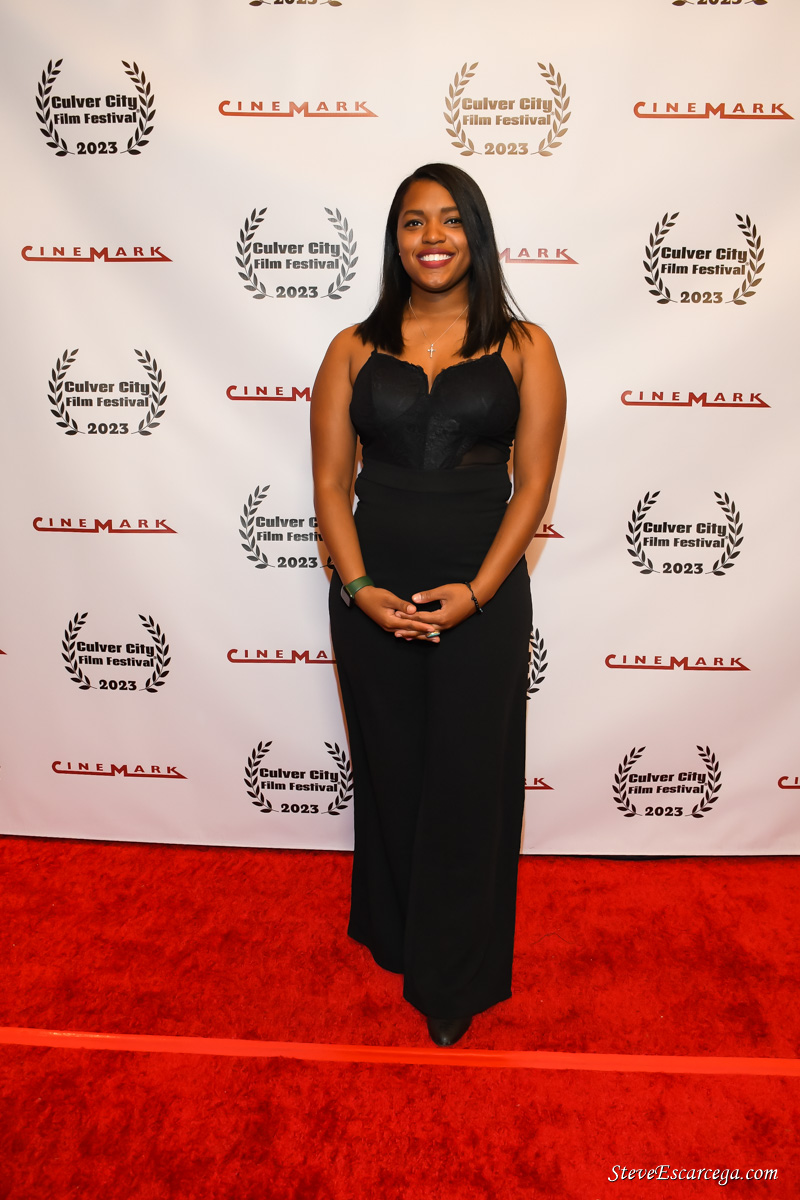
Culver City Film Festival | Official Selection (2023)
Hollywood South Urban Film Festival | Official Selection (2021)
Fellowships
Tyler Perry Dream Collective finalist
What sort of changes are you expecting over the next 5-10 years?
In the next five to ten years, I believe I’ll have at least two feature films completed. I also envision Vi5ionary Pictures becoming a self-sustaining entity with the resources and leverage to produce short films, host an annual film festival, offer grants or scholarships to film students, and produce one or two features a year that aren’t primarily my own. With the growth of generative artificial intelligence and the shrinking opportunities for creatives, especially those that look like me, with diversity, equity, and inclusion cutbacks. I think it’s important to build something that can sustain itself and create opportunities beyond any one person’s career. (I had to spell out both words because acronyms are an easy way to disregard the true scope of what is at play). I want to use the network I’ve built, the experience I’ve gained, and whatever success I find with my own films to create room for the next artist. I want Vi5ionary to become a hub where filmmakers can find resources, collaborate, and bring their ideas to life. For me, success isn’t just about what I’m able to make. It’s also about what I can help make possible for someone else. Which I also think is in the DNA of the greatest filmmakers.
Eventually, I’d love to expand into a nonprofit that helps make art more accessible, whether through film, performing arts, or music. I want to establish something in my hometown that helps combat gun violence among teens by giving young people access to creative outlets and opportunities that might otherwise be out of reach, maybe even create jobs . On the personal side, I’d love to break into television directing, even if I’m only directing a few shows a year, maybe even one studio film if studios are still standing then, its a little scary in that world, atleast in the outside looking. Haha.
Honestly, I don’t know exactly what the next five to ten years will look like. My path so far has been full of opportunities and experiences I never could have predicted, and that’s been one of the coolest parts of this journey. I never imagined I’d end up working at ARRAY, screening a film for James Fauntleroy’s women’s writing camp, or making a horror film that would continue reaching audiences years later.
I’m moving toward something, even when I can’t see all the steps in front of me. I can only hope the work I’m putting in continues to lead me in that direction. My grandma always told me to walk by faith. But my craziest idea is that ill win an Oscar within the next 10 years, whatever weight that holds.
Contact Info:
- Website: https://vi5ionarypictures.com
- Instagram: @Jada_the_v5ionary, @Vi5ionarypictures
Popular
-

Portraits of the Valley
-
LA’s Most Inspiring Stories
-

Greg Hex Is Turning the Everyday Kitchen Knife Into a Modern Design Object
-

Rick Norris Learned That Building a Successful Business Means Building a Life You Actually Want to Live
-
How Olivia Rush Turned Survival Into a Mission to Help Others Keep Going
-
How Bibi Goldstein Is Helping Entrepreneurs Reclaim Their Time by Embracing the Power of Delegation


