



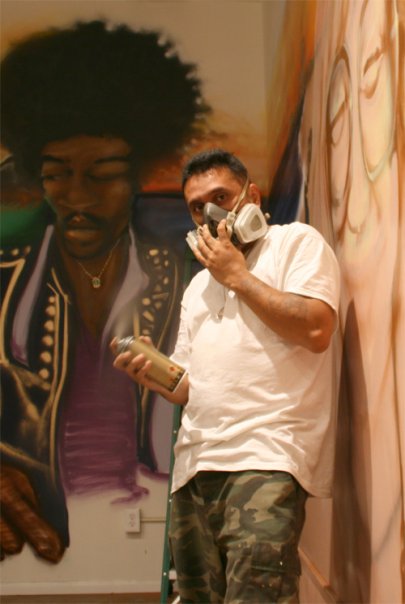
Today we’d like to introduce you to Erick “Sen” Moreno.
Erick “Sen”, we appreciate you taking the time to share your story with us today. Where does your story begin?
My name is Sen, and I’m a visual artist, muralist, and community arts educator from Los Angeles. I came to the United States from El Salvador in 1981, when I was five years old, during the civil war. I arrived with my stepmother and stepsister after a period of heavy fighting. My father had been involved with the FMLN guerrilla movement, and I remember that after he was gone, the military came looking for him just days later. Not long afterward, our journey to the United States began. I was very young, so there are details I don’t know or remember clearly, but those events were part of the circumstances that led my family to leave El Salvador.
I grew up in the Westlake and MacArthur Park area of Los Angeles, surrounded by immigrant families and the Central American community. My relationship with art started in second grade. I remember watching someone draw so easily that I was tricked into believing art was easy. I started trying it myself, and after enough practice, I realized I could do it too. That got me hooked. I began drawing everything I saw on television, especially cartoons and dinosaurs. I didn’t know it then, but that early experience would stay with me throughout my life.
By middle school, I was getting into graffiti. Growing up in Los Angeles, the streets introduced me to the graffiti culture here, which was heavily influenced by gang writing and lettering. I liked that style and started imitating what I saw around my neighborhood. Then movies from the 1980s like Beat Street introduced me to the New York graffiti style. It was different from what I was used to seeing in LA, and it opened up a whole new world of visual expression for me. I became fascinated by both styles, and over time, tagging became a big part of my life.
Like many young people growing up in the city, I was dealing with my own struggles and looking for a place to belong. When I eventually ran away from home, I was part of a well-known downtown Los Angeles graffiti crew. Those friends became like brothers and sisters to me. Growing up around the streets and being part of that world shaped my experiences and the way I understood the challenges young people faced.
A turning point came through CARECEN and its youth mentorship program. Around 1996, I was placed at Plaza de la Raza School of Performing Arts, where I learned more about being a visual artist and was introduced to gallery exhibitions and art shows. Part of my internship involved assisting the art teachers, which also gave me an introduction to teaching. That experience helped me see new possibilities for myself and showed me that art could become more than something I did on my own.
CARECEN also had connections with other organizations that supported young people, including Homies Unidos. During the 1990s, I became involved with gang intervention organizations, and those experiences helped shape the direction of my life and the community work I would eventually do. Over time, those connections led me to opportunities to work with young people through organizations like Homies Unidos and, later, All Peoples Community Center.
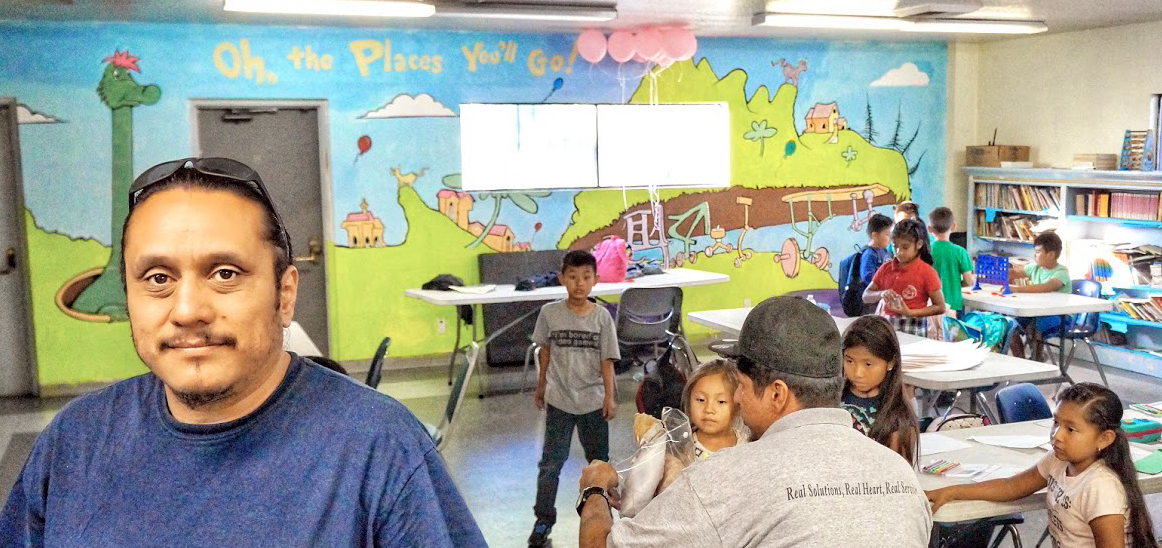
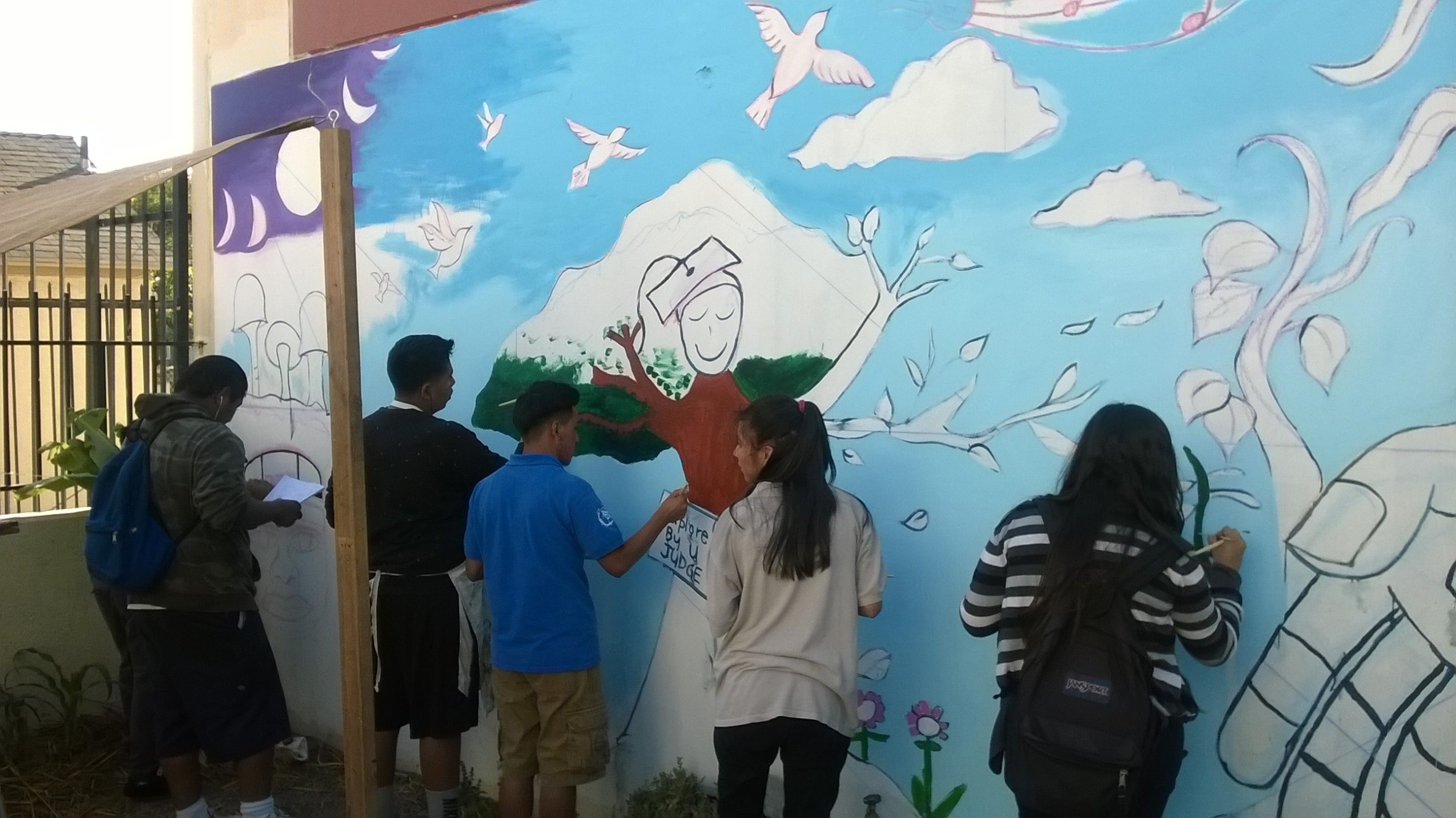
I’ve spent many years working with youth, teaching art, creating murals, developing programs, and helping young people find positive ways to express themselves. My work has allowed me to bring together my experiences as an artist and my understanding of the challenges young people can face. I’ve always believed that creativity can give people an outlet, a sense of belonging, and an opportunity to see themselves and their futures differently.
Today, I see art as more than just painting a wall or creating an image. It’s a way to tell our stories, preserve our culture, bring people together, and create opportunities for change. When I look back at my journey, I recognize how much the people and organizations that supported me influenced the work I’ve done throughout my life. I know what it means for someone to open a door for you when you need one, and I try to carry that forward through my art and community work. For me, it’s not just about what I create as an artist, but also about the opportunities we can create for the next generation.
Alright, so let’s dig a little deeper into the story – has it been an easy path overall and if not, what were the challenges you’ve had to overcome?
No, it definitely hasn’t been a smooth road. I think a lot of my struggles started when I was young. Coming to the United States as a refugee meant leaving a country at war, but the struggles didn’t end when we arrived in LA. I grew up without both my parents, and one of the hardest things was constantly feeling like I wasn’t really somebody’s child. I carried that feeling with me for years.
I also have memories from El Salvador that no child should have to experience, like seeing people killed by firing squads and witnessing ambushes on the roads while traveling on a bus. Growing up, I dealt with physical and verbal abuse from my grandmother. I was trying to understand who I was and where I belonged while carrying all of that.
The streets became another part of my life. I found drugs, trouble, and love in places where I was really looking for a sense of family and belonging. My graffiti crew became like brothers and sisters to me, but being part of that world also came with consequences. Eventually, I did time, and I had to face the reality of the life I was living and figure out how to move forward.
What made a difference was that some of the organizations and people who had helped me before didn’t turn their backs on me. CARECEN and the people connected to that network helped me find opportunities and a different direction. I learned firsthand what it means when someone gives you a chance, and I wanted to do the same for others.
But trying to give back hasn’t been easy either. I’ve spent many years working with young people and using art to create opportunities in my community, and I’ve learned that having the heart to help isn’t always enough. There’s a lot of bureaucracy, paperwork, and a constant struggle to find resources and support. Art is often treated as something extra instead of something that can help young people express themselves, build confidence, connect with their culture, and find another direction in life.
It’s especially hard when you come from a community that doesn’t have a lot of privilege or access to resources. You can have the experience, the ideas, and the commitment to do something meaningful, but you still have to fight for funding, recognition, and the support to make it happen. Sometimes it feels like the people who understand the community and have spent years doing the work have to work twice as hard just to get the same opportunities.
I think that’s one of the struggles people don’t always see. Giving back can be rewarding, but it can also be frustrating when the systems that are supposed to support communities make it so difficult to do the work. I’ve seen how much organizations can change a person’s life because I experienced it myself. That’s why I keep trying, even when the support isn’t always there.
Looking back, I think these experiences are part of why I’ve continued working with young people. I understand what it’s like to be a kid looking for love, belonging, and somebody who believes in you. I also know what it feels like to have someone open a door for you when you need it most. I can’t change what happened in my life, but I can use what I’ve learned to help others. I just wish our society made it easier for people from our communities to do that work and for art to receive the support it deserves.
Alright, so let’s switch gears a bit and talk business. What should we know about your work?
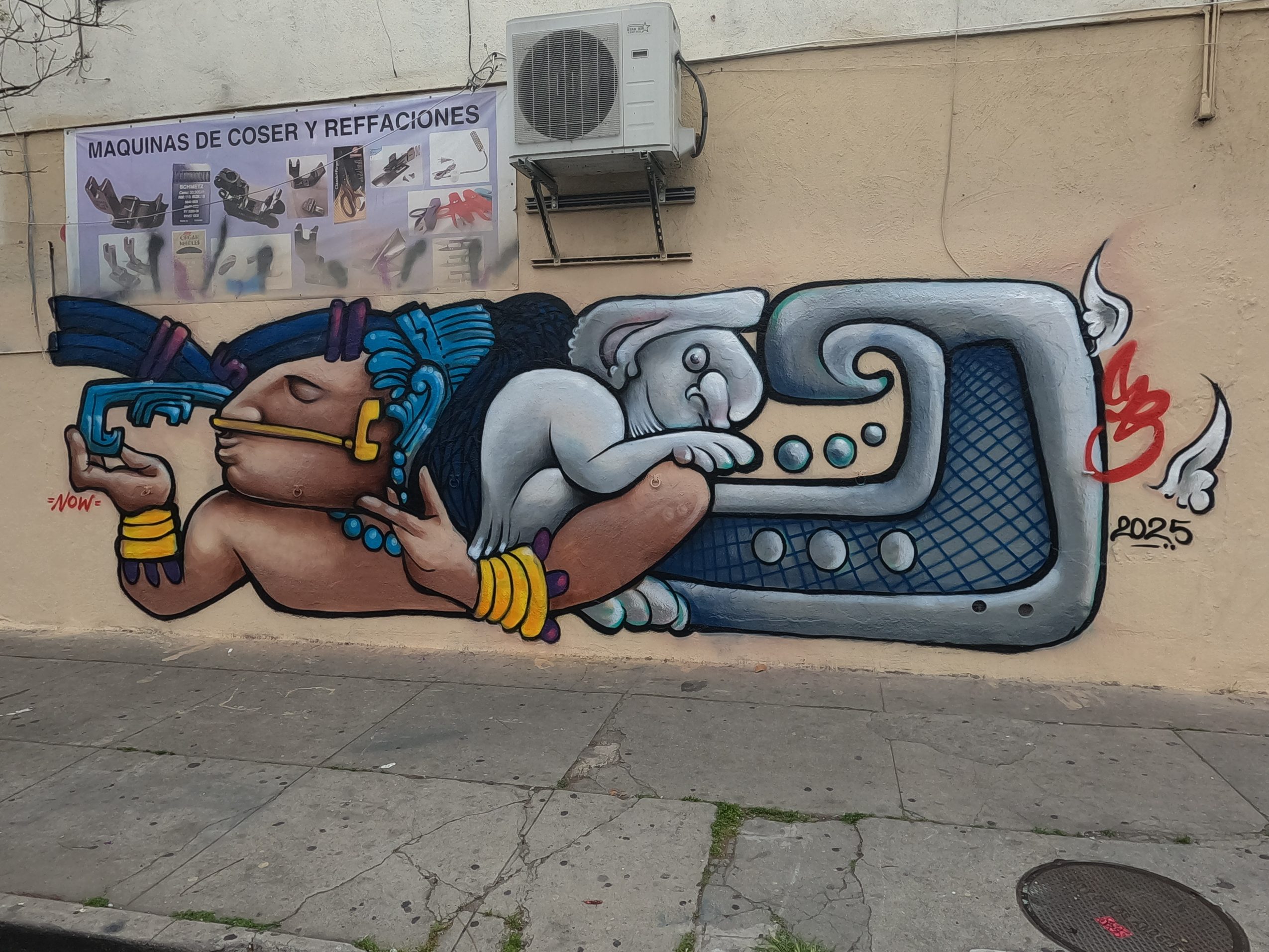
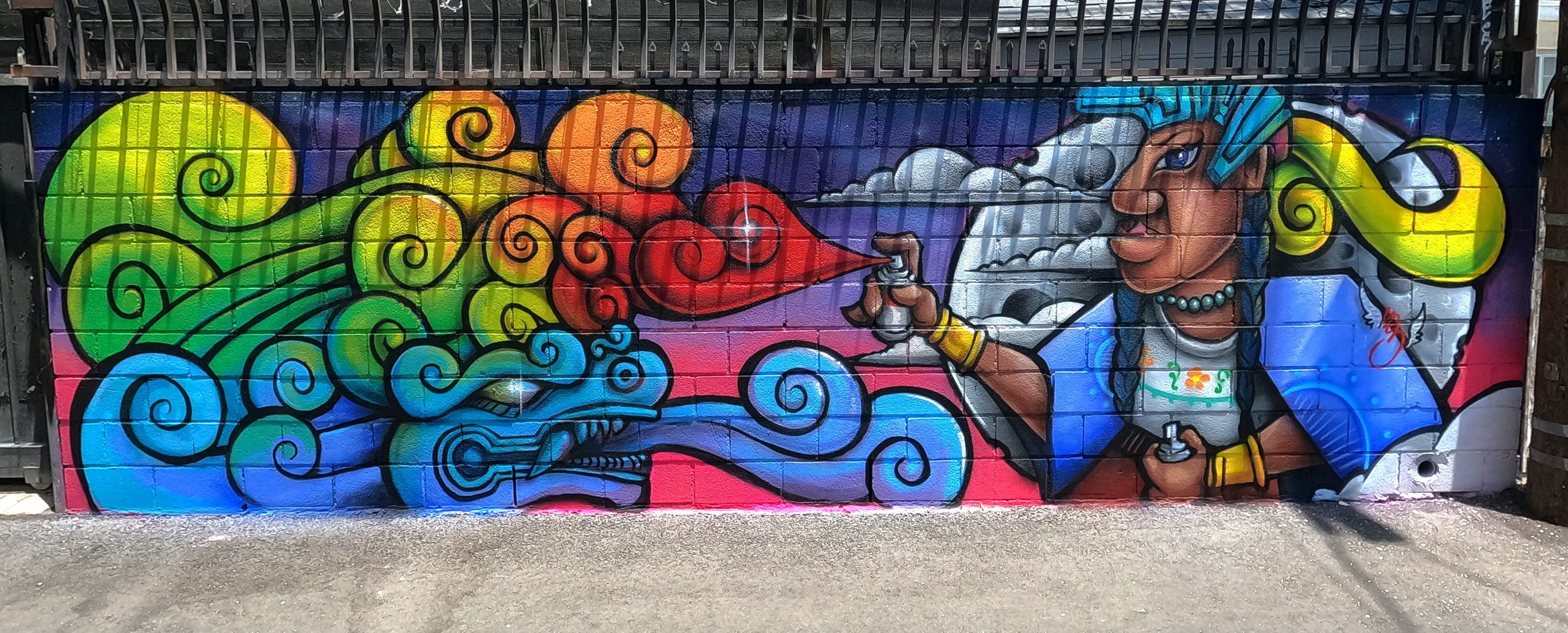
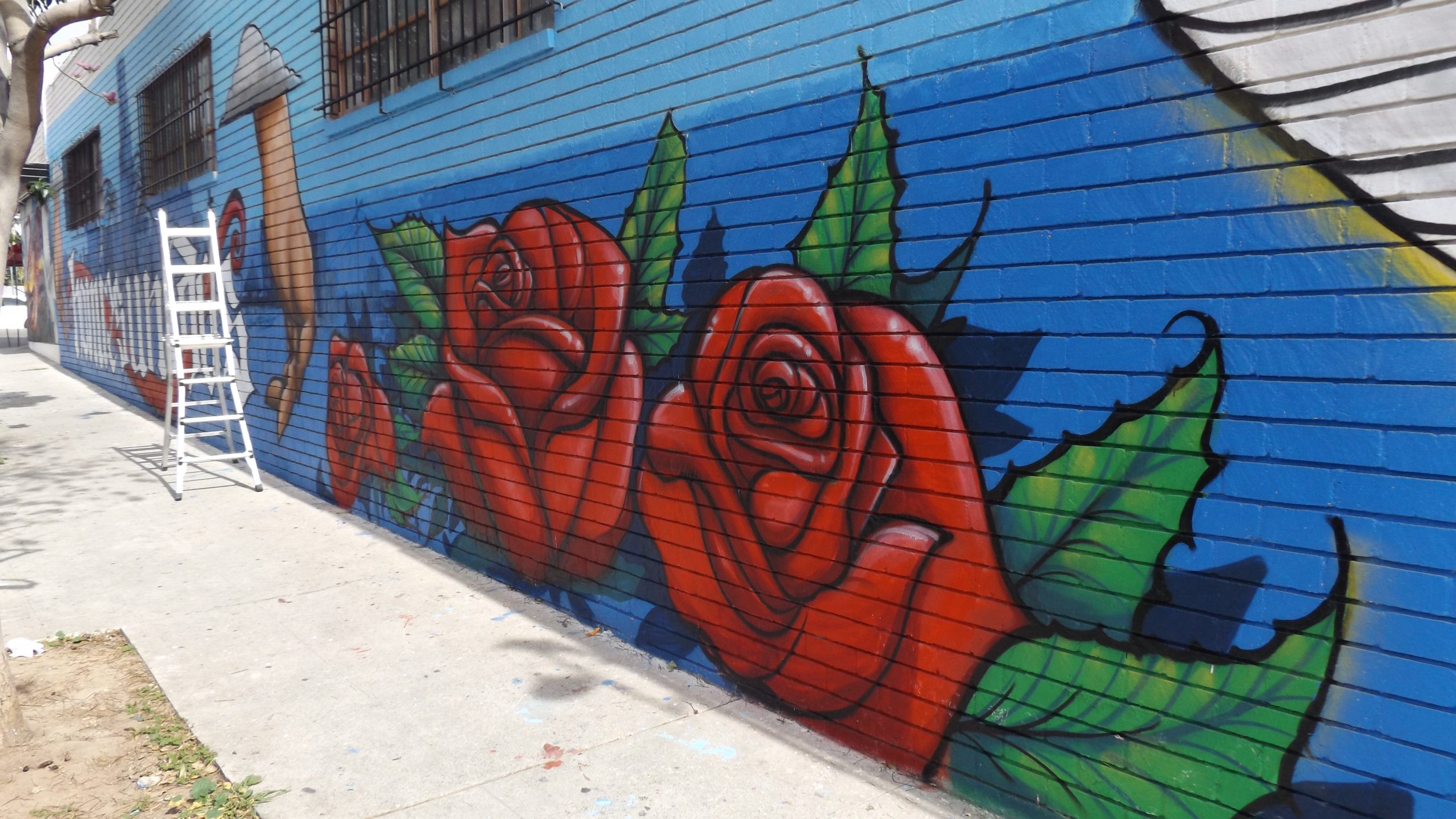
My work comes from graffiti, street culture, my Salvadoran roots, and growing up in Los Angeles. I’m a visual artist and muralist, and although I’ve worked with different forms of art over the years, I think the work I enjoy most is creating graffiti-inspired murals that represent my culture and the struggles our communities have faced.
I got into graffiti when I was young, and it became one of my first ways of expressing myself. It was more than lettering on a wall. It gave me a style, a way to communicate, and a connection to the streets and the people around me. As I got older, my work started to develop into something more personal. I became more interested in using walls to tell stories about our history, our identity, our struggles, and the strength of our people. I especially enjoy creating murals without permits because of that connection to the original spirit of graffiti and the freedom to express something in public space.
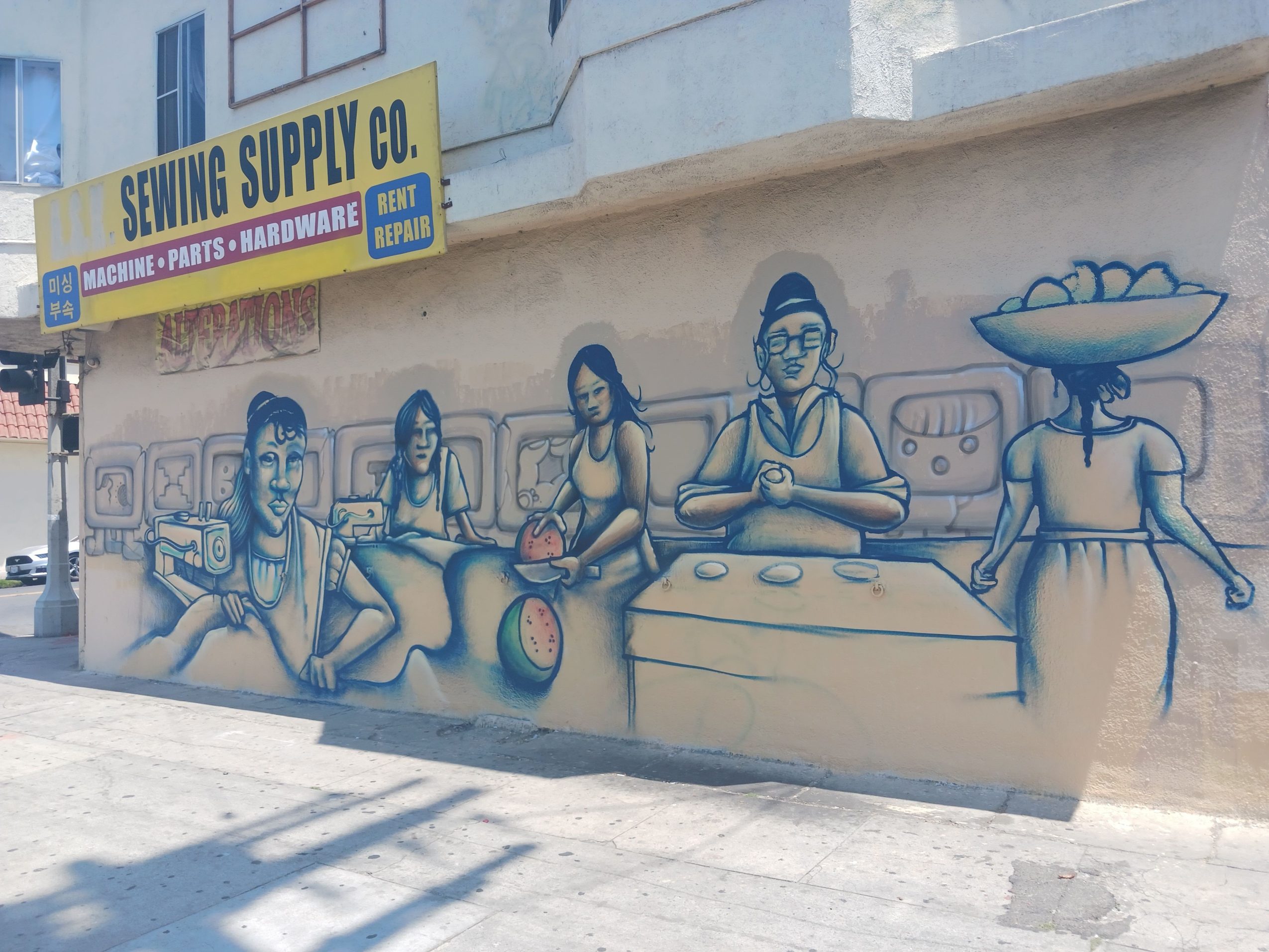
My cultural roots are a big part of that expression. My father was involved with the FMLN guerrilla movement in El Salvador, and my family kept his memory and the history connected to him alive for me. That influenced how I came to understand our history and identity. Today, I explore those connections through my art, including ancestral imagery and themes of resilience, labor, and the struggles our communities continue to face.
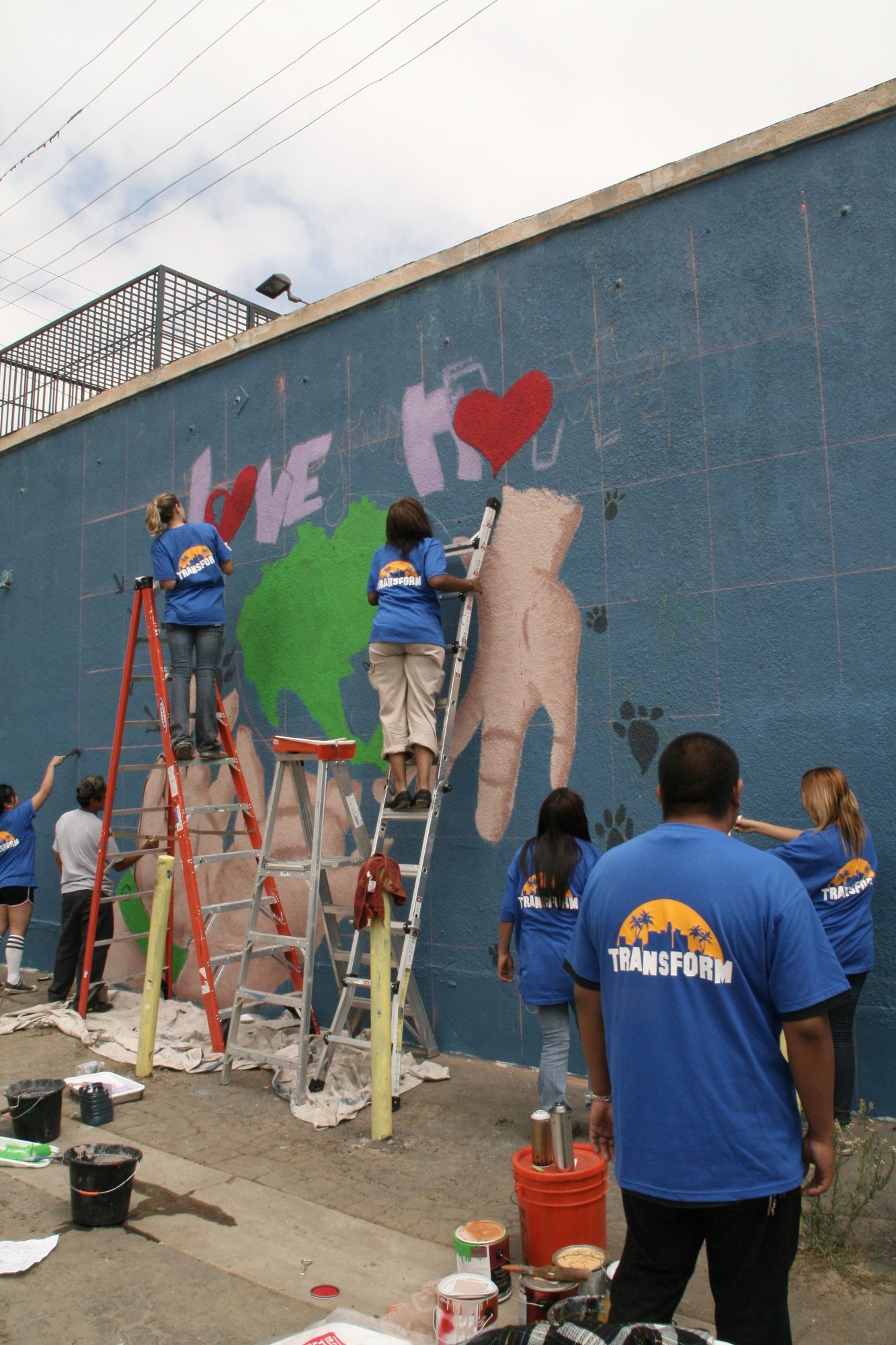
That work has also connected me with organizations that share similar values. Over the years, I’ve had opportunities to collaborate on murals and community art projects that bring these stories into public spaces. Those collaborations have allowed me to take something that started on the streets and bring it into different settings, while still holding on to the message and spirit behind it.
I’m also proud of the years I’ve spent working with young people and community organizations, using art to help others find their own voice. But what sets me apart is that I come to this work from lived experience. I’m not looking at these communities from the outside. They’re part of who I am, and the stories I paint are connected to my own history and the people I grew up around.
For me, a mural isn’t just about making a wall look better. It’s about putting something into the world that people can recognize themselves in, something that speaks about where we come from and what we’ve lived through. I’m proud when my work gives visibility to stories that don’t always get told and reminds people that our culture, our history, and our struggles deserve to be seen.
What are your plans for the future?
Looking ahead, I want to spend more time creating my own art and developing the ideas I’ve carried with me over the years. I’ve spent a big part of my life working with organizations and helping young people through art programs, and I still care deeply about that work. But I also want to make more room for myself as an artist, especially creating murals that represent our culture, our history, and the struggles our communities have gone through.
I’d like to continue creating graffiti-inspired murals in public spaces, collaborating with organizations that share similar values, and finding new opportunities to bring these stories to walls where people can see them. I want to keep exploring our ancestral roots and cultural identity through my work, while also documenting the process and sharing more of what I do.
Another goal of mine is to bring Soylos back to life. It’s something that has been part of my creative journey, and I’d like to reconnect with artists, musicians, and community members to build something again. I see the arts as a way to bring people together, create opportunities, and remind our communities of the knowledge and creativity we already have. I want to build that gradually and in a way that feels meaningful, rather than just creating another organization for the sake of having one.
I’m also looking forward to finding ways to make a living through my art without losing the connection to the communities that shaped me. That’s always been a challenge. There’s so much talent in our neighborhoods, but not always enough support or resources for artists who come from those same communities. I’d like to find ways to create more opportunities for myself and, hopefully, for other artists along the way.
At this point in my life, I want to keep learning, creating, and sharing what I’ve learned with the next generation. I don’t feel like my journey is over or that I’ve done everything I want to do. If anything, I feel like there are still ideas and projects inside me that I haven’t had enough time or space to develop. I’m looking forward to giving those ideas a chance and seeing where they take me.
Contact Info:
- Website: https://mrsenone.wixsite.com/senone
- Instagram: https://www.instagram.com/mr.senone/
- Facebook: https://www.facebook.com/sen.hun
Popular
-

Portraits of the Valley
-

LA’s Most Inspiring Stories
-

Greg Hex Is Turning the Everyday Kitchen Knife Into a Modern Design Object
-

Rick Norris Learned That Building a Successful Business Means Building a Life You Actually Want to Live
-
How Olivia Rush Turned Survival Into a Mission to Help Others Keep Going
-

How Bibi Goldstein Is Helping Entrepreneurs Reclaim Their Time by Embracing the Power of Delegation


