




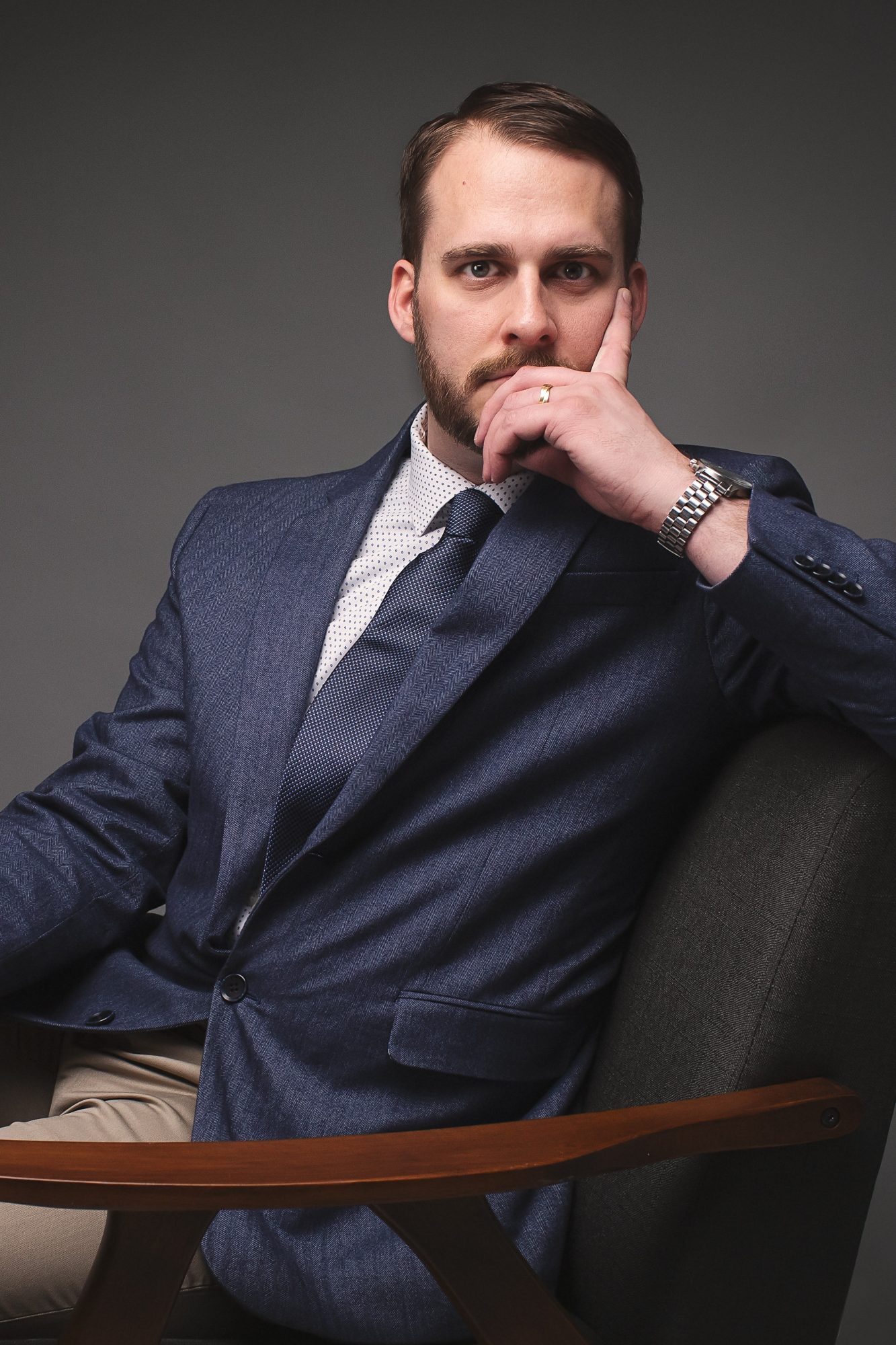
Today we’d like to introduce you to Ian Peterman.
Hi Ian, thanks for joining us today. We’d love for you to start by introducing yourself.
My story really starts with my family, I grew up completely immersed in a mix of design, engineering, accounting, and entrepreneurship. You could say building things was just in my DNA. By the time I was 12, my brother and I actually started our first business together making greeting cards. It only lasted a few years, but it sparked this lifelong drive in me to create, lead, and innovate. I didn’t want to just participate in the world; I wanted to build the things in it.
By 16, I was already interning and learning the ropes, and that early start laid the foundation for what is now a 20-plus-year career in product strategy and design. Over the years, I’ve had the chance to work on just about everything you can imagine. I’ve designed lasers, medical devices, consumer tech, lightsabers, you name it. I’ve worked with incredible global brands like HP and Nike, as well as brilliant, scrappy startups across nearly every industry. Working on such a massive variety of physical products taught me exactly what it takes to get a hardware concept out of someone’s head, through engineering and manufacturing, and into a customer’s hands.
But as my career progressed, I started to realize something was missing in the traditional product development world. I saw a lot of products being made just for the sake of making them, without much thought given to their long-term lifecycle, the planet, or the people making and using them. I knew there had to be a better, more thoughtful way to build hardware.
In 2013, I opened my first agency, and by 2017, I evolved that into Peterman Design Firm. My vision for the firm was to create a conscious, full-service agency devoted entirely to helping purpose-driven startups and forward-thinking brands design, build, and launch products that actually matter. We focus on bridging the gap between brilliant ideas and real-world commercialization, whether that’s helping a founder with their first physical product, or guiding an established brand through a green-tech transformation.
That shift in mindset is really what led to the core of what I do today. I developed a methodology called Conscious Design™, which is all about ethical, sustainable, and scalable product development. It’s the idea that a successful product has to serve people and the planet, drive positive impact, and still be profitable for the visionary who built it. I ended up co-authoring a book on the subject (Conscious Design™: The Book) and launching the Conscious Design Podcast so I could connect with other creators and founders who are shaping the future through responsible innovation.
Today, my team and I have completed over 300 projects and helped launch multiple 7-figure products. But what gets me out of bed every morning is the mission behind it: helping visionaries bring world-changing ideas to life, and proving that we can build better businesses by building better, more conscious products.
Alright, so let’s dig a little deeper into the story – has it been an easy path overall and if not, what were the challenges you’ve had to overcome?
I’d say definitely not, but I think any founder who tells you it’s been a completely smooth road is probably leaving a few chapters out of their story! Building a business from the ground up always comes with its share of speed bumps, especially when you are dealing with physical products, engineering, and manufacturing.
One of the biggest external challenges we faced was the pandemic. When COVID hit, it shut down almost 80% of our clients and their projects almost overnight. Supply chains froze, factories paused, and suddenly, the hardware world was at a complete standstill. That was a massive test of our resilience. We had to figure out how to pivot, support the clients that were still moving, and weather the storm to keep the firm alive.
Internally, I’ve also had to learn some really tough lessons as a leader and a CEO. When I was first scaling the firm, I made some early hiring mistakes that nearly cost some of my clients. Specifically, I learned that you have to be incredibly careful who you hire for sales. When you’re representing a highly technical, mission-driven design process, the people representing your firm need to deeply understand the vision and the engineering behind it, not just chase a deal.
I’ve also had to learn the hard way about client alignment. In the early days, when you’re just trying to grow the agency, it’s tempting to take every project that comes your way. I took on clients who threw up multiple red flags from day one, but I took the work anyway. I can tell you now: it is never, ever worth it. If a client isn’t aligned with your values, especially when you’re trying to advocate for sustainable, conscious design, the project is always going to be an uphill battle.
My most recent and expensive lessons have been about hiring the right firms to support, CPA, legal, etc. That and making sure your contracts are water tight and ensure everyone knows exactly what they are getting and doing, both ways, so there’s no confusion later on. It’s tempting to just say “ok, everyone gets it!” and blind sides can cause you to miss some dotting i’s and crossing t’s. Taking the extra time, paying your attorney to double check it, making sure everyone can actually do their job if you hire a freelancer or agency/firm to support yours are all key, and surface checks aren’t good enough, neither is just the word of a referral. Triple check everything!
But honestly, those struggles were completely necessary. They forced me to refine our operations, get crystal clear on exactly who we want to serve, and build a stronger, more aligned culture. Today, I have an amazing team backing me up. Going through those growing pains is what ultimately allowed us to define our own Peterman Method and go all-in on Conscious Design. It takes time to build the right team and the right partnerships, but looking back, those hardships were absolutely worth it.
Thanks – so what else should our readers know about Peterman Design Firm?
At its core, Peterman Design Firm is a conscious product development agency. We partner with visionary founders and established brands to take physical products all the way from a raw idea to real-world impact.
We specialize in what I call our three pillars: Product Innovation, Product Commercialization, and Brand Strategy. That means we handle everything from early-stage research, concept ideation, and CAD engineering, all the way through prototyping, manufacturing prep, and the final brand positioning to launch it into the market. We’ve had the opportunity to work on some incredible projects across various industries, from high-end wellness tech with Surya Wellness, to premium audio engineering equipment with Barefoot Sound, to wakeboard towers for Samson Sports, and even custom lightsabers for Saberforge.
What truly sets us apart from other agencies is twofold. First, it’s our end-to-end capability. In the product world, you usually have to hire an industrial designer, then hand it off to a mechanical engineer, then find a manufacturer, and then hire a branding agency to sell it. We built a methodology from 20+ years of industry experience, the Peterman Method, that brings all of that under one roof. We guide our clients through the entire lifecycle.
The second, and arguably most important differentiator, is our dedication to Conscious Design™. We don’t just want to add more ‘stuff’ to landfills. We look at the sustainability, the ethical supply chain, the materials, and the long-term lifecycle of a product. We prove to our clients that you can design a product that is highly profitable and actually does good for the world.
Brand-wise, that’s exactly what I am most proud of. I’m incredibly proud that we’ve grown from just me in 2017 to a robust core team supported by a massive global network of trusted contractors, vendors, and manufacturing partners. But beyond our size, I’m proud that our brand has become a platform for a bigger mission. Through our Conscious Design book and podcast, we’ve built a community of innovators who care about the future of physical products. We aren’t just designing things; we are championing a better way to think about business.
If there’s one thing I want your readers to know about our offerings, it’s that building a physical product doesn’t have to be a guessing game, and you don’t have to compromise your values to be successful. Whether you’re trying to figure out if your idea is viable, or you’re ready for full-scale production, we meet you where you are. We actually have a 6-8 week ‘Discovery’ phase designed exactly for this, to help founders map out their product’s feasibility, market fit, and next steps before they sink their life savings into a prototype. We are here to help build products that matter, and we have the roadmap to get you there.
We all have a different way of looking at and defining success. How do you define success?
For a long time in the product development world, success was defined almost entirely by a very narrow set of metrics: profit margins, manufacturing costs, and how many units you could sell. And while a business absolutely has to be profitable to survive, my definition of success has evolved into something much more holistic.
When I look at the big picture, I define success through the lens of Conscious Design™. True success is designing and launching a product that is not only highly profitable for the visionary who created it, but also genuinely good for the planet and the people interacting with it. If we can bring a product to market that solves a real problem, utilizes sustainable materials, respects the supply chain, and builds a legacy that the founder can be proud of, that is a massive win.
On a day-to-day level with my agency, success actually starts before we even sketch a single design. When I sit down with a new client, one of the very first things I ask them is, “How do you define success for this project?” For some, success is simply getting a functional prototype in their hands so they can pitch to investors. For others, it’s completely overhauling their existing product line to be eco-friendly. Success for me as an agency owner is being able to listen to that unique vision, align it with conscious principles, and guide them across the finish line.
Finally, on a personal level, success is about the people I get to surround myself with. It’s having an incredible team that shares my core values and shows up every day wanting to make an impact. It’s the community we’ve built around the Conscious Design podcast. If I can spend my days having great conversations, connecting with forward-thinking creators, and helping to build a better world through design, I consider that to be a wildly successful life. Ultimately, having time with my family and close friends, enjoying life, that’s real success, everything else is just there to make that possible.
Contact Info:
- Website: https://ianpeterman.com/
- Instagram: https://www.instagram.com/peterman_ian
- Facebook: https://www.facebook.com/ianpetermandesign
- LinkedIn: https://www.linkedin.com/in/ianpeterman/
- Youtube: https://youtube.com/c/ConsciousDesign/?sub_confirmation=1
- Other: https://petermanfirm.com/
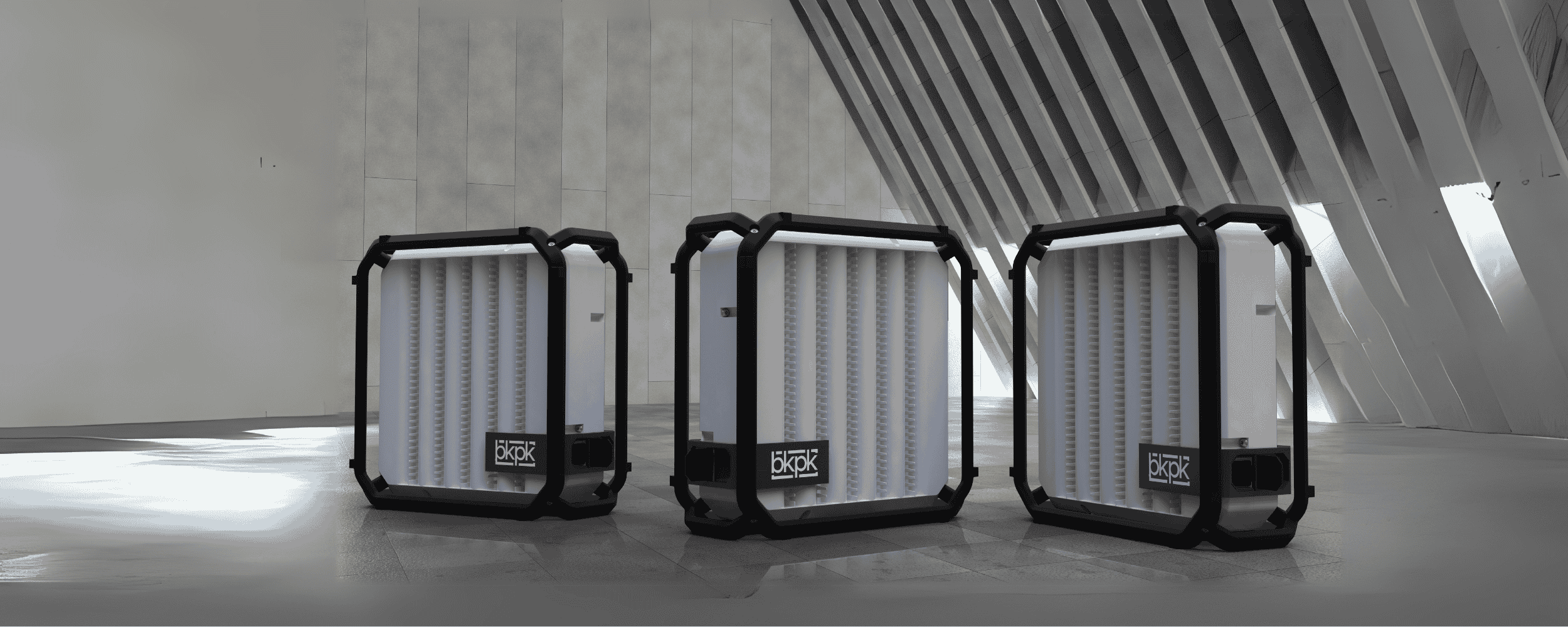
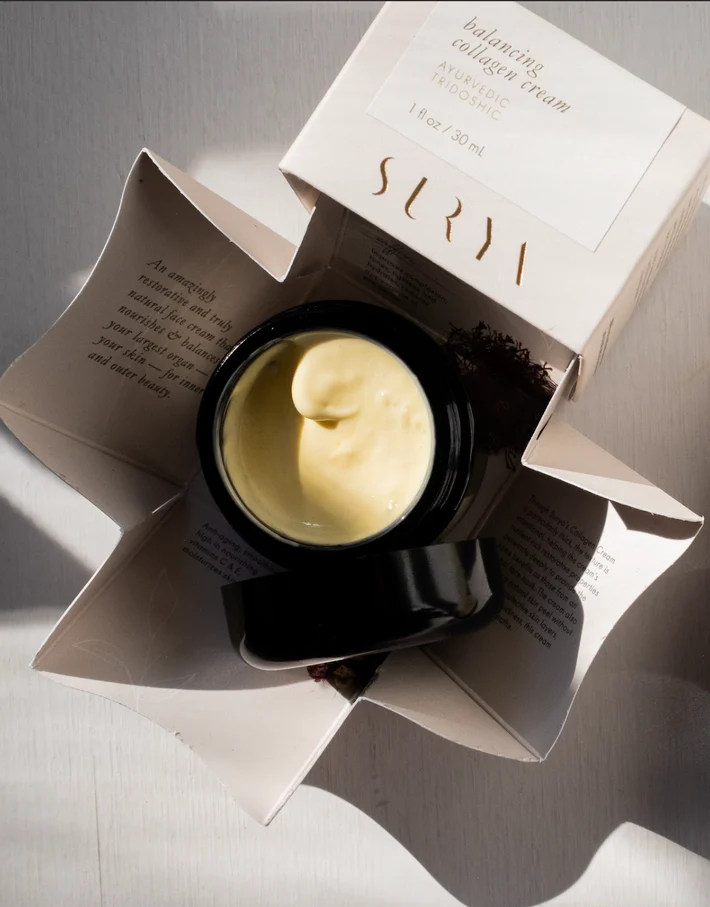
Image Credits
credit “Jenna Karwoski” for shots of me
Popular
-

Portraits of the Valley
-

LA’s Most Inspiring Stories
-

Greg Hex Is Turning the Everyday Kitchen Knife Into a Modern Design Object
-

Rick Norris Learned That Building a Successful Business Means Building a Life You Actually Want to Live
-

How Olivia Rush Turned Survival Into a Mission to Help Others Keep Going
-

How Bibi Goldstein Is Helping Entrepreneurs Reclaim Their Time by Embracing the Power of Delegation


