





Today we’d like to introduce you to Raheim Fender.
Hi Raheim, can you start by introducing yourself? We’d love to learn more about how you got to where you are today?
I sometimes wonder whether I chose this life or whether, in some strange way, this life chose me.
When I look at the many things I have become—an educator, theatre director, author, poet, broadcaster, musician, and cultural advocate—I realize that they all have one thing in common: storytelling. I have spent much of my life telling stories, but perhaps the most interesting one is still the story of how I became the person I am today.
My journey was never about following a perfectly constructed blueprint. I have always been drawn to the unconventional, to the things that challenge people’s thinking, and particularly to the stories that others are sometimes afraid to tell. I have never been especially interested in creating work simply because it is beautiful or entertaining. I want my work to disturb complacency, initiate conversations, expose uncomfortable truths, and, where possible, change lives.
Growing up, I developed an appreciation for education, creativity, and the responsibility that comes with having a voice. Coming from a family with a background in education certainly influenced my direction, but I knew that if I became a teacher, I wanted to be a different kind of teacher. I never wanted students to experience my classroom as merely four walls, a chalkboard, and an examination. I wanted them to experience possibilities.
That philosophy eventually became the foundation of my work at Cedric Titus High School in rural Trelawny, where I have spent years teaching Speech and Drama and Theatre Arts.
And I must tell you, some of my greatest lessons have come from the very students I was employed to teach.
Working with young people, particularly those who have been academically marginalized or made to believe that they are incapable of achieving anything significant, changes your understanding of success. I have encountered students who struggled to read a simple sentence but could command an entire audience through performance. I have witnessed children who were dismissed because of their academic challenges discover extraordinary gifts when given the freedom to express themselves creatively.
Experiences like those forced me to rethink what intelligence looks like, what education should accomplish, and how easily society can overlook brilliance simply because it arrives in an unfamiliar package.
I began to understand that my responsibility was not merely to teach drama. It was to use drama to help young people rewrite the narratives that had been written about them.
Of course, somewhere along that journey, the awards started coming. National recognition through the Jamaica Cultural Development Commission, outstanding teacher and director awards, recognition from the Ministry of Education, and eventually the Governor-General’s Achievement Award. These were extraordinary moments, particularly because much of my work emerged from a rural school where opportunities and resources are not always readily available.
But I have never wanted my story to become a catalogue of trophies.
The truth is that success has a side that people rarely photograph.
There is the work nobody sees, the sacrifices that never make it into an acceptance speech, the pressure to remain innovative, and the constant expectation that because you have accomplished something extraordinary once, you must somehow continue doing so indefinitely.
I have had to learn that being accomplished does not mean being immune to uncertainty. Being recognized does not mean you have everything figured out. And being strong for other people does not mean you never experience moments when you need to rediscover your own strength.
Perhaps that is why writing became such an important part of my identity.
Through poetry and literature, I found another way to explore the human experience, particularly the emotional complexities that people often conceal behind carefully constructed public identities. My books explore subjects that are deeply human: love, disappointment, masculinity, vulnerability, psychological conflict, and the complicated business of simply being alive.
Today, I am the author of eight books, several of which have achieved Amazon bestseller recognition. One of those literary projects, *Demons of the Psyche*, eventually evolved into a podcast that reached number one on Apple Podcasts. For me, that was particularly significant because it demonstrated that an idea born out of personal creativity could develop into something with an international audience.
I have also explored broadcasting, music, public speaking, and other creative spaces. Some people might see these pursuits as separate careers, but I see them as different expressions of the same purpose. Whether I am writing a poem, directing a student production, speaking into a microphone, or standing in front of a classroom, I am ultimately trying to connect with people through the power of ideas.
What I find most fascinating about my journey is that I have never felt completely finished.
Every achievement seems to introduce another question. Every milestone reveals another possibility. Every new creative project reminds me how much more there is to learn.
And as I have grown, my understanding of success has changed.
There was a time when success might have been measured by how far my name travelled, how many people recognized my work, or how many accolades I accumulated. Today, I think more seriously about impact, sustainability, and legacy.
What happens to the students after the applause ends? What happens to the stories after the books are published? What happens to the people who encounter my work? Do they leave entertained, or do they leave changed?
Those questions matter to me.
I am immensely proud of what I have accomplished, but I am equally conscious of the responsibility that accompanies it. I represent the possibilities that exist within rural Jamaica. I represent the educators who continue to innovate despite limited resources. And, in many ways, I represent the creative individuals who refuse to believe that they must confine themselves to one identity simply because society finds labels convenient.
So, how did I get to where I am today?
Through years of work, an unwillingness to settle for the ordinary, a willingness to explore unfamiliar creative territory, and the understanding that purpose sometimes demands more from you than you initially believe you can give.
I am still becoming.
I think that is important.
Because I would hate to reach a point in my life where I believed that everything worth discovering about myself had already been discovered.
**I have spent years helping other people find their voices. Perhaps the most profound discovery along the way has been realizing that I am still finding mine.**
That transformation remains one of my greatest accomplishments.
Over the years, my students and I have achieved significant success in Jamaica’s cultural landscape, particularly through the Jamaica Cultural Development Commission (JCDC). I have been honoured with multiple Most Outstanding Drama Teacher awards, national directing distinctions, and recognition for my contributions to speech and theatre. I am also a recipient of the Governor-General’s Achievement Award, the Ministry of Education/LASCO/Jamaica Teaching Council Teacher and Principal of the Year Appreciation Award, and other honours recognizing my contributions to education and culture.
Yet, while these accolades are deeply meaningful, I have always maintained that my greatest awards are the lives I have helped transform. A trophy may eventually gather dust, but the confidence instilled in a child can influence generations.
My creative journey has also extended far beyond the classroom. As the author of eight books, I have explored the complexities of the human condition, particularly themes surrounding masculinity, emotional vulnerability, relationships, identity, mental health, and the often-unspoken struggles of everyday people. My literary works have earned recognition on Amazon’s bestseller lists, including multiple number-one new releases.
One of my most significant creative milestones was transforming my literary work *Demons of the Psyche* into an internationally recognized podcast that reached the number-one position on Apple Podcasts. That achievement reaffirmed something I have always believed: authentic storytelling transcends geography. A voice emerging from a small Jamaican community can resonate with people across the world.
My work has also taken me into broadcasting, music, public speaking, and community development. Whether I am behind a microphone, directing a theatrical production, facilitating a workshop, or standing before a classroom, my objective remains consistent: to create experiences that provoke thought, challenge perceptions, and inspire meaningful change.
Of course, my journey has not been without disappointments, sacrifices, or moments of uncertainty. There have been seasons when the demands of teaching, creating, and pursuing excellence seemed overwhelming. There have been moments when recognition was absent, resources were limited, and the vision appeared greater than the opportunities available. However, those experiences taught me that purpose must be stronger than applause and that consistency often accomplishes what talent alone cannot.
Today, I stand as someone who is still evolving, still learning, and still determined to make a difference. I am proud of the awards, publications, national achievements, and international milestones, but I am even prouder that my journey continues to demonstrate what is possible when passion meets discipline and purpose.
I want my legacy to extend beyond being remembered as an accomplished educator, director, or author. I want to be remembered as someone who opened doors, challenged stereotypes, nurtured talent, and reminded young people—particularly those from rural and underserved communities—that their beginnings do not have to determine their endings.
**I did not begin this journey simply to make a name for myself. I began because I believed that my voice could make a difference. Somewhere along the way, I discovered that my greatest achievement would not be how loudly the world applauded my name, but how many other voices I helped the world to hear.**
And perhaps that is the most beautiful part of my story: despite everything I have accomplished, I still believe my most meaningful work lies ahead.
Would you say it’s been a smooth road, and if not what are some of the biggest challenges you’ve faced along the way?
Absolutely not! And I think it would be a disservice to my journey to pretend otherwise.
People often encounter the polished version of success—the awards, the photographs, the standing ovations, the bestselling books, and the public recognition. What they seldom see is the person behind those accomplishments, the sacrifices made in private, the disappointments that never become public conversations, and the tremendous amount of emotional and psychological strength required to keep going.
One of my greatest challenges has been trying to create extraordinary things in environments where the resources are often painfully ordinary. Working in rural Jamaica has taught me that talent is distributed far more equally than opportunity. I have had to become extremely resourceful, finding ways to produce meaningful theatrical experiences, nurture exceptional talent, and compete at the highest levels despite limitations in funding, facilities, and access to opportunities.
There is something both beautiful and exhausting about constantly having to make something out of almost nothing.
Another challenge has been confronting society’s perception of the arts and, by extension, the value placed on those who dedicate their lives to them. There are still people who regard drama, poetry, music, and creative expression as secondary pursuits rather than legitimate disciplines capable of transforming lives. I have spent a significant part of my career challenging that mentality, demonstrating that the arts are not merely extracurricular activities but powerful instruments for education, advocacy, personal development, and social change.
Then there is the challenge of being multifaceted in a world that often prefers people to remain in one box. Being an educator, author, director, broadcaster, and creative practitioner means constantly negotiating time, expectations, and responsibilities. Sometimes people celebrate your versatility; other times, they question why you refuse to settle into a single identity. I have learned that I do not need to diminish one part of myself to make another part more acceptable.
Perhaps one of the most difficult aspects of my journey has been navigating the expectations that accompany success. Once people become accustomed to seeing you excel, they sometimes forget that you are human. Your achievements become the standard, and anything less than extraordinary can feel like a disappointment. There is pressure to keep producing, keep winning, keep inspiring, and keep showing up, even when you are mentally exhausted or privately dealing with challenges of your own.
And that is something I wish we discussed more openly: **the emotional cost of being the person everyone expects to be strong.**
I have also had to come to terms with the reality that hard work does not always guarantee immediate recognition, that loyalty is not always reciprocated, and that people will sometimes misunderstand your intentions, question your ambitions, or form opinions about you without understanding the sacrifices behind your decisions.
Those experiences can be deeply disappointing, particularly when your work is rooted in service. However, they have taught me the importance of establishing boundaries, protecting my peace, and recognizing that not every criticism deserves a response.
One of the most sobering lessons I have learned is that you can be highly accomplished professionally and still have areas of your personal life that require attention, healing, and growth. Success does not exempt anyone from being vulnerable. In fact, sometimes the pursuit of success forces you to confront aspects of yourself that you might otherwise have ignored.
I have had to learn to separate my identity from my achievements. I am not simply the awards I have received, the books I have published, or the productions I have directed. Those are things I have accomplished; they are not the entirety of who I am.
But despite the difficulties, I would not dismiss the journey. The challenges have sharpened my creativity, strengthened my resolve, and given me a deeper appreciation for the people who continue to believe in my work.
Today, I am much more intentional about what I pursue, whom I allow into my creative space, and what I consider worthy of my energy. I have learned that every opportunity is not necessarily an assignment, every invitation does not require acceptance, and every battle does not need to be fought.
If there is one thing my journey has taught me, it is that resilience is not about pretending that nothing affects you. It is about acknowledging the difficulties without allowing them to become the final definition of your life.
**The world may see the trophies, but I know the trials. It may celebrate the victories, but I remember the sacrifices. And while I am grateful for every moment of recognition, I am even more grateful that the difficult chapters of my life did not prevent me from continuing to write the story.**
Appreciate you sharing that. What else should we know about what you do?
I have never been particularly interested in creating art that simply entertains. I want to create art that interrogates, confronts, unsettles, liberates, and, ultimately, transforms. Whether I am working with a student who struggles to read, directing an experimental theatrical production, writing poetry, or exploring the complexities of the human psyche, my work has always been driven by one fundamental question: **How can I use creativity to make people feel, think, and see the world differently?**
I am an educator, theatre director, playwright, poet, published author, broadcaster, musician, cultural practitioner, and creative innovator. While these disciplines may appear separate, they are deeply interconnected in my artistic practice. My work exists at the intersection of education, psychological exploration, cultural identity, and performance.
One of my most significant contributions to theatre has been the development of my own performance methodology, which I call the **RAW Drama Technique**. RAW is more than a theatrical approach; it represents my artistic philosophy and my belief that some of the most compelling performances emerge when actors move beyond the superficial presentation of characters and begin exploring the emotional, psychological, and physical truths beneath them.
Through this technique, I encourage performers to examine vulnerability, internal conflict, identity, memory, and the often-unspoken experiences that shape human behaviour. My approach draws extensively on experimental theatre, physical expression, symbolism, dramatic movement, poetry, dub poetry, vocal exploration, repetition, improvisation, and the deliberate manipulation of silence and space.
I am particularly interested in what happens when the body becomes the storyteller, when a single piece of cloth becomes an entire psychological landscape, or when a repeated phrase reveals more about a character’s emotional condition than an elaborate monologue ever could.
With RAW Drama, I challenge my performers to understand that theatre does not always require elaborate scenery, expensive costumes, or conventional dialogue to communicate something profound. Sometimes an empty chair, a fractured movement, a whispered confession, or two performers occupying the same space but existing in different emotional realities can create an unforgettable theatrical experience.
I have used this approach extensively in developing and directing productions that examine complex social and psychological issues, including mental health, bullying, identity, masculinity, emotional vulnerability, family relationships, social expectations, and the experiences of marginalized individuals.
What makes this work particularly meaningful is that much of it has been developed with young performers, many of whom are discovering their artistic voices for the first time.
As a teacher of Speech and Drama and CSEC Theatre Arts at Cedric Titus High School in Trelawny, Jamaica, I have spent more than 17 years working to redefine what arts education can accomplish, particularly within a rural school environment. I have worked with students who experience significant academic challenges, including difficulties with literacy, comprehension, and self-expression. Rather than allowing those challenges to determine their artistic potential, I have used drama as an alternative pathway through which they can develop confidence, communication skills, critical thinking, discipline, and a stronger sense of self.
For me, the classroom has never been merely a place where students learn how to act. It is a space where they learn how to exist more confidently in the world.
That philosophy has contributed to an extraordinary record of achievement in Jamaica’s performing arts landscape. Through my work with the Jamaica Cultural Development Commission (JCDC), I have directed numerous award-winning productions and helped position Cedric Titus High School among the recognized institutions for excellence in the performing arts.
My contributions have earned multiple national and parish awards, including recognition as Most Outstanding Drama Teacher, Most Outstanding Speech Teacher, and distinctions for directing, dramatic production, and original theatrical work. I have also received the JCDC Cultural Icon Award, the Governor-General’s Achievement Award, and recognition through the Ministry of Education/LASCO/Jamaica Teaching Council Teacher and Principal of the Year initiative.
These achievements are especially significant to me because they challenge the assumption that exceptional artistic work must emerge from institutions with exceptional resources.
I have always believed that rural Jamaica is overflowing with talent. What is sometimes missing is not ability, but access, exposure, and individuals willing to invest the time required to cultivate that talent.
Beyond the stage and classroom, literature has become another important dimension of my creative identity. I am the author of seven books, with works exploring poetry, relationships, masculinity, psychological conflict, identity, and the complexities of the human experience. My publications have received recognition on Amazon’s bestseller lists, including several number-one new releases.
One particularly meaningful achievement was expanding my literary work *Demons of the Psyche* into an internationally recognized podcast that reached the number-one position on Apple Podcasts. The transition from literature to audio storytelling allowed me to explore the psychological and emotional dimensions of my writing through another creative medium.
My work has also extended into radio broadcasting, music, public speaking, cultural programming, and facilitating workshops designed to strengthen interpersonal relationships, teamwork, and personal development. I have always resisted the notion that creativity must exist within a single discipline. For me, every medium offers another opportunity to communicate, challenge perspectives, and connect with an audience.
However, when I am asked what I am most proud of, my answer is not necessarily the awards, publications, or international recognition.
I am most proud of the lives that have been changed through my work.
There is something profoundly rewarding about witnessing a student who once struggled to express a simple thought stand before hundreds of people and deliver a performance with confidence, conviction, and emotional intelligence. There is tremendous satisfaction in watching young people who have been underestimated discover that they possess extraordinary creative abilities.
Those moments remind me that my greatest contribution may not be the performances I have directed, but the performers I have helped develop.
As for what sets me apart, I believe it is my refusal to separate artistic excellence from social responsibility.
I am not interested in producing theatre merely for applause. I want the audience to leave with questions. I want my performers to discover aspects of themselves they did not know existed. I want the work to challenge comfortable assumptions and create space for conversations that society sometimes avoids.
My artistic identity is also deeply rooted in Jamaican culture. I recognize the immense theatrical possibilities within our language, oral traditions, storytelling, folk forms, rhythms, movement vocabulary, and collective experiences. I believe Jamaican stories deserve to be presented with the same sophistication, experimentation, and artistic ambition afforded to productions from anywhere else in the world.
I am equally committed to ensuring that our cultural traditions remain living, evolving forms of expression rather than becoming museum pieces. My creative practice seeks to establish meaningful connections between traditional Jamaican performance and contemporary experimental theatre.
Ultimately, I believe my work is distinguished by its willingness to be emotionally fearless, culturally grounded, psychologically layered, and unapologetically unconventional.
I do not believe that theatre must always be comfortable to be meaningful. Sometimes it must confront us with realities we would rather avoid. Sometimes it must expose the things we conceal beneath our public identities. And sometimes it must remind us that the people we overlook often carry the most extraordinary stories.
**The RAW Drama Technique is, in many ways, an extension of how I see the world: remove the unnecessary, confront the uncomfortable, embrace the vulnerable, and allow the truth of the human experience to occupy the stage.**
I am proud to have received recognition for my contributions to education, literature, and the performing arts. But I am even more proud that my work has helped demonstrate that innovation does not belong exclusively to prestigious institutions, major cities, or individuals with unlimited resources.
It can emerge from a classroom in rural Jamaica.
It can emerge from a young person who has been told they are not good enough.
And it can emerge from an artist who refuses to believe that the boundaries of tradition must become the limitations of imagination.
**I am not simply interested in creating performances that people remember. I want to create experiences that remain with them long after the stage is empty, the lights have faded, and the applause has ended.**
Can you talk to us a bit about happiness and what makes you happy?
Happiness, for me, has become less about the extraordinary moments and more about learning to recognize the beauty in the ordinary ones. As someone whose professional life is often filled with deadlines, rehearsals, performances, writing, and the constant pursuit of creative excellence, I have come to appreciate that some of life’s greatest rewards have absolutely nothing to do with public recognition.
My family is at the centre of my happiness. They remind me that beyond the awards, accomplishments, and various titles I carry, I am simply Raheim—a son, a spouse, and someone who values the comfort of being loved without having to accomplish anything to deserve it.
My spouse, Ruchelle Blair, is an important part of that happiness. There is something profoundly comforting about having someone with whom you can share not only your dreams and achievements but also the ordinary, sometimes complicated realities of everyday life. I value the laughter, companionship, conversations, and the opportunity to build a life that exists beyond my professional identity. In a world that can sometimes feel overwhelmingly demanding, those personal connections provide a necessary sense of balance.
My parents have also played an immeasurable role in shaping the person I have become. As a second-generation educator, I recognize how much of my understanding of responsibility, service, perseverance, and personal integrity has been influenced by the values instilled in me. The older I become, the more I appreciate the sacrifices parents make, often without expecting recognition or repayment.
One of the most deeply personal aspects of my life today is being able to care for my mother, who is living with Alzheimer’s disease. I will not romanticize the experience because it comes with genuine challenges. There are difficult days, moments of uncertainty, and the emotional reality of watching someone you love navigate changes that neither of you can fully control.
But there is also an extraordinary kind of love in being present.
I find happiness in knowing that I can provide her with care, comfort, dignity, and reassurance. Sometimes happiness is simply being able to sit with her, share a conversation, hear her laugh, or enjoy a moment of connection. Alzheimer’s has taught me to appreciate the present in ways I might never have understood otherwise. It has reminded me that love is not dependent on perfect memories and that being there for someone can be one of the most meaningful expressions of gratitude.
There is something profoundly humbling about reaching a stage in life where you can care for the very person who once cared for you. For me, that is not merely a responsibility; it is a privilege, even on the difficult days.
Then, of course, there is Thor, my dog, who brings an entirely different kind of happiness into my life! Animals have an incredible ability to interrupt the seriousness of adulthood. Thor reminds me to laugh, to enjoy uncomplicated companionship, and occasionally to abandon whatever important thing I think I am doing because, apparently, his priorities are far more urgent than mine.
Another side of my personality that people may find surprising is my love for collecting action figures and comic books. I have always been fascinated by imaginative worlds, complex characters, extraordinary narratives, and the artistry behind them. For some people, these might simply be collectibles, but for me, they represent nostalgia, creativity, storytelling, and the freedom to remain connected to the things that fascinated me long before adulthood introduced its many responsibilities.
I genuinely enjoy the excitement of discovering a particular figure, adding a comic to my collection, or simply appreciating the craftsmanship and imagination that go into creating these characters and their worlds. I believe there is something healthy about protecting that part of yourself that still knows how to experience wonder.
And then there is creating.
Creating makes me extraordinarily happy.
There is an indescribable satisfaction in beginning with absolutely nothing but an idea and gradually transforming it into something tangible. A blank page becoming a poem. A passing thought becoming a book. An uncomfortable conversation becoming a theatrical production. A simple movement becoming a powerful moment on stage.
I love the process of imagining possibilities that do not yet exist.
In many ways, creativity is where I feel most intellectually and emotionally free. It allows me to explore questions, confront emotions, experiment with unconventional ideas, and construct worlds where the ordinary can become extraordinary. I am happiest when I am making something, whether anyone else eventually sees it or not.
What I have discovered, however, is that happiness does not require every aspect of life to be perfect. You can be grateful and still experience difficult days. You can love your family deeply and still feel overwhelmed by responsibility. You can be successful and still find your greatest joy in something as simple as spending time at home, enjoying your hobbies, or watching your dog do something ridiculous.
I think that understanding has made me more appreciative of life.
These days, I am less concerned with chasing happiness as though it exists somewhere in the distant future. I am more interested in recognizing it in the life I am already living.
**Happiness, to me, is being able to create freely, love deeply, care for the people who once cared for me, enjoy the companionship of my spouse, appreciate the presence of my parents, laugh at Thor’s antics, and occasionally lose myself in a world of superheroes and comic books.**
The beautiful irony is that I have spent so much of my life creating extraordinary experiences for other people, only to discover that some of my own most extraordinary moments are wonderfully ordinary.
And I wouldn’t trade those moments for another trophy.
Pricing:
- Speaking engagement- $2500-7500 per Keynote
- Live Performance $3500- $10,000 Per set
- Published Books- $5-$30 Per copy
- Podcast Sponsorship- $500-$1500
- Corporate Workshops- $1500-$5000 Per Project
Contact Info:
- Instagram: https://www.instagram.com/raheimfender/
- Facebook: https://www.facebook.com/raheim.fender.7
- LinkedIn: https://jm.linkedin.com/in/raheim-fender-83673b4b
- Youtube: https://www.youtube.com/@RaheimFender
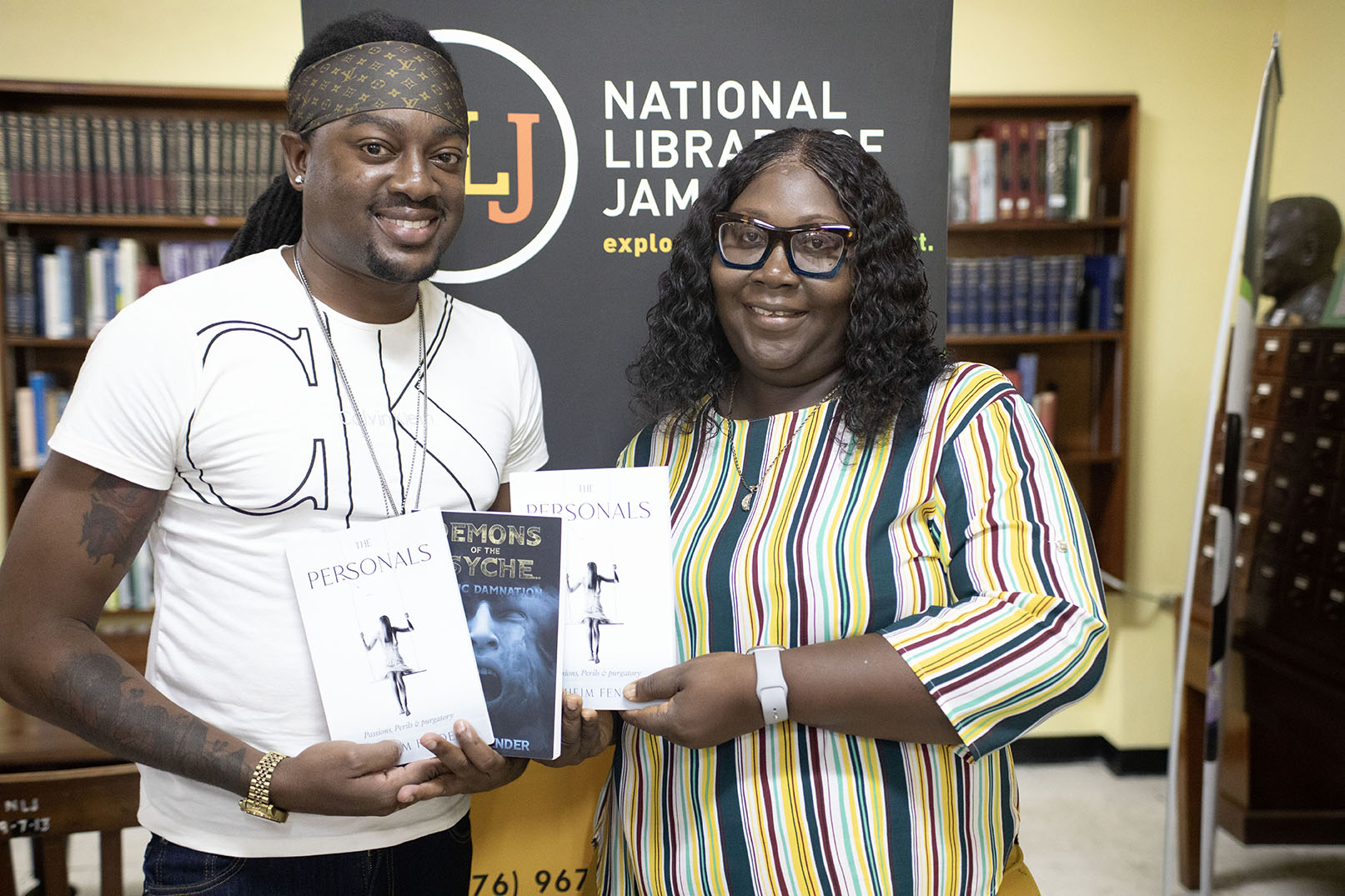

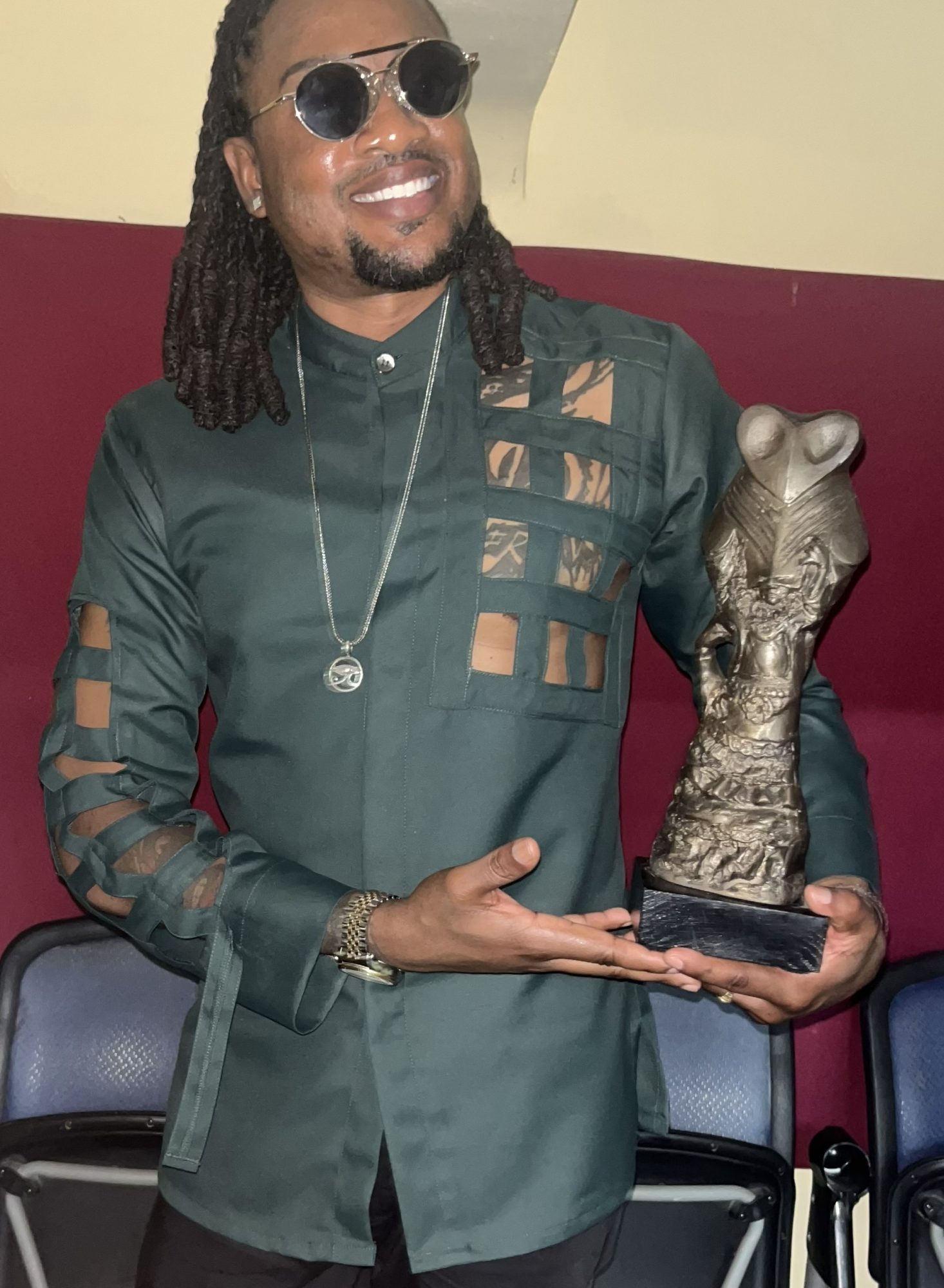
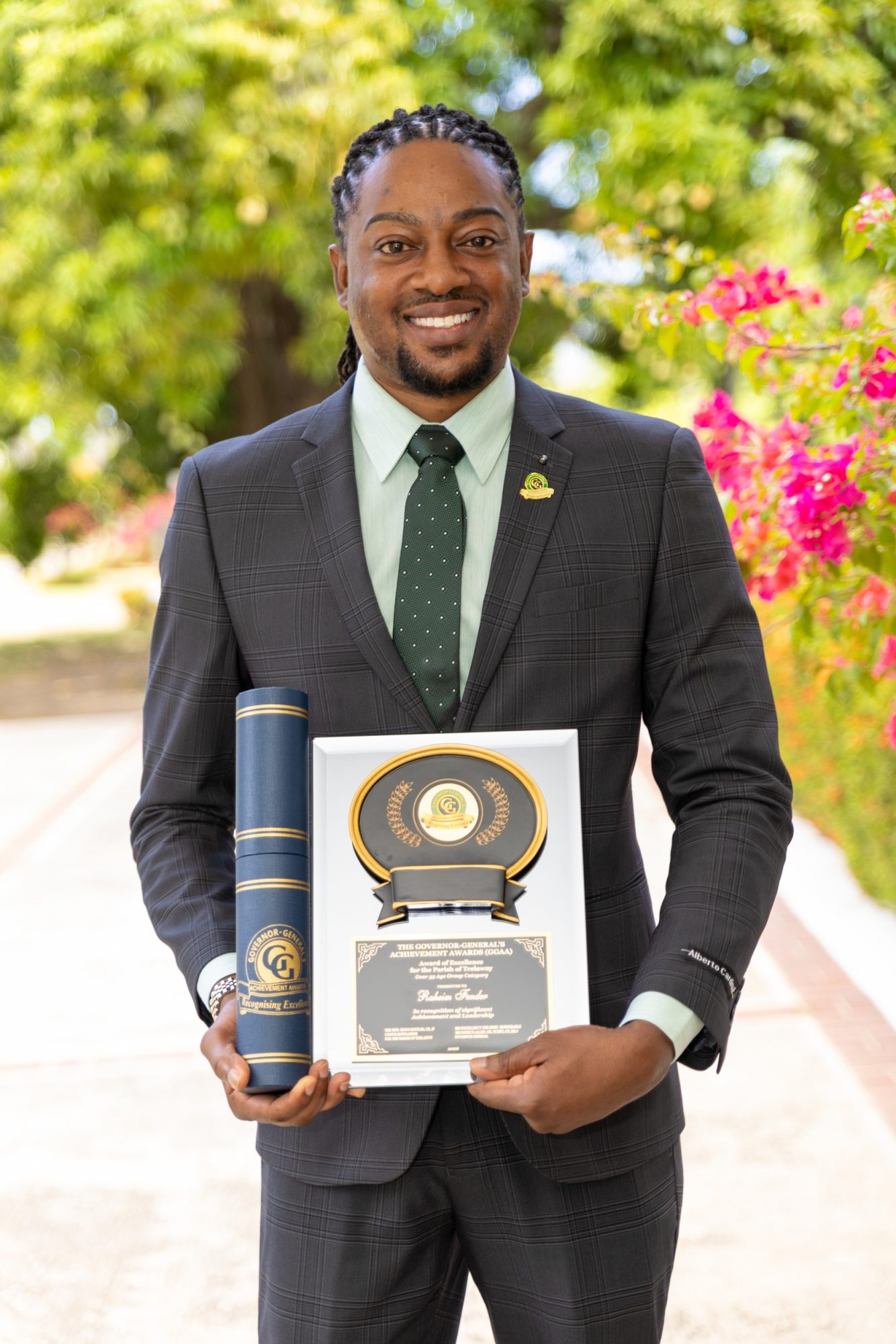
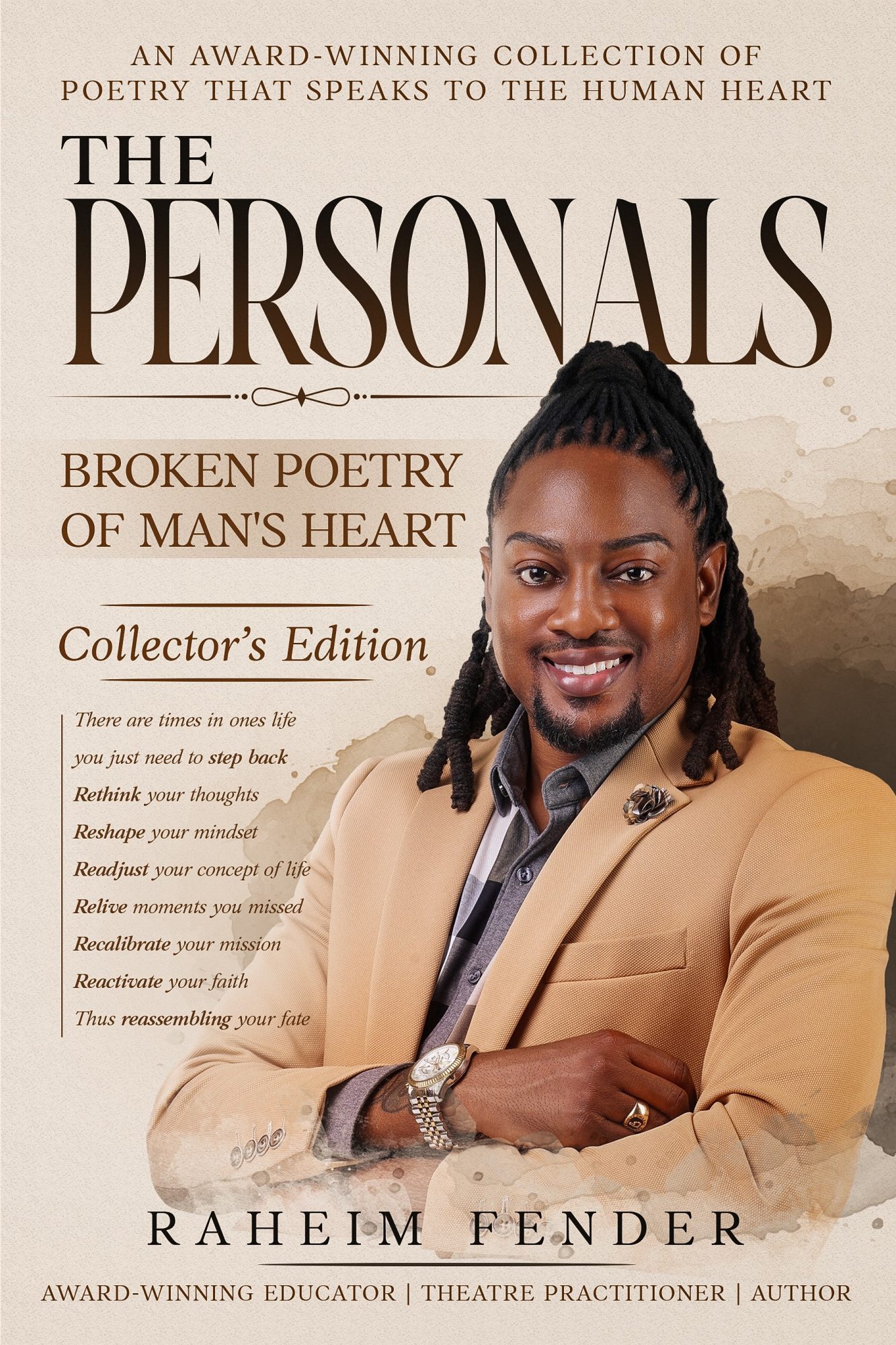
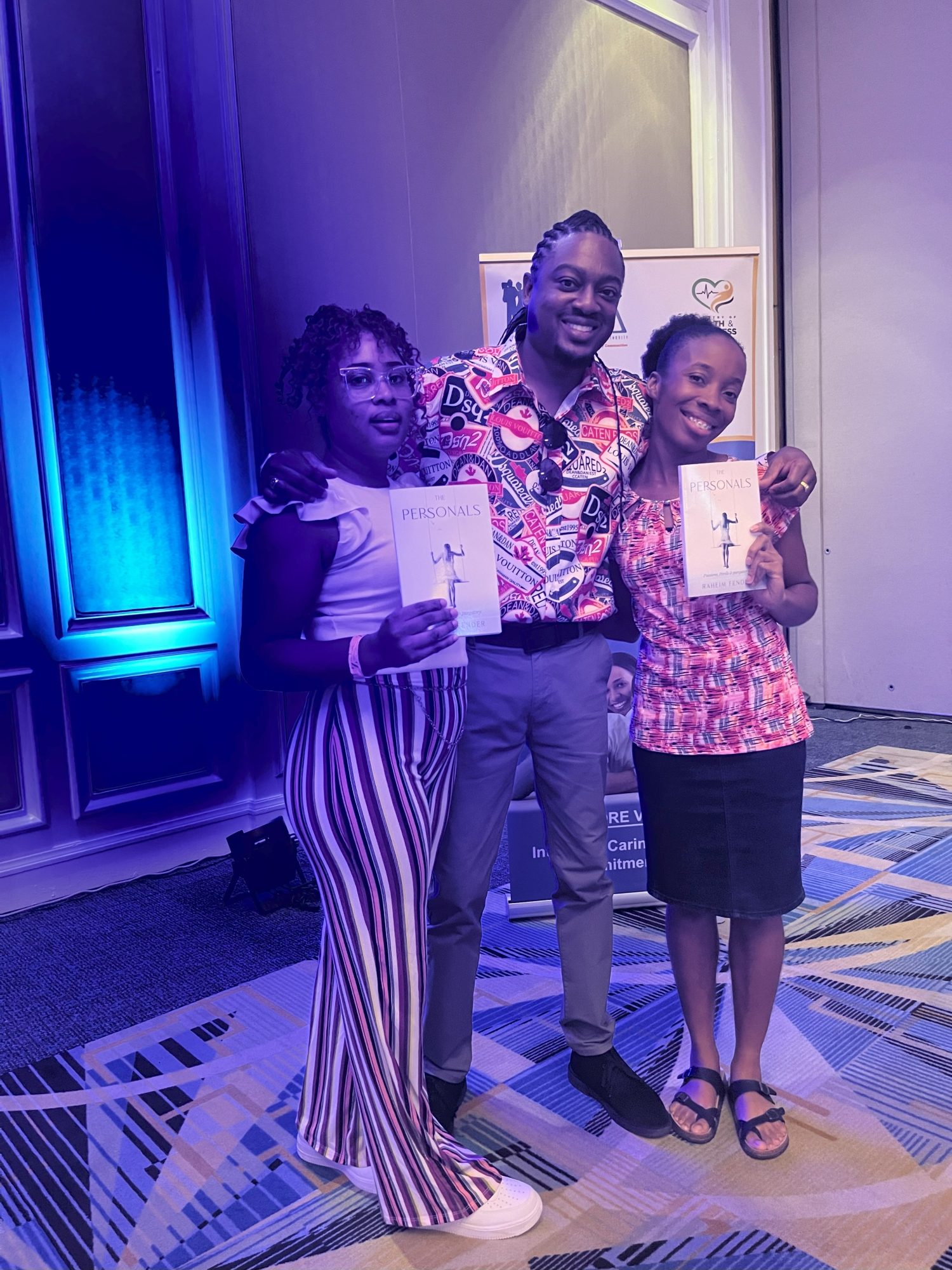
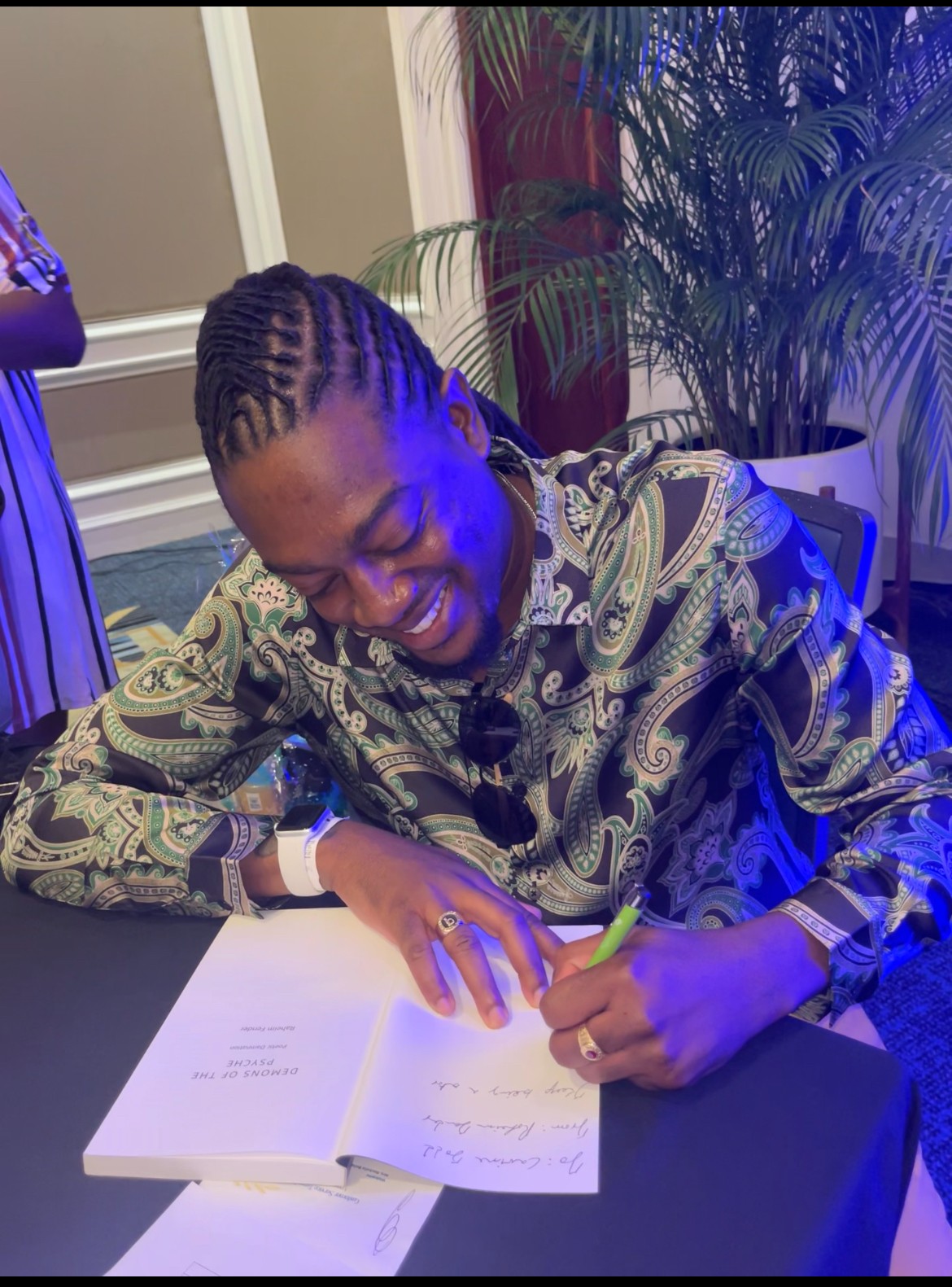
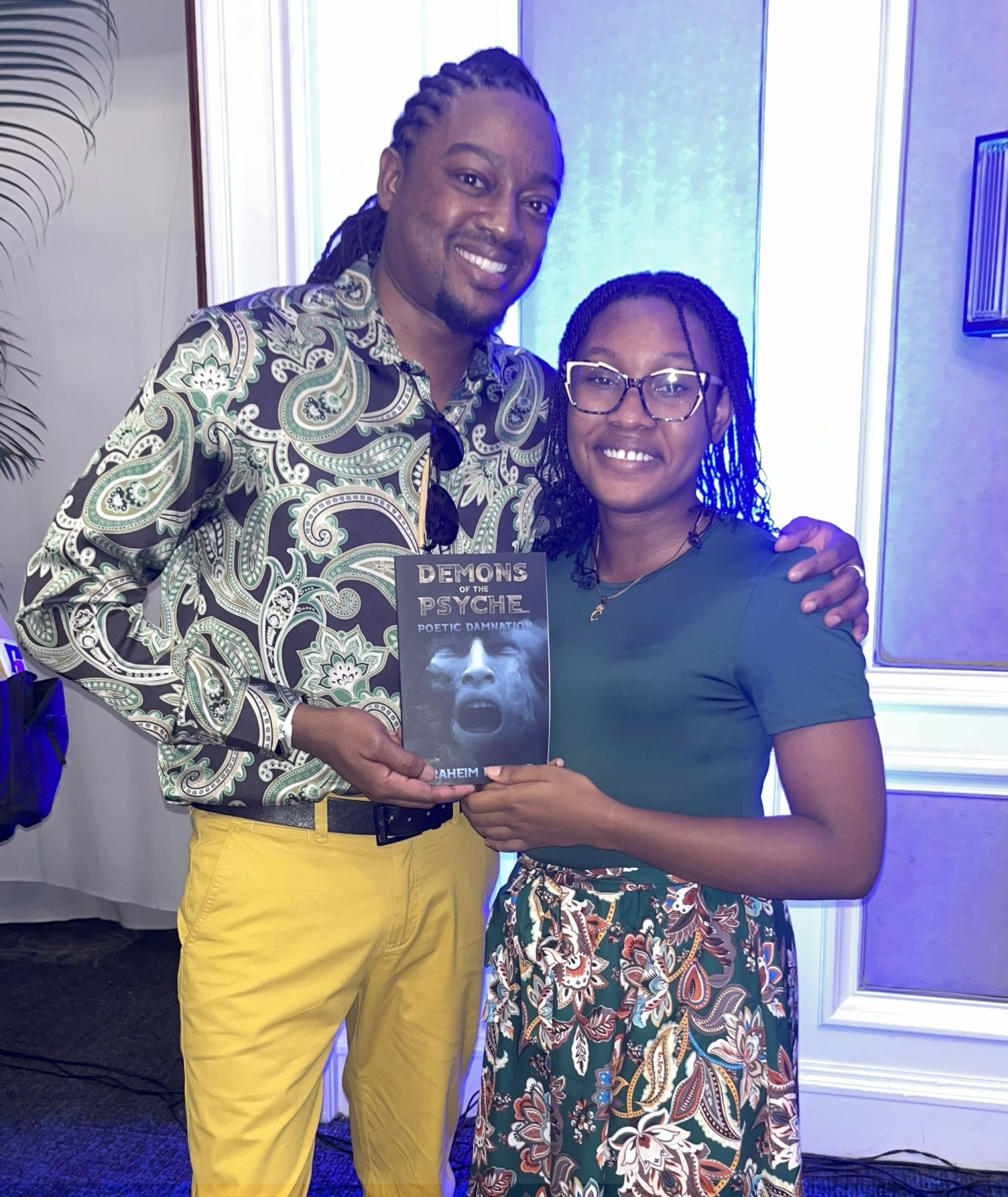
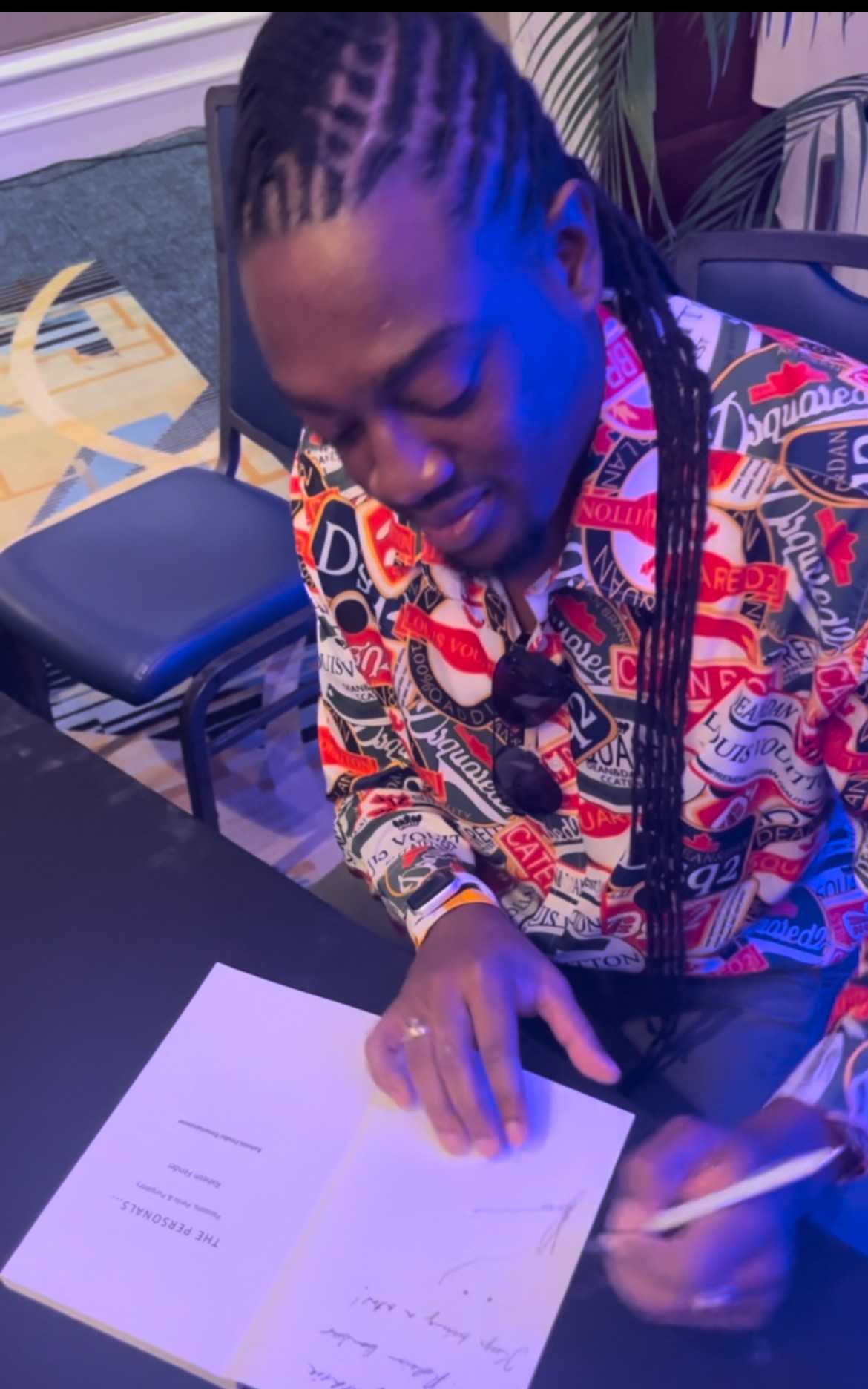
Image Credits
Dario Shields
Popular
-

Portraits of the Valley
-

LA’s Most Inspiring Stories
-

Greg Hex Is Turning the Everyday Kitchen Knife Into a Modern Design Object
-

Rick Norris Learned That Building a Successful Business Means Building a Life You Actually Want to Live
-

How Olivia Rush Turned Survival Into a Mission to Help Others Keep Going
-

How Bibi Goldstein Is Helping Entrepreneurs Reclaim Their Time by Embracing the Power of Delegation


