




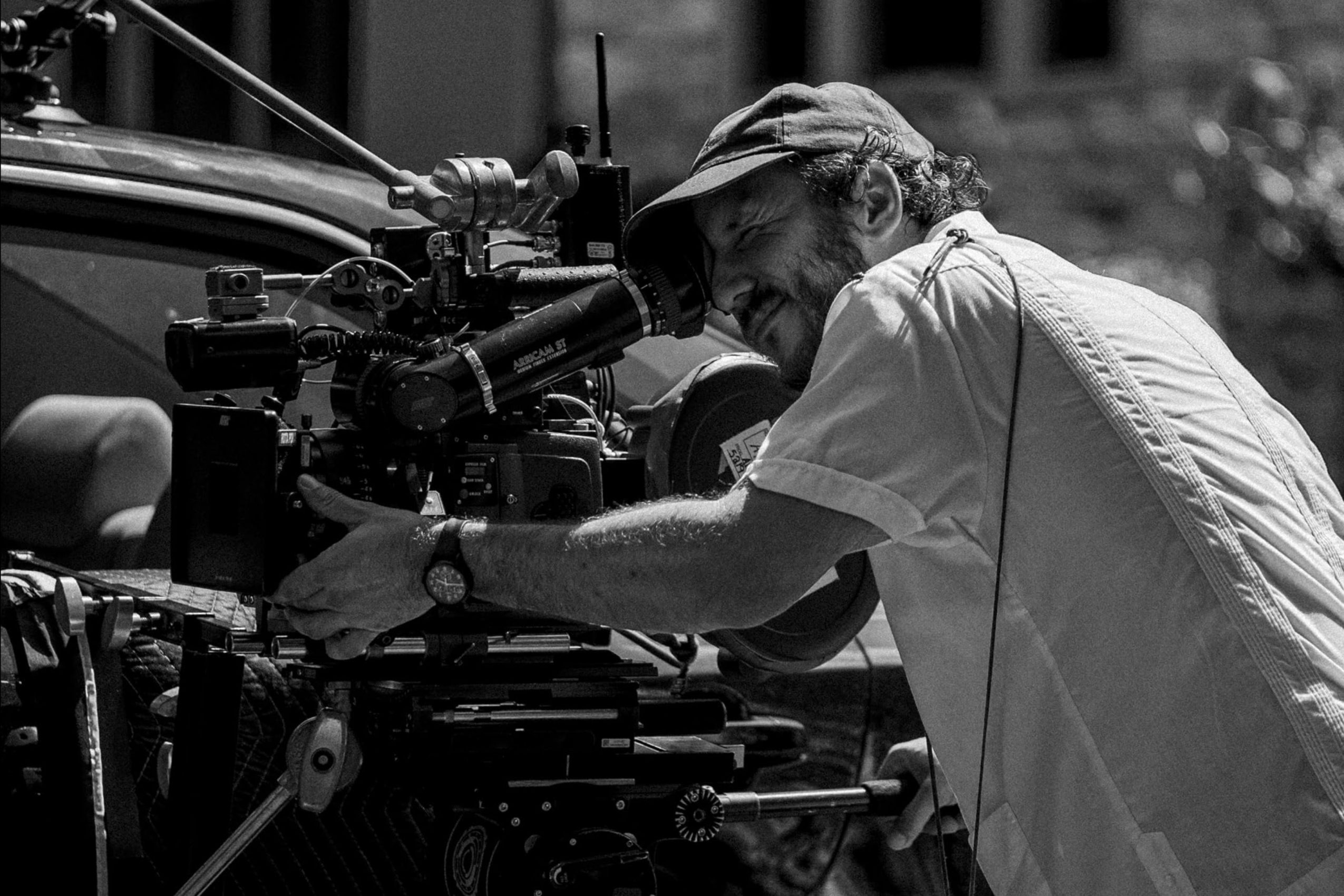
Today we’d like to introduce you to Ben Goodman.
Hi Ben, thanks for joining us today. We’d love for you to start by introducing yourself.
I grew up between New Jersey, New York, and Maryland. Early interests in theater and photography developed into a passion for filmmaking, and I started making films with my best friend in high school. Once I realized it was something I could actually do for a living, I knew it was what I wanted to pursue. I went on to study film production at Emerson College in Boston, focusing on cinematography, and moved to Los Angeles shortly after graduating.
Like many people starting out in the industry, I took just about any opportunity I could find. I worked as a camera PA on short films, assisted a prop master, and, thanks to a chance Craigslist find, landed an internship at a small visual effects company. My boss there introduced me to a friend who ran a small production company, and before long I was working there as an editor and graphic designer. Eventually, I convinced him to let me shoot projects as well, and over time, I phased out everything but cinematography.
Early on, a mentor gave me a piece of advice that really stuck with me. Rather than starting at the bottom of the ladder on big productions and working my way up, he encouraged me to start in the role I ultimately wanted, even if it meant working on the smallest projects imaginable. The idea was to grow alongside the work rather than wait for someone to give me the opportunity.
I took that advice to heart, and it’s largely how I’ve built my career. Over time, those small projects became bigger ones, and I’ve been incredibly fortunate to collaborate with talented filmmakers along the way. Today, I primarily shoot feature films and commercials, and I’m still driven by the same curiosity and excitement about filmmaking that got me started.
I’m sure it wasn’t obstacle-free, but would you say the journey has been fairly smooth so far?
I don’t think many people working in the film industry would describe it as a smooth road. It’s an incredibly competitive field, and so much of finding success comes down to relationships, timing, and a fair amount of luck. There are countless factors outside of our control, and the industry itself is constantly shifting in response to broader forces like the economy, new technologies, and so on. Opportunities can be hard to come by, and even harder to sustain. One of the biggest challenges for me has been finding ways to grow into larger-scale projects. Doing good work doesn’t always guarantee the next opportunity, and you have to be prepared to sustain yourself through long stretches without work. I’ve had countless near-misses, promising projects that fell apart, and others that ultimately went to someone else.
I think the hardest part is learning to navigate the uncertainty of it all without losing the passion that brought me here in the first place. There’s always another milestone you’re working toward, and it’s easy to get caught up in what you haven’t accomplished rather than appreciating how far you’ve come. I’m still figuring out that balance.
Alright, so let’s switch gears a bit and talk business. What should we know about your work?
I’m a cinematographer working primarily in feature films and commercials. I believe every project calls for its own visual language, and much of what I enjoy about the process is discovering that language in collaboration with the director. Rather than approaching a project with a predetermined style, I let the material inform the creative decisions we make.
I have a strong technical foundation and work across a wide variety of digital and analog film formats. My background in color grading and post-production has also had a significant influence on how I approach cinematography, giving me a thorough understanding of the entire image-making process, from capture through finishing. Understanding how an image can be shaped and refined long after it leaves the camera informs the decisions I make on set and allows me to think about the final image from the very beginning of the process.
We all have a different way of looking at and defining success. How do you define success?
Early on, success meant simply being able to make a living doing what I love. That’s something I’ll never take for granted, but as I reached that milestone, my definition of success began to evolve. Today, I think success is about earning the trust and respect of other filmmakers and building lasting creative relationships. I want to be someone who brings a valuable perspective to the process, both creatively and technically, and someone others want to keep collaborating with.
My goal as a filmmaker is to tell great stories. I’ve always believed that the best cinematography is invisible, in service of the story without drawing attention to itself. If my work can help move an audience, whether to laughter, tears, or anything in between, without pulling them out of the moment, that’s about as meaningful a measure of success as I can imagine.
Contact Info:
- Website: https://www.bengoodman.com
- Instagram: https://www.instagram.com/bengoodman_dp
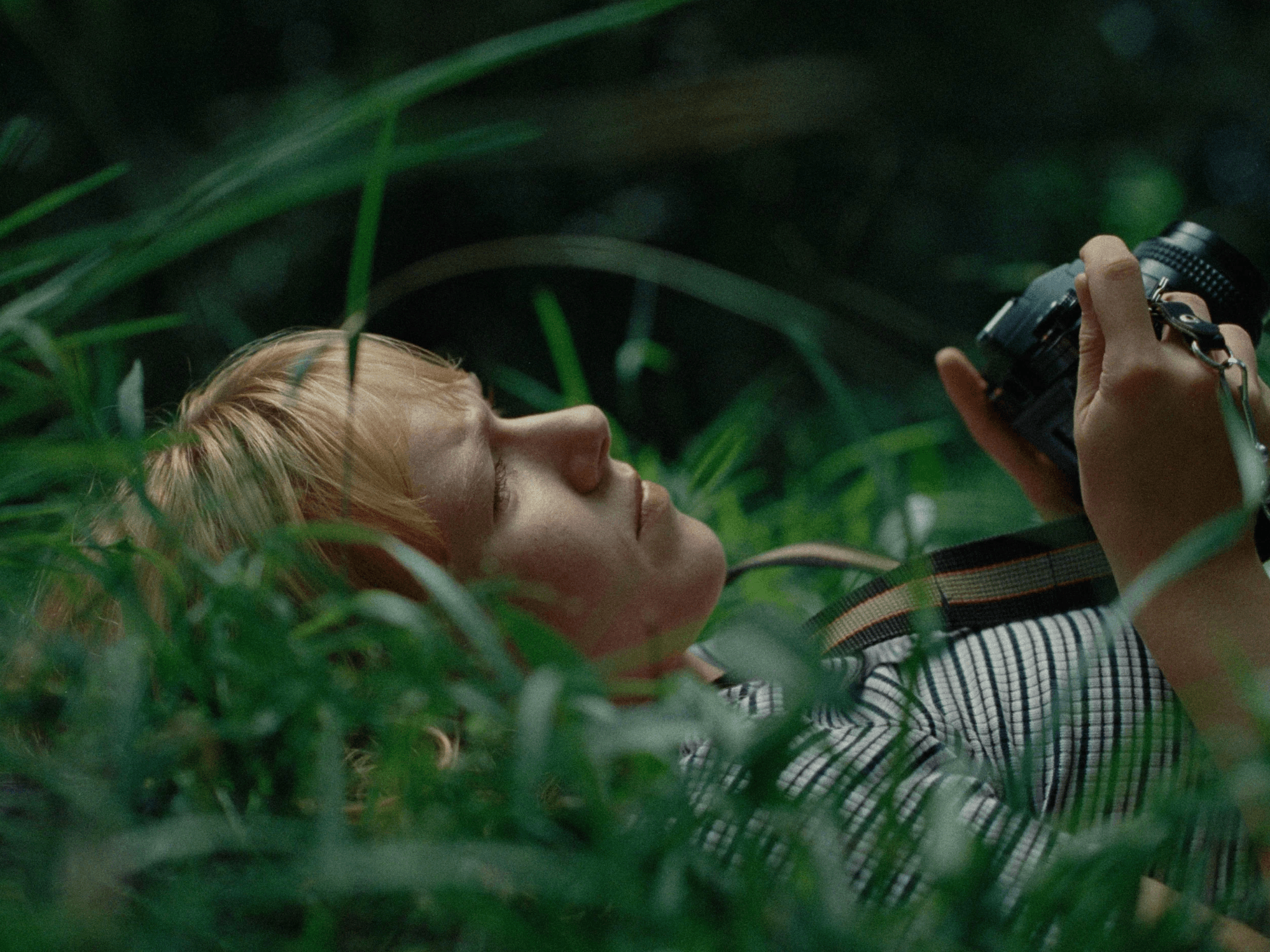
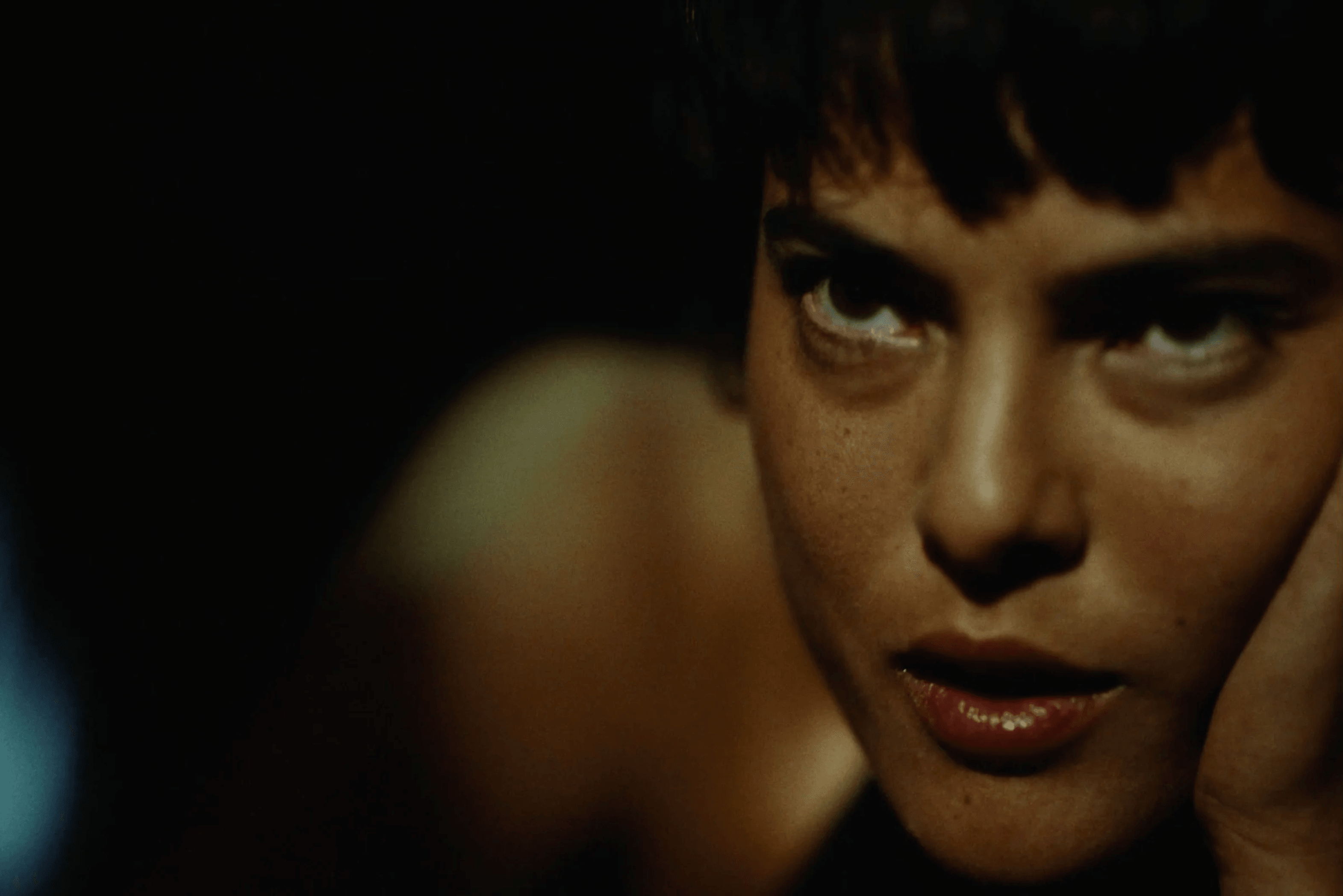
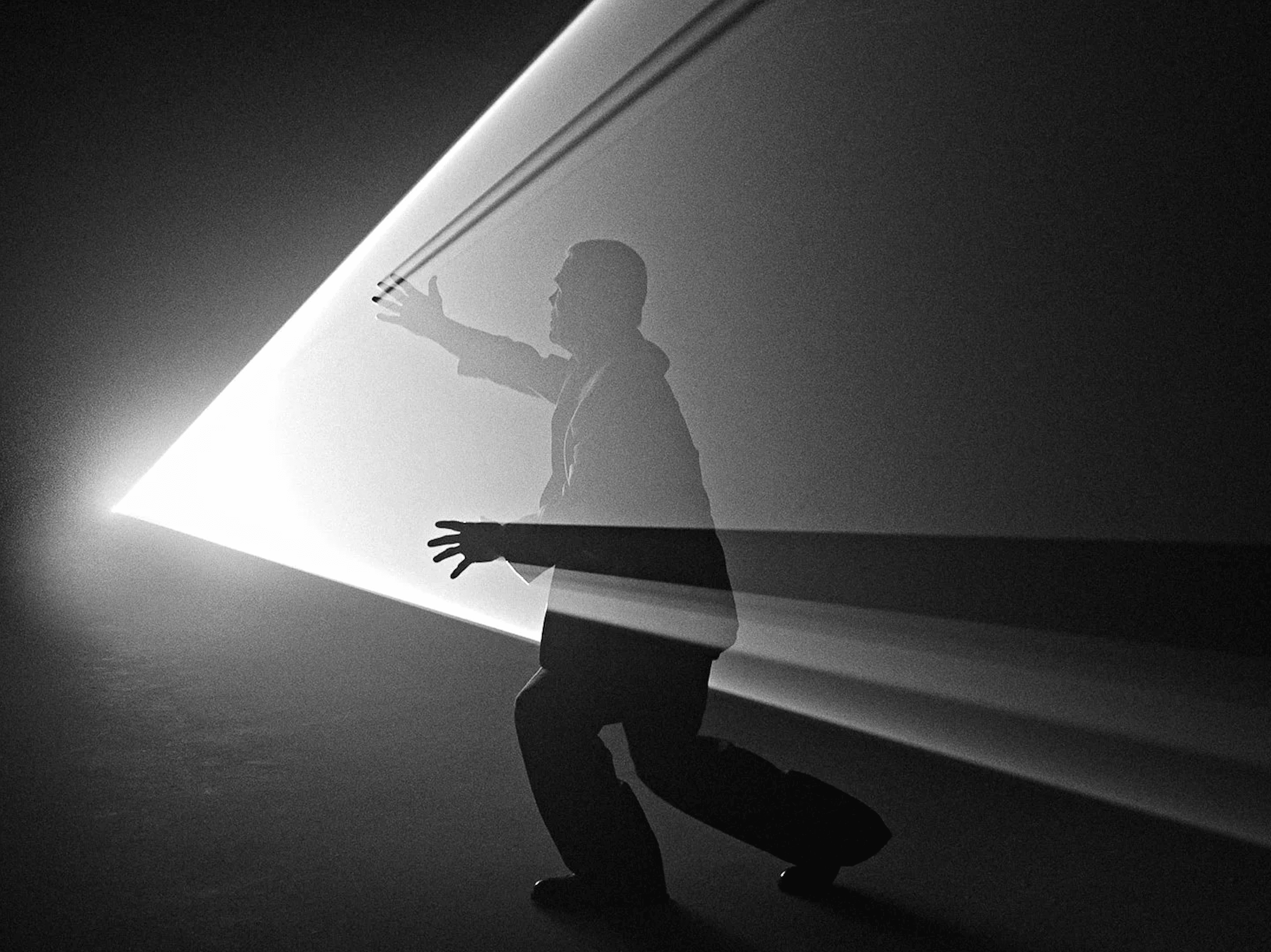
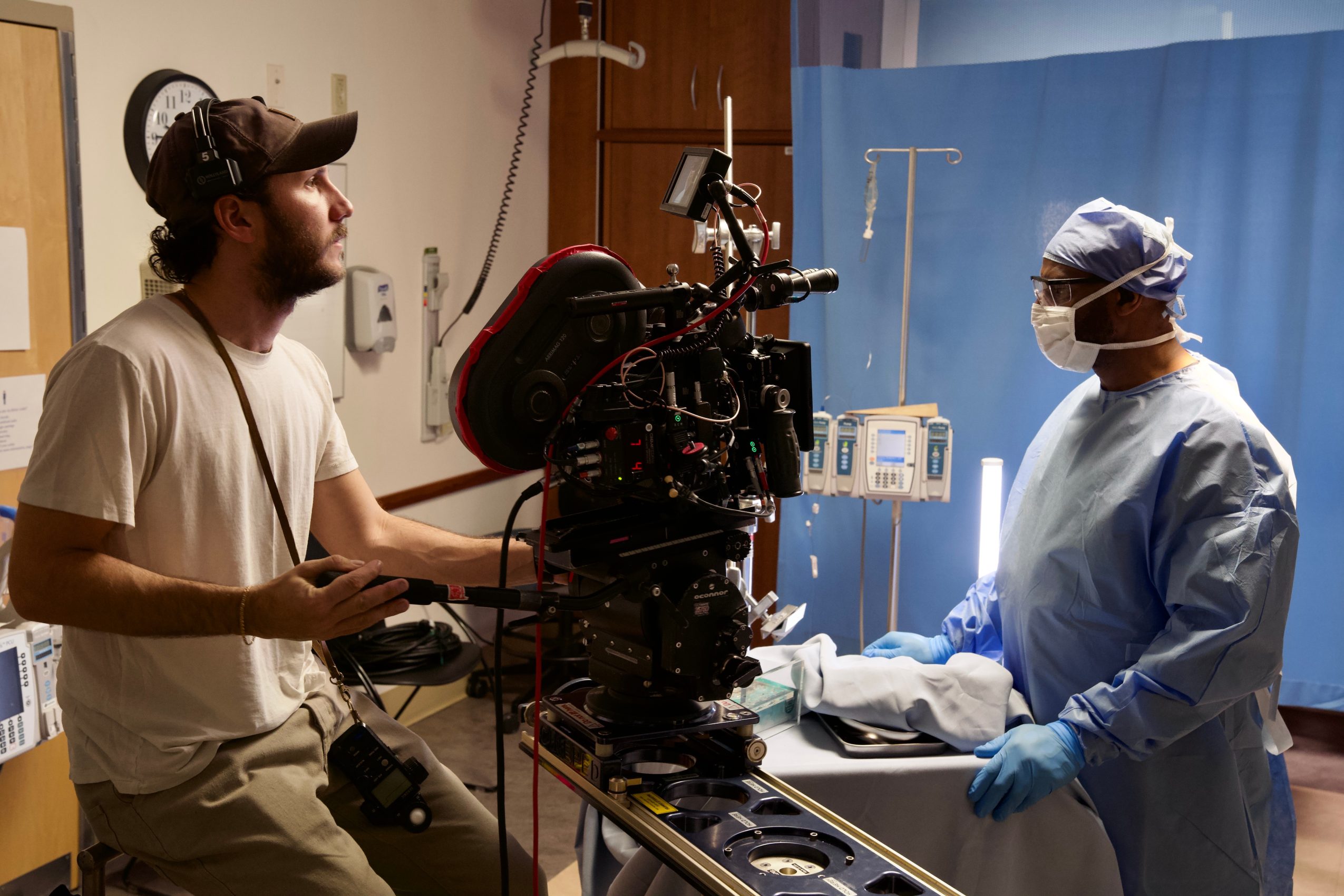
Image Credits
William Christensen, Jared Cowan, Ben Goodman
Popular
-

Portraits of the Valley
-

LA’s Most Inspiring Stories
-

Greg Hex Is Turning the Everyday Kitchen Knife Into a Modern Design Object
-

Rick Norris Learned That Building a Successful Business Means Building a Life You Actually Want to Live
-

How Olivia Rush Turned Survival Into a Mission to Help Others Keep Going
-

How Bibi Goldstein Is Helping Entrepreneurs Reclaim Their Time by Embracing the Power of Delegation


