



Today we’d like to introduce you to Dariush Apfelthaler.
Dariush, we appreciate you taking the time to share your story with us today. Where does your story begin?
I’ve been making beats since middle school, starting on my parents’ MacBook Pro. My dad has always been an Apple fan, so I was lucky that we were early adopters of their products. The iPod played a huge role in my early love of music, and when I discovered GarageBand on that MacBook Pro in sixth grade, I was instantly hooked. I never imagined it could become a career. In the beginning, it was just fun.
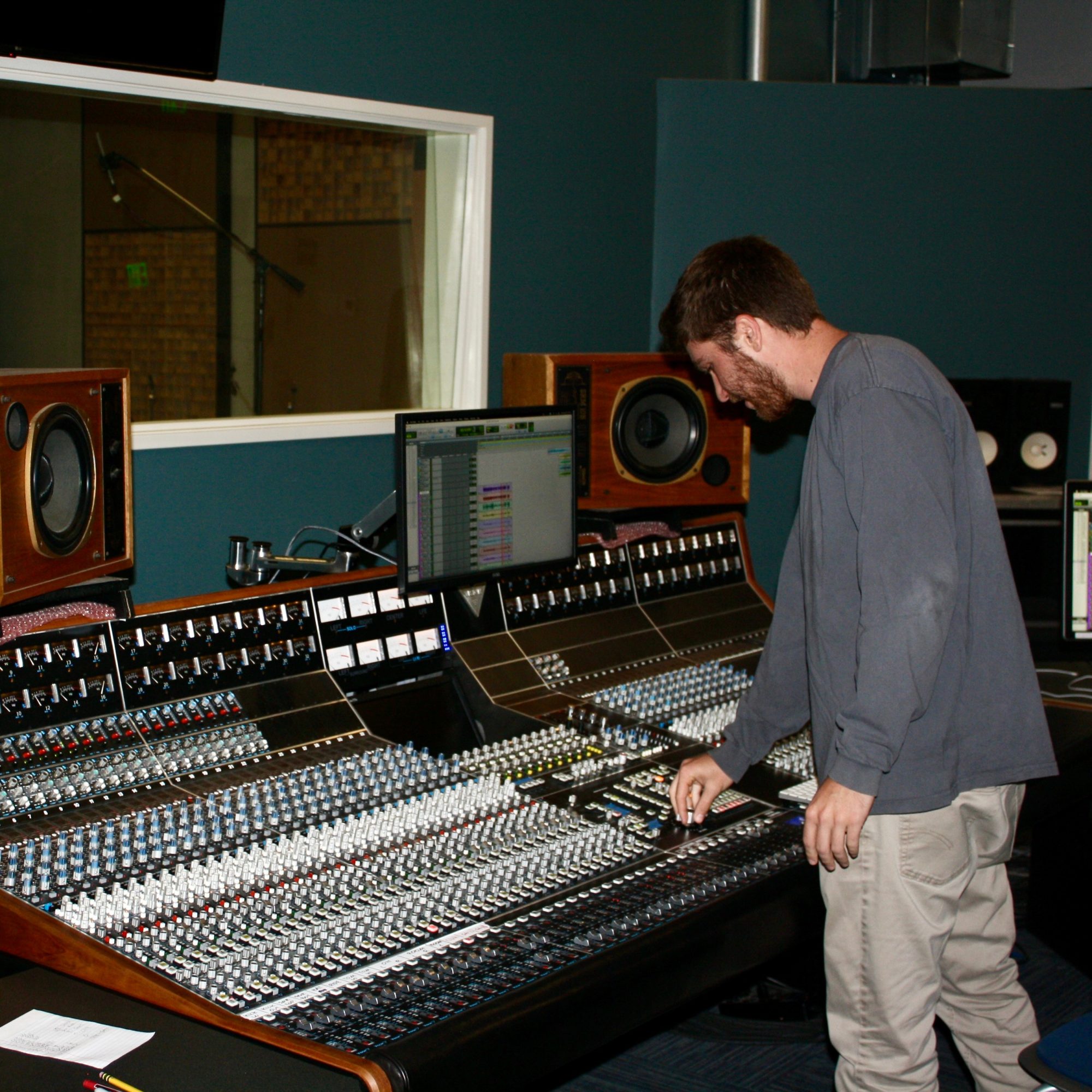
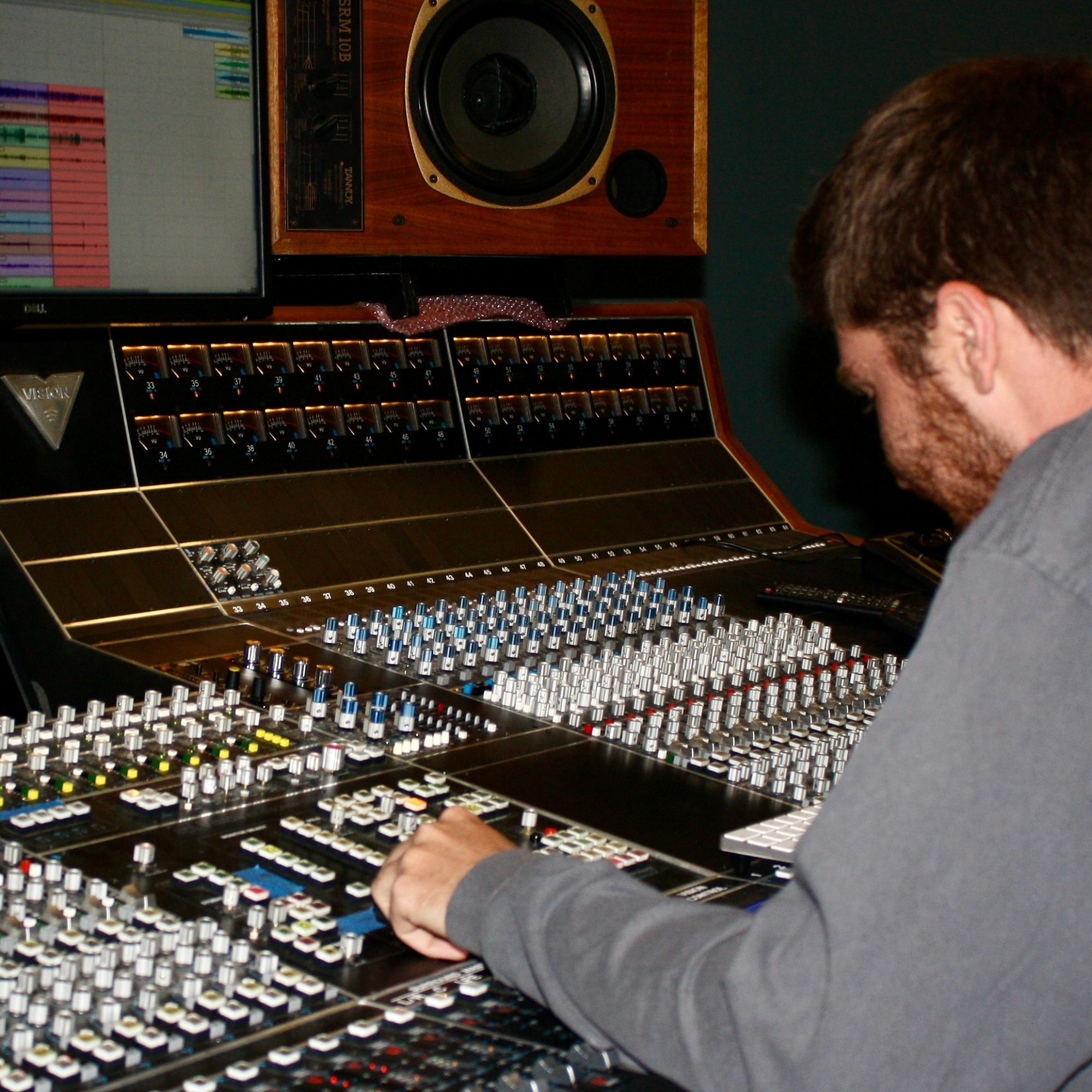
Fast forward to my second year of college. I was studying physics and mathematics, but I didn’t have a real passion for it, and I felt lost about what I wanted to do with my life. I’d rush out of class just so I could get back on my laptop and make beats. Then one day I found out my school had a recording studio on campus, and that music students had 24/7 access to it. Something in my gut told me that’s what I had to do, so I switched my major to music production right away. Thankfully, my parents were very supportive and could see my passion and drive.
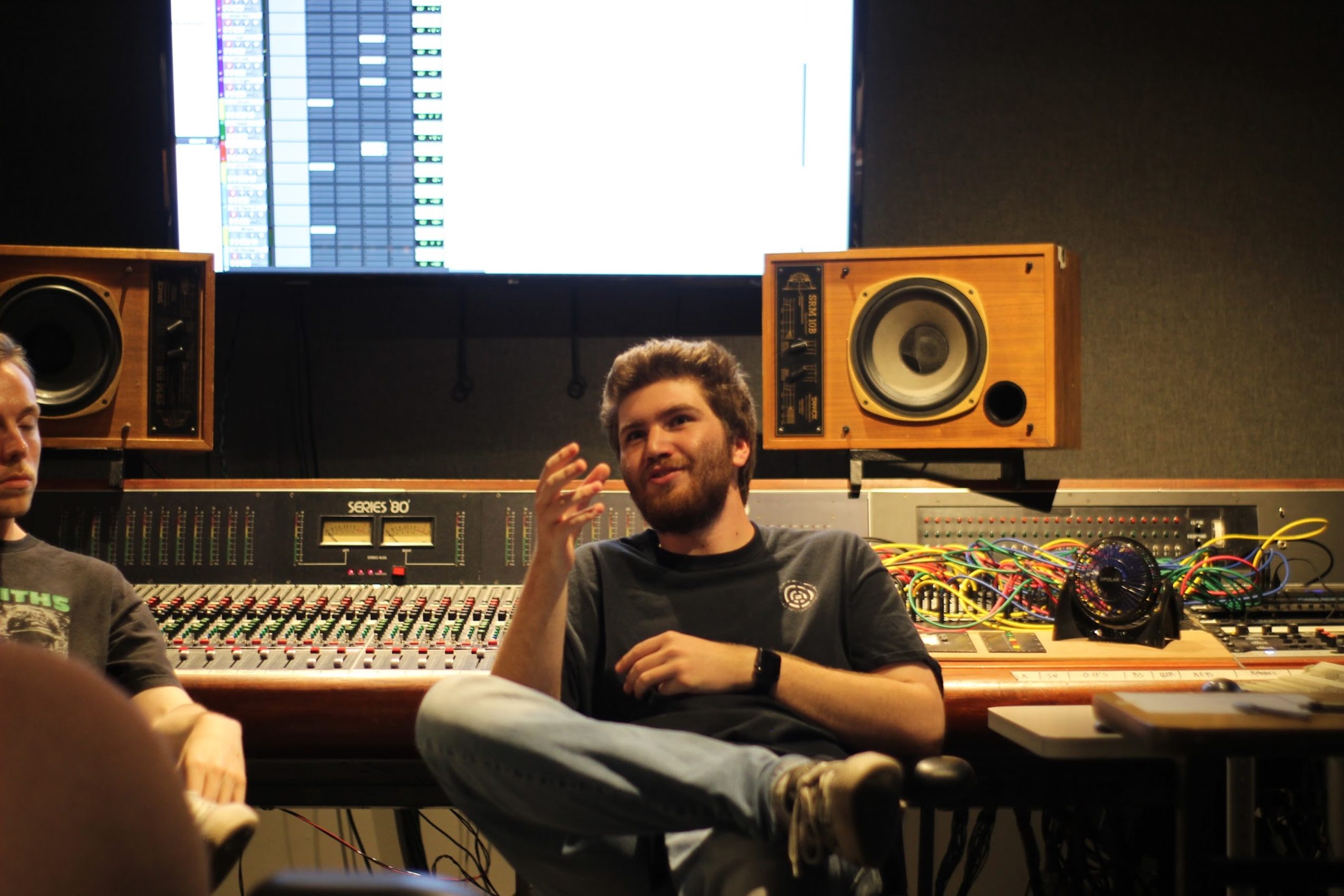
I learned a lot from professors with real industry experience, like Daniel Aguilar and Benny Faccone. I ended up becoming just as passionate about audio engineering (recording, mixing, and mastering) as I was about production. I was also lucky to work with some very creative artists who were fellow students, which exposed me to a wide range of genres, styles, and workflows. I spent every spare moment in that studio and had the privilege of working on so many projects. It was a lot of fun.
Then the pandemic hit right as I graduated. The plan was to intern at a studio in LA, but with everything shut down, I had to figure something else out. I took my business online, selling beats on BeatStars and offering recording, mixing, and mastering through EngineEars, and I’ve been working remotely ever since.
Would you say it’s been a smooth road, and if not what are some of the biggest challenges you’ve faced along the way?
I don’t think any creative path is ever a smooth road. There’s a lot of trial and error. Just figuring out the music industry was a headache at first, because there’s so much misinformation about the business side. How do royalty splits work? What’s the difference between master royalties and publishing? What percentage does a producer get? Is a producer considered a songwriter? If I’m recording, producing, mixing, and mastering a record, what does that compensation look like? Do I charge by the hour for recording sessions? Do I sell nonexclusive or exclusive licenses for my beats? How does sampling work? What happens if I send the same beat to multiple artists and they each make a song?
Ask 100 producers or engineers those questions and you’ll get 100 different answers. And that’s just the business side, on top of trying to stay creative, make dope music, and keep getting better at your craft.
I had to learn to turn down the noise and focus on the signal. For me, that means focusing on the actual craft of producing and engineering, and trusting that the rest will figure itself out. I also had to accept that mistakes would be made. What mattered was learning from them instead of letting them slow me down.
Thanks for sharing that. So, maybe next you can tell us a bit more about your work?
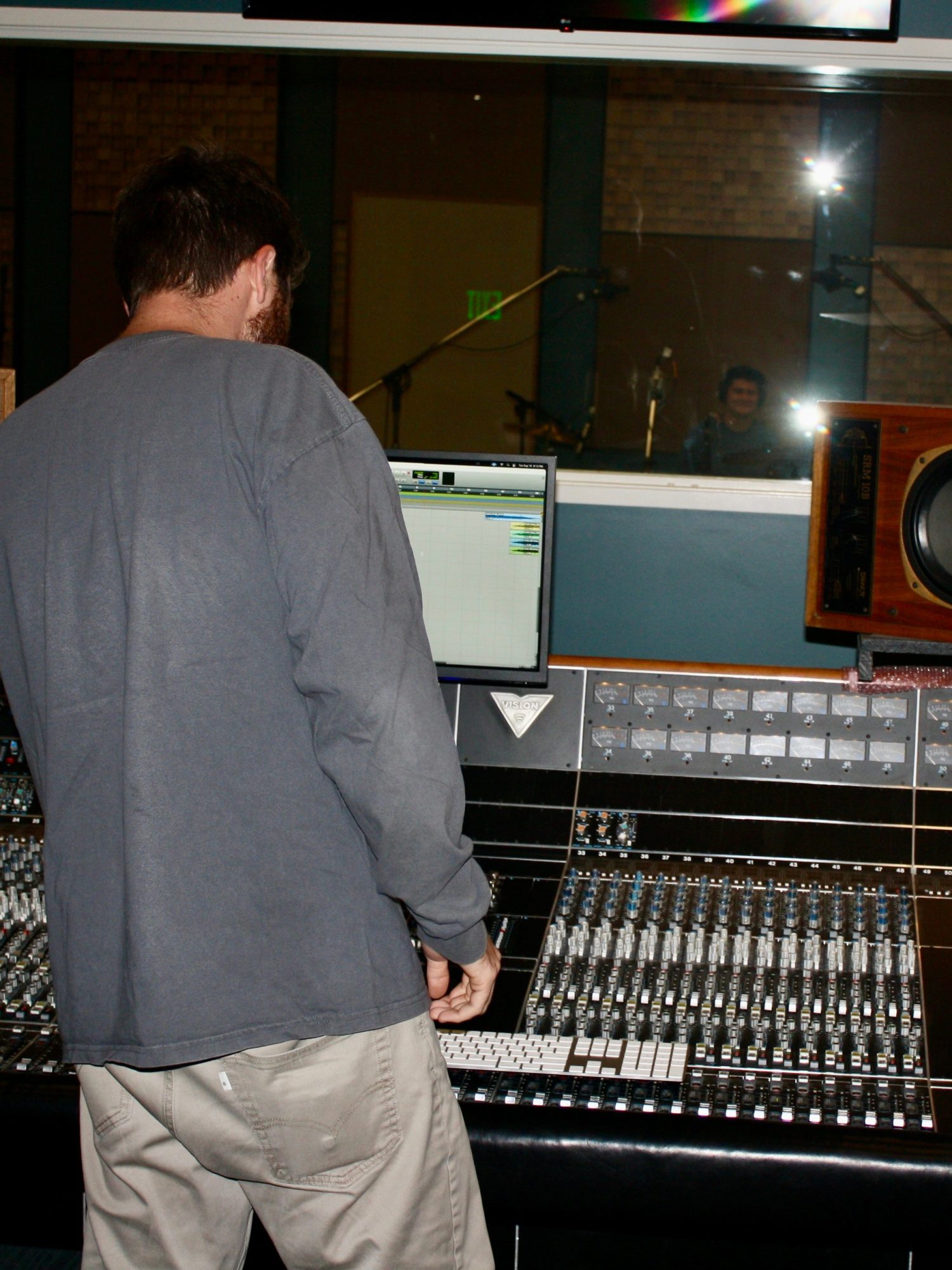
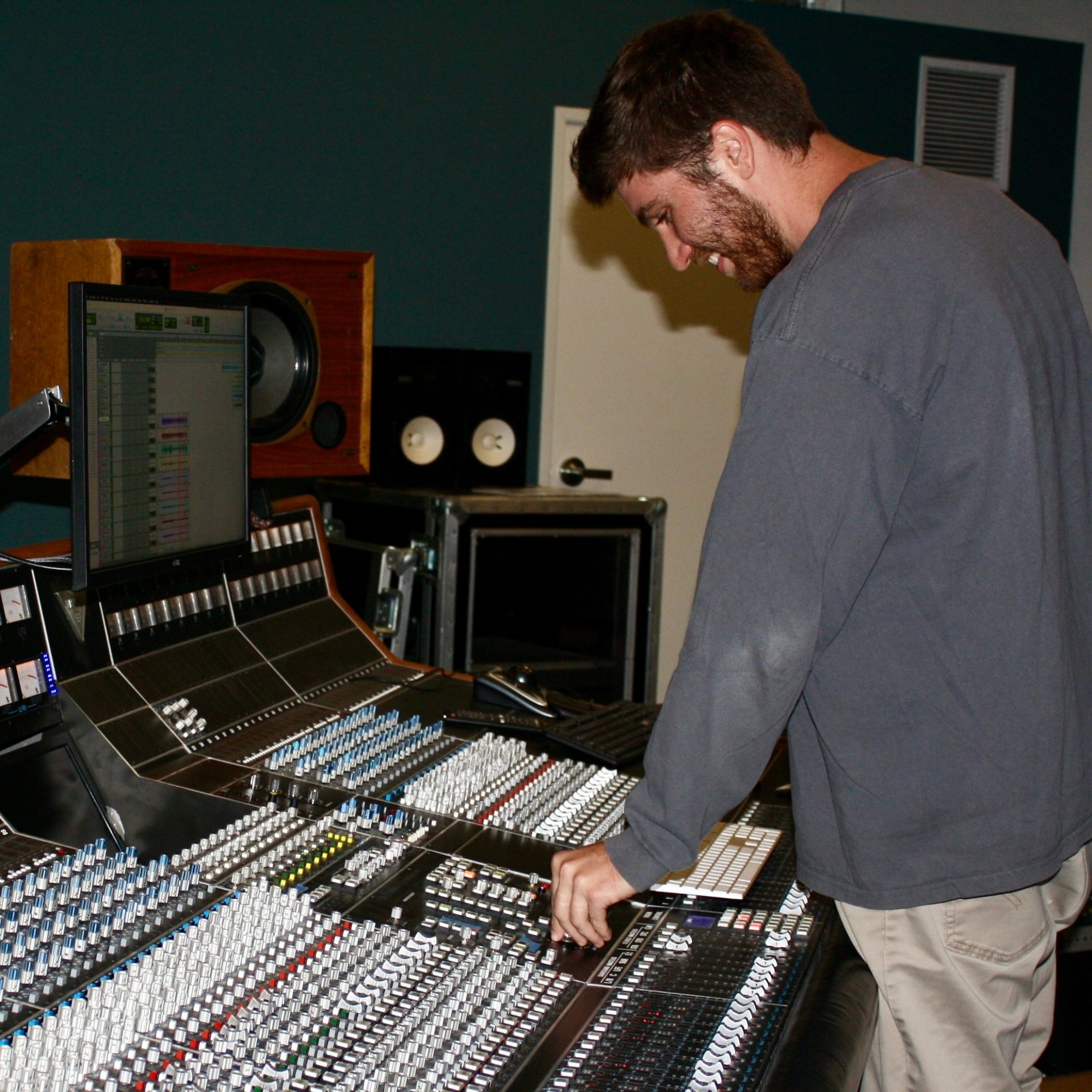
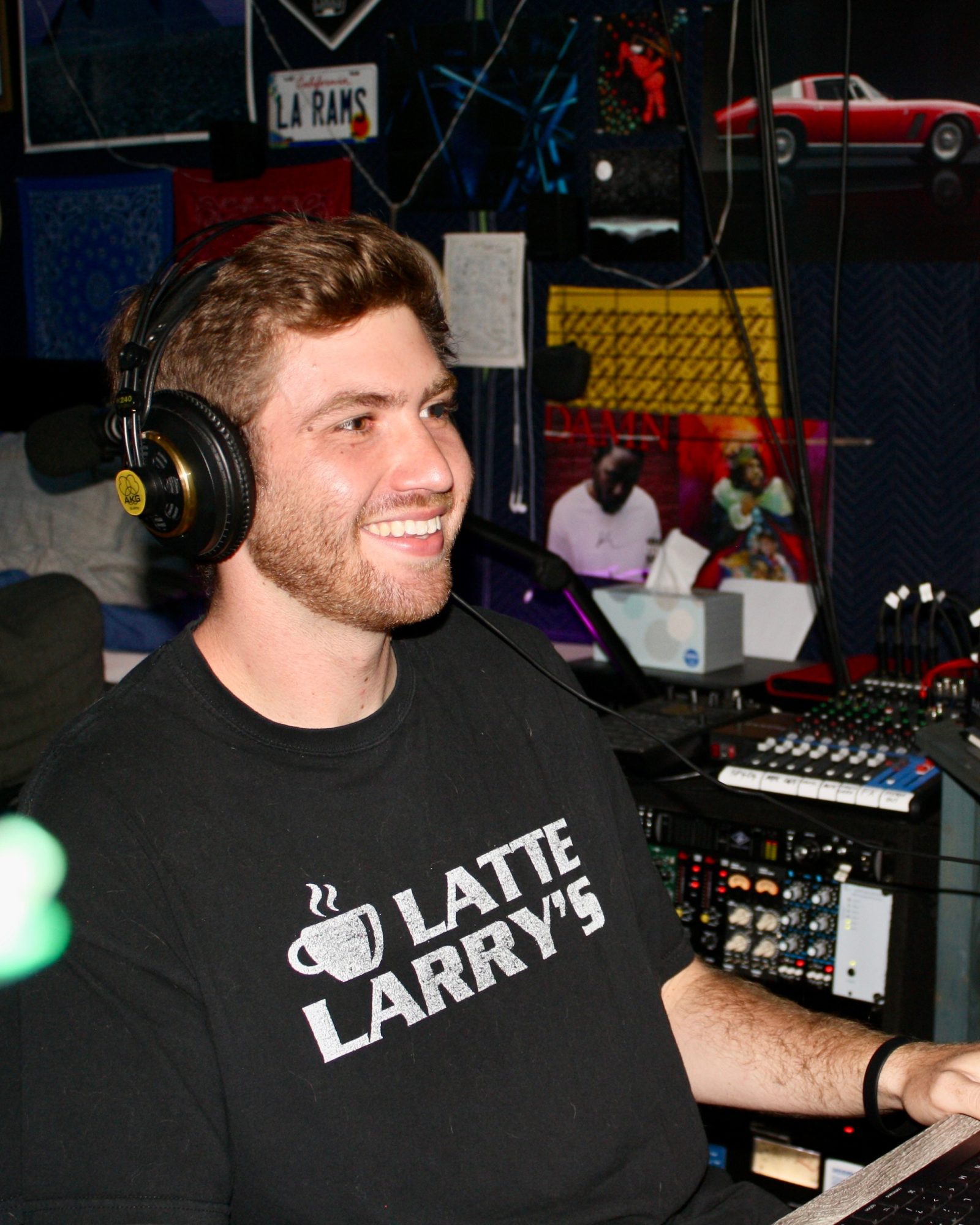
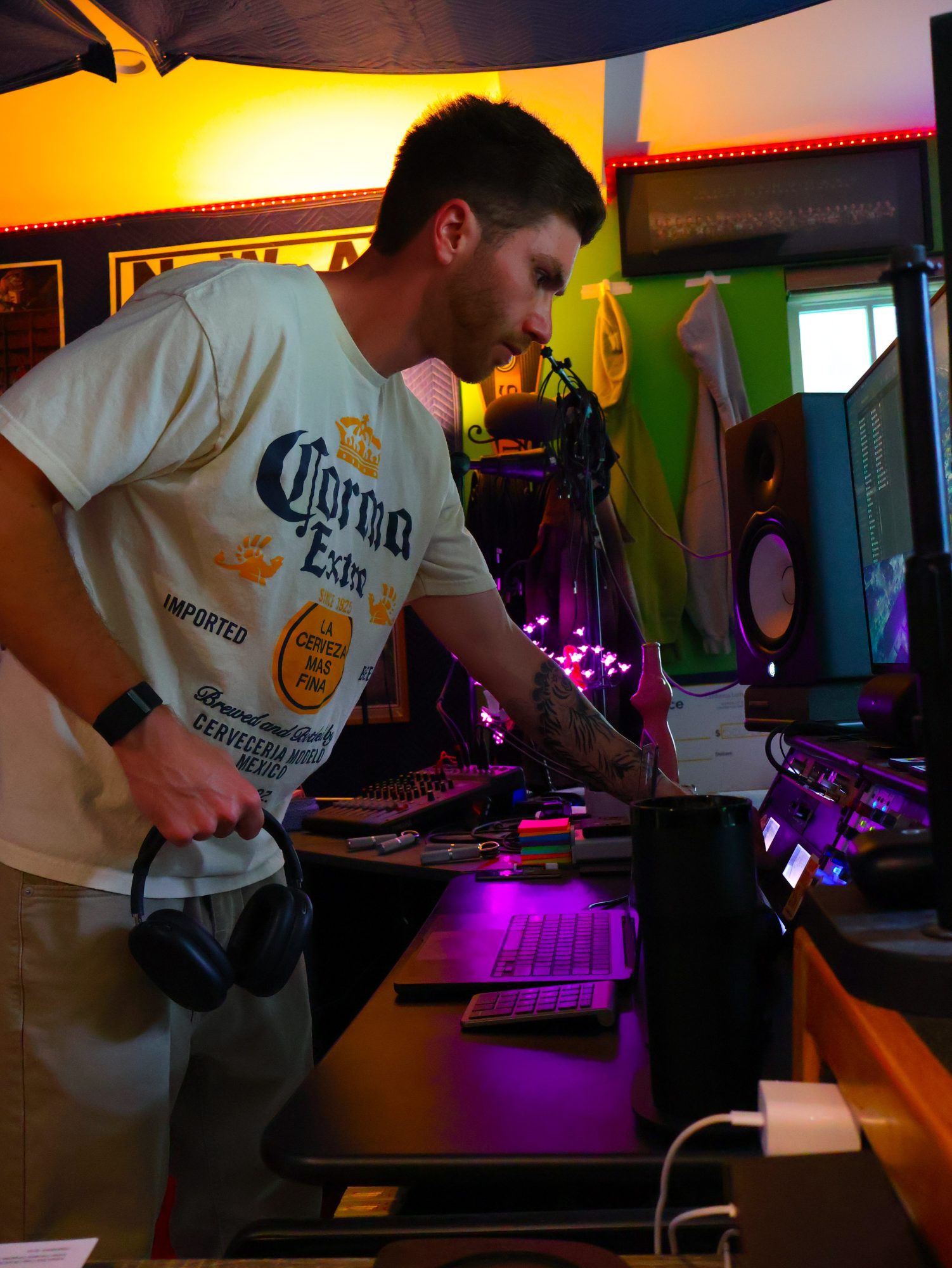
I wear multiple hats in the music creation process. I make beats from scratch, I produce on top of ideas that have already been started, and I’m also a recording, mixing, and mastering engineer. I’m in service to the artist, so I fill in wherever they need me. Some artists just want packs of beats so they can build the whole song themselves. Sometimes I’m only the recording engineer for a session. Other times I’m the mixing or mastering engineer, and sometimes I handle the whole process from start to finish. My job is to let the artist express themselves and help them create something they’re happy with. When I’m not working with artists directly, I’m making beats on my own and posting them on YouTube and BeatStars for anyone who wants to buy them.
My production is built on samples and inspired by how hip hop started in the ’70s. My influences include Dr. Dre, J Dilla, 9th Wonder, DJ Premier, The Alchemist, Flying Lotus, Knxwledge, and so many more that it would take pages to list them all. That sampled sound resonates with me the most, but I find beauty and joy in every genre and style. I think that’s what sets me apart: I adapt to serve the artist instead of imposing my own direction on a project. That’s why I’ve been lucky enough to work on hip hop, R&B, rock, pop, jazz, reggaeton, and folk. At the end of the day, music is music. Genres are mostly a way for the industry to classify and sell records. To me, it’s about the emotion a piece of music makes you feel, and that comes in all colors, shapes, and sizes.
To be honest, I’m not sure what I’m most proud of. I’m not the type to look backward; I tend to stay focused on what’s in front of me. One moment that does come to mind is recording Freddie Gibbs in the studio. He’s one of my favorite rappers, so that was surreal. I can’t say too much about it, though, since a lot of that work hasn’t been released yet.
Where do you see things going in the next 5-10 years?
I think the whole world is about to change in a major way over the next five to ten years, not just the music industry. Obviously, one of the biggest topics right now is AI, and who knows where that will go. I’m usually all for technological progress and have always been an early adopter, but there’s something a little gross about AI in creative spaces. I’ll be honest: I experimented with Suno for a while when I first learned about it. It was okay, but it still has a long way to go before it can create something truly great, if that’s even possible.
The cliché thing to say is “it’s a tool that can help the process,” and I agree with that to an extent, but there are major concerns that need to be addressed. The first is consent. AI companies shouldn’t be allowed to train their models on copyrighted music without the explicit consent of the people who own it. In my opinion, training a model on everyone’s songs without permission is highway robbery, and it should come with serious legal consequences.
The second is compensation, and I’m honestly not sure how that will work. Say someone creates a pop song on Suno, and the model draws on a little Billie Eilish, a bit of Dua Lipa, and some Olivia Rodrigo, assuming they all consented to having their music used for training. How would they get paid? Do they each get a split of the master? The publishing? That has to be figured out. Sadly, the government is always about a decade behind on emerging technology, so it may be the Wild West for a while.
What I think is more likely is that the AI bubble will burst and put a stop to a lot of the AI slop being created. Suno may get away with it for now, but I don’t see how they can stay profitable charging a monthly subscription while burning through that much energy. Only time will tell.
Contact Info:
- Website: https://www.darshmadebeats.com
- Instagram: https://www.instagram.com/darshmadebeats
- Youtube: https://www.youtube.com/@darshmadebeats
Popular
-

Portraits of the Valley
-

LA’s Most Inspiring Stories
-

Greg Hex Is Turning the Everyday Kitchen Knife Into a Modern Design Object
-

Rick Norris Learned That Building a Successful Business Means Building a Life You Actually Want to Live
-

How Olivia Rush Turned Survival Into a Mission to Help Others Keep Going
-

How Bibi Goldstein Is Helping Entrepreneurs Reclaim Their Time by Embracing the Power of Delegation


