




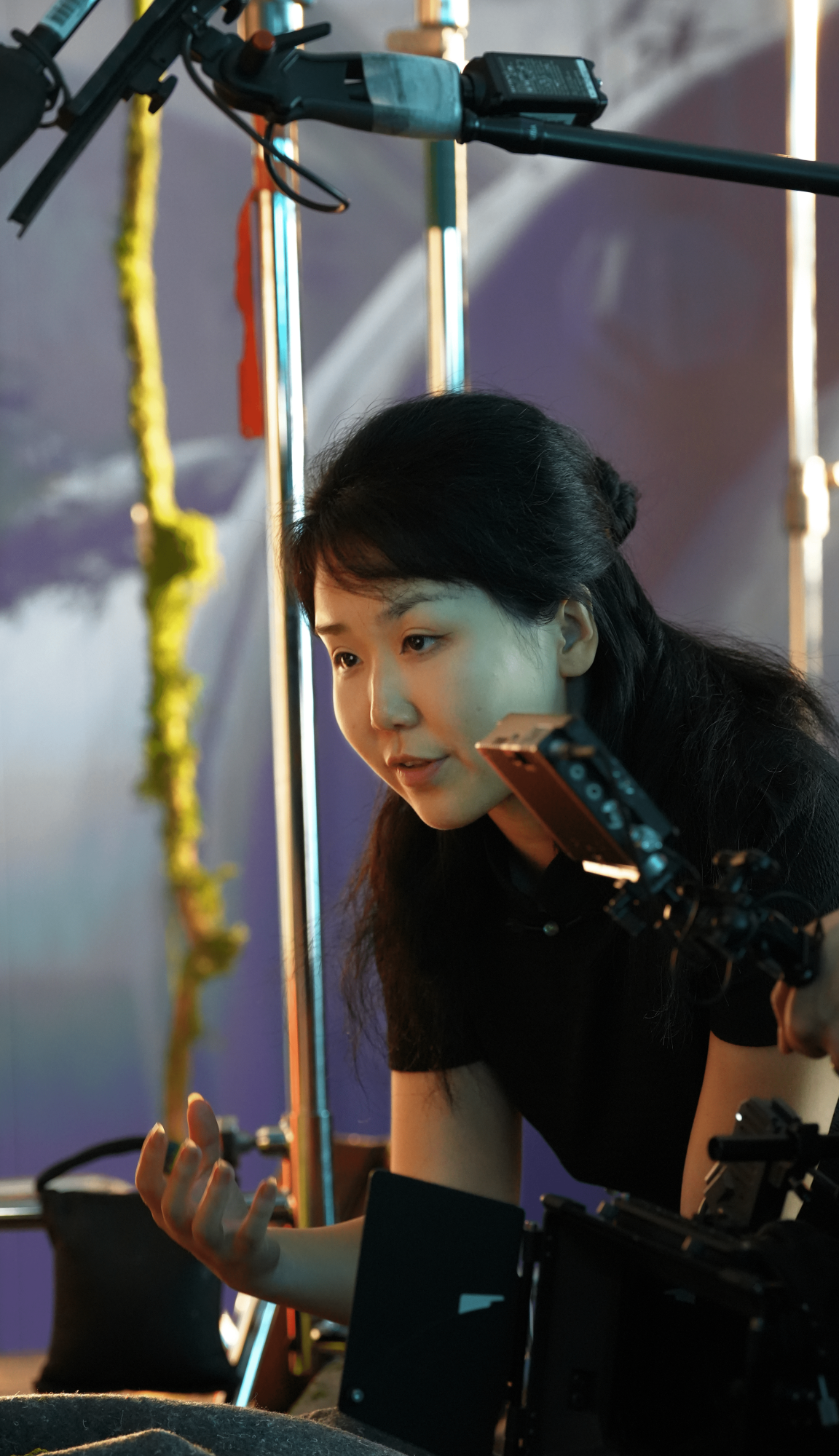
Today we’d like to introduce you to Phoebe Sifan Liu.
Hi Phoebe Sifan, so excited to have you with us today. What can you tell us about your story?
I think my journey into filmmaking began long before I even realized it.
My mother is a filmmaker in China who specializes in sitcoms, so I practically grew up on film sets. As a child, I was fascinated by the magic of filmmaking. I watched ordinary spaces transform into entirely different worlds, and saw how a group of people could come together to bring something imaginary to life. Ever since then, I’ve dreamed of telling my own stories.
That dream eventually brought me from Beijing to the United States, where I studied Media Arts Production at Emerson College and later pursued my MFA in Film and Television Production at the USC School of Cinematic Arts.
Throughout my education, I’ve always tried to explore as many aspects of filmmaking as possible. I’ve worked in directing, producing, cinematography, editing, and various other departments because I believe that to become a good director or creator, you first need to understand how every part of the filmmaking process works. Film is an incredibly collaborative art form, and understanding the perspectives of different departments has helped me become a better storyteller and collaborator.
As a storyteller, I’ve always been drawn to ambitious and imaginative ideas. My stories tend to be surreal, sci-fi, and sometimes a little absurd, but at their core, they’re deeply rooted in reality. I love creating strange, impossible worlds that reflect real social issues and human emotions. To me, fantasy isn’t an escape from reality, but another way of examining it. Sometimes, by stepping outside the rules of our everyday world, we can actually see our own society and ourselves more clearly.
For a long time, my biggest challenge was figuring out how to bring these ambitious ideas to the screen, especially as an independent filmmaker with limited resources. My imagination often felt much bigger than what I could realistically produce.
That started to change when I discovered virtual production, visual effects, and generative AI at USC. Suddenly, worlds that once seemed impossible to create became much more achievable. These technologies opened up an entirely new creative playground for me, giving me the freedom to experiment with unconventional ideas and bring my wildest imagination to life.
What excites me most about emerging technology is not the technology itself, but the creative possibilities it unlocks. I believe technology should serve storytelling, not the other way around. No matter how fantastical the world may be, what ultimately matters to me is the human experience and the emotions that connect us.
Today, I see myself as a filmmaker who loves exploring the intersection of storytelling, art, and emerging technology. I’m constantly looking for new ways to push the boundaries of cinematic storytelling while staying grounded in the things that make us human.
In a way, I think I’m still that little girl growing up on film sets, fascinated by the magic of cinema. The only difference is that now I get to create some of that magic myself.
Can you talk to us a bit about the challenges and lessons you’ve learned along the way. Looking back would you say it’s been easy or smooth in retrospect?
Definitely not! I think filmmaking is a constant process of solving problems, and sometimes it feels like the entire universe is conspiring to make your life more difficult. But strangely enough, that’s also part of what I love about it.
One of my biggest challenges has always been the gap between my creative ambitions and the resources available to me. I’ve never been particularly good at coming up with stories that are easy to produce. My imagination naturally gravitates toward surreal worlds, unusual concepts, and ambitious visuals. But as an independent filmmaker, you’re constantly working with limited budgets, tight schedules, and small teams. Sometimes, an idea that takes five seconds to imagine can take five months to figure out how to put on screen.
My USC thesis film, *Giant’s Jar*, is a perfect example. The story takes place in a surreal world where people live inside transparent jars on giant shelves. Bringing this world to life has been one of the most technically challenging experiences I’ve ever had. The production combines virtual production, VFX, practical sets, miniatures, and AI-assisted techniques. There was no clear blueprint, so much of the process involved experimentation, troubleshooting, and learning entirely new skills.
Another challenge has been balancing my roles as an artist and a producer. I love dreaming up strange worlds, but someone also has to figure out how to fund them, build a team, and make everything happen. I’ve spent countless hours applying for grants, finding collaborators, and researching technical solutions.
But these challenges have taught me to be resourceful, adaptable, and comfortable with uncertainty. I’ve learned that directing isn’t just about having a vision. It’s about finding a way to bring that vision to life and inspiring others to believe in it with you.
I don’t think limitations should determine the size of our imagination. Sometimes, they push us to discover entirely new ways of creating.
As you know, we’re big fans of you and your work. For our readers who might not be as familiar what can you tell them about what you do?
I’m a writer and director specializing in imaginative storytelling that blends surrealism, science fiction, and emerging filmmaking technologies. I’m particularly interested in creating fantastical worlds that reflect real social issues and human emotions.
My work often explores the relationship between individuals and the systems they live within, using unusual perspectives and speculative worlds to question things we tend to take for granted.
One of the projects I’m most proud of is my USC MFA thesis film, *Giant’s Jar*, which received a $15,000 grant from the Amazon Future Cinema Creators Project. It’s a surreal science fiction story about people living inside transparent jars, unaware of the larger world controlling their existence. The film combines virtual production, Unreal Engine, practical filmmaking, VFX, and generative AI to create a world that would have been incredibly difficult to achieve through traditional independent filmmaking alone.
I’m also proud of my previous short film, *Not Your Script*, which was selected for the Thomas Edison Film Festival and received Best Director at the Seoul Short Film Festival and Best Micro Film at Paris Women CineFest. These recognitions have encouraged me to keep experimenting with unconventional storytelling.
Beyond directing, I’m passionate about making emerging filmmaking technologies more accessible to other creators. I’m currently organizing a 48-hour AI filmmaking festival in Los Angeles, bringing together filmmakers, students, and technology companies to experiment, collaborate, and explore new forms of storytelling. I love creating opportunities for people from different creative and technical backgrounds to connect.
I think what sets me apart is that I approach filmmaking from both an artistic and a technical perspective. I’m not only interested in imagining extraordinary worlds, but also in understanding exactly how to build them. I’m constantly learning new tools, experimenting with different workflows, and finding creative solutions to challenges that initially seem impossible.
Ultimately, I don’t want technology to define my work. I want my stories to define how I use technology. My goal is to create films that feel visually extraordinary but remain emotionally honest, and hopefully inspire audiences to see the familiar world from a completely different perspective.
What do you like best about our city? What do you like least?
What I love most about Los Angeles is its creativity, diversity, and openness. It’s a city full of dreamers, storytellers, and people who are genuinely passionate about what they do. I love that you can walk into a coffee shop and end up having a fascinating conversation with a dog trainer, a rocket scientist, or someone building something completely new.
What makes LA especially beautiful to me is how inclusive and diverse it is. People come here from all over the world, bringing different cultures, identities, interests, and ways of living. I feel like no matter how unconventional your passions or ideas might be, you can always find a community where you belong and people who share your enthusiasm. There’s a sense of freedom in being able to explore who you are without feeling like you have to fit into a particular mold. I find that incredibly inspiring.
I also love how there’s always something happening, whether it’s a film screening, an art exhibition, a creative meetup, or a spontaneous collaboration. And of course, having the ocean, mountains, and beautiful sunshine all in one city is a pretty amazing bonus!
What I like least? Definitely the traffic! Sometimes it feels like I spend more time driving to a meeting than actually being in the meeting. LA can also feel a little spread out, which makes spontaneous connections harder than they should be.
But despite its imperfections, I genuinely love this city. It’s a place where people are encouraged to dream big, embrace their individuality, and find their own tribe. I think that’s what makes Los Angeles so special.
Contact Info:
- Website: https://phoebesifanliu.com/
- Instagram: https://www.instagram.com/phoebe_sifan_liu/?hl=en
- LinkedIn: https://www.linkedin.com/in/phoebesifanliu/
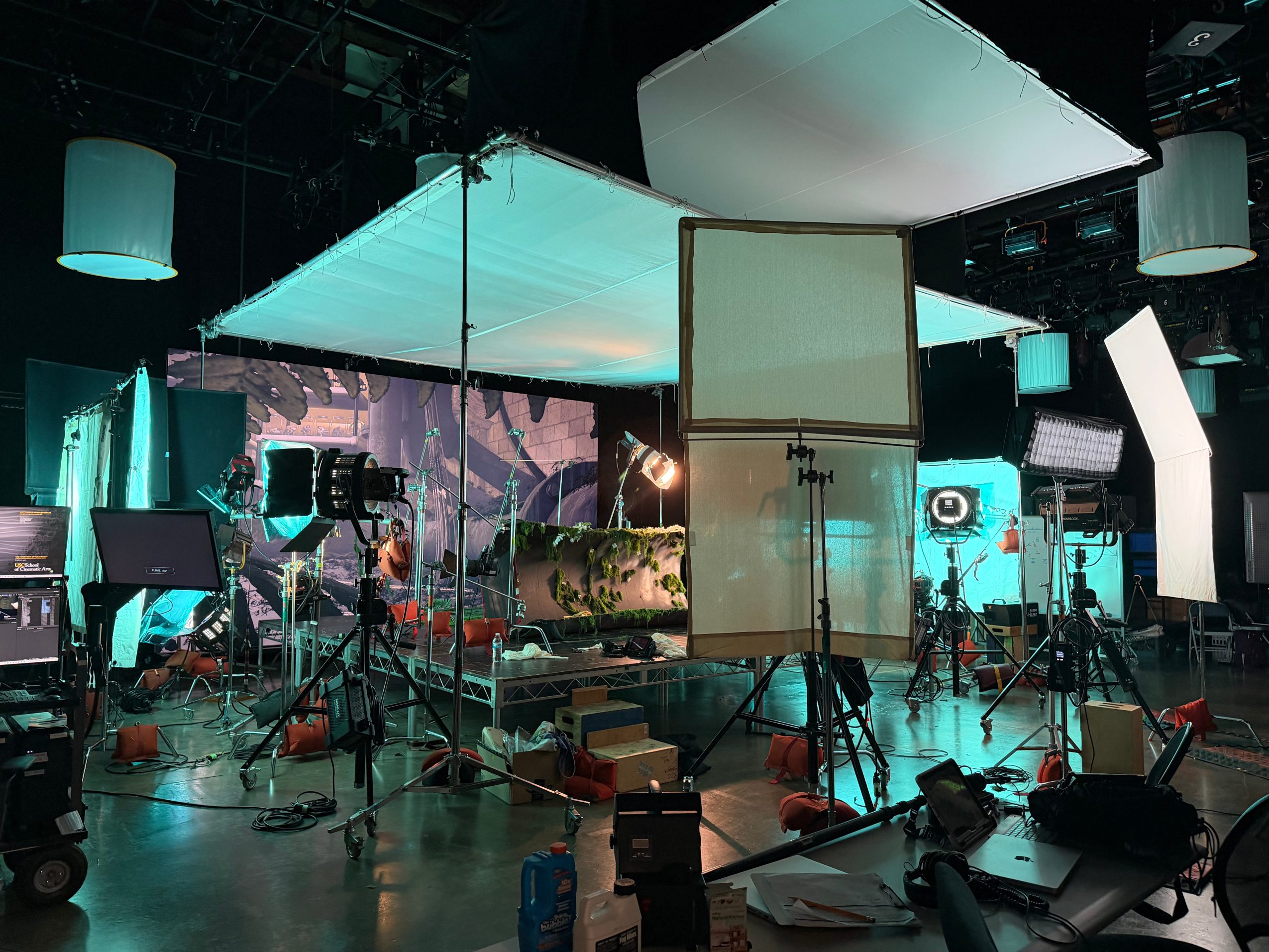
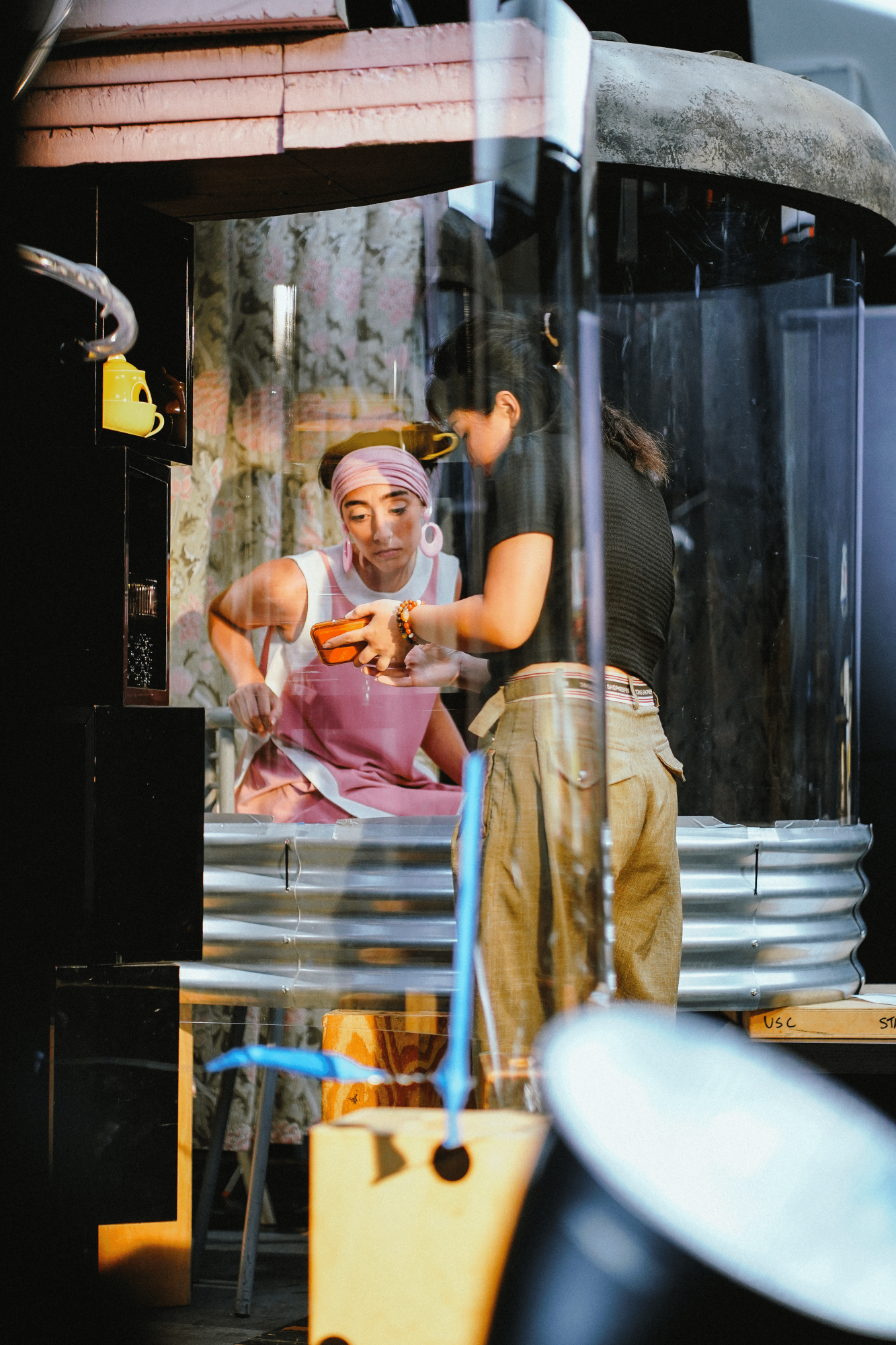
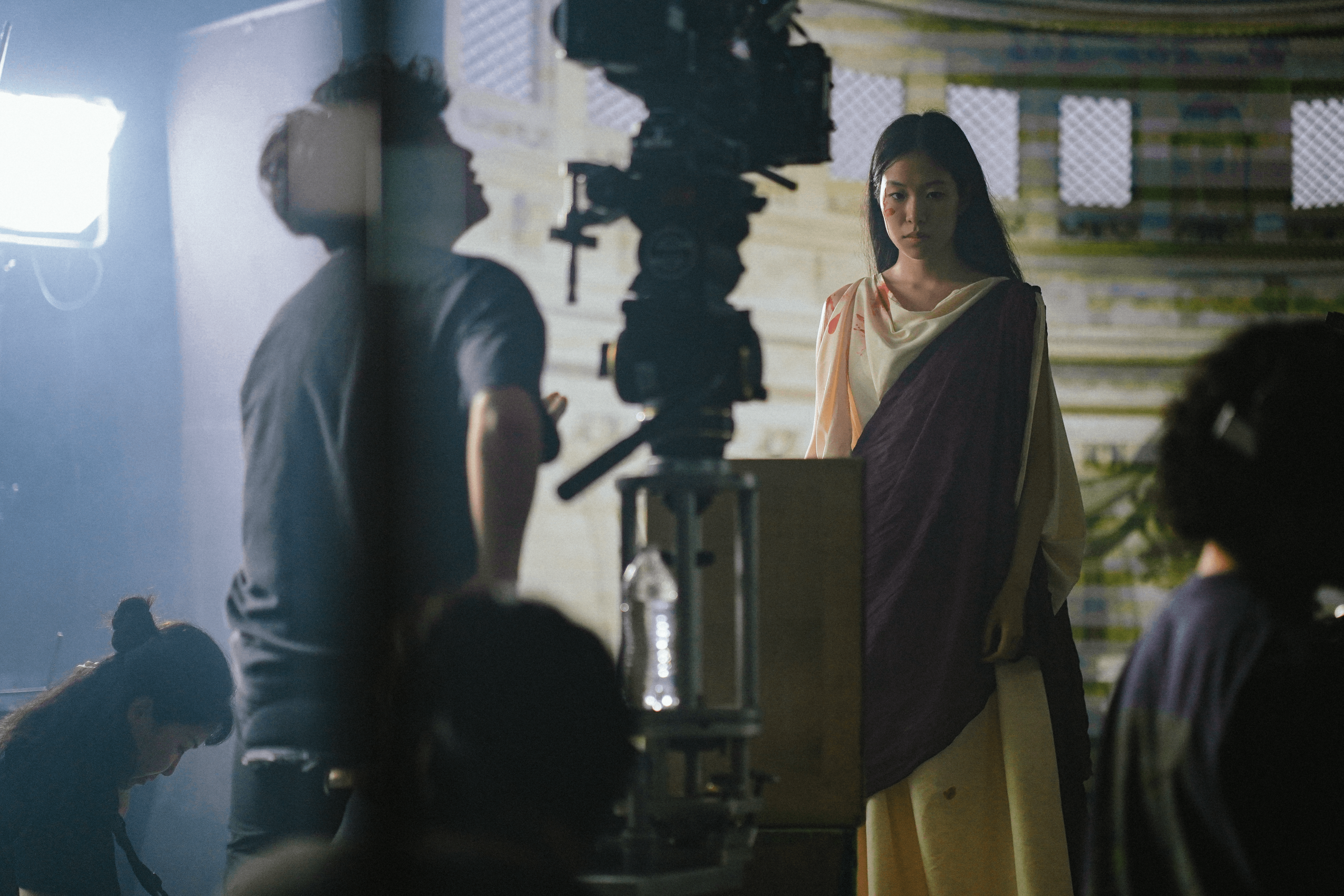
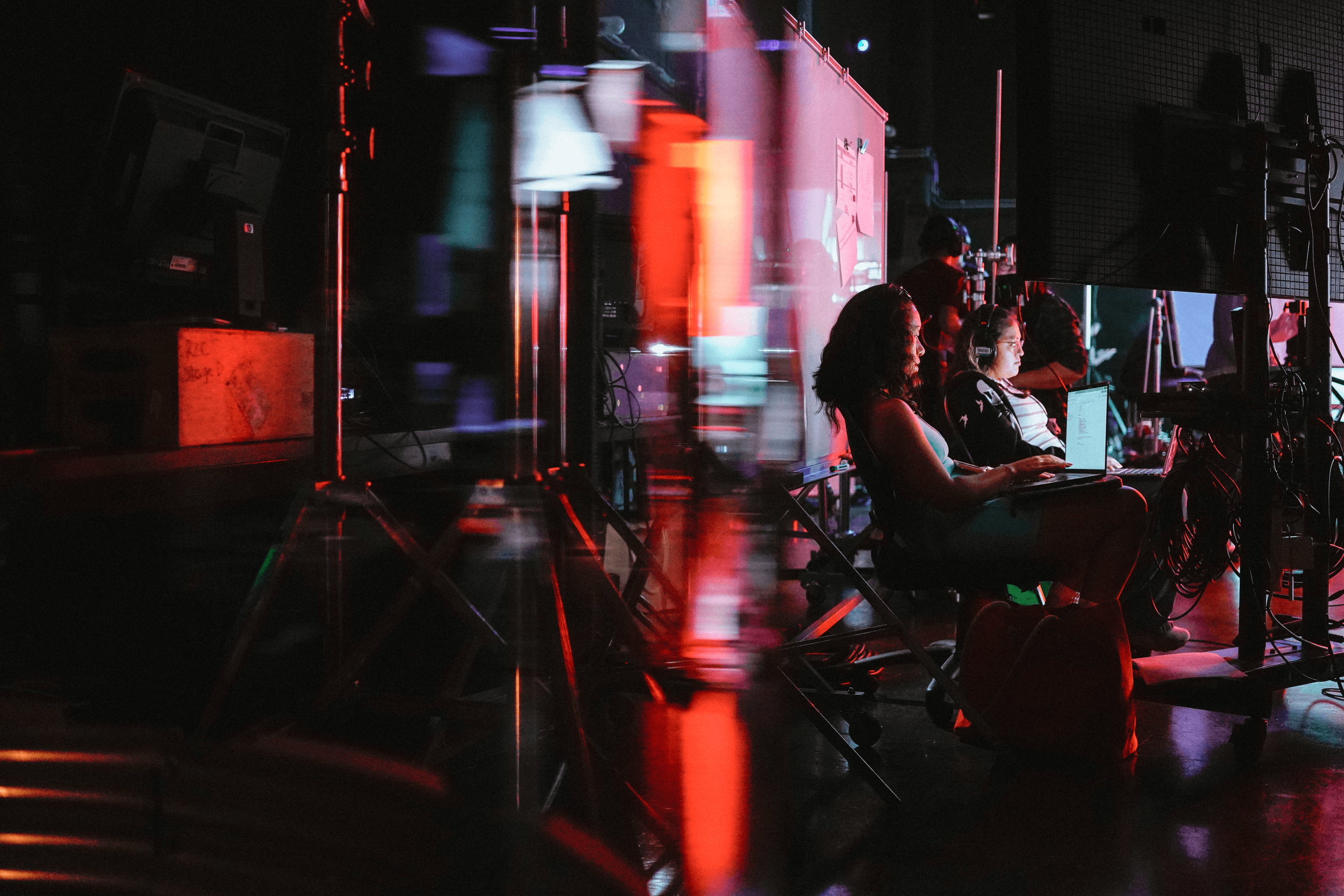
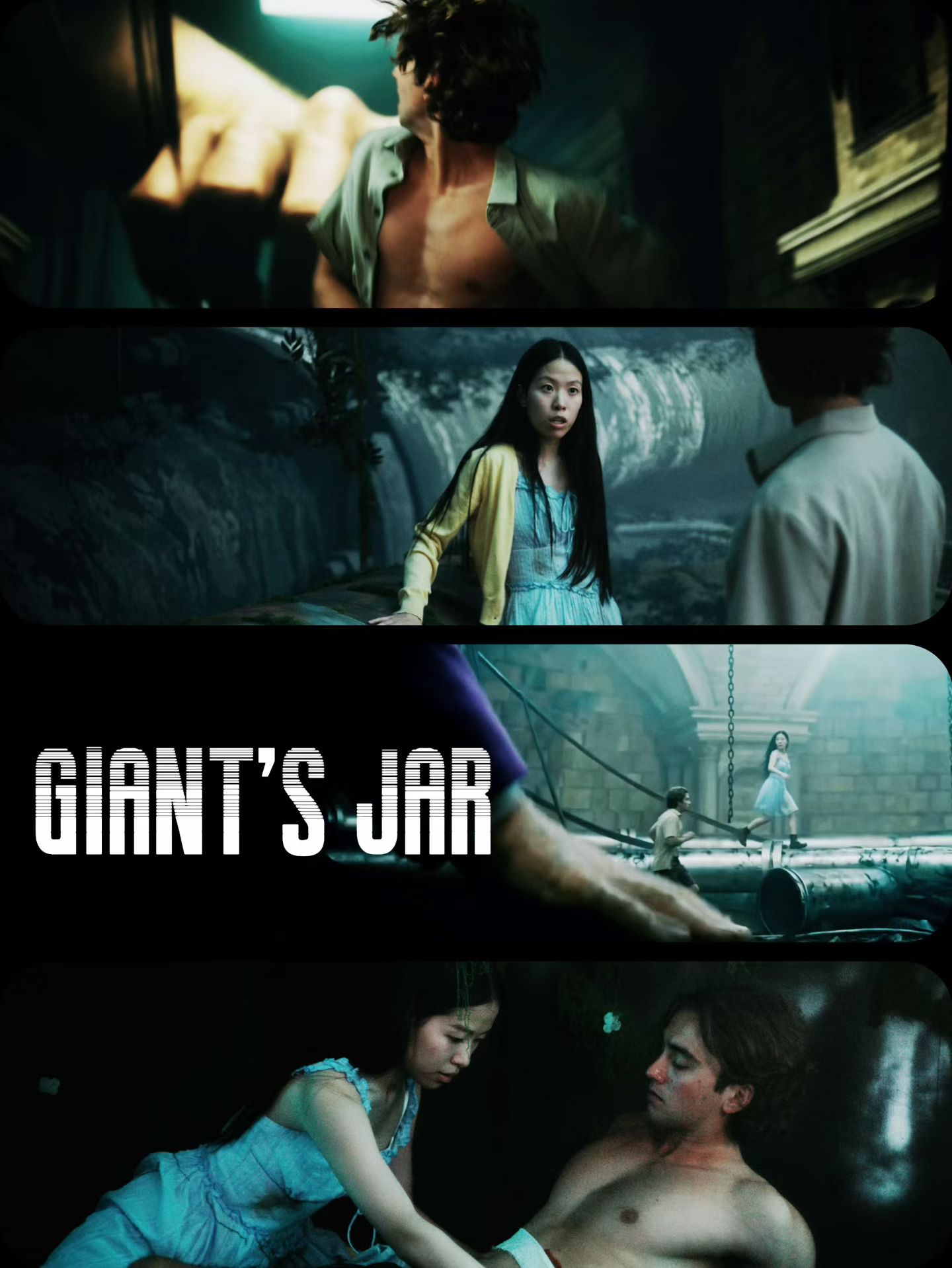
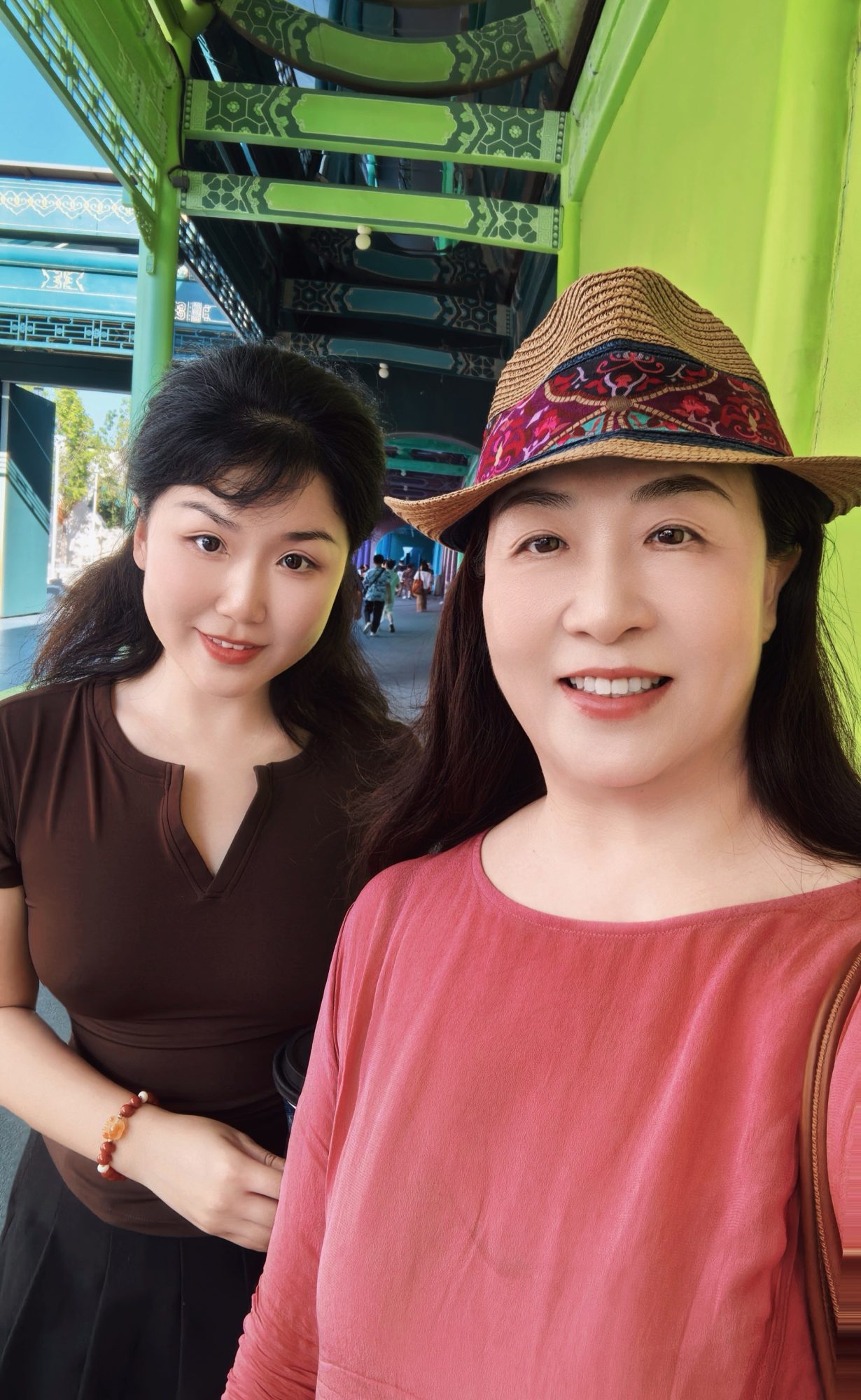
Image Credits
Yu Charlie Wang, Jiantao Sun, Yan yan, Phoebe Sifan Liu
Popular
-

Portraits of the Valley
-

LA’s Most Inspiring Stories
-

Greg Hex Is Turning the Everyday Kitchen Knife Into a Modern Design Object
-

Rick Norris Learned That Building a Successful Business Means Building a Life You Actually Want to Live
-

How Olivia Rush Turned Survival Into a Mission to Help Others Keep Going
-

How Bibi Goldstein Is Helping Entrepreneurs Reclaim Their Time by Embracing the Power of Delegation


