



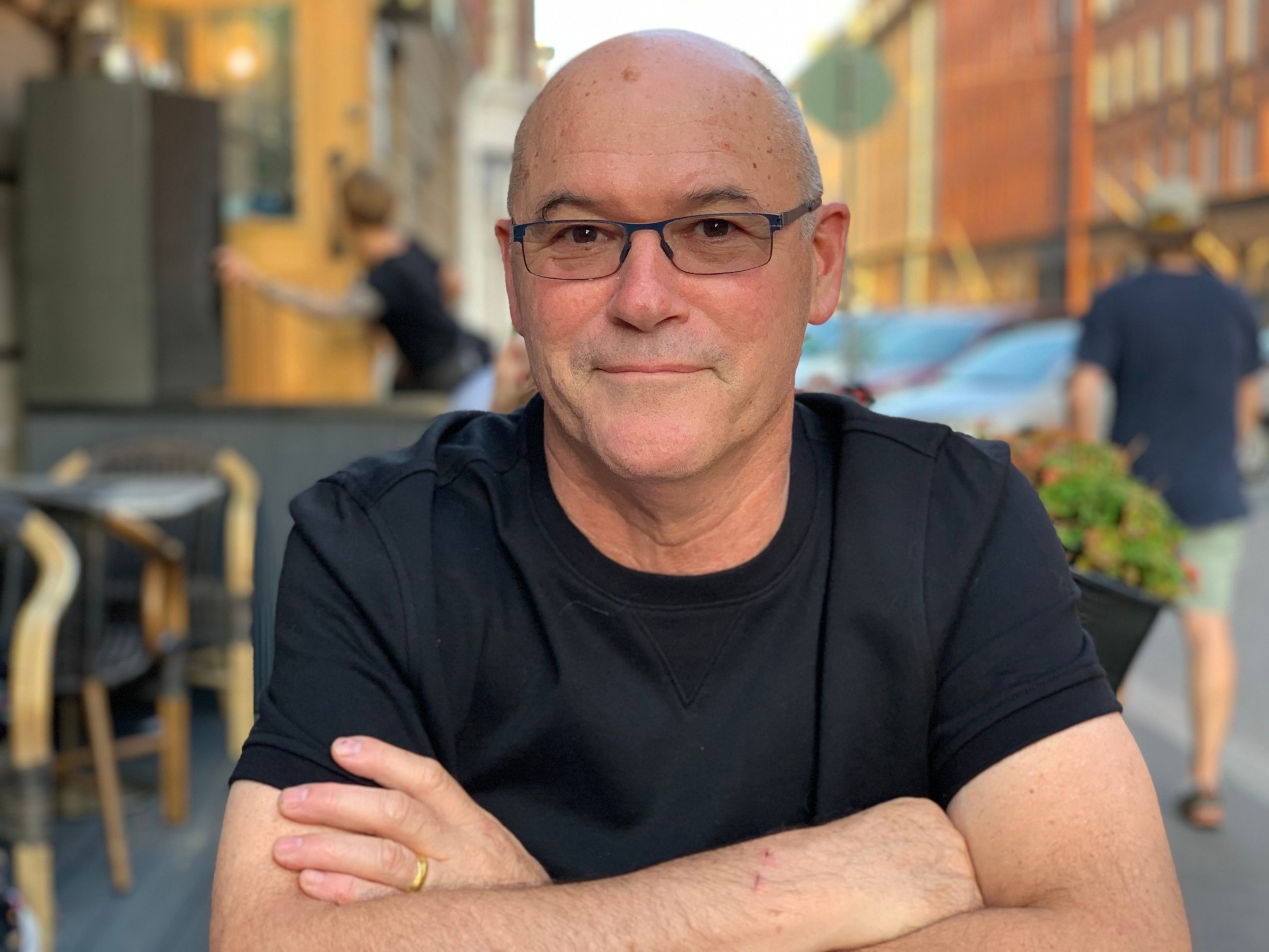
Today we’d like to introduce you to Randal Thurston.
Hi Randal, can you start by introducing yourself? We’d love to learn more about how you got to where you are today?
I grew up in the south coast of Massachusetts and attended a state university about a half hour from home. Most of the themes I’ve explored and the significant relationships I’ve shared for the last 40 years were developed there. I did graduate work in printmaking at the School of the Museum of Fine Arts / Tufts University joint program in Boston and have lived in Somerville Massachusetts since 1987. In addition to developing a studio practice that includes both large scale paper cut installations and fabricated public art, I was a founder of the Brickbottom Artists Building a live/ work space developed by 100 artists in a former Atlantic and Pacific Bakery, Cannery and Foundry complex. In addition to creating work for galleries, museums and public institutions, I was a faculty member of Suffolk University in Boston for almost 30 years, retiring in 2025 as the Chair of Art and Design.
Can you talk to us a bit about the challenges and lessons you’ve learned along the way. Looking back would you say it’s been easy or smooth in retrospect?
I think anyone who makes work and is involved in the process of living faces challenges. When we begin creating as young people, the process is magical, driven by forces we rarely know or understand. The act of creation is, in many ways, the most direct experience we will ever have. At that stage, Art can seem to come from the air, or someplace so deeply rooted that it almost seems to be part of our body.
As we develop and learn, the marks we make become more facile and our awareness of the history we share with generations of other artists leads to both an understanding of the power of visual language and a struggle to find a voice that is uniquely our own. For many of us, the magic of art – of discovering a way to powerfully express our interior world- is replaced by something more educated but less compelling.
As the process of aging and experiencing the joys and trauma of life get folded into our development as artists, it can be challenging to find ways of deepening our practice that is true to who we are constantly becoming. Facing this and welcoming its messiness is both a challenge and an opportunity.
For artists to evolve, they need to develop a studio practice that is restless, curious and interrogative. While obstacles and challenges are critical to our development, they can also grind us down. Finding and maintaining a core group of individuals who are honest sounding boards is essential. If we are lucky, and I have been, we connect with individuals and communities who support us and keep us grounded
Alright, so let’s switch gears a bit and talk business. What should we know about your work?
I work in silhouette, mostly using cut paper. I love how the medium describes the world solely through contour. Because their interior is blank, silhouettes offer us the opportunity to fill that void with our own experience. There is something wonderful and almost performative about that, since the work is interactive in a very ancient way. Since silhouette requires us to identify through association and recall, I find it a wonderfully mnemonic medium that connects to my interest in topics like memory, nature, lifecycles, beauty and temporality.
While the public Art I’ve created utilizes a similar visual language, it is engaged more intently with the topics of site and history, I try to understand how present-day landscapes evolve through use by generations of communities and are impacted by both industrial use and land management.
In the platform panels I created for the Lechmere train station in Cambridge, my research took the form of historical maps the detailed the progressive elimination of salt marshes bordering the Charles River. I used the train platform signage panels, which are typically used to orient riders to the public transit system and neighborhoods adjacent to the station to explore wayfinding from the perspective of time and place. They imagine the verdant marshland of the 18th century, before the area was developed and the banks of the river were constrained. In addition to the silhouette landscapes, I included text from the journals of William Brewster, an ornithologist whose detailed observations of the region’s birds is a wonderful record of migration, species diversity and avian behavior.
My interest in creating artwork that incorporates nature comes from a sensibility that is very much like Brewster’s. By paying attention to both wing and leaf, I get a clearer sense and deeper understanding of my place in the world. Whether I am making work that is personal or public, my goal is to create something that is visually compelling and offers its audience an opportunity to reflect, consider and explore.
So, before we go, how can our readers or others connect or collaborate with you? How can they support you?
A significant part of the temporary installations I create in galleries, museums and other institutions is rooted in my response to the site. Although I often develop work that addresses exhibition themes, much of the design is determined by the space I am working in. This process is highly fluid and often results in a piece that is very different from my preliminary ideas. I’ve been fortunate to have worked with curators who embrace an approach that includes serendipity and flux and welcome opportunities where my process might be aligned with a similar curatorial vision.
I’m also interested in the conversations I have with visitors as a piece develops and look for opportunities where the making of a piece is shared and discussed prior to its completion. It is important to remember that when we look at a creative work, we are only seeing the last few minutes of how it came in to being. On the journey to its final appearance, there were likely many starts and stops: additions and deletions of subject, changes in scale, shape and color, experiments with materials, texture and light. I Look for opportunities that acknowledge and embrace the perspective that the objects we make are the artifacts of a process, and that sharing that process can expand the conversation about what art is. In terms of public art, I look for partners and collaborators who are interested in an integrated approach. This includes being part of the conversation with architects, engineers and public stakeholders about about how a work will be experienced and how its materials and fabrication might best enhance that experience.
Contact Info:
- Website: https://randalthurston.com
- Instagram: https://www.instagram.com/randalthurston
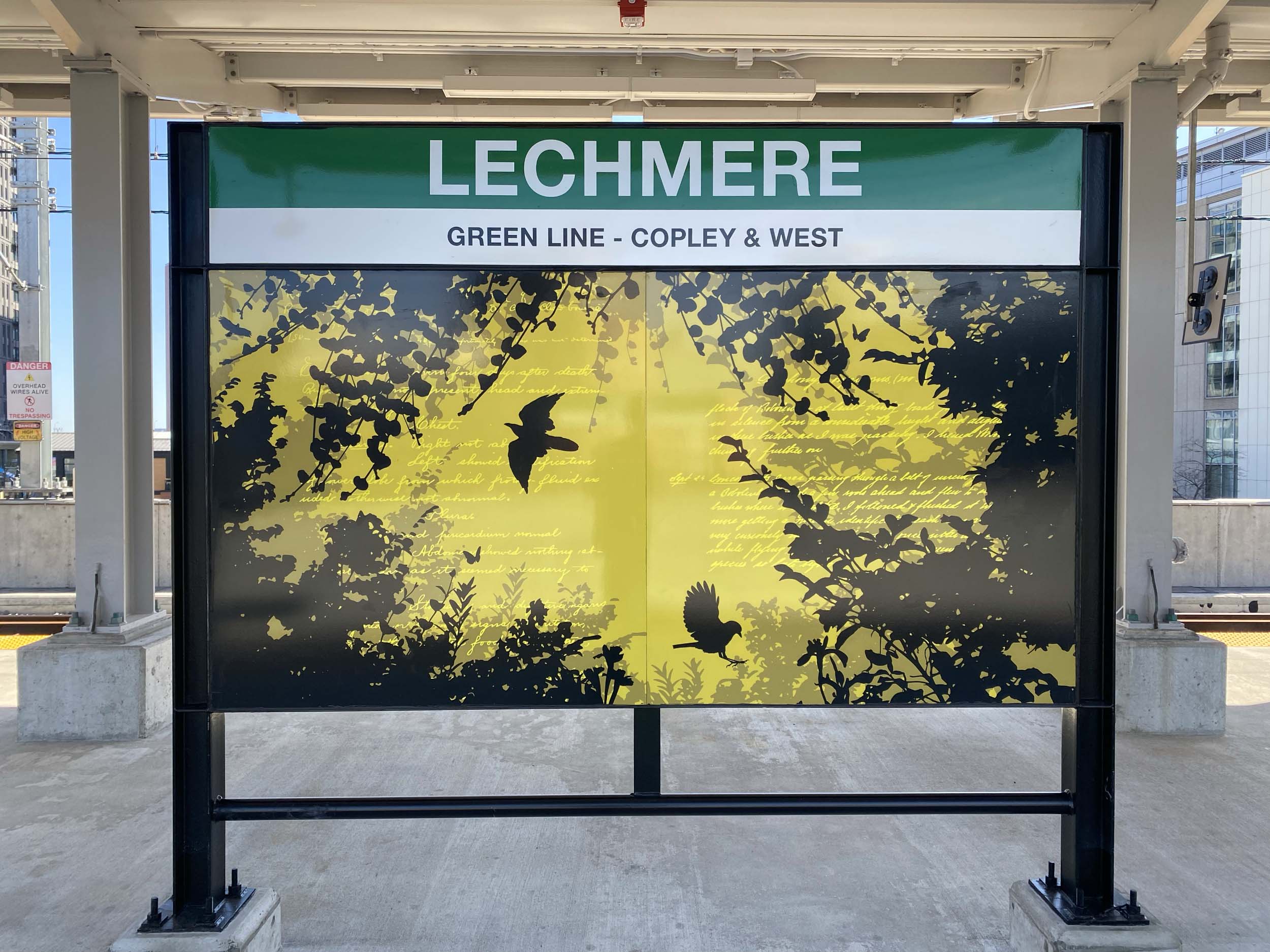
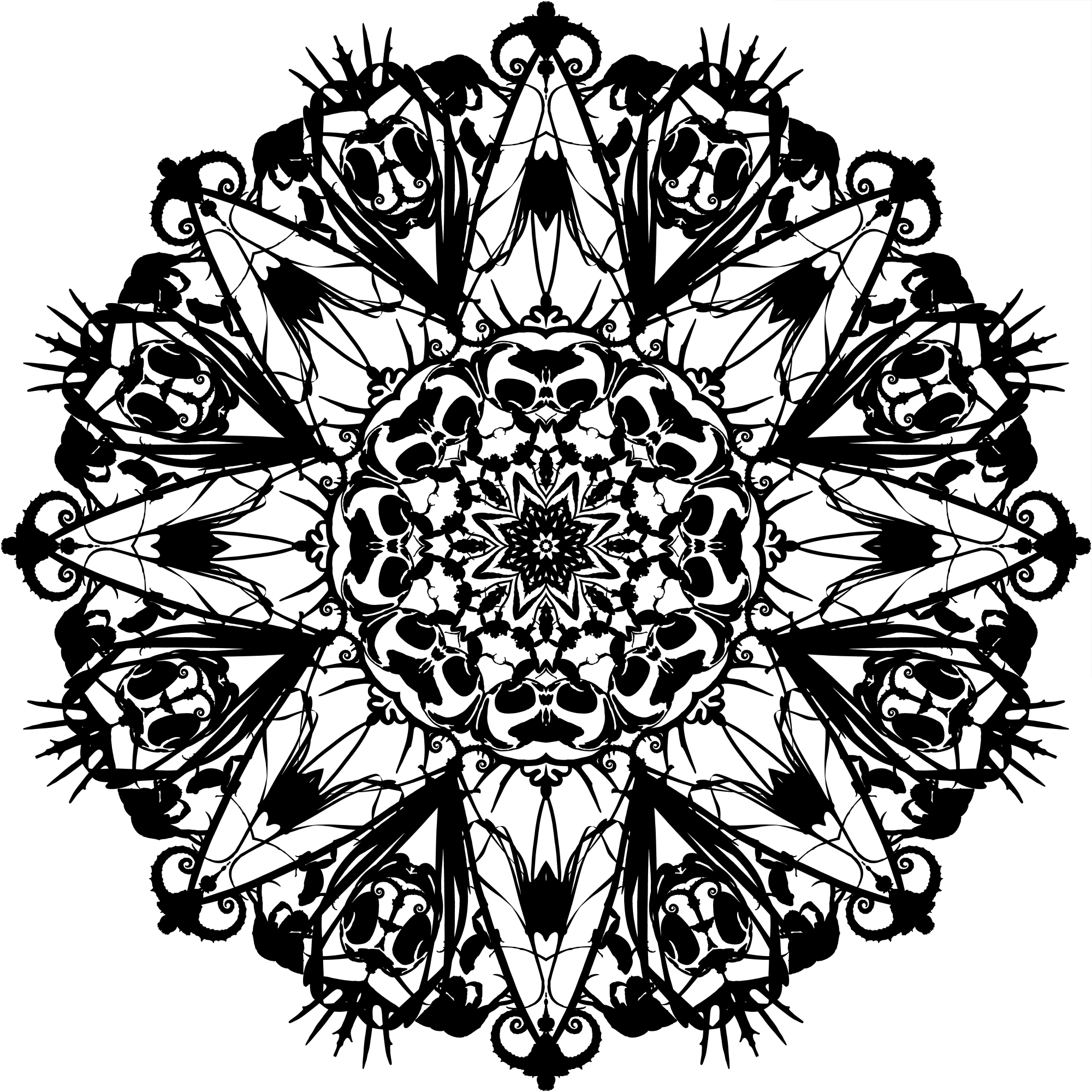
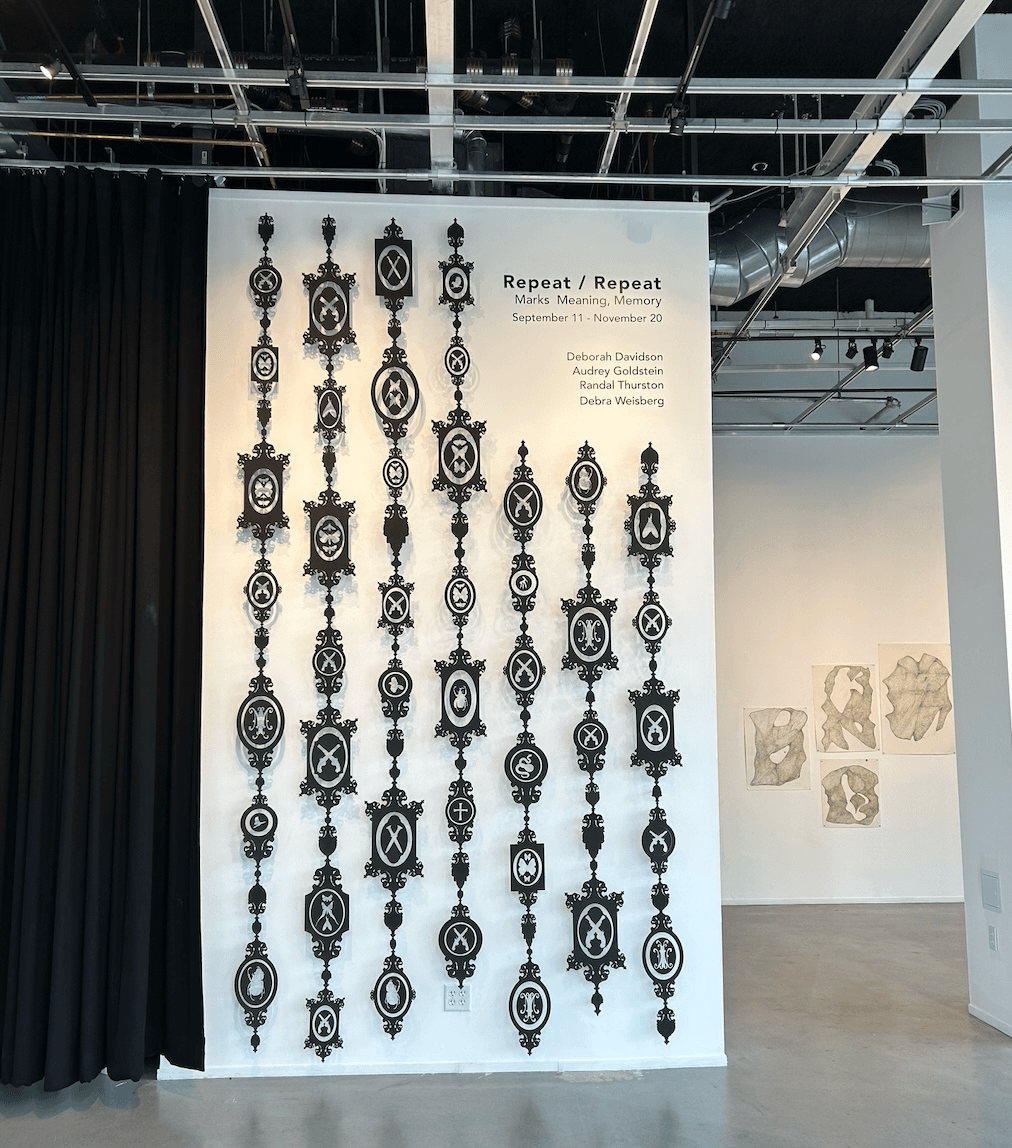
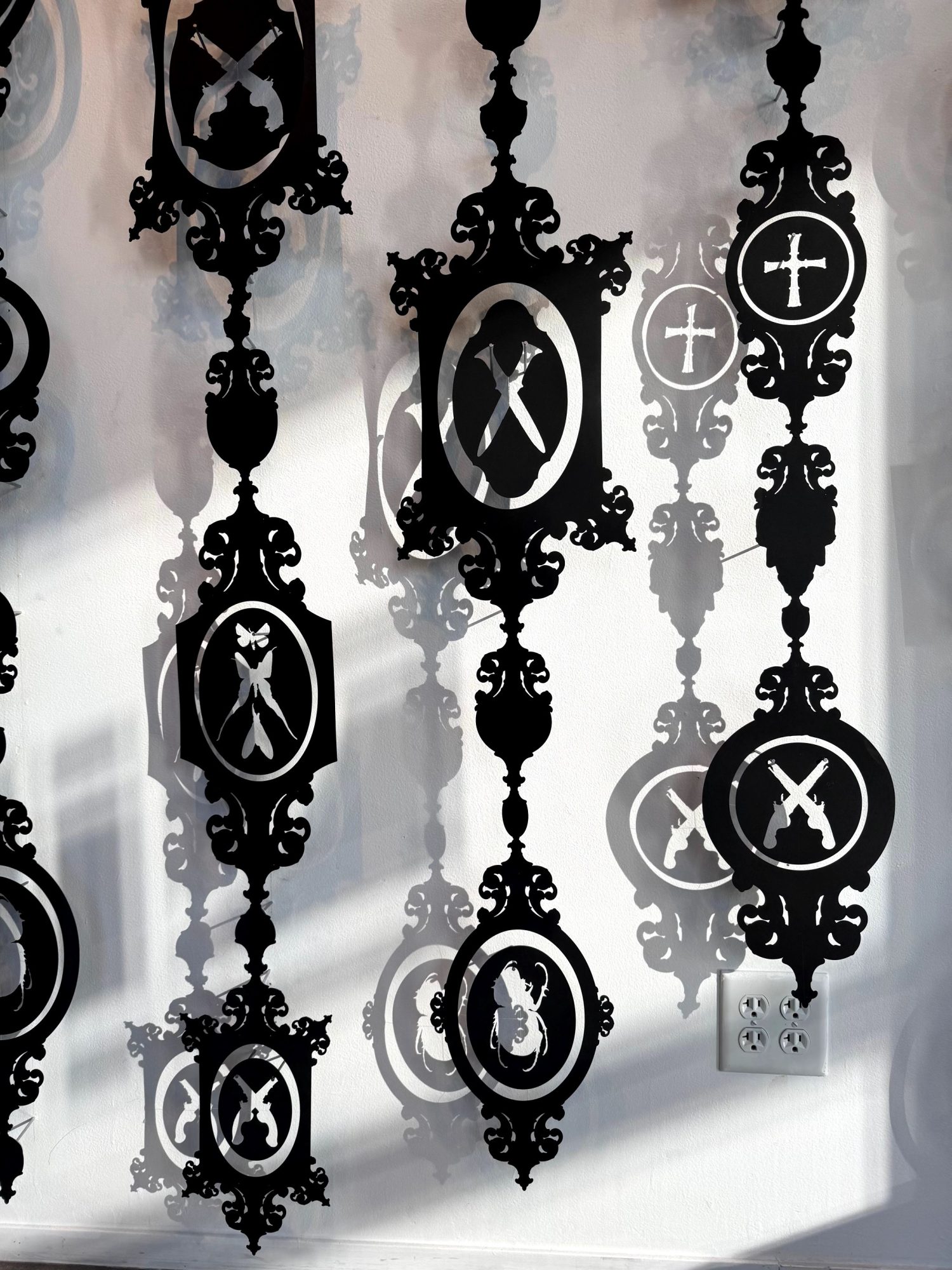
Image Credits
All photos courtesy of the artist
Popular
-

Portraits of the Valley
-

LA’s Most Inspiring Stories
-

Greg Hex Is Turning the Everyday Kitchen Knife Into a Modern Design Object
-

Rick Norris Learned That Building a Successful Business Means Building a Life You Actually Want to Live
-
How Olivia Rush Turned Survival Into a Mission to Help Others Keep Going
-

How Bibi Goldstein Is Helping Entrepreneurs Reclaim Their Time by Embracing the Power of Delegation


