



Today we’d like to introduce you to Tyler Jacobson.
Tyler, we appreciate you taking the time to share your story with us today. Where does your story begin?
I am a professional circus artist who has performed around the country on over ten national touring contracts, but my story starts in an unassuming way.
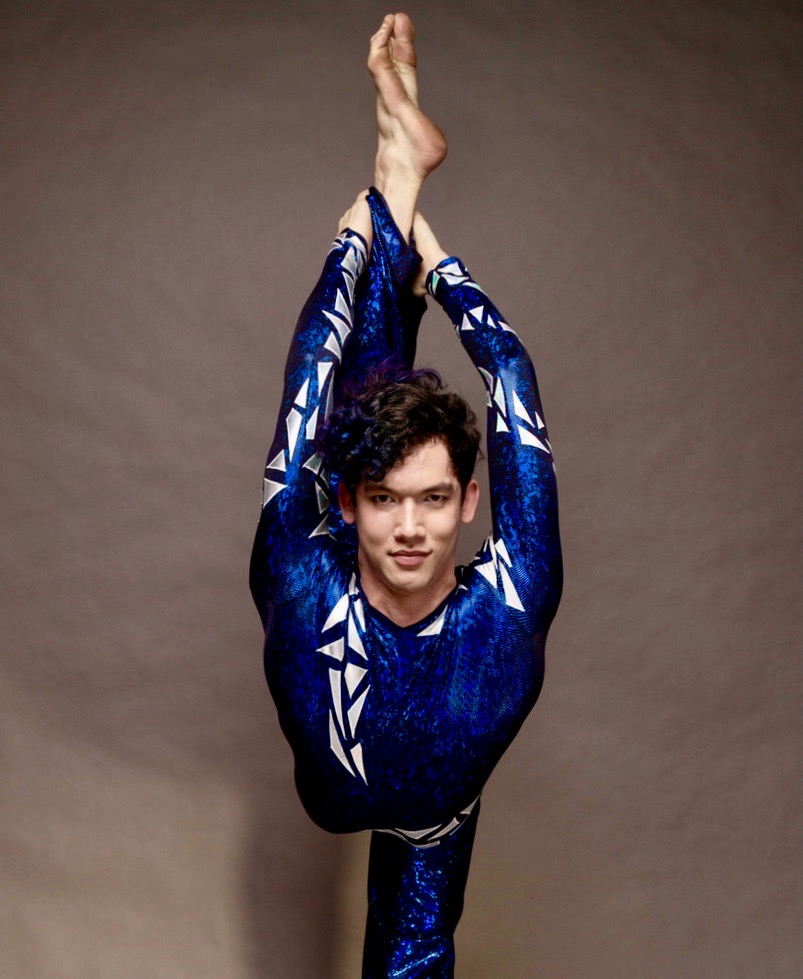
I come from Redlands, home of the Great Y Circus, which my parents enrolled me in as an after school program to keep me busy in high school. I didn’t start with any special athletic ability other than failing the sit-and-reach test in 8th grade, but I thought contortion and handbalancing would be cool to be able to do. High school was a rough transition period for me like it is for many teenagers, so my new circus hobby quickly became more of a lifestyle, as I started stretching all the time and picking up new disciplines like aerial hoop, silks, and hula hoop.
I continued to train myself through college, where I was studying to become a translator but had a fateful encounter with Cirque du Soleil artist Tanya Burka shortly before graduating. She told me if I wanted to do circus professionally, I would have to devote myself to it wholeheartedly, so instead of going to an academic grad school, I instead went to circus school! After a year and a half of training to refine and expand my acrobatic skillset, I landed my first national tour with the Broadway show Pippin in 2017 and I have been lucky enough to continue performing ever since. These days I most often tour with Cirque Dreams Holidaze as well as the small company Cirque Us in addition to scattered local gigs.
I’m sure it wasn’t obstacle-free, but would you say the journey has been fairly smooth so far?
It has definitely not been a smooth road; I actually got bullied by younger kids at school when I had just started circus. Even though I was in high school, there was a small gang of 6th graders who would follow me around, pointing fingers and chanting “ballerina!” at me, so it was difficult to take pride in what I was learning to do at first.
Through and after college I also dealt with several mental health episodes, but circus ended up being an incredible way for me to process what I was going through. As a performing artform, circus allows me to take what I’m feeling in my brain and put it into the real world through my body, so it was a very physicalized form of therapy. Many of my struggles about depression, loneliness, and body image ended up inspiring acts that I never performed for other people, but the opportunity to put those feelings somewhere productive was a great survival tool.
Of course, you cannot talk about work in the performing arts without acknowledging how stressful it is to never know where you’re going next or how long work is going to last, or if new opportunities will ever come along. This was an especially striking fear when COVID hit and nobody knew when the world would open back up or in what capacity. However, circus taught me resilience and persistence, and to keep up my own training knowing that opportunities most often come right when you are on the verge of giving up. I am grateful to have learned how to stick with a passion even when the future is uncertain.
Thanks – so what else should our readers know about your work and what you’re currently focused on?
Here are a few video resources you can use or snapshot to get an idea of what my circus actually looks like:
Demo reel: https://youtu.be/0hzjop1hARs
Garden handbalancing act: https://youtu.be/t42vNPqPGko
Aerial hoop act: https://youtu.be/y4Nx3Pj_mng
As a circus artist, I specialize in contortion, handstands, aerial hoop, silks, hula hoop, and diabolo (Chinese yo-yo). This versatility is what has enabled me to survive in an extremely competitive industry, and I am proud to have acquired a skillset that means I can adapt to any situation. Aerial arts in particular have exploded in popularity over the last twelve years, but the amount of aerial positions in the market has not kept pace with that supply, so my ability to also present multiple ground acts has been greatly appreciated by producers.
For my own sense of artistry, I have developed a bit of a brand of “androgynous glam”. I fell in love with circus after watching beautifully costumed Cirque du Soleil shows, but as time has passed, more and more male performers in the contemporary circus space are being costumed in plainclothes, often just in the most basic of streetwear. For the acts I create myself then, I delight in figuring out elaborate concepts such as a living garden or using uniquely printed meshes and sequined fabrics to make sure that when you come to see the circus, it feels distinctly different from the regular world.
I move my body in styles that embody the aesthetics of the fantasy figures I adored growing up—whether ethereal elves or more animalistic creatures—and in doing so, I have been able to defy audience’s expectations of what they think men can and should be able to look like. There is something powerful about making an entire audience cheer for a male body in a skintight sparkly outfit when they might have a very different reaction to similar bodies in their daily lives.
Alright, so to wrap up, is there anything else you’d like to share with us?
So while I started in academia and ran off to the literal circus, I have always been a nerd at heart, and so in 2018 I ran back to grad school to acquire a master’s degree in Cultural Studies from Claremont Graduate University! Through that program I cultivated my interest in epistemology—the study of how knowledge itself operates. My master’s thesis guided my focus into questioning how exactly non-verbal artforms like circus and dance communicate with our audiences. This has also led me to question the limitations of words themselves, and thus to better appreciate how often we watch art that we literally CANNOT fully translate into words!
This academic emphasis has combined with my circus experience to land me a position as an adjunct at University of Redlands, where I am teaching a class on the social sciences of sports. My students are learning not just about the history and psychology of sports, but also about how deeply sports have shaped modern society and how our expectations of sports affect how we view other athletic activities such as dance and circus.
In general, I often struggle to remember what my hobbies are because I have managed to take so many of my interests into professional capacities, but readers might be interested to know I have significant musical and linguistic expertise as well! I grew up playing piano and percussion, but then in college I wanted to learn some more portable instruments, so I taught myself oboe, bassoon, and flute up. I also only grew up speaking English but majored in Spanish during college, during which time I also ended up teaching myself French to a conversational capacity. Since then I have also invested a few years each into Japanese, Korean, and Mandarin Chinese. My own ancestry on my mother’s side is Hakka Chinese, which is extremely difficult to learn outside of China, but I am proud to be the first person in three generations in my family to even attempt to learn an Asian language! I also taught myself to cook in high school and am repeatedly praised for my culinary inventions at family gatherings when I am not out on tour somewhere.
So yes, I am just your average multidisciplinary circus artist professor with proficiencies in six languages and five instruments who can and will invent a satisfying dinner out of whatever happens to be lying around 😉
Pricing:
- (no?)
Contact Info:
- Instagram: @tylerarykwat
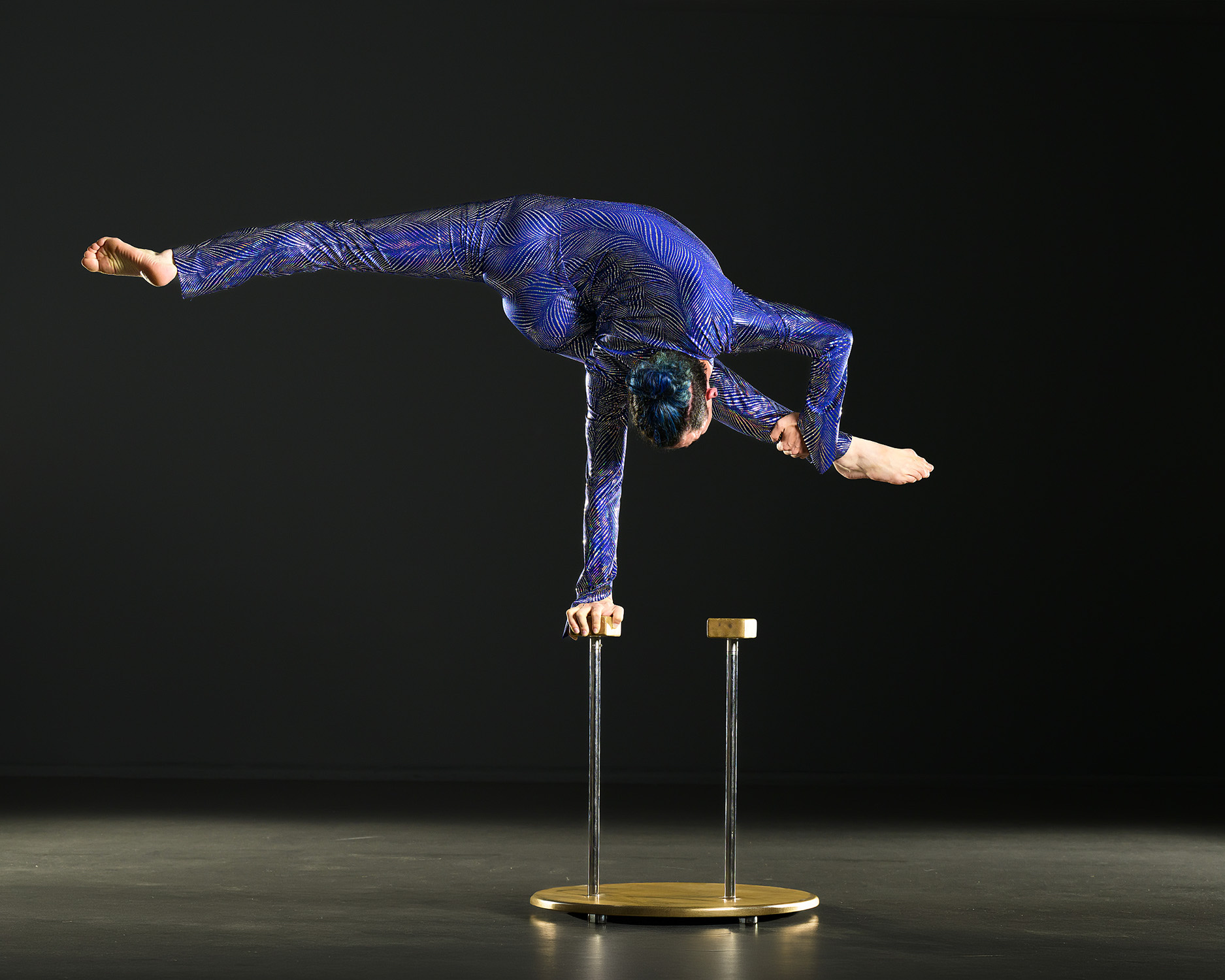
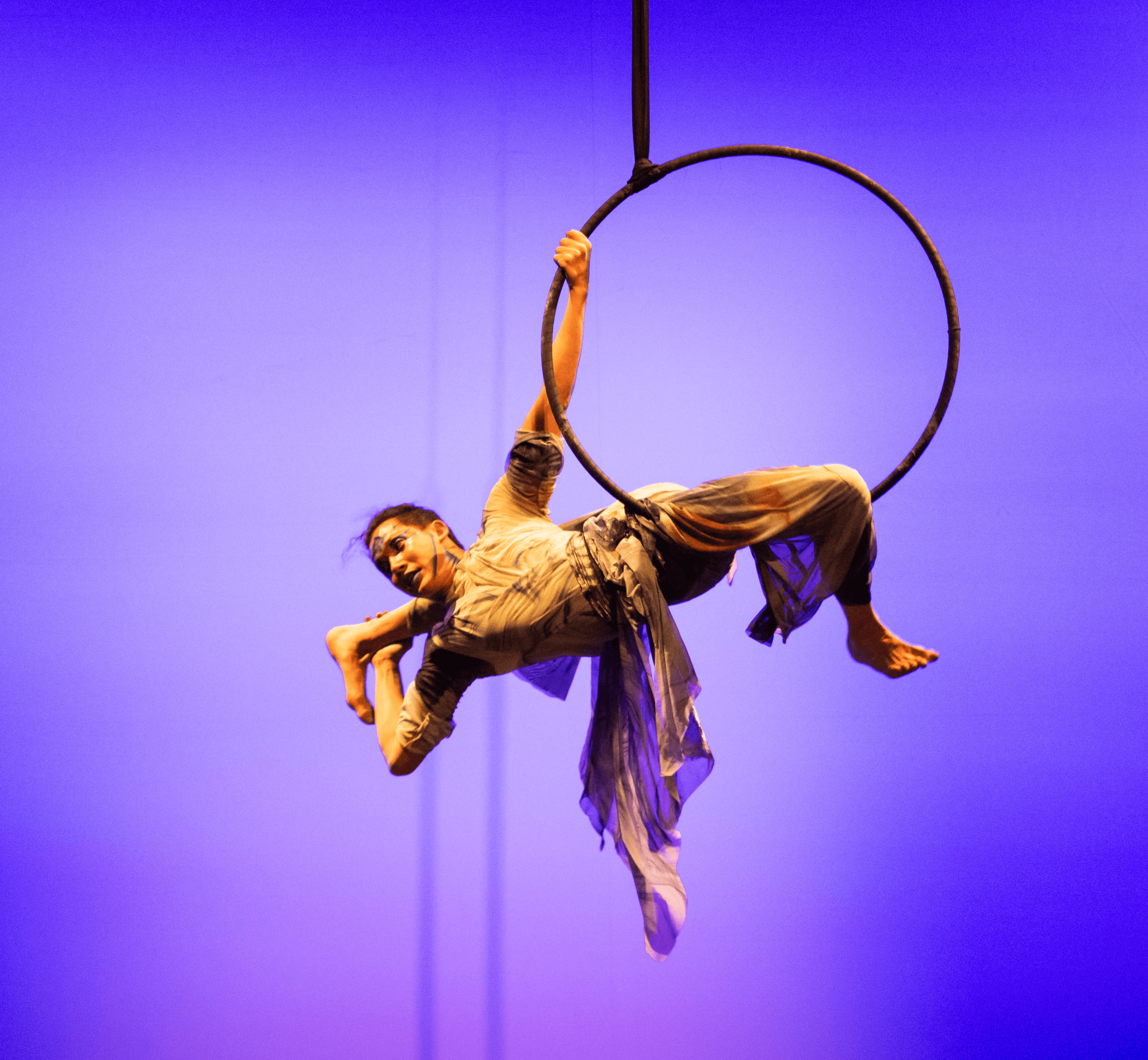
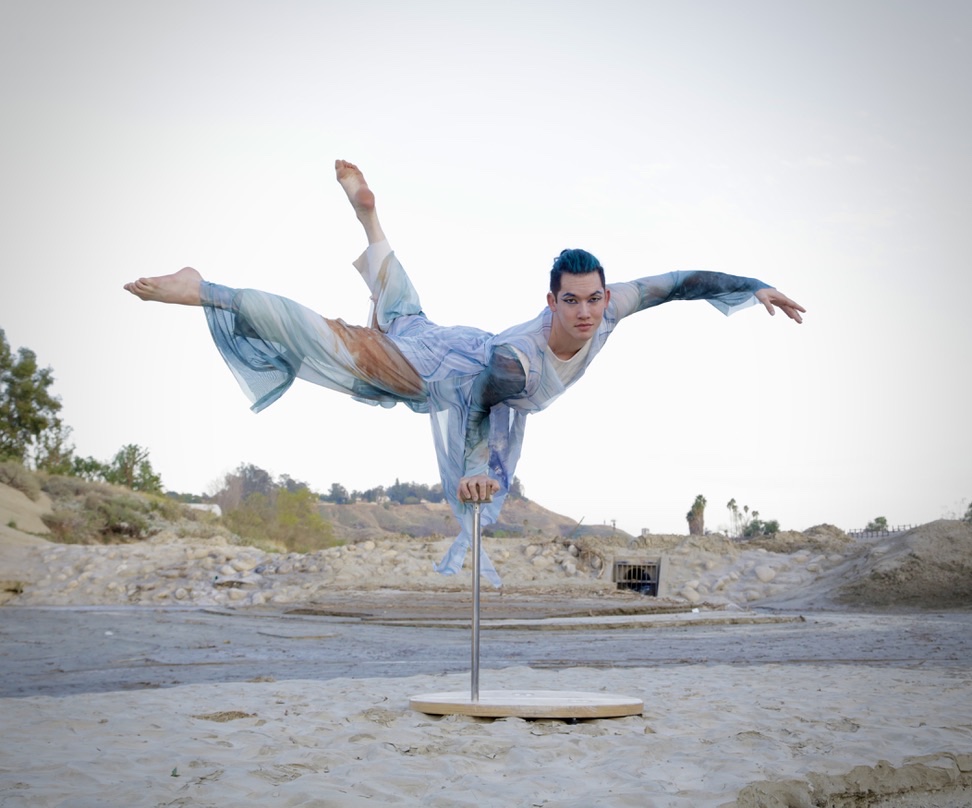
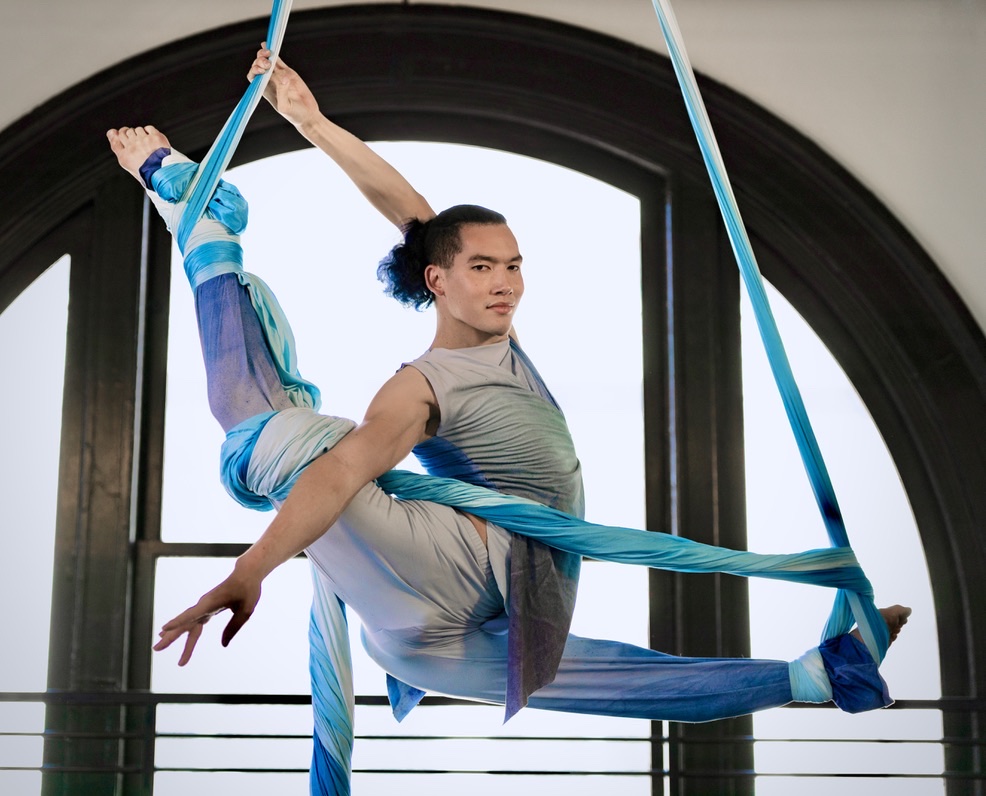
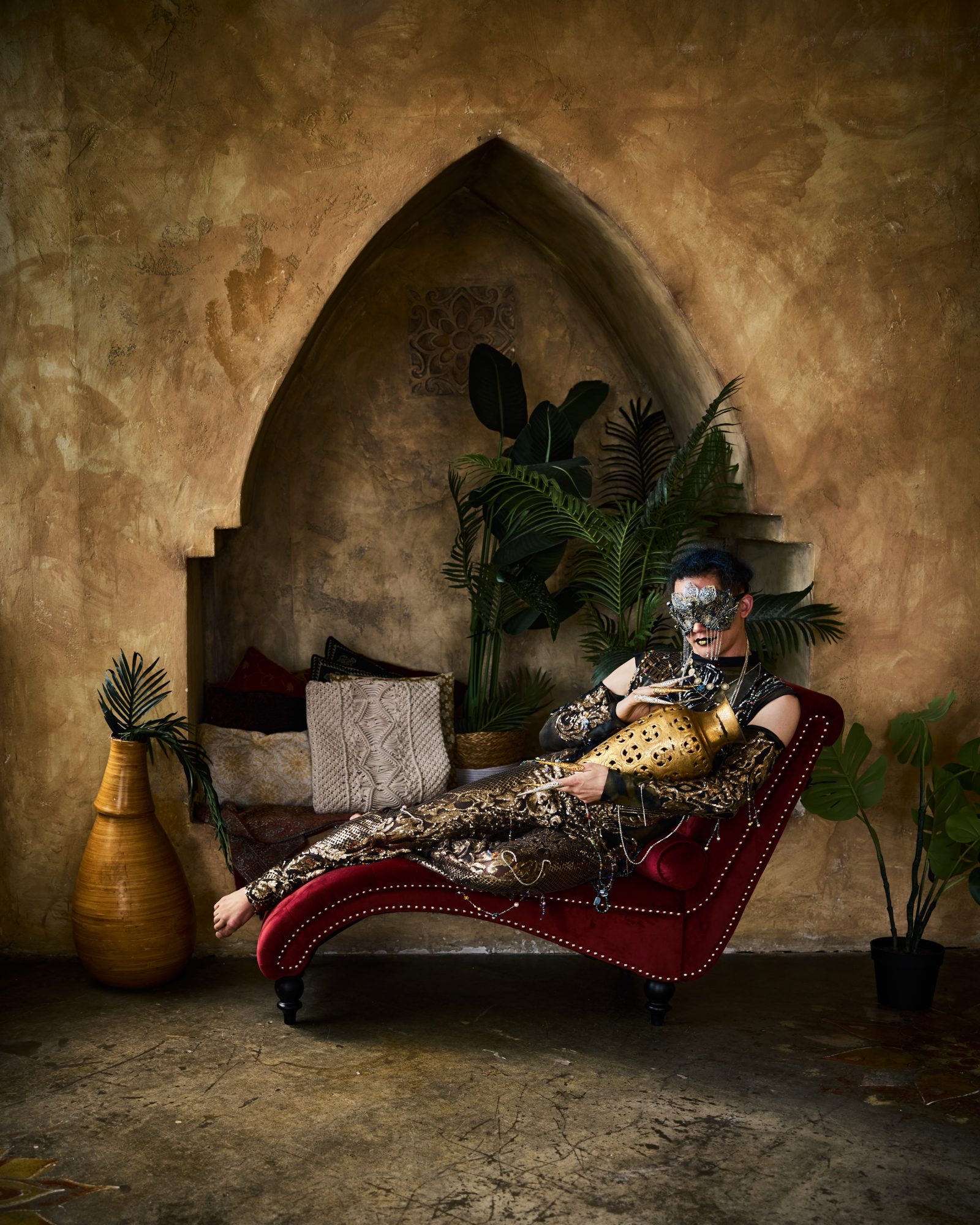
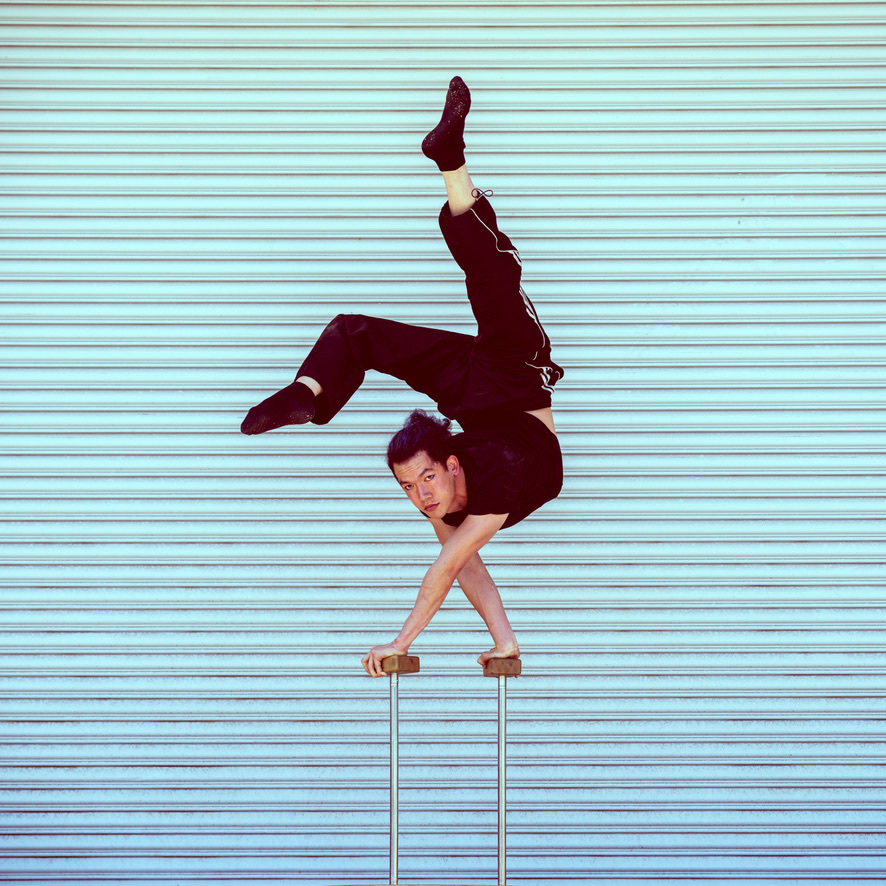
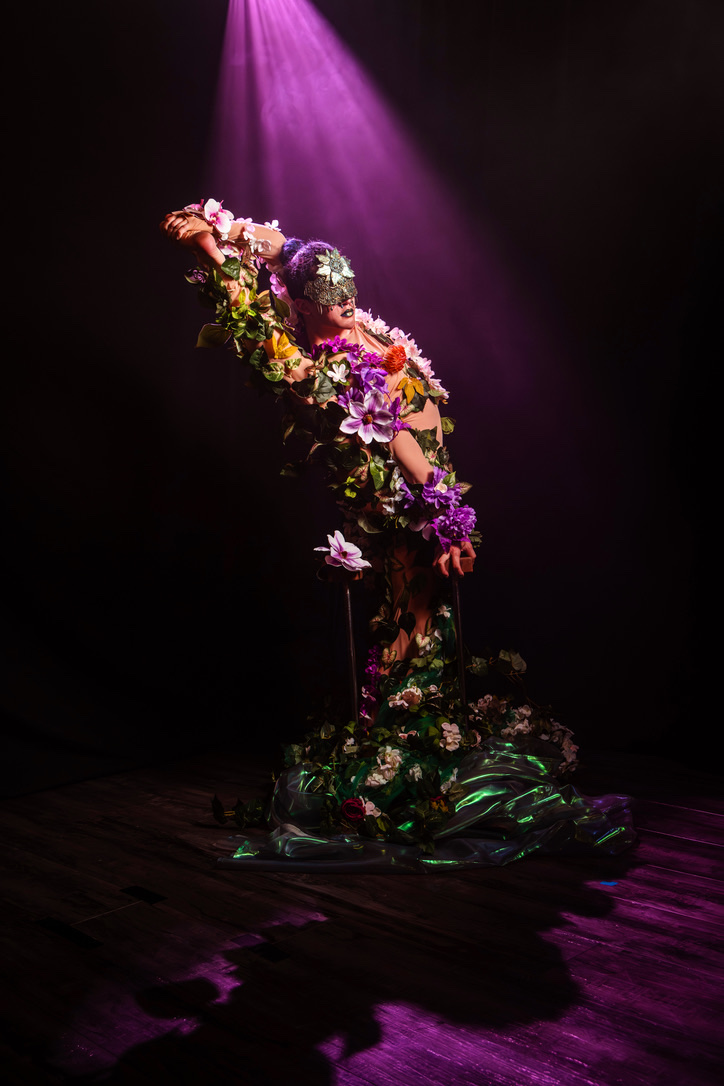
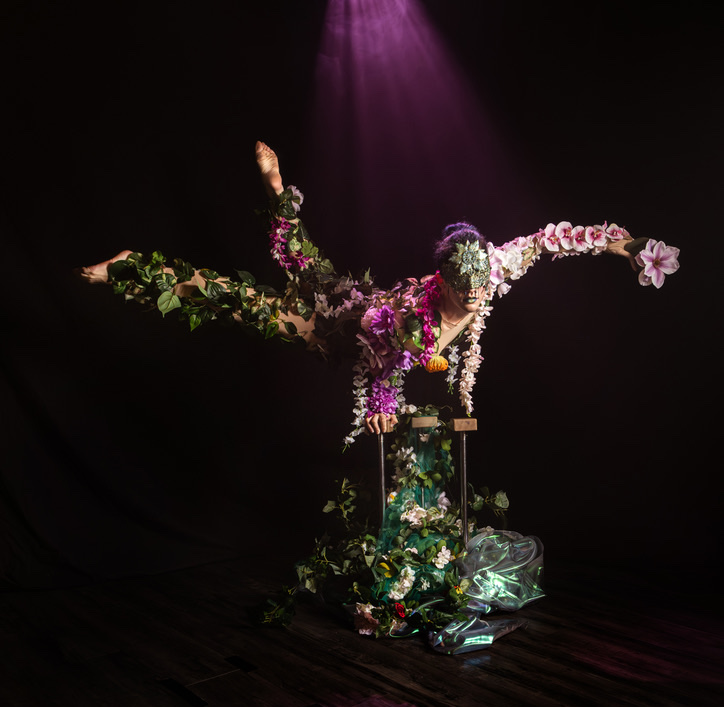
Image Credits
Main Image: Gregory Zabilski
Bottom:
1) Terence O’Donnell
2) Knocking Bird Creative
3) Carlton Henkes
4) Brian (last name unknown, @notquail on instagram)
5) Jason Morgan
6) Einar Kling-Odencrants
7) Gregory Bartning
8) Gregory Bartning
Popular
-

Portraits of the Valley
-

LA’s Most Inspiring Stories
-

Greg Hex Is Turning the Everyday Kitchen Knife Into a Modern Design Object
-

Rick Norris Learned That Building a Successful Business Means Building a Life You Actually Want to Live
-

How Olivia Rush Turned Survival Into a Mission to Help Others Keep Going
-

How Bibi Goldstein Is Helping Entrepreneurs Reclaim Their Time by Embracing the Power of Delegation


