



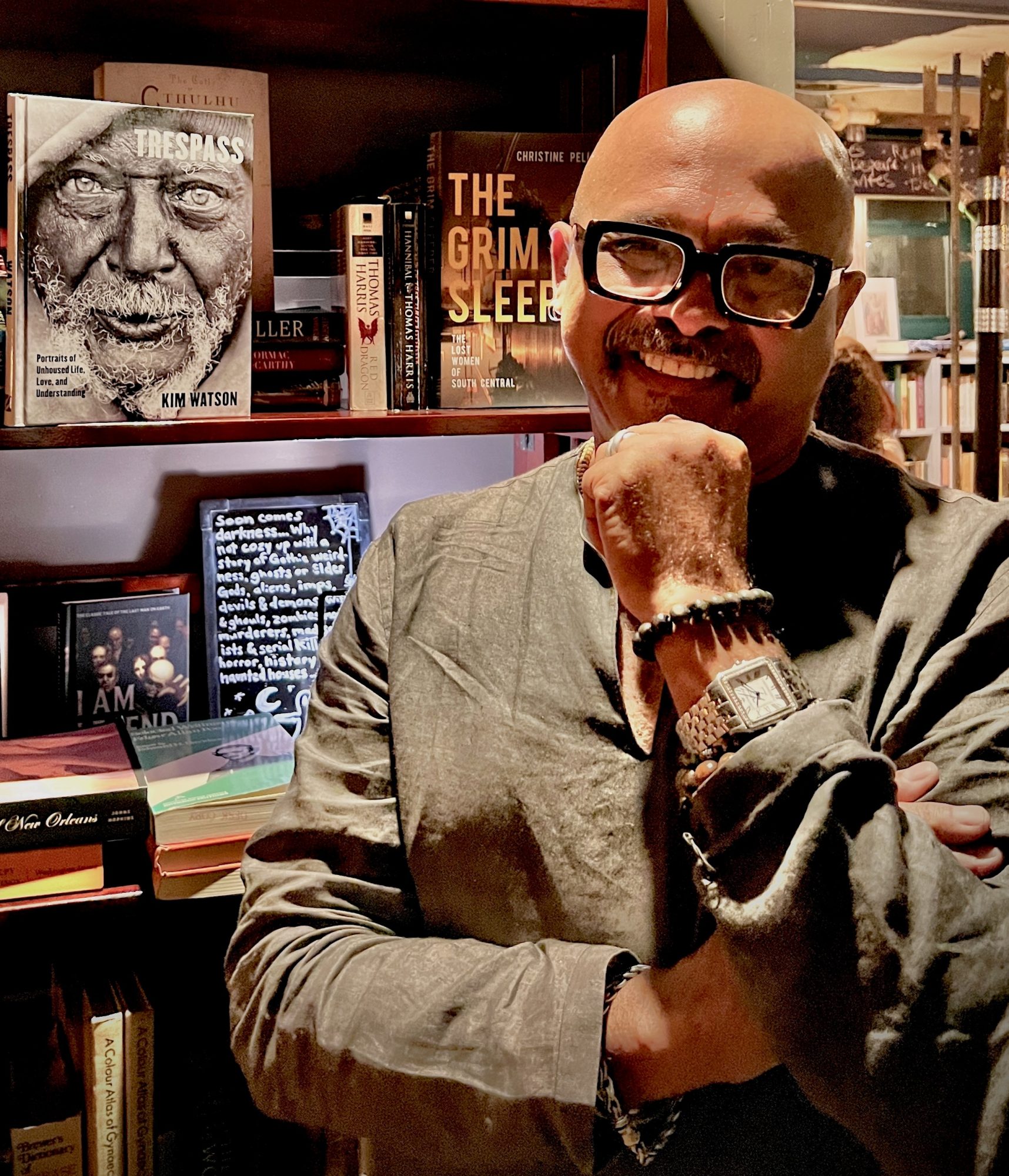
Today we’d like to introduce you to Kim Watson.
Hi Kim, we’d love for you to start by introducing yourself.
“I’m gonna be an artist!”
I made that declaration as a child growing up in St. Albans, Queens, New York. At the time I couldn’t have imagined the many directions that declaration would take me, but looking back, I realize that the desire to express myself and create something meaningful about the human experience has been the thread connecting everything I’ve done.
I’ve always been drawn to storytelling. Whether through music, photography, film, or the written word, I’ve recognized the power of art to move us, challenge our perceptions, and change the way we see one another and the world around us.
As a youngster my creative focus was on photography and music, which eventually led to filmmaking, where I spent much of my career writing and directing across music videos, television, and feature films. I’ve had the privilege of working with extraordinary artists, telling stories and collaborating with people whose creativity continues to inspire me. Among those experiences was co-writing the feature film Honey, and directing music videos for iconic Hip Hop artists and Grammy Winners from Al Jarreau to Roxanne Shante.
But somewhere along the way, my interests began to evolve. I became increasingly drawn to stories about people and communities whose lives are too often misunderstood, marginalized, or simply ignored. Photography reemerged as an important part of that exploration. It offered me a unique kind of intimacy, an opportunity to slow down, build relationships, and inspire people to reveal themselves.
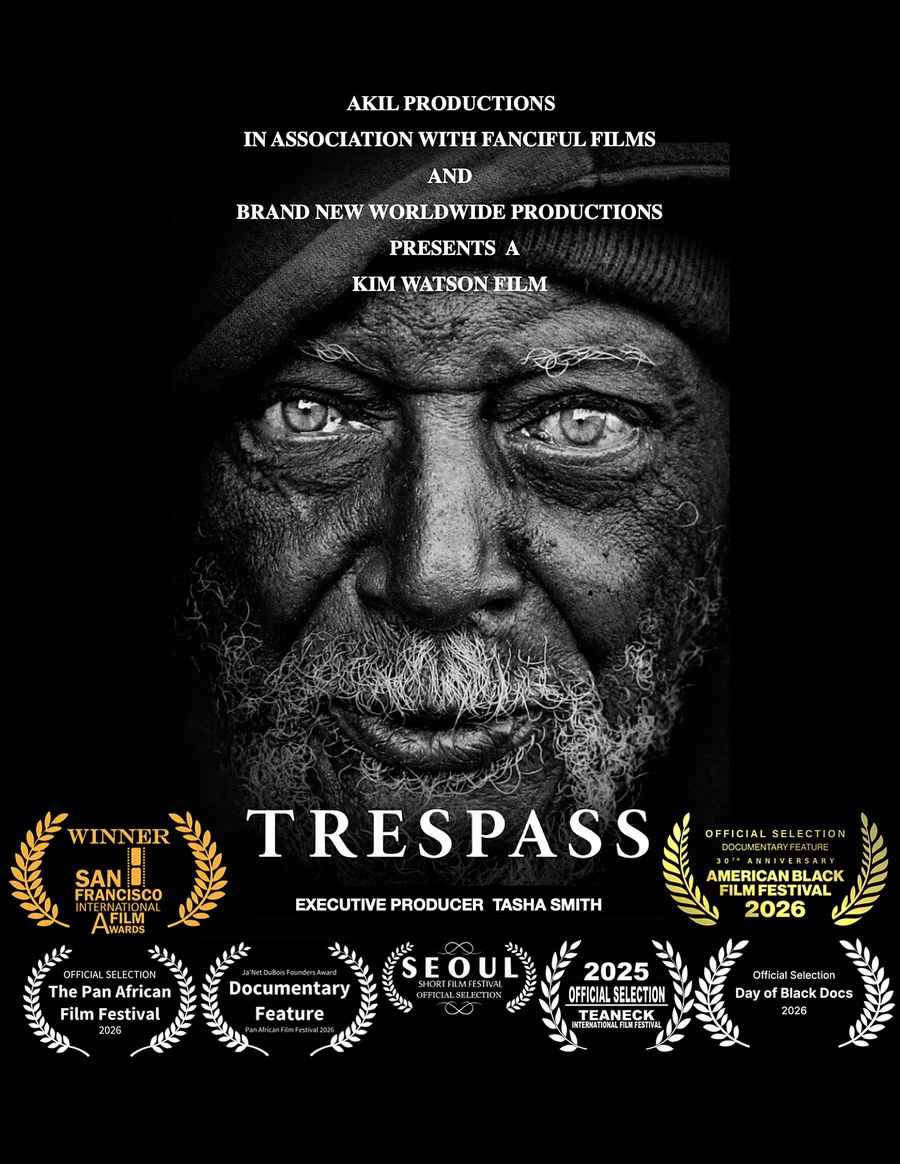
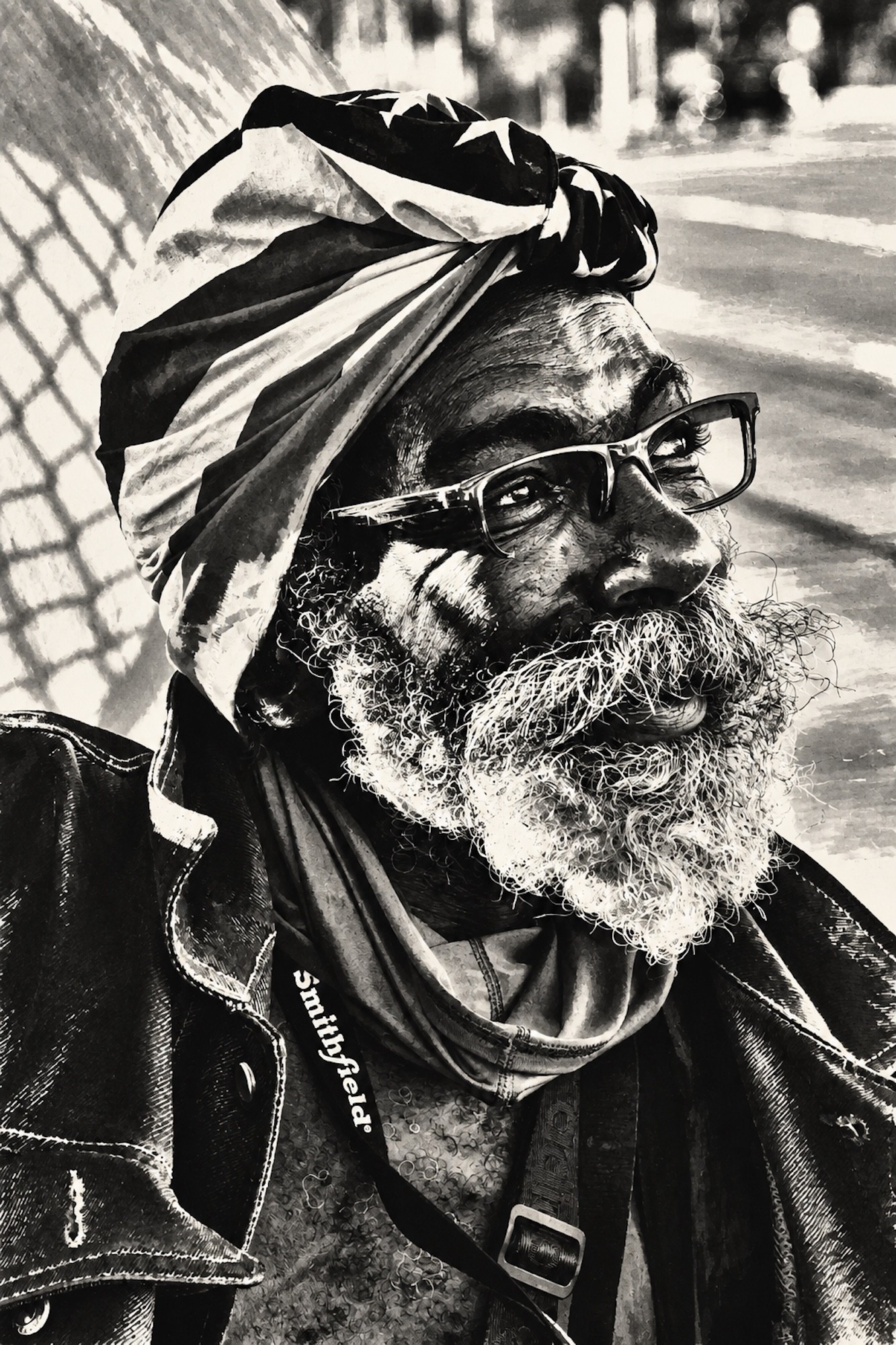
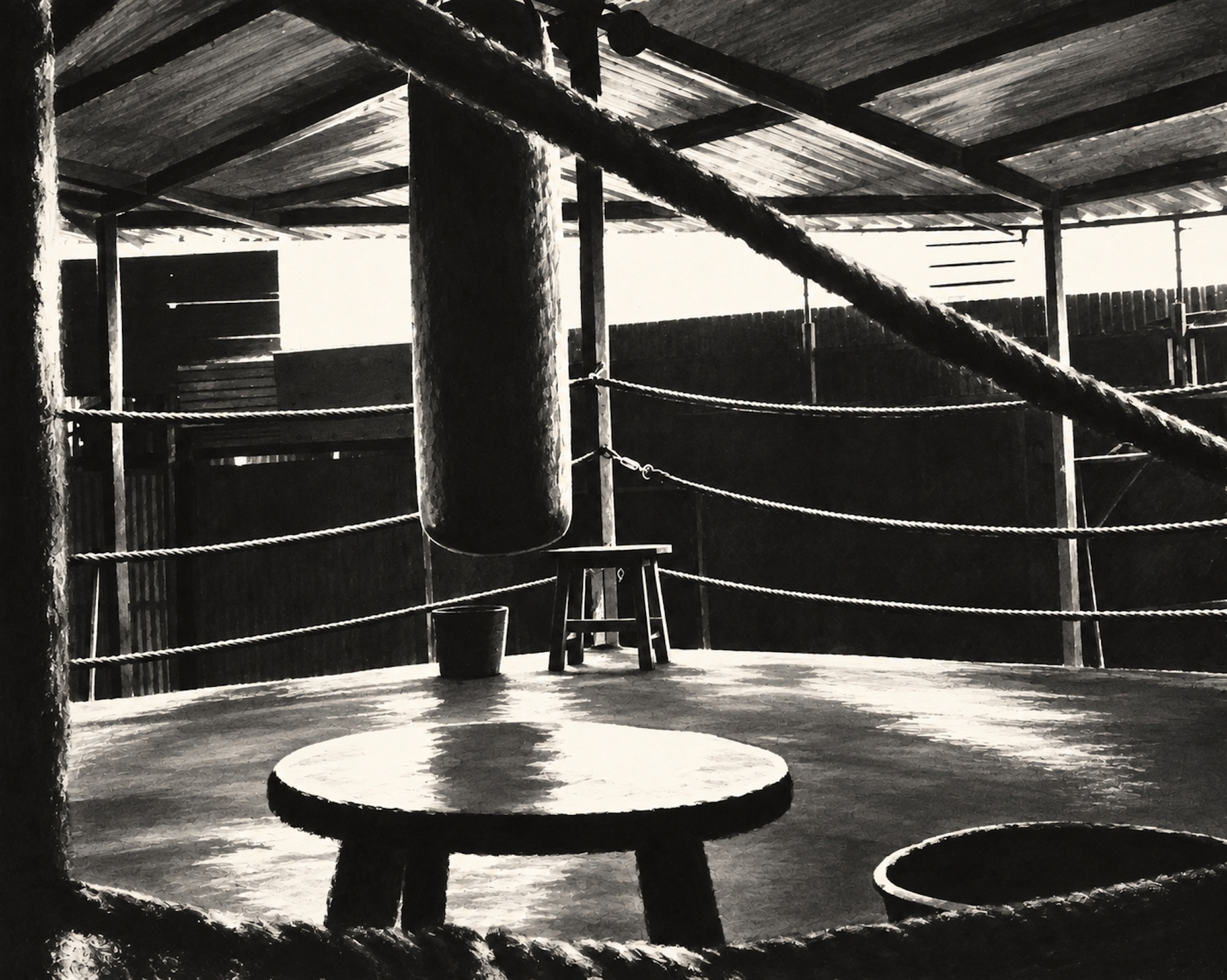
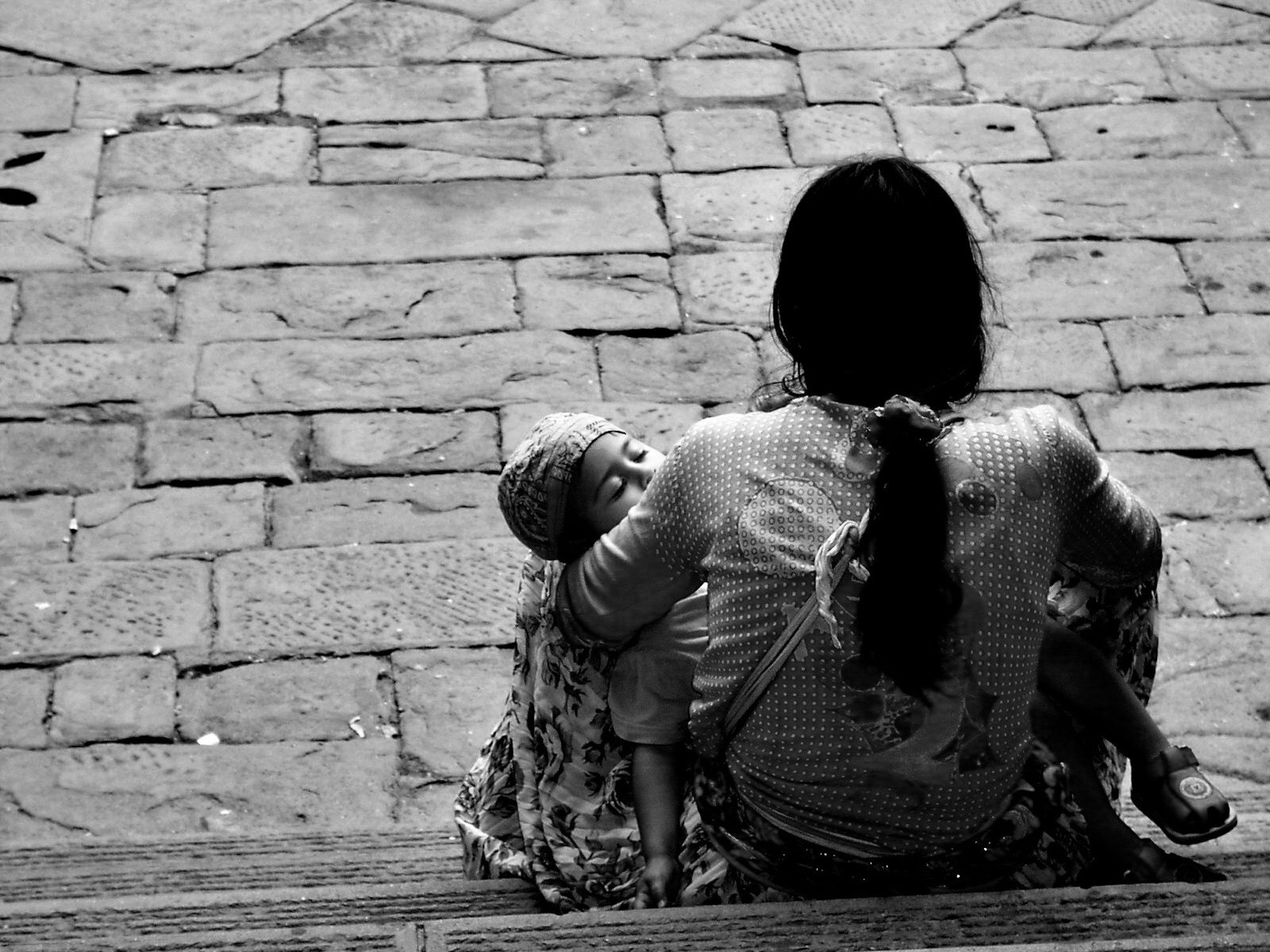
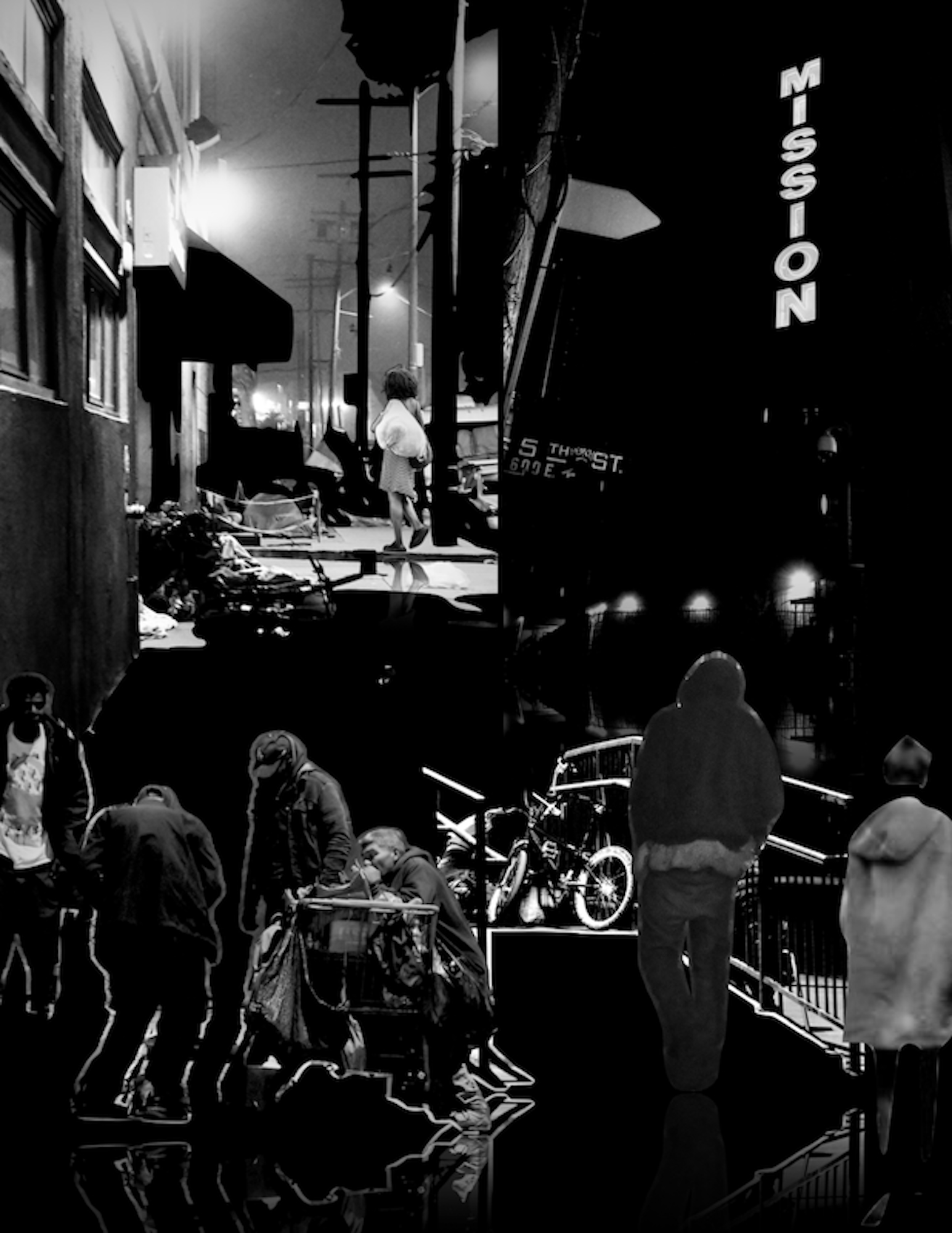
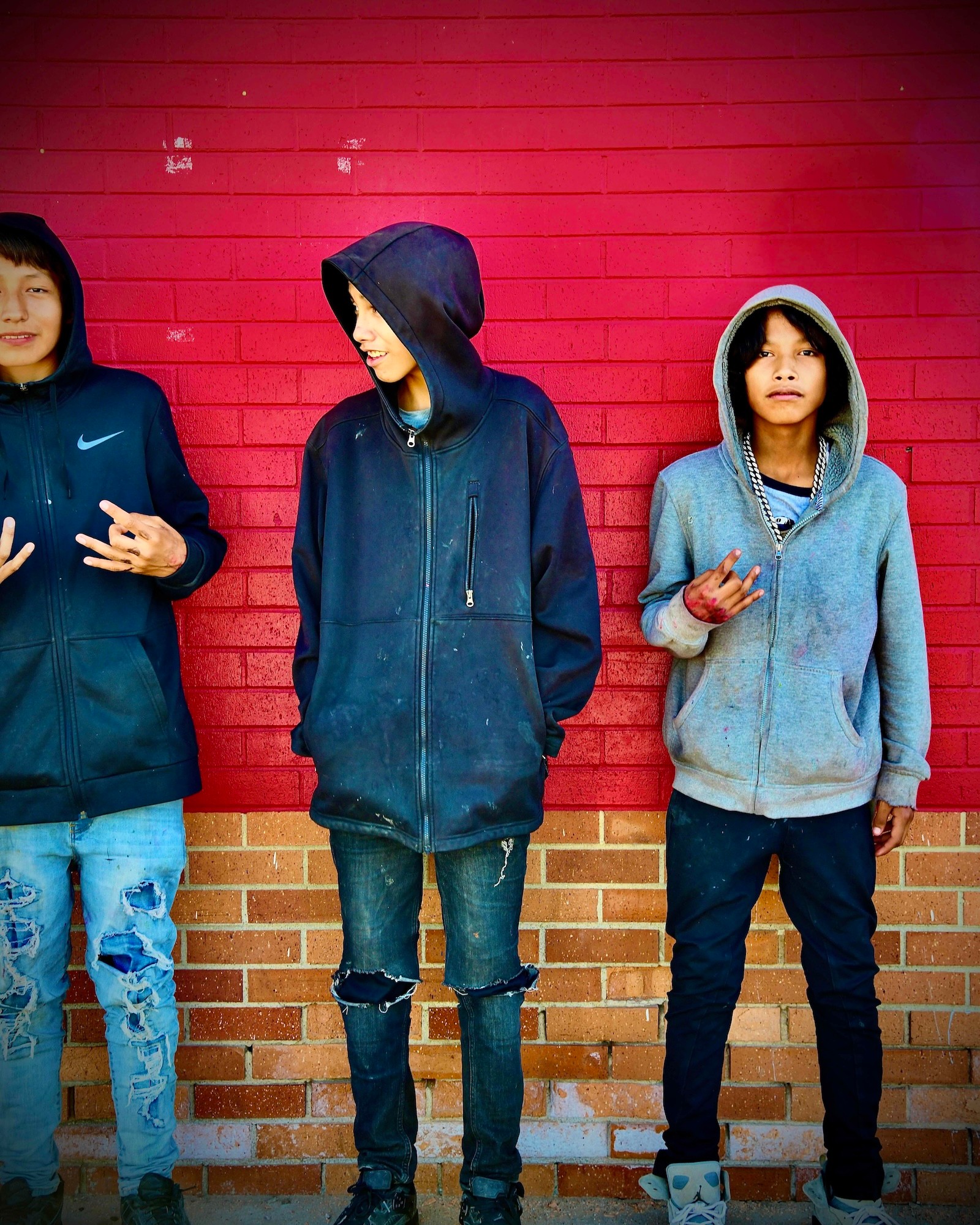
That evolution eventually led to TRESPASS: Portraits of Unhoused Life, Love, and Understanding. What began as a photographic journey grew into something far more personal. The unhoused people I came to know became friends, and their lives challenged not only my understanding of homelessness but my understanding of our shared humanity.
In 2024, TRESPASS was published as a book, followed by exhibitions and a feature documentary. The work has received some wonderful recognition, including a First Place BookFest Award, support from the de Groot Foundation, the Founders Award at the 2026 Pan African Film Festival, and Best Social Justice Feature at the San Francisco International Film Awards. I’m deeply grateful for those honors, for they bring greater visibility to the people and stories at the heart of the work.
Today, I’m developing Searching for Zora: The Face of America Today, a photographic, literary, and documentary exploration of poverty, resilience, identity, and belonging across America. Inspired in part by the remarkable Zora Neale Hurston, the project takes me into communities across the country, exploring the beauty, complexity, and contradictions of American life.
I’m also teaching screenwriting at UCLA Extension, something I find enormously rewarding, while being inspired by a new generation of storytellers. We need writers and storytellers who tell the important stories that shape our understanding of the world around us. I feel a great responsibility to my students and fellow creatives as they develop and share compelling stories with their communities. Film is an extraordinarily powerful medium, and that’s why the success of the TRESPASS documentary is especially meaningful to me.
Looking ahead, I’m interested in bringing these disciplines together—film, photography, literature, education, and public engagement—to create work that doesn’t simply document the human experience but invites us to participate in changing it.
I think of this period as an exciting new chapter. I’m still discovering, still experimenting, still asking questions. And perhaps most importantly, I’m still growing.
Can you talk to us a bit about the challenges and lessons you’ve learned along the way. Looking back would you say it’s been easy or smooth in retrospect?
I don’t know many artists who would describe their journey as a smooth road. A creative life requires perseverance, a willingness to take risks, and the courage to reinvent yourself—sometimes when circumstances leave you little choice.
I’ve experienced the uncertainty that comes with being a “creative”, the frustration of projects that never get off the ground, and the challenge of maintaining an independent creative voice in industries driven by commercial considerations. But the landscape facing artists today is particularly complex.
Today, technological change, shrinking opportunities due to corporate mergers, and the growing influence of algorithms have fundamentally altered how artists create, distribute, and sustain our work.
Young artists are now expected to be creators, producers, marketers, and entrepreneurs, all while trying to find their authentic voices. Social media offers extraordinary opportunities for exposure, but it also creates a culture in which visibility is mistaken for artistic value. These are obstacles for true artists trying to find their voice and make a living through the art they create.
Artificial intelligence presents another profound challenge. I welcome technology that expands creative possibilities, but I worry about the erosion of opportunities for emerging artists and the potential loss of the human experience that gives art its meaning. How will we maintain the human connection?
One of the greatest challenges has been finding ways to pursue work that is both artistically meaningful and socially relevant while navigating the practical realities of sustaining that work.
Projects like TRESPASS and Searching for Zora require time, resources, patience, and, above all, trust. Aligning these elements can definitely be challenging. But I believe that the obstacles themselves often become part of our education and force us to question our assumptions, reconsider our direction, and sometimes discover new possibilities we might never have imagined.
I’m not certain I would have arrived at this point in my life, doing the work I’m most passionate about, without having traveled that sometimes difficult road.
Alright, so let’s switch gears a bit and talk business. What should we know about your work?
My work is rooted in the belief that art, when shaped with intention and craft, can change the way we see one another and the world around us. Engagement with community is as important to me as aesthetics, and sharing the work becomes an act of collaboration.
As a filmmaker, photographer, writer, and educator, I believe art emerges from discipline and carefully considered choices of image, composition, language, sound, rhythm, and story. I want my work to be experienced—to make us feel, challenge long-held perceptions, and ultimately influence how we behave and perceive others.
Through TRESPASS and Searching for Zora, I explore poverty, race, belonging, dignity, and our shared humanity, creating intimate work that closes the distance between “us” and “them.”
Art as a Catalyst for Change is what happens when beauty—which I define as the revelation of truth—craft, and social purpose come together to create empathy, conversation, and possibility.
Beauty is not the destination. It is the invitation.
Do you have any advice for those just starting out?
Be patient with yourself. Developing an authentic creative voice takes time. Give yourself permission to explore, experiment, make mistakes, and change direction. Don’t become so consumed with where you want to go that you overlook the extraordinary things you might discover along the way. Enjoy the process.
Learn your craft. Study the work of artists you admire, but don’t confuse imitation with inspiration. And remain open to evolving. Some of the most rewarding experiences of my career have come from stepping outside what I thought I knew and allowing myself to become a beginner again.
I would also encourage young artists to read. Travel. Listen. Meet people whose experiences are different from your own. Pay attention to the world around you.
We have an opportunity to challenge perceptions, inspire empathy, create dialogue, and perhaps contribute to a more compassionate and just society. We CAN create and promote Art as a Catalyst for Change.
So, be curious. Be courageous. Be kind to yourself. And never stop growing.
Contact Info:
- Website: https://www.kimwatsonart.net/
- Instagram: https://www.instagram.com/kimwatsonart/
- Facebook: https://www.facebook.com/kim.mwatson.2025
- LinkedIn: https://www.linkedin.com/in/kim-watson-9226505?utm_source=chatgpt.com
- Twitter: @kimwatsonart
- Youtube: https://www.youtube.com/channel/UCVmfIjd06w_92GBEwx1F4Pw?utm_source=chatgpt.com
Popular
-

Portraits of the Valley
-

LA’s Most Inspiring Stories
-

Greg Hex Is Turning the Everyday Kitchen Knife Into a Modern Design Object
-

Rick Norris Learned That Building a Successful Business Means Building a Life You Actually Want to Live
-
How Olivia Rush Turned Survival Into a Mission to Help Others Keep Going
-

How Bibi Goldstein Is Helping Entrepreneurs Reclaim Their Time by Embracing the Power of Delegation


