




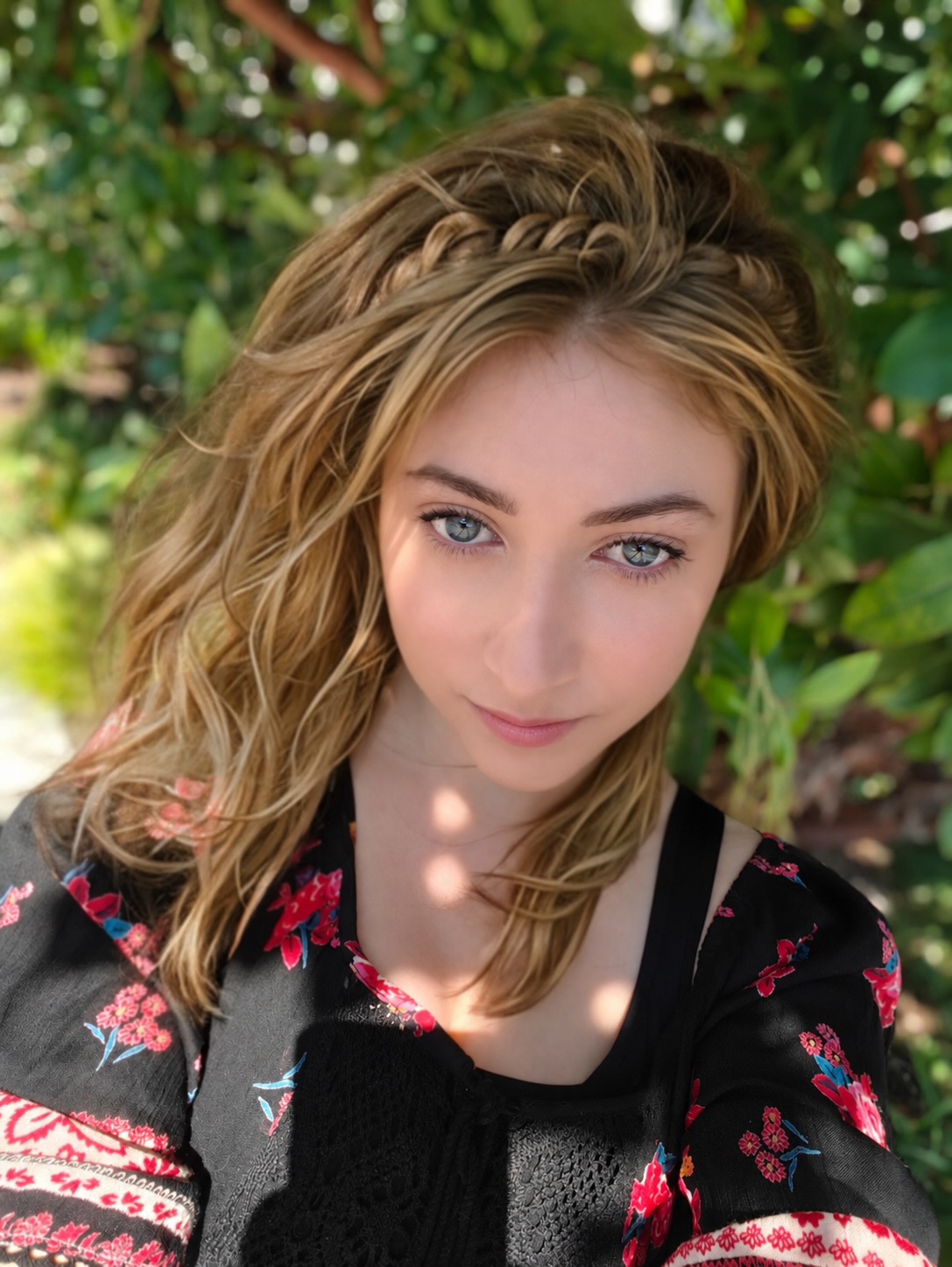
Today we’d like to introduce you to Brittany Black.
Hi Brittany, so excited to have you with us today. What can you tell us about your story?
My journey with photography began at the age of 15, over two decades ago, in the early 2000s. From the very beginning, it felt instinctive like an extension of the way I perceived the world, human nature, and the beauty hidden within ordinary moments, from my own unique perspective. Photography became my way of documenting not simply what I saw, but how I experienced it.
Long before my work evolved into the vibrant, abstract interpretations of nature that define much of my photography today, I was drawn to capturing people. I began by taking artistic, candid photographs of fellow students in high school, gradually developing a style that leaned toward documentary photography and photojournalism. Before long, my subjects and surroundings shifted into the eclectic, unconventional world of Hollywood’s creative and nightlife scene. At the time, I worked exclusively with 35mm film.
I developed my photographic eye through countless spontaneous encounters with artists, musicians, aspiring models, performers, and friends. Some were already established, while many were just beginning to find their place in the world. I photographed them at parties, gatherings, and events, often creating images and portaits for their personal use and emerging social media platforms. I never charged for my work. These photographs were favors, collaborations, and, above all, expressions of my passion.
In return, all I ever asked for was a photo credit.
That simple exchange became my introduction to the world of artistic exposure. My images circulated online, connecting me with more creative individuals and opening doors to experiences I could never have anticipated. I consider those years my true education in photography. I was never motivated by fame, financial success, or the pursuit of photography as a conventional profession. I photographed simply because I loved it, because I wanted to support other artists, and because I felt compelled to preserve the extraordinary moments unfolding around me. Turning that passion into an obligation always seemed as though it might interfere with the freedom and spontaneity that made it so meaningful. Photography was my greatest joy, and I wanted to protect that feeling.
My subjects were endlessly fascinating. They often dressed in elaborate, imaginative outfits, transforming themselves into extraordinary characters. The theatricality, individuality, and uninhibited self expression of that world offered an endless source of visual inspiration.
Looking back, I was far too young to be immersed in such an environment, although I certainly didn’t recognize it at the time. Yet those experiences became an integral part of my story, shaping both my artistic perspective and my understanding of human nature. It was a once in a lifetime period to document, a fleeting chapter of Los Angeles before smartphones, before AI, and before social media fundamentally transformed the way people presented themselves to the world. There was a particular freedom, mystery, and rawness to that era that is increasingly distant today. I often think of those early photographs as capturing the spirit of a modern day Studio 54. An eccentric, glamorous, sometimes chaotic world filled with larger than life personalities, artistic experimentation, and unapologetic individuality.
By the time I turned 18, I had already accumulated an extensive body of photographic work documenting a world that would never exist in quite the same way again. For someone who was naturally very shy, photography became something much greater than a creative outlet. It brought me out of my shell and gave me a confidence I had never known. With a camera in my hands, I could move through unfamiliar environments, connect with people, and express myself in ways that words never quite allowed. Once I discovered that feeling, I couldn’t stop.
Photography gave me an almost indescribable natural high… A sense of exhilaration and creative fulfillment that nothing else could replicate. When I entered that state of flow, time seemed to disappear. There was only the moment, the subject, the light, and an overwhelming instinct to capture what was unfolding before me.
It felt less like a hobby I had chosen and more like something I was born to do.
At its core, my purpose has always been to reveal beauty from an unexpected perspective… To notice what others might overlook, to find something extraordinary in the seemingly ordinary, and to preserve fleeting moments that might otherwise disappear.
I am largely self-taught, although my artistic education began long before I ever picked up a camera. As a child, I was constantly creating. Whether I was painting, decorating my room, or experimenting with any form of visual expression, I was instinctively drawn to the process of making something beautiful. Creativity was never something I had to force. It was simply part of who I was. Growing up in a family of avid art collectors also meant that I was surrounded by visual inspiration from an early age. Exposure to art, museums, and a wide range of artistic styles undoubtedly influenced the way I came to understand composition, color, and aesthetics. Much of my photographic education came from immersing myself in imagery. I collected independent art publications, conceptual photography magazines, and high-fashion editorials, studying their visual language with endless fascination. I also explored the work of photographers and artists through online blogs, absorbing anything that inspired me. I was captivated by the power of a single image, such as how composition, atmosphere, color, and emotion could come together to create something unforgettable and beautiful. Over time, I believe this constant exposure became embedded in my subconscious, quietly shaping my instincts and eventually revealing itself through my own work. I wasn’t consciously trying to imitate what I admired. Rather, I was developing a visual vocabulary that became uniquely my own.
During my final year of high school, I also had the opportunity to learn traditional darkroom photography, developing my own film and prints. There was something deeply therapeutic about the process—the patience, the anticipation, and the almost magical experience of watching an image slowly emerge in the developer.
It gave me an appreciation for photography as both an art form and a physical craft, something that feels particularly meaningful in today’s increasingly digital world. While many artists pursue their education through formal institutions, my path was different. My education came from observation, experimentation, immersion, and an innate curiosity about the visual world. I trusted my instincts, followed what fascinated me, and allowed experience to become my greatest teacher.
Over the past several years, my photography has taken on a new direction, shifting from the human experience toward the natural world.
Today, I am particularly drawn to vibrant colors, abstract compositions, unusual textures, and the often surreal beauty found in nature. Rather than simply documenting a landscape as it appears, I seek to interpret it through my own visual perception, revealing patterns, relationships, and moments that might otherwise go unnoticed. I have also developed new editing skills that are designed to enhance and shift the color, while still maintaining its integrity.
Although my subjects have changed, the instinct behind my work remains the same. Whether photographing an eccentric character in Hollywood or an extraordinary formation of light, color, and movement in nature, I am still searching for that elusive moment when everything comes together.
There is also a deeply spiritual dimension to my relationship with photography.
I have always been fascinated by synchronicity, the seemingly perfect alignment of timing, circumstance, intuition, and the natural world. Some of my most meaningful photographs have emerged from moments that felt almost impossible to anticipate, when the light, the environment, and my own presence seemed to align at precisely the right instant. I am drawn to the idea that our perception shapes the world we experience, and that creativity can be a form of visual manifestation… An expression of the connection between consciousness, imagination, and the universe around us. Color, in particular, has become central to my artistic expression. I am fascinated by its ability to influence emotion, transform an atmosphere, and alter the energy of a space. I love the idea that a photograph can do more than decorate a wall… That it can breathe life into an otherwise ordinary room, evoke a feeling, elevate a mood, heal emotions, or offer someone a moment of wonder.
Ultimately, photography has always been about far more than producing a beautiful image. It’s about the thrill of discovery, the freedom of expression, and the profound satisfaction of capturing something fleeting, and making it permanent.
Now more than twenty years after I first picked up a camera, I still experience that same excitement when everything falls perfectly into place. The technology may have evolved, and my perspective may have matured, but the feeling remains exactly as it was when I was 15. I still see the world through the eyes of an artist, searching for beauty where others might not think to look. And the joy of capturing that perfect moment has never left me.
Alright, so let’s dig a little deeper into the story – has it been an easy path overall and if not, what were the challenges you’ve had to overcome?
One of the greatest challenges throughout my photographic journey has been navigating the standards I set for myself, particularly my desire to preserve a certain purity and authenticity in my work. I’ve always felt a strong responsibility to remain fully present in my surroundings, constantly observing and anticipating the fleeting moments that might reveal themselves as photographs.
During my early years, I was adamant about shooting exclusively on 35mm film. Every photograph I took of people during that period was captured on film, a creative principle I was remarkably stubborn about maintaining. Although this commitment became an important part of my artistic identity, it also presented a unique set of challenges.
Working with a vintage camera from the 1980s required far more than simply recognizing a compelling image. I had to remain acutely aware of my surroundings while simultaneously managing the practical demands of shooting on film. In the midst of crowded parties, unpredictable environments, and often very dark settings, I was constantly juggling the process of capturing photographs, changing rolls of film, carefully storing them in my purse, and making sure nothing was misplaced. It was an exercise in multitasking, heightened awareness, and instinctive decision making. In many ways, it trained my mind to become extraordinarily observant.
Unlike digital photography, where hundreds or even thousands of images can be captured and instantly preserved, film offered very little room for error. Each roll contained roughly 30 exposures, and I would typically bring no more than ten rolls with me for an entire evening. Every frame mattered.
I had to trust my eye, anticipate the moment, and make deliberate decisions about what deserved to be photographed. There was no endless opportunity for retakes, no immediate preview, and no guarantee that the image I envisioned would translate successfully onto film. It required patience, intuition, confidence, and most definitely, a lot of luck. Yet those limitations ultimately became some of my greatest teachers. They sharpened my instincts, strengthened my ability to recognize a compelling composition almost instantaneously, and taught me to find beauty within the unpredictability of a moment. After each evening, I would take my rolls to the nearest drugstore to be developed. I had the photographs transferred onto a disc, which I would then load onto my computer to review, select, and make subtle adjustments to the colors.
Even during the editing process, I was careful not to compromise the original character of the photographs. I wanted them to remain raw, natural, and beautifully imperfect, preserving the grain, atmosphere, and authenticity that made film so distinctive. My goal was never technical perfection. It was to create an image that felt powerful, deep, and alive. This process was instrumental in shaping my early photographic style… Spontaneous, unfiltered, and deeply rooted in storytelling.
I gravitated toward a point and shoot aesthetic that embraced imperfection rather than attempting to eliminate it. At times, I even used disposable cameras, whose unpredictable and unpolished results felt equally suited to the world I was documenting and chances I was taking. There was something liberating about allowing the image to exist as it was, without excessive manipulation or the pressure to make every detail flawless.
To this day, I still have all of my original film negatives carefully stored away. And perhaps one of my greatest small victories from that era is that, despite the countless nights spent photographing in chaotic environments, I never lost a single roll of film. For that, I still thank my lucky stars.
Now my approach has shifted into maximizing the beauty of the world versus preserving the natural rawness of my previous works. I love diving into the two mediums.
Although my work responds will, I am still my very worst critic.
Overall, my perfectionism will always be my biggest obstacle.
As you know, we’re big fans of you and your work. For our readers who might not be as familiar what can you tell them about what you do?
Today, I specialize in abstract nature photography, capturing the specific details of the natural world in locations around the world. In many ways, my artistic journey has come full circle. Where I once devoted myself to documenting the essence of the soul in people and human nature, I now find myself drawn to capturing the soul essence of the Earth itself, its energy, its beauty, and what I perceive as the soul, the beauty, of our planet.
Although my subjects have evolved, my underlying intention has remained consistent. Whether photographing a person or a landscape, I am searching for something beyond the immediately visible. I want to capture the atmosphere, emotion, and intangible qualities that give a subject its unique presence.
My experience photographing people in diverse social settings and environments continues to influence the way I see the world and human nature. Those early years taught me to recognize fleeting moments, anticipate unexpected beauty, and trust my intuition… Instincts that remain central to my work today.
I have always worked independently, and I value the creative freedom that comes with it. Photography has never been something I pursued primarily for financial reward, professional recognition, or public attention. I invest an enormous amount of time, care, and energy into my images simply because of my undying love for the craft.
For me, photography is a labor of love, an ongoing passion project, and a deeply personal form of expression.
I intend to remain an independent artist, guided by curiosity and an appreciation for the craft rather than external expectations. Whether my work reaches thousands of people or remains relatively unseen, the fulfillment I experience through creating it remains the same.
Art, to me, has never been about being seen. I let my work speak for itself.
Color, energy, and the art of feeling…
One of the most important elements of my current work is color. I am fascinated by its emotional and psychological influence, and by the way a particular combination of colors can completely transform the atmosphere of an image or a space. I approach my colorful nature photography with the intention of creating something that extends beyond visual beauty. I like to think of my images as a form of visual color therapy, an invitation to experience feelings of calm, wonder, joy, or renewed energy simply through observation.
There is a spiritual dimension to this intention as well. I believe imagery can carry a certain emotional energy, and I am drawn to the possibility that a photograph might positively influence someone’s state of mind… Something that can heal. My hope is that my work can offer a moment of escape, uplift someone’s mood, or bring a sense of beauty and vitality into their surroundings. I love the idea of creating an image that does more than capture attention… One that creates an experience, evokes a feeling, and leaves something meaningful behind.
The camera Is only a tool…
Throughout my photographic journey, I have used a variety of cameras, from vintage film equipment to modern digital cameras and smartphones. Although each offers a different creative experience, I have never believed that the quality of an artist’s vision should be measured by the equipment they use.
My primary film camera was the Canon Photura, an unusually designed camera introduced in the late 1980s and produced for only a relatively brief period. With its distinctive, almost submarine-like shape, it remains one of my favorite cameras for capturing candid photographs with a nostalgic, vintage character.
There is something special about the images it produces… The grain, the atmosphere, and the unmistakable feeling of another era.
For my digital work, I enjoy experimenting with different cameras such as Leica and FujiFilm, as well as the increasingly sophisticated cameras built into modern smartphones. I have been particularly impressed by Android devices and their Hasselblad-branded camera systems such as the OnePlus, which offer remarkable photographic capabilities in a convenient format.
Portability is especially important to me. Inspiration rarely arrives on a schedule, and some of the most interesting photographic opportunities appear without warning. Having a capable camera within reach allows me to remain spontaneous and capture moments that might otherwise disappear.
I have never subscribed to the idea that a photograph becomes more artistically valuable simply because it was taken with expensive or prestigious equipment. The camera does not create the vision. What matters most to me is the artist’s eye, the atmosphere of the image, the emotion it conveys, and the way the final photograph is presented. A compelling image can emerge from the simplest camera in the hands of someone who knows how to see and translate it into something unforgettable.
One unexpected moment from my early years as a photographer involves a black and white candid photograph I took of Heath Ledger backstage at a concert in 2007, approximately a year before his passing.
At the time, I thought very little of the encounter beyond the photograph itself. I’ve never been particularly starstruck, and I approached him much as I approached any other compelling subject… As an interesting human being whose presence and expression caught my eye. I wasn’t trying to capture a celebrity. I was simply documenting a moment.
Years later, I discovered that the image had circulated online without my permission or credit. I also heard that it had appeared on a T-shirt somewhere, although I never personally pursued the matter. It was a strange experience to see an image I had taken so casually develop a life of its own, particularly given the circumstances of his untimely passing. There was something about the timing, expression, and atmosphere that came together almost effortlessly. It reminded me of one of the most fascinating aspects of photography. Sometimes the most powerful images are the ones we could never have planned. A moment of chance, a compelling subject, and the instinct to press the shutter at precisely the right instant can create something that resonates far beyond its original context.
That unpredictability is part of what has always made photography so magical to me. Beyond the surface.
Whether my subject is famous, an unknown artist, or a fleeting moment in nature, my intention has always been to capture something deeper than physical appearance.
I want to reveal the essence of a subject… Its character, its energy, its individuality, and perhaps even something resembling its soul. This also goes for the beauty of planet Earth. There is an intangible quality to certain photographs that can’t be manufactured through technique alone. It comes from your personal eye, observation, intuition, timing, and a genuine connection to what’s unfolding in front of the lens. The most extraordinary images communicate something words can never fully express. My goal has never been simply to photograph what something looks like, but to capture how it feels.
They do say a photograph is worth a thousand words.
We love surprises, fun facts and unexpected stories. Is there something you can share that might surprise us?
Recently, I’ve begun transforming my photographs into large-scale fine art prints and donating them to charitable organizations for silent auctions. Seeing my work find new homes while raising funds for meaningful causes has been an incredibly rewarding experience, adding an entirely new dimension of purpose to my photography.
I hope to continue expanding these contributions, as I find far greater fulfillment in knowing my art can make a positive difference than in creating solely for financial gain.
While I do offer my photographs for purchase to those who wish to bring them into their homes, my long term dream is to open a gallery of my own, where I can share my work on a larger scale while continuing to give back. I intend to dedicate half of the gallery’s profits to charitable causes, allowing my passion for photography to support something beyond itself.
For me, this represents a natural extension of everything that drew me to photography in the first place… The desire to create beauty, evoke emotion, and contribute something meaningful to the world.
The idea that an image can not only bring beauty into someone’s life, but also make a tangible difference in the lives of others, gives my work an even deeper sense of purpose.
I urge different charities to reach out to me so I can be of service and donate my work to any silent auctions.
Contact Info:
- Website: https://Instagram.com/neilabrittany
- Instagram: https://Instagram.com/brittanyblackphotography
- Facebook: https://Facebook.com/BrittanyBlackPhoto
- Other: https://Flickr.com/photos/missblacksphotos/albums
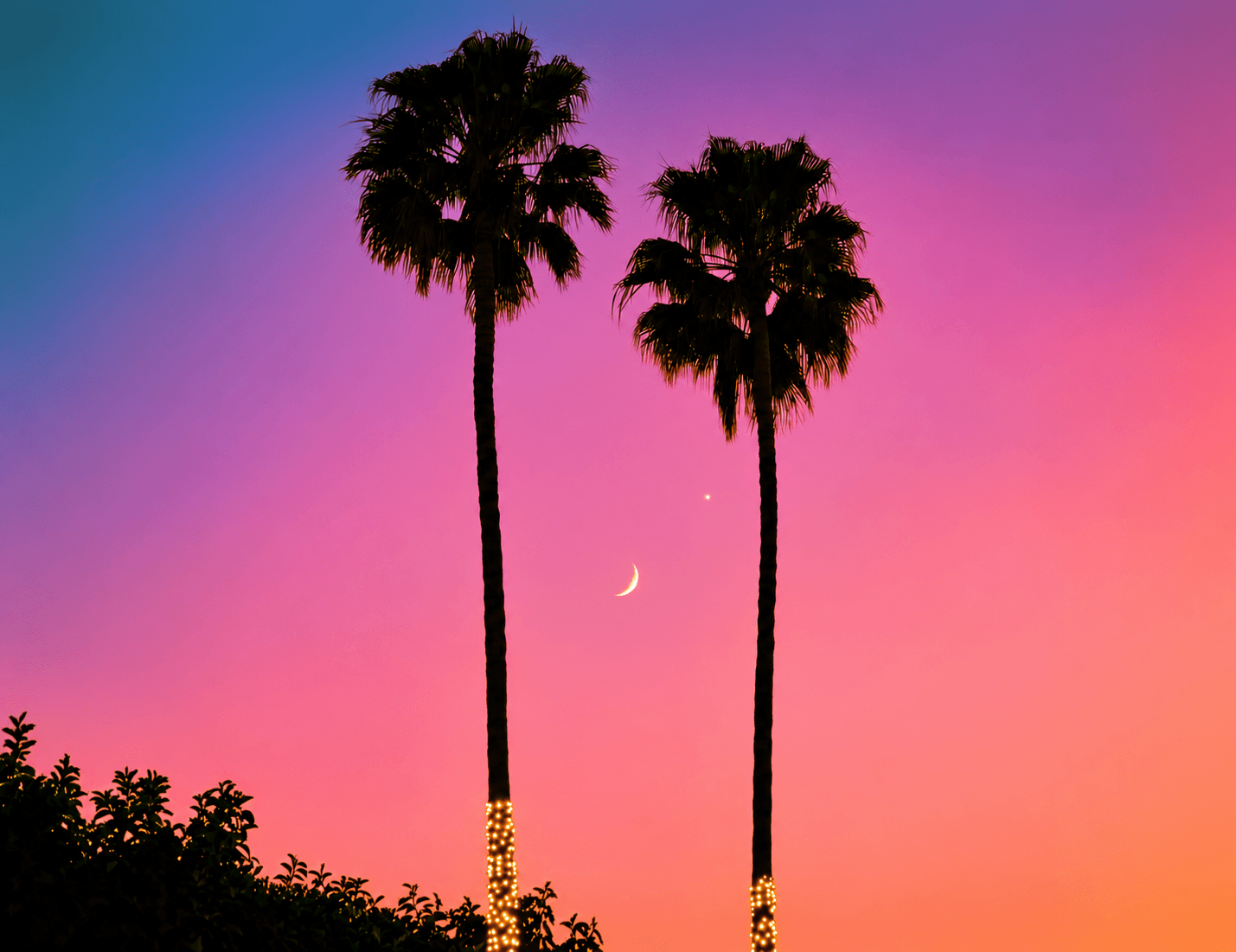
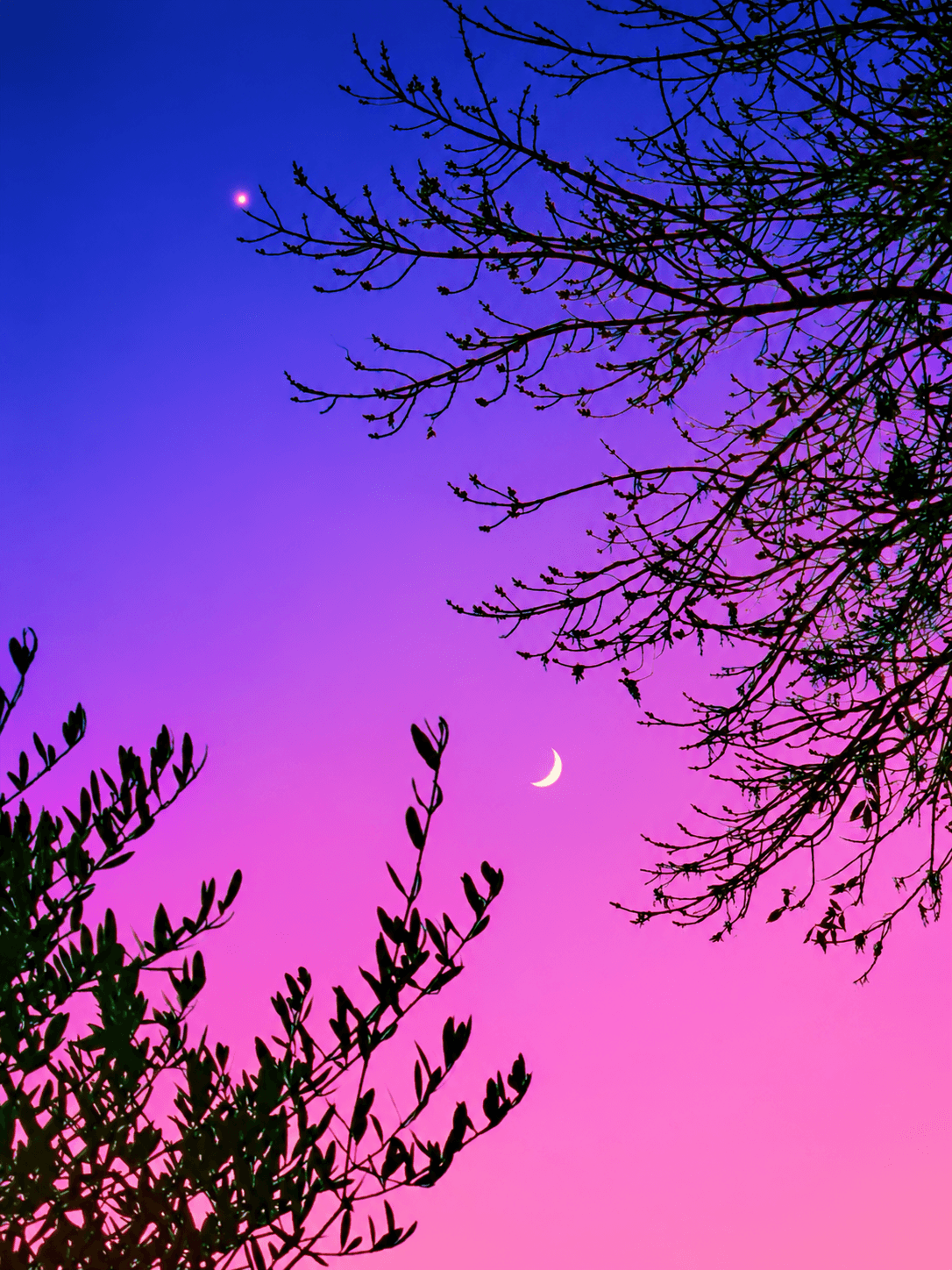
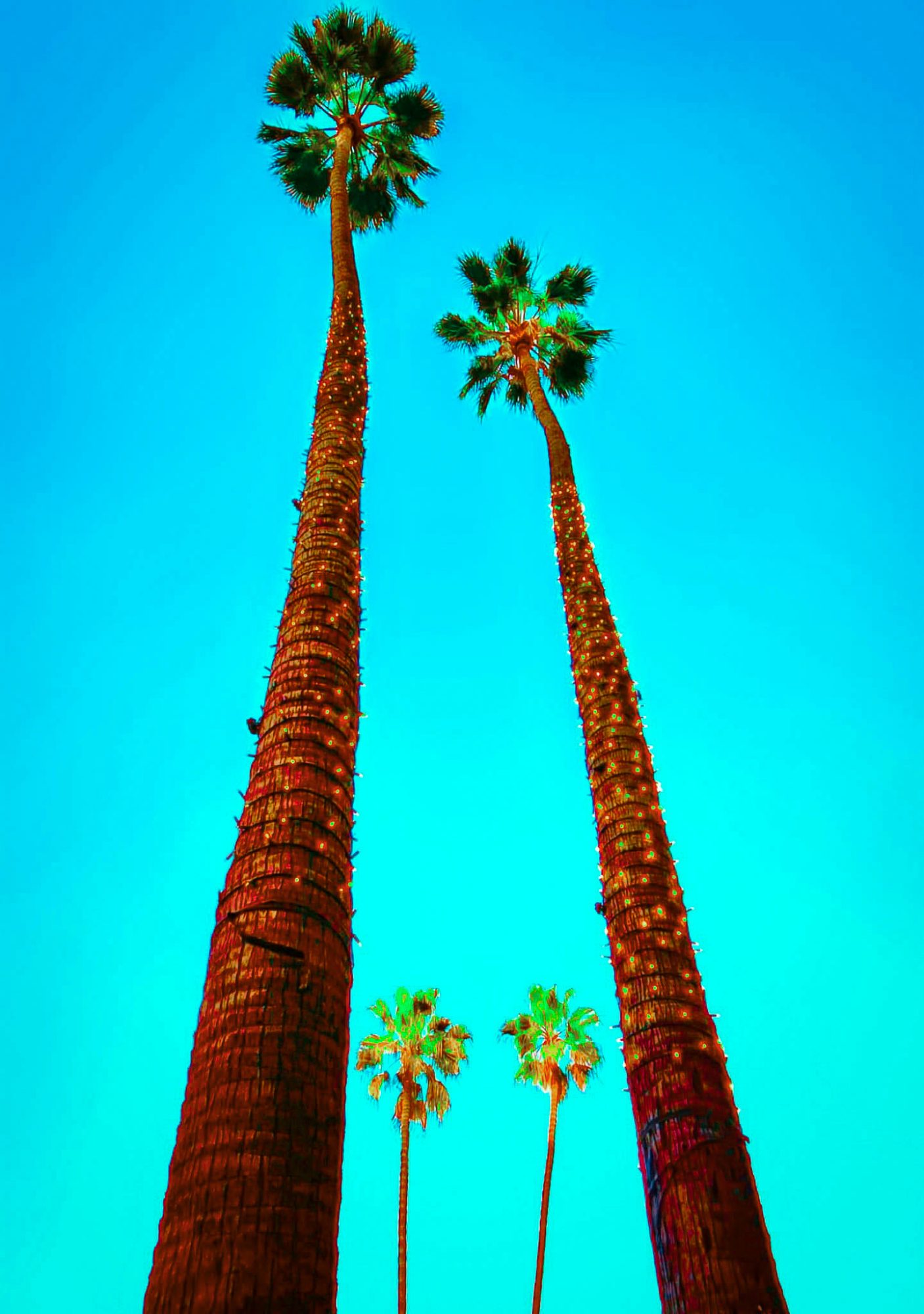
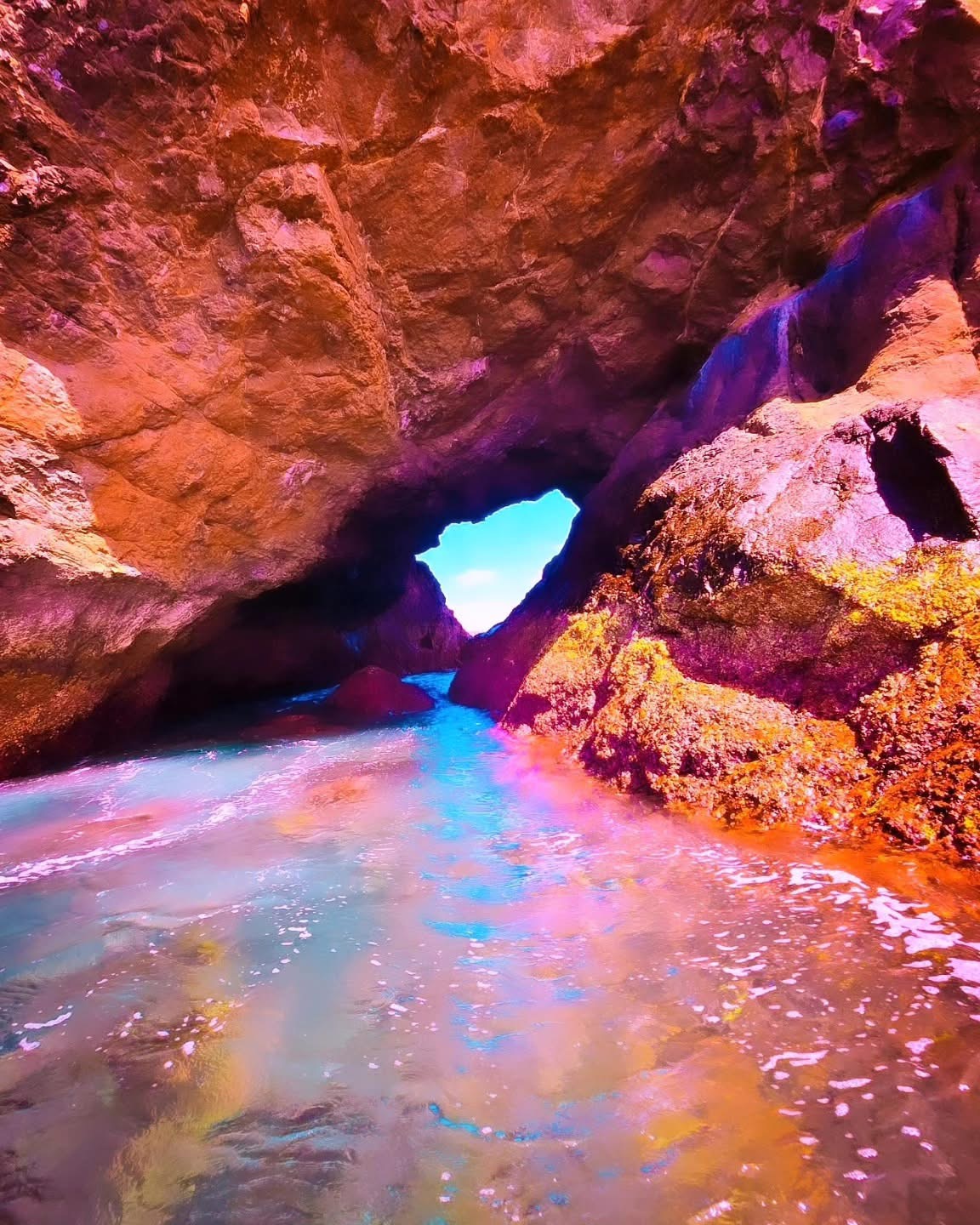
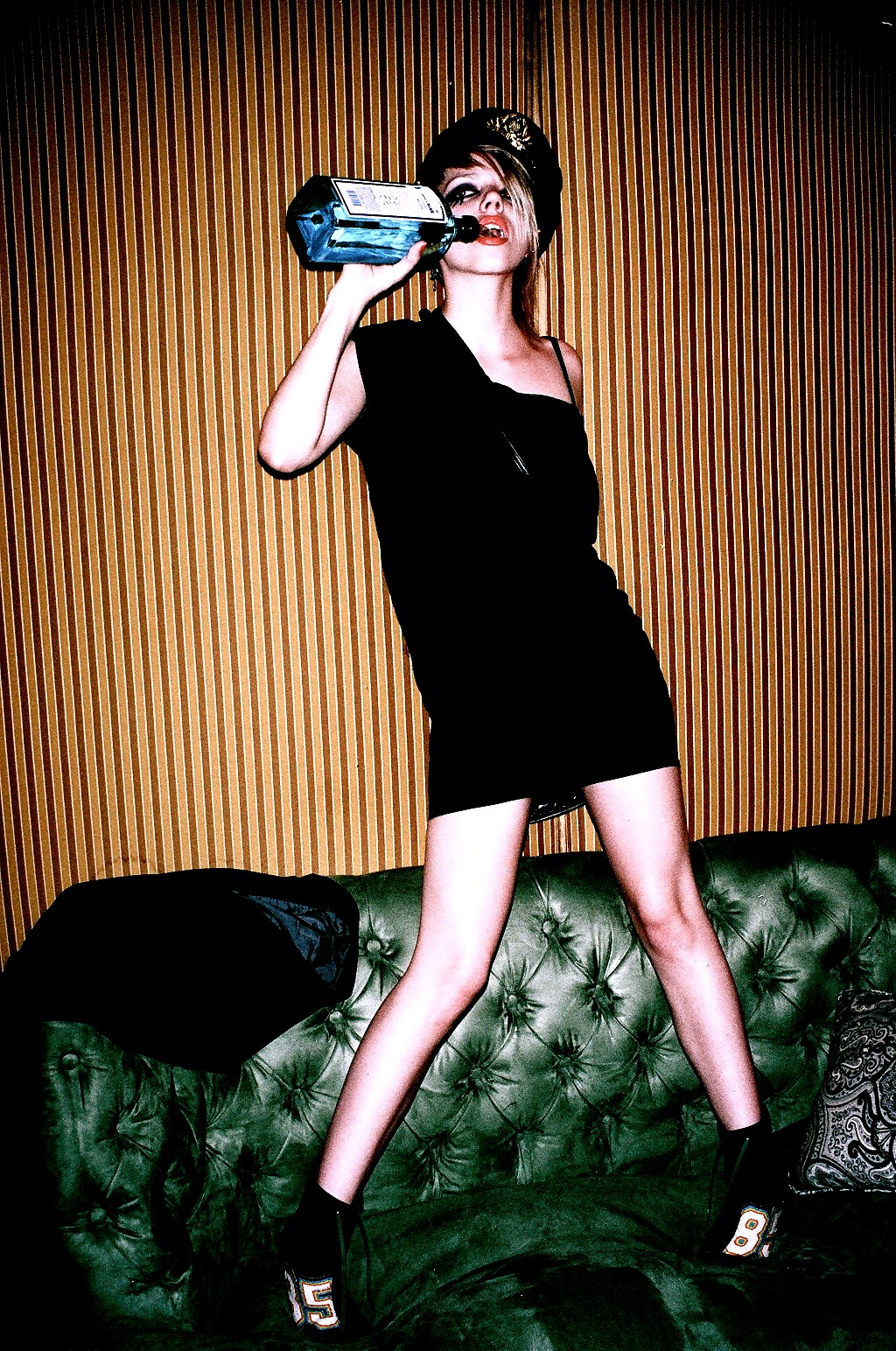
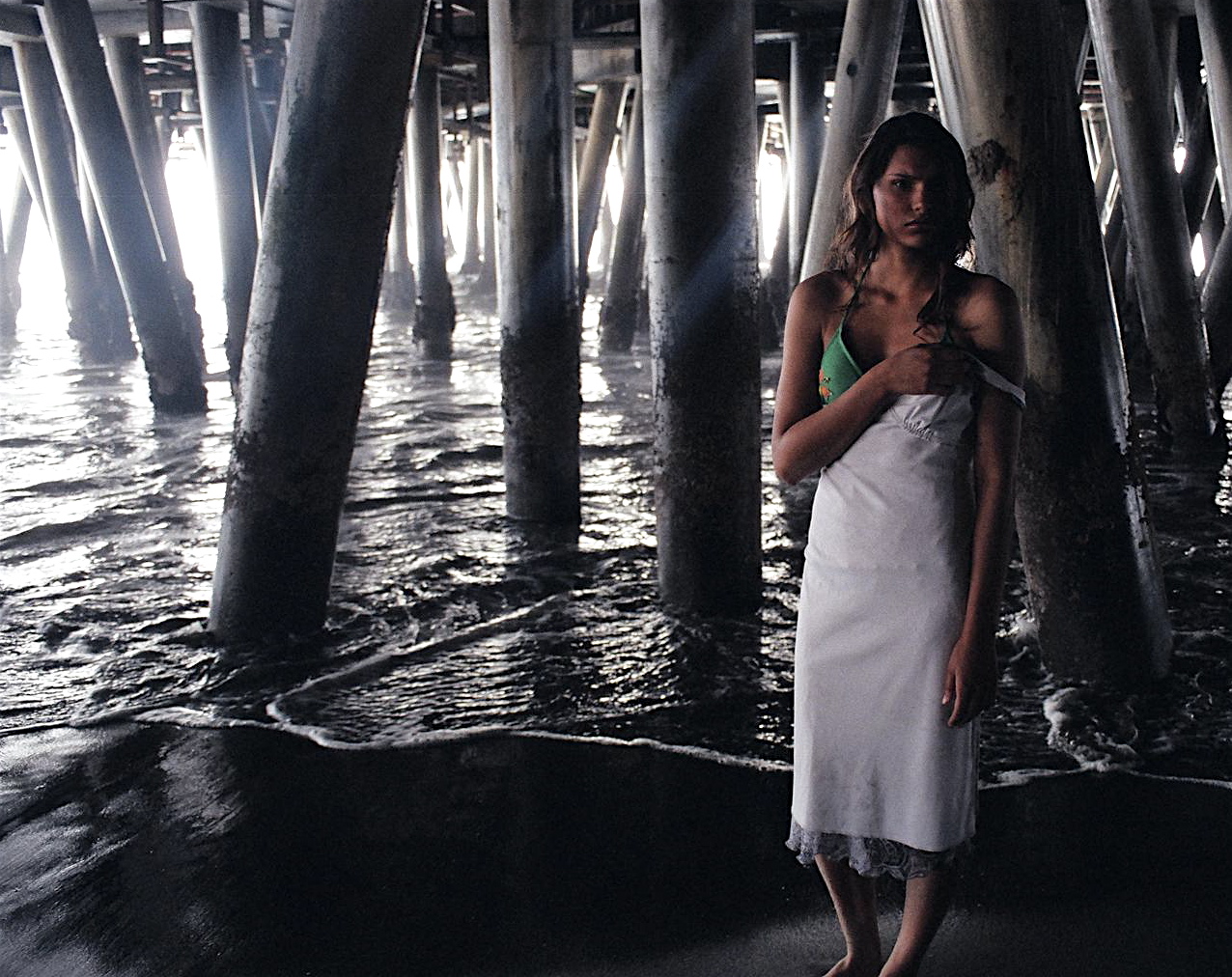
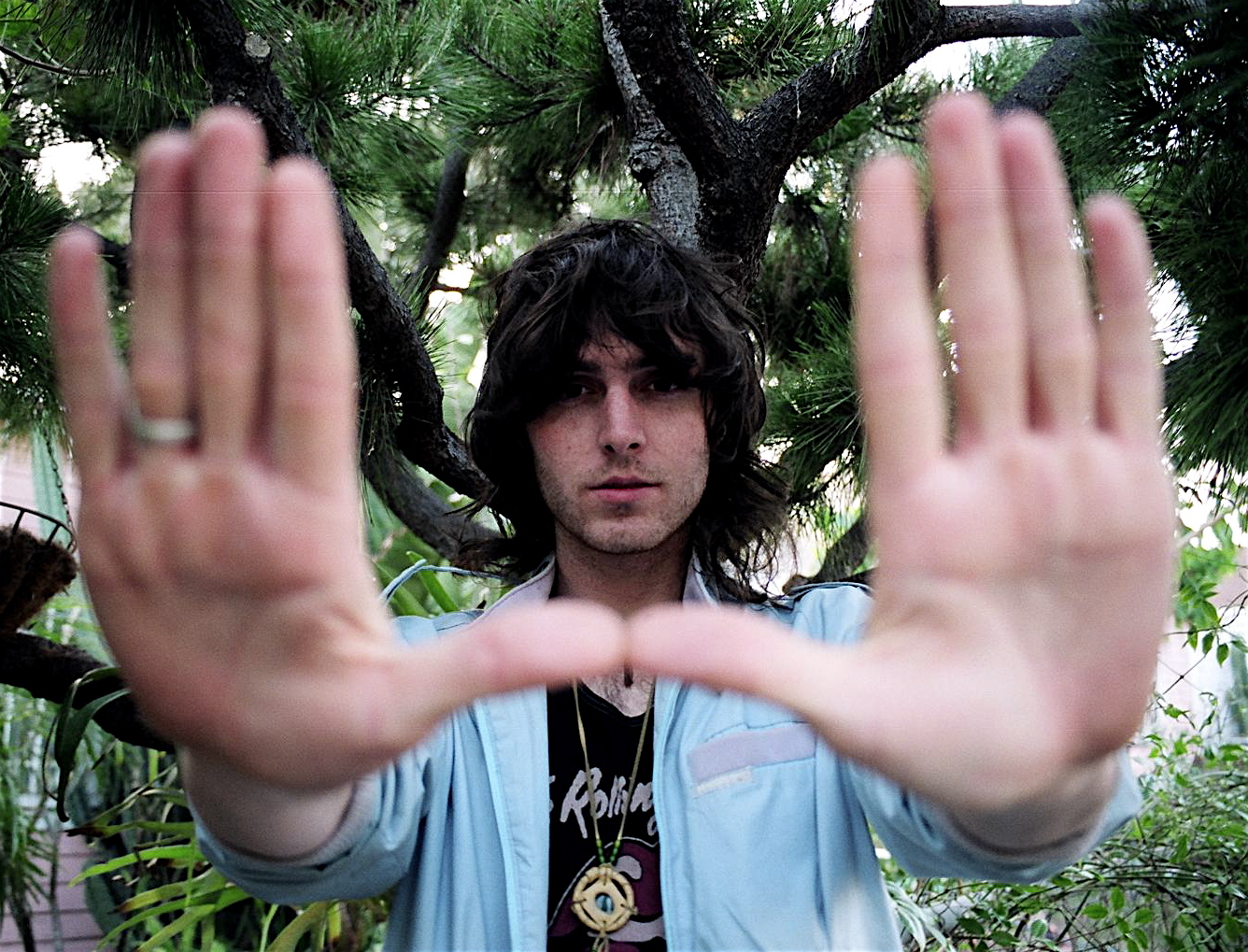
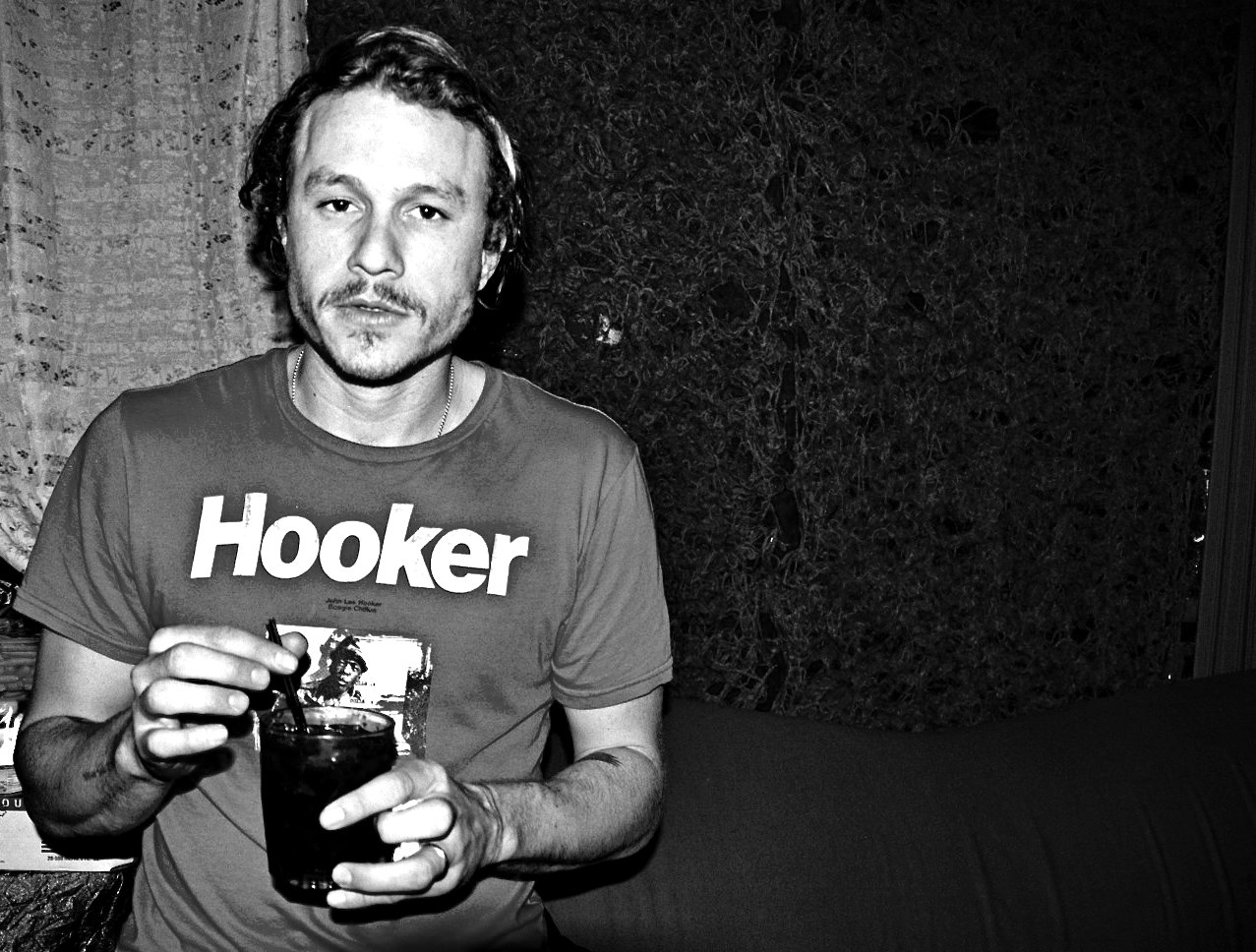
Image Credits
All images by me. Brittany Black.
Popular
-

Portraits of the Valley
-

LA’s Most Inspiring Stories
-

Greg Hex Is Turning the Everyday Kitchen Knife Into a Modern Design Object
-

Rick Norris Learned That Building a Successful Business Means Building a Life You Actually Want to Live
-

How Olivia Rush Turned Survival Into a Mission to Help Others Keep Going
-

How Bibi Goldstein Is Helping Entrepreneurs Reclaim Their Time by Embracing the Power of Delegation


