




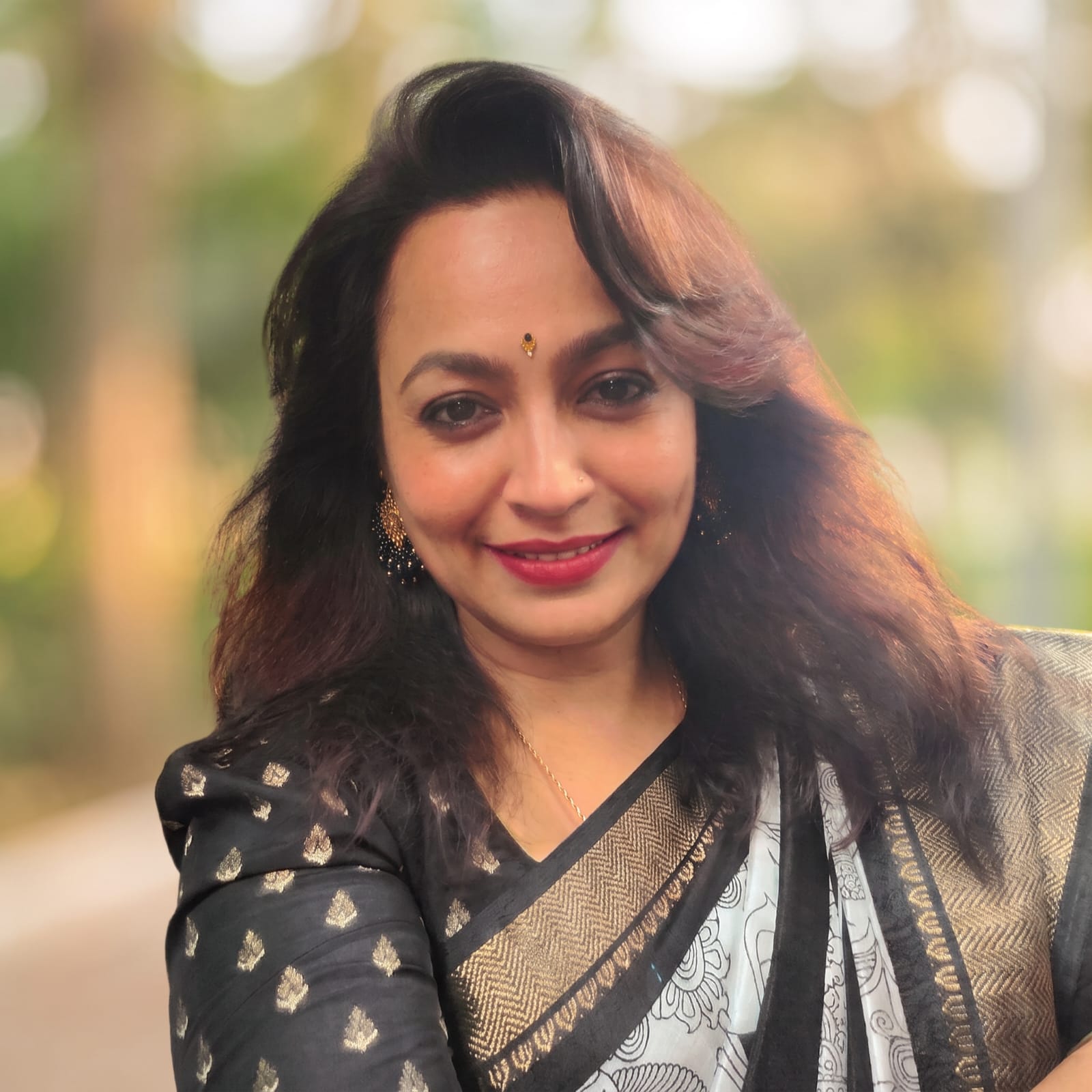
Today we’d like to introduce you to Trupti Bhoir.
Hi Trupti, so excited to have you with us today. What can you tell us about your story?
My journey is living proof that formal qualifications and conventional backgrounds never define the limits of what you can achieve. Growing up facing severe financial and personal struggles, my traditional schooling ended early after the 10th grade. To support myself and survive, I did whatever it took—working door-to-door as a beautician, offering parlor services from house to house while clinging to a relentless drive for something bigger.
Without a privileged background, formal artistic training, or clear paths open to me, I stepped onto theatre stages and embraced every opportunity to learn by doing. Theatre became my true school, teaching me how to connect deeply with people, command a room, and turn life’s real-world hardships into raw, powerful storytelling.
That grit carried me from stage performances like Sahi Re Sahi to television roles in popular series like Vadalvaat and Char Divas Sasuche. But I didn’t just want to act—I wanted to own my narrative and push boundaries on a massive scale:
Pioneering Cinema: I founded Trupti Bhoir Filmss, producing and starring in iconic projects like Agadbam, enduring grueling 26-hour prosthetic sessions to bring Najuka to life, breaking box-office records, and setting world records.
Preserving Culture: I created Touring Talkies to honor Maharashtra’s dying tent-cinema tradition, earning a spot on the Academy Awards Best Picture shortlist.
Impact & Activism: Through my work on Paro—An untold story of Bride Slavery- a film addressing bride trafficking—and founding the Shelter Foundation, my creative vision transformed into global advocacy. From local communities to international film festivals and speaking engagements at platforms like Harvard University, I have dedicated myself to fighting for human rights and uplifting others. I am now running a school under my NGO shelter foundation for over 900 tribal children & support many tribal women with art and crafts employment via domestic and international collaborations.
Looking back from where I stand today—from a child who couldn’t complete her education and a young woman doing door-to-door beautician work to a filmmaker, founder, and international advocate—I know that passion, relentless resilience, and the refusal to quit are what truly write your destiny.
I’m sure it wasn’t obstacle-free, but would you say the journey has been fairly smooth so far?
It has been anything but smooth—in fact, there were moments when the weight of the road felt heavy enough to break me completely.
My journey didn’t begin with opportunity; it began with basic survival. Growing up surrounded by severe financial distress, my childhood was cut short when my formal education ended after the 10th grade. While other girls my age were dreaming about college and building their futures, I was walking house to house, carrying heavy bags to work as a door-to-door beautician. Every door I knocked on was a quiet reminder of the life I didn’t have, and every house I entered was a test of my dignity. Surviving meant pushing through physical exhaustion, swallows of pride, and the cold reality of having no safety net.
On top of financial scarcity, I had to navigate the deep-rooted prejudice of the caste system. Facing societal biases and quiet discrimination added a heavy emotional layer to an already steep uphill battle. In an environment where systemic barriers and societal labels try to predetermine your place in the world, fighting for respect, recognition, and equal space was a continuous, painful struggle.
Standing in rooms full of people with privileged backgrounds, influential networks, and formal qualifications, the silence of being an outsider felt deafening. I was met with relentless rejection, skepticism, and doubt. There were nights of overwhelming isolation where the sheer impossibility of my dreams left me in tears, wondering if a girl without a complete education or status was foolish for reaching so high. Pushing through that dark fog required an almost painful level of mental resilience—forcing myself to believe in my worth when society told me otherwise.
And when I finally fought my way to creating my own work, extreme physical pain set in. Bringing a role like Najuka to life in *Agadbam* wasn’t just acting—it was a brutal test of physical endurance. Sitting frozen for 26 hours straight in heavy prosthetics, unable to move, eat, or breathe easily, pushed my body to its absolute limits.
Every milestone I’ve reached was bought with tears, sweat, and quiet battles fought behind closed doors. But looking back at that young girl carrying her beauty kit from door to door and refusing to let caste or poverty define her destiny, I know that every tear shed became the foundation of **Trupti Bhoir Filmss** and the **Shelter Foundation**. The road was painful, but it was that very heartbreak that gave me the strength to stand tall today.
Thanks – so what else should our readers know about Trupti Bhoir Filmss & Shelter Foundation?
“”Trupti Bhoir Filmss** and **Shelter Foundation** operate as two halves of a single, powerful mission: bridging the gap between cinema, grassroots activism, and real-world policy change.
**What We Do & Specialize In**
At **Trupti Bhoir Filmss**, we specialize in producing ground-breaking, high-impact cinema that dares to tackle subjects mainstream entertainment often overlooks. We are known for fearless storytelling & turning change in government policies for the betterment of our protagonists—whether that means preserving disappearing cultural legacies like Maharashtra’s tent-cinema tradition in *Touring Talkies* or exposing dark, unspoken social realities.
Complementing this, **Shelter Foundation** is our grassroots non-profit wing dedicated to human rights, women’s empowerment, and child welfare. Together, we operate at the intersection of investigative research, artistic expression, and direct social intervention. We have Tarpa Tribes featured in Los Angeles LAFW & Cannes powered by LA Fashion closet, and our global affiliation non profit HOPEBLIT ( A Voices Unheard Film) – founder Ruhi( Rohini) Hak. We hope to enable this fashion statement across the world and help empower these tribal women & children in remote areas.
**What Sets Us Apart**
What makes our work unique is that our films are not just creative projects; they are born out of raw, on-the-ground fieldwork. Before a script is ever written, we conduct deep, immersive research alongside local communities and survivor groups. We don’t just use cinema to entertain—we use it as a catalyst to give voice, identity, and dignity back to those who have been systematically silenced.
**The Social Impact We Have Created**
***Combating Bride Slavery & Human Trafficking (*Paro*- The untold Story of Bride slavery ):Through extensive ground research with Shelter Foundation in regions like Mewat, we brought the reality of bride trafficking (*Paros*) to light. The impact of *Paro* extends far beyond the screen:
**Global Advocacy:** We brought survivors directly before the National Commission for Women and state representatives to demand policy changes and systemic legal protections.
**International Awareness:** Our advocacy and film screening have taken this critical human rights conversation to global stages, including Harvard University, international film festivals, and TEDx platforms.
**Economic Empowerment:** Shelter Foundation actively works toward sustainable economic rehabilitation, empowering survivor women with livelihood skills so they can build financial independence, gain respect, and secure a better future for their children.
**Cultural Preservation (*Touring Talkies*):** With *Touring Talkies*, we spotlighted Maharashtra’s dying nomadic tent-cinema culture, earning global recognition and an Academy Awards shortlist placement that put traditional Indian folk-cinema heritage on the global map.
**What We Are Most Proud Of**
Brand-wise, we are most proud that our work proves stories told with courage can influence policy, change mindsets, and give a platform to the unheard. We want readers to know that whether through a film screening or a community shelter initiative, every effort under **Trupti Bhoir Filmss** and **Shelter Foundation** is driven by one core principle: using art and action to restore human dignity, uplift communities, and create lasting social change.
What does success mean to you?
For me, success has never been about reaching a comfortable destination, accumulating wealth, or seeking validation from an industry that once shut its doors to me. When you grow up where basic survival is a daily battle, success initially means simply finding the strength to keep breathing through the hardship. But as you claw your way past severe poverty, caste-based prejudice, and the limitations imposed by an incomplete formal education, the definition of success evolves into something far deeper, more meaningful, and deeply personal.
True success is, first and foremost, reclaiming complete ownership of your narrative. It is the quiet power to stand tall, look back at a past defined by door-to-door beautician work, and declare that your origins do not dictate your destiny. It is taking every ounce of pain, systemic bias, and exhaustion, and converting it into world-record-breaking creative work that commands respect on its own terms. Success is refusing to let the world label you, and instead forcing the world to acknowledge your worth through sheer merit and unyielding grit.
Beyond personal achievement, real success is measured by purpose and the tangible impact you leave on others. It is not found in applause or red carpets, but in using your platform to give voice, identity, and protection to those who have been systematically silenced. Through Trupti Bhoir Filmss and Shelter Foundation, success has meant taking raw, heartbreaking truths like bride trafficking, carrying them to global stages like Harvard University and the Oscars shortlist, and driving real-world policy reform that restores human dignity and transforms lives.
Ultimately, I define success as unbroken resilience and the courage to leave the world better than you found it. It is sitting through 26 hours of physical agony for a role, pushing past decades of doubt, and turning every secret tear into fuel for social change. Success is proving to every young girl who feels invisible, marginalized, or limited by her circumstances that no barrier of caste, status, or lack of education can ever dim the strength of an unyielding spirit.
Pricing:
- Tarpa Tribes arts and crafts – Range is from $10 to $110 for sarees/ jewelry/ traditional tribal art work
- Production & acting depends son scripts.
Contact Info:
- Website: https://www.shelterfoundation.in/aboutus
- Instagram: https://www.instagram.com/truptibhoirofficial/

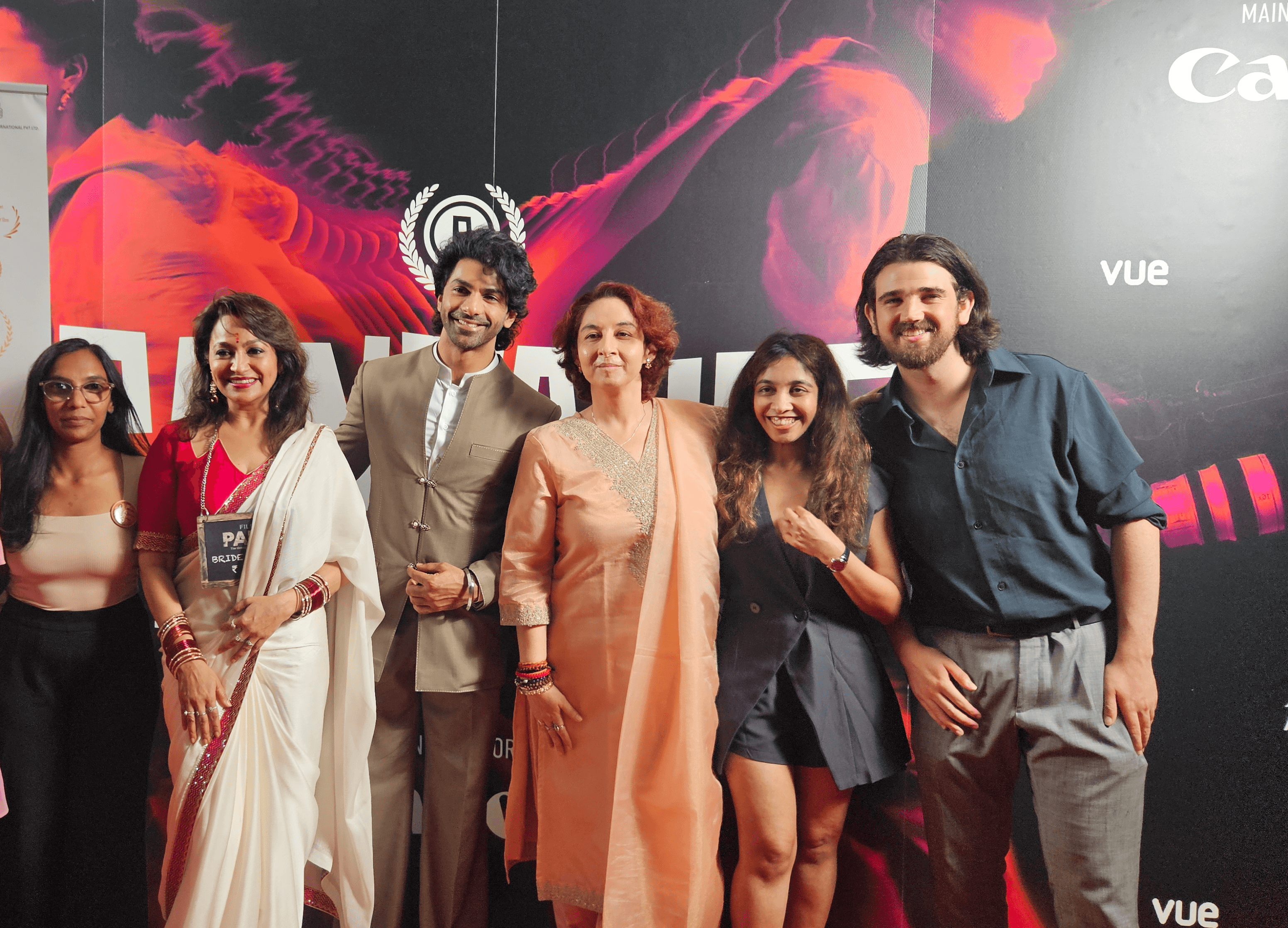
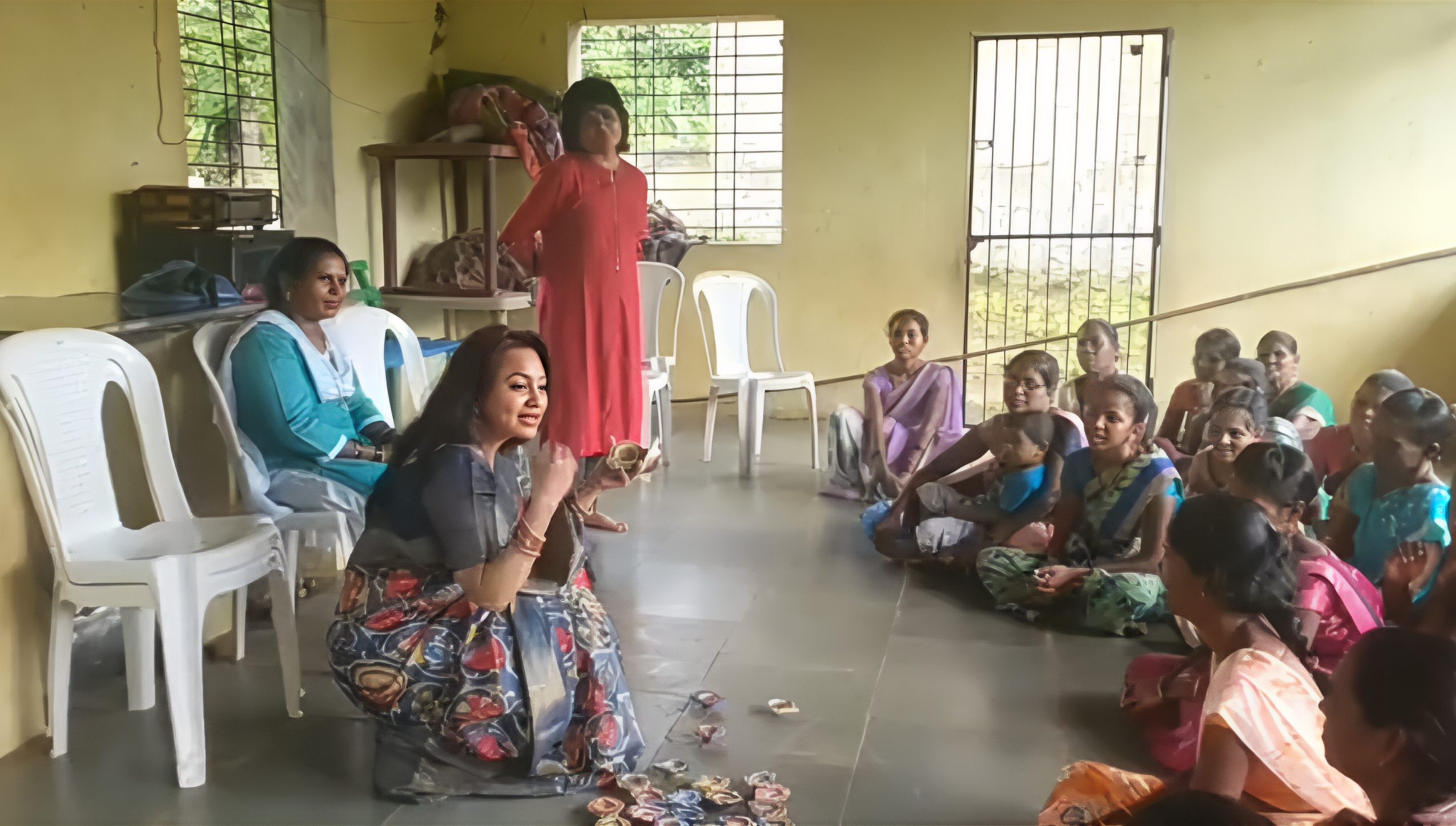

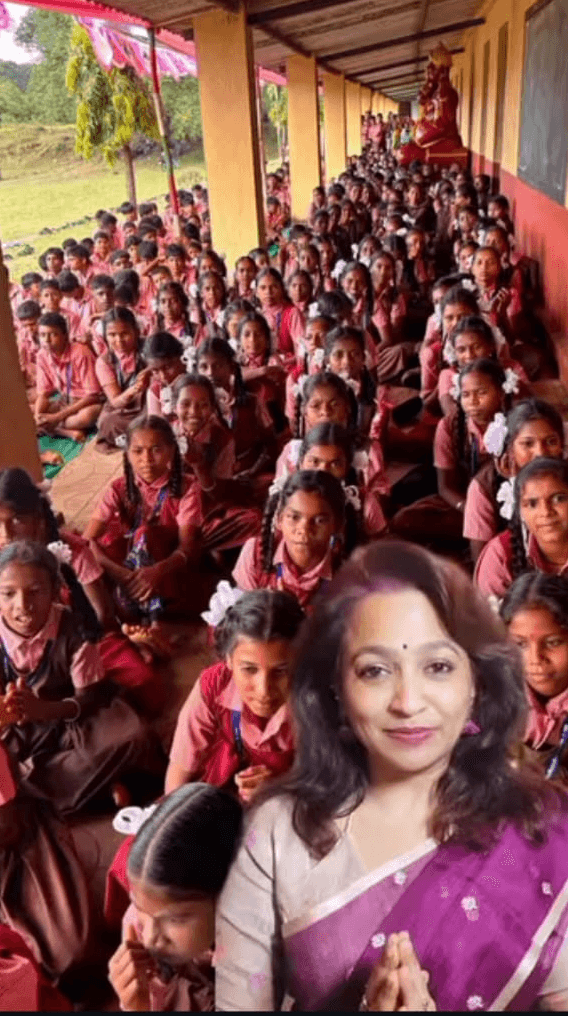
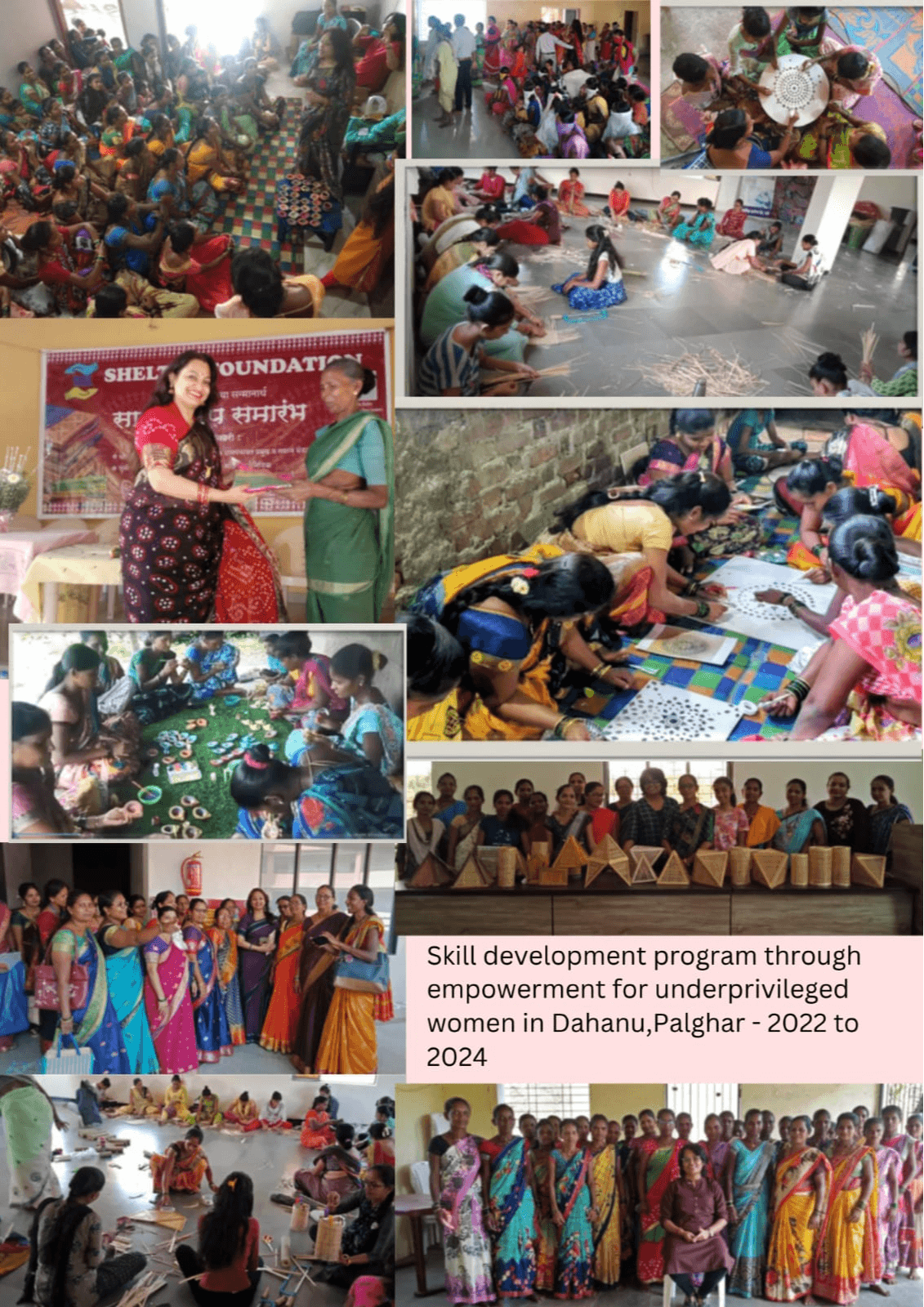
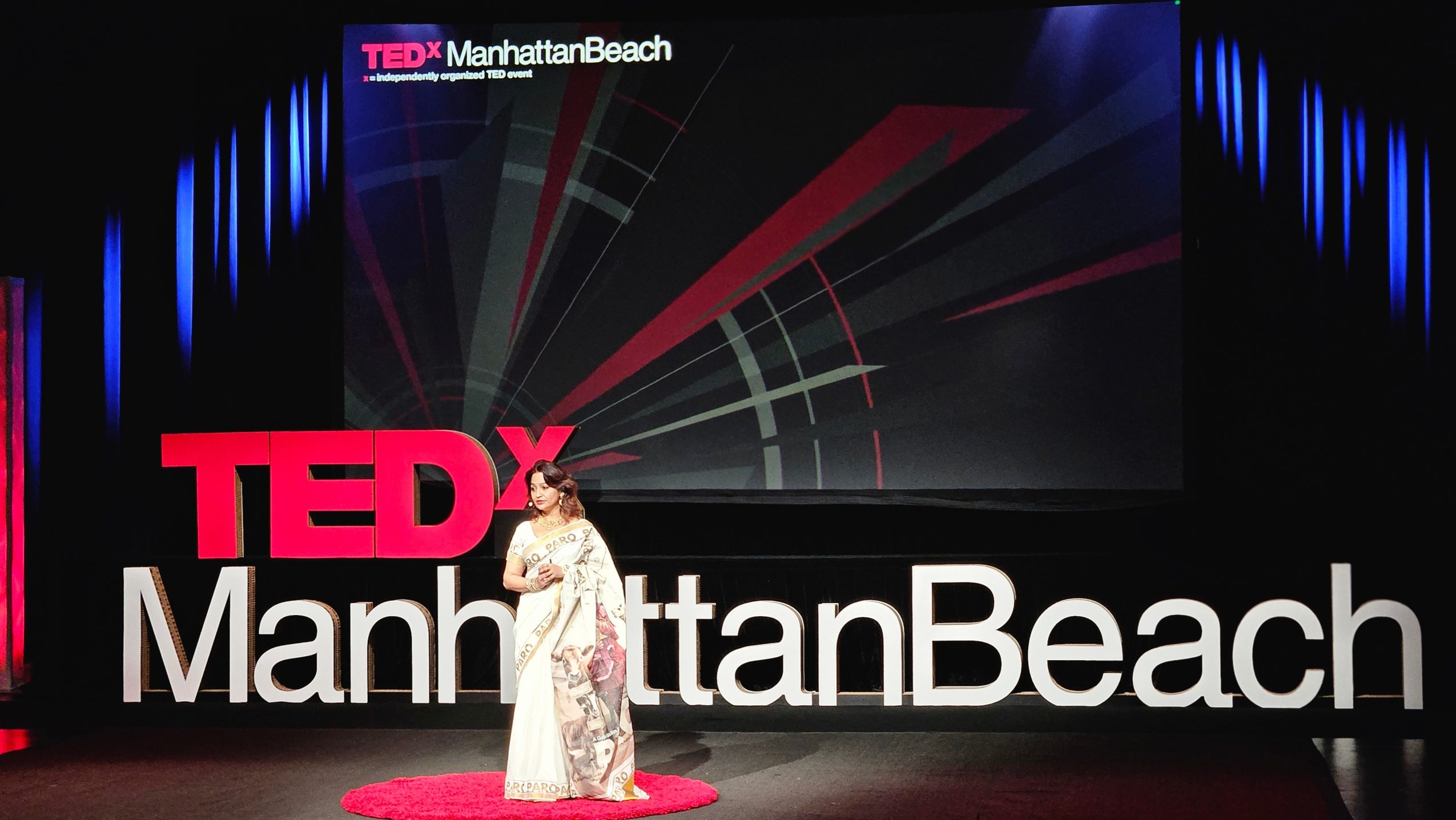
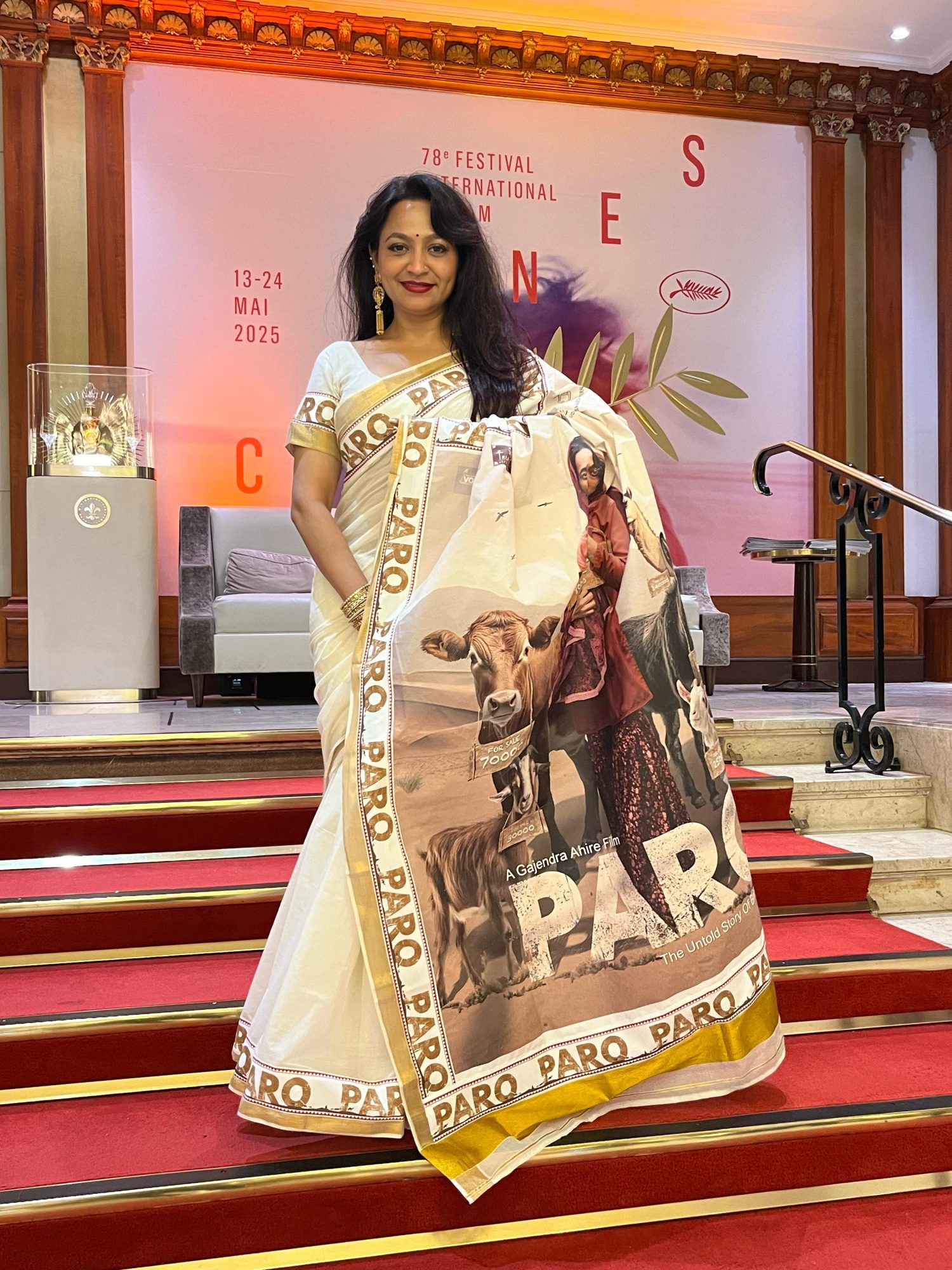
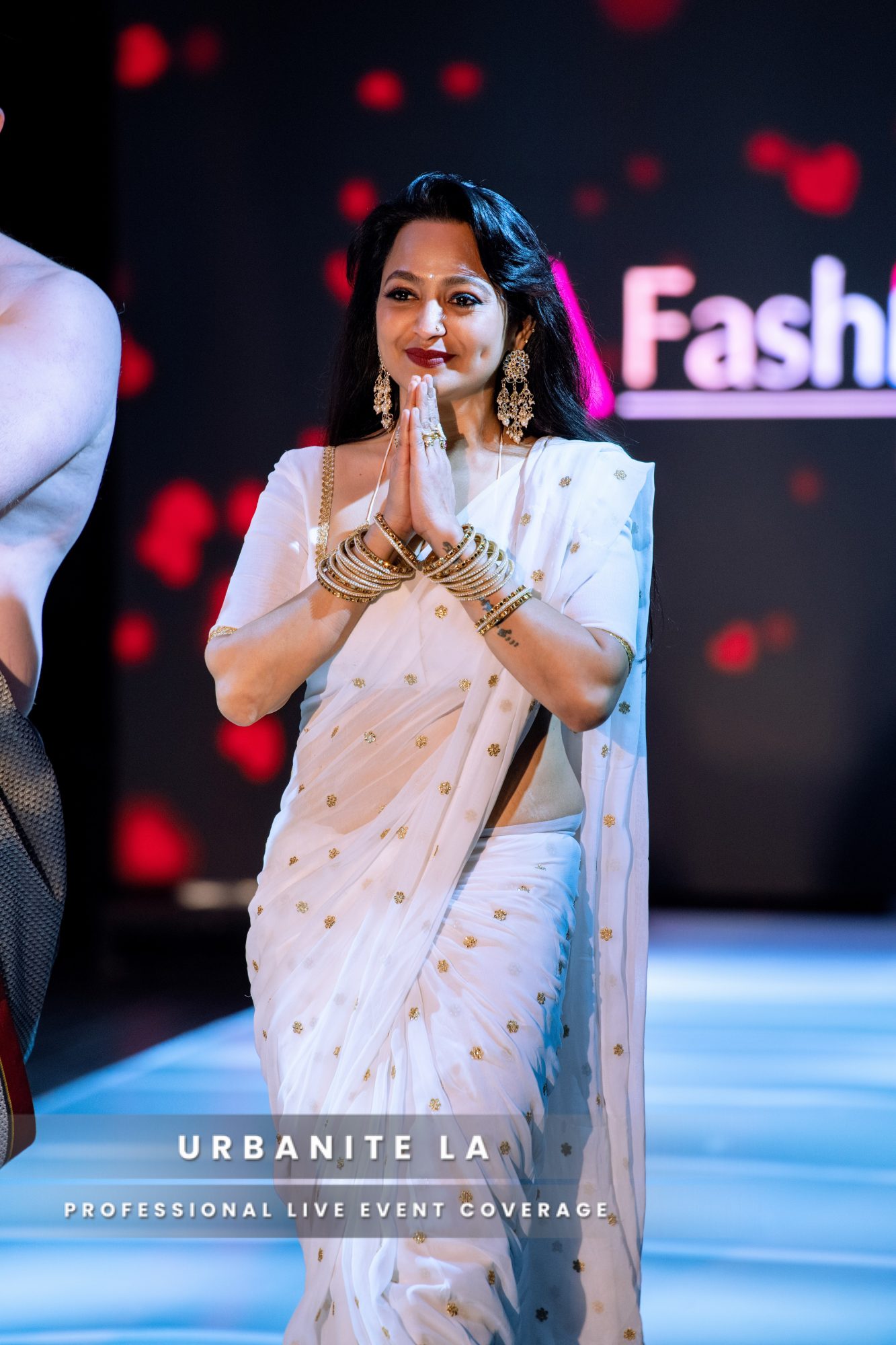
Image Credits
urbanite LA
Popular
-

Portraits of the Valley
-

LA’s Most Inspiring Stories
-

Greg Hex Is Turning the Everyday Kitchen Knife Into a Modern Design Object
-

Rick Norris Learned That Building a Successful Business Means Building a Life You Actually Want to Live
-

How Olivia Rush Turned Survival Into a Mission to Help Others Keep Going
-

How Bibi Goldstein Is Helping Entrepreneurs Reclaim Their Time by Embracing the Power of Delegation


