




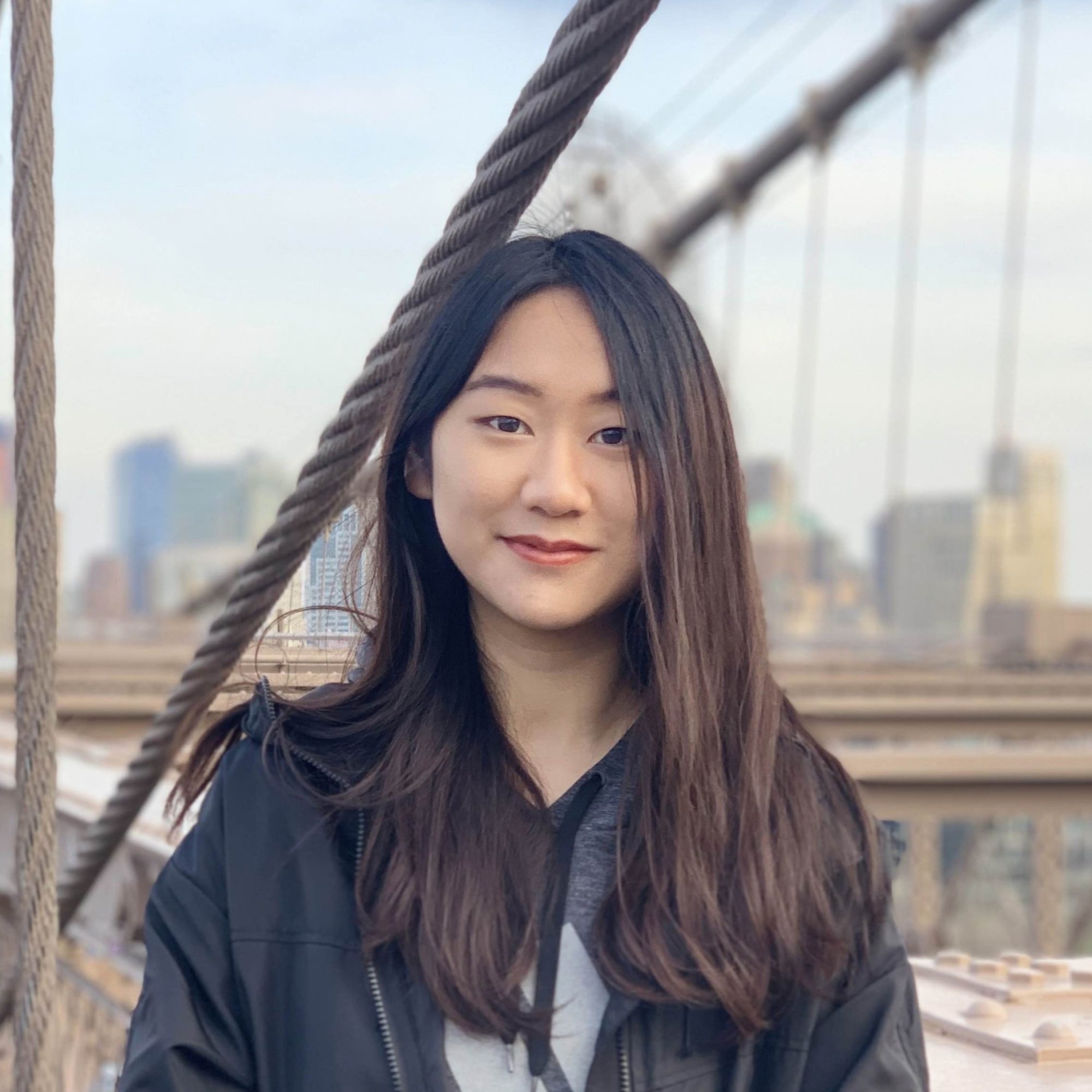
Today we’d like to introduce you to Tianji Yang.
Hi Tianji, thanks for joining us today. We’d love for you to start by introducing yourself.
I grew up in Beijing, China, and learned to play the flute from a young age. Interestingly, my journey into 3D art began quite unexpectedly when I developed an interest in visual arts and computer animation while preparing for college.
Looking back, I think that interest had been growing for a long time. When I was little, my dad would often buy me Blu-ray movies from studios like Disney, Pixar, and Blue Sky. I still remember how excited I was whenever he brought home a new movie, whether it was Bolt, Ice Age, Toy Story, or G-Force. I would watch them over and over again, completely fascinated by the characters and the worlds they lived in. When I eventually discovered that I could learn to create those worlds myself, something just clicked. I wanted to bring the stories and characters in my imagination to life through 3D animation.
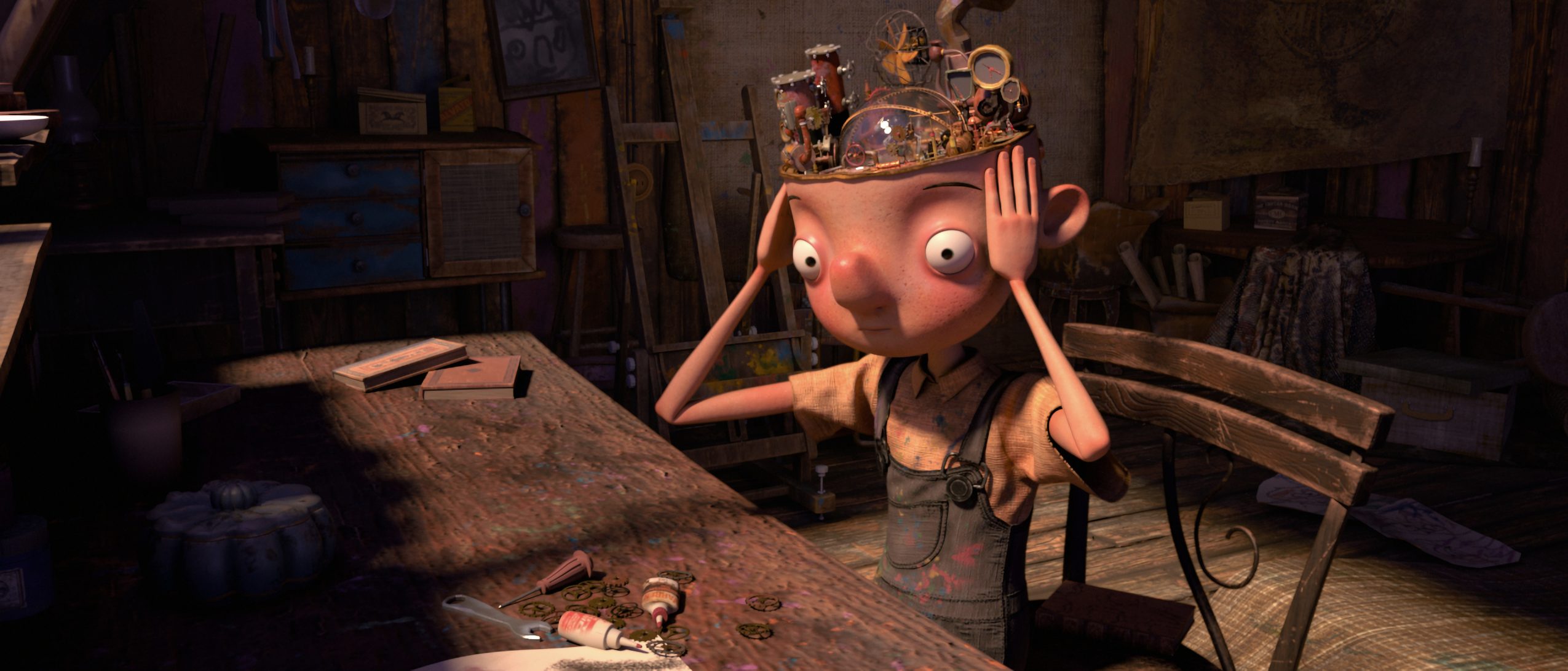
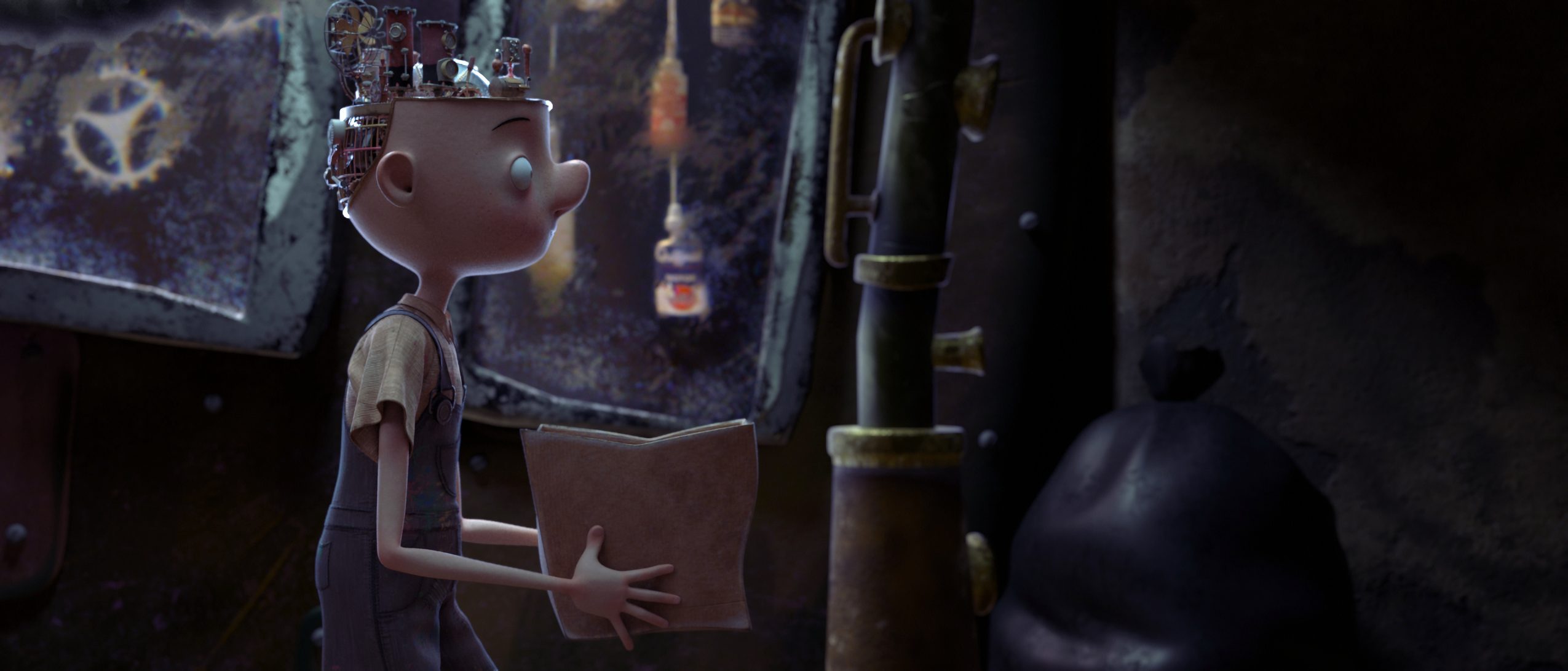
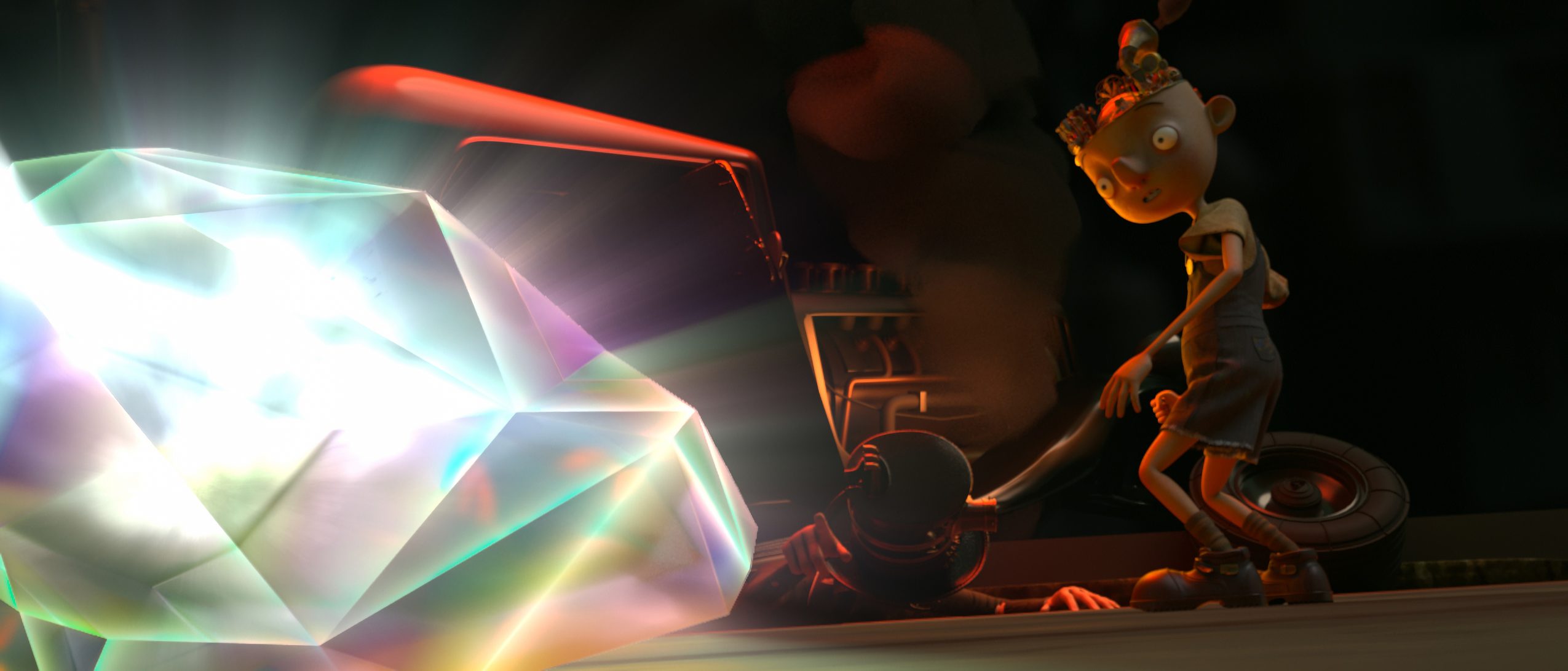
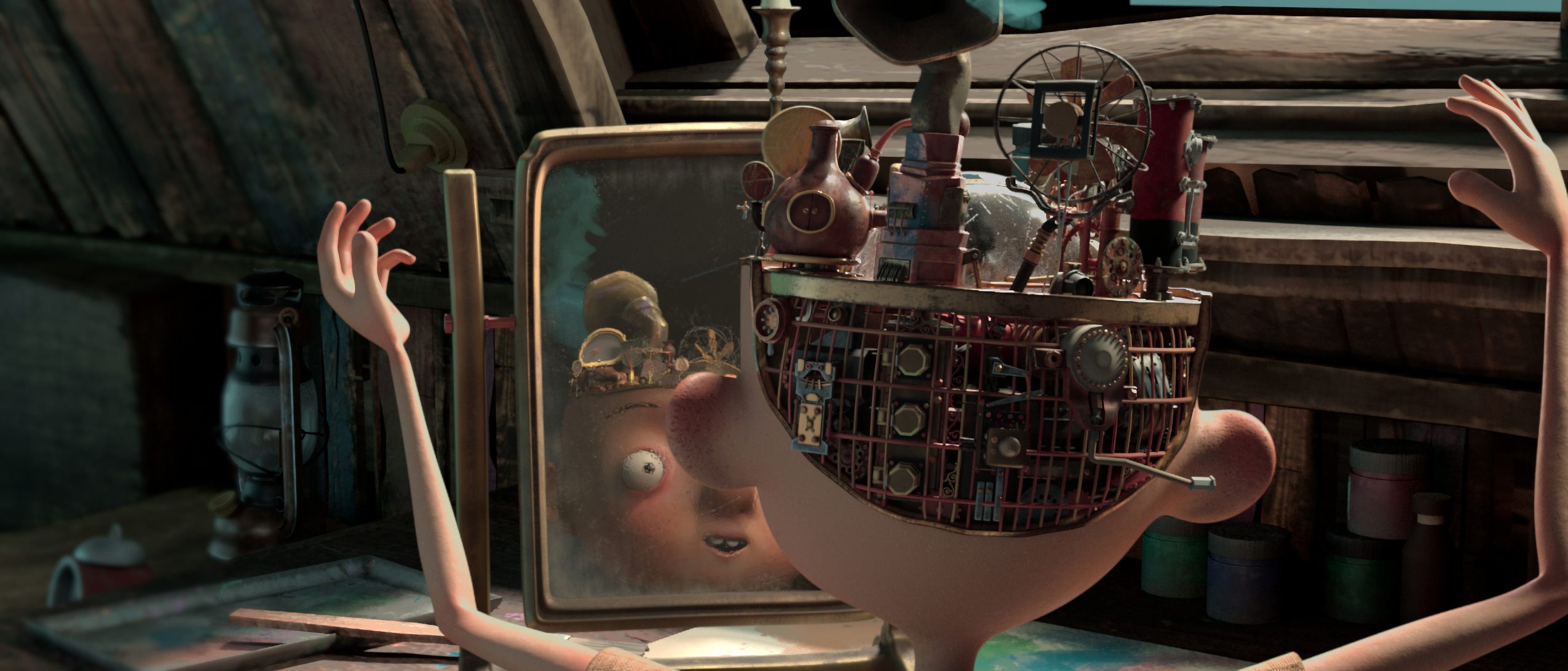
That dream eventually brought me to New York, where I studied Computer Art at the School of Visual Arts (SVA). During my time there, I explored different areas of 3D production, particularly modeling and animation. For my undergraduate thesis, I created the original story and directed a 3D animated short film called ‘Apes in the Finery’.
The story was deeply personal to me. It follows a young boy who feels different from everyone around him and desperately wants to fit into society. I drew inspiration from my own observations and feelings about social expectations, beauty standards, and the pressure to be accepted. I created a steampunk-inspired world where social status and talent are represented through colorful smoke, using exaggerated character designs and visual storytelling to explore the emotional cost of trying to become someone you’re not.
I was involved in nearly every stage of production, from developing the story, characters, and storyboards to modeling, animation, simulation, and final compositing. It was challenging, but also incredibly rewarding to see something that had started as an idea in my head become a complete film. The short later received Best Animation Short Film at the South Film and Arts Academy Festival and an Award of Merit at the Accolade Global Film Competition in 2024.
After finishing the film, I started thinking more deeply about the relationship between storytelling and audiences. With animation and film, we create a story and present it to viewers. But games offer something different: players can actively participate in the experience and help shape how the story unfolds. As someone who had always loved playing video games, I found that possibility incredibly exciting. It made me want to explore game development, which eventually led me to pursue graduate studies in game production at the University of Utah.
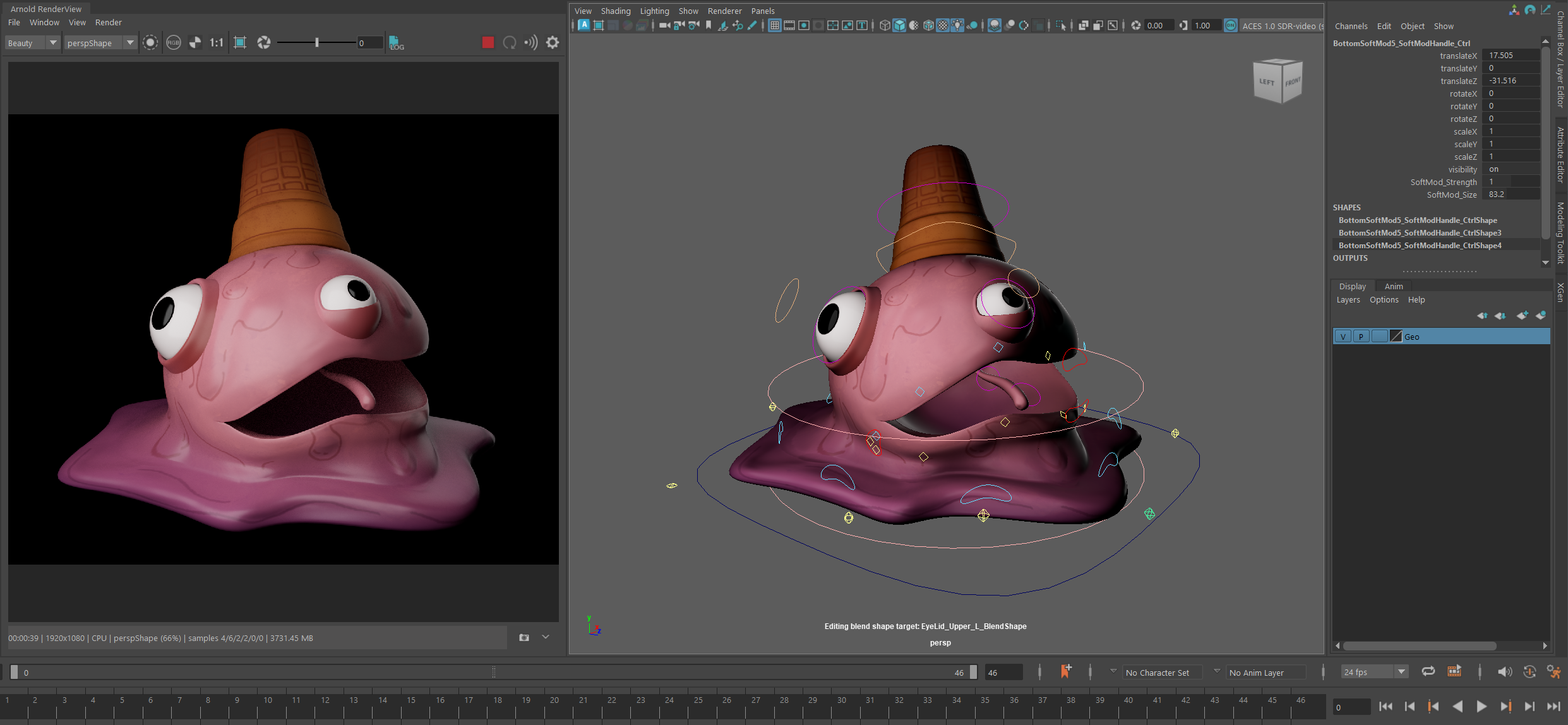
During graduate school, I explored different aspects of game development and gradually discovered what I enjoyed most: bringing characters to life. That’s when I became especially interested in character rigging.
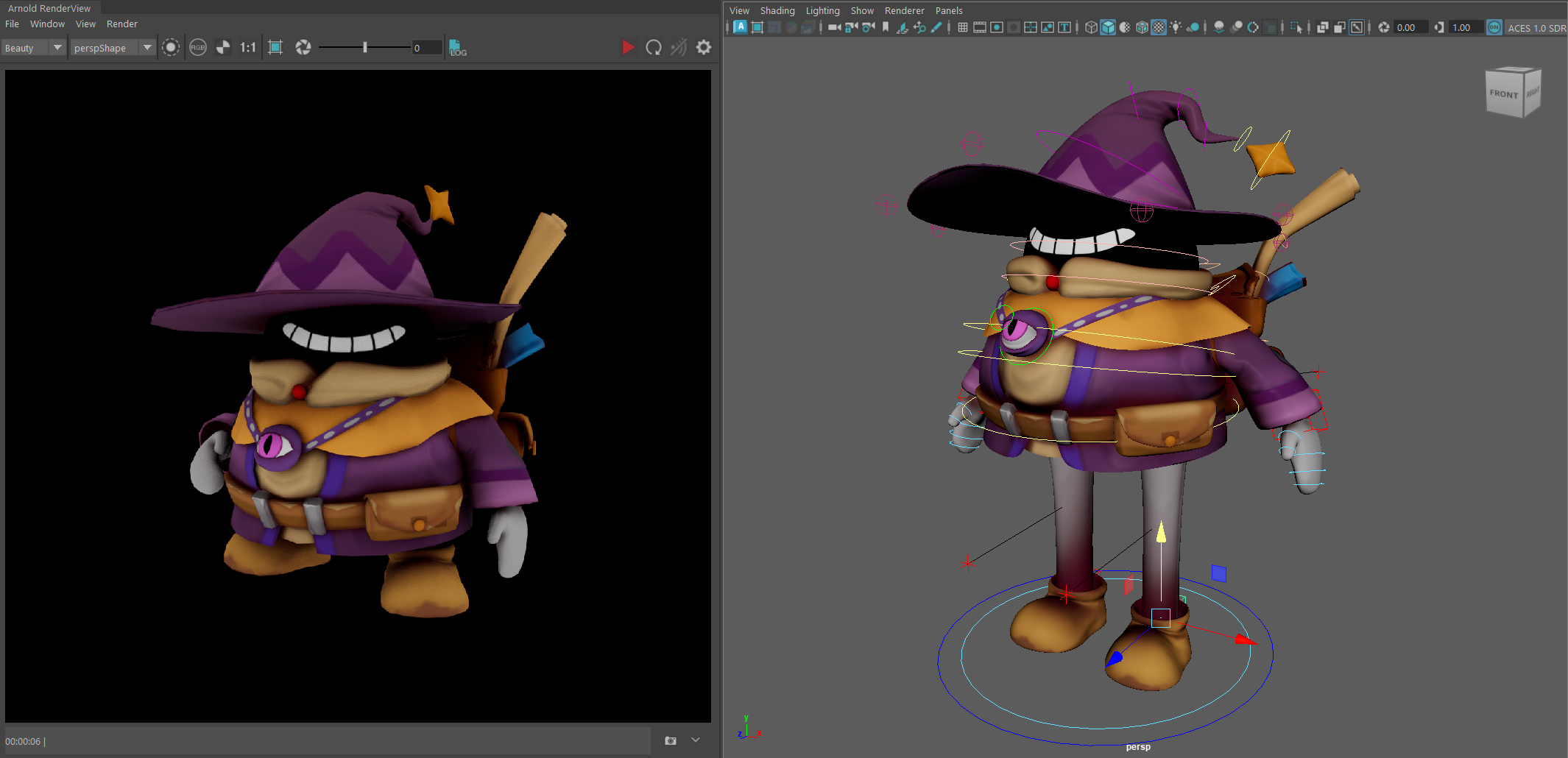
I remember seeing projects with amazing character designs that couldn’t fully realize their potential because the team lacked the technical expertise to rig and animate them. That always felt like such a missed opportunity to me. I started thinking of rigging as giving a character its skeleton and the strings that make it move, almost like turning a beautiful sculpture into a living puppet. By building controls and carefully designing how a character moves and deforms, I could help give it personality, whether the movement was realistic, exaggerated, or wonderfully strange. There’s something incredibly satisfying about seeing a character that was once completely still suddenly come alive.
Today, I work as a Technical Artist at Scopely on Marvel Strike Force, a live-service mobile game featuring characters from the Marvel universe. My work focuses on character rigging and developing tools and workflows that support character production. Getting to work with such a diverse cast of Marvel characters, each with its own personality and unique abilities, is genuinely exciting to me.
My journey has taken me from playing flute to animation filmmaking and eventually game development. But what connects all these experiences is the same curiosity I’ve had since childhood: finding creative ways to bring stories and characters to life.
Would you say it’s been a smooth road, and if not what are some of the biggest challenges you’ve faced along the way?
Not really, I think one of my biggest struggles was finding my direction during my first couple of years learning 3D art.
There was so much to learn, from 2D software like Photoshop and Nuke to 3D tools like Maya and Substance Painter. I’m naturally someone who loves trying new things and challenging myself, and I always felt a great sense of accomplishment whenever I picked up a new skill. But that curiosity also made it difficult to decide what I really wanted to specialize in. When I was learning modeling, I thought about becoming a modeler. When I started learning animation, I wondered if I should become an animator instead.
It felt like stepping into a whole new world where suddenly so many different paths opened up in front of me. I wanted to explore all of them, but I also worried about becoming someone who knew a little bit of everything without being particularly good at one thing.
Looking back, though, I think that exploration was necessary. Sometimes you have to try different things before you discover what you truly enjoy and where your strengths lie. Once I found my passion for character rigging and technical art, I was able to focus more deeply on developing my expertise. And interestingly, all those different skills I had learned along the way became incredibly valuable, because technical art requires an understanding of how different parts of the production pipeline work together.
Another challenge has been learning how to solve problems independently. A lot of technical art involves self-learning, experimenting, and figuring things out as you go. We often encounter problems we’ve never seen before, but we’re also the people others turn to for solutions. I’ve had to learn how to approach unfamiliar challenges, break them down, and keep experimenting until I find something that works.
It can be frustrating at times, but it’s also one of the things I enjoy most about being a Technical Artist. There’s something really rewarding about turning a problem you initially have no idea how to solve into a solution that makes someone else’s work easier.
Alright, so let’s switch gears a bit and talk business. What should we know about your work?
I’m currently a Technical Artist at Scopely, working on *Marvel Strike Force*, a live-service mobile game featuring characters from the Marvel universe. I’m the primary point of contact for character rigging on the project, and I also develop tools and workflows that support character production.
One of my favorite parts of the job is working with characters that have unique personalities, proportions, and abilities. Every character brings different artistic and technical challenges, and I enjoy figuring out how to make them move and perform in a way that feels true to their design. Rigging is where I get to combine creativity with problem-solving, building the underlying systems that allow animators to bring these characters to life.
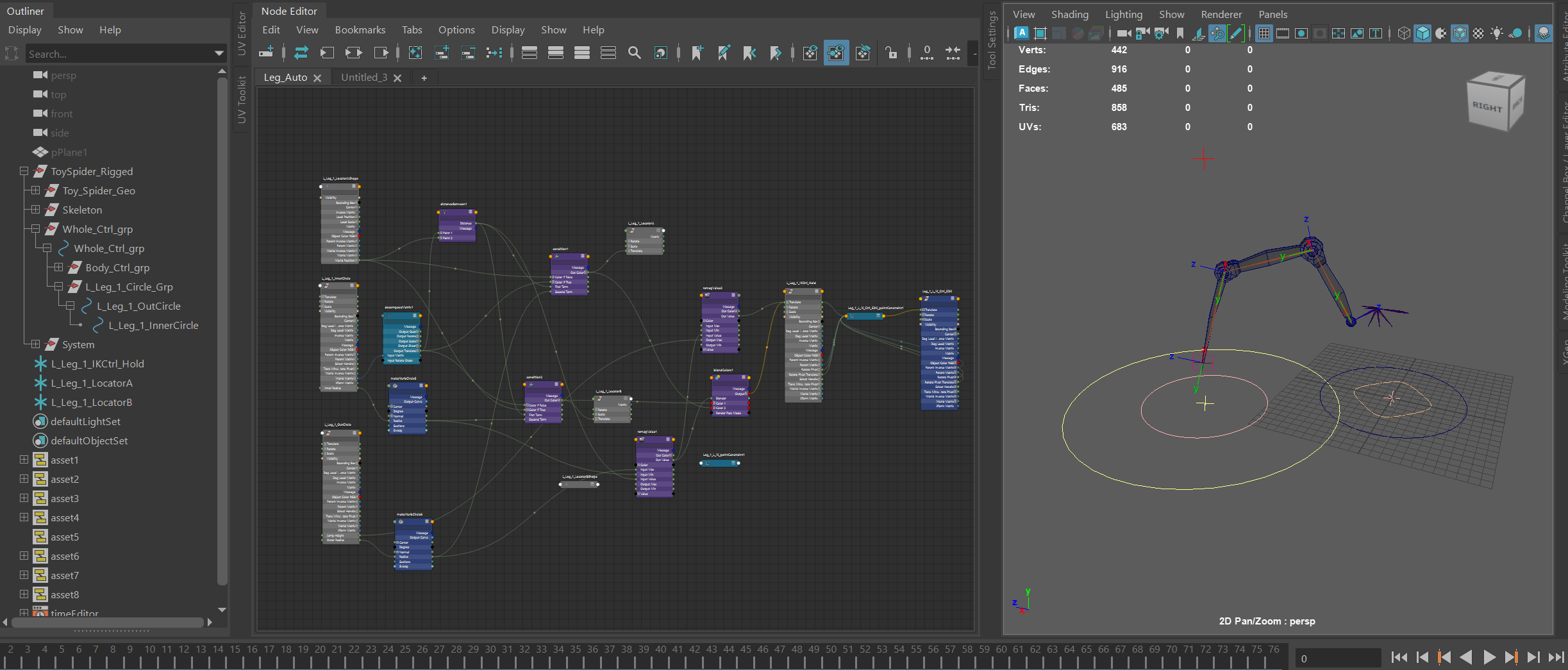
Beyond rigging, I also work on improving production workflows and developing tools that make the process more efficient and reliable. Working on a live-service game has taught me how important it is to balance artistic quality, technical performance, and production efficiency, especially when new content needs to be delivered continuously.
What I’m most proud of is being able to create solutions that help other artists do their best work. Sometimes that means finding a way to rig a particularly challenging character, and other times it means developing a tool that simplifies a repetitive process or makes an existing workflow more reliable. There’s something incredibly rewarding about knowing that a solution I’ve created can make someone else’s work easier and give them more freedom to focus on their creativity.
I think what sets me apart is my combination of artistic and technical experience. Before specializing in technical art, I explored nearly every stage of the 3D production pipeline, including modeling, texturing, animation, VFX, rendering, and optimization. I also had experiences in directing animation short film and creating serious game, which gave me firsthand experience developing a creative vision and carrying it through to a finished production.
Because I’ve worked on both the creative and technical sides of production, I understand the challenges artists face at different stages of the process. I try to approach technical problems not just by asking whether something works, but also whether it supports the artist’s vision and makes the creative process better.
Ultimately, that’s what I love most about being a Technical Artist: finding ways to bridge art and technology, turning creative ideas into something that can actually come to life.
What do you like and dislike about the city?
What I appreciate most about Culver City is its creative atmosphere and deep connection to the film and entertainment industry. As someone who grew up watching animated movies and eventually pursued a career in 3D art and animation, I find it inspiring to see a place with such a rich history of filmmaking and storytelling. I love the idea of being surrounded by people who share that passion for creativity and bringing imaginative worlds to life.
If I had to pick one thing I like least, it would probably be the traffic! Getting around the LA area can sometimes take much longer than expected. But I think the creative energy and opportunities to connect with other artists make up for it.
Contact Info:
- Website: https://www.tianjiyang.com/reel
- LinkedIn: https://www.linkedin.com/in/tianjiyang
Popular
-

Portraits of the Valley
-

LA’s Most Inspiring Stories
-

Greg Hex Is Turning the Everyday Kitchen Knife Into a Modern Design Object
-

Rick Norris Learned That Building a Successful Business Means Building a Life You Actually Want to Live
-

How Olivia Rush Turned Survival Into a Mission to Help Others Keep Going
-

How Bibi Goldstein Is Helping Entrepreneurs Reclaim Their Time by Embracing the Power of Delegation


